Shows / Paper Talk

Episodes
 Paper Talk
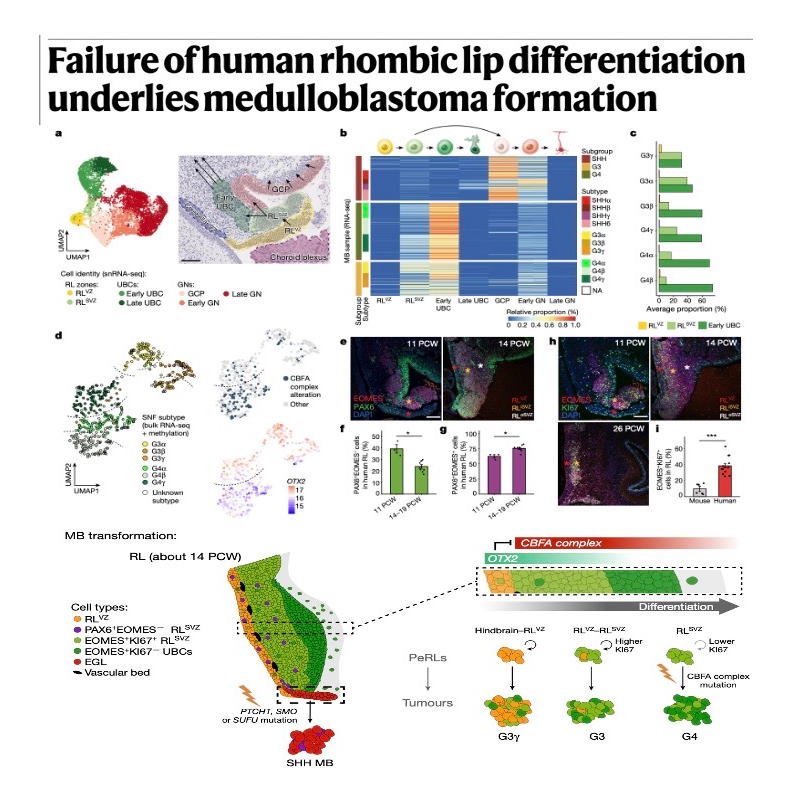
640-Stalled Differentiation of Human Rhombic Lip in MB
This research investigates the cellular origins of medulloblastoma, a common childhood brain cancer, focusing specifically on the Group 3 and Group 4 subtypes…
 Paper Talk
639-Rhombic Lip Origins of Group 3 and 4 Medulloblastoma
This research paper identifies the rhombic lip (RL) as the unified developmental origin for group 3 and group 4 medulloblastoma, the most clinically…
 Paper Talk
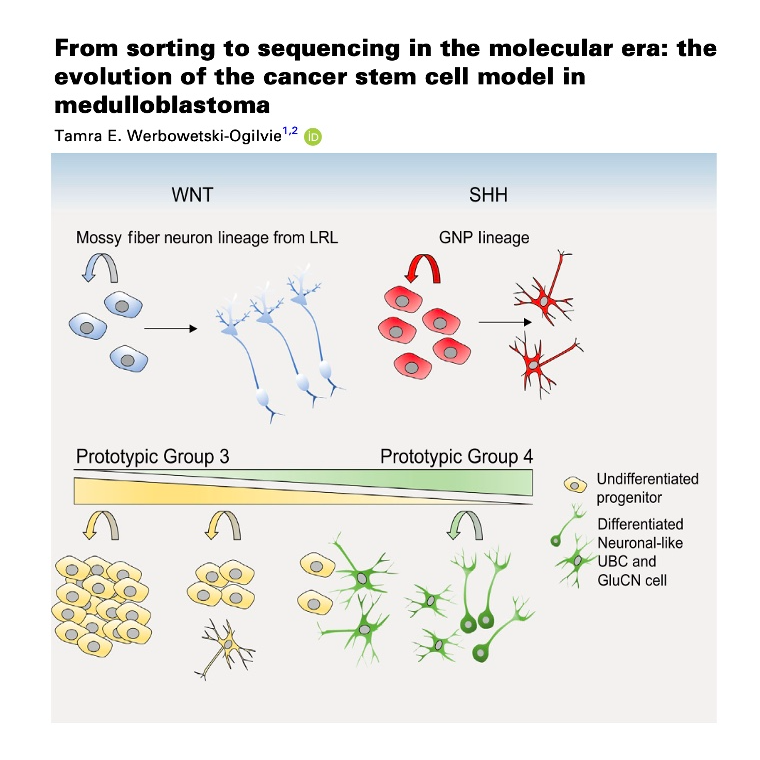
638-The Evolution of Stem Cell Models in Medulloblastoma
This review examines the development of the cancer stem cell (CSC) model specifically within medulloblastoma, the most prevalent malignant pediatric brain…
 Paper Talk
637-Epigenetic Reprogramming of Medulloblastoma Metastasis
This research identifies SMARCD3 as a critical epigenetic driver of medulloblastoma metastasis, particularly in the aggressive Group 3 subgroup. Scientists…
 Paper Talk
636-Evolution and Development of the Mammalian Cerebellum
This research provides a comprehensive single-nucleus RNA-sequencing atlas tracing the development of the mammalian cerebellum across human, mouse, and opossum…
 Paper Talk
635-The Medulloblastoma Metastatic Niche
This research explores how metastatic medulloblastoma survives in the nutrient-poor environment of the leptomeninges by actively altering its surroundings. The…
 Paper Talk
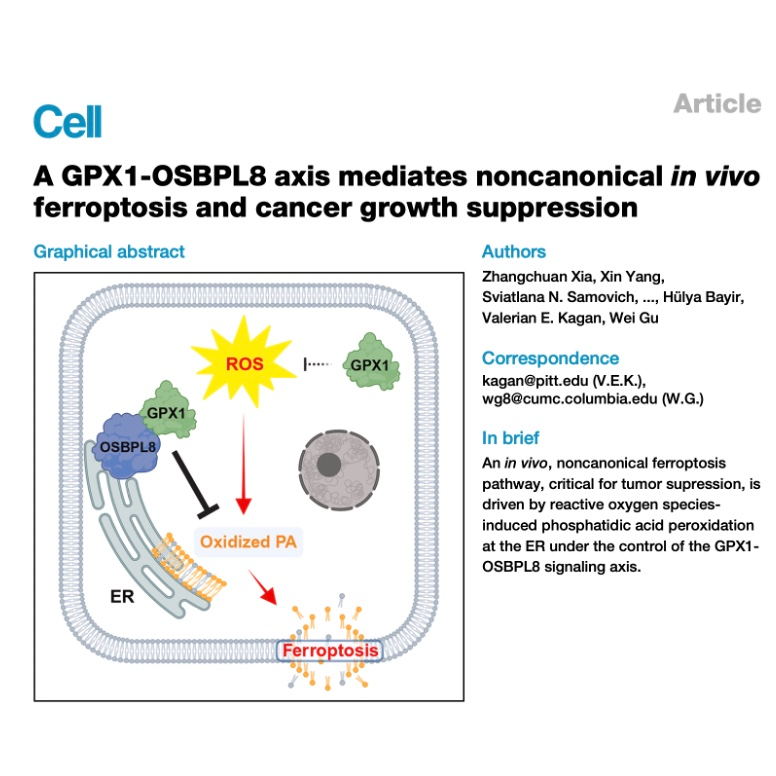
634-The GPX1-OSBPL8 Axis: Pathway for In Vivo Ferroptosis
This research identifies a noncanonical ferroptosis pathway that occurs naturally in vivo and is driven by reactive oxygen species (ROS). Scientists discovered…
 Paper Talk
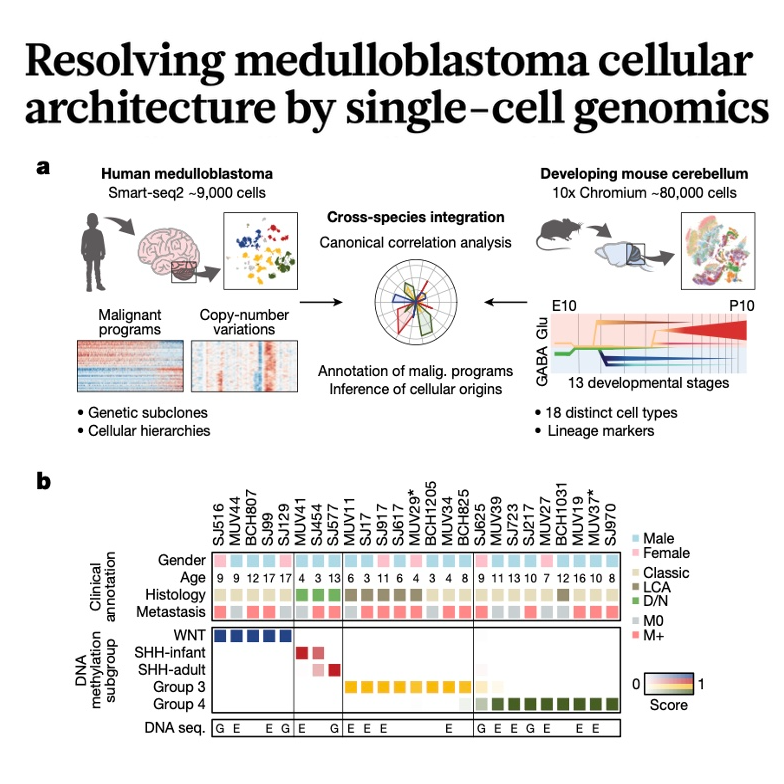
633-Resolving Medulloblastoma Cellular Architecture
This research utilizes single-cell transcriptomics to map the cellular landscape of medulloblastoma, a common malignant brain tumor in children. By analyzing…
 Paper Talk
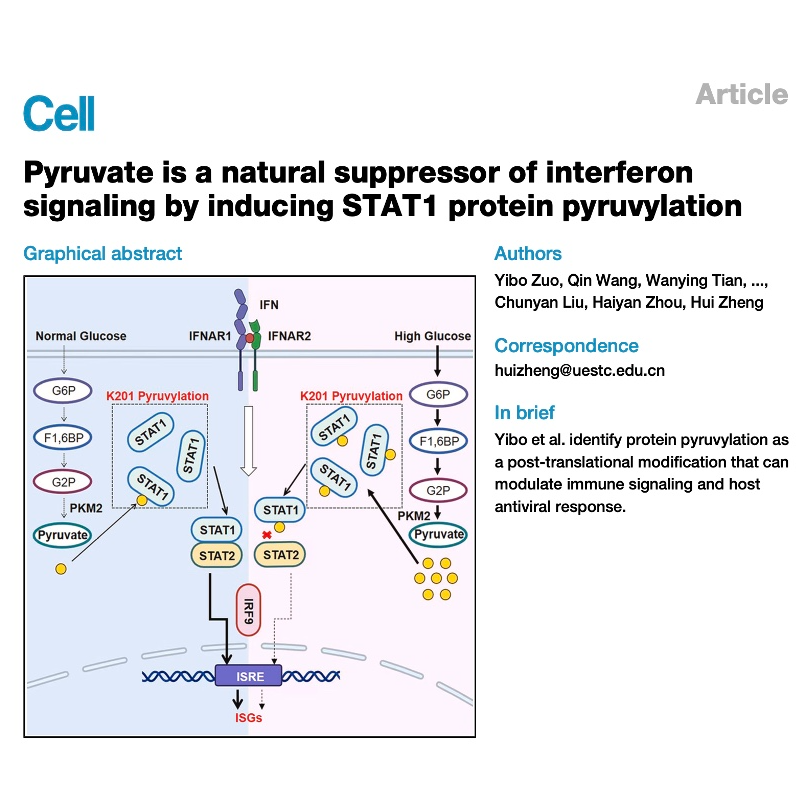
632-Pyruvate is a natural suppressor of interferon signaling
This research identifies protein pyruvylation as a novel post-translational modification where the metabolite pyruvate covalently attaches to the STAT1…
 Paper Talk
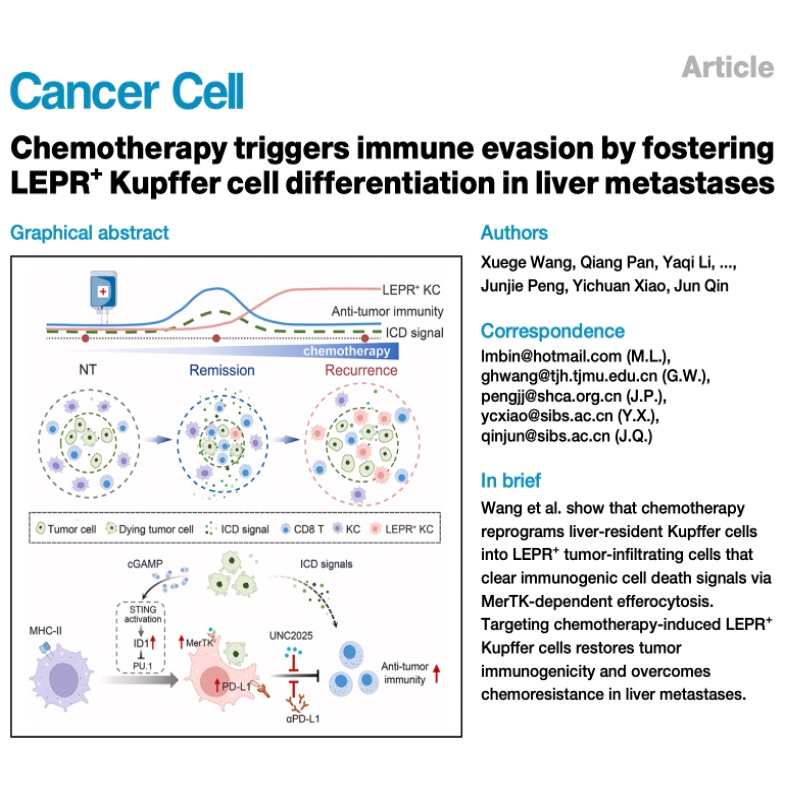
631-Chemotherapy-Induced Tumor Immune Evasion
This research reveals that chemotherapy unintentionally triggers immune evasion in liver metastases by reprogramming resident Kupffer cells into a suppressive…
 Paper Talk
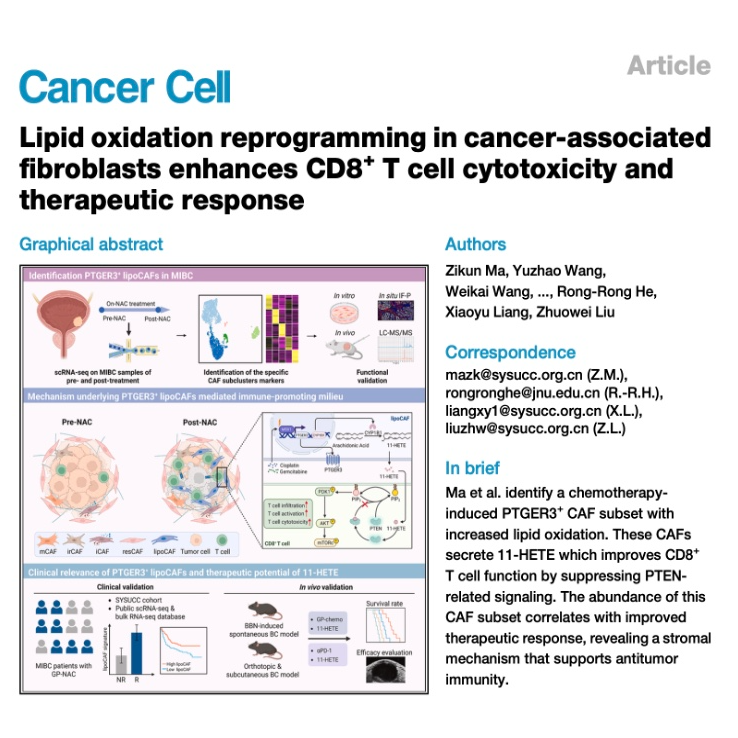
630-CAF Lipid Reprogramming Enhances T Cell Cytotoxicity
The research identifies a novel subset of cancer-associated fibroblasts (CAFs), termed PTGER3+ lipoCAFs, which are induced by chemotherapy in bladder cancer…
 Paper Talk
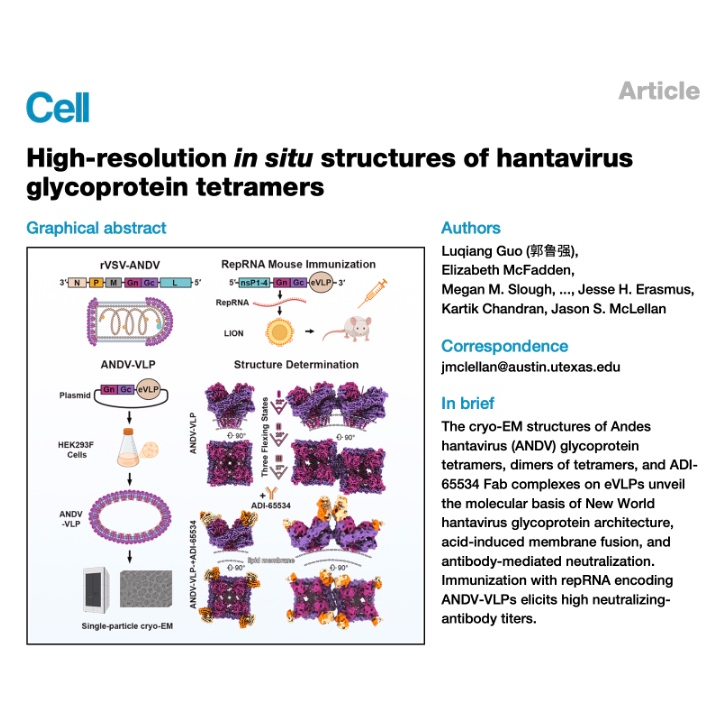
629-Architecture of Hantavirus Glycoprotein Tetramers
The paper details a scientific study on the Andes virus (ANDV), a dangerous hantavirus, and the development of high-resolution structural models of its…
 Paper Talk
628-The Cellular Orchestra of CAR T Success in Myeloma
This paper examines a longitudinal single-cell atlas that identifies the biological drivers behind the success or failure of BCMA-targeted CAR T cell therapy…
 Paper Talk
627-Macrophages: Next-Generation Cancer Immunotherapy
This review examines tumor-associated macrophages (TAMs), which are diverse immune cells capable of either driving cancer growth or eliminating malignant…
 Paper Talk
626-Advancing Cellular Immunotherapies for Solid Tumors
This review article examines the evolution and current state of cellular immunotherapies specifically designed to treat solid tumors. While these therapies…
 Paper Talk
625-The CUBIC Organ and Body Atlas
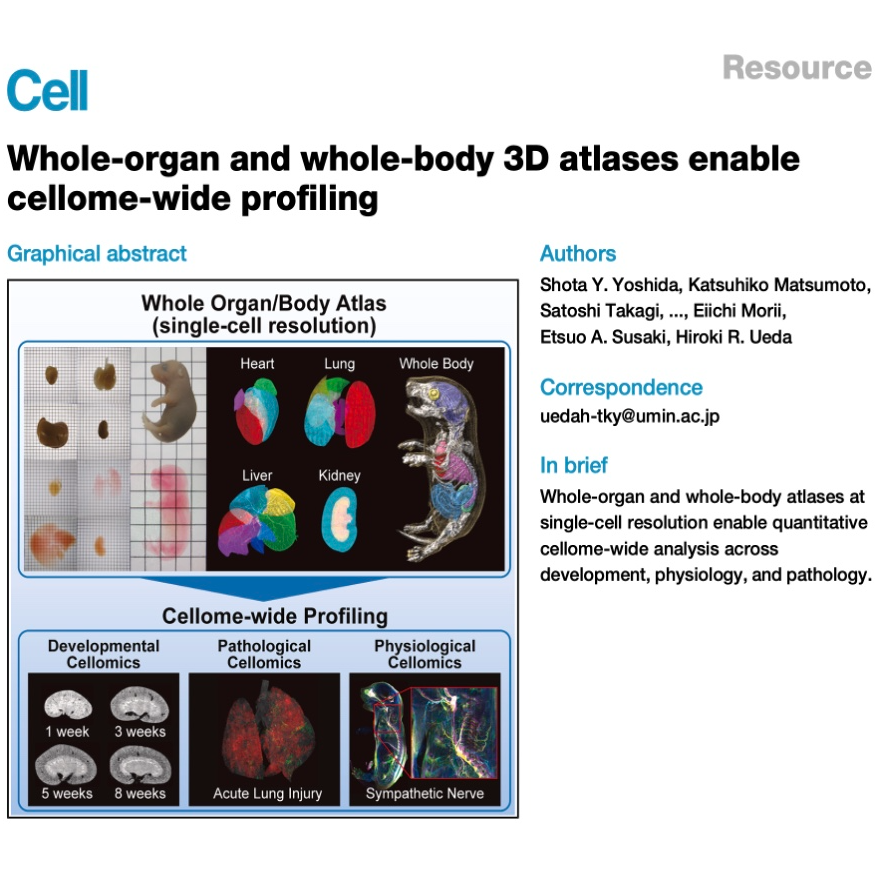
The CUBIC Organ/Body Atlas is a groundbreaking biological resource providing three-dimensional, single-cell resolution maps of major mouse organs and the…
 Paper Talk
624-MicrobeAtlas: Database of Earth's Microbial Ecosystems
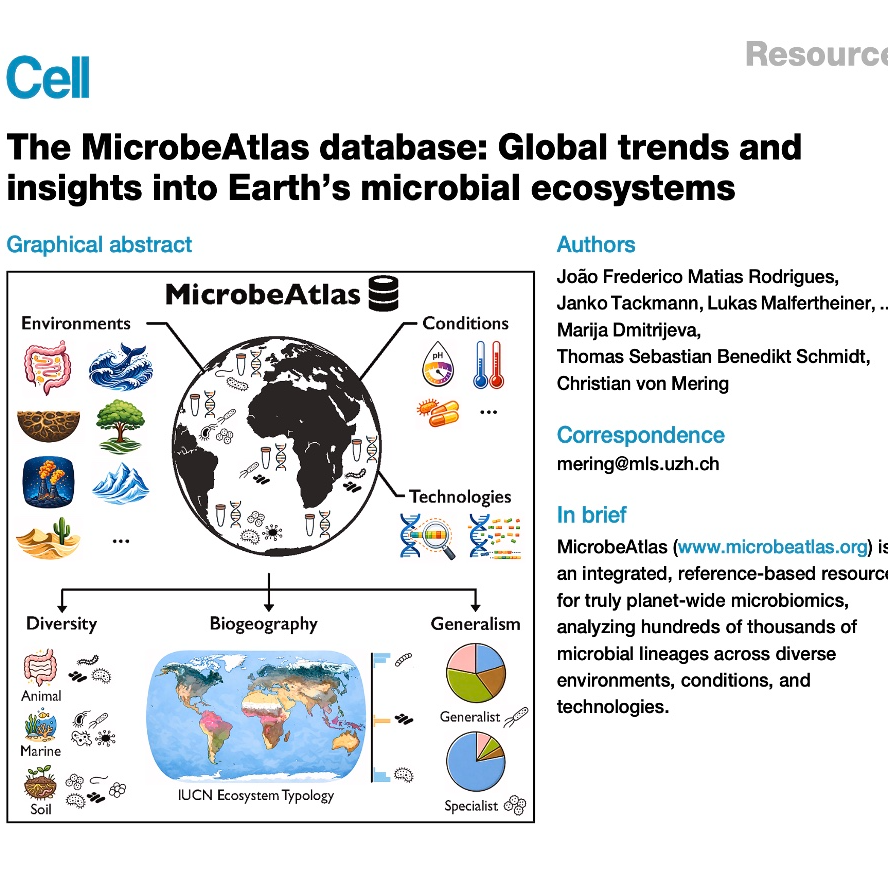
The MicrobeAtlas database is a massive, unified resource that integrates over 2.4 million microbial community samples from across the globe. By re-processing…
 Paper Talk
623-HoloTea: 3D Flow Matching for Volumetric Transcriptomics
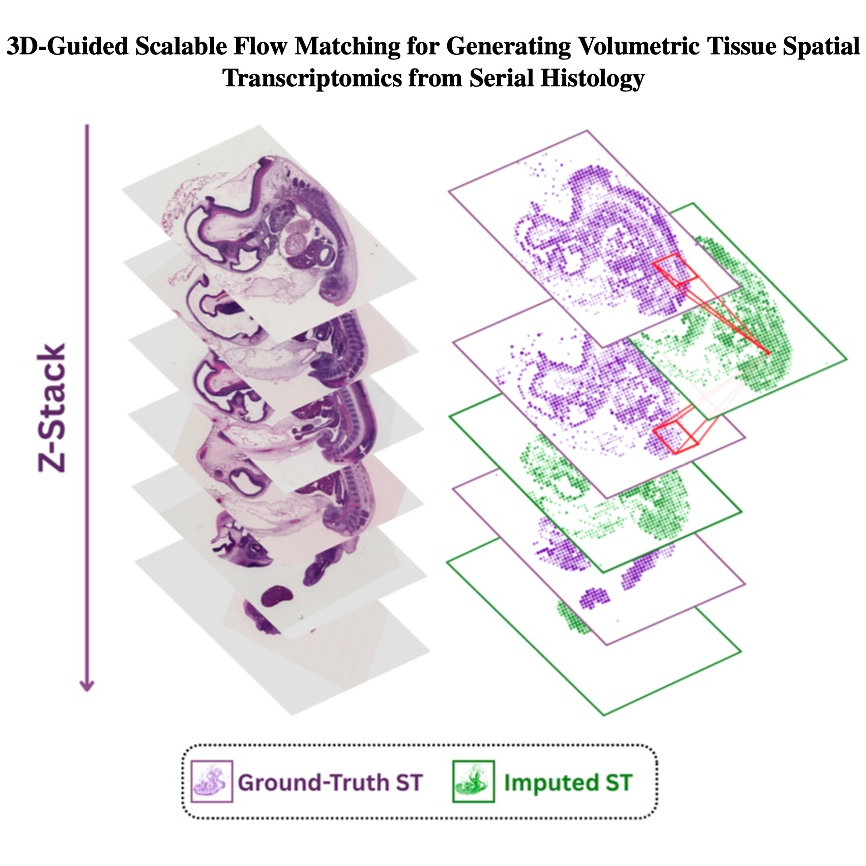
The paper introduces HoloTea, a novel computational framework designed to generate 3D volumetric tissue gene expression profiles from serial histology images…
 Paper Talk
622-Functional Connectivity Gradients Across the Human Brain
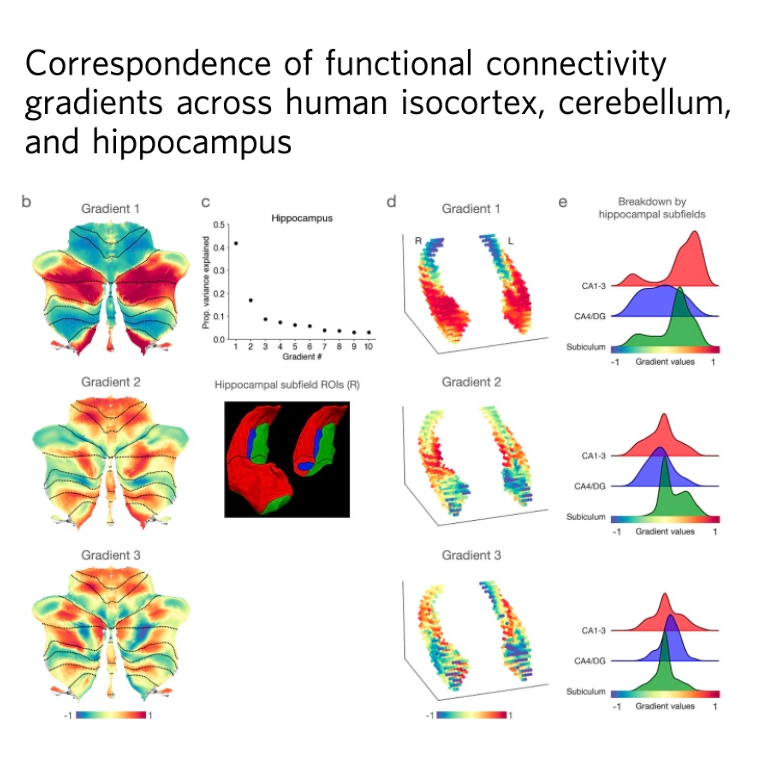
This research article investigates the functional organization of the human brain by identifying shared connectivity patterns across the isocortex, cerebellum…
 Paper Talk
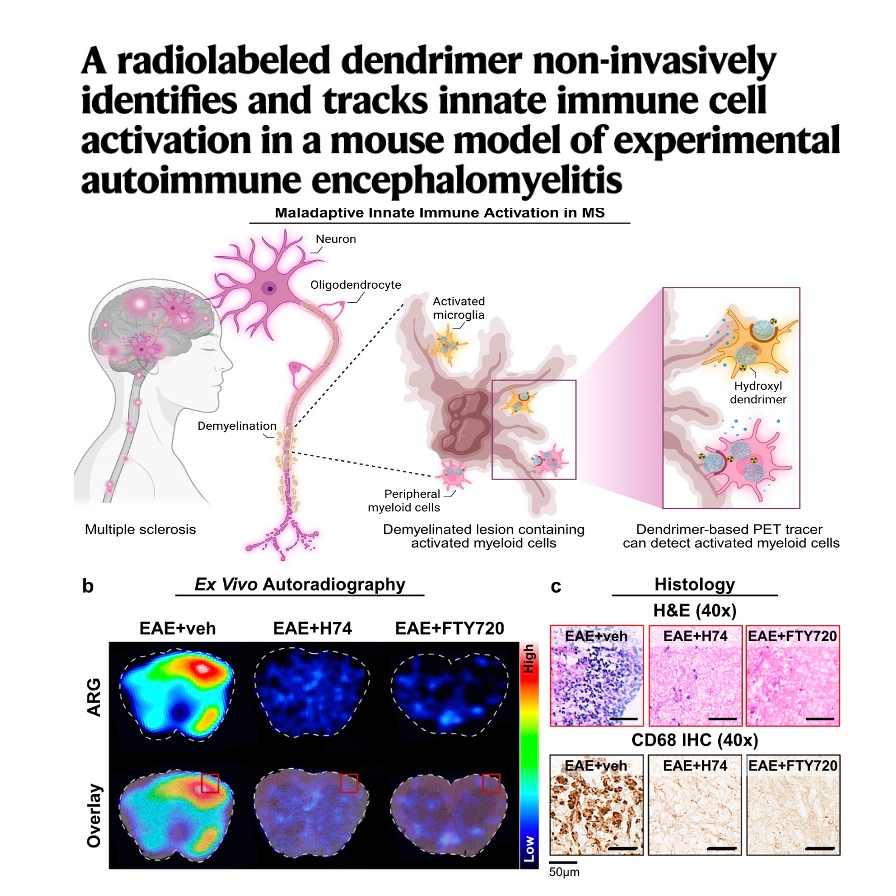
621-Tracking Innate Immune Activation in Multiple Sclerosis
This research article introduces 18F-flurimedrimer (18F-FMD), a novel PET imaging tracer designed to non-invasively track innate immune cell activation in the…
 Paper Talk
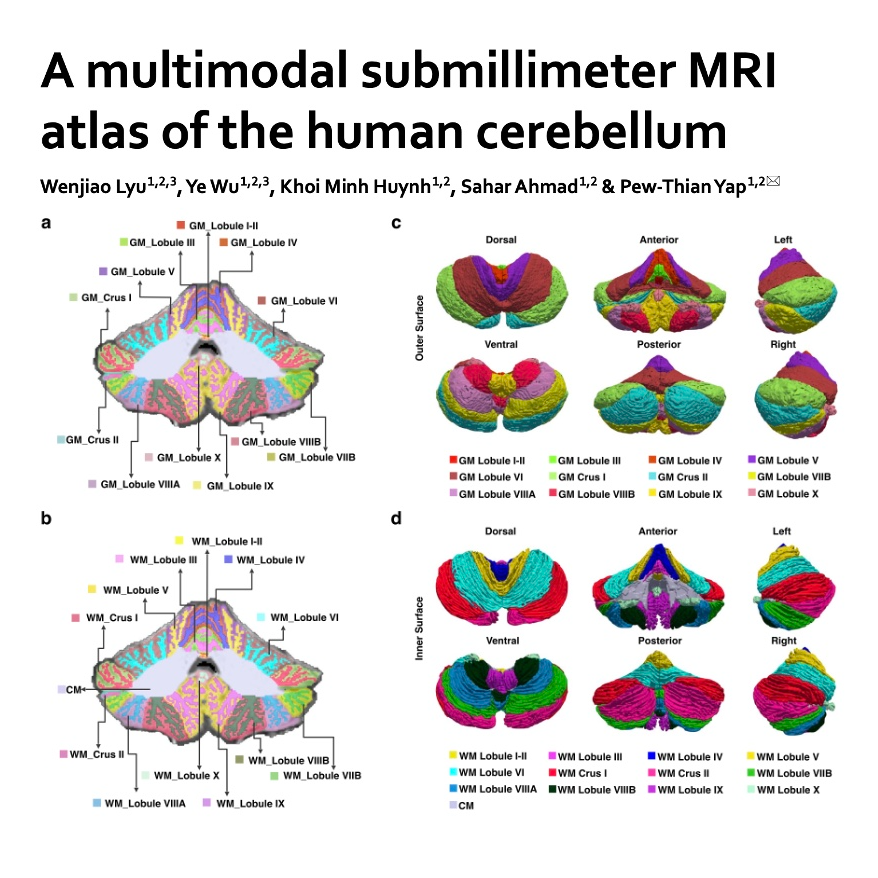
620-Multimodal MRI Atlas of the Human Cerebellum
Researchers have developed a high-resolution multimodal MRI atlas to better understand the human cerebellum, a complex brain structure vital for motor…
 Paper Talk
619-Landscape of Human Fetal Cerebellar Development
Researchers in this study utilized advanced multi-omics techniques to create a detailed map of the human fetal cerebellum between gestational weeks 13 and 18…
 Paper Talk
618-Single-Cell Nuclear Compartments in Mouse Cerebellum
The paper details the development of two-layer DNA seqFISH+, a high-resolution imaging technology designed to map the three-dimensional organization of the…
 Paper Talk
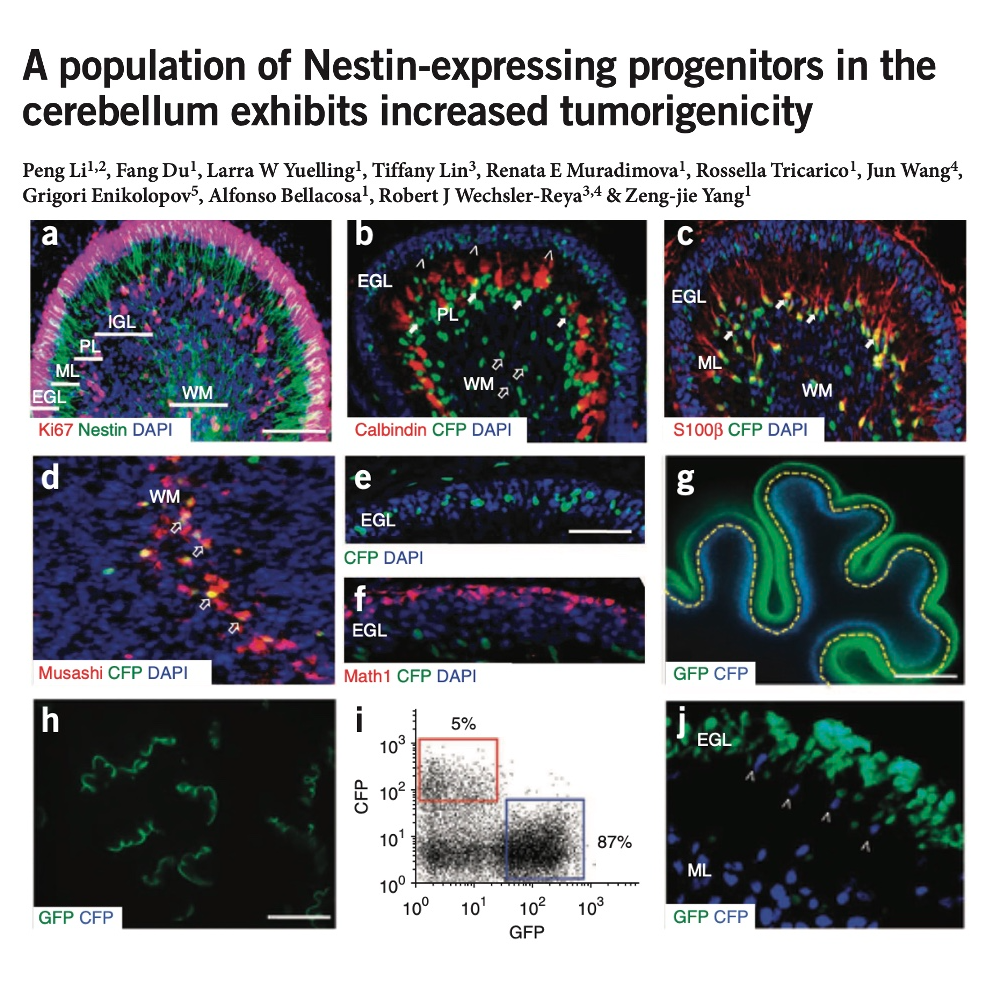
617-The Origins of Medulloblastoma
The paper describes the discovery of Nestin-expressing progenitors (NEPs), a previously unidentified type of cell in the developing cerebellum. While Nestin is…
 Paper Talk
616-Gradients of Structural Human Cerebellar Development
This research reveals that the human cerebellum is organized by a multifaceted gradient that coordinates structural and functional development from childhood…
 Paper Talk
615-Functional Mapping of the Human Cerebellum
This research presents a comprehensive functional map of the human cerebellum, moving beyond its traditional role in motor control to identify its involvement…
 Paper Talk
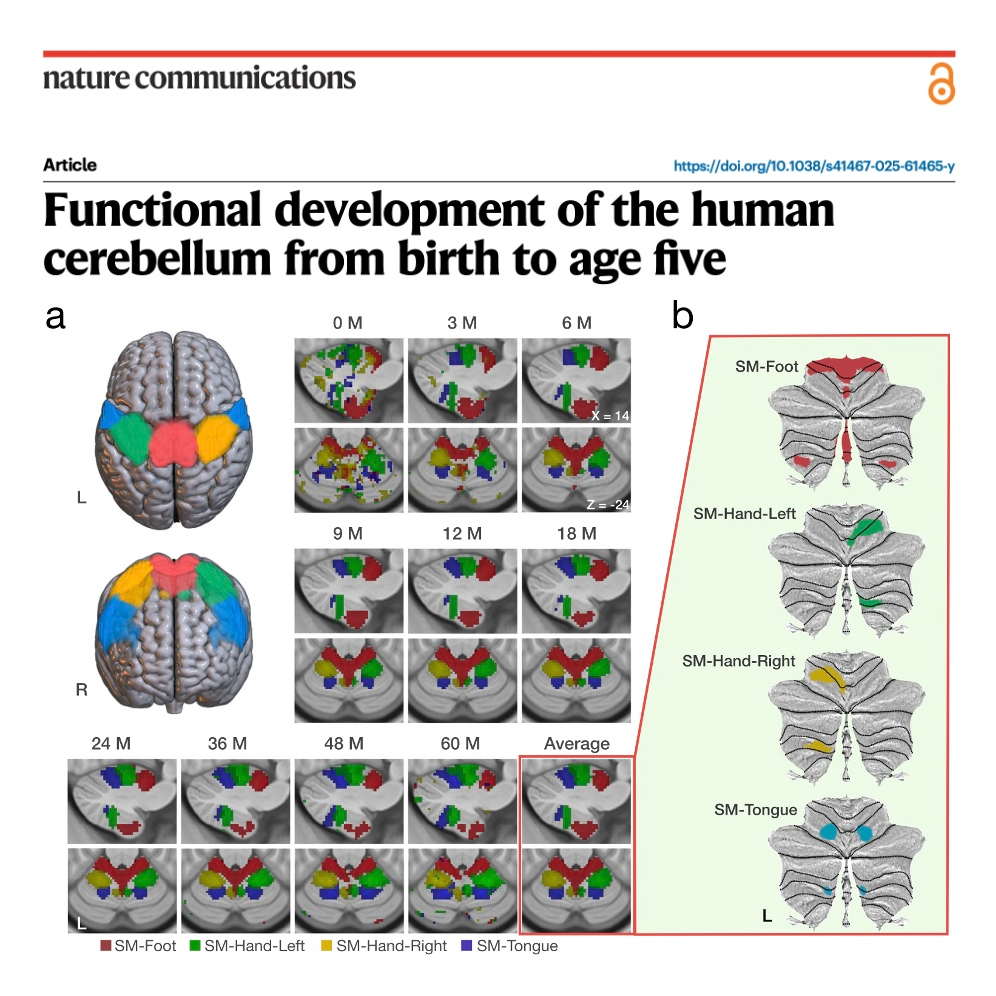
614-Development of the Human Cerebellum from Birth to Five
This research article examines the functional development of the human cerebellum from birth through age five using over 1,000 high-quality brain scans. The…
 Paper Talk
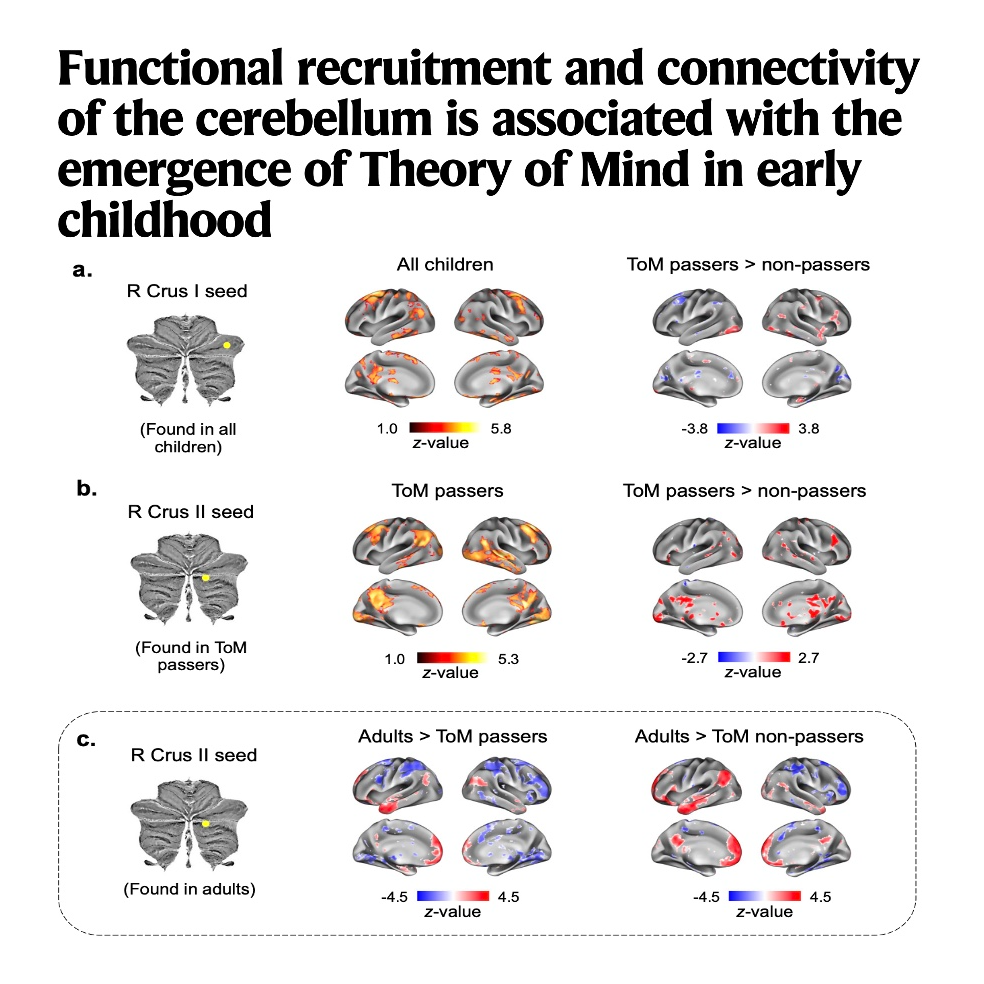
613-Functional connectivity of the cerebellum
This research study investigates how the cerebellum contributes to the development of Theory of Mind (ToM) in children. By analyzing fMRI data from children…
 Paper Talk
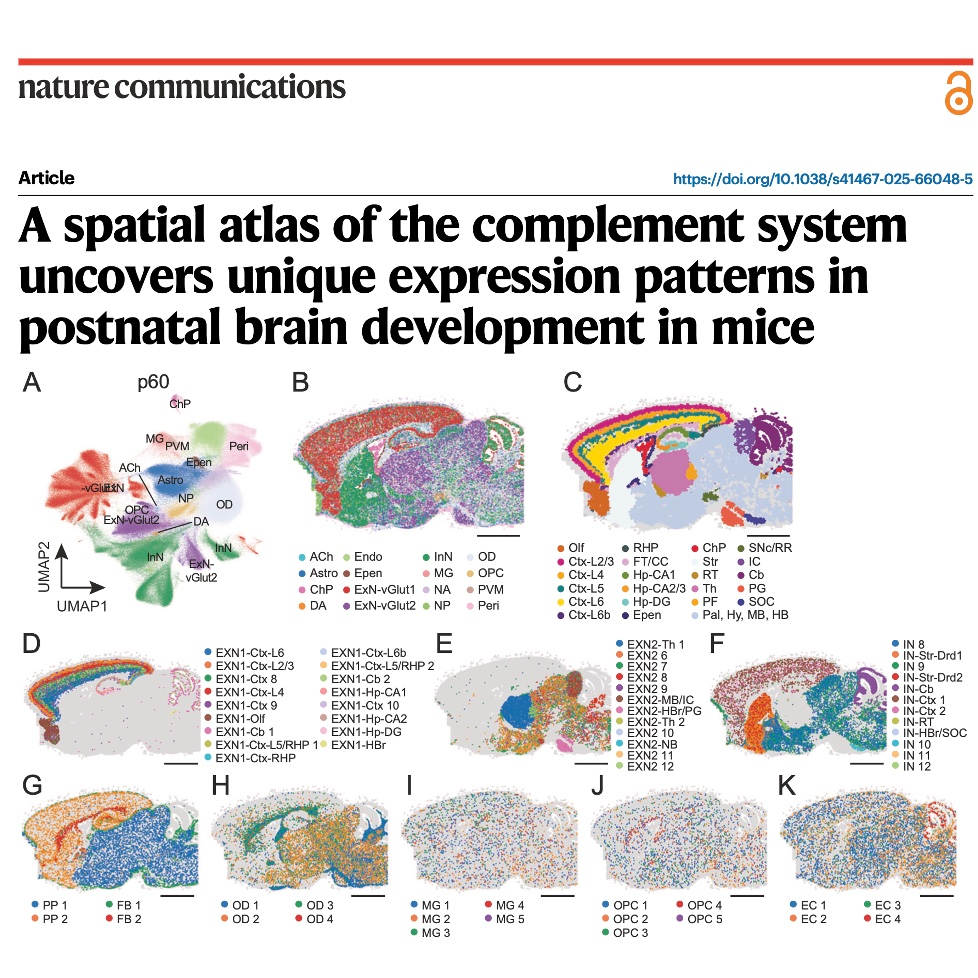
612-A Spatial Atlas of the Mouse Brain Complement System
This research article presents a comprehensive spatial transcriptomic atlas of the complement system within the mouse brain, spanning from embryonic stages to…
 Paper Talk
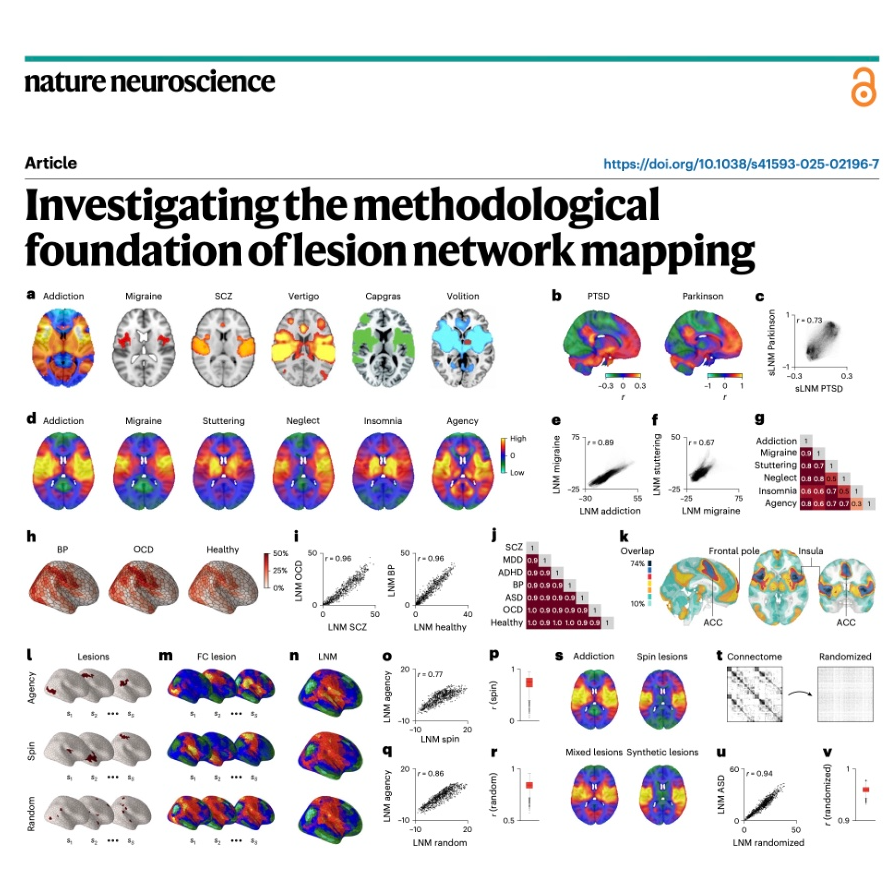
611-Methodological Limitations in Lesion Network Mapping
This article from Nature Neuroscience critically evaluates Lesion Network Mapping (LNM), a popular neuroimaging technique used to link brain injuries to…
 Paper Talk
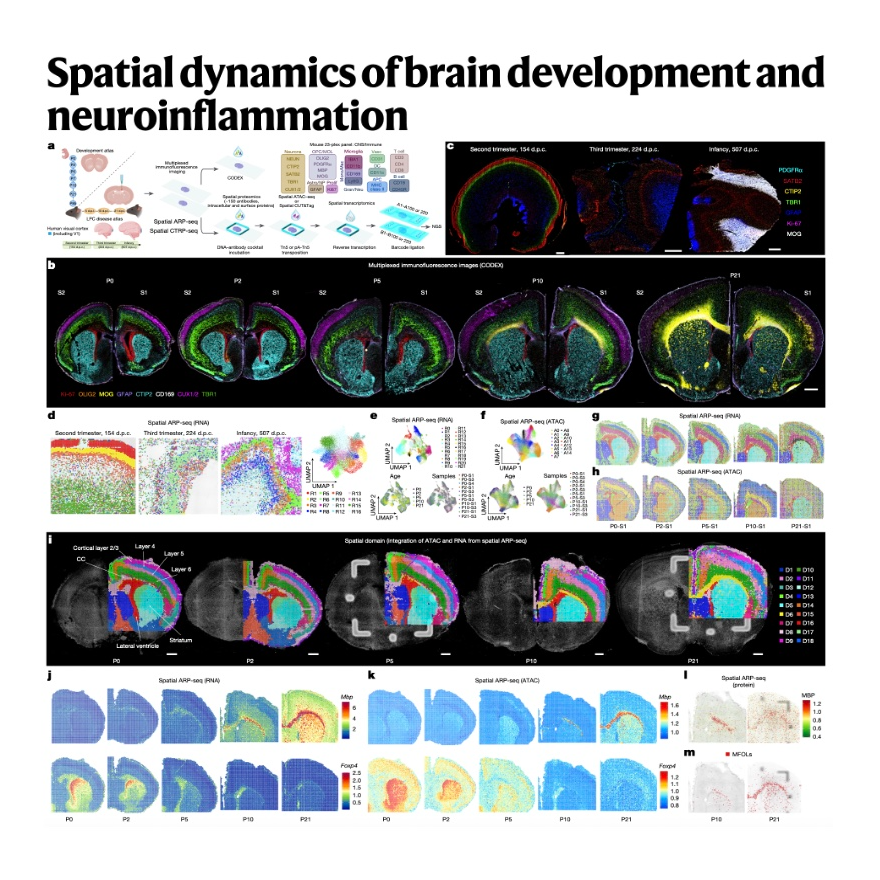
610-Spatial Tri-omics Mapping of Brain Development
This research introduces DBiT-based spatial tri-omic technologies, specifically spatial ARP-seq and spatial CTRP-seq, to simultaneously map the epigenome…
 Paper Talk
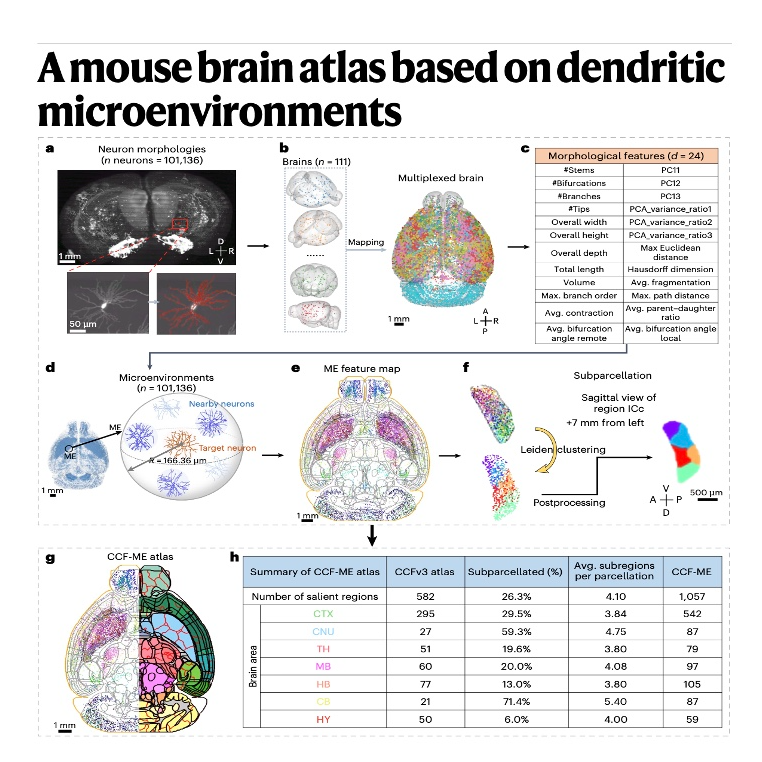
609-Dendritic Microenvironments for Mouse Brain Parcellation
Researchers have developed a new mouse brain atlas, termed CCF-ME, by focusing on the dendritic microenvironments of over 100,000 neurons. Unlike traditional…
 Paper Talk
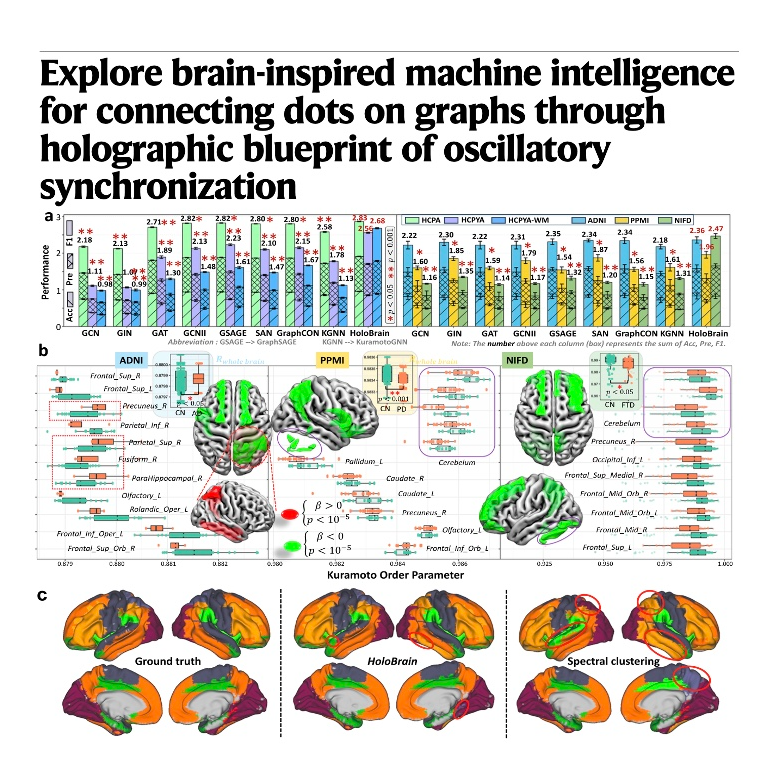
608-HoloBrain and HoloGraph: Oscillatory Synchronization
This research introduces HoloGraph, a novel framework that uses the Kuramoto model of coupled oscillators to improve how machines learn from complex data…
 Paper Talk
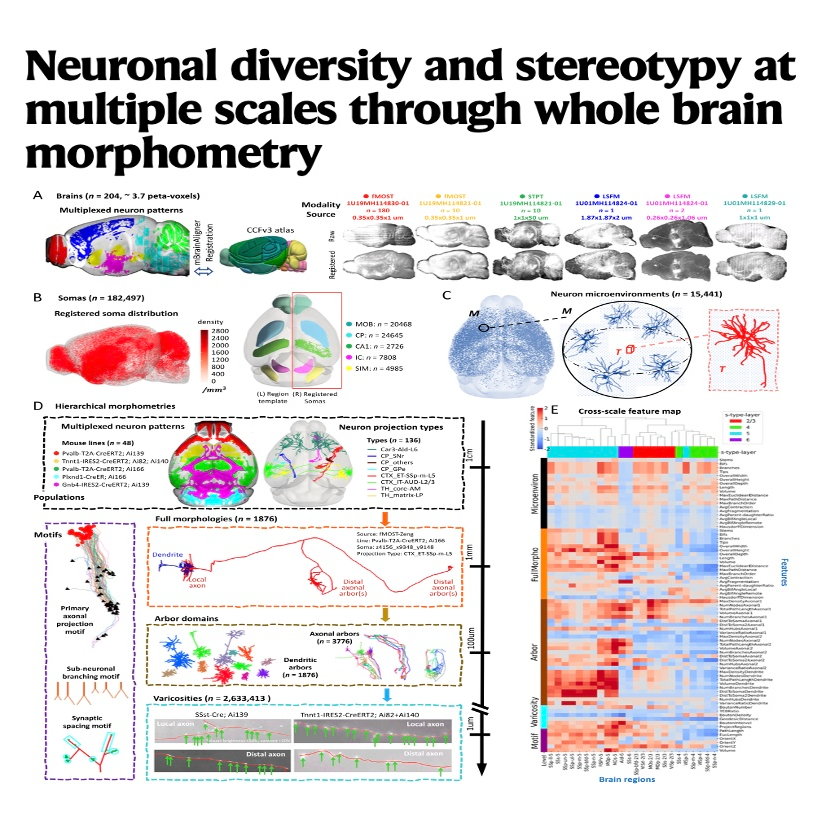
607-Multiscale Morphometry of the Whole Mouse Brain Database
This study presents a comprehensive multi-scale morphometry of the mouse brain, analyzing neuronal structures from individual synapses to whole-organ circuits…
 Paper Talk
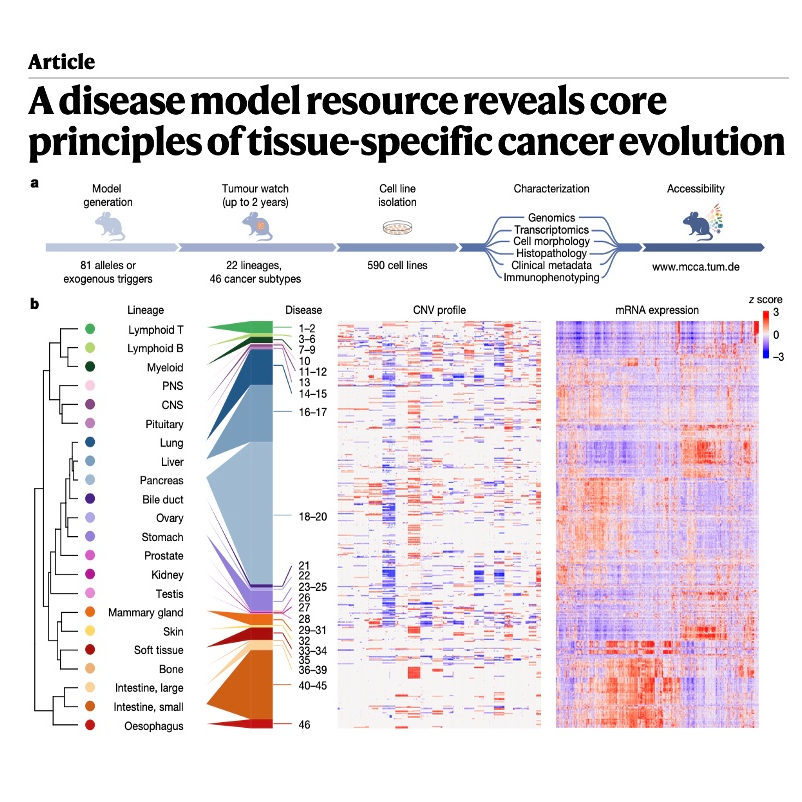
606-Determinants of Tissue-Specific KRAS Cancer Evolution
This research introduces the Mouse Cancer Culture Collection (MCCA), a massive repository of nearly 600 cell lines representing 46 distinct cancer types. By…
 Paper Talk
605-D-LMBmap: Automated Pipeline for Whole-Brain Mapping
The paper introduces D-LMBmap, an integrated open-source software suite designed for the automated 3D mapping of whole-brain neuronal connectivity using…
 Paper Talk
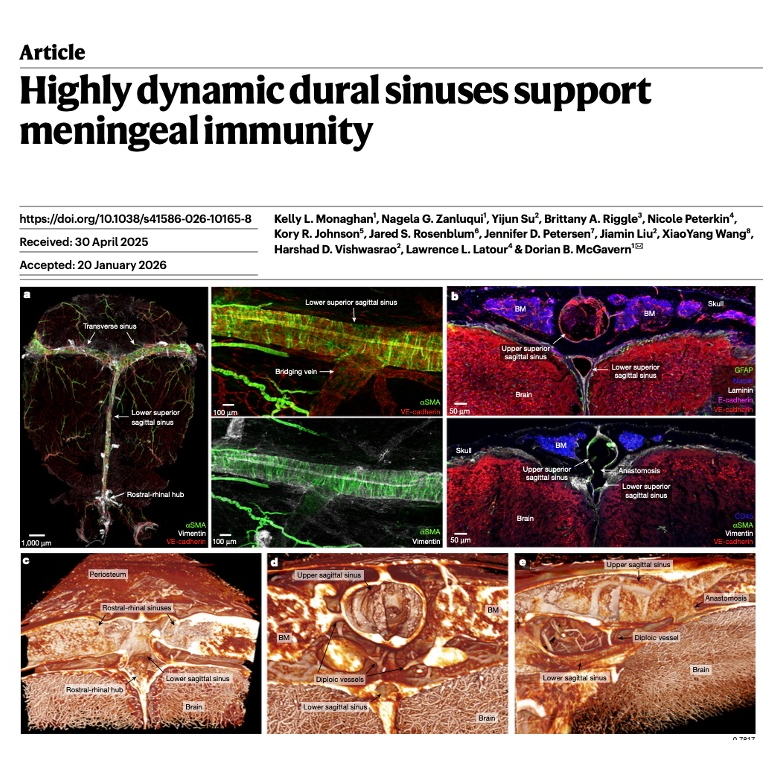
604-Dynamic Dural Sinuses: Gatekeepers of Meningeal Immunity
This paper examine the dural sinuses as a specialized interface that manages both fluid dynamics and immune surveillance in the brain. Researchers identified…
 Paper Talk
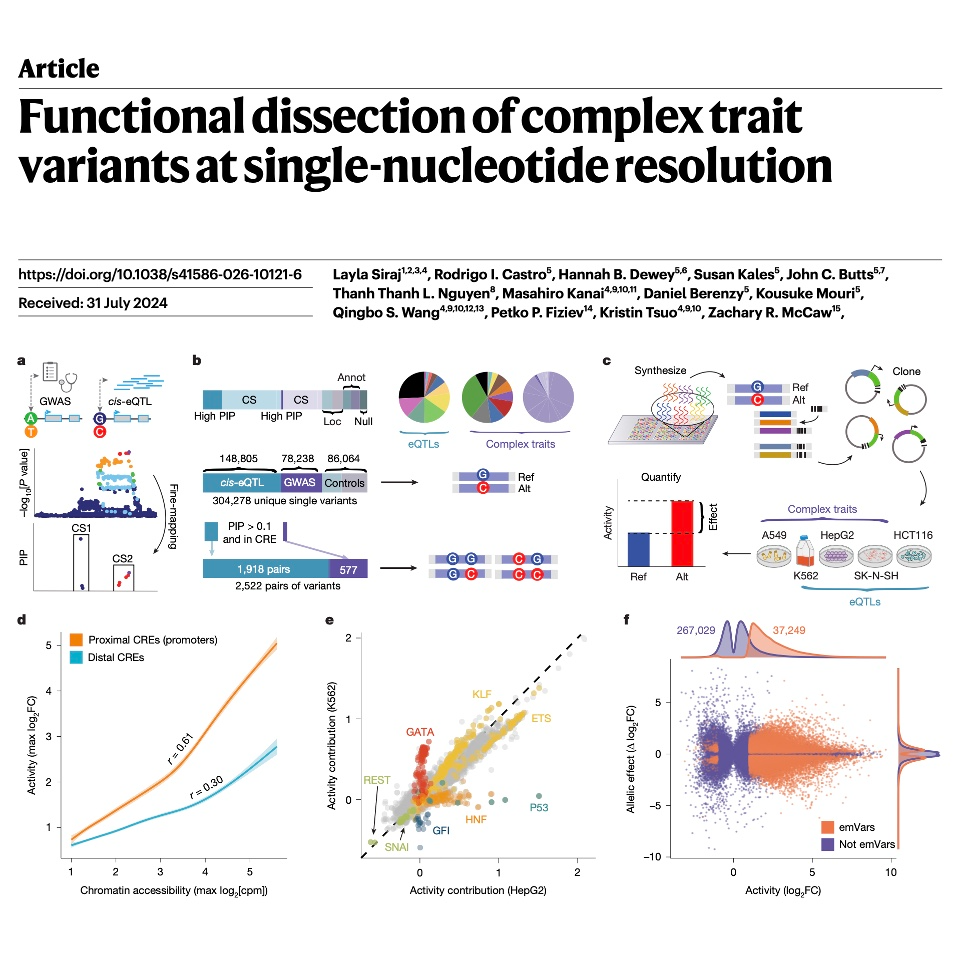
603-Causal Regulatory Variants in Human Disease
This study uses high-throughput reporter assays to bridge the gap between genetic associations and the actual biological mechanisms of disease. Researchers…
 Paper Talk
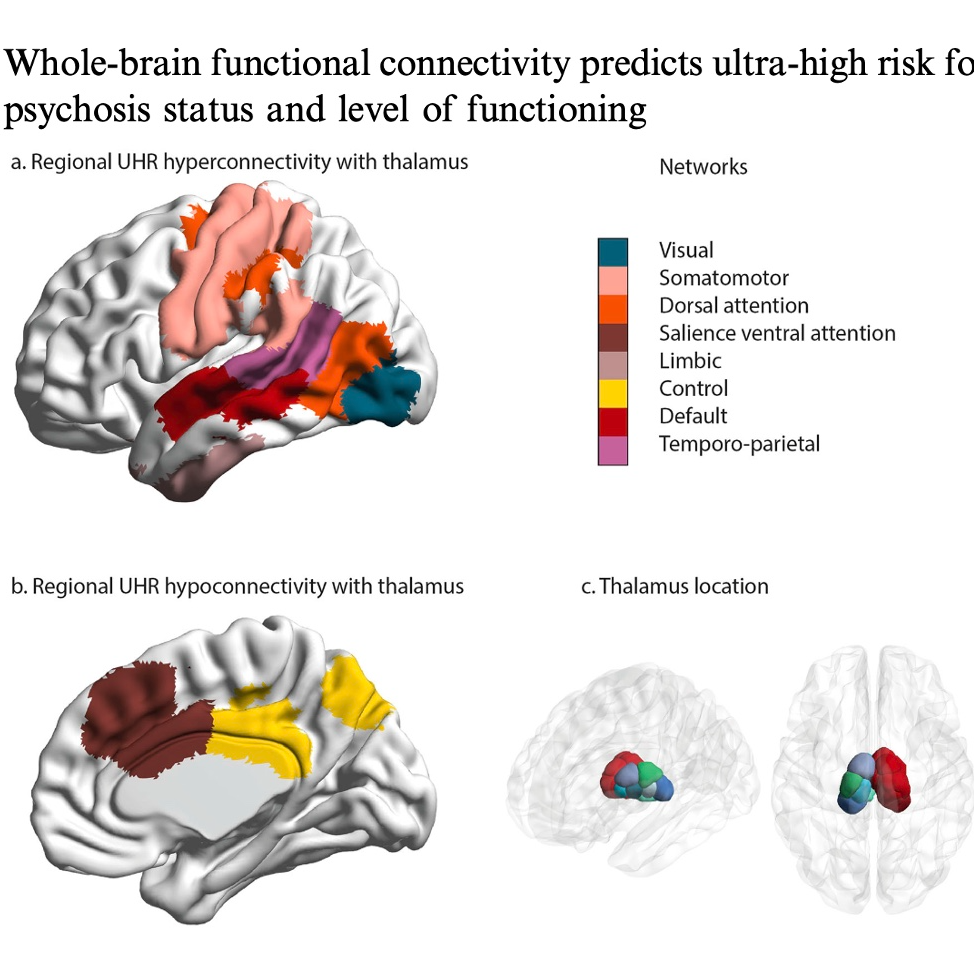
602-Whole-Brain Connectivity Predicts Psychosis Risk
This study investigates how brain connectivity patterns can identify individuals at ultra-high risk (UHR) for psychosis and predict their everyday social and…
 Paper Talk
601-Stimulation mapping and whole-brain modeling
This research investigates how the human brain's hierarchical structure influences its response to electrical stimulation by combining invasive and…
 Paper Talk
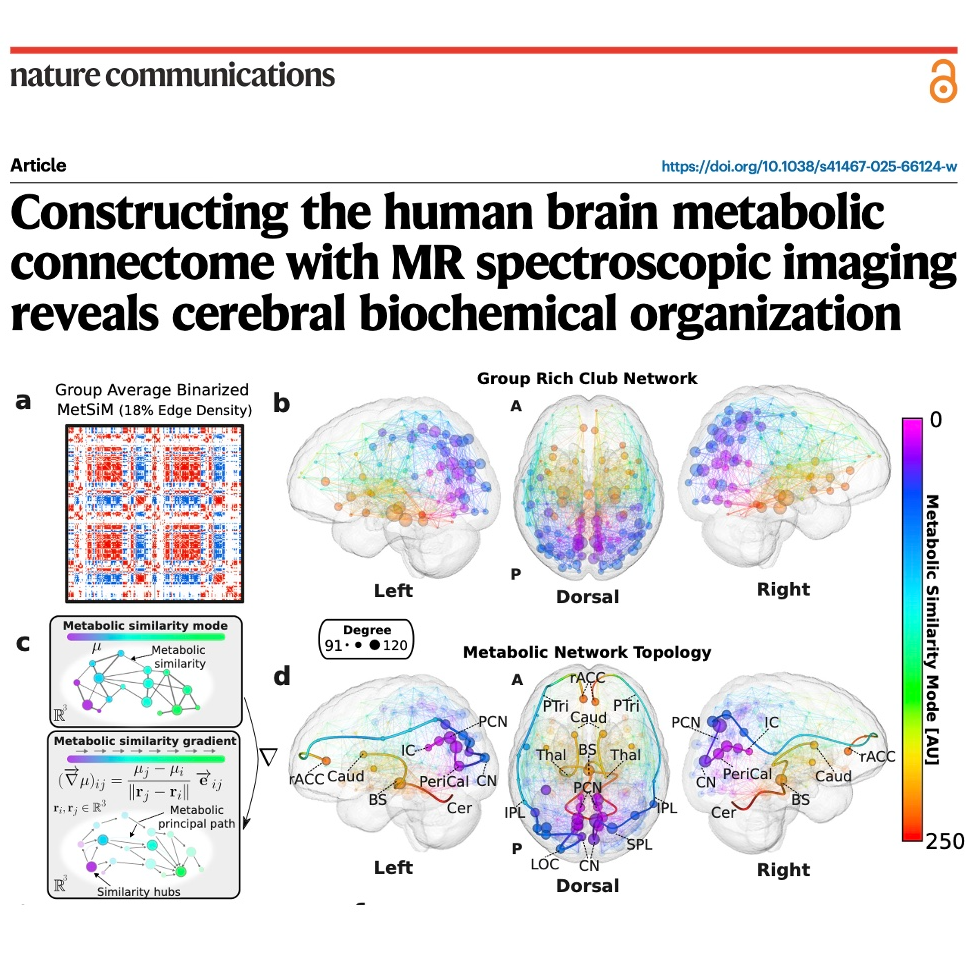
600-The Human Brain Metabolic Connectome
This research article introduces a novel method for mapping the human brain by examining metabolic similarity matrices (MetSiMs) to understand how different…
 Paper Talk
599-Foxf2 Maintains Brain Endothelial Function
This research investigates how the transcription factor FOXF2 maintains the health of brain endothelial cells to prevent conditions like cerebral small vessel…
 Paper Talk
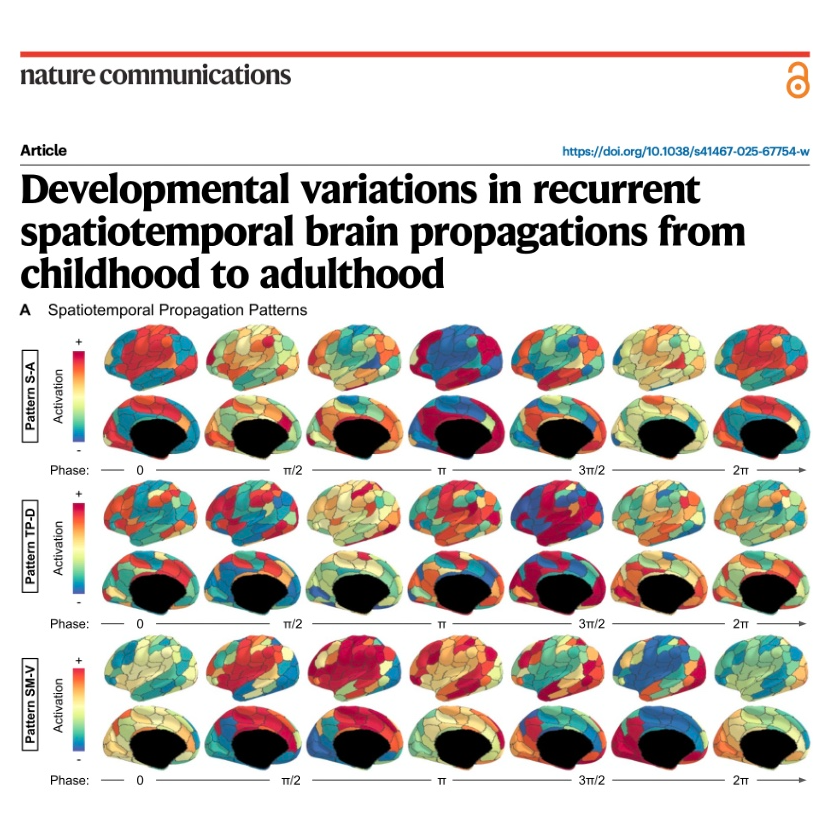
598-Brain Propagations from Childhood to Adulthood
This research study investigates how dynamic brain activity patterns evolve as individuals mature from childhood to early adulthood. By analyzing fMRI data…
 Paper Talk
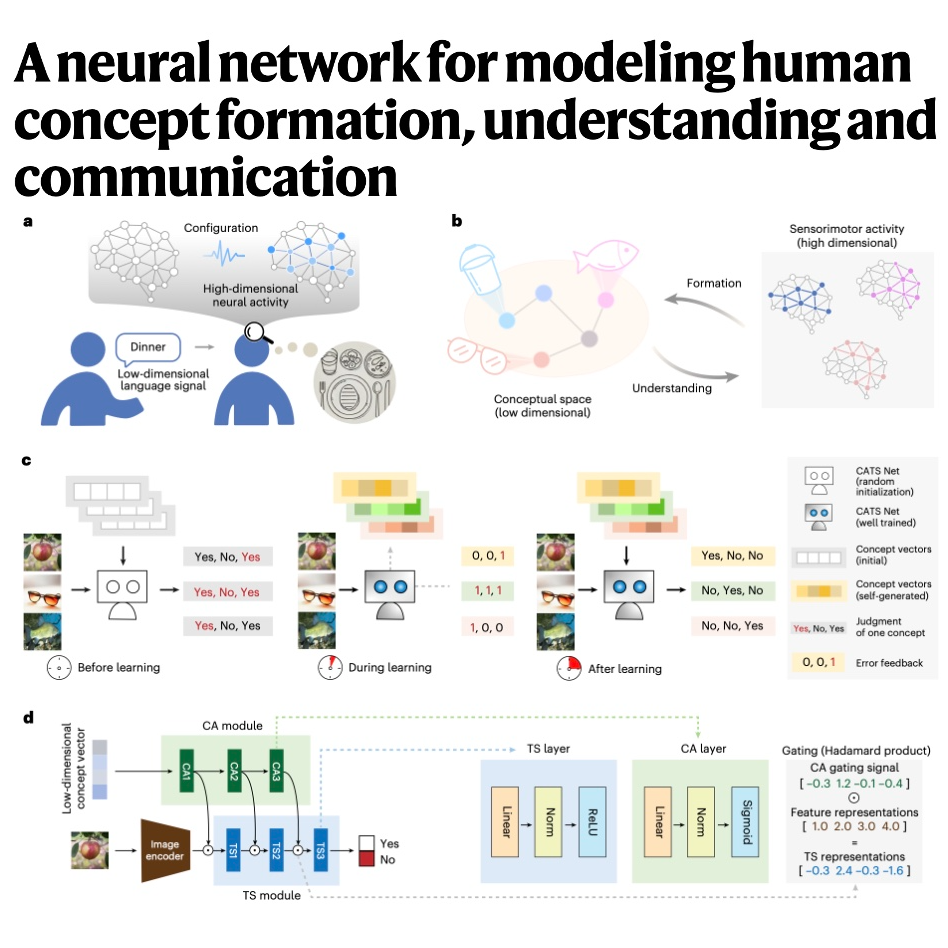
597-CATS Net: Modeling Human Concept Formation
This research introduces CATS Net, a novel dual-module neural network designed to mimic how the human brain forms and communicates abstract concepts. The…
 Paper Talk
596-Whole-brain Annotation of Drosophila
This research details the FlyWire connectome, which is the most expansive and intricate map of an adult fruit fly brain ever completed. By documenting nearly…
 Paper Talk
595-Celluar Atlas of the Entire Mouse Brain
Researchers developed the BrainCAD platform to overcome the limitations of traditional 2D brain sectioning by creating a high-resolution 3D cellular atlas of…
 Paper Talk
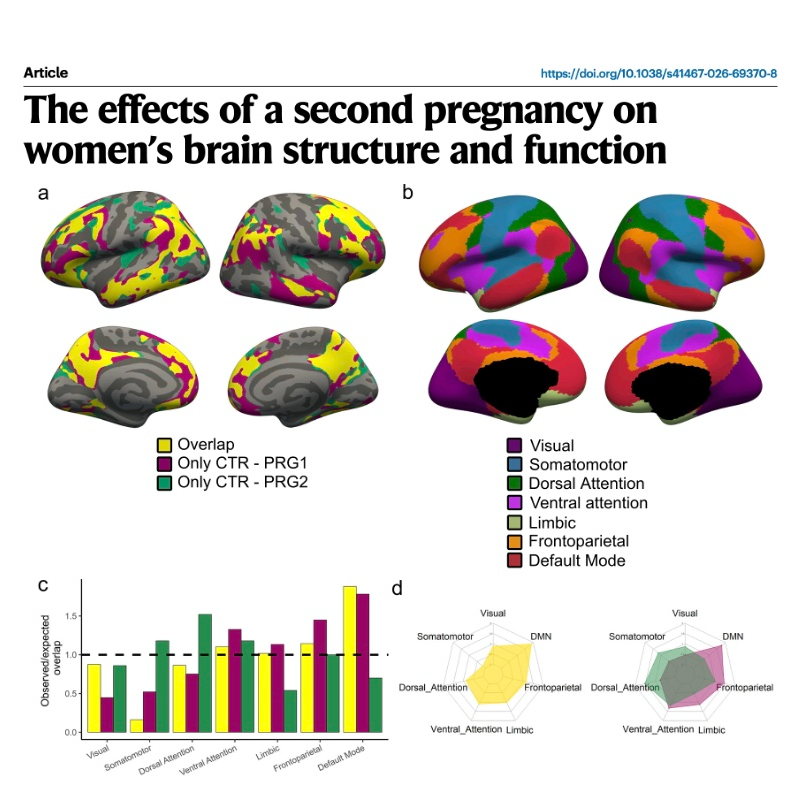
594-Neural Transformations of the Second Pregnancy
This research study examines how a second pregnancy uniquely reshapes the human brain compared to a woman's first experience with motherhood. Through…
 Paper Talk
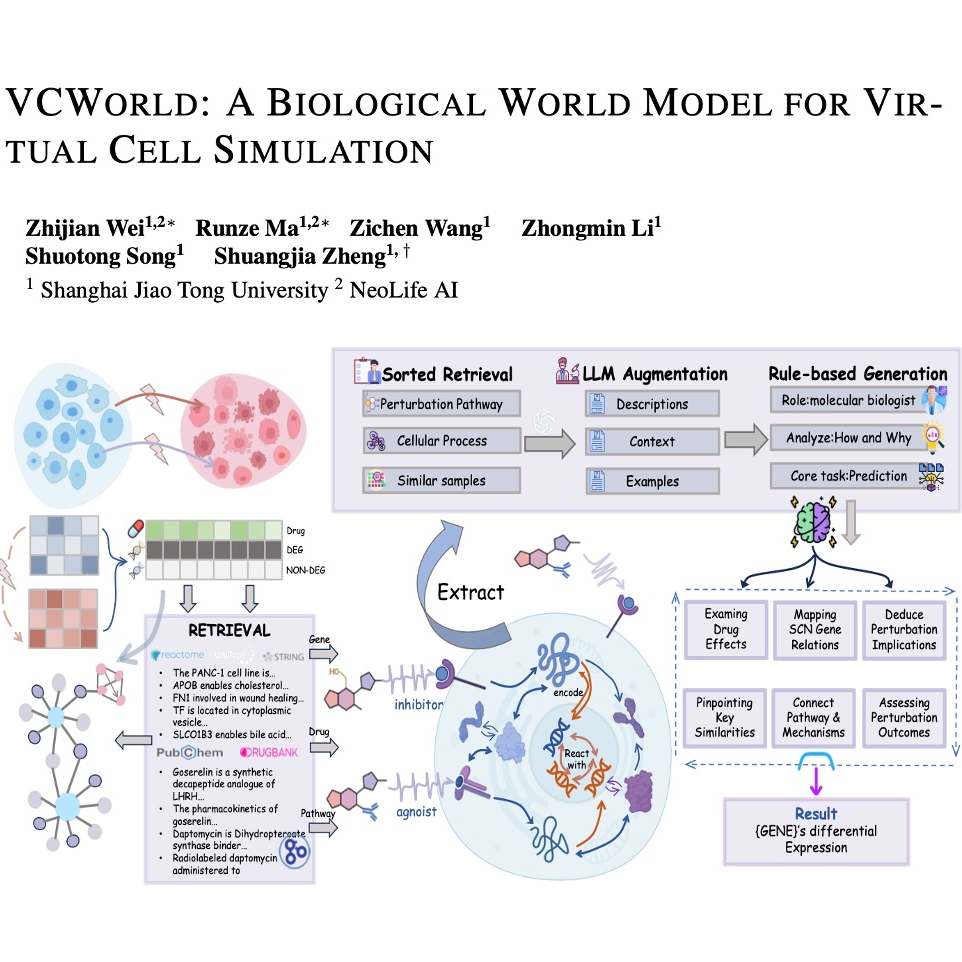
593-VCWorld: A Biological World Model for Virtual Cells
The paper introduces VCWorld, a novel "white-box" biological simulator designed to predict how cells respond to drug perturbations. Unlike traditional…
 Paper Talk
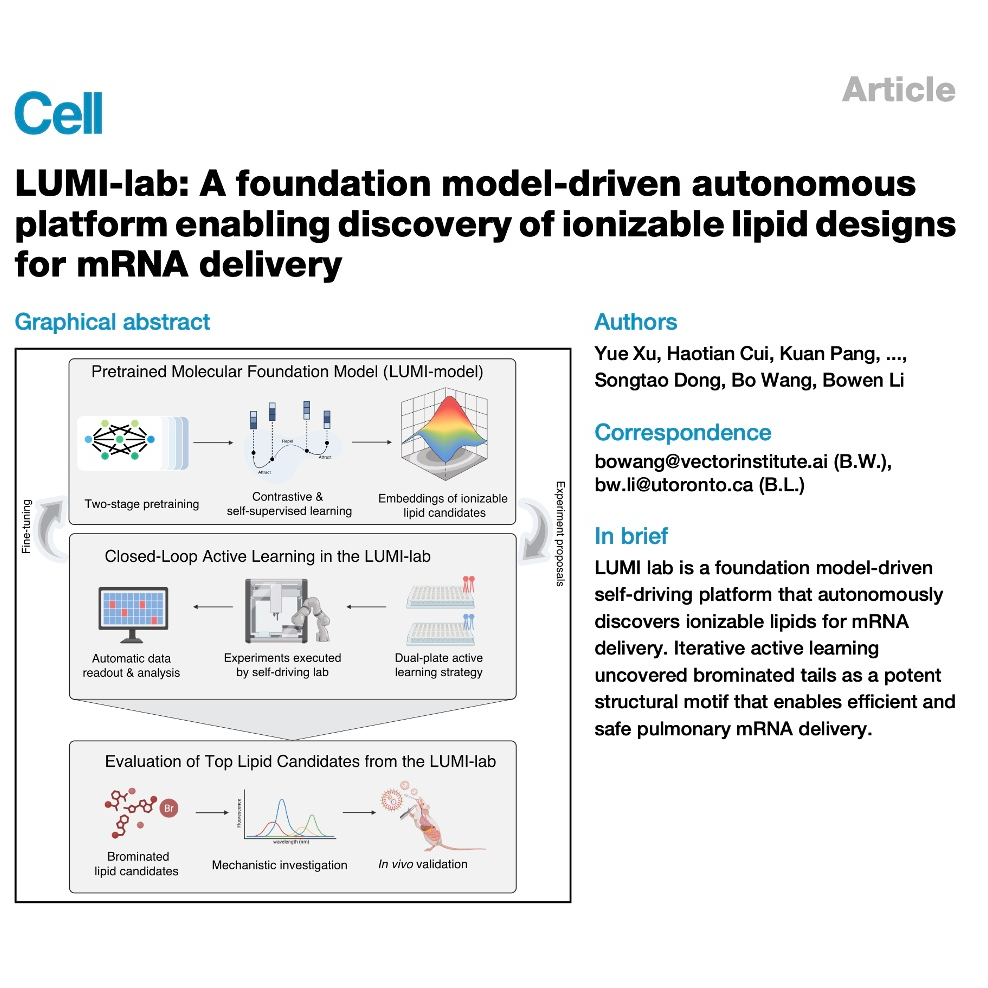
592-LUMI-lab:AI-Guided Discovery Platform
The provided text introduces LUMI-lab, an innovative, AI-driven autonomous laboratory designed to accelerate the discovery of lipid nanoparticles (LNPs) for…
 Paper Talk
591-The Skull Bone Marrow and Brain Tumor
This research explores the immunological environment of childhood brain tumors, which typically originate during embryonic development and often resist…
 Paper Talk
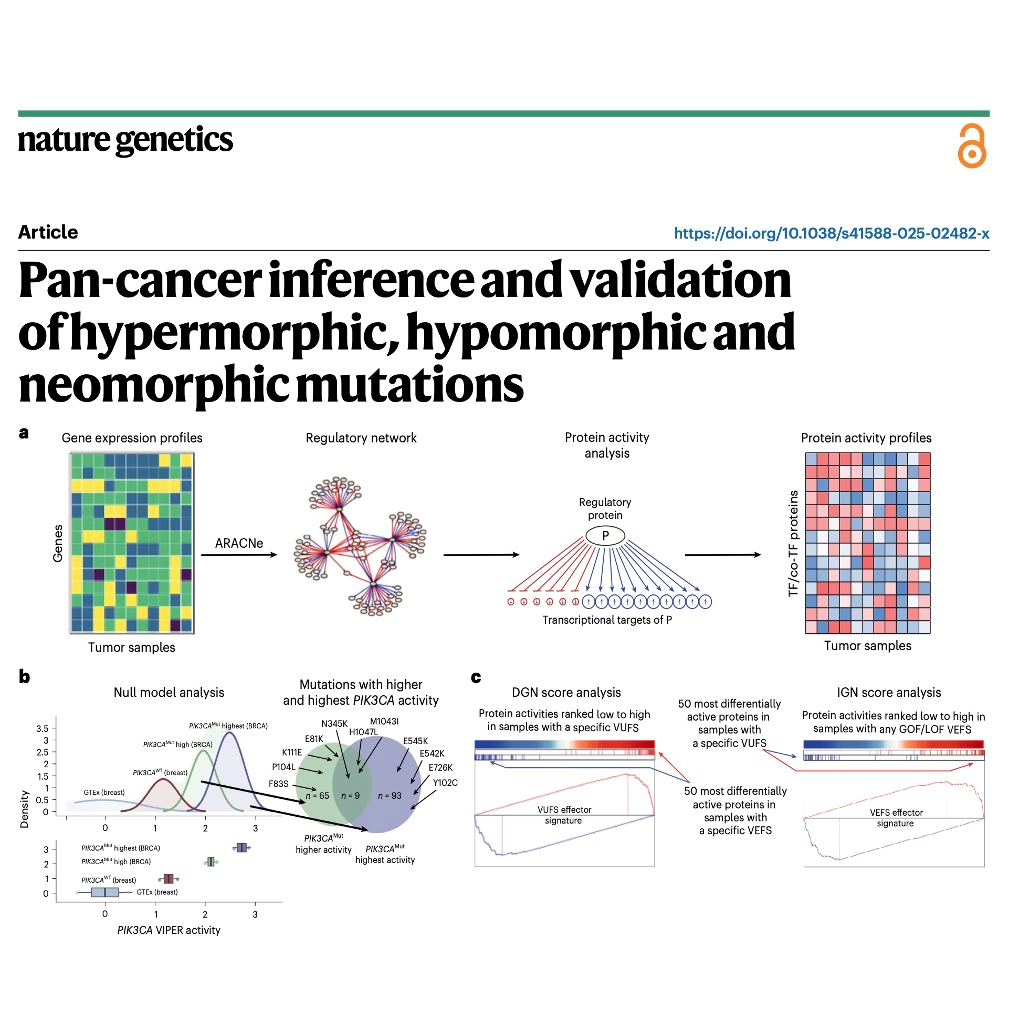
590-PHNToM: Inference of Oncogene Mutation Function
Genetic mutations can alter protein behavior in various ways, including gaining new functions (neomorphs), increasing existing activity (hypermorphs), or…
 Paper Talk
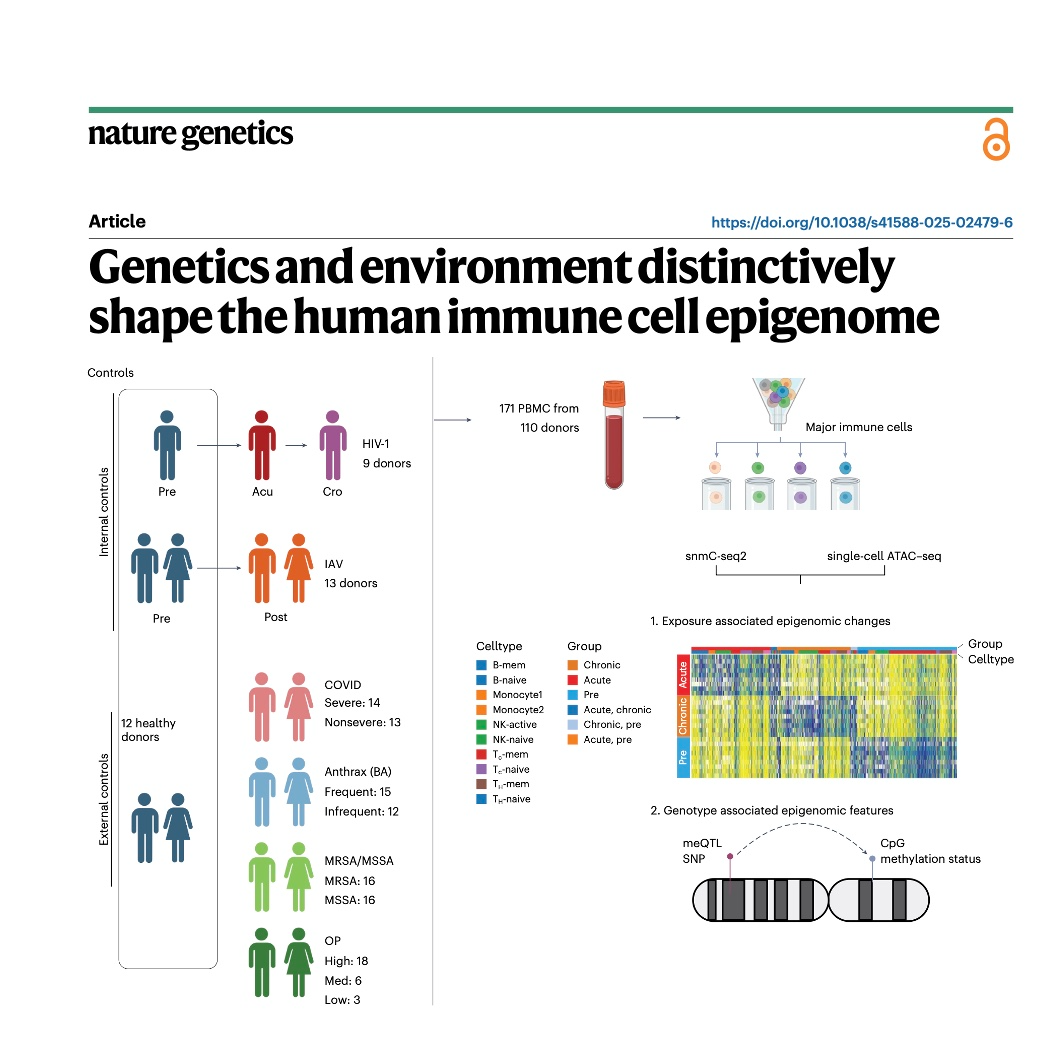
589-Environment Shape the Human Immune Cell Epigenome
This research explores the complex interaction between genetics and environmental exposures by analyzing DNA methylation patterns in various human immune…
 Paper Talk
588-Human Retina Cell Atlas
The Human Retina Cell Atlas (HRCA) serves as a comprehensive multi-omic reference, integrating single-cell and single-nuclei RNA-sequencing with chromatin…
 Paper Talk
587-The Cellular Landscape and Heterogeneity of COPD
This research study utilizes single-nucleus RNA sequencing and spatial transcriptomics to establish a biological framework for Chronic Obstructive Pulmonary…
 Paper Talk
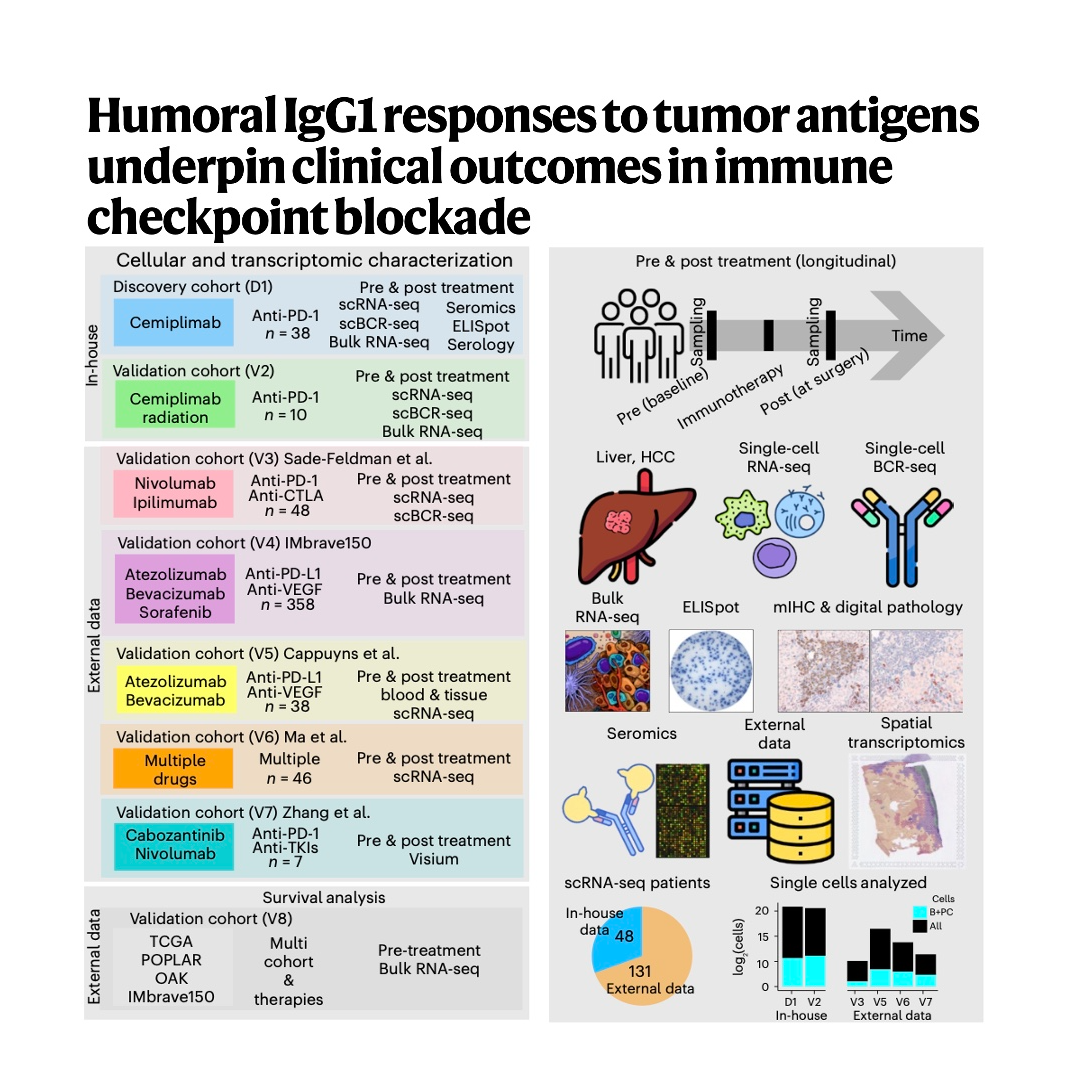
586-IgG1 Plasma Cell Responses to Immune Checkpoint Blockade
This research highlights the essential role of humoral immunity in determining the success of immune checkpoint blockade (ICB) therapy across various cancers…
 Paper Talk
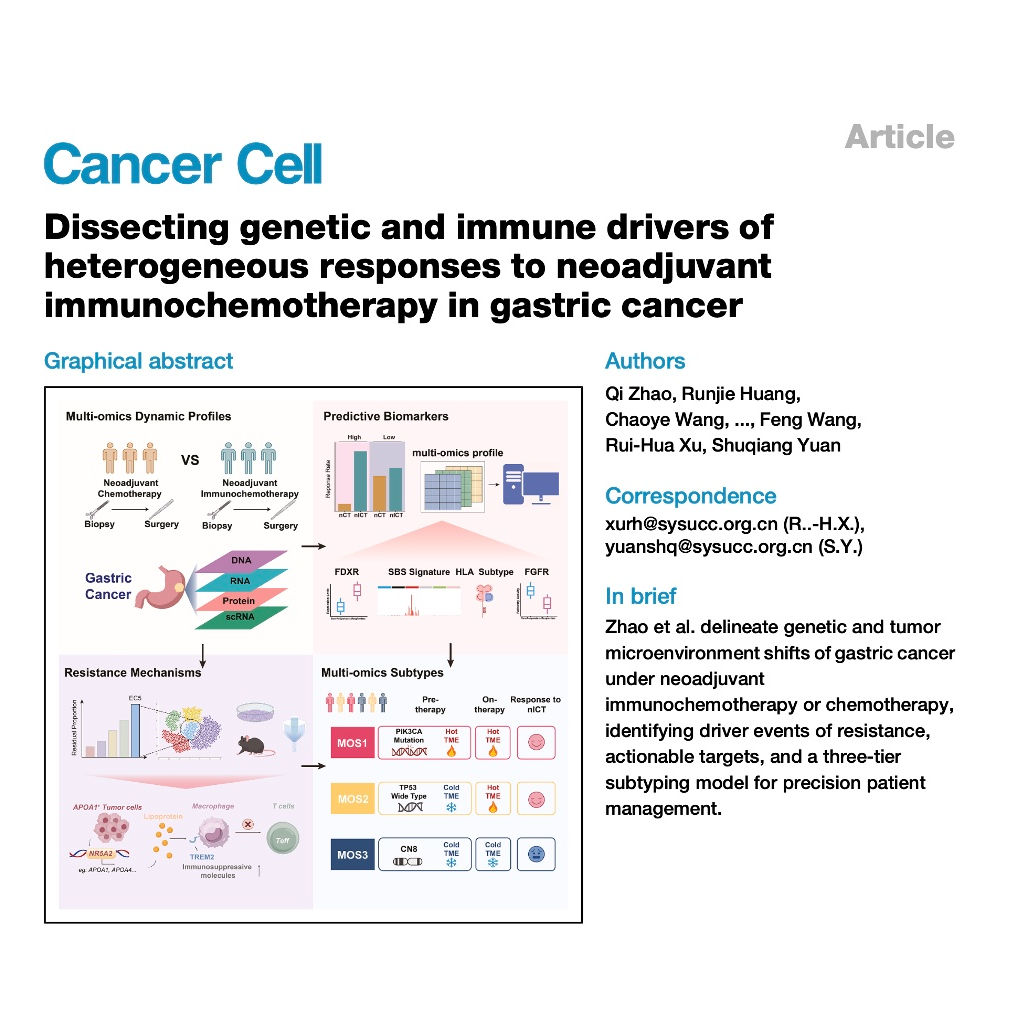
585-Drivers of Gastric Cancer Response to Immunochemotherapy
This research article investigates biomarkers and cellular ecosystems that influence how gastric cancer patients respond to perioperative immunotherapy and…
 Paper Talk
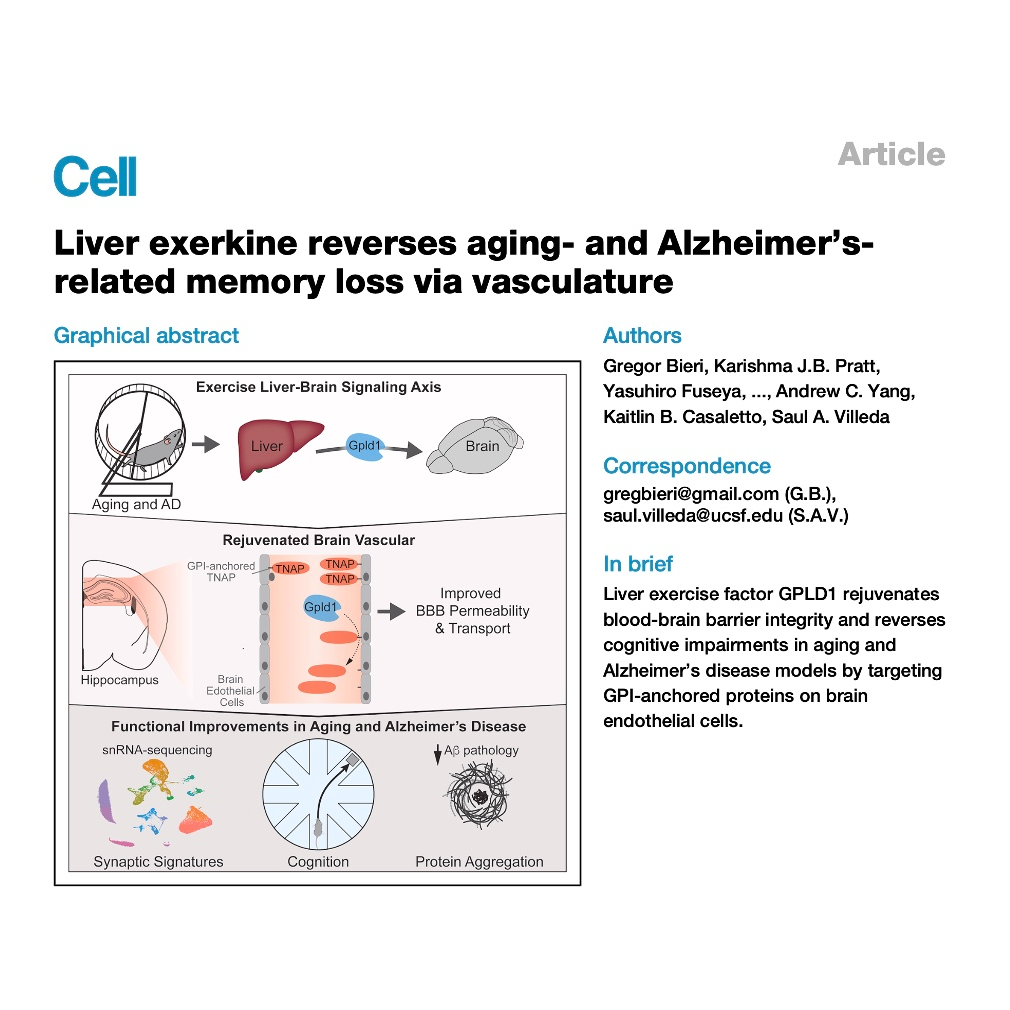
584-GPLD1 and TNAP Regulation of Cognitive Function in Aging
This research explores how exercise-induced blood factors, specifically the enzyme GPLD1, can combat brain aging and cognitive decline. The study identifies…
 Paper Talk
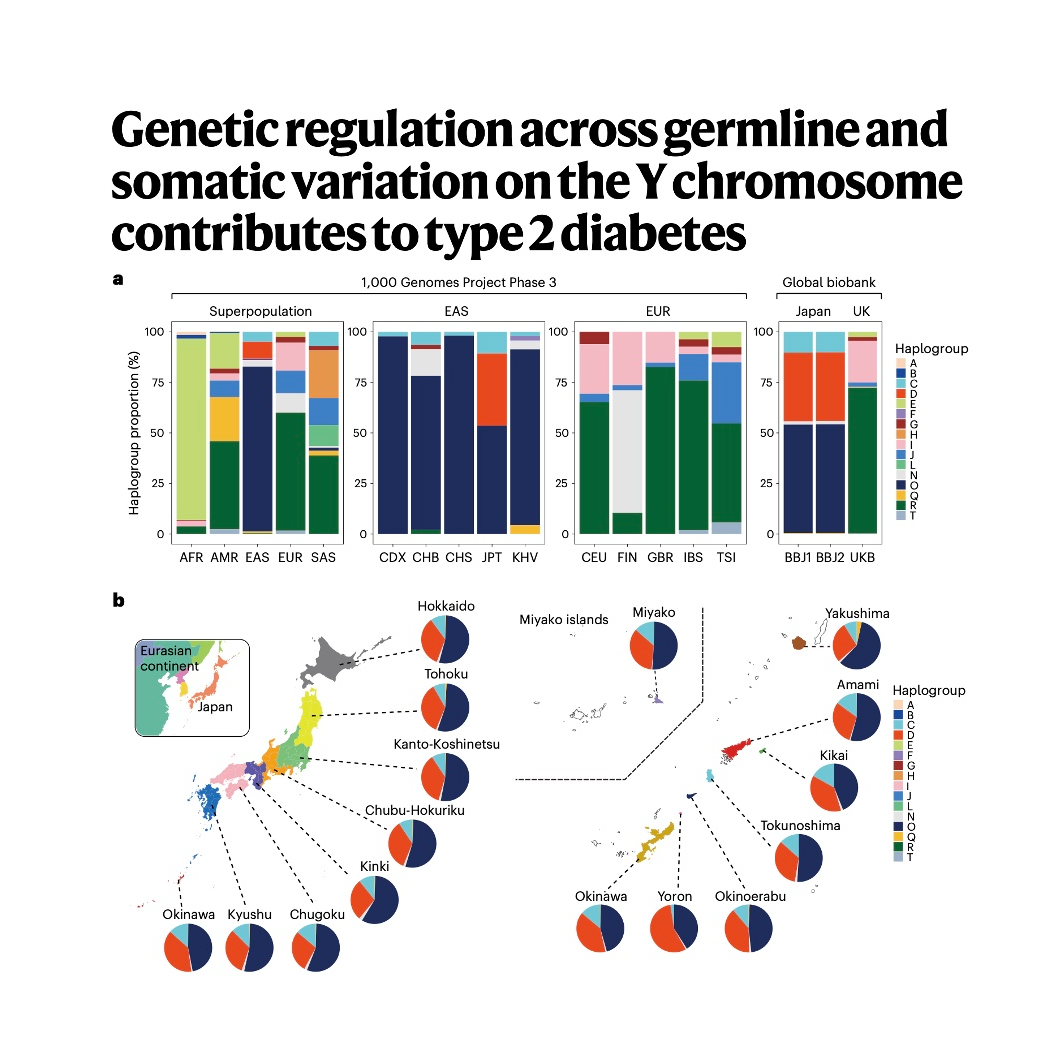
583-Y Chromosome Variation and Type 2 Diabetes Regulation
Recent research examining the Y chromosome reveals that both inherited haplogroups and the somatic loss of the Y chromosome (LOY) significantly influence male…
 Paper Talk
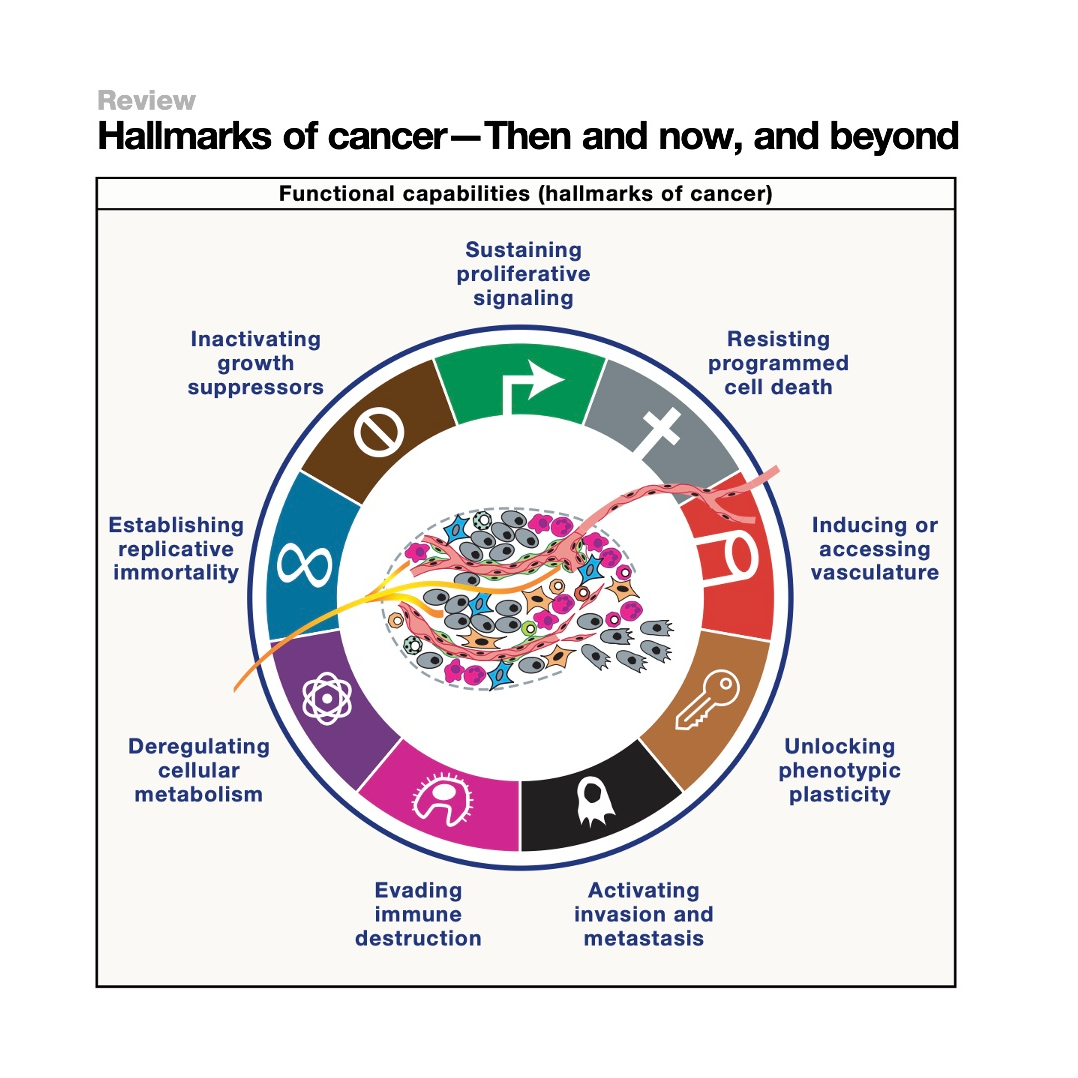
582-The Hallmarks of Cancer
This review by Douglas Hanahan synthesizes twenty-five years of research into the hallmarks of cancer, a conceptual framework used to organize the vast…
 Paper Talk
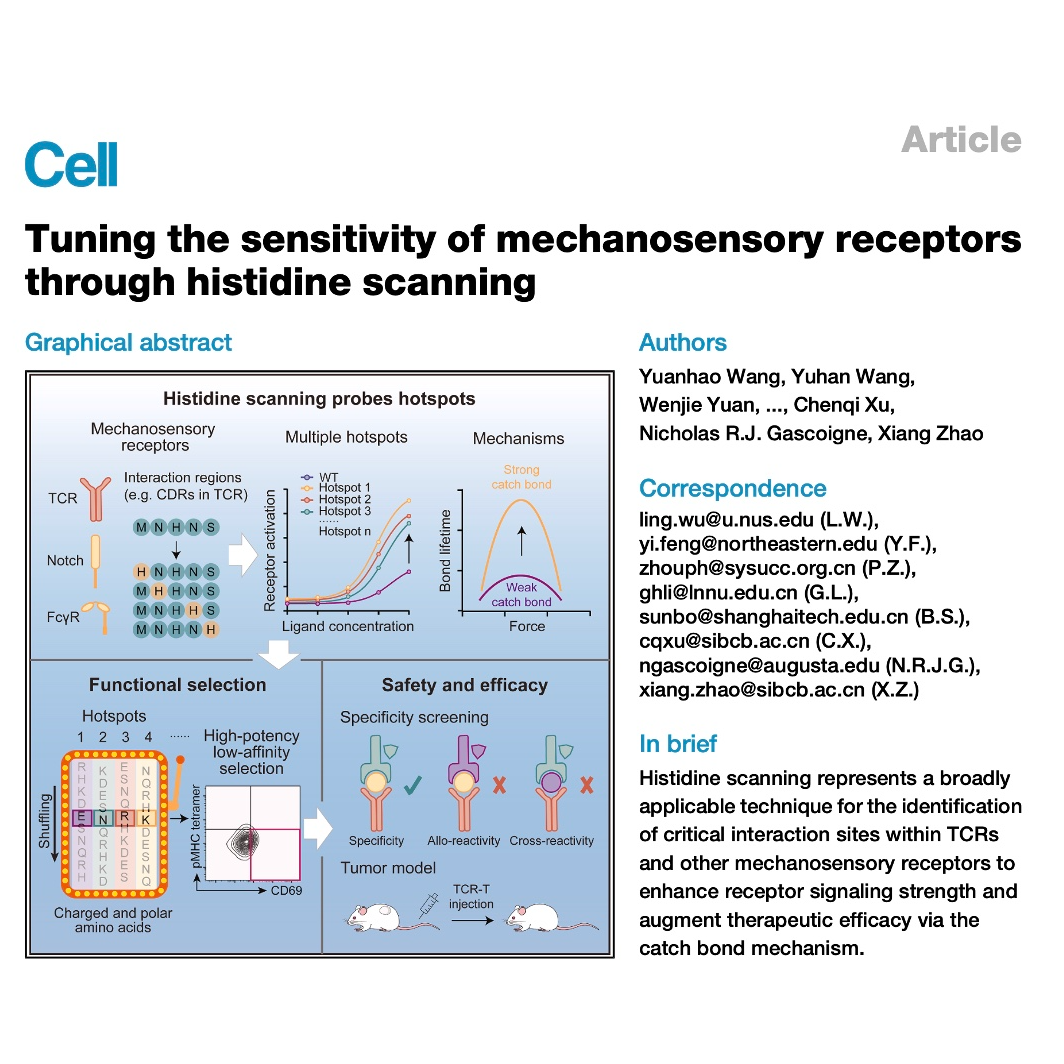
581-Histidine Scanning for Engineering TCR Sensitivity
This research introduces histidine scanning as a versatile engineering strategy to improve the signaling strength of T cell receptors and other mechanosensory…