Shows / Trenches in Transplant Surgery

Trenches in Transplant Surgery
Step into the forefront of abdominal transplant surgery — where innovation meets ongoing complexity. Machine perfusion and normothermic regional perfusion (NRP) are reshaping organ preservation and donor utilization, with growing evidence that these technologies improve graft assessment and early outcomes. Yet reviews continue to highlight key challenges — ischemia–reperfusion injury, biliary complications in DCD grafts, and the logistical demands of perfusion platforms. Despite these hurdles…
Episodes
 Trenches in Transplant Surgery
The Cr is 6.4. Would you accept this kidney?
A clinical case study addressing whether to accept a high-risk kidney from a donor with severe acute kidney injury and dialysis dependence. Through this…
 Trenches in Transplant Surgery
AI Transplant Agents: Autonomy and Accountability
This episode examines the integration and ethical implications of artificial intelligence in healthcare, focusing heavily on organ transplantation and patient…
 Trenches in Transplant Surgery
Too Sick to Transplant?
Acute-on-chronic liver failure is a critical medical syndrome characterized by the acute deterioration of chronic liver disease, resulting in severe organ…
 Trenches in Transplant Surgery
Liver Allocation Paradox and HCC Priority
Liver transplantation for hepatocellular carcinoma (HCC) requires balancing tumor biology, medical urgency, and waitlist equity, as standard Model for…
 Trenches in Transplant Surgery
Upfront vs Back to Base Liver Perfusion
This episode examines the critical oversight in liver transplantation literature where the broad label of normothermic machine perfusion (NMP) is used to…
 Trenches in Transplant Surgery
Before the Waiting List: Preventing Liver Transplantation
This episode emphasizes that liver transplantation is often preceded by years of progressive disease that can sometimes be intercepted through proactive…
 Trenches in Transplant Surgery
Beyond Insulin: The Promise and Price of Islet Transplantation
Islet transplantation represents a promising approach to restoring insulin production, though achieving a comprehensive solution requires overcoming…
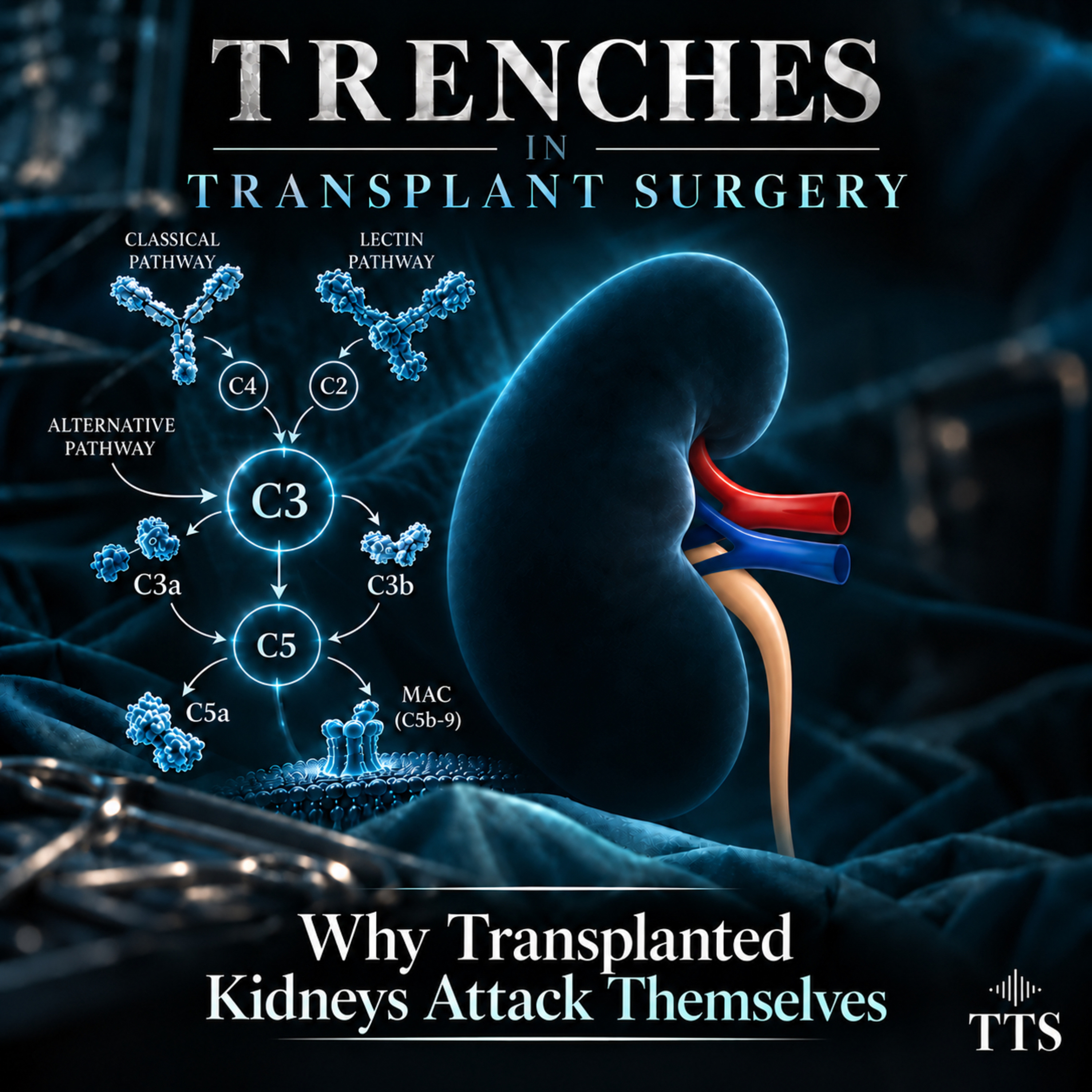 Trenches in Transplant Surgery
Why Transplanted Kidneys Attack Themselves
The complement system is emerging as a major determinant of kidney transplant injury, rejection, and recovery. Rather than acting only as a terminal lytic…
 Trenches in Transplant Surgery
Edit the Disease - or Replace the Liver?
Edit the Disease - or Replace the Liver? examines whether mRNA therapy, gene replacement, CRISPR and base editing could eventually prevent the need for liver…
 Trenches in Transplant Surgery
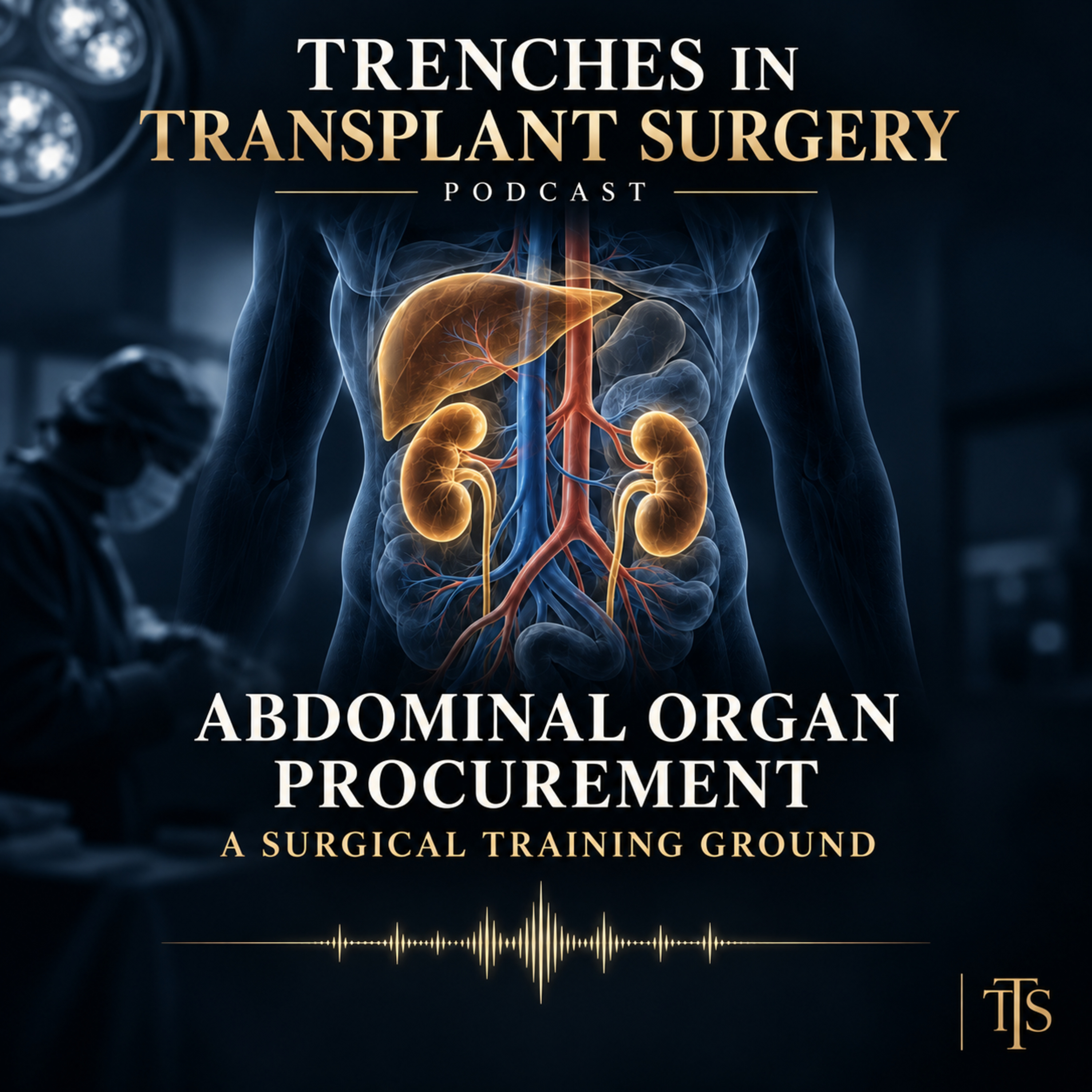
Abdominal Organ Procurement as Advanced Surgical Training A Contemporary 12-Week Curriculum — 2026 Update
This episode makes the case that abdominal organ procurement—especially DBD recovery—is one of the most underused training environments for major abdominal…
 Trenches in Transplant Surgery
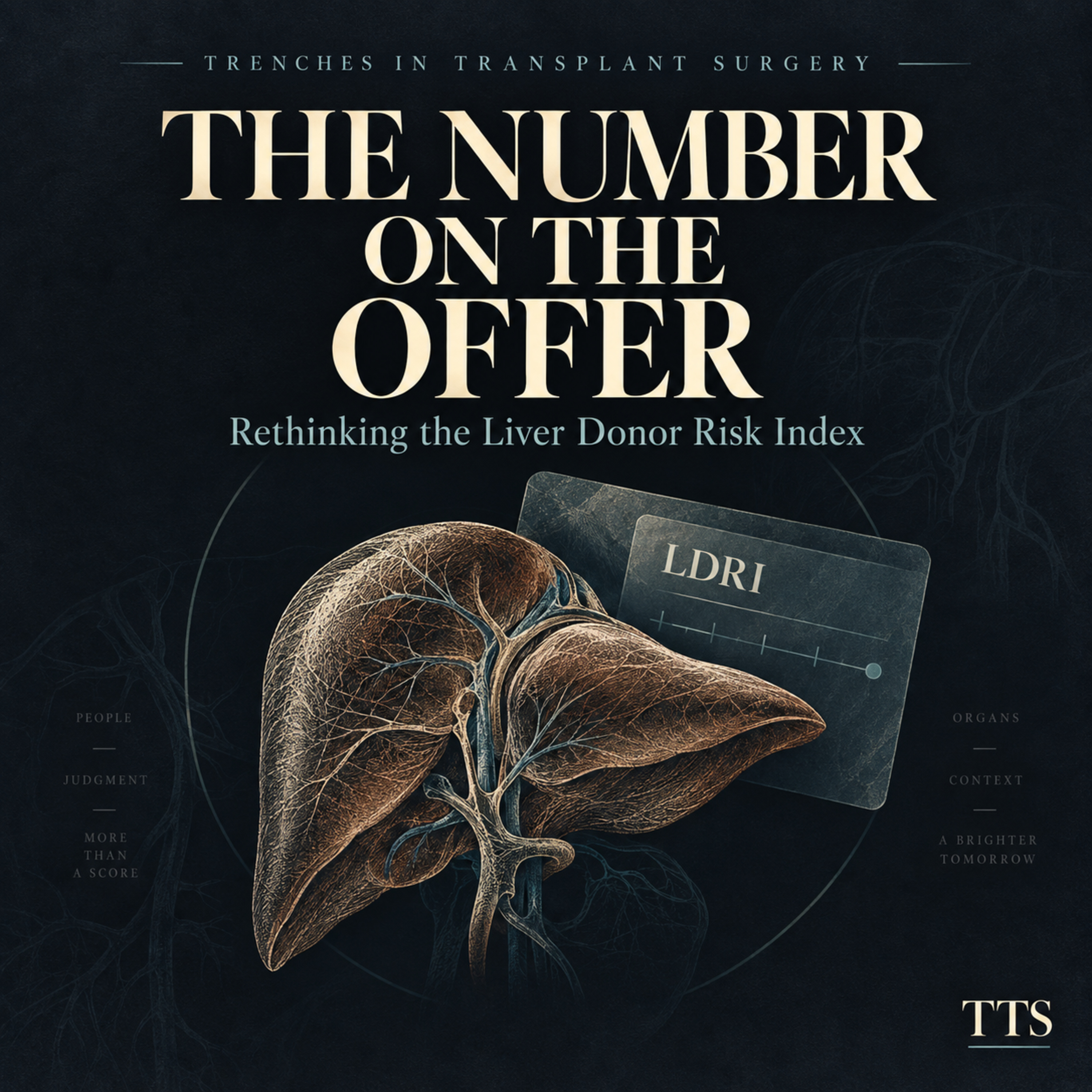
Rethinking the Liver Donor Risk Index
The Number on the Offer: Rethinking the Liver Donor Risk Index The liver donor risk index helped transplant teams quantify donor-associated graft risk. But an…
 Trenches in Transplant Surgery
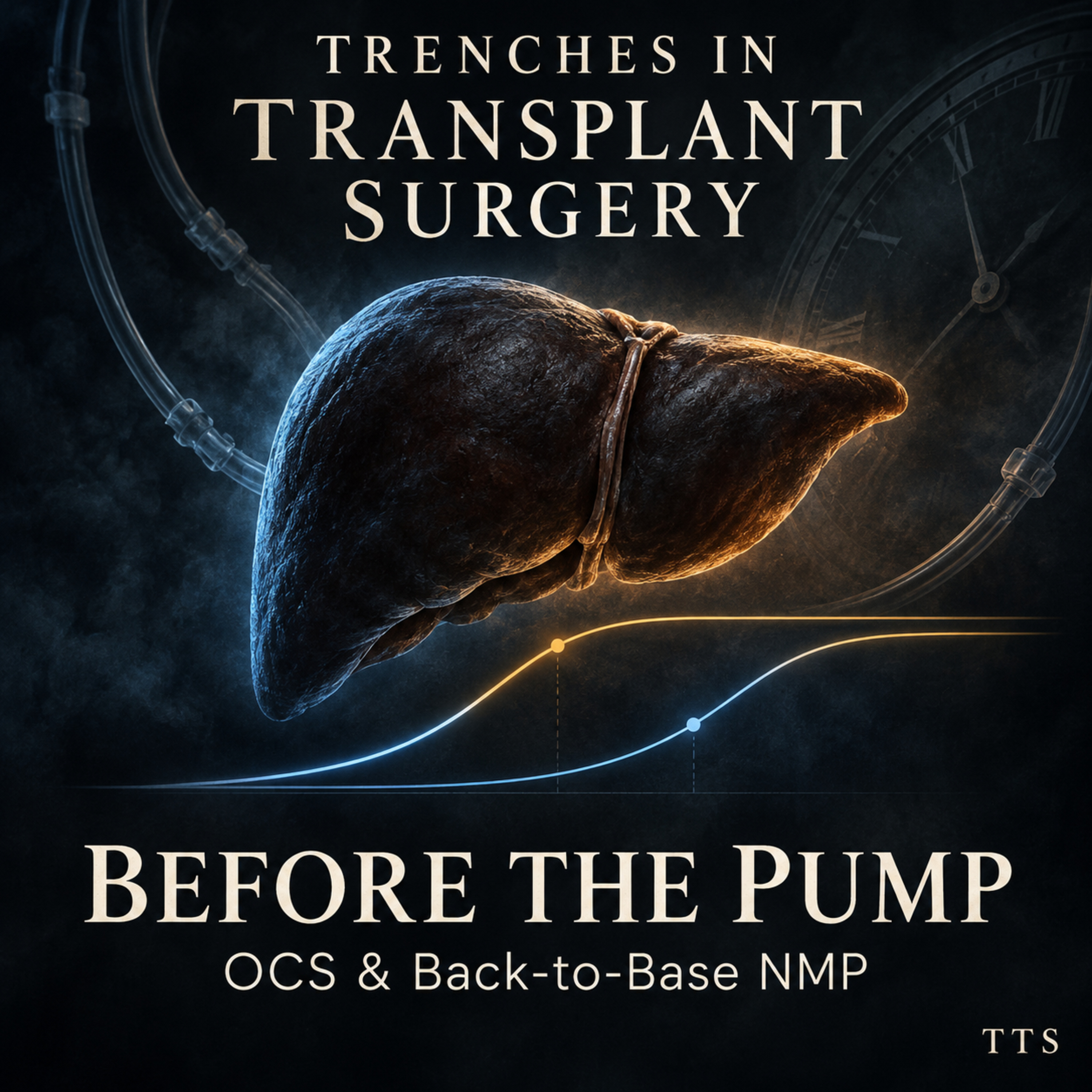
Preservation Pathways in Liver Perfusion
This episode examines the critical oversight in liver transplantation literature where the broad label of normothermic machine perfusion (NMP) is used to…
 Trenches in Transplant Surgery
Lactate trends reveal organ transplant viability
This episode explores the critical role of **lactate metabolism** as a biomarker for assessing organ quality in **Donation after Circulatory Death (DCD)**…
 Trenches in Transplant Surgery
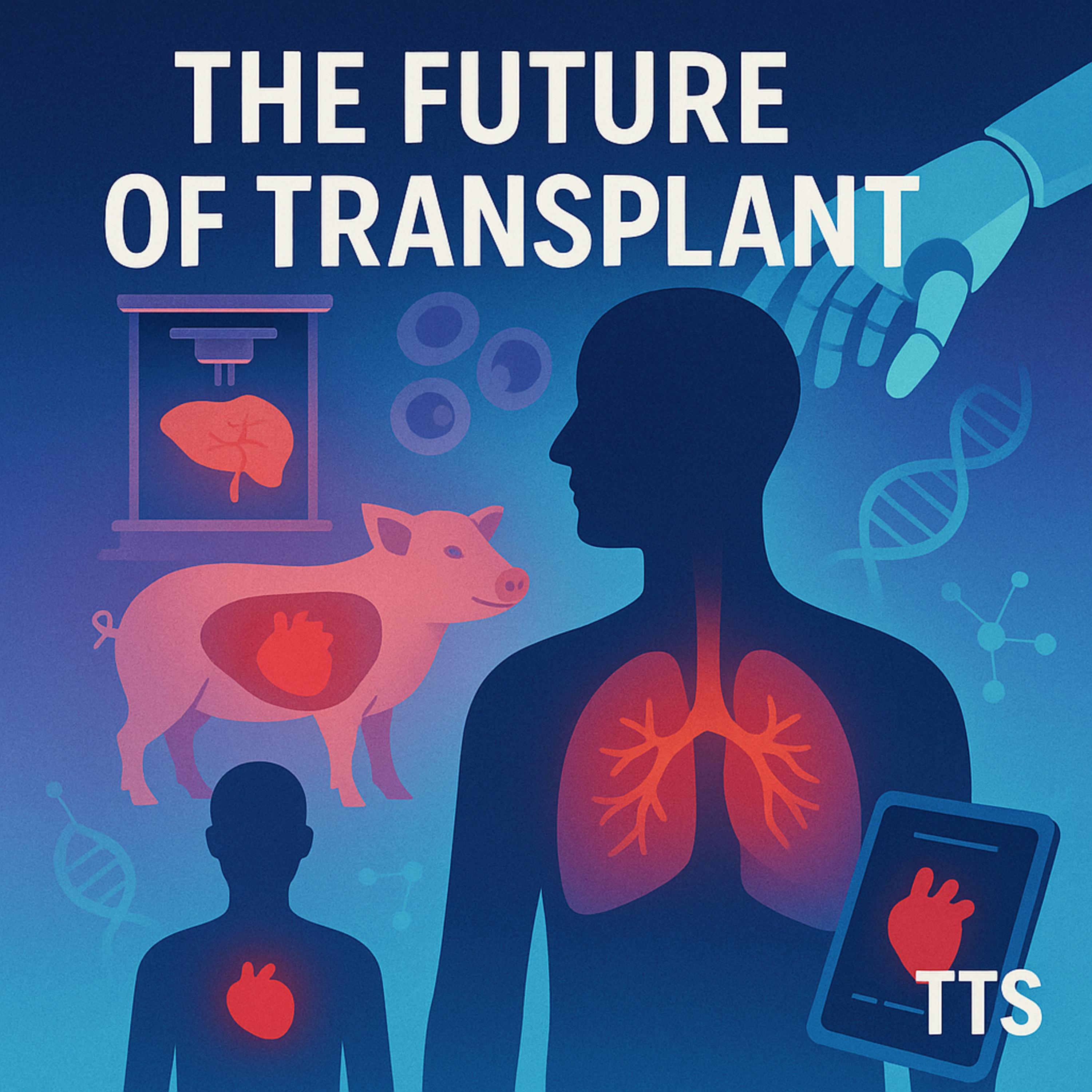
The Future of Transplant (Organ Transplantation in 2050)
By 2050, organ transplantation will be radically transformed—from a scarce, donor-dependent therapy into a diverse ecosystem of biological and technological…
 Trenches in Transplant Surgery
Regulatory T Cells in Organ Transplantation
Regulatory T cells (Tregs)—discovered by Shimon Sakaguchi, Mary Brunkow, and Fred Ramsdell, who were awarded the 2025 Nobel Prize—are central to inducing…
 Trenches in Transplant Surgery
Desensitization and Pheresis in Kidney Transplant
Desensitization has transformed kidney transplantation for patients with high immunologic risk by lowering or removing antibodies that would otherwise cause…
 Trenches in Transplant Surgery
Organ Offer Review - Kidney and Liver Transplant
When a deceased-donor offer arrives, the on-call surgeon rapidly weighs donor organ quality, recipient need, and logistics within OPTN/UNOS policy. For…
 Trenches in Transplant Surgery
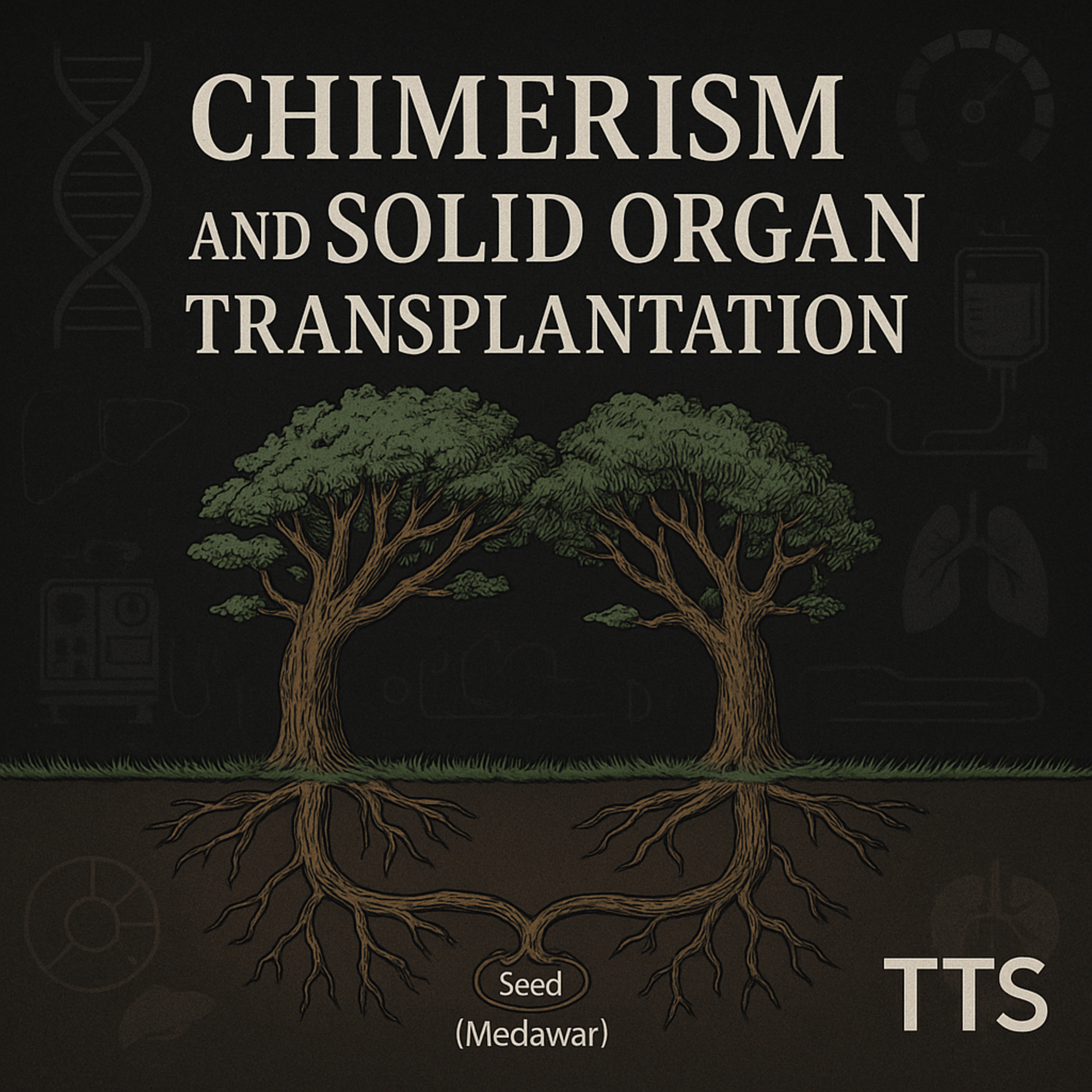
Chimerism and Solid Organ Transplantation
Chimerism—the coexistence of donor and recipient hematopoietic cells—has become central to understanding and inducing immune tolerance in solid organ…
 Trenches in Transplant Surgery
DCD vs DBD — Inside the Critical Step of Organ Procurement
Following a recent New York Times report that questioned the ethics and safety of donation after circulatory death (DCD), this episode clarifies how DCD and…
 Trenches in Transplant Surgery
Red Flags in Normothermic Machine Perfusion
During normothermic machine perfusion (NMP), several red flags may prompt declining a liver for transplantation. The most critical biochemical warning is…
 Trenches in Transplant Surgery
Domino Liver Transplantation
Domino liver transplantation is a unique and innovative surgical strategy designed to expand the donor organ pool by utilizing the explanted liver from a…
 Trenches in Transplant Surgery
Smarter Organ Allocation - AI, Policy, and KDPI Optimization
This episode of TTS Podcast explores “Smarter Organ Allocation: AI, Policy, and KDPI Optimization”, focusing on how recent U.S. policy reforms like continuous…
 Trenches in Transplant Surgery
Vascular complications after liver transplantation – HAT, HVOO, and PVT
Vascular complications after liver transplantation – HAT, HVOO, and PVT – though infrequent, demand a high index of suspicion and aggressive management. Early…
 Trenches in Transplant Surgery
Crossmatching in Abdominal Transplantation - Understanding T and B Cell Risk
In this episode, we explore the science and clinical importance of crossmatching in abdominal organ transplantation—focusing on kidney and liver grafts. We…
 Trenches in Transplant Surgery
Combining NRP and NMP vs NMP Alone in DCD Liver Transplantation
Combining Normothermic Regional Perfusion (NRP) with Normothermic Machine Perfusion (NMP) in DCD liver transplantation offers synergistic benefits over NMP…
 Trenches in Transplant Surgery
Reactive vs. Preventative Care Burden in Abdominal Organ Transplantation
Reactive care for abdominal organ failure—through costly interventions like liver, kidney, pancreas, and multivisceral transplants—imposes a substantial…
 Trenches in Transplant Surgery
Acute Alcoholic Hepatitis and Liver Transplantation
Severe acute alcoholic hepatitis (AAH), characterized by high short-term mortality (exceeding 75% at 6 months) in patients failing corticosteroid therapy…
 Trenches in Transplant Surgery
Evolving Contraindications and Management Strategies for Infectious Diseases in Deceased Organ Donation
The critical organ shortage has driven a paradigm shift in utilizing deceased donors with infectious diseases, transforming many historical absolute…
 Trenches in Transplant Surgery
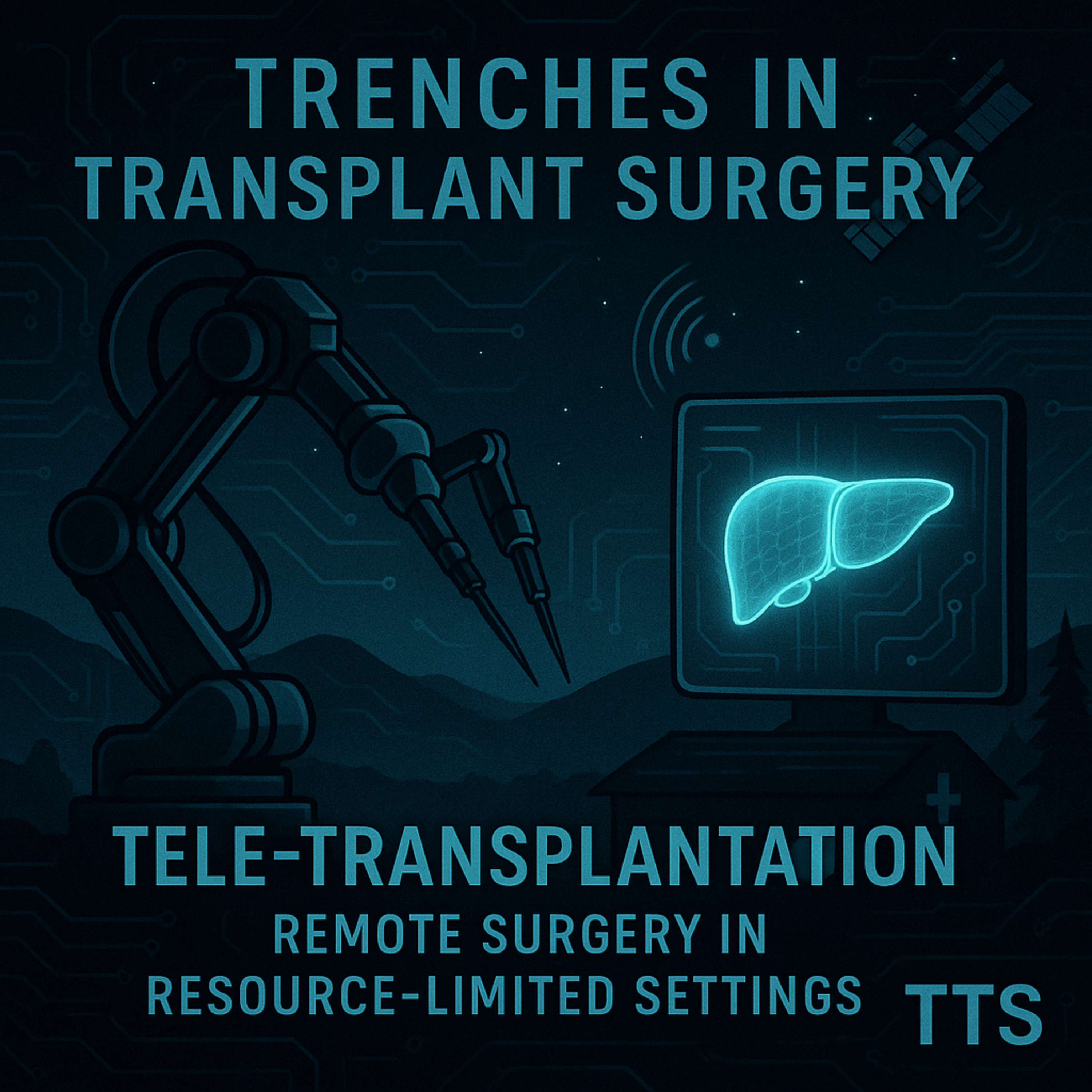
Tele-Transplantation for Resource Limited Settings
Tele-transplantation in RLS currently relies overwhelmingly on tele-mentoring (remote expert guidance via video link), as pure robotic telesurgery remains…
 Trenches in Transplant Surgery
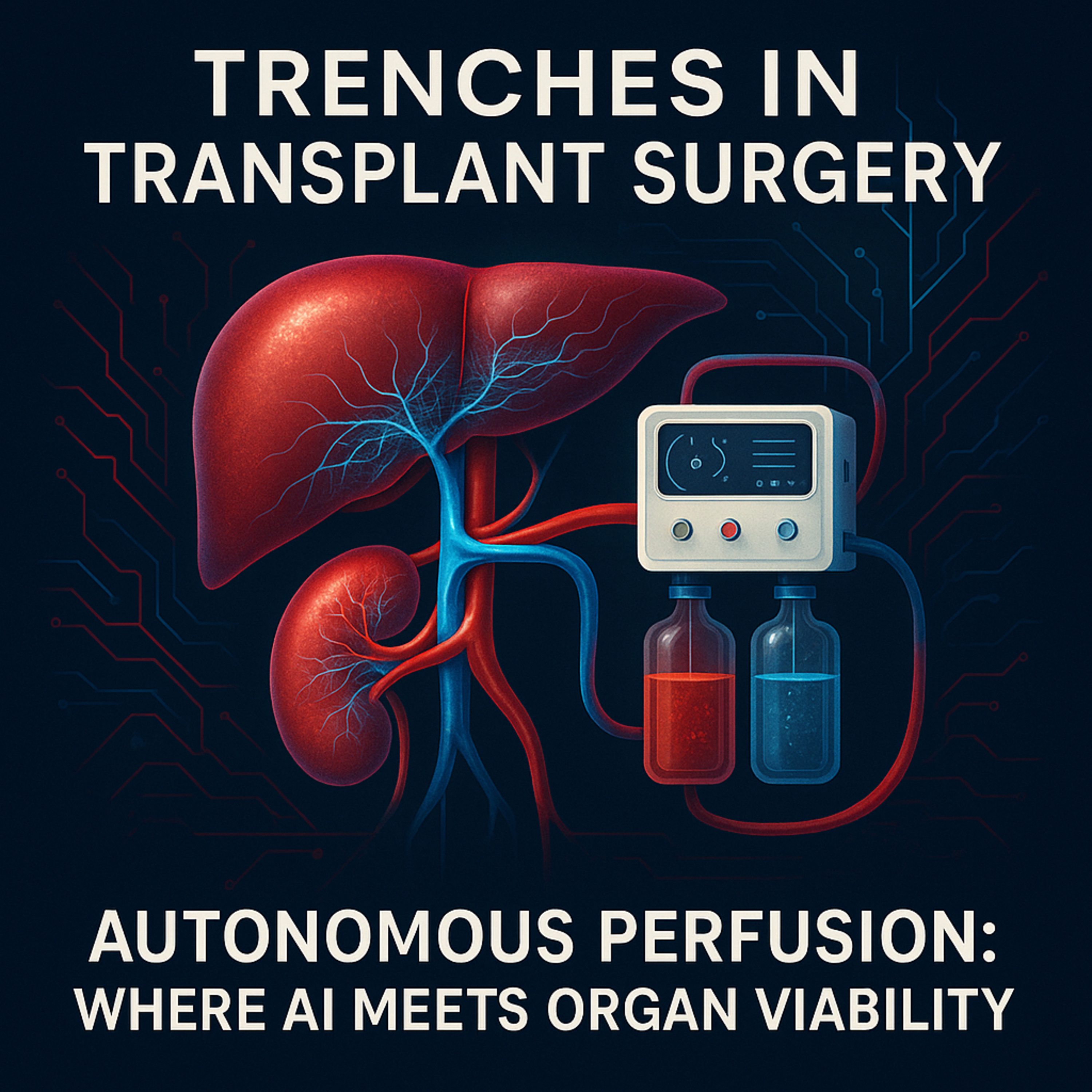
Autonomous Perfusion - Where AI Meets Organ Viability
Autonomous perfusion systems powered by machine learning represent a transformative advancement in organ preservation and tissue engineering. By integrating…
 Trenches in Transplant Surgery
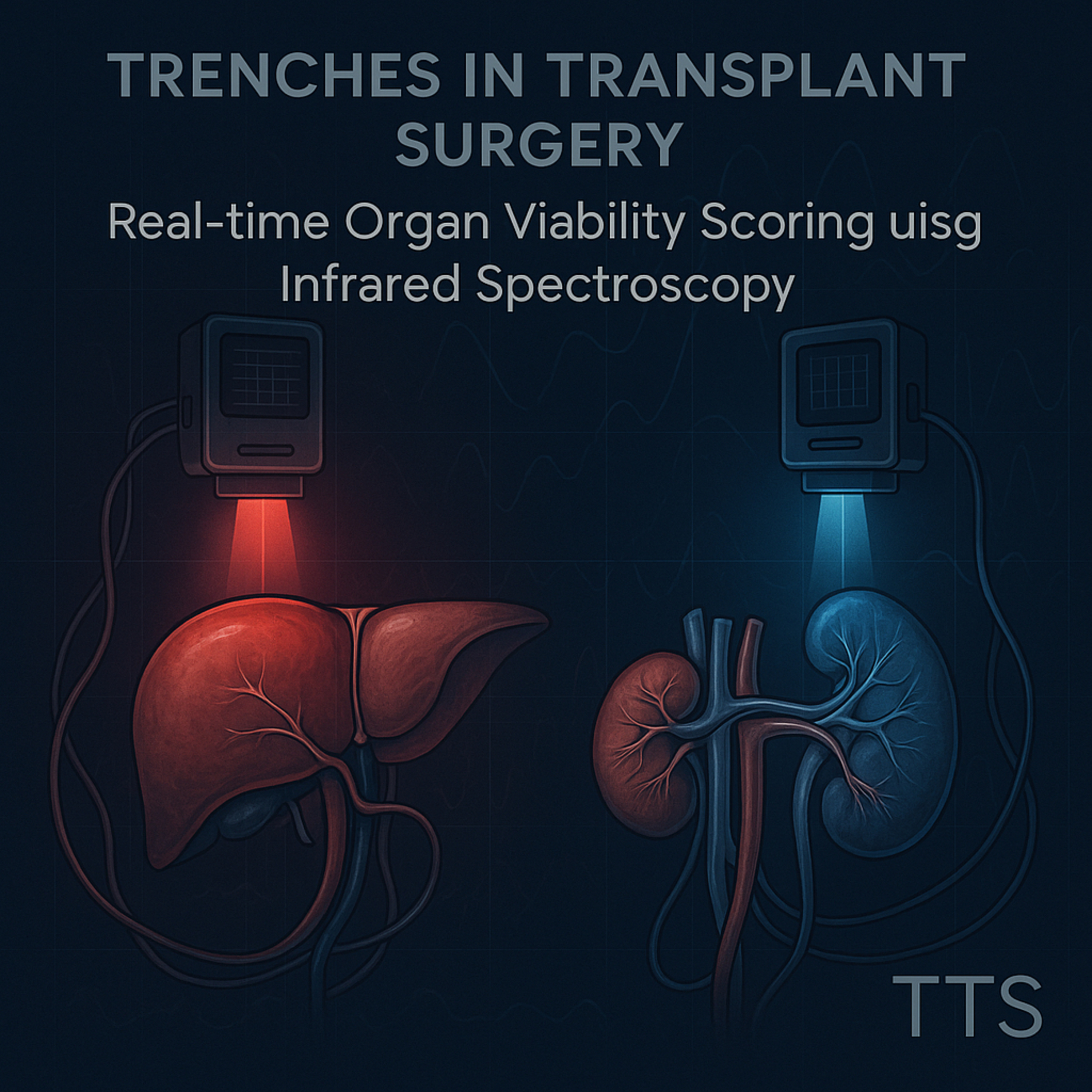
Infrared Spectroscopy for Organ Viability Assessment
Infrared spectroscopy, including both near-infrared (NIR) and mid-infrared (MIR) modalities, is emerging as a powerful, non-invasive tool for real-time organ…
 Trenches in Transplant Surgery
Virtual Reality in Organ Transplant Training
Immersive VR training modules for liver and kidney transplantation are emerging as powerful tools in surgical education, combining anatomical accuracy…
 Trenches in Transplant Surgery
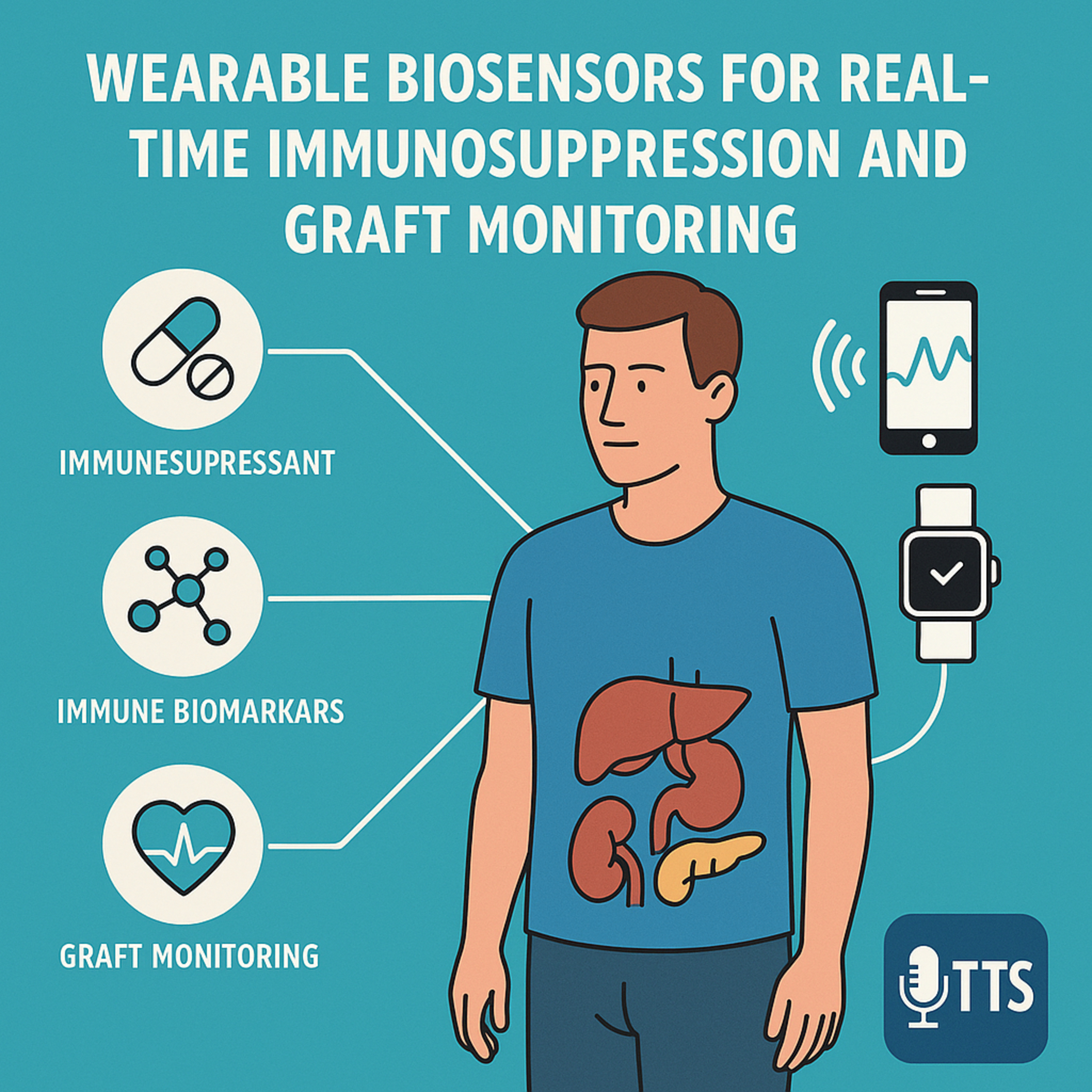
Wearable Biosensors for Transplant Care
Wearable biosensors are emerging as transformative tools for real-time immunosuppression and graft monitoring in abdominal organ transplantation. These…
 Trenches in Transplant Surgery
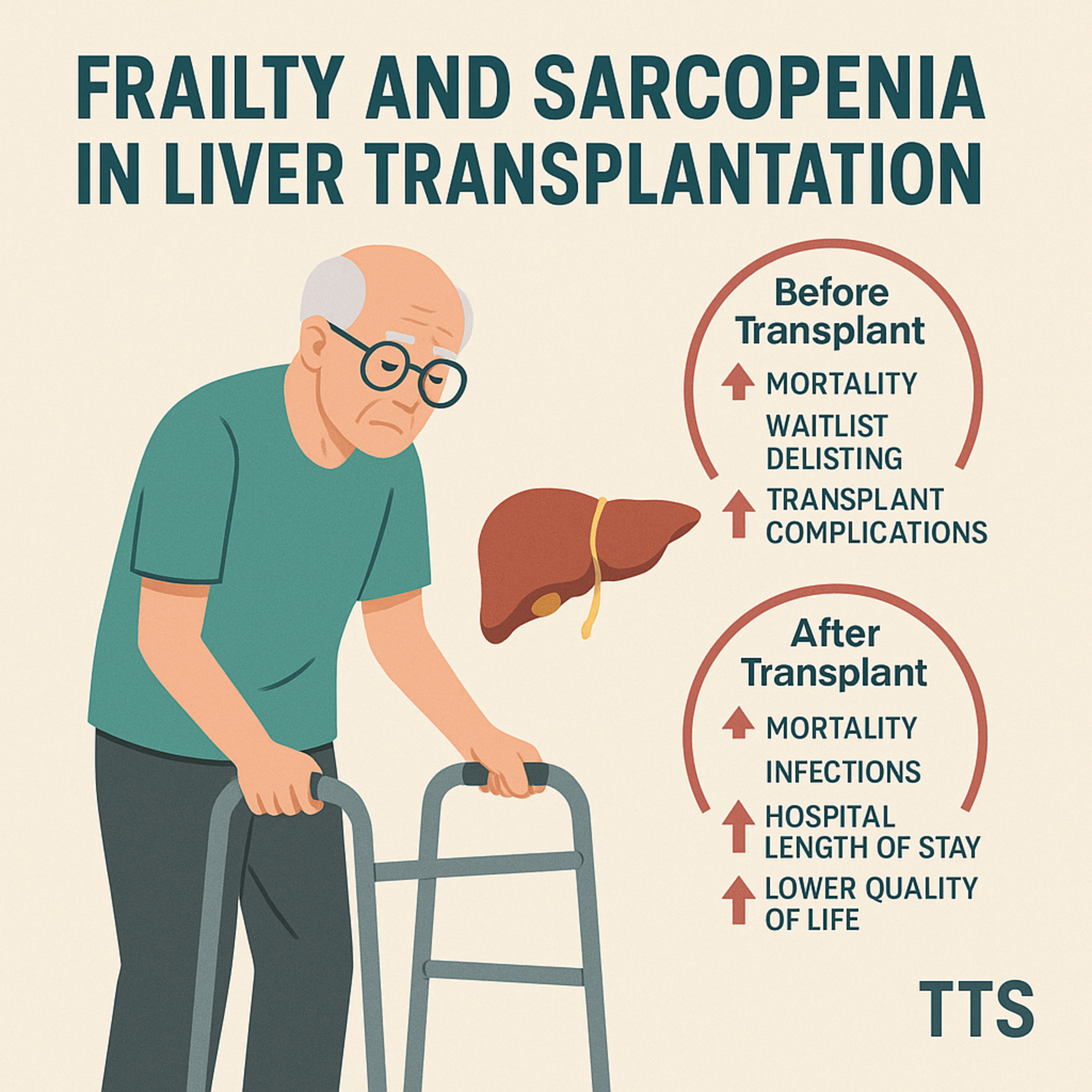
Frailty and Sarcopenia in Liver Transplant - Impact and Management
Frailty and sarcopenia are highly prevalent in patients undergoing liver transplantation, with significant implications for both pre- and post-transplant…
 Trenches in Transplant Surgery
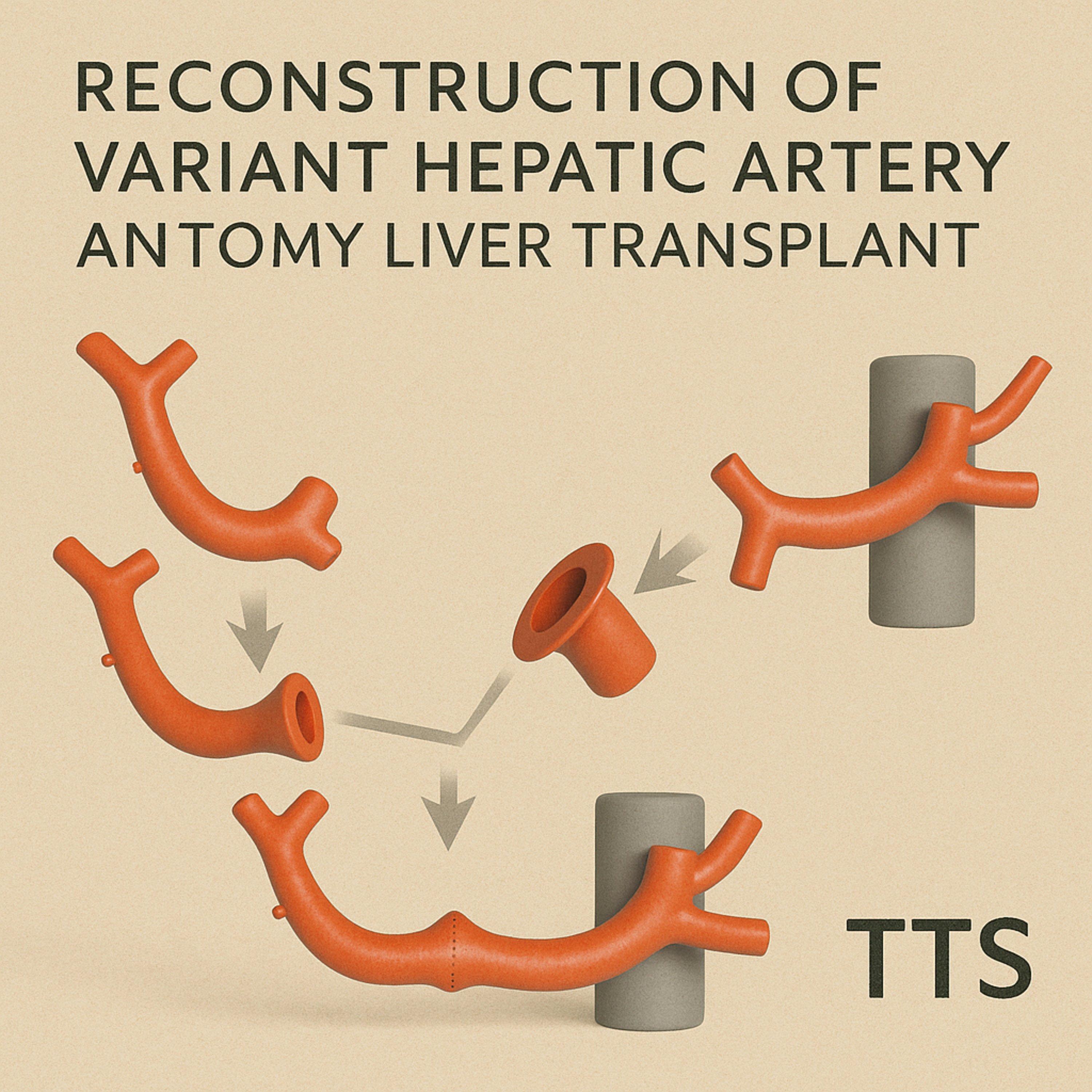
Hepatic Artery Variants in Liver Transplantation
Reconstruction of variant hepatic artery anatomy during liver transplantation is a critical component of graft revascularization, given that up to 50% of…
 Trenches in Transplant Surgery
Blockchain for Organ Tracking and Registry Management
Blockchain technology offers a promising solution to critical challenges in global organ transplant systems, such as lack of transparency, data tampering, and…
 Trenches in Transplant Surgery
AI in Transplant Donor-Recipient Matching
Artificial intelligence is transforming donor-recipient matching in abdominal organ transplantation by integrating complex datasets—such as clinical variables…
 Trenches in Transplant Surgery
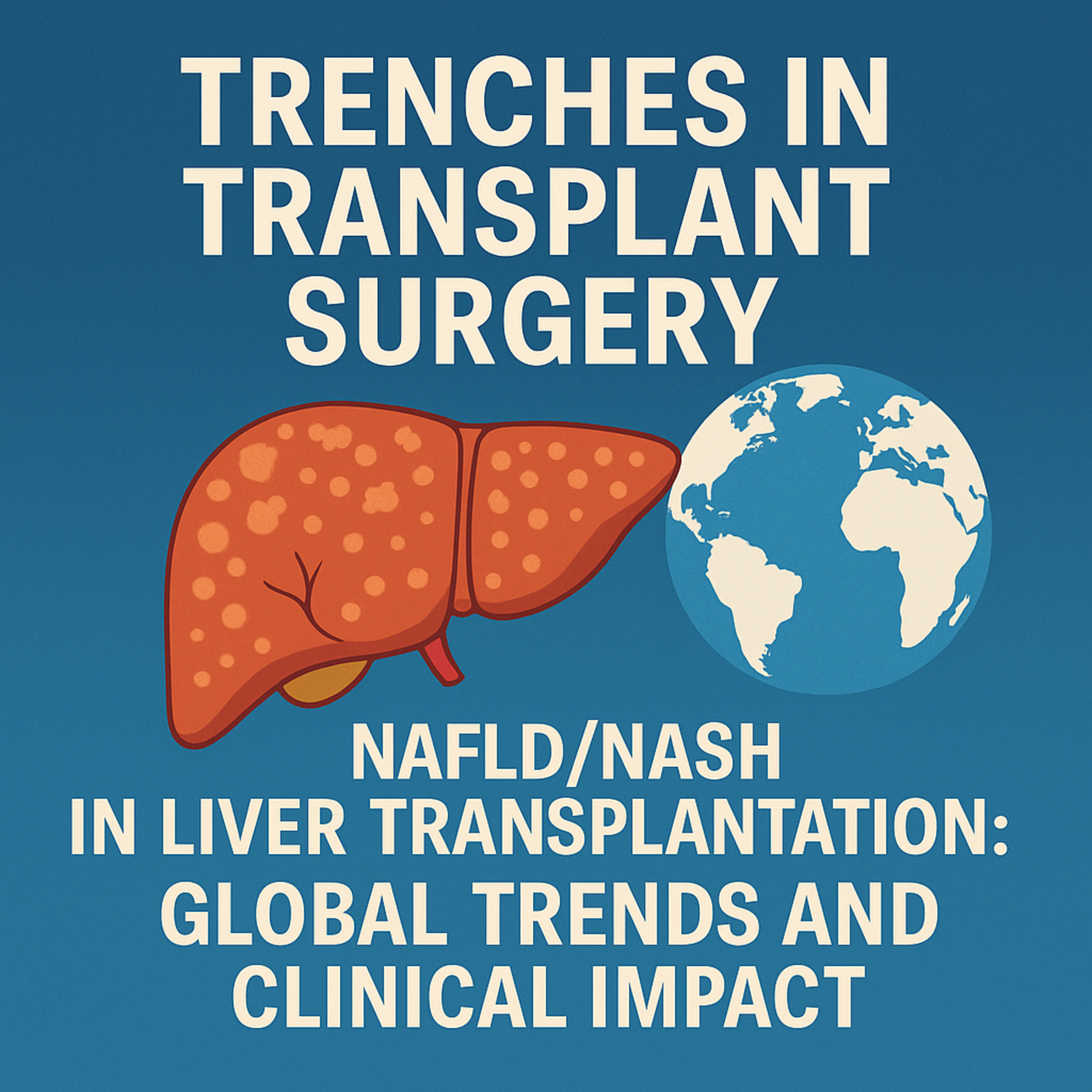
NAFLD/NASH in Liver Transplantation: Global Trends and Clinical Impact
NAFLD/NASH epidemic has two-fold impact on transplantation: it threatens the donor supply (steatotic grafts have higher risk) and creates a new high-risk…
- Trenches in Transplant Surgery
A Century of Surgical Progress in Kidney Transplantation
Overall, the surgical technique of kidney transplant has evolved from its early open forms to incorporate modern minimally invasive technology, but the core…
- Trenches in Transplant Surgery
Classical Versus Piggyback Techniques in Liver Transplantation
The evolution of liver transplantation techniques has shifted from the classical (conventional) approach, which involves removal of the retrohepatic inferior…
- Trenches in Transplant Surgery
Omics Technologies in Kidney and Liver Transplantation - Enabling Precision Immunosuppression
The past 5–10 years have witnessed remarkable progress in applying genomics, proteomics, and metabolomics to kidney and liver transplant medicine. Genomic…
 Trenches in Transplant Surgery
Deceased Donor Management and Evaluation
Deceased Donor Management and Evaluation Phase 3 (donor evaluation) and Phase 4 (ICU donor management) are pivotal in the deceased donation pathway, directly…
- Trenches in Transplant Surgery
Zimislecel - Stem Cell Therapy for Type 1 Diabetes
This podcast presents an original article detailing a phase 1-2 clinical study called VX-880-101 FORWARD, which investigates zimislecel as an allogeneic stem…
- Trenches in Transplant Surgery
Anesthetic Management in Liver Transplantation
Liver transplantation demands meticulous intraoperative management tailored to each surgical phase. By anticipating the typical hemodynamic changes in the…
- Trenches in Transplant Surgery
Minimizing Immunosuppression and Achieving Tolerance in Liver Transplant
Immunosuppression minimization and withdrawal in liver transplantation is an area where clinical practice and cutting-edge research intersect. The driving…
- Trenches in Transplant Surgery
Liver Viability Testing with Ex Vivo Machine Perfusion
Ex vivo machine perfusion has ushered in a new era where a liver graft’s viability can be tested before the irreversible step of transplantation. Both…
- Trenches in Transplant Surgery
Transplant Tourism - Ethics, Illicit Trade, and Global Efforts
Transplant tourism sits at the troubling intersection of medical need and global inequality. On one hand, it underscores the desperation of patients willing to…
- Trenches in Transplant Surgery
NRP Cannulation techniques and Blood Conservation during NRP
A-NRP utilizes extracorporeal membrane oxygenation (ECMO) technology, including a pump, oxygenator, and heater, to maintain normothermic (37°C) blood flow to…
- Trenches in Transplant Surgery
Liver Enzyme Elevation Post Transplant - Causes, Workup and Treatment
Elevated liver enzymes after a liver transplant can stem from various causes, including surgical complications, infections, or rejection, with no single…
- Trenches in Transplant Surgery
AI and Deep Learning in Liver Transplantation
• Research suggests AI and deep learning are enhancing liver transplant outcomes. • It seems likely that donor-recipient matching and post-transplant…
- Trenches in Transplant Surgery
Viral Infections in Organ Transplant - Updates and Management
Research suggests EBV is a significant risk post-transplant, with PTLD incidence at 4-22% in children and 1-2% in adults, higher in EBV-negative recipients…
- Trenches in Transplant Surgery
Biliary Dilemmas in Liver Transplants
• Ductopenia is mainly caused by chronic rejection, where the immune system attacks the bile ducts. Ischemic cholangiopathy, on the other hand, comes from poor…
- Trenches in Transplant Surgery
Solving the Liver Organ Shortage - Strategies and Innovations
• Research suggests increasing public awareness and opt-out donation systems can boost liver donations, though effectiveness varies by region. • It seems…
- Trenches in Transplant Surgery
Liver Transplantation for Hepatic Tumors
• Research suggests hepatocellular carcinoma (HCC) is the most common liver tumor considered for transplantation, with specific size and spread criteria. • It…
- Trenches in Transplant Surgery
Thomas Starzl - Father of Liver Transplantation
• Thomas Starzl is widely regarded as the father of liver transplantation, based on his pioneering work. • He performed the first human liver transplant in…
- Trenches in Transplant Surgery
Liver Transplant Complications - Review
• Research suggests liver transplant complications include infections, biliary issues, and rejection, with varying incidence rates. • It seems likely that…
- Trenches in Transplant Surgery
Defatting liver during Machine Perfusion
Research suggests defatting livers during machine perfusion can improve transplant outcomes, but it’s still being studied. It seems likely that drugs like…
- Trenches in Transplant Surgery
Revolutionizing Liver Transplantation: Machine Perfusion and NRP
Understand the Mechanisms and Benefits: Explain the principles of machine perfusion (hypothermic and normothermic) and normothermic regional perfusion (NRP)…