Shows / ICRC Humanitarian Law and Policy Blog
ICRC Humanitarian Law and Policy Blog
The International Committee of the Red Cross (ICRC) Humanitarian Law & Policy blog is a unique space for timely analysis and debate on international humanitarian law (IHL) issues and the policies that shape humanitarian action.
Episodes
 ICRC Humanitarian Law and Policy Blog
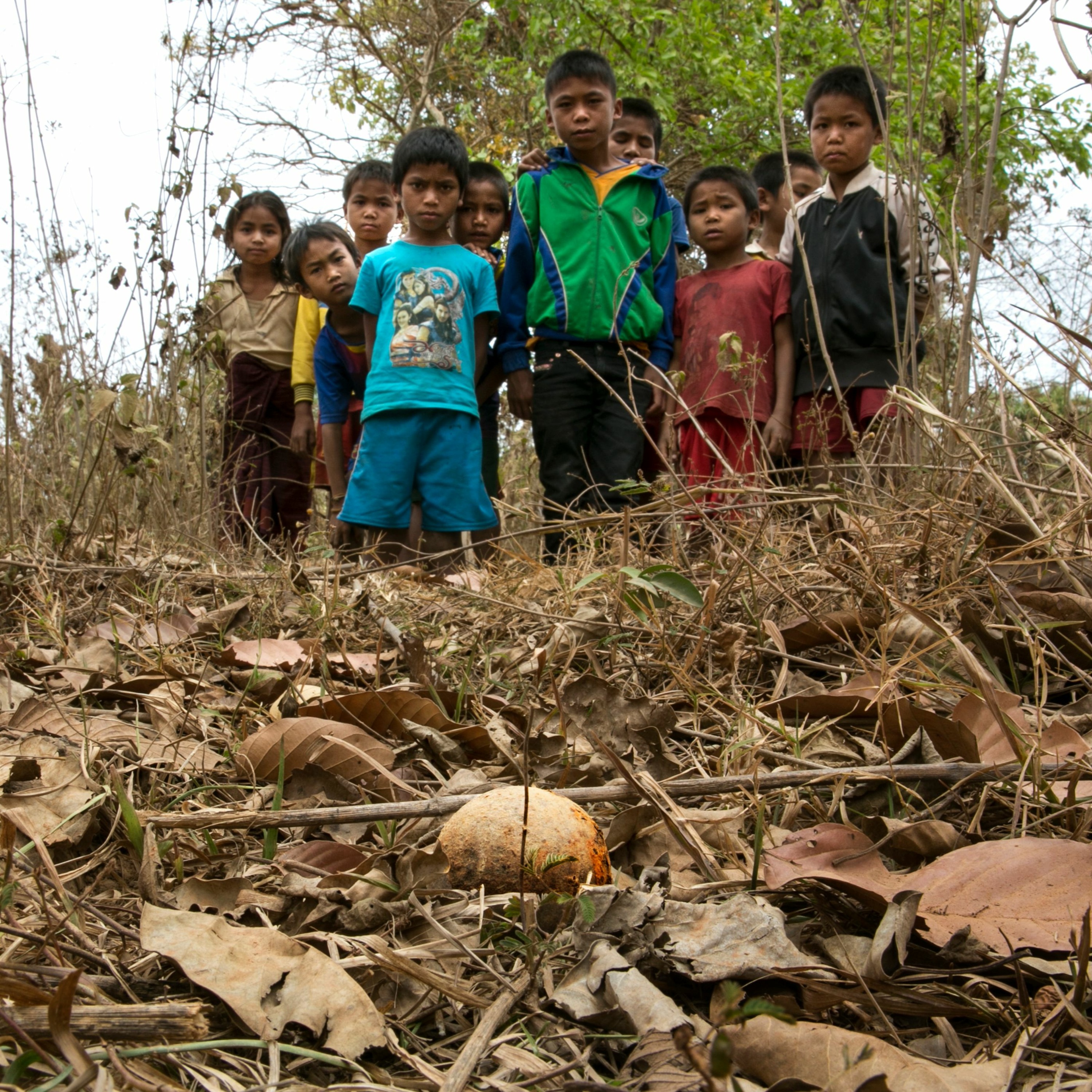
Preventing and eradicating the deadly legacy of explosive remnants of war
The deadly legacy of armed conflict continues to claim lives long after the fighting is over. As more and more conflicts take place in population centers…
 ICRC Humanitarian Law and Policy Blog
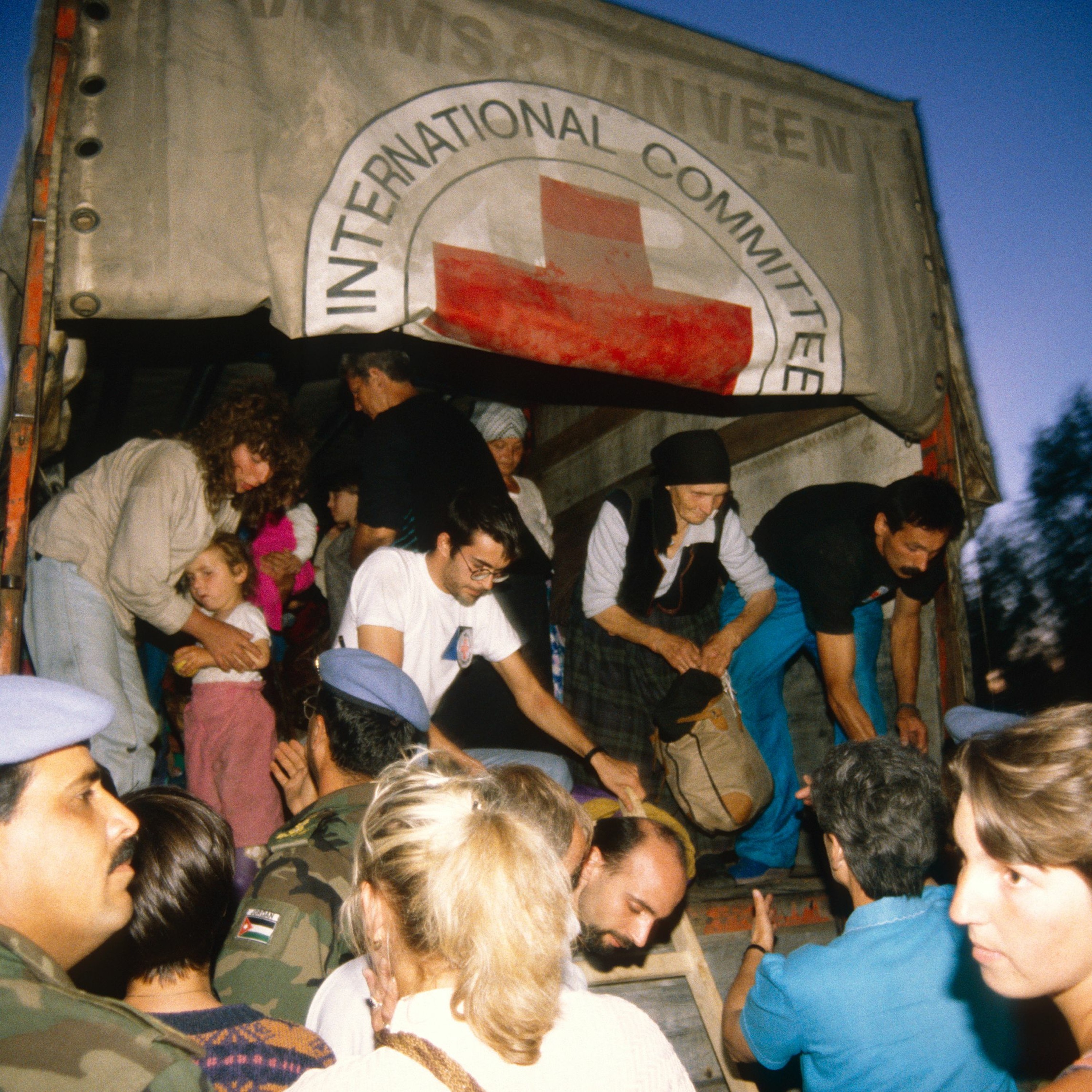
War, law and humanity: the role of the ICRC in international armed conflicts
The international armed conflict between Russia and Ukraine has seen the involvement of several humanitarian organizations on the ground – including the…
 ICRC Humanitarian Law and Policy Blog
Five types of humanitarian influence
Humanitarian action involves words as well as deeds, influence as well as operations. Every year presents new influencing challenges for humanitarian diplomats…
 ICRC Humanitarian Law and Policy Blog
‘Back to basics’ with a digital twist: humanitarian principles and dilemmas in the digital age
The digital transformation has been a key vector of progress for the humanitarian sector. It is also a source of additional pressure on principled humanitarian…
 ICRC Humanitarian Law and Policy Blog
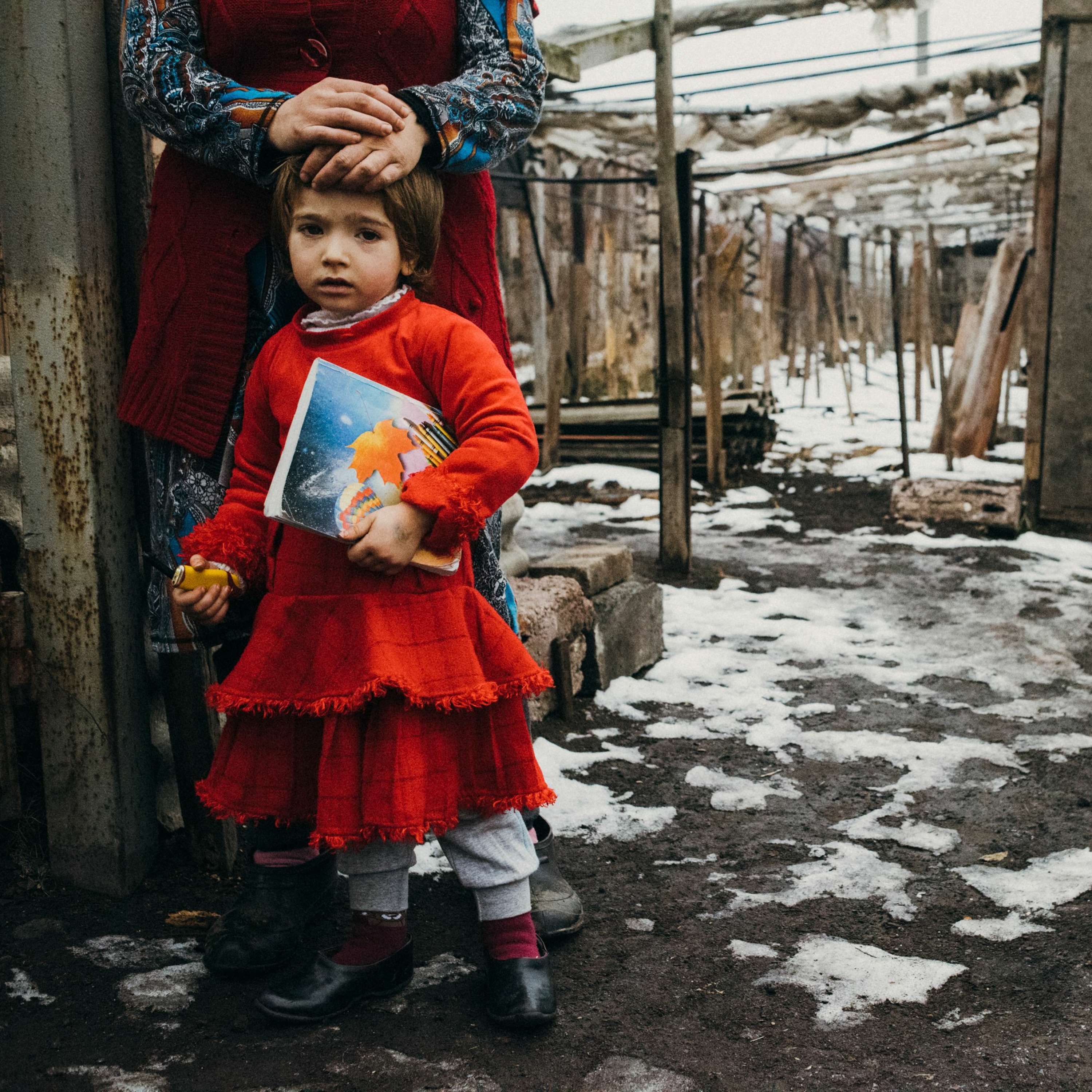
Present and engaged: how the ICRC responds to armed conflict and violence in cities
How can humanitarian actors better respond to the devastating impact of urban warfare and urban violence? The higher humanitarian stakes in cities – the…
 ICRC Humanitarian Law and Policy Blog
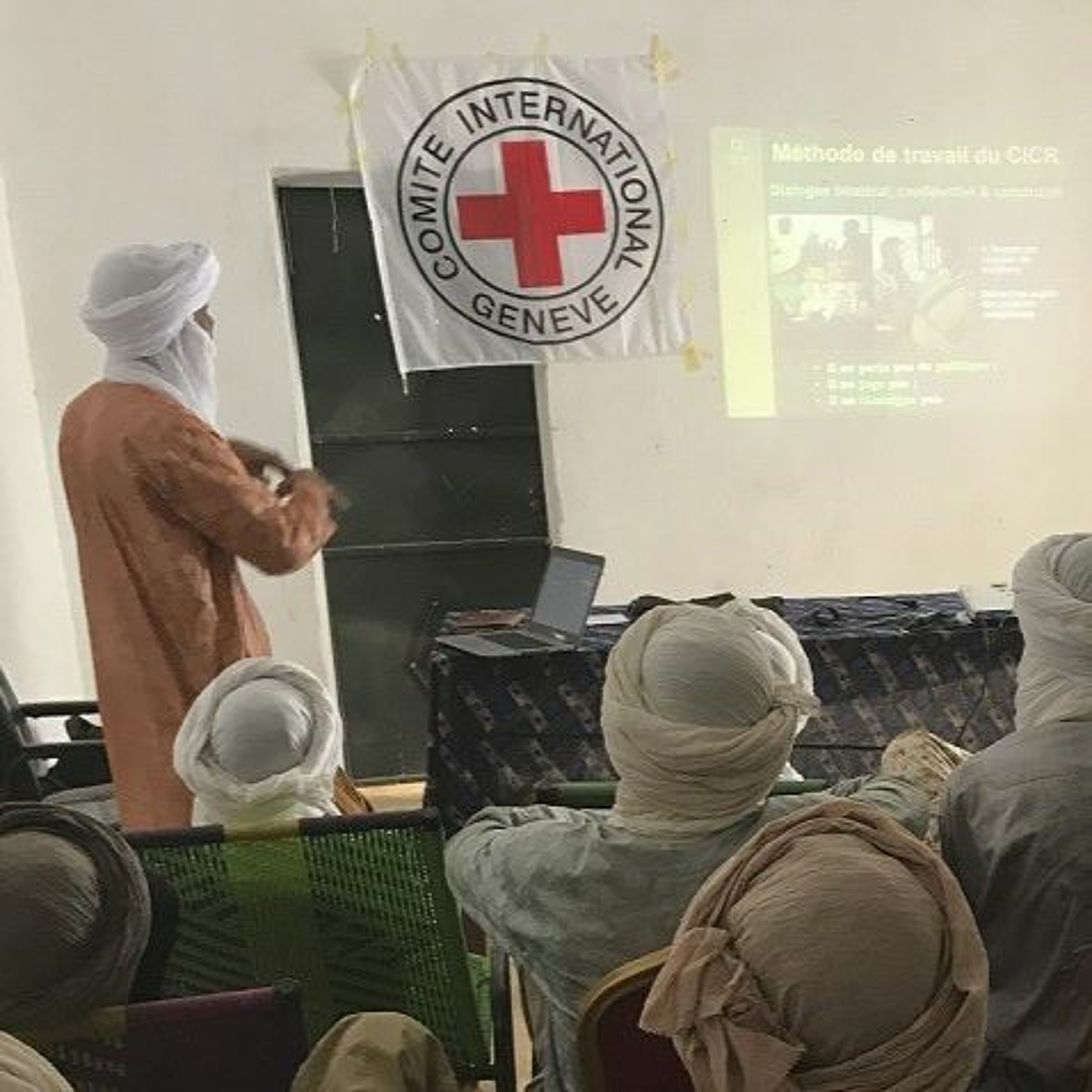
ICRC engagement with armed groups in 2022
In line with its mandate, the ICRC engages with all parties to an armed conflict, including non-State armed groups. The ICRC has a long history of confidential…
 ICRC Humanitarian Law and Policy Blog
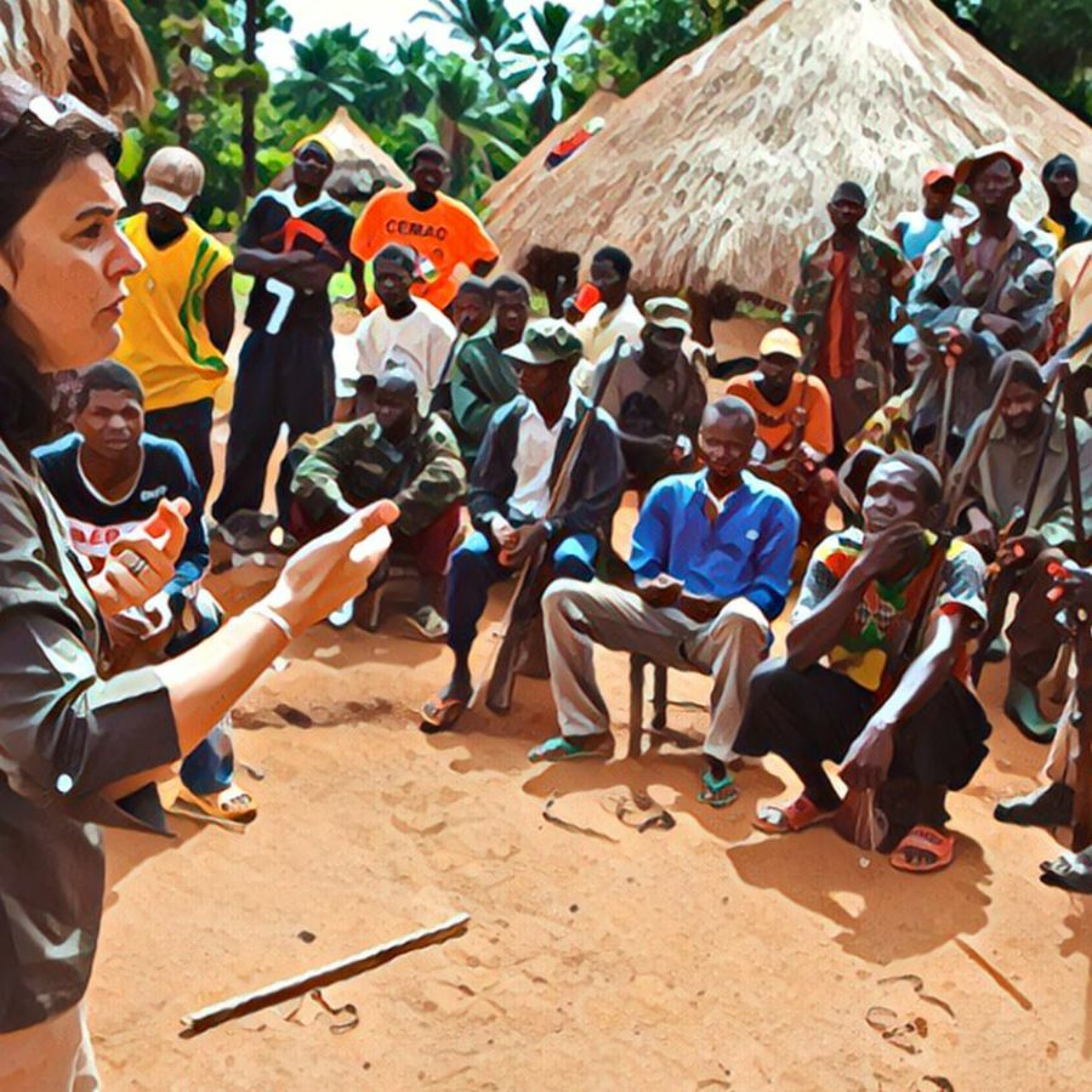
The translator is a traitor: translation in humanitarian response
Translation has often been regarded as an act of ‘betrayal’, for the impossibility of transferring the exact same messages between different languages. Yet, if…
 ICRC Humanitarian Law and Policy Blog
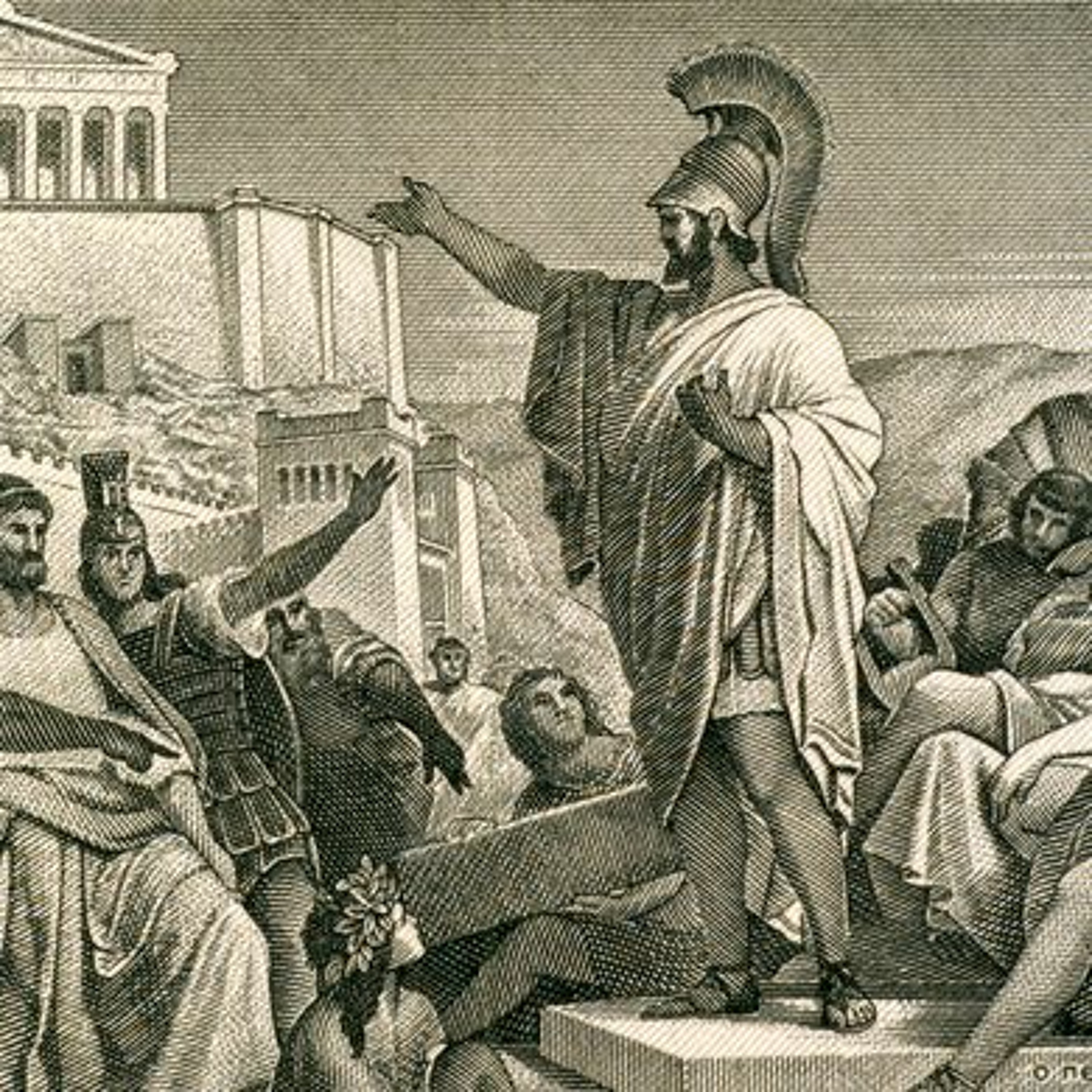
The art of influencing: how to maximize impact in a complex, interconnected world
With increasing pressures on the humanitarian environment – shrinking space and shrinking funds first among them – the need to influence authorities and donors…
 ICRC Humanitarian Law and Policy Blog
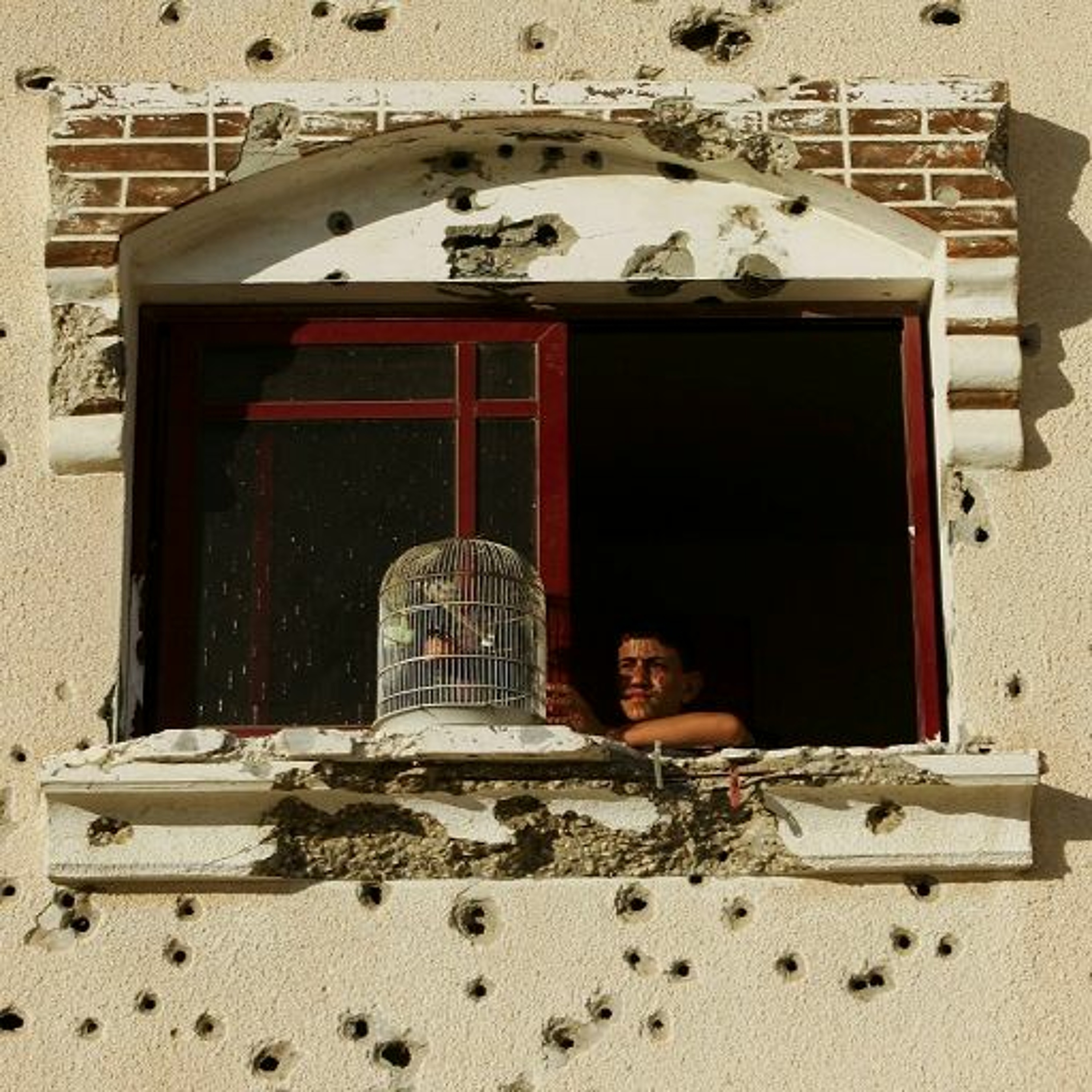
When hostilities end but suffering remains: the necessary continuation of humanitarian activities
Armed conflicts have long-lasting repercussions on the population affected, even after the conflict has ended. Humanitarian organizations operating in these…
 ICRC Humanitarian Law and Policy Blog
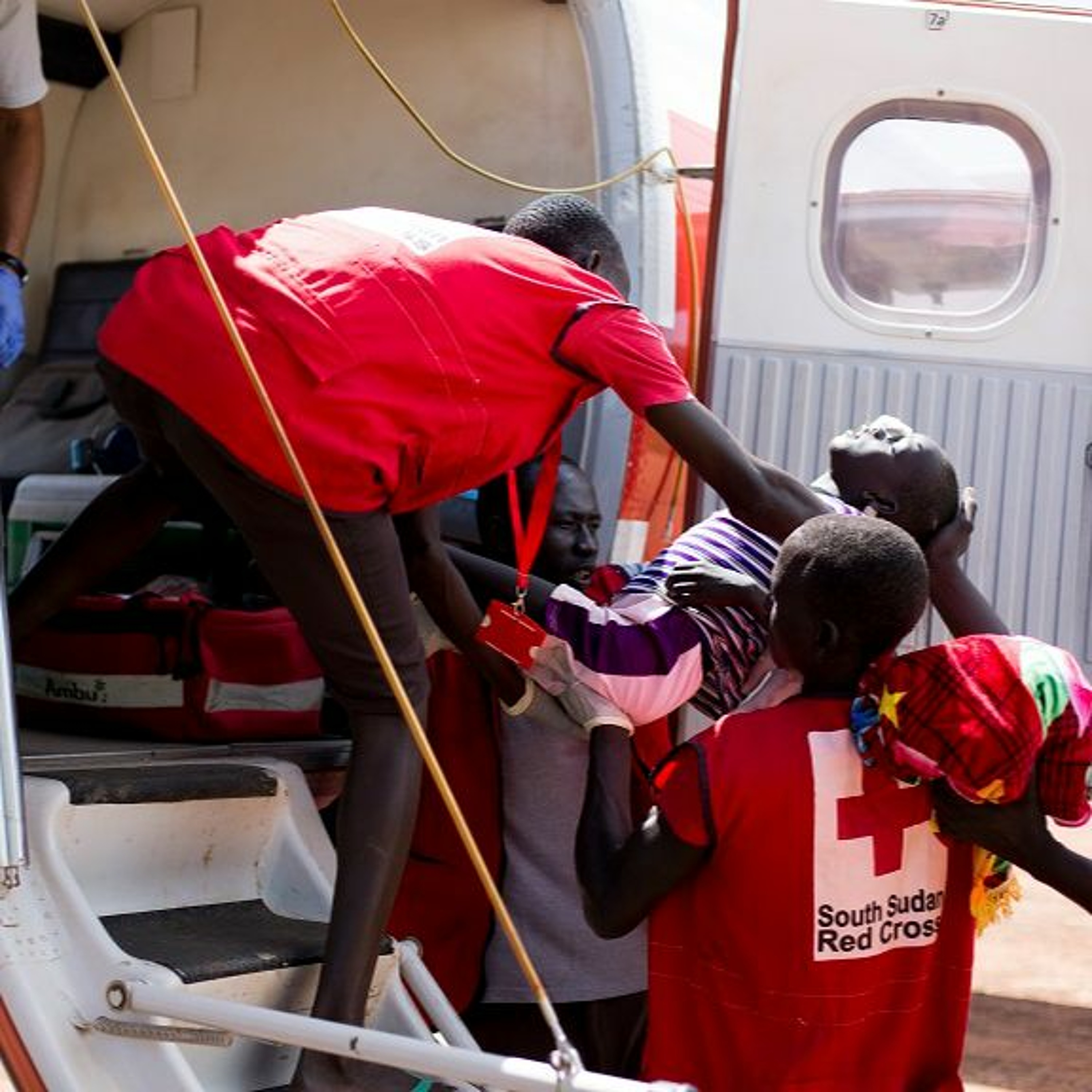
Humanitarian principles in action: a Q&A with the South Sudan Red Cross
On the eve of the declaration of independence by the Republic of South Sudan in 2011, the Red Cross and Red Crescent Movement welcomed the establishment of a…
 ICRC Humanitarian Law and Policy Blog
‘Nothing about us without us’: including civilians with disabilities in the aftermath
As the smoke clears, a range of challenges reveal themselves in the wake of battles and conflict. These issues impact civilians in different ways, according to…
 ICRC Humanitarian Law and Policy Blog
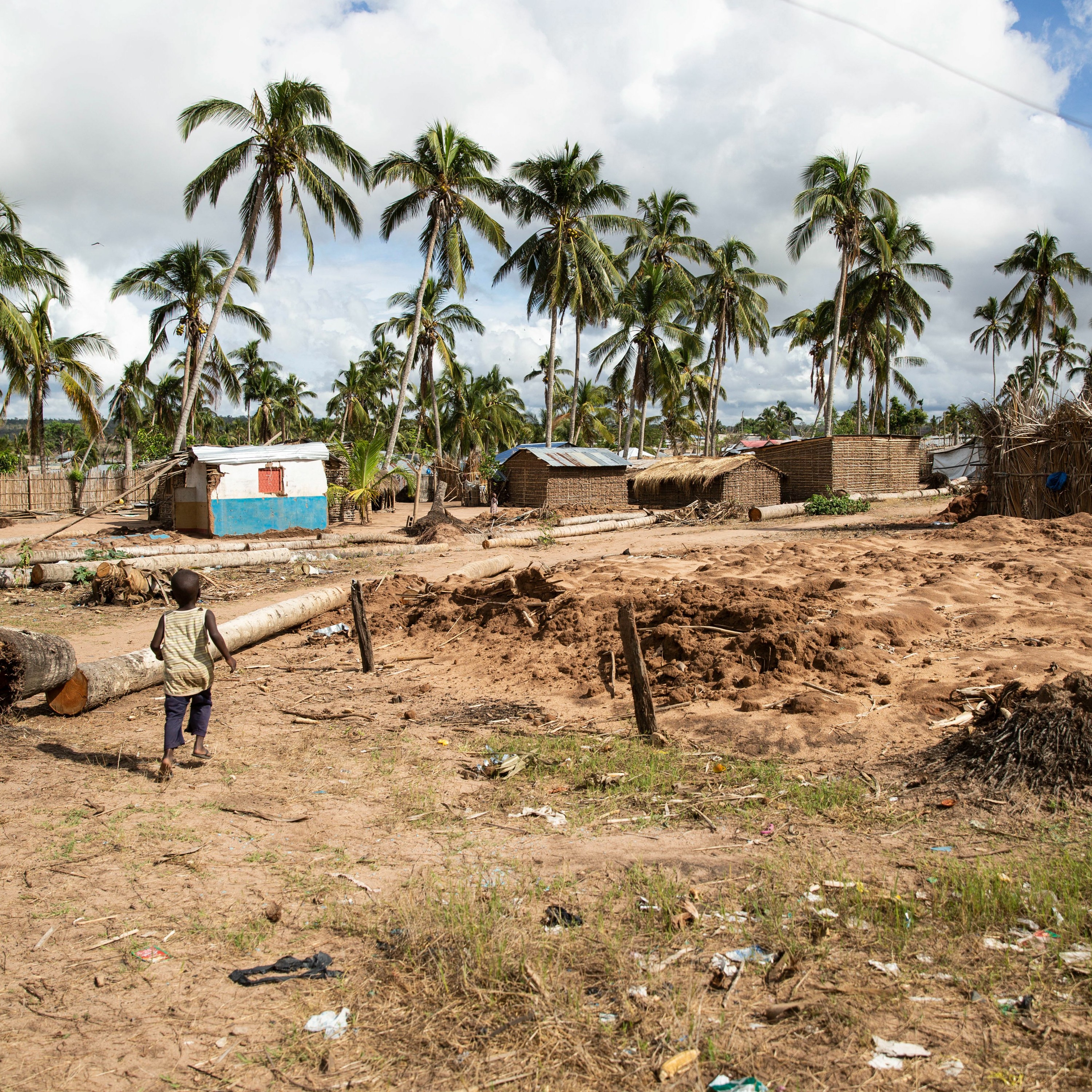
Who gets what: how to get climate finance working for the people who need it most
Global attention is squarely focused on COP27 of the UN Framework Convention of Climate Change (UNFCCC) now underway in Sharm El Sheikh. Parties to the…
 ICRC Humanitarian Law and Policy Blog
Towards a ‘digital emblem’? Five questions on law, tech, and policy
Doctors who provide care for the war wounded and ICRC delegates who work in areas affected by armed conflict rely on a unique and universally recognized symbol…
 ICRC Humanitarian Law and Policy Blog
Dangerous forces: the protection of nuclear power plants in armed conflict
As the international armed conflict between Russia and Ukraine drags on, the international community continues to sound the alarm about the significant risks…
 ICRC Humanitarian Law and Policy Blog
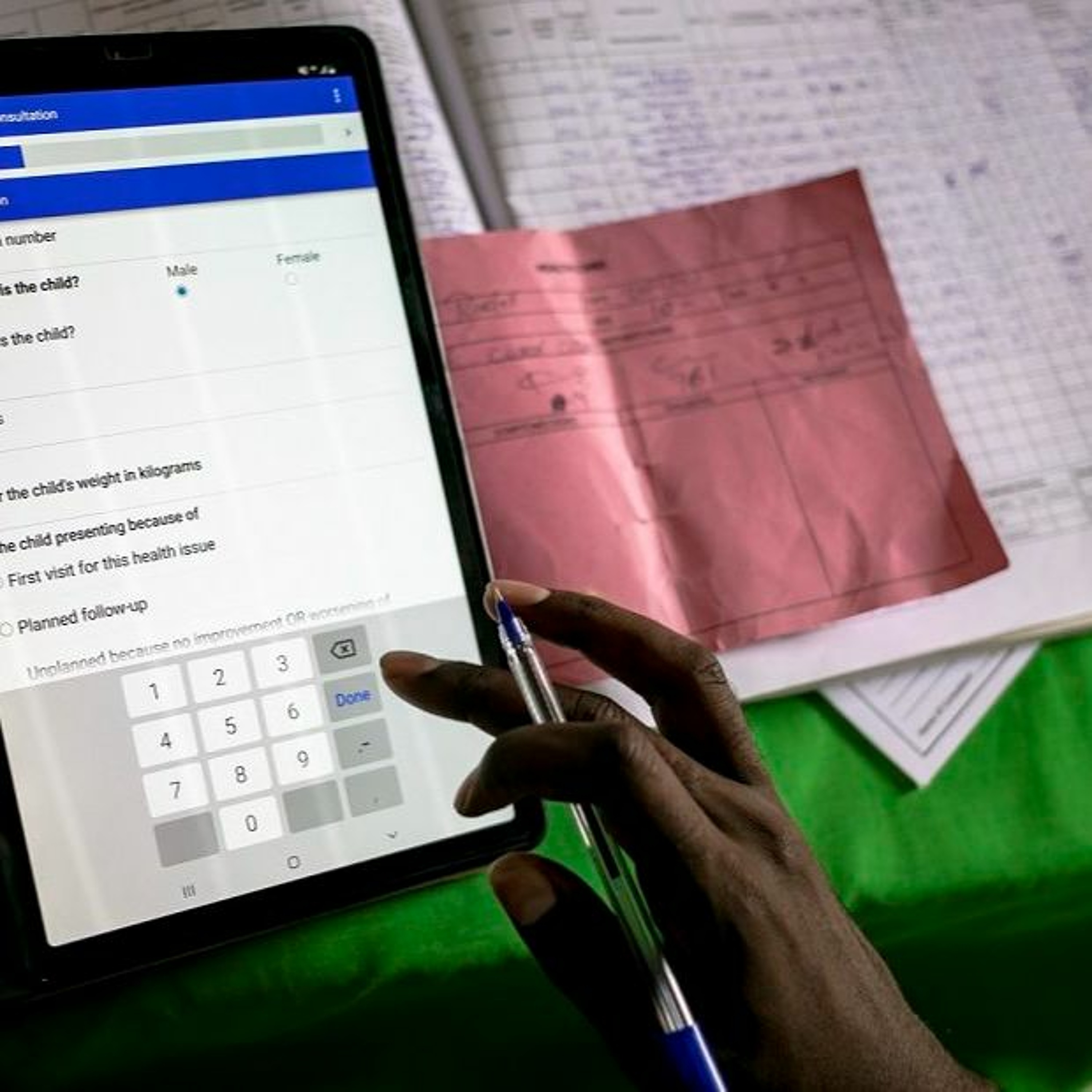
Safeguarding humanitarian organizations from digital threats
For decades, there has been consensus in the international community that in times of armed conflict, impartial humanitarian operations and the humanitarian…
 ICRC Humanitarian Law and Policy Blog
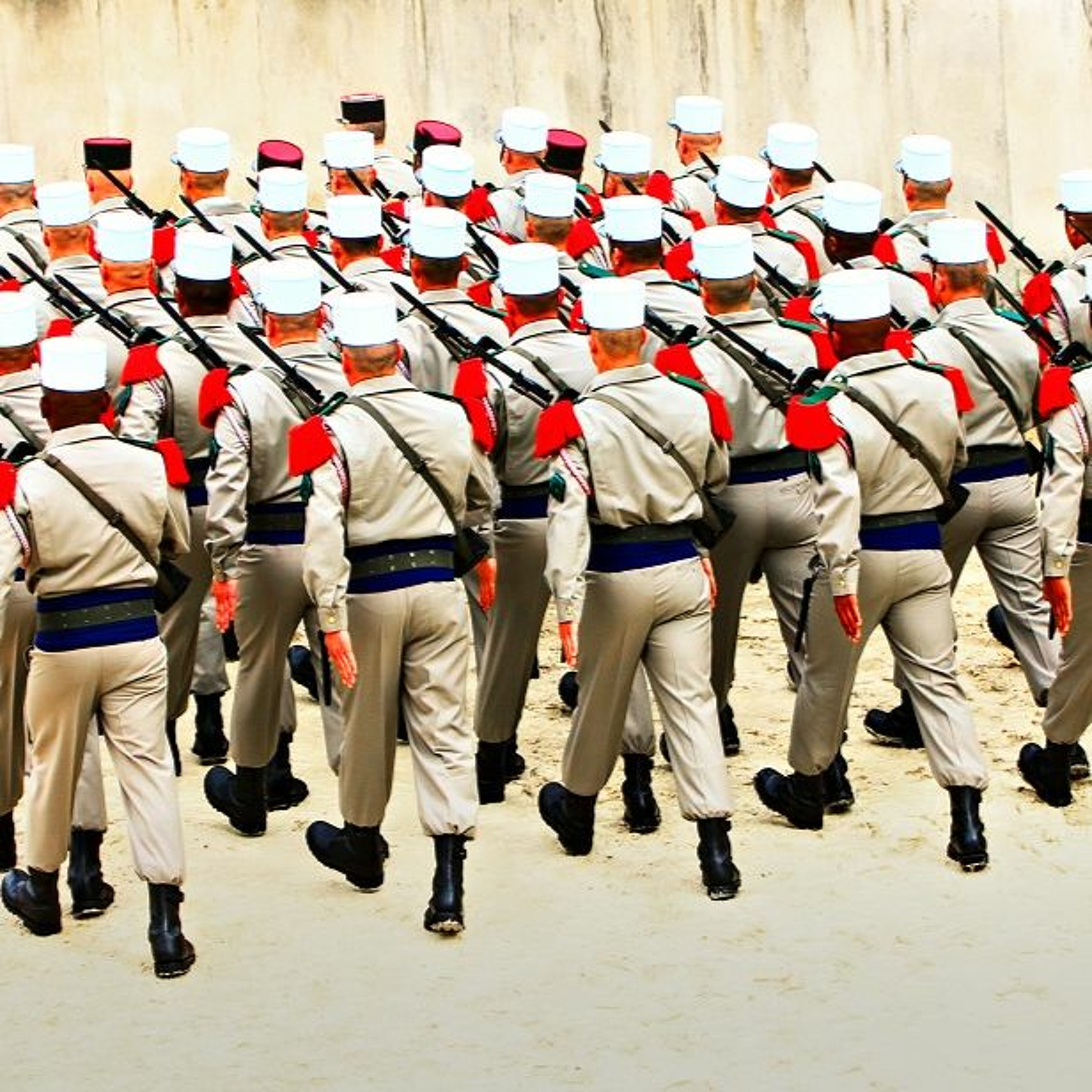
The status and protection of third-country nationals in international armed conflict
In international armed conflict, citizens of non-belligerent States can (and do) find their way onto the battlefield. Whether they arrive as volunteers…
 ICRC Humanitarian Law and Policy Blog
Gender inequality, armed conflict & climate change: why militaries can & should map compounded risk
In areas marked by gender inequality, women and girls are particularly at risk of the compounding effects of armed conflict and climate change. Militaries…
 ICRC Humanitarian Law and Policy Blog
Climate and environment considerations for weapon bearers in armed conflict
Why should parties to a conflict care about climate change and the environment? This is a question that is frequently raised when discussing the intersection…
 ICRC Humanitarian Law and Policy Blog
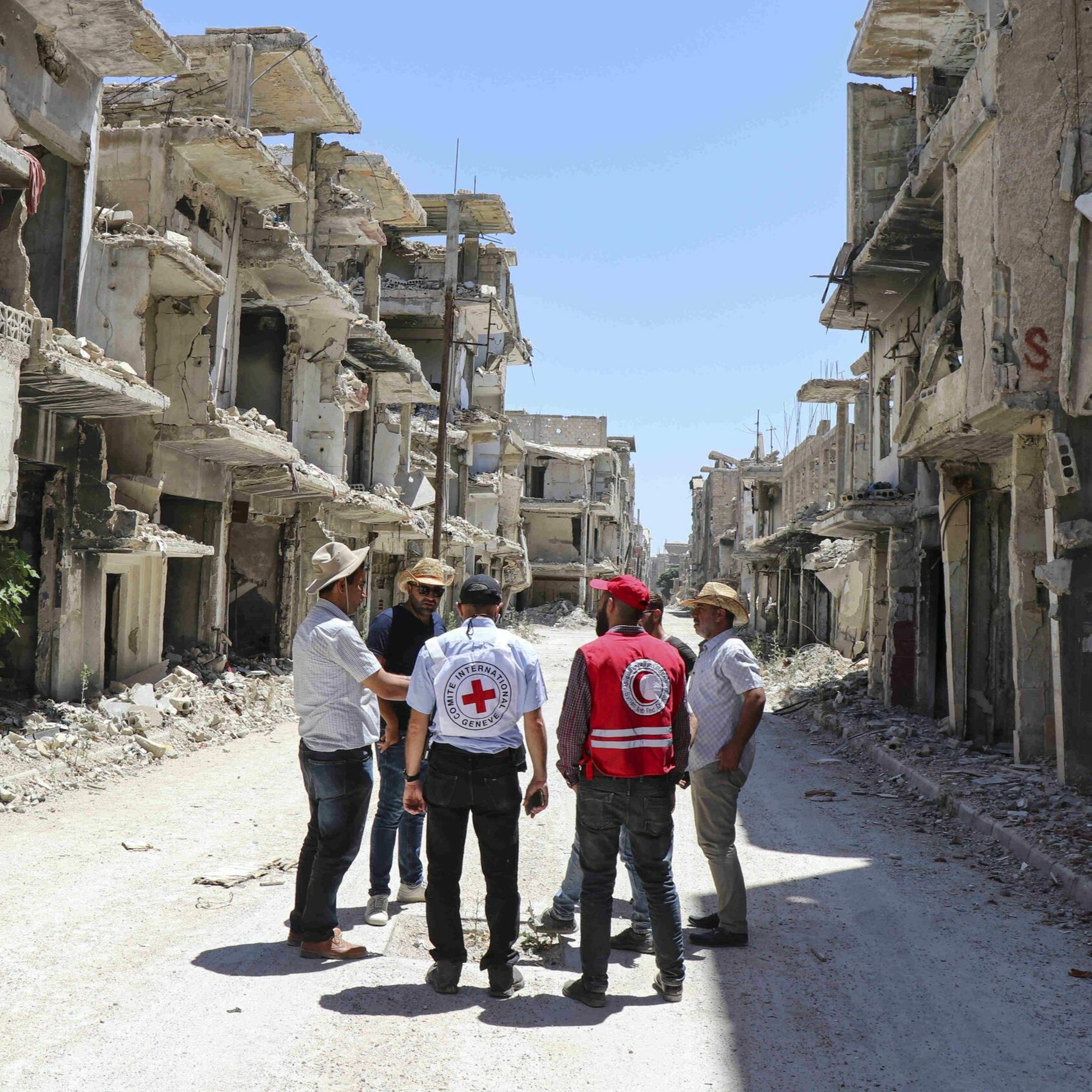
Aftermath of battles and conflict: from challenges to solutions
The end of intense combat during armed conflict – whether permanent or temporary –does not automatically correlate with an end to human suffering. The last…
 ICRC Humanitarian Law and Policy Blog
When will it be over? A fictional civilian’s story in the aftermath of conflict
‘What I know is that for me, for many, the war will not be over until more is done to restore us and our town to normality’. Conflict is not just about…
 ICRC Humanitarian Law and Policy Blog
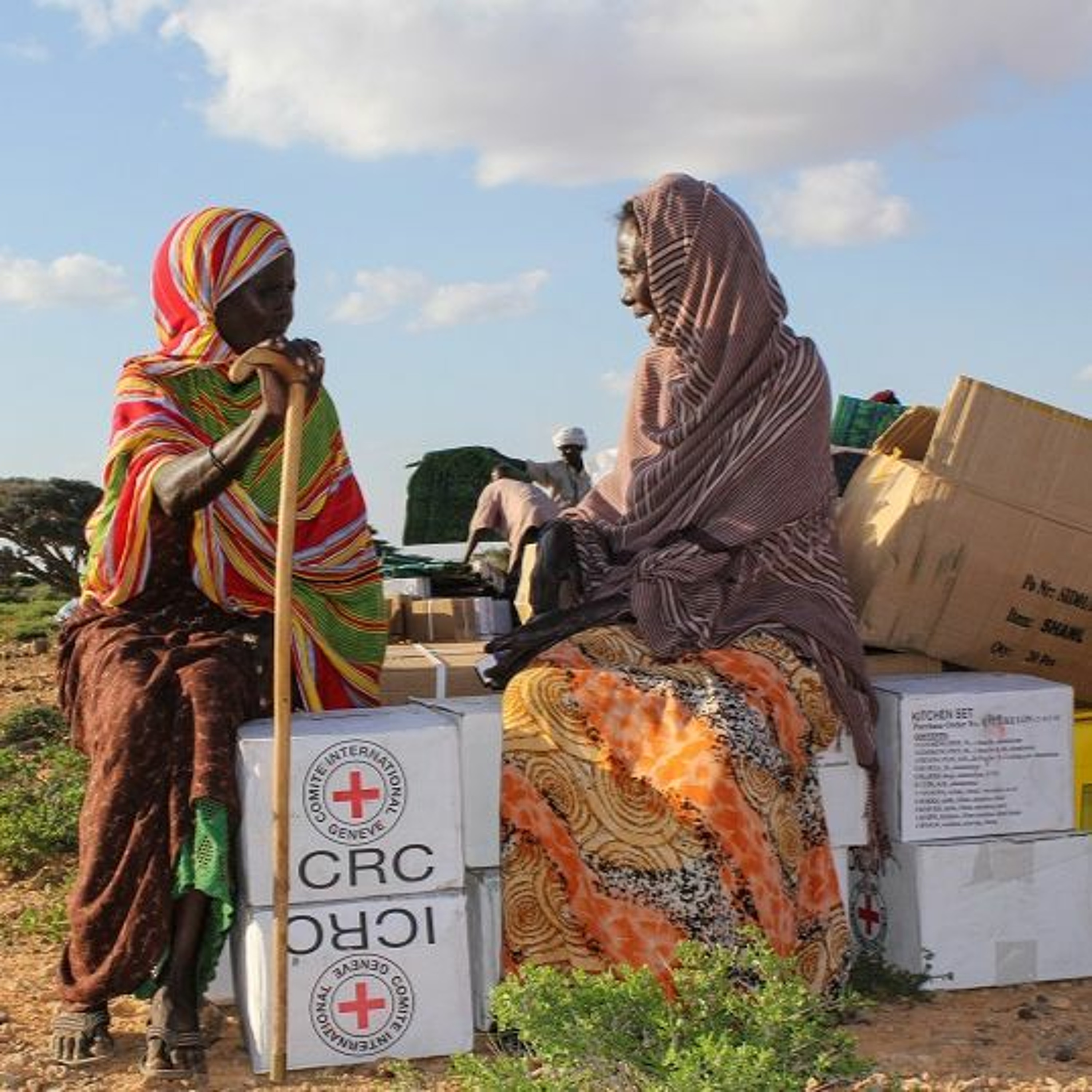
What does ‘back to basics’ mean for gender and the fundamental principles?
The recently-launched ICRC blog series ‘Back to basics: humanitarian principles in contemporary armed conflict’ aims to inspire discussion and debate about the…
 ICRC Humanitarian Law and Policy Blog
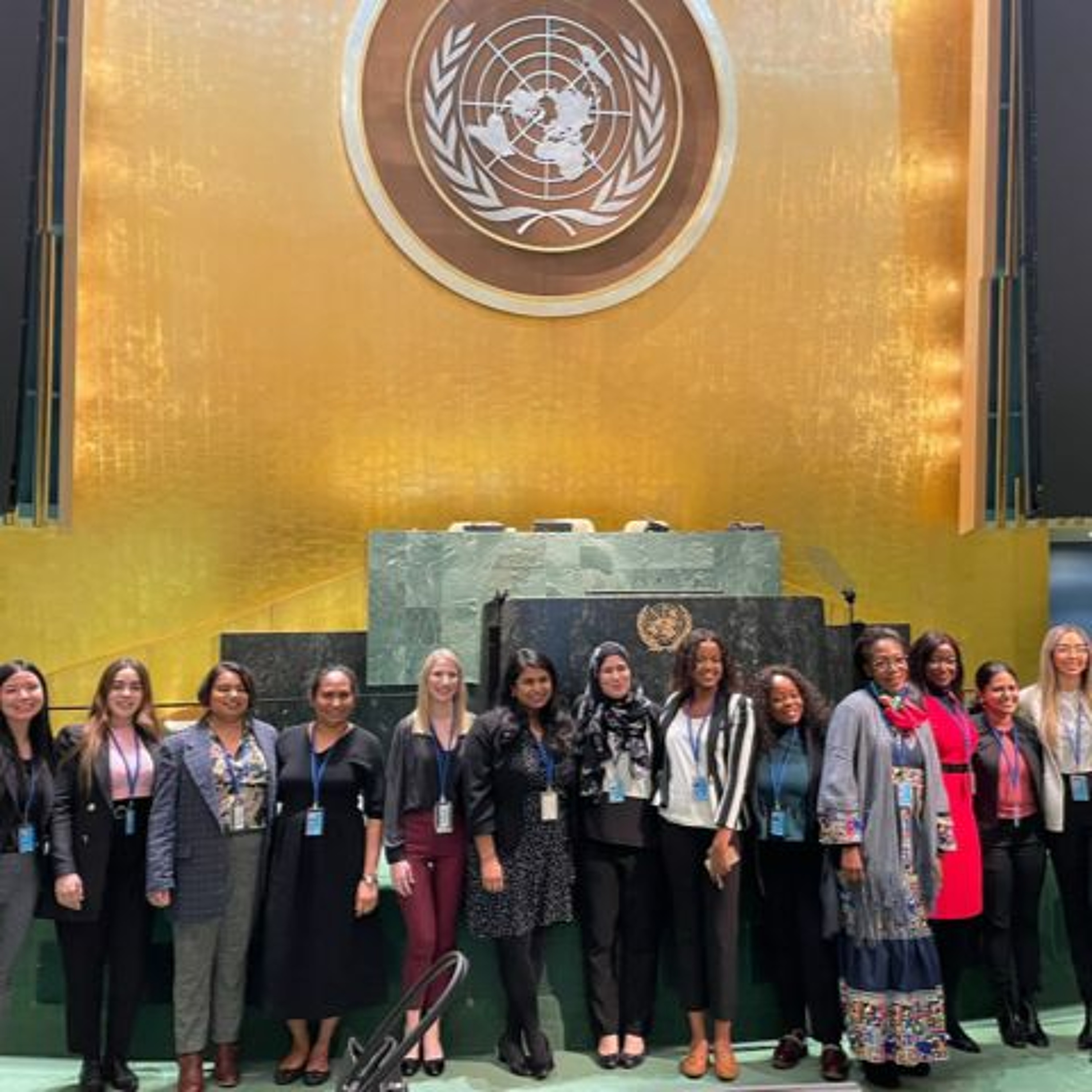
‘Catching up with the curve’: the participation of women in disarmament diplomacy
Though it cannot be up to women alone to capture gendered impacts in treaty texts and outcome documents, their perspective has often helped to pave the way…
 ICRC Humanitarian Law and Policy Blog
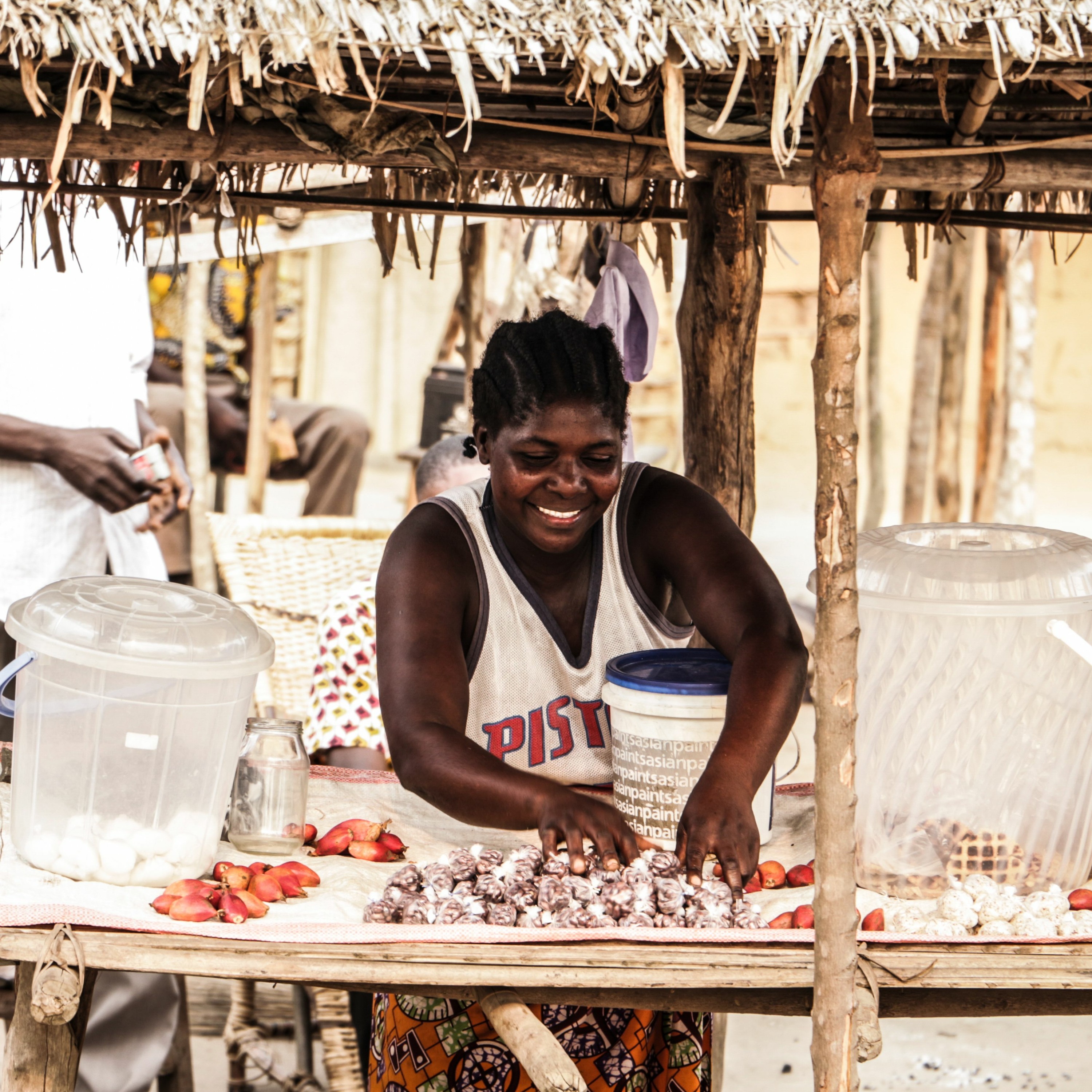
‘It was the best of times;it was the worst of times’:a tale of 2 cities in the aftermath of conflict
In seemingly a moment, a city can go from being prosperous and peaceful to completely ravaged by war. Depending on how a conflict plays out and how the parties…
 ICRC Humanitarian Law and Policy Blog
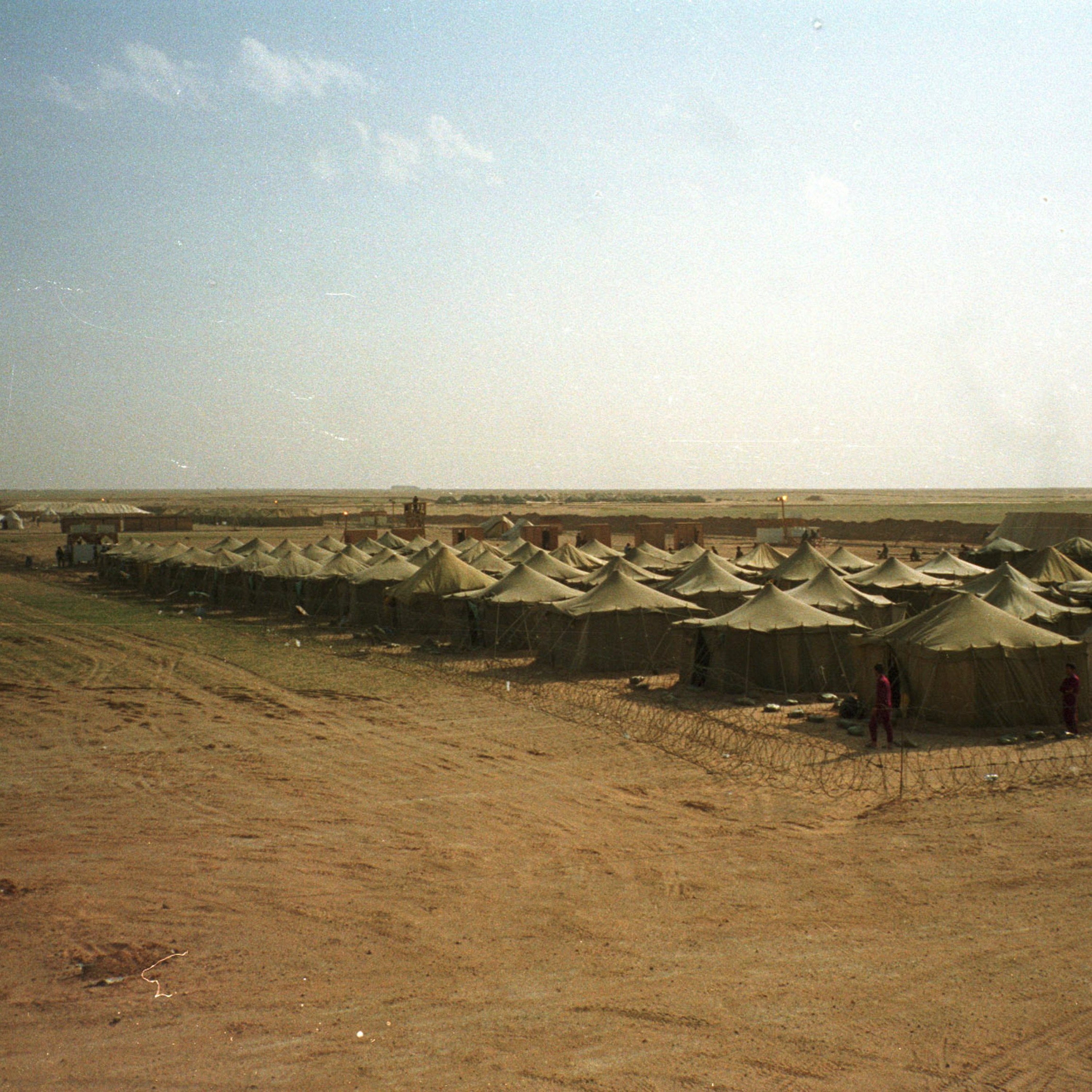
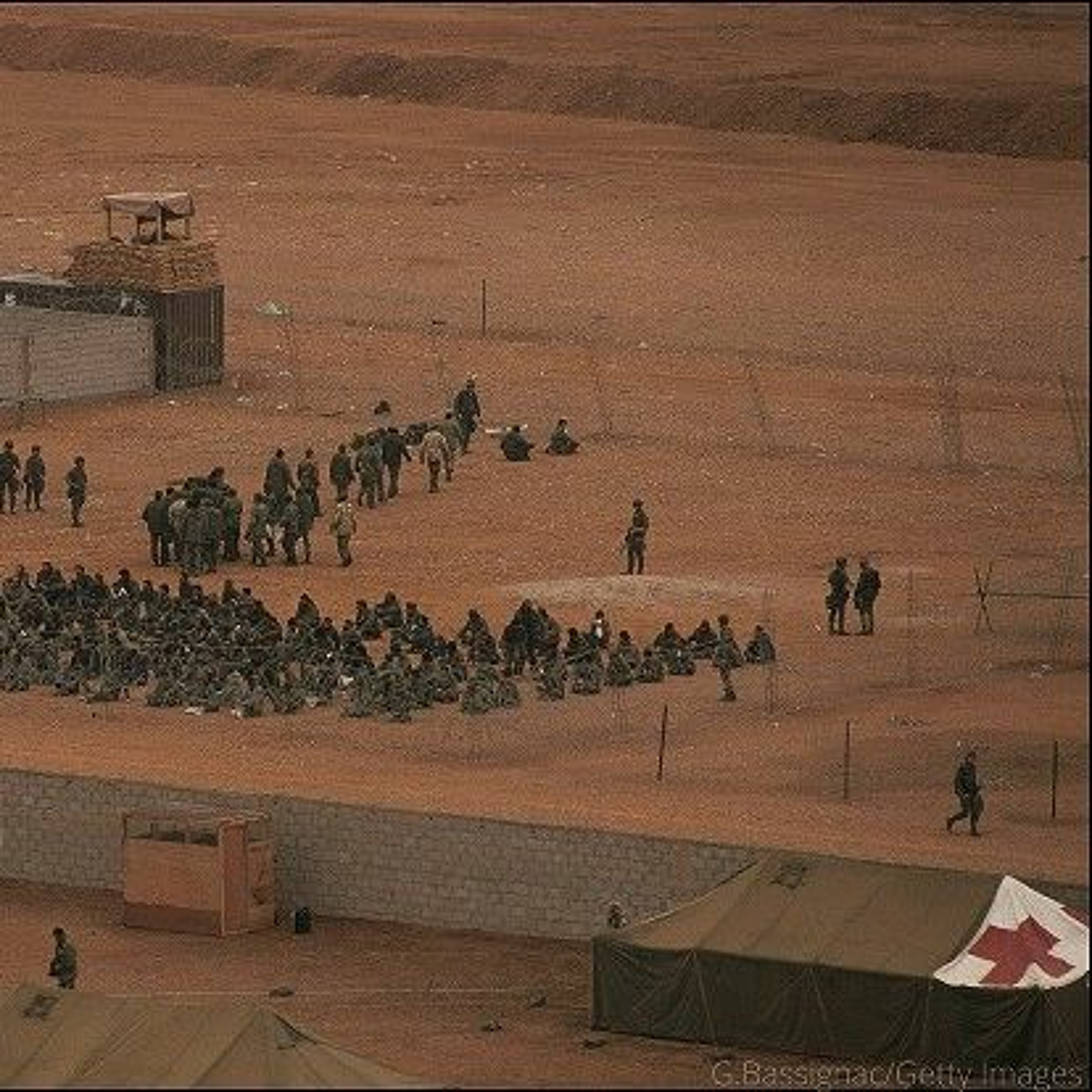
Prisoners of war in contemporary armed conflict: Interpreting GClll 70+ years after its negotiation
Too often the term “prisoner of war” (PoW) conjures up black-and-white images of soldiers detained in the Second World War. Recent events have brought PoWs…
 ICRC Humanitarian Law and Policy Blog
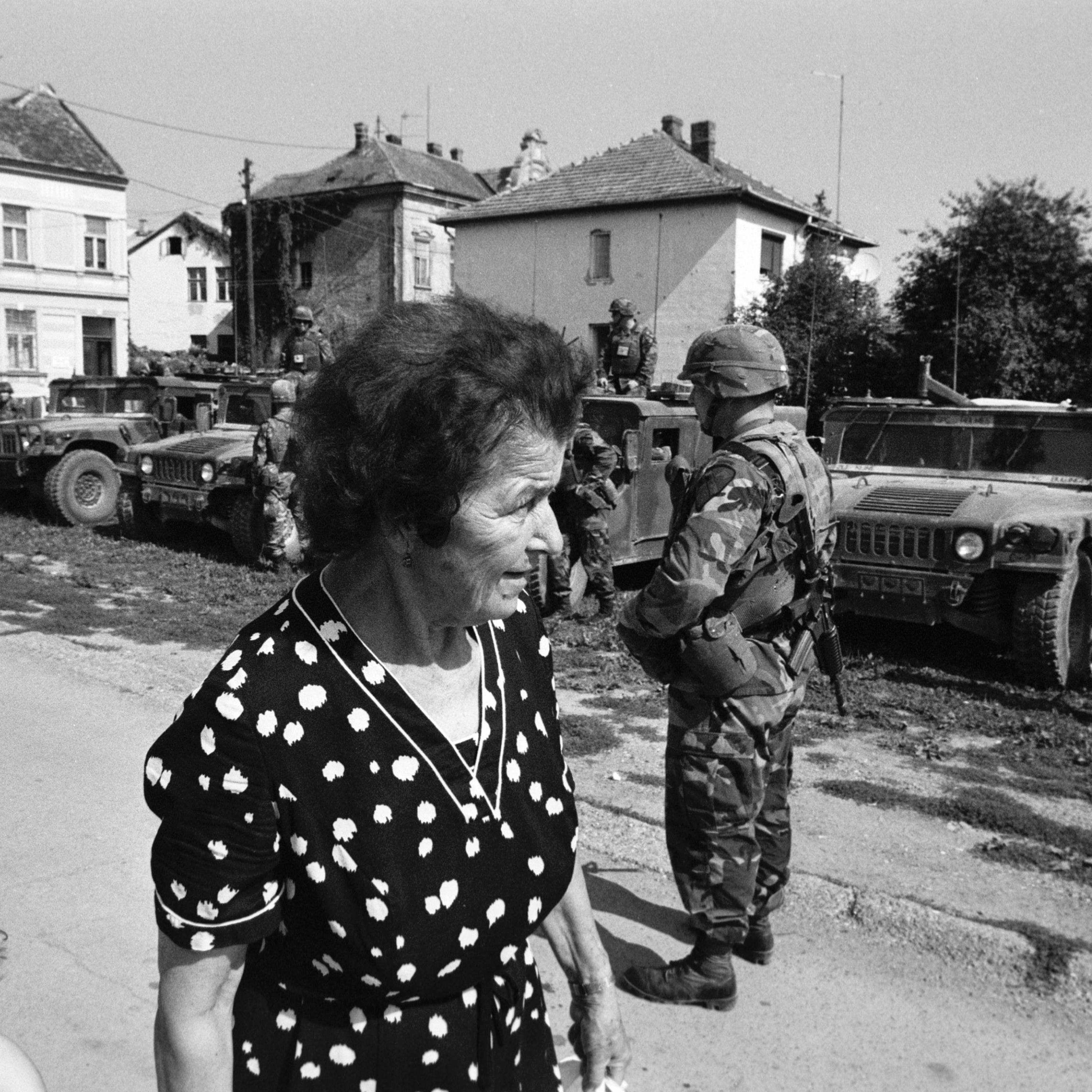
IHL and occupied territory
As the armed conflict in Ukraine persists, rapidly unfolding events have entailed grave implications for civilians trapped in the crisis, such as death, injury…
 ICRC Humanitarian Law and Policy Blog
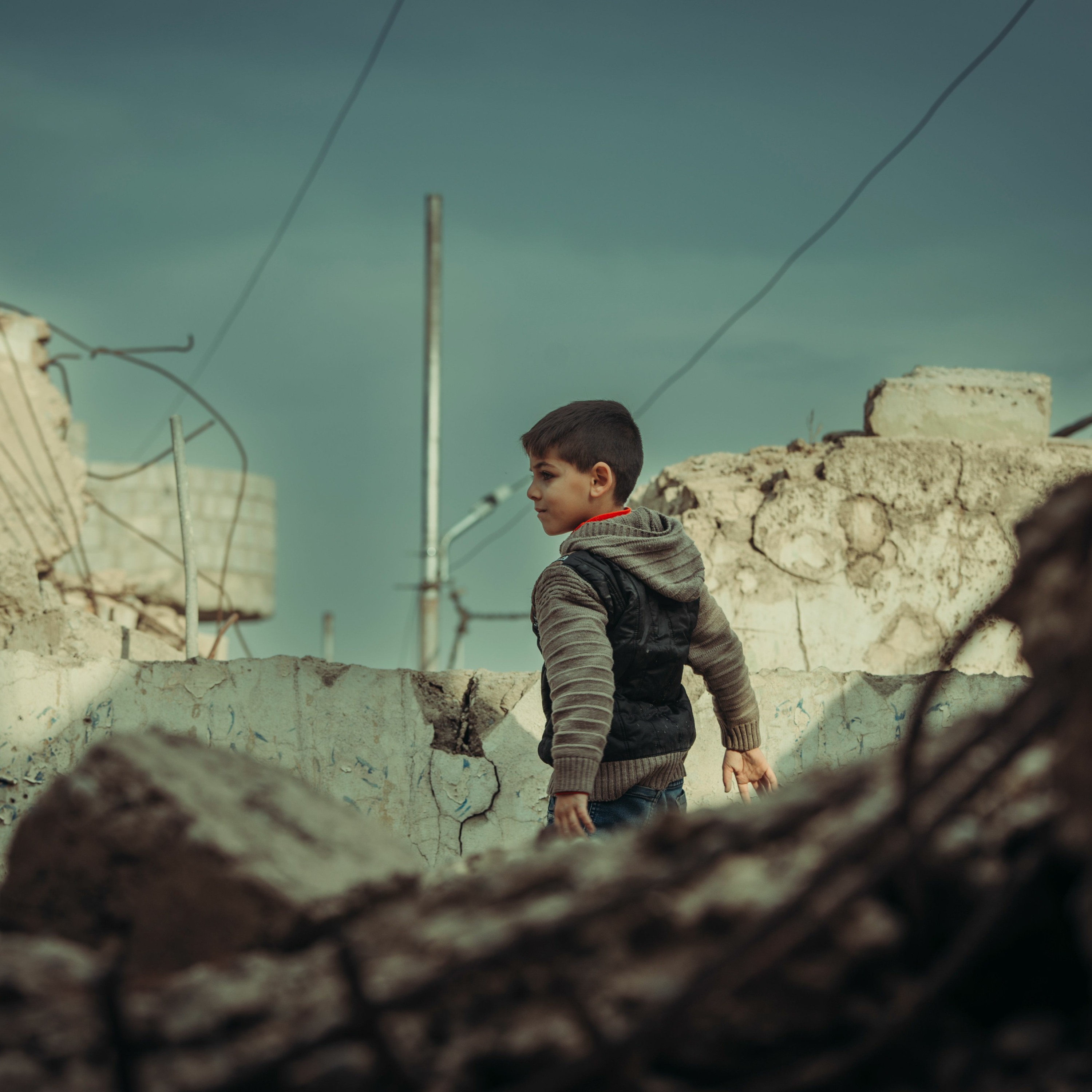
Silenced guns do not mend lives: what does the law say about human suffering at the end of conflict?
Silenced guns do not mend the lives of those who have survived the violence. Declarations of victory and the laying down of arms do not by themselves restore…
 ICRC Humanitarian Law and Policy Blog
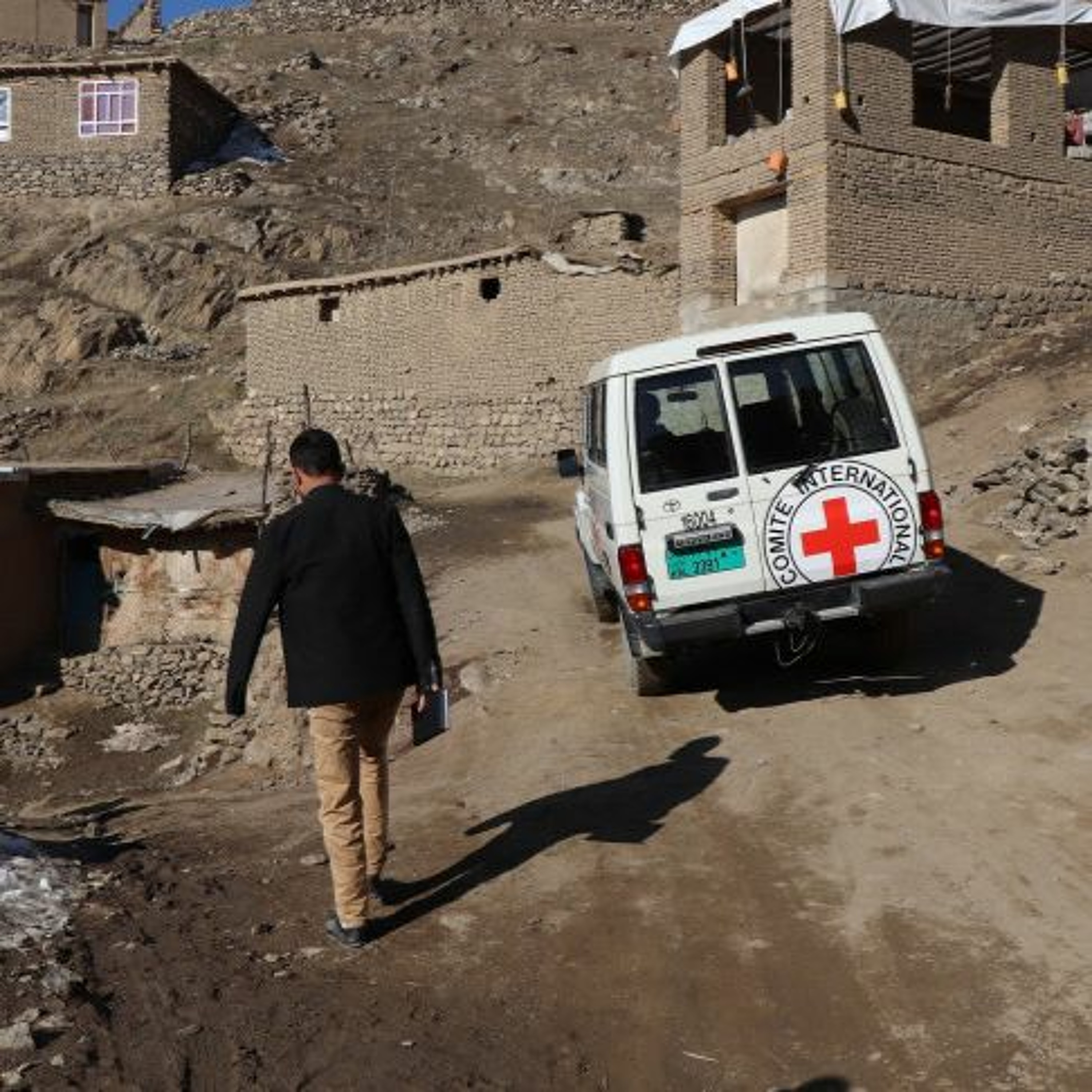
IHL in the aftermath of battles and conflicts: what do we want to achieve?
We have all seen the despair, dismay, and disaster of war. But what happens when the armed conflict appears to be over? It may be a time for peace, but there…
 ICRC Humanitarian Law and Policy Blog
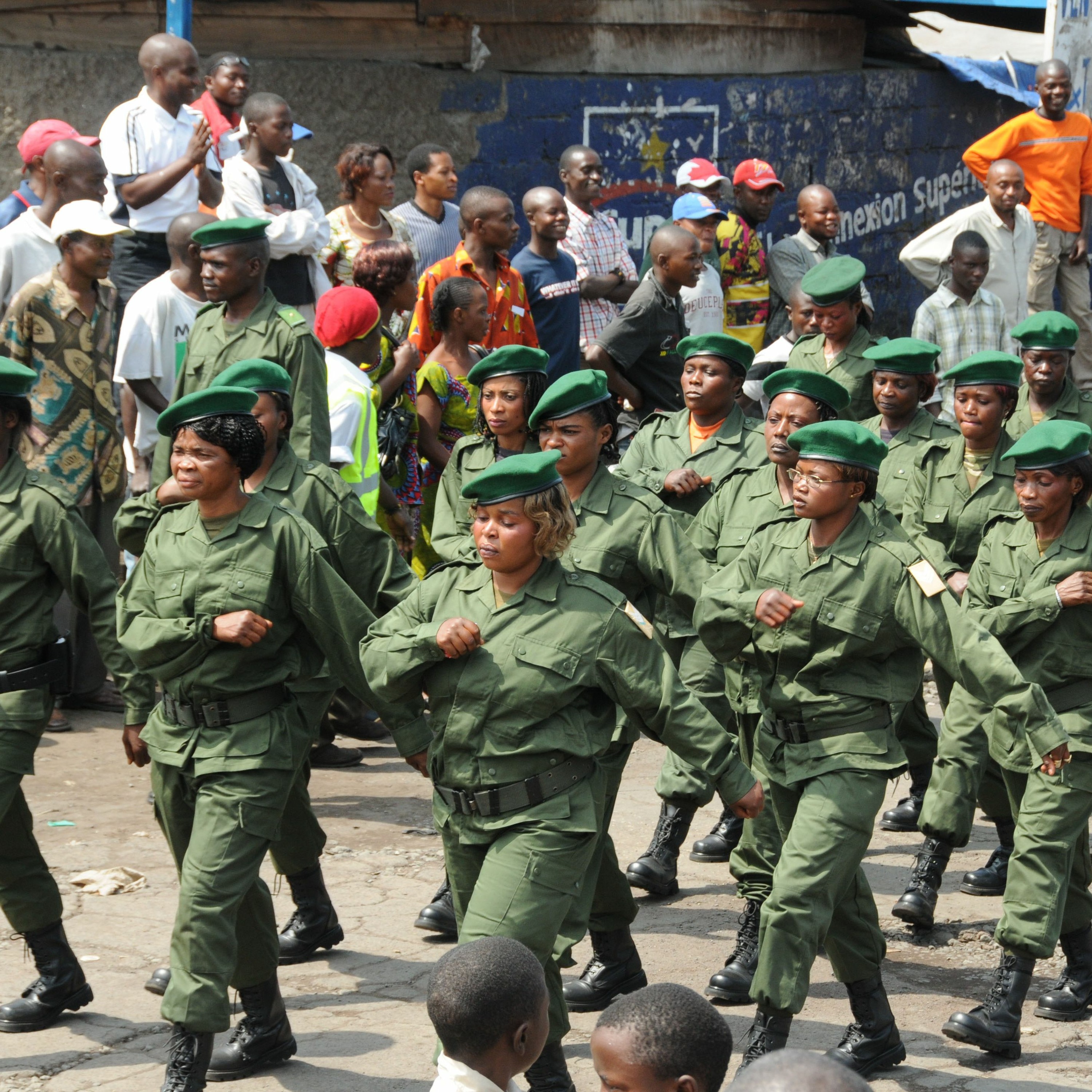
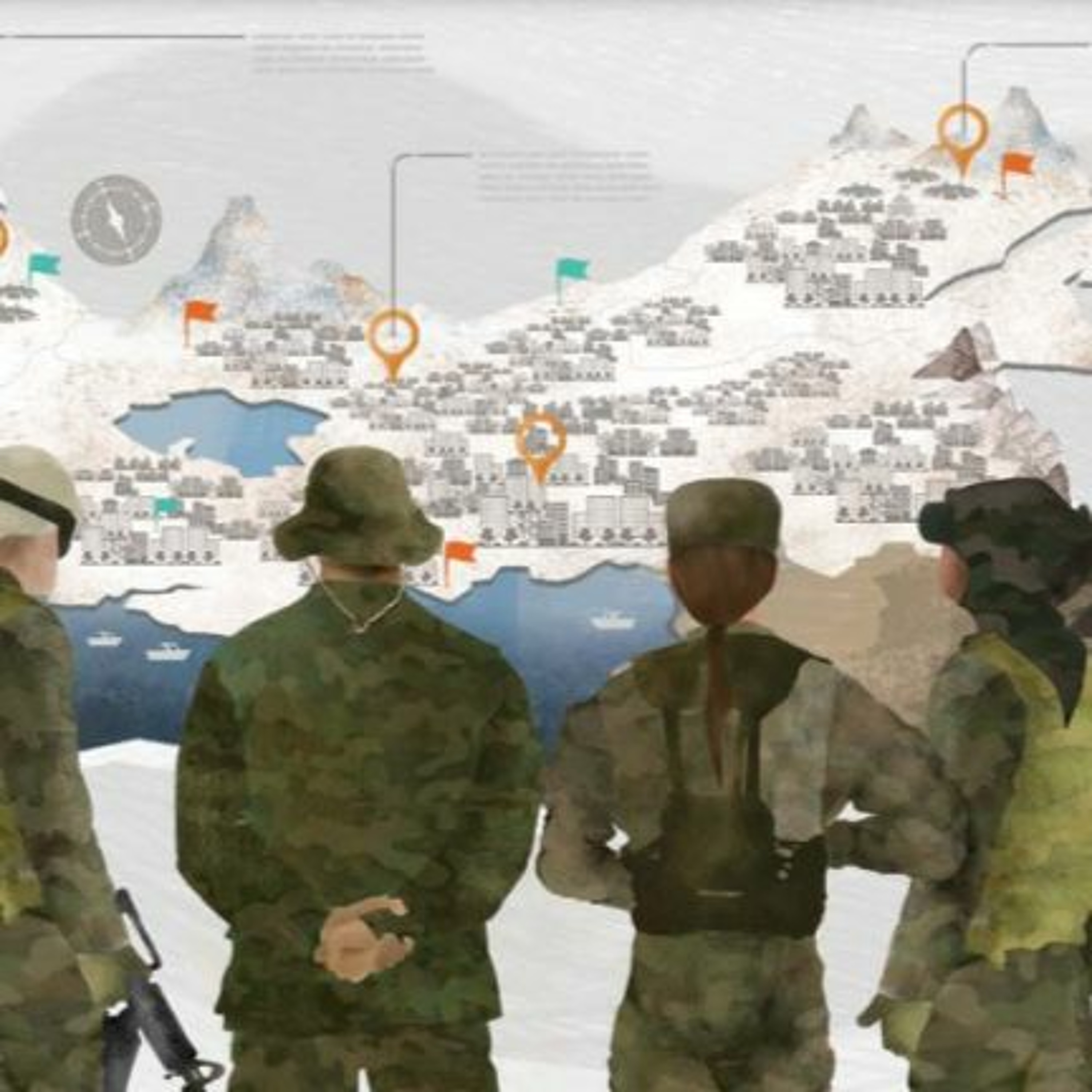
Why militaries need a theory of gender's operational relevance
The uptake of gender considerations into military missions across the world has largely been uneven and incremental. This is likely due in part to the lack of…
 ICRC Humanitarian Law and Policy Blog
Gendered impacts of armed conflict and implications for the application of IHL
Gender shapes an individual’s experience of armed conflict in complex ways, but trends can be predictable. In particular, women and girls contend with…
 ICRC Humanitarian Law and Policy Blog
Shielding prisoners of war from public curiosity
Recent media reports on prisoners of war (POWs) and deceased combatants have raised questions among journalists and the general public about how the Geneva…
 ICRC Humanitarian Law and Policy Blog
On trial: the Third Geneva Convention and judicial guarantees for prisoners of war
The first prisoners of war (POWs) in the international armed conflict in Ukraine have been prosecuted and sentenced. These trials will herald hundreds, if not…
 ICRC Humanitarian Law and Policy Blog
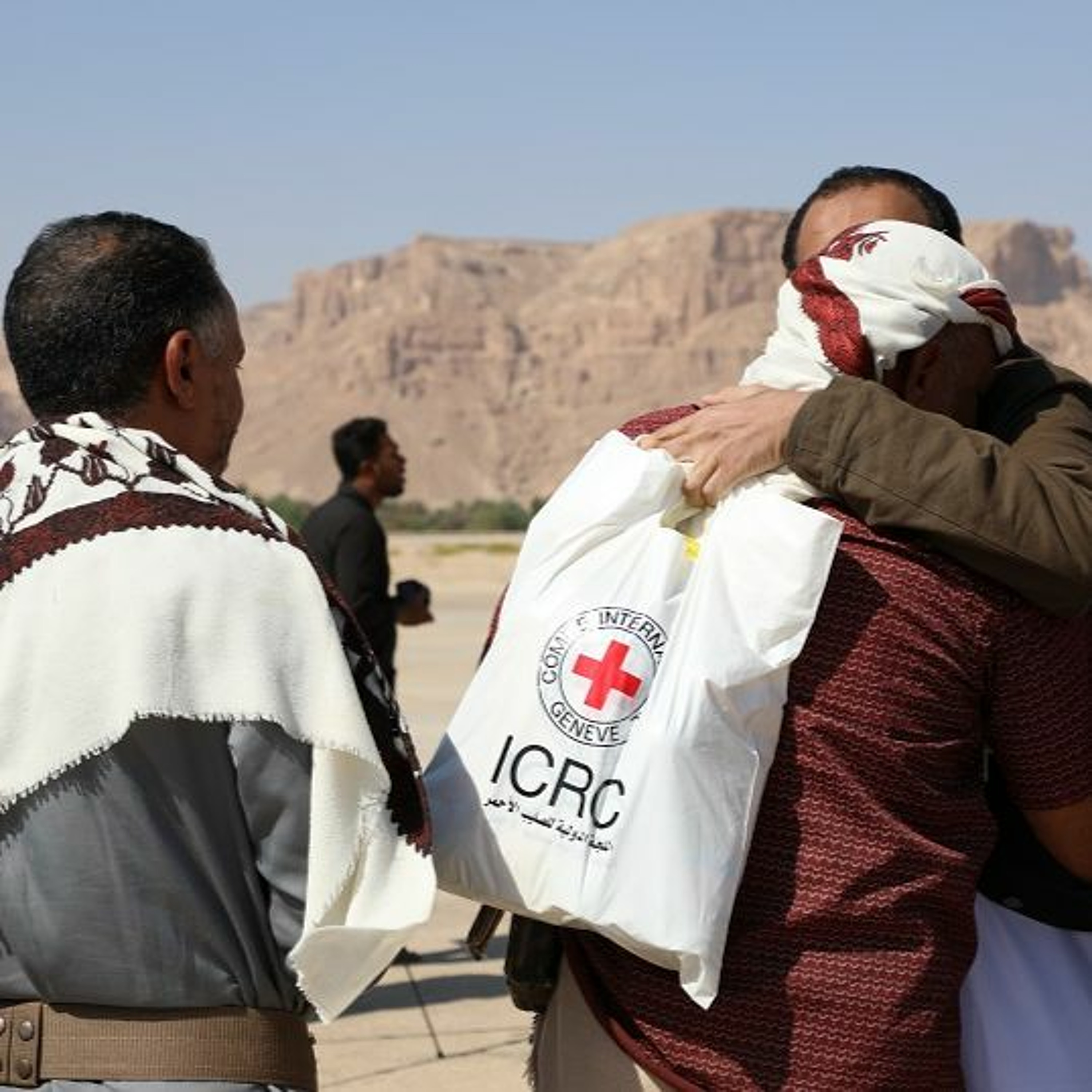
Taking action, not sides: the benefits of humanitarian neutrality in war
In this post – part of our new series ‘Back to basics: humanitarian principles in contemporary armed conflict’ and released in tandem with Just Security –…
 ICRC Humanitarian Law and Policy Blog
Back to basics: humanitarian principles in contemporary armed conflict
As with many conflicts in the past, the Ukraine crisis has revived heated discussions on the humanitarian principles and their relevance in contemporary armed…
 ICRC Humanitarian Law and Policy Blog
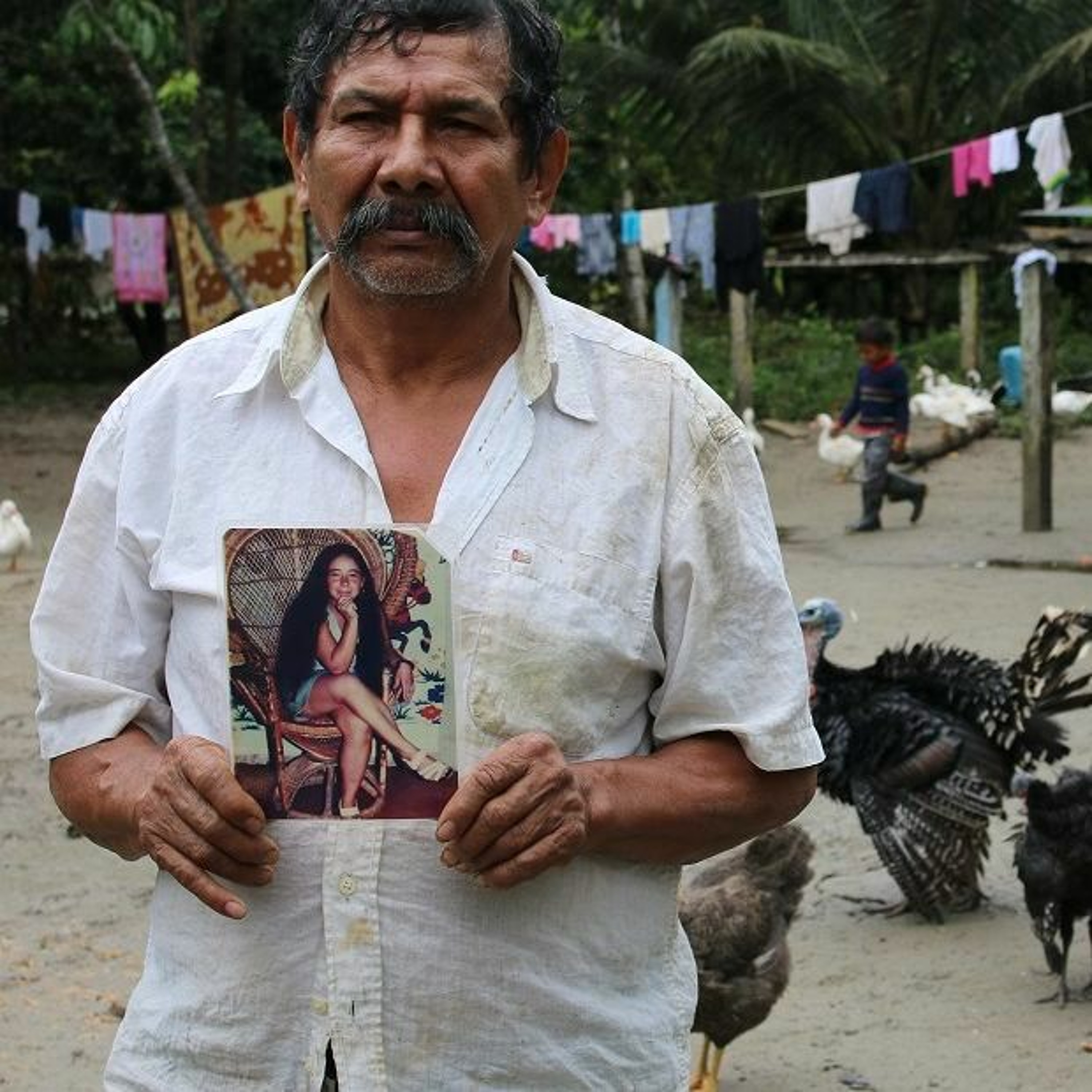
Left behind: reparations and assistance for families of missing and disappeared persons
As people continue to go missing in all regions of the world, thousands of families are left behind. They do not know whether their loved ones are alive or…
 ICRC Humanitarian Law and Policy Blog
In the hands of belligerents: status and protection under the Geneva Conventions
When international armed conflict breaks out and people find themselves in the power of belligerent States, the four Geneva Conventions of 1949 activate with…
 ICRC Humanitarian Law and Policy Blog
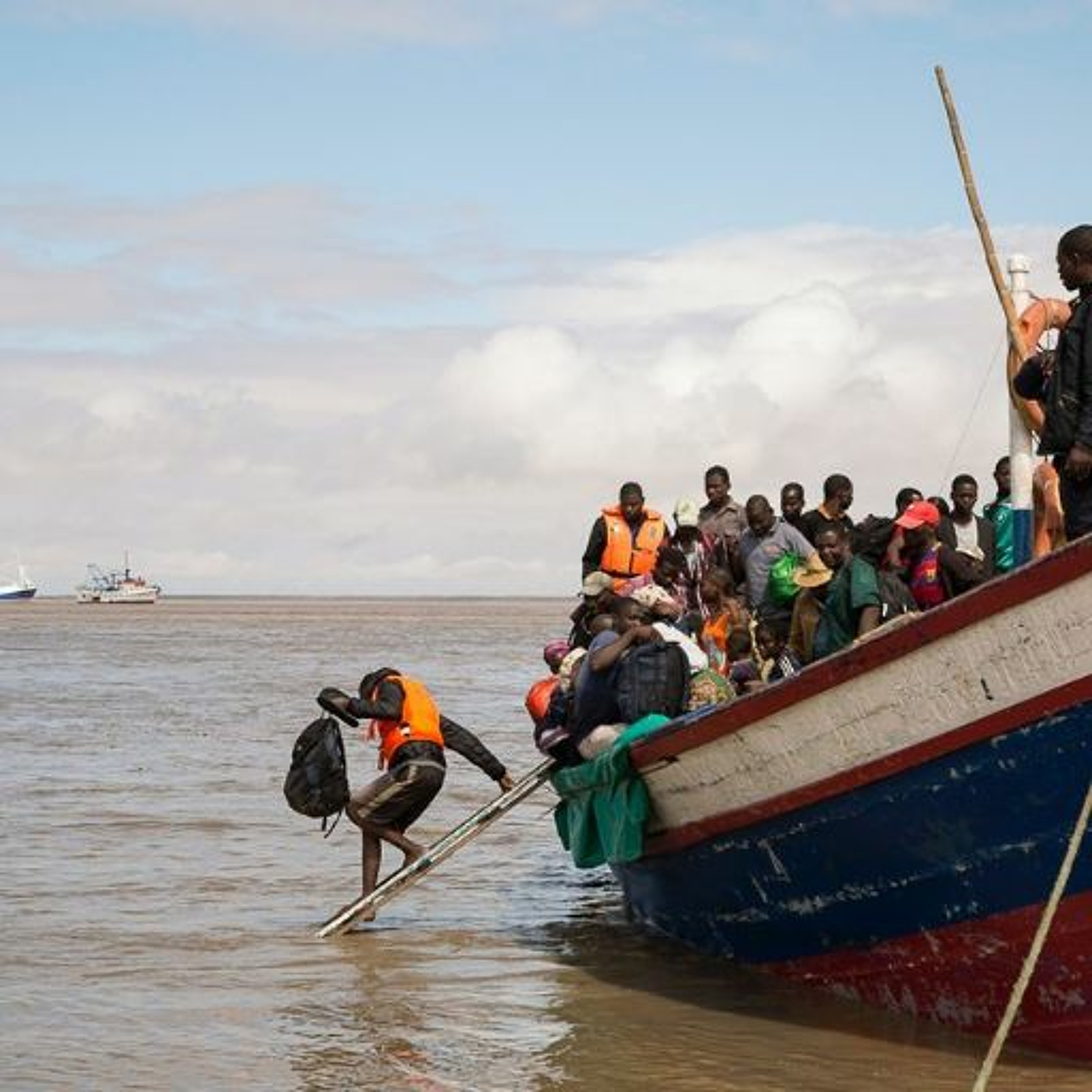
The Climate and Environment Charter for Humanitarian Organization, one year on
“The scientific evidence is unequivocal: climate change is a threat to human well-being and the health of the planet. Any further delay in concerted global…
 ICRC Humanitarian Law and Policy Blog
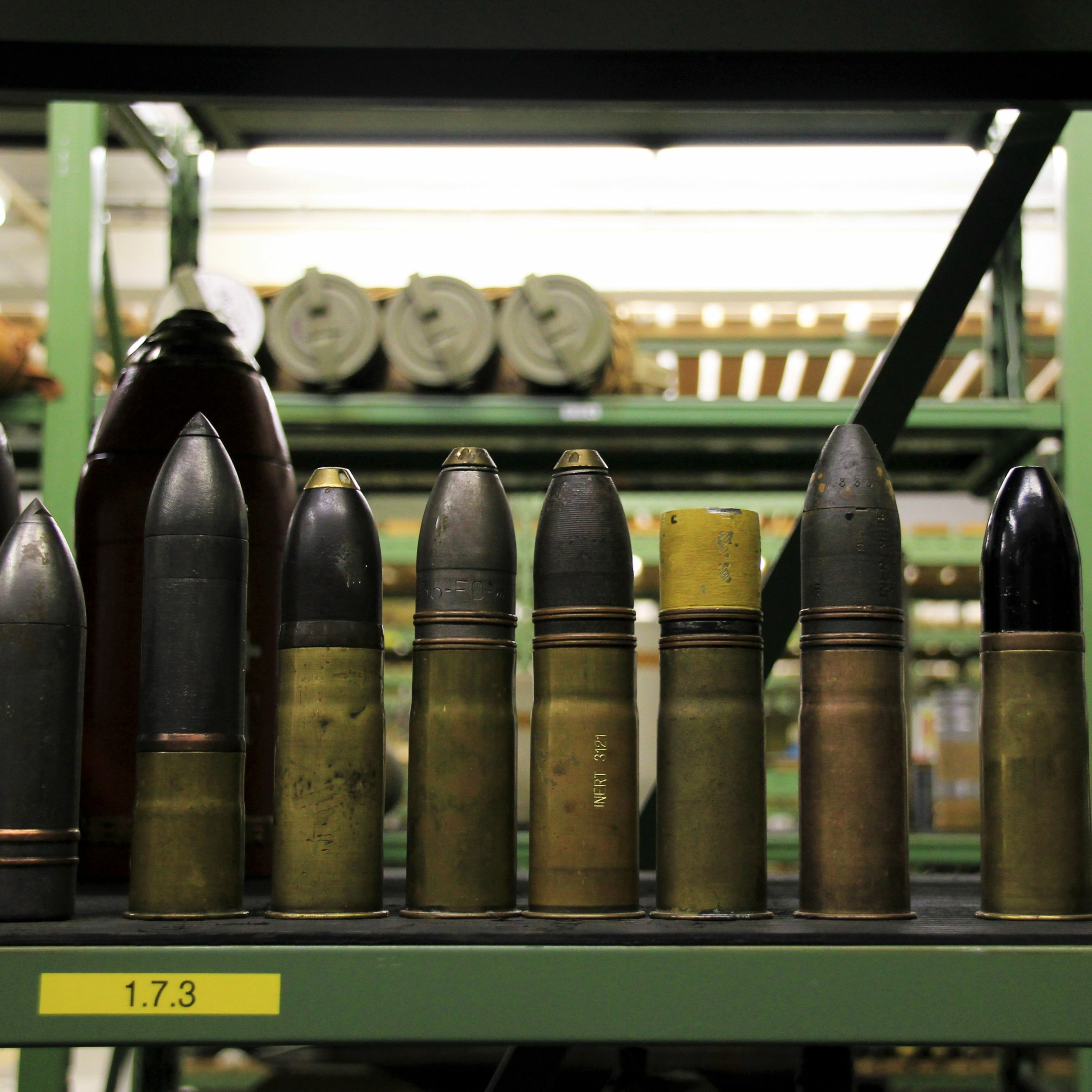
Collateral damage from the use of indirect fire in populated areas – can it be avoided?
Collateral damage is the unintended damage inflicted on humans, structures, animals and the natural environment that are not the target of the attack. The lack…
 ICRC Humanitarian Law and Policy Blog
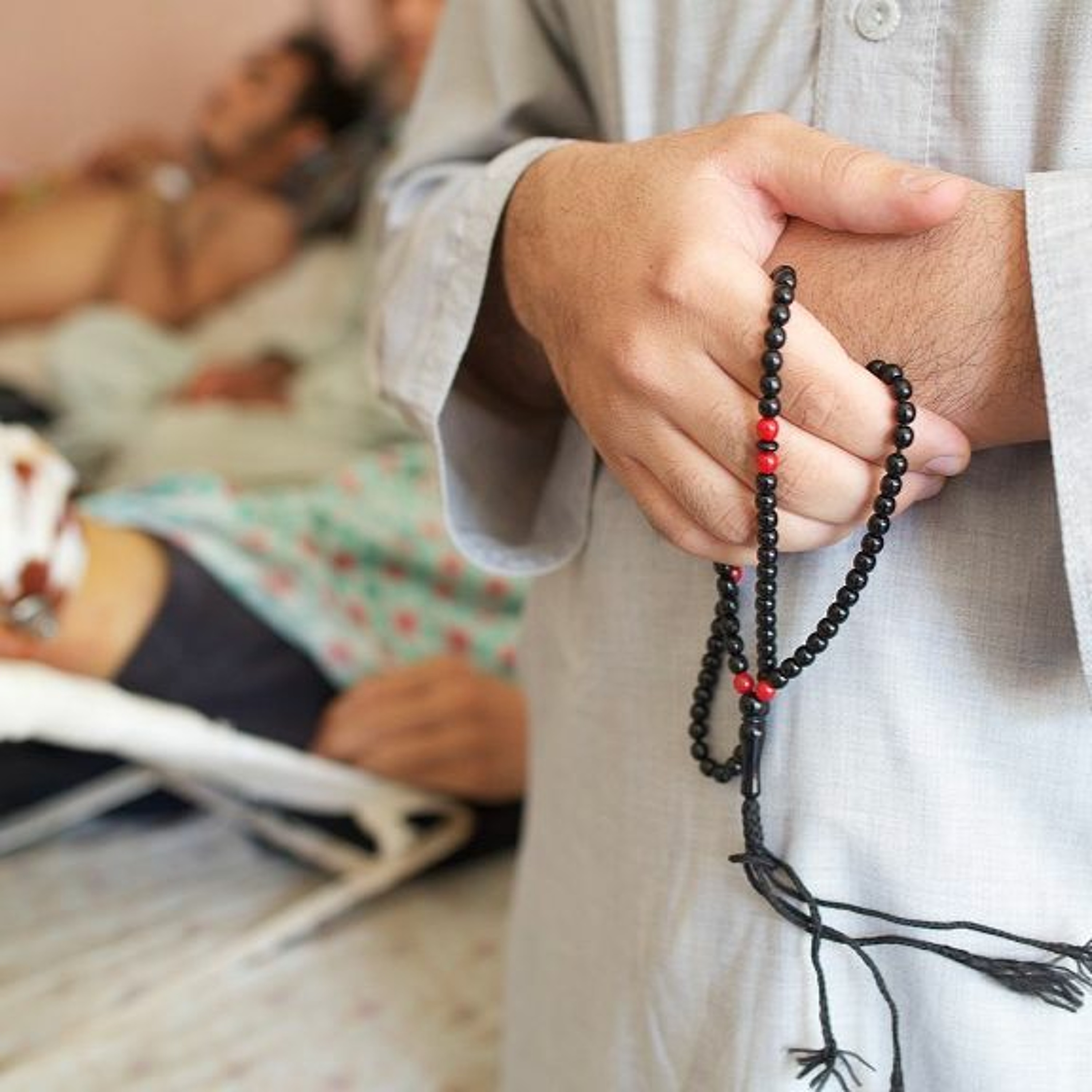
How do IHL and Islamic law protect and ensure humanitarian assistance in Afghanistan?
Against a backdrop of decades of conflict and crisis, Afghanistan’s regime change in August 2021 once again propelled the need for humanitarian assistance to…
 ICRC Humanitarian Law and Policy Blog
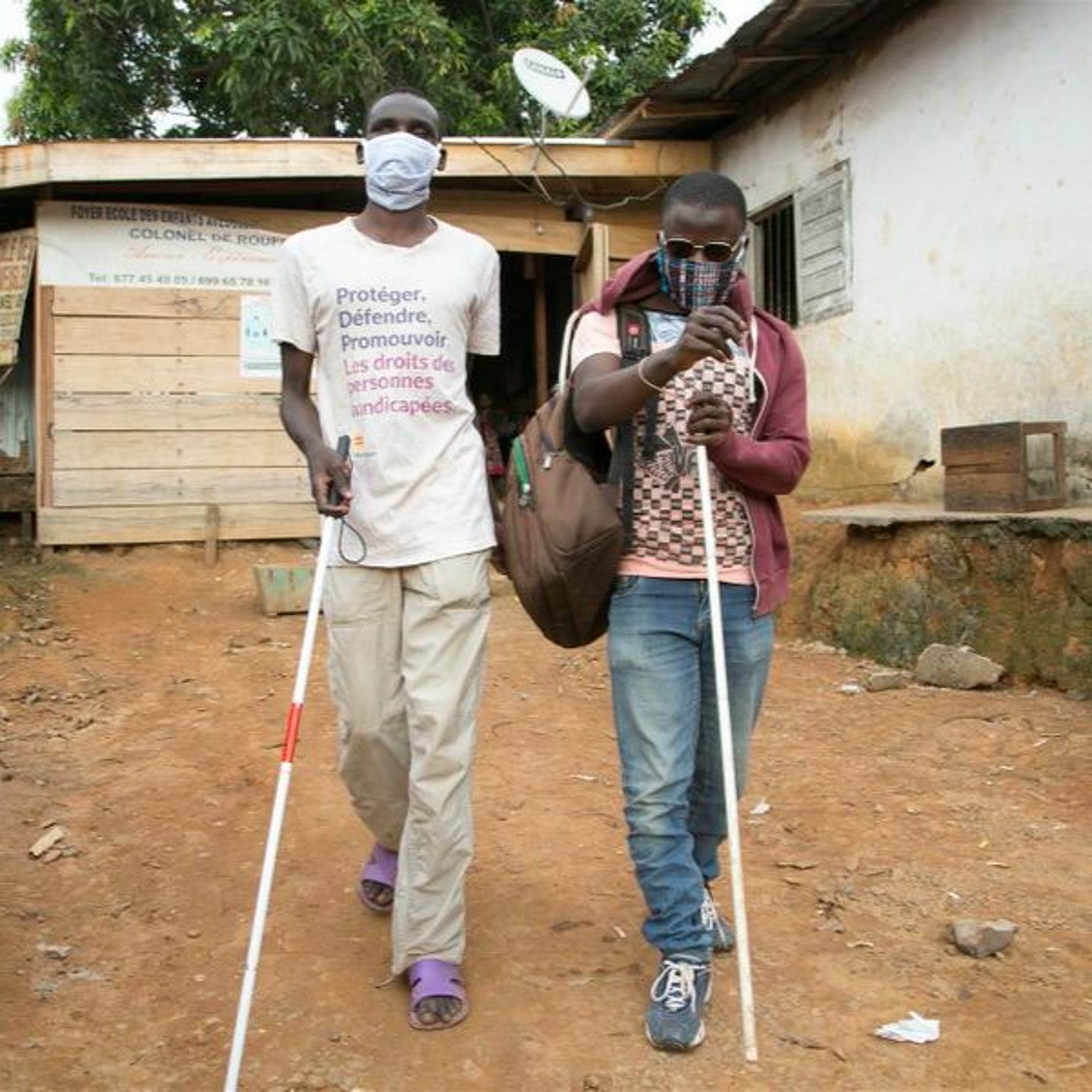
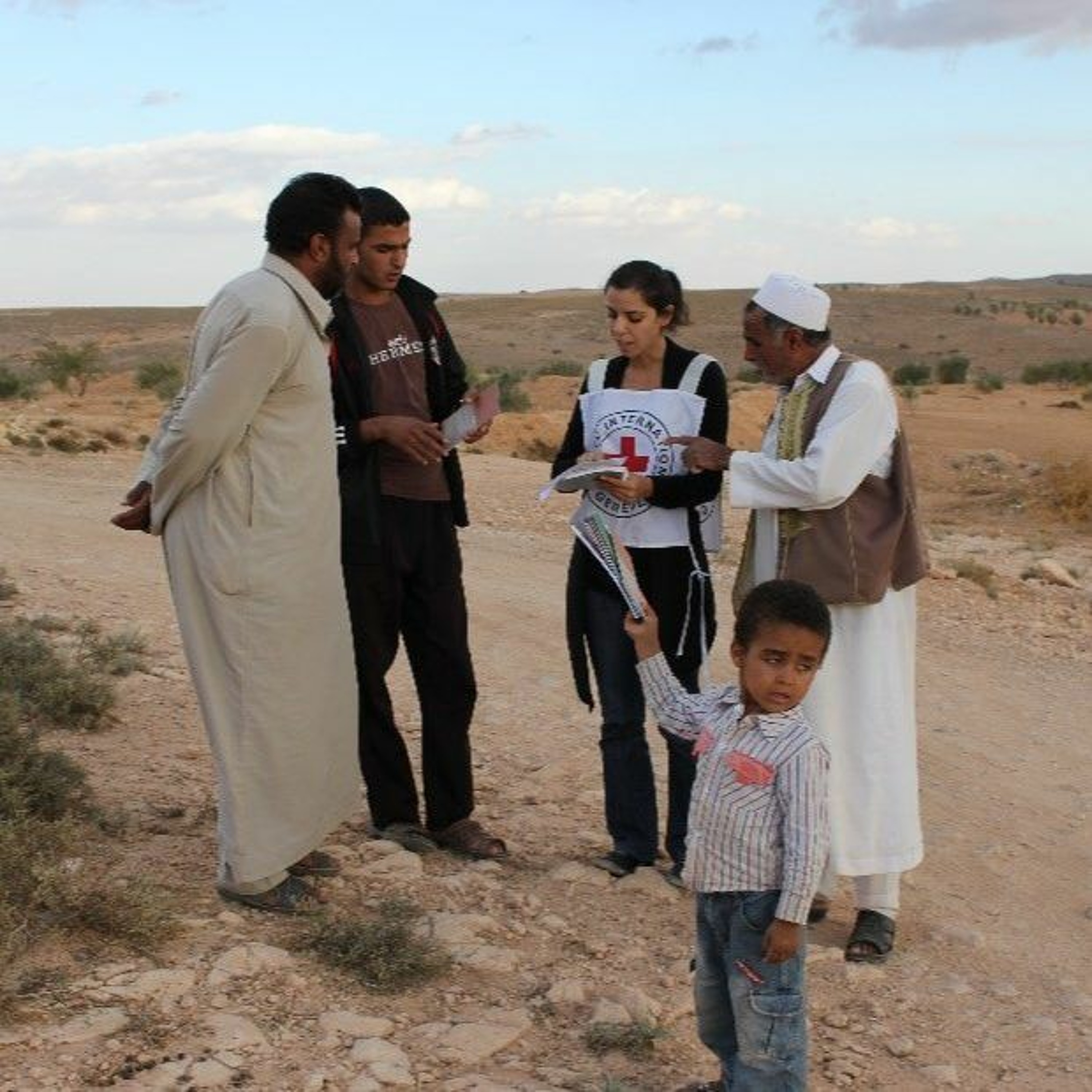
Lifting the cloak of invisibility: civilians with disabilities in armed conflict
Even with one in seven people worldwide living with some form of disability, this group has been largely invisible in the implementation of international…
 ICRC Humanitarian Law and Policy Blog
Beyond access: three considerations for food security and famine prevention during armed conflict
Over the past year, millions of people living in conflict-affected areas have faced severe and acute food insecurity, and the numbers continue to rise. For…
 ICRC Humanitarian Law and Policy Blog
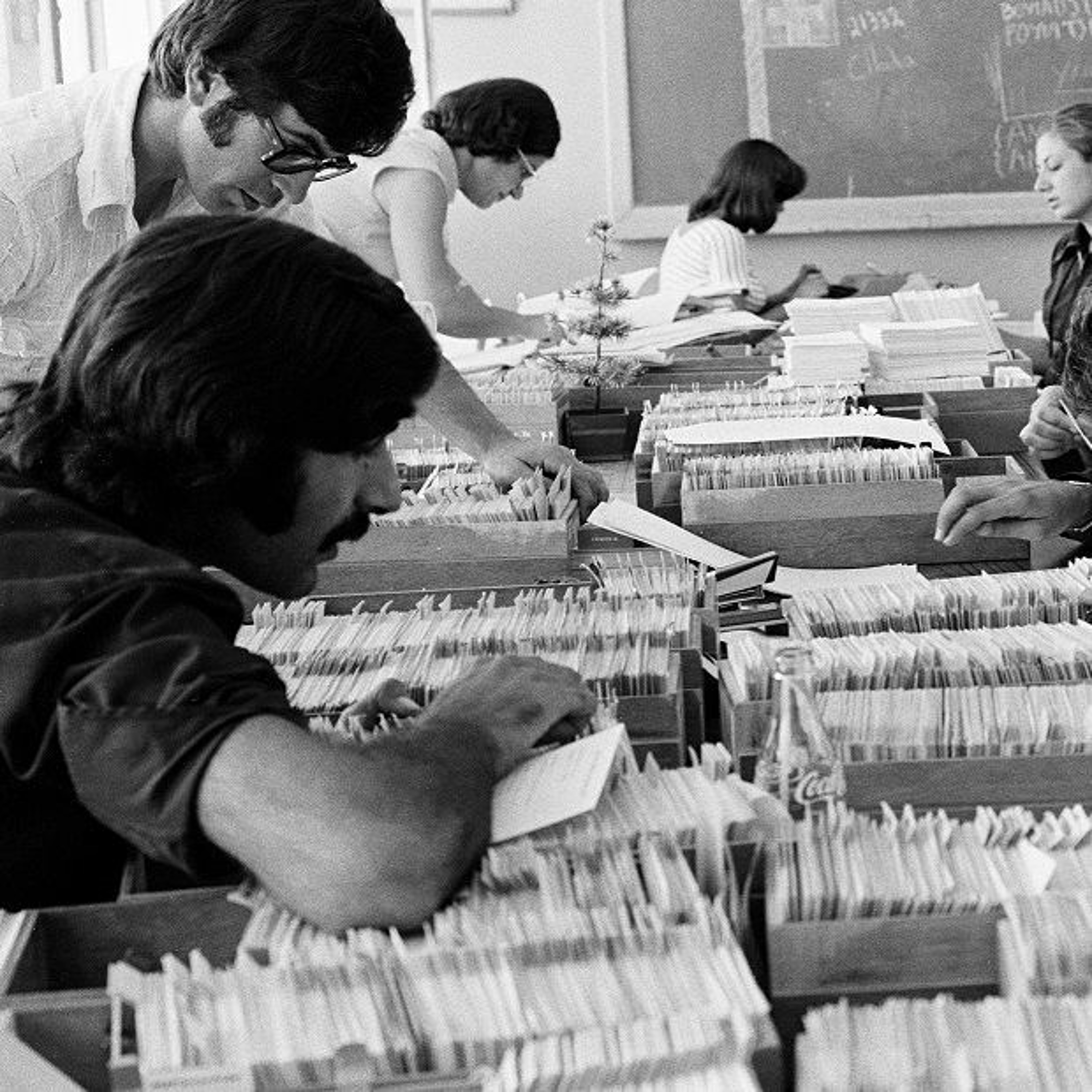
Looking for answers: accounting for the separated, missing and dead in international armed conflicts
Armed conflicts affecting all regions of the world today continue to result in the separation of families and in people going missing and dying. Such heart…
 ICRC Humanitarian Law and Policy Blog
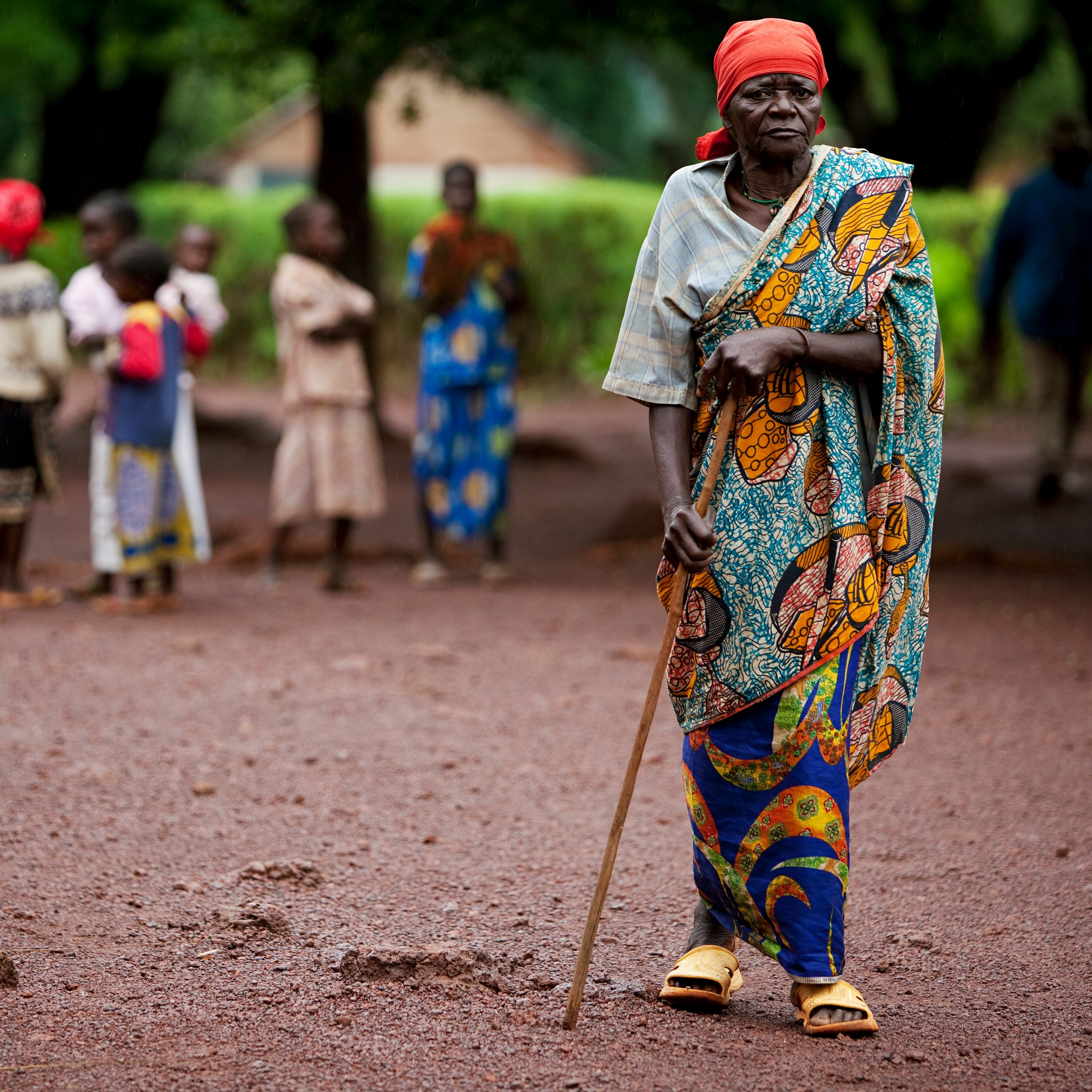
Displacement diplomacy: five ways to improve policy and practice on internal displacement in Africa
Although internal displacement is a global problem, it has long been a particular concern for African governments. According to the most recent estimates…
 ICRC Humanitarian Law and Policy Blog
Armed conflict in Ukraine: a recap of basic IHL rules
For the past two weeks, the world has watched a humanitarian crisis unfold across Ukraine. Many of our readers have reached out to us directly with questions…
 ICRC Humanitarian Law and Policy Blog
Consumer drones in conflict: where do they fit into IHL?
The skies over the conflict in Ukraine are filled with identical-looking consumer drones piloted by combatants and civilians alike – aircraft that promise to…
 ICRC Humanitarian Law and Policy Blog
In Bruges: the enduring relevance of IHL and the updated Commentaries
Since its creation in 2000, the Bruges Colloquium on International Humanitarian Law has been jointly organized by the ICRC and the College of Europe, bringing…
 ICRC Humanitarian Law and Policy Blog
Revisiting the history of the Geneva Conventions
With armed conflicts persisting in various parts of the globe and at risk of breaking out in others, it is crucial to take a step back. In this post, Boyd van…
 ICRC Humanitarian Law and Policy Blog
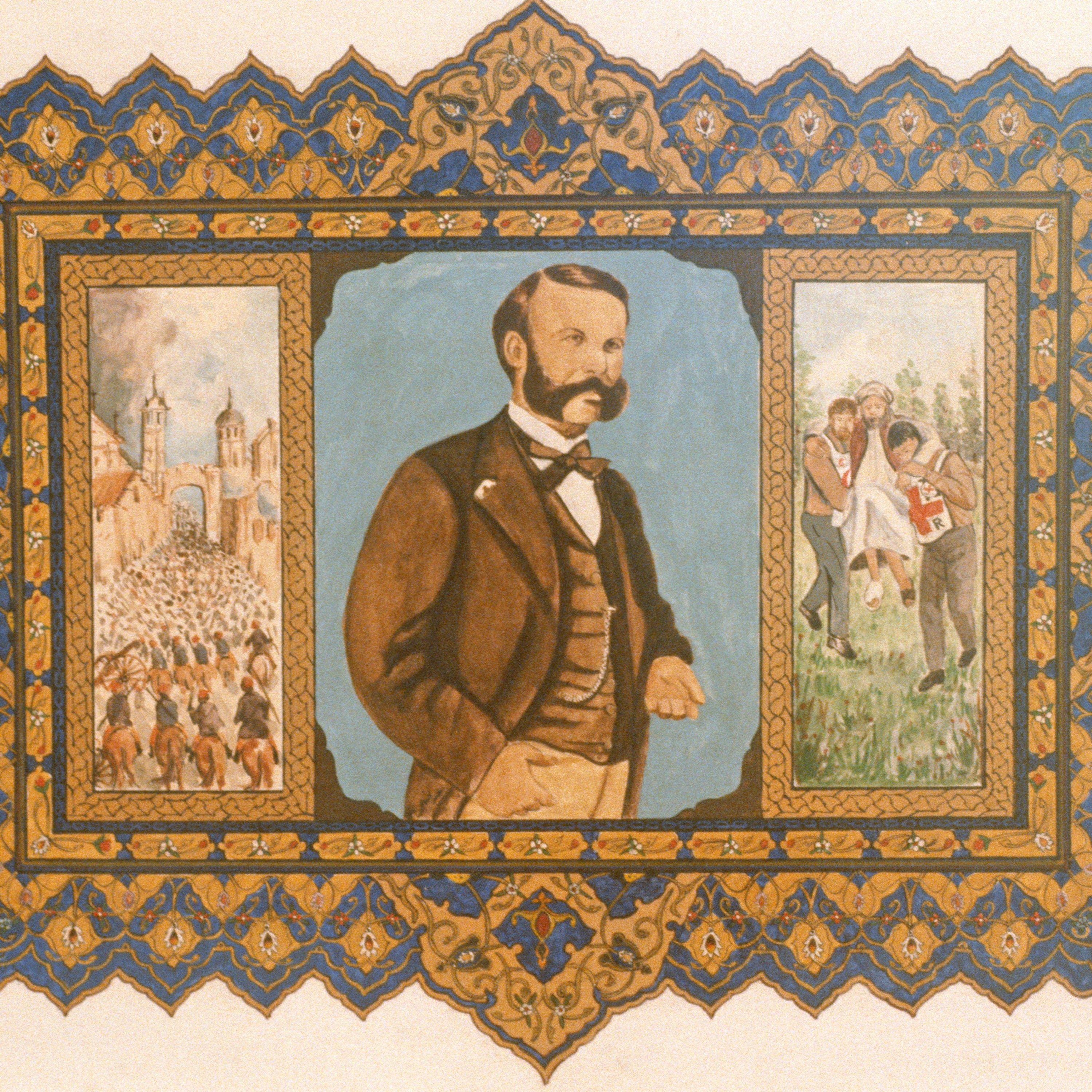
A new Solferino moment for humanitarians
This year marks the 160th anniversary of the publication of Henri Dunant’s classic text, ‘A Memory of Solferino’, in 1862. Dunant’s powerful book inspired the…
 ICRC Humanitarian Law and Policy Blog
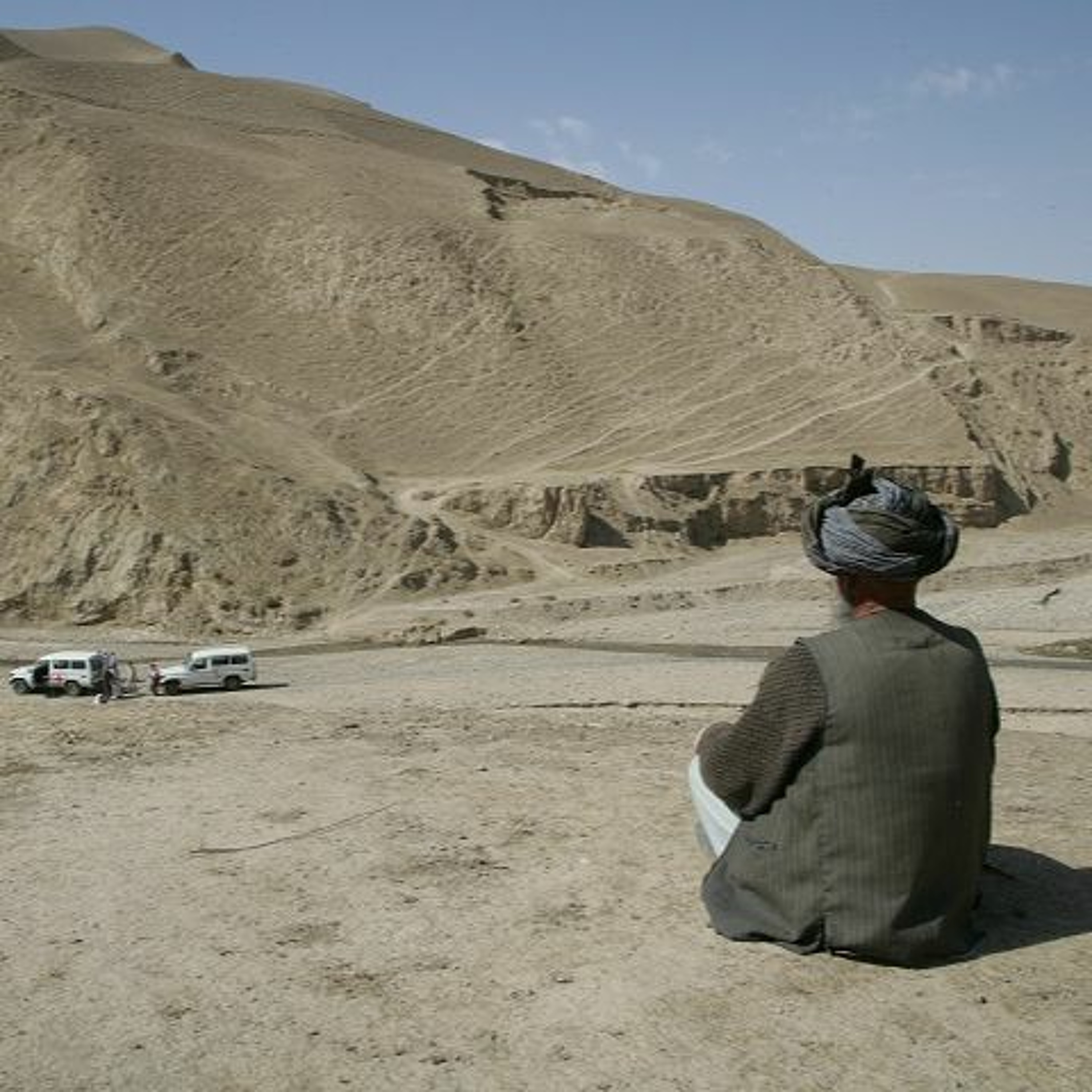
Carve-out in Kabul: hard won resolution lifts humanitarian roadblock in Afghanistan
On 22 December 2021, the United Nations Security Council voted unanimously to adopt a resolution on Afghanistan introducing, for the only the second time in 30…
 ICRC Humanitarian Law and Policy Blog
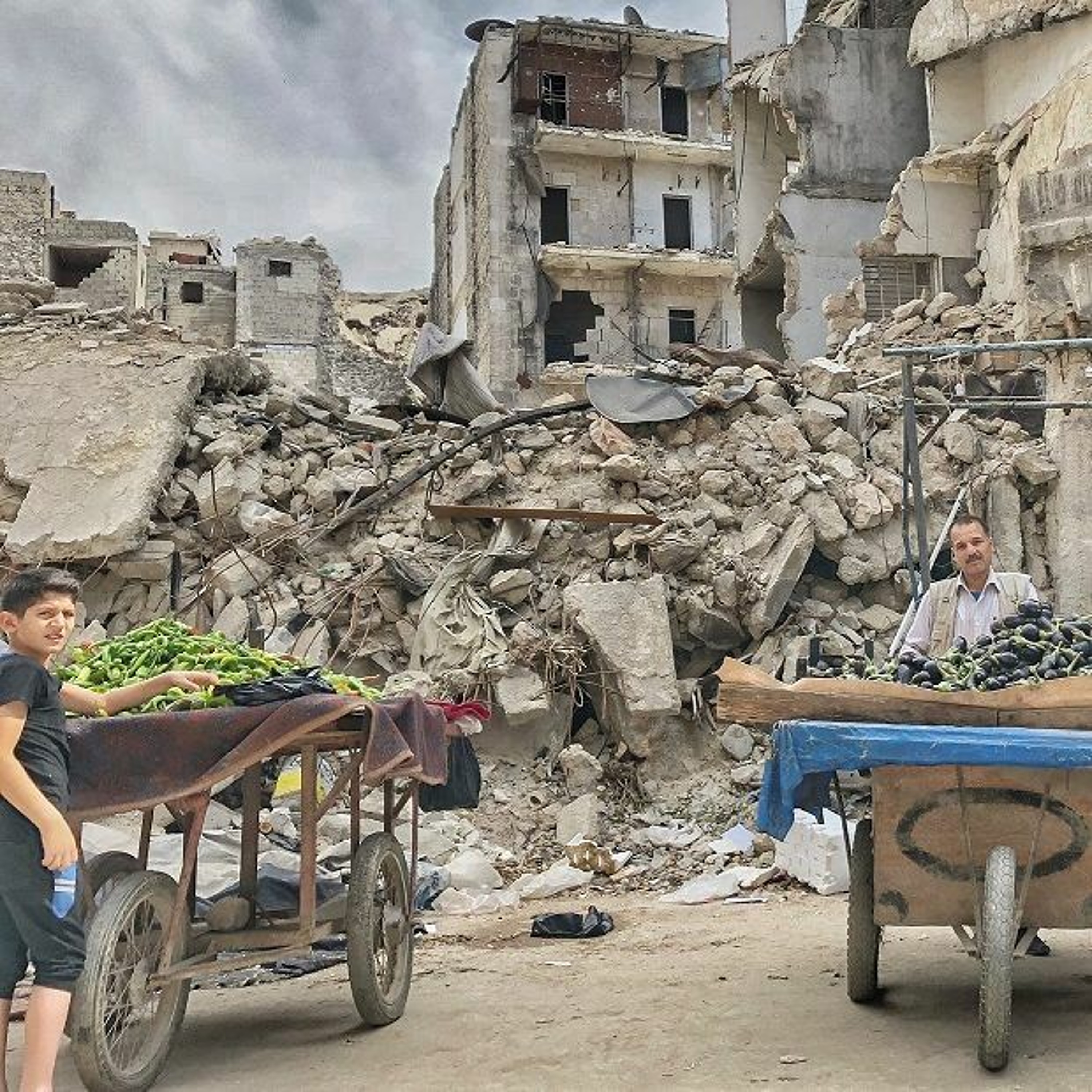
Explosive weapons with wide area effects: a deadly choice in populated areas
The use of explosive weapons with a wide impact area in populated areas is one of the main causes of civilian harm in today’s armed conflicts. Despite their…
 ICRC Humanitarian Law and Policy Blog
Shifting the narrative: not weapons, but technologies of warfare
Debates concerning the regulation of choices made by States in conducting hostilities are often limited to the use of weapons . . . but our understanding of…
 ICRC Humanitarian Law and Policy Blog
Four pathways of climate insecurity: a guide for humanitarians
If the 2021 IPCC report is a code red for humanity, then humanitarian organizations are the first responders. Humanitarian organizations do not just deal with…
 ICRC Humanitarian Law and Policy Blog
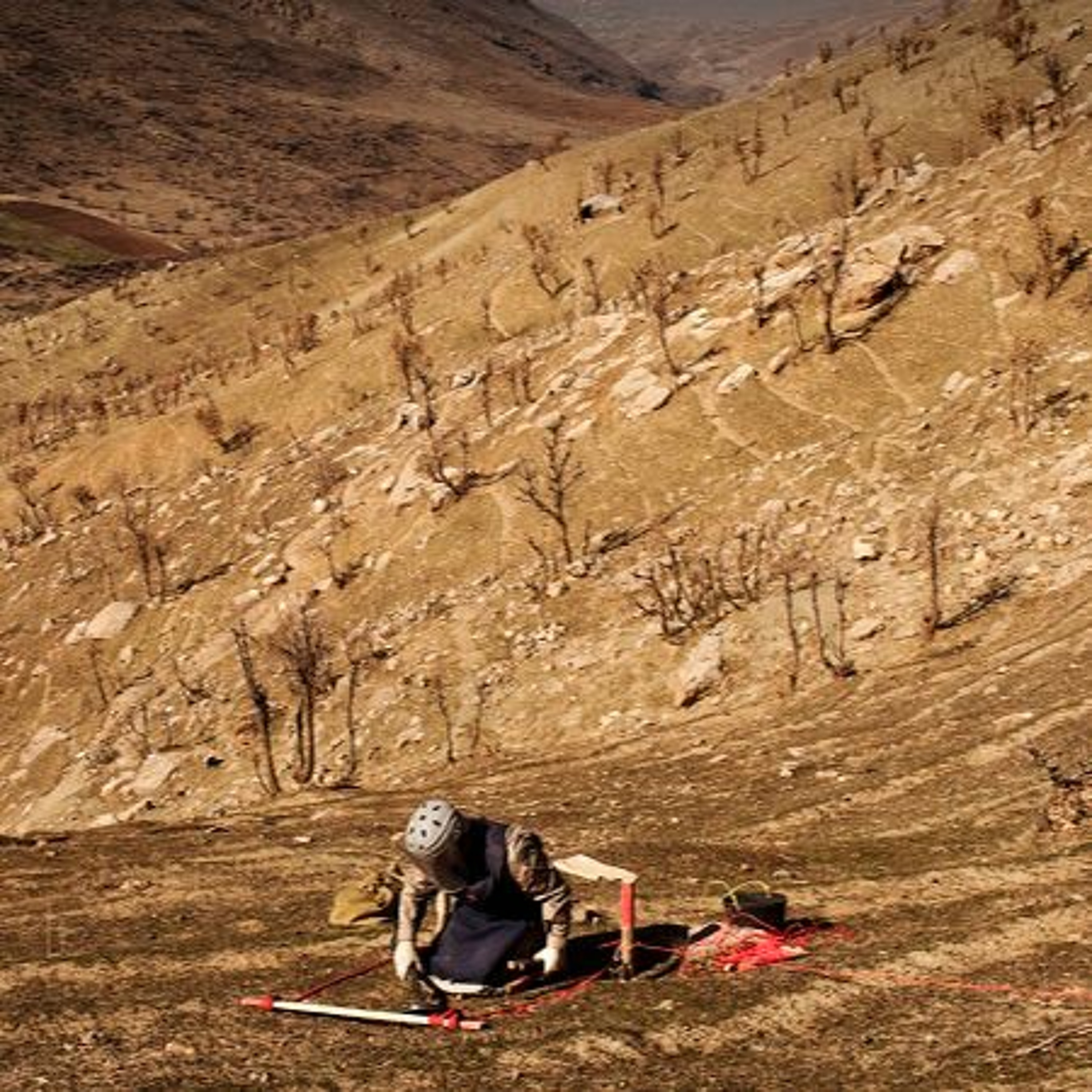
Mine action in action: influencing law and policy on toxic remnants of war
In conjunction with the movement to prevent the environmental impacts of armed conflict has come a growing recognition of the need to address the harm that has…
 ICRC Humanitarian Law and Policy Blog
Mitigating the environmental impacts of explosive ordnance and land release
Environmental considerations are rightly gaining increased prominence and awareness. Environmental experts agree that unprecedented changes in climate and…
 ICRC Humanitarian Law and Policy Blog
Reporting sexual violence in a conflict zone
Sexual violence is widespread and prevalent in many modern armed conflicts. Interviewing the people who have endured sexual violence is one of the most…
 ICRC Humanitarian Law and Policy Blog
Sexual violence in armed conflict: the historical limits of humanitarian action & ICRC in the 20thC
Despite clear legal prohibitions, sexual violence remains widespread and prevalent during armed conflicts and other situations of violence, with grave…
 ICRC Humanitarian Law and Policy Blog
Gender-based hate crime as an early warning indicator of escalating violence and armed conflict
The spectrum of misogynistic violence between incels (‘involuntary celibates’) and non-State armed groups using extreme violence against women is based around…
 ICRC Humanitarian Law and Policy Blog
Walking the talk on SGBV: an implementation checklist to narrow the gaps
Thirty years ago today, 23 women launched the ‘16 Days of Action’ against gender-based violence.[1] Each year, this campaign begins on the 25th of November…
 ICRC Humanitarian Law and Policy Blog
Proximate ‘human shields’ and the challenge for humanitarian organizations
The term ‘human shields’ describes a method of warfare prohibited by international humanitarian law (IHL), during which the presence of civilians or the…
 ICRC Humanitarian Law and Policy Blog
Human shields under IHL: a path towards excessive legalization
Human shields constitute part of the reality of contemporary armed conflicts, primarily fought in urban contexts. As such, they pose a host of complex legal…
 ICRC Humanitarian Law and Policy Blog
AWS: what the law says – and does not say – about the human role in the use of force
Intergovernmental discussions on the regulation of emerging technologies in the area of (lethal) autonomous weapon systems (AWS) are back on track in Geneva…