Shows / ICRC Humanitarian Law and Policy Blog
ICRC Humanitarian Law and Policy Blog
The International Committee of the Red Cross (ICRC) Humanitarian Law & Policy blog is a unique space for timely analysis and debate on international humanitarian law (IHL) issues and the policies that shape humanitarian action.
Episodes
 ICRC Humanitarian Law and Policy Blog
Contemporary accomplices? Considering the potential liability of AI targeting system providers under the Rome Statute
Artificial intelligence (AI)-enabled targeting systems are increasingly being used in armed conflicts to process data and provide lists of military objectives…
 ICRC Humanitarian Law and Policy Blog
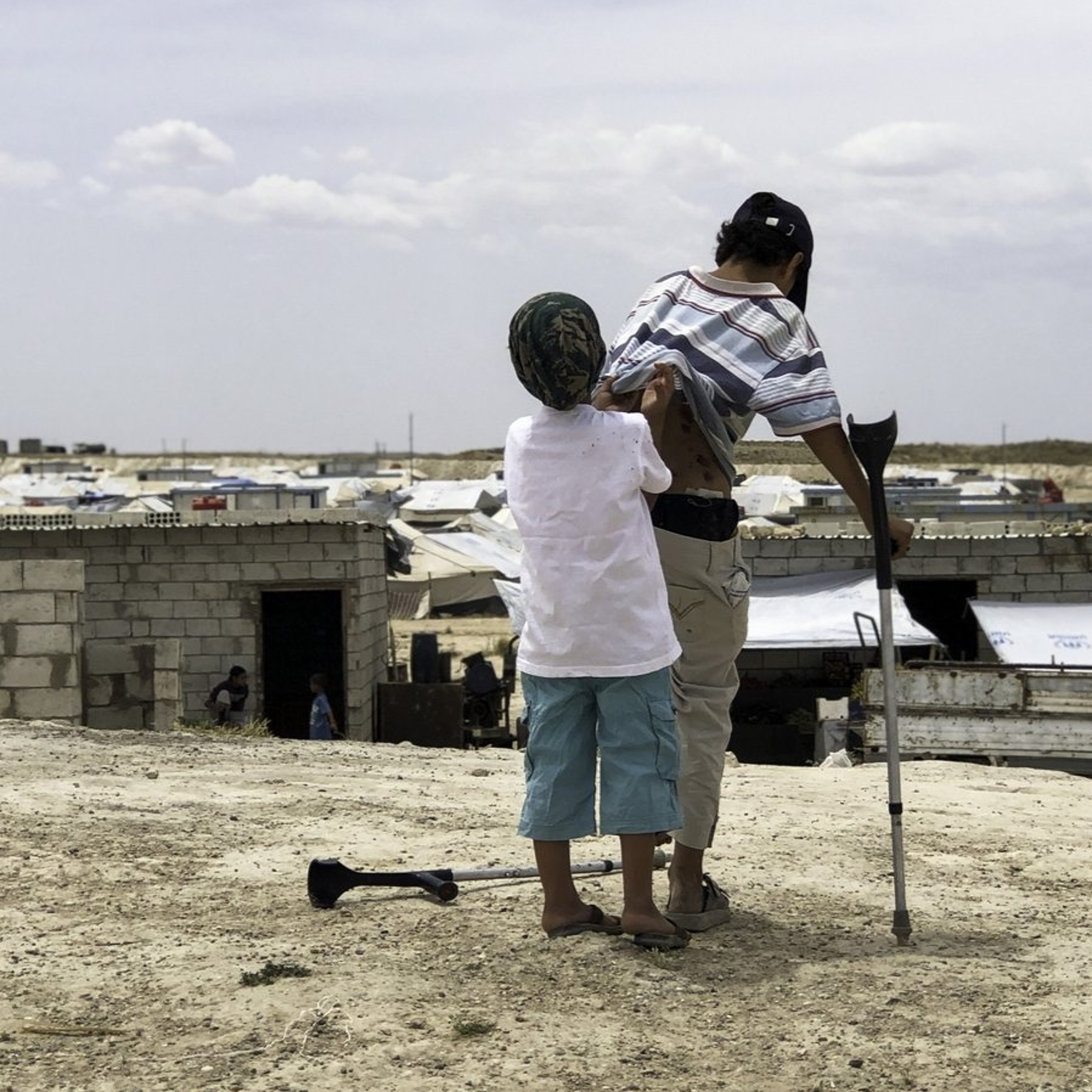
Yesterday’s children: now is the time to repatriate the children – and the young people who have “aged out” of childhood – in the camps and prisons of north-east Syria and Iraq
Several years after the Islamic State group lost its last territory in March 2019, tens of thousands of Syrians, Iraqis, and third-country nationals from…
 ICRC Humanitarian Law and Policy Blog
AI will not set its own limits in warfare. States must.
Artificial intelligence (AI) is being developed at extraordinary speed, prompting warnings from within the technology industry itself that advances may be…
 ICRC Humanitarian Law and Policy Blog
Influencer, gamer, soldier, spy: the online era of child recruitment and its implications in international law (Part II)
As social media and gaming platforms create new interfaces between tech-savvy children and armed actors, new questions should be asked regarding how the law…
 ICRC Humanitarian Law and Policy Blog
Influencer, gamer, soldier, spy: the online era of child recruitment and its implications in international law (Part I)
As social media and gaming platforms create new interfaces between tech-savvy children and armed actors, new questions should be asked regarding how the law…
 ICRC Humanitarian Law and Policy Blog
Terrorist, war criminal, or both? Towards dual prosecutions of war crimes and terrorist offences
A leading media figure and foreign fighter of a notorious group designated as terrorist was sentenced to life imprisonment for “conspiracy to provide material…
 ICRC Humanitarian Law and Policy Blog
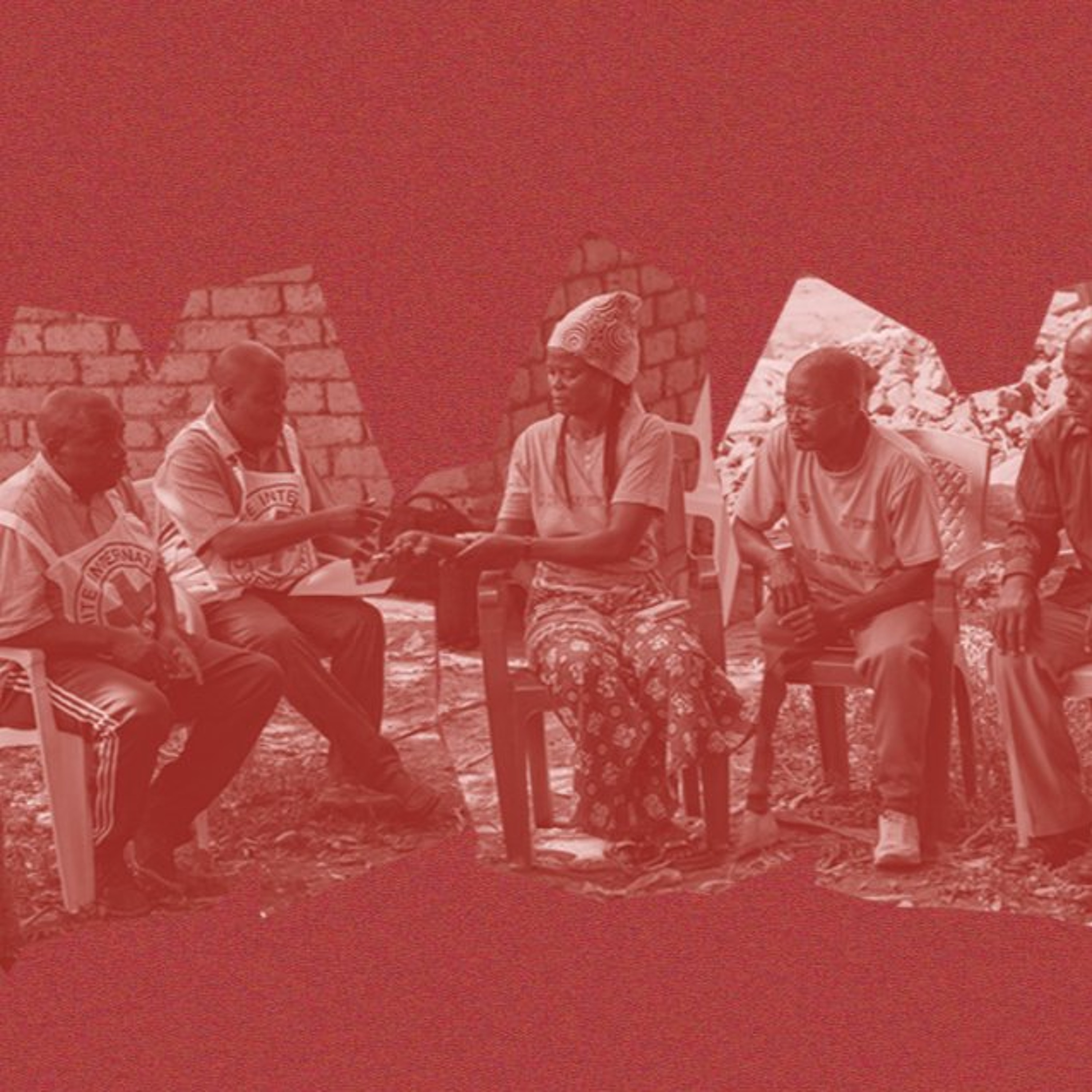
“Aid must be sustainable”: communities affected by conflict share what they want from humanitarians
The humanitarian landscape is being reshaped by converging trends, including the rapid adoption of new technologies in warfare, growing restrictions on how and…
 ICRC Humanitarian Law and Policy Blog
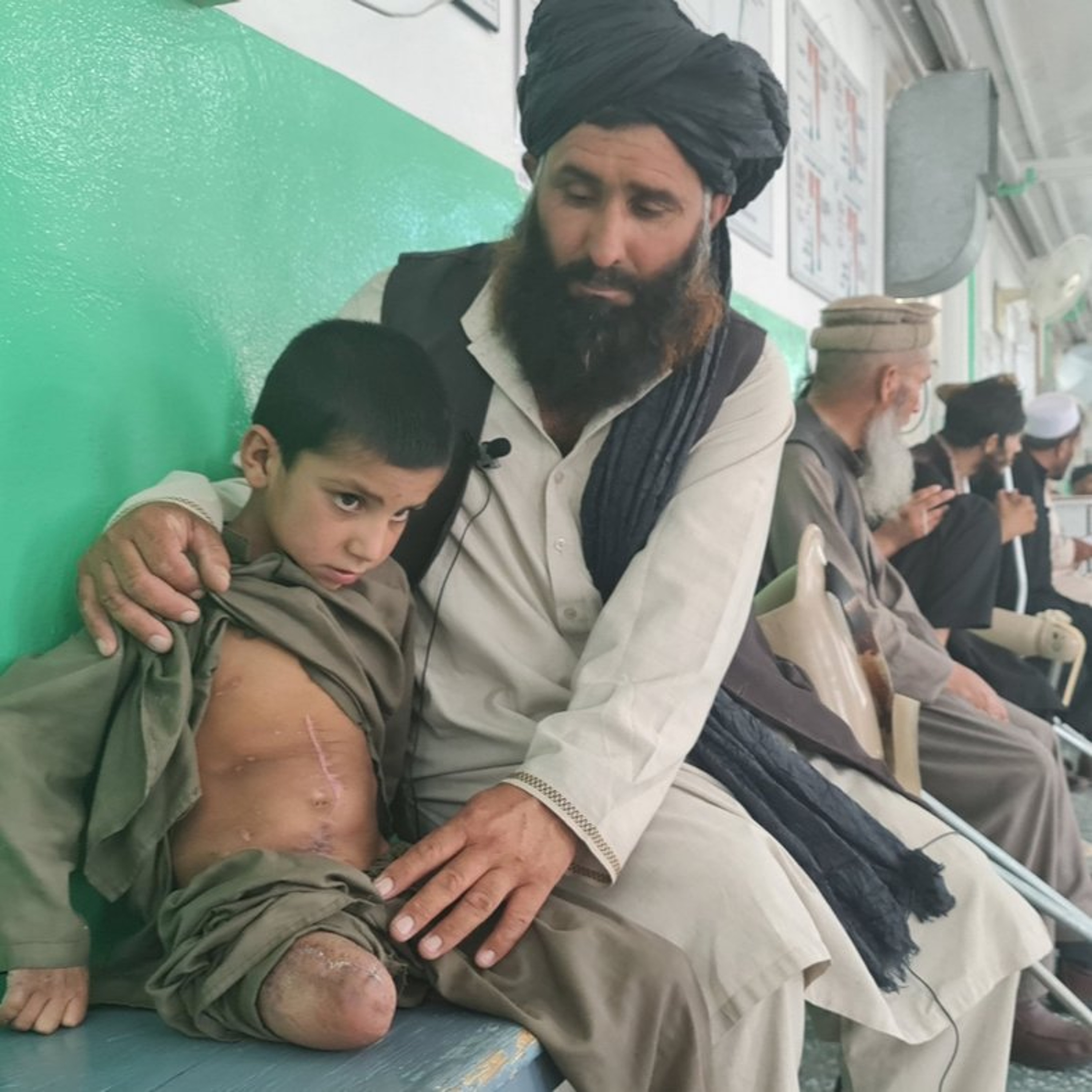
The humanitarian case for universalizing the Convention on Cluster Munitions
Cluster munitions cause harm both at the moment of attack and long after fighting has ended. By scattering submunitions across wide areas, often with high…
 ICRC Humanitarian Law and Policy Blog
Before the fighting begins: IHL and the location of military objectives
International humanitarian law (IHL) is primarily associated with the conduct of hostilities and the protection of people during armed conflict. Yet some of…
 ICRC Humanitarian Law and Policy Blog
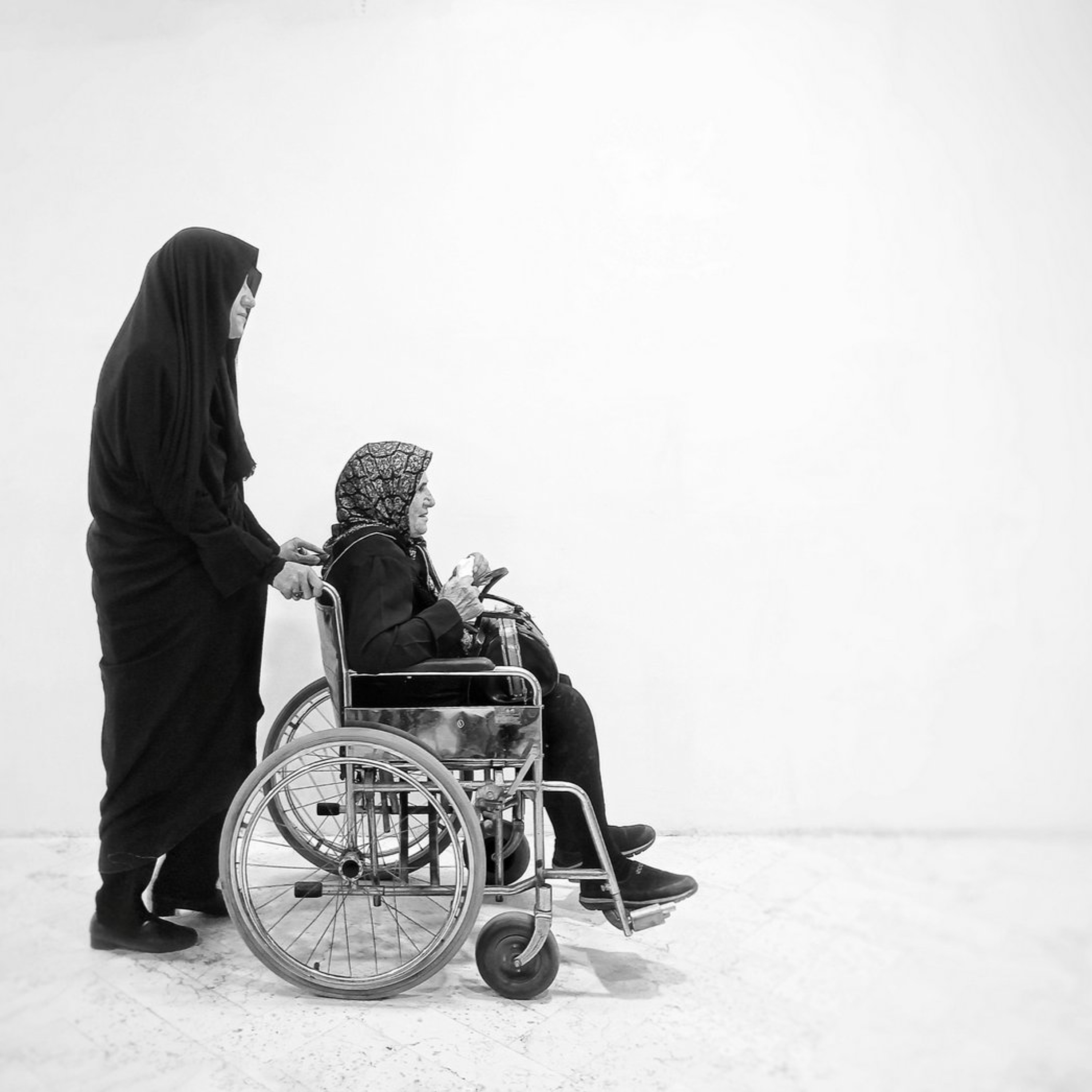
Civilian protection has a dependency-chain problem
Civilian protection is often assessed by whether a person has been warned, evacuated, registered, sheltered or reached with relief. For many persons with…
 ICRC Humanitarian Law and Policy Blog
The machines must not choose who dies: a humanitarian case for disarming AI
As states race to develop autonomous weapons systems, the effort to agree binding international rules on machine decisions over life and death has reached a…
 ICRC Humanitarian Law and Policy Blog
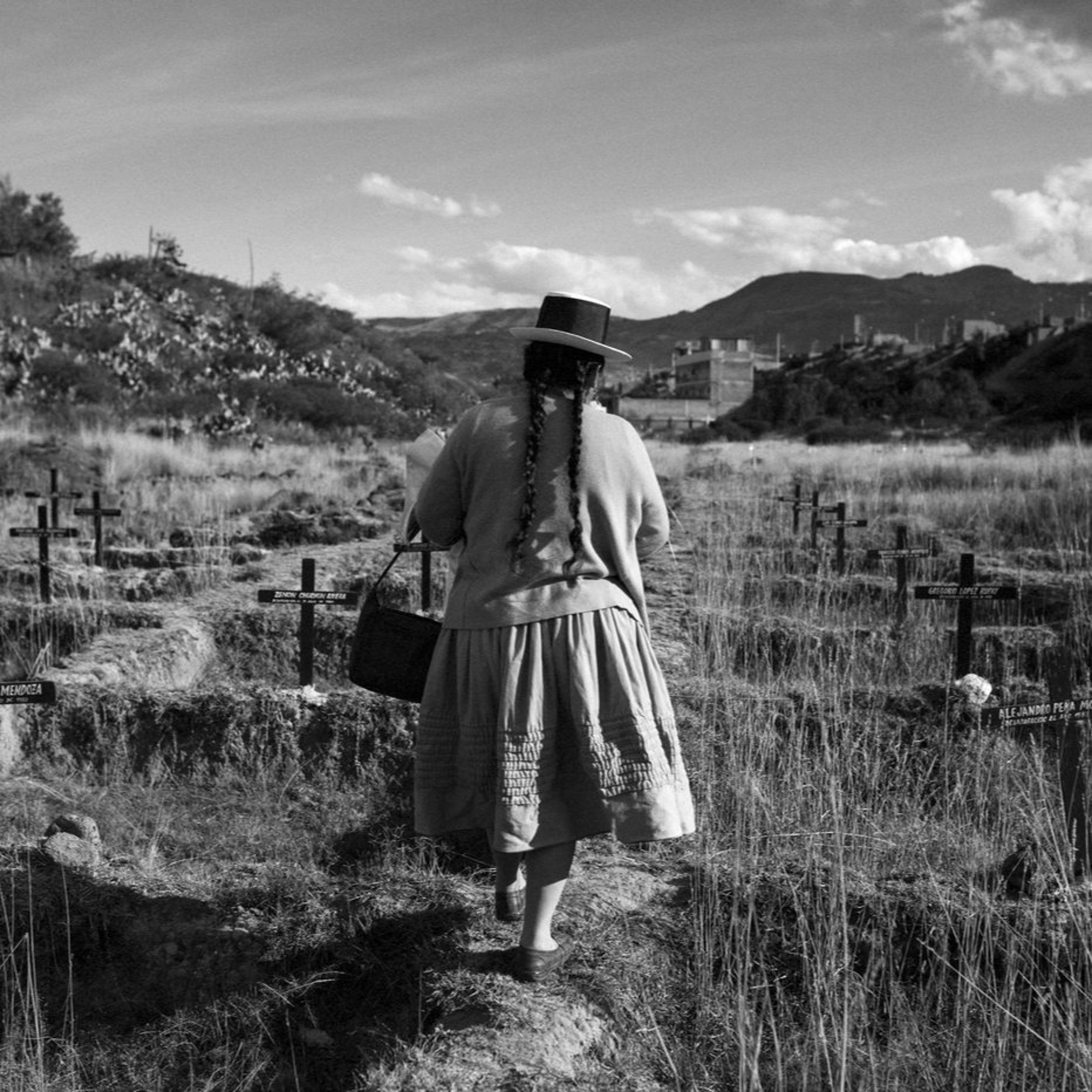
Memorializing IHL violations in the age of AI: opportunities and risks for transitional justice
Memorialization, one of the five pillars of transitional justice, plays a vital role in preserving the memory of international humanitarian law (IHL)…
 ICRC Humanitarian Law and Policy Blog
“A number that learned how not to scream”: the case for community-led metrics on protection
The international humanitarian system has built a sophisticated architecture for the protection of civilians, namely political resolutions, cluster…
 ICRC Humanitarian Law and Policy Blog
Amplifying Pacific voices: the region’s crucial role in advancing IHL
Pacific Island states have long demonstrated leadership in promoting peace, disarmament, and humanitarian values. From traditional customs that reflect…
 ICRC Humanitarian Law and Policy Blog
The shelter that shone in the distance | Written and Performed by Mamuch Bey
For the world's more than 120 million forcibly displaced people, the idea of refuge is not an abstraction – it is a horizon, an act of imagination, and…
 ICRC Humanitarian Law and Policy Blog
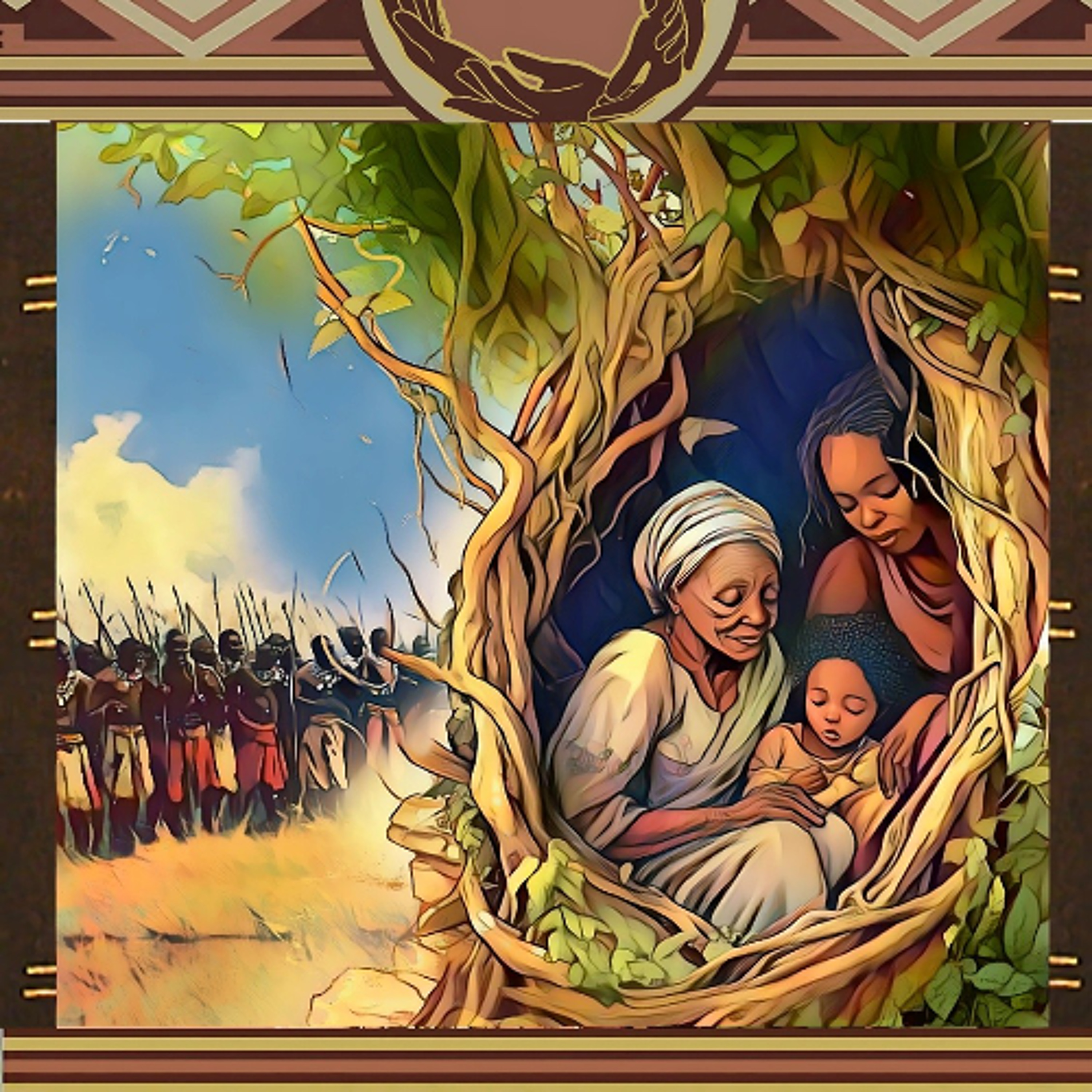
African traditions and the protection of children in armed conflict
Across Africa, norms regulating the conduct of hostilities long predate the codification of modern international humanitarian law (IHL). The ICRC Tool on…
 ICRC Humanitarian Law and Policy Blog
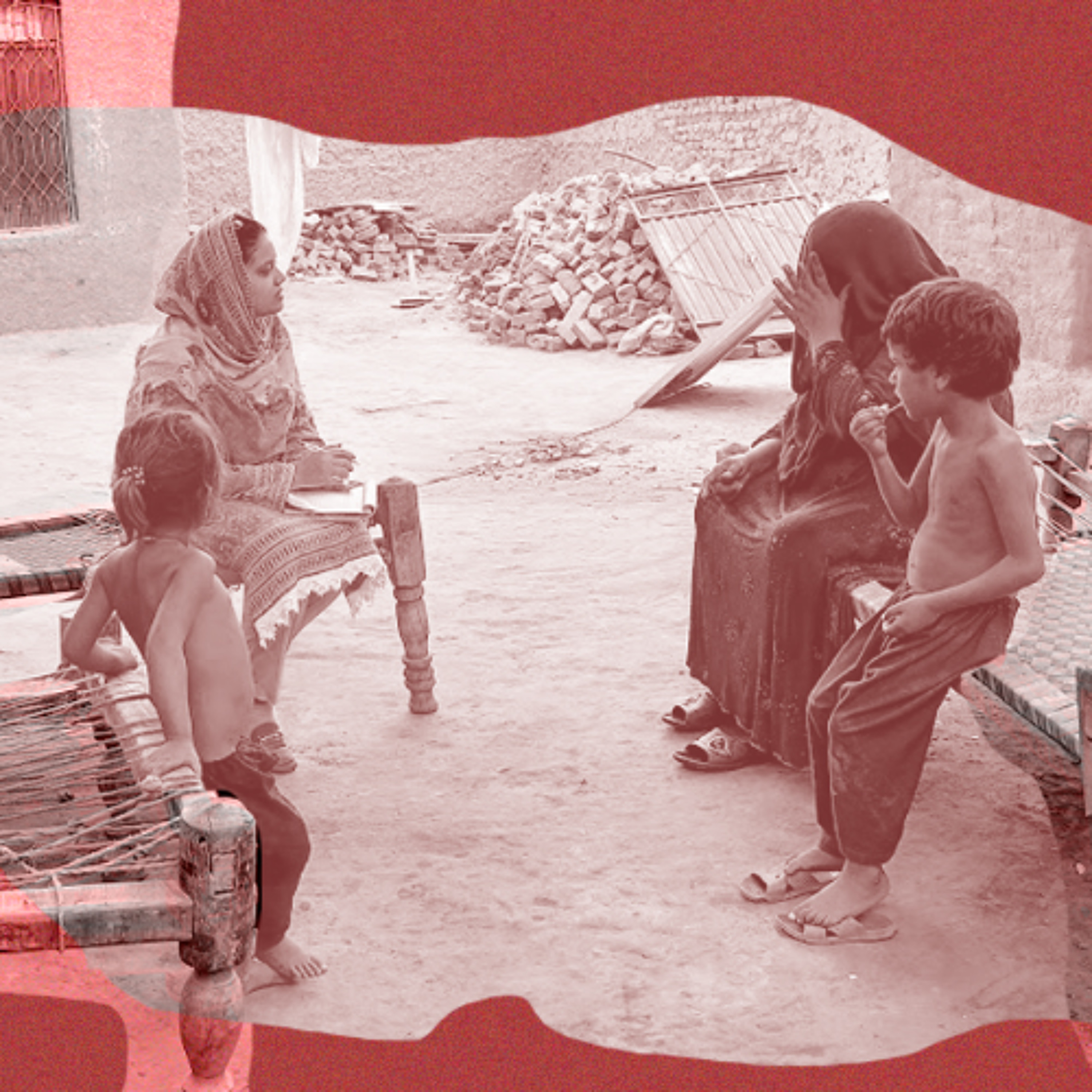
We helped individuals while harming persons: what conflict-affected communities deserve beyond beneficiary status
Conflict and displacement do more than destroy homes, livelihoods, and infrastructure. They also fracture the social relationships through which people sustain…
 ICRC Humanitarian Law and Policy Blog
Climate resilience is not optional: what people in fragile, urban settings should expect from WASH
Climate change is intensifying water insecurity in fragile urban settings, where ageing infrastructure, rapid urbanization, and inequality already strain…
 ICRC Humanitarian Law and Policy Blog
Life teaches before school does: the invisible curriculum of the super child
Refugee education is often framed in terms of access, infrastructure, and policy – but for children who grow up inside camps, meaningful learning begins long…
 ICRC Humanitarian Law and Policy Blog
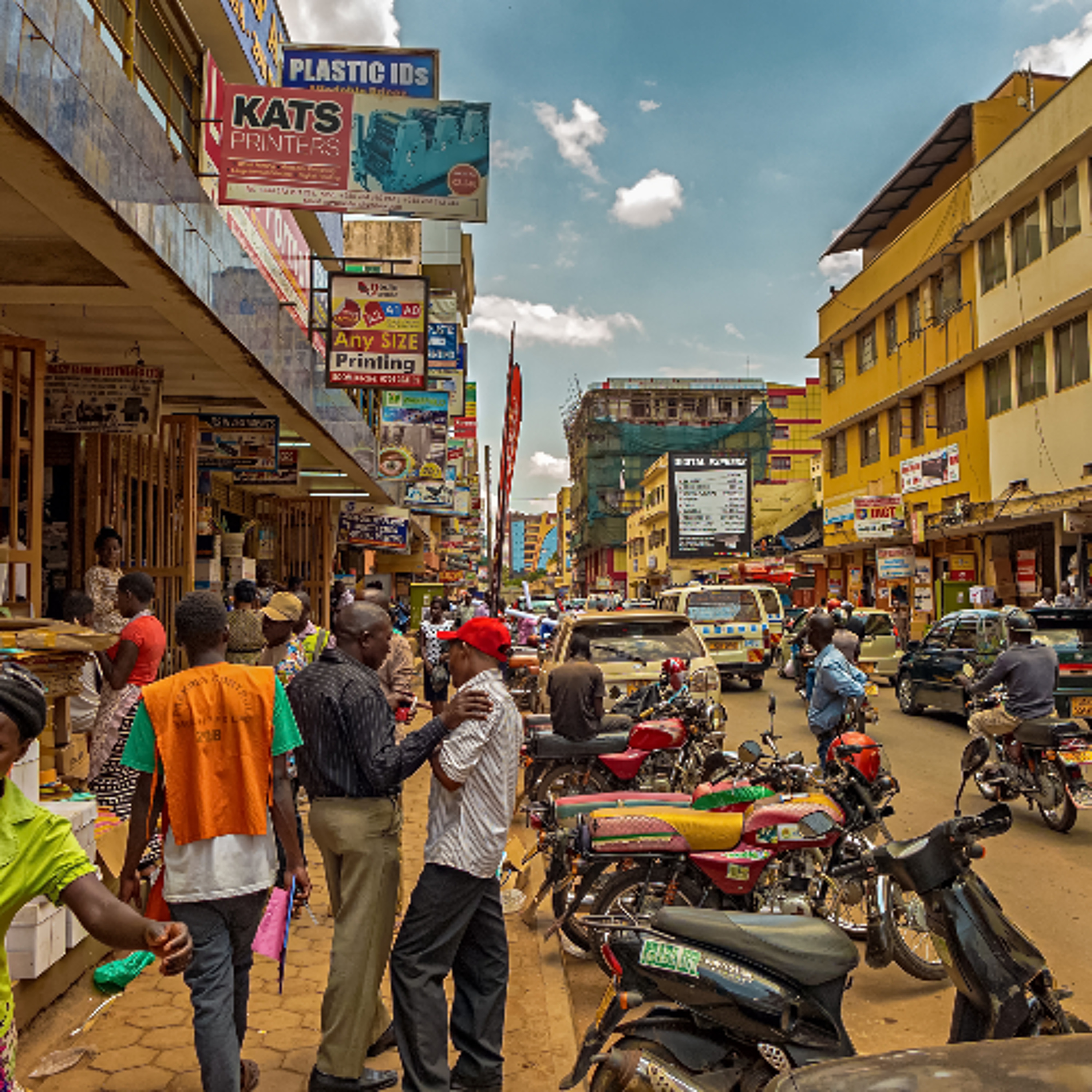
Why Africa should act now on explosive weapons in populated areas: Malawi’s case for action
Across contemporary armed conflicts, the use of explosive weapons in populated areas (EWIPA) has emerged as one of the gravest threats to civilians. Urban…
 ICRC Humanitarian Law and Policy Blog
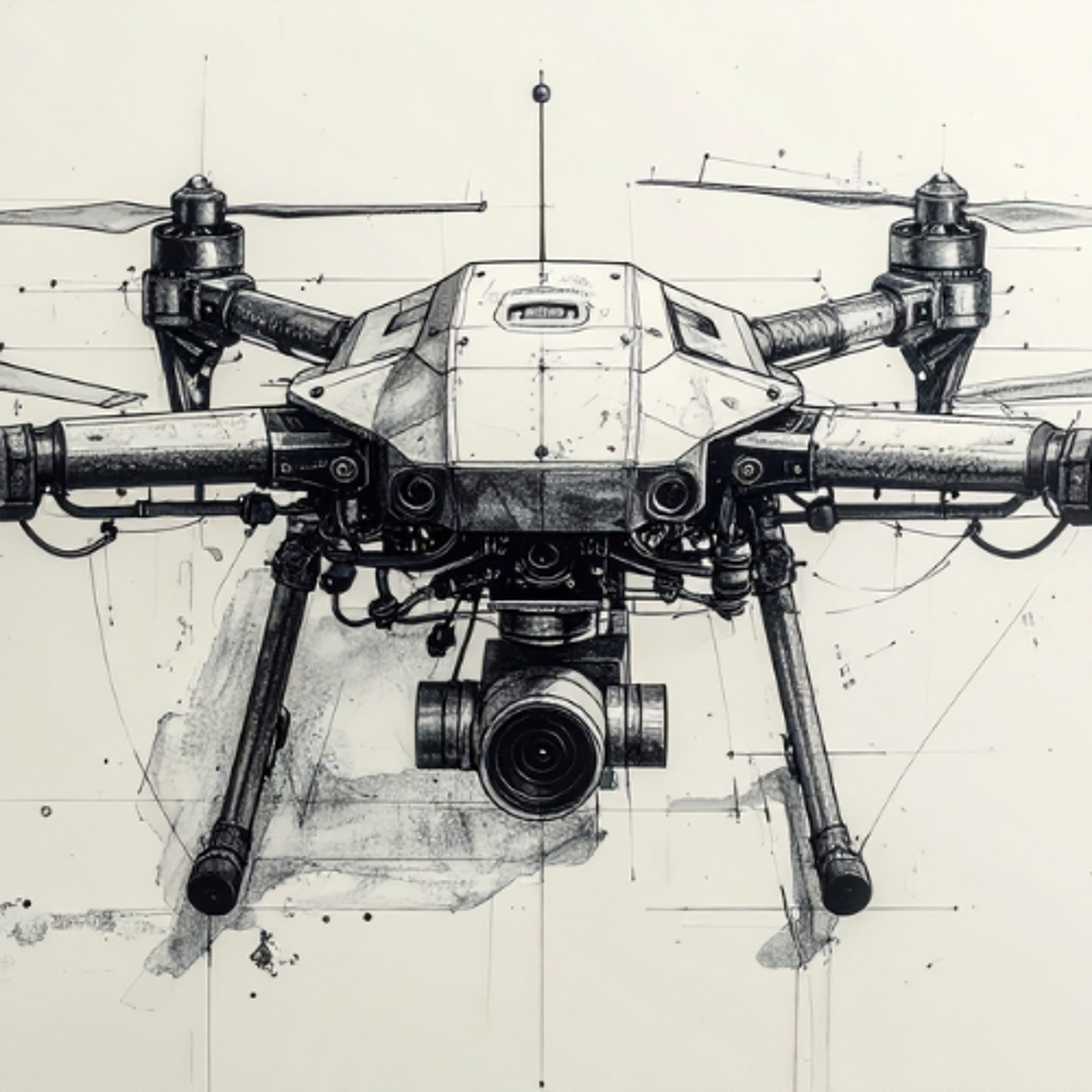
Collaboration without over-reliance: the role of industry in making military AI "lawful by design"
In the policy debate on artificial intelligence (AI) in the military domain, there is a growing consensus that international humanitarian law (IHL) must be a…
 ICRC Humanitarian Law and Policy Blog
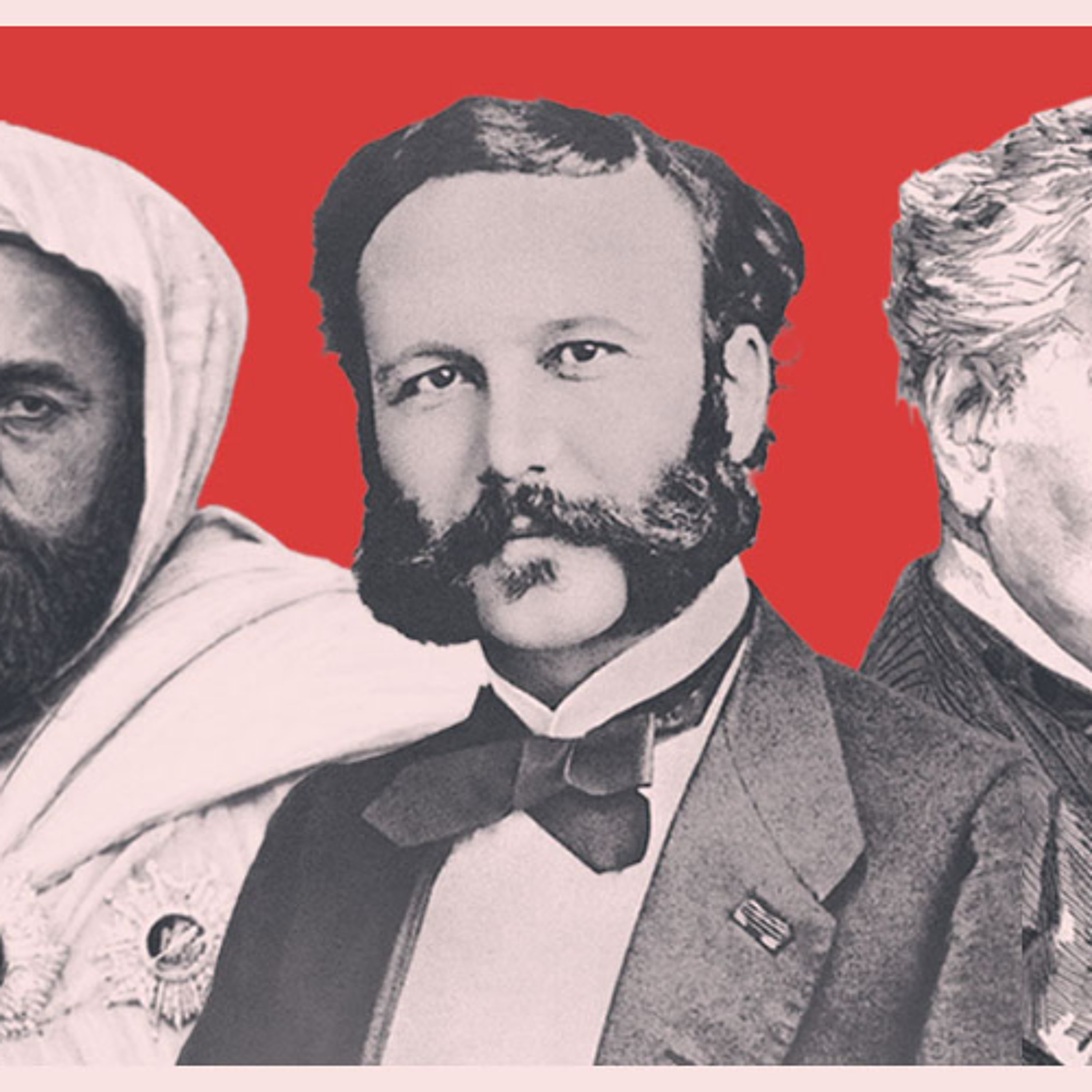
Three lives, one vision: how Dunant, Demidoff and Abdelkader shaped modern humanitarianism
The brutal effects of war have long prompted efforts to limit suffering and preserve humanity in times of conflict. Across cultures, religions, and legal…
 ICRC Humanitarian Law and Policy Blog
Enforced disappearances: universal responses to a worldwide phenomenon
Enforced disappearances remain an issue of profound seriousness, with lasting consequences for the families of those affected. These realities continue to…
 ICRC Humanitarian Law and Policy Blog
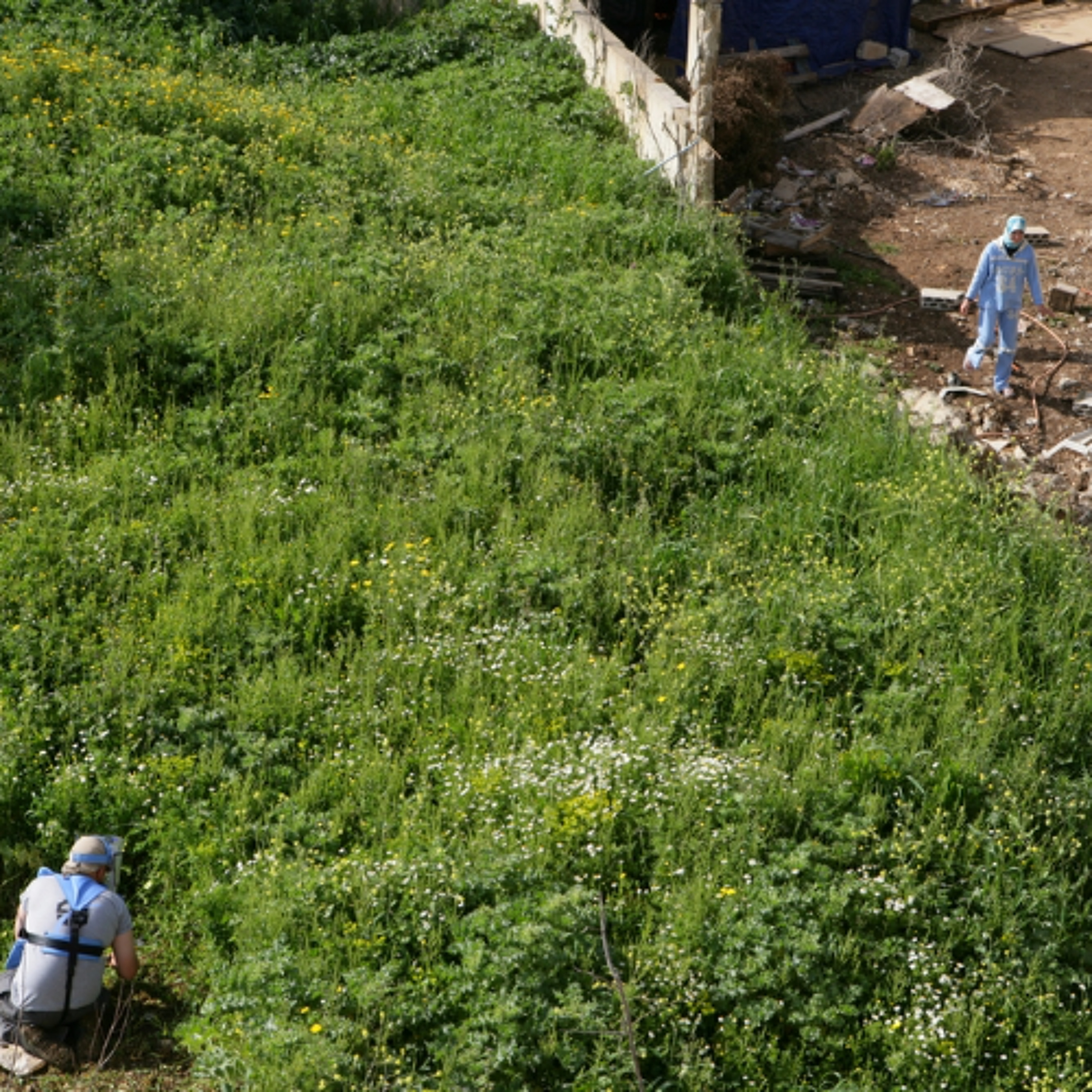
Lebanon's wartime decision to ban anti-personnel mines
Lebanon’s accession last week to the Anti-Personnel Mine Ban Convention (APMBC) comes not in a time of peace, but amid ongoing conflict – precisely when the…
 ICRC Humanitarian Law and Policy Blog
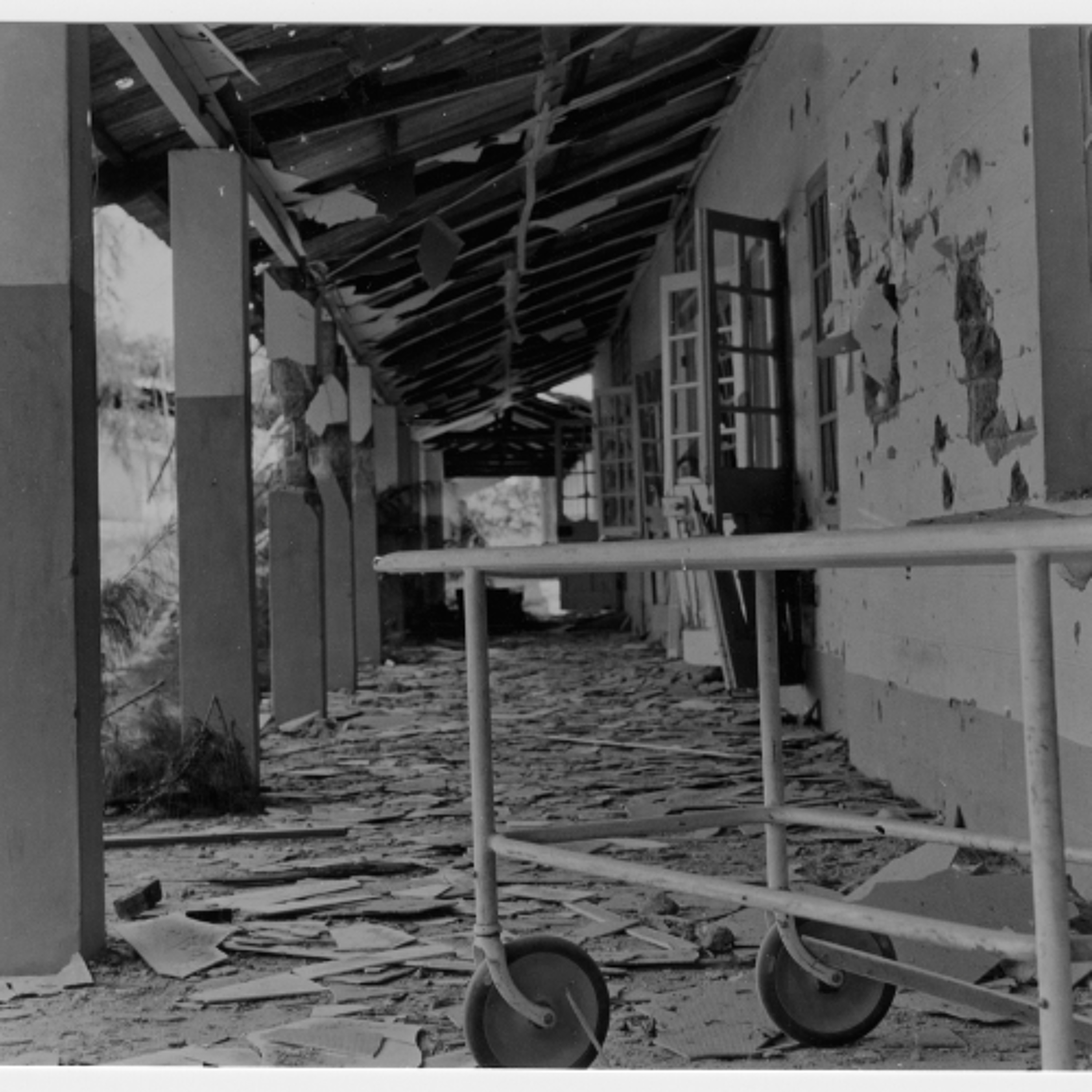
Attacks on the medical mission: identification of issues and good practices
During the last decade, attacks against hospitals have been a hallmark of almost every conflict. What humanitarian medical practitioners have witnessed and…
 ICRC Humanitarian Law and Policy Blog
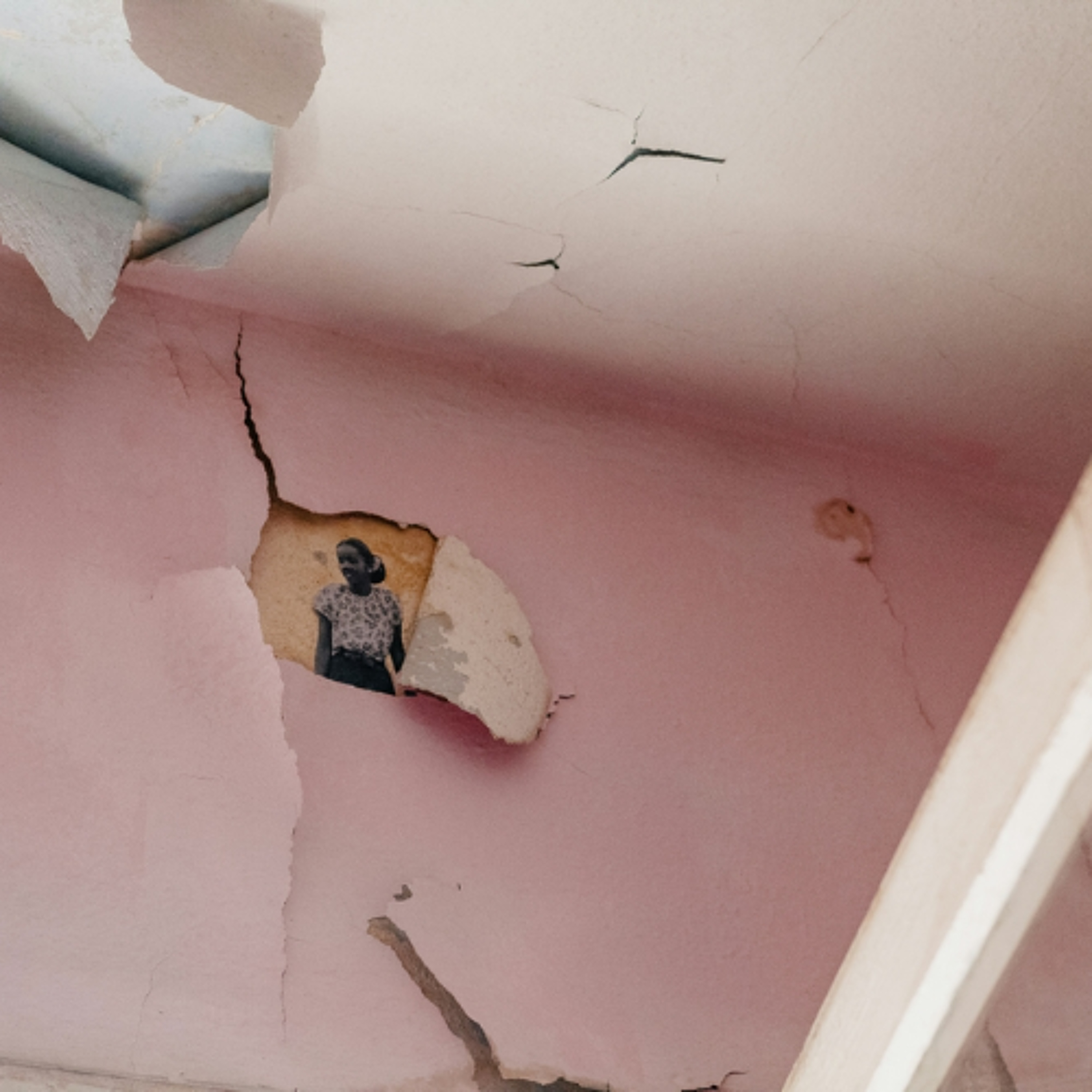
Gender (re)balancing: the updated ICRC Commentary on the Fourth Geneva Convention
International humanitarian law (IHL) has long been critiqued for its gendered fault lines, specifically the marginalization of violence and harm to women and…
 ICRC Humanitarian Law and Policy Blog
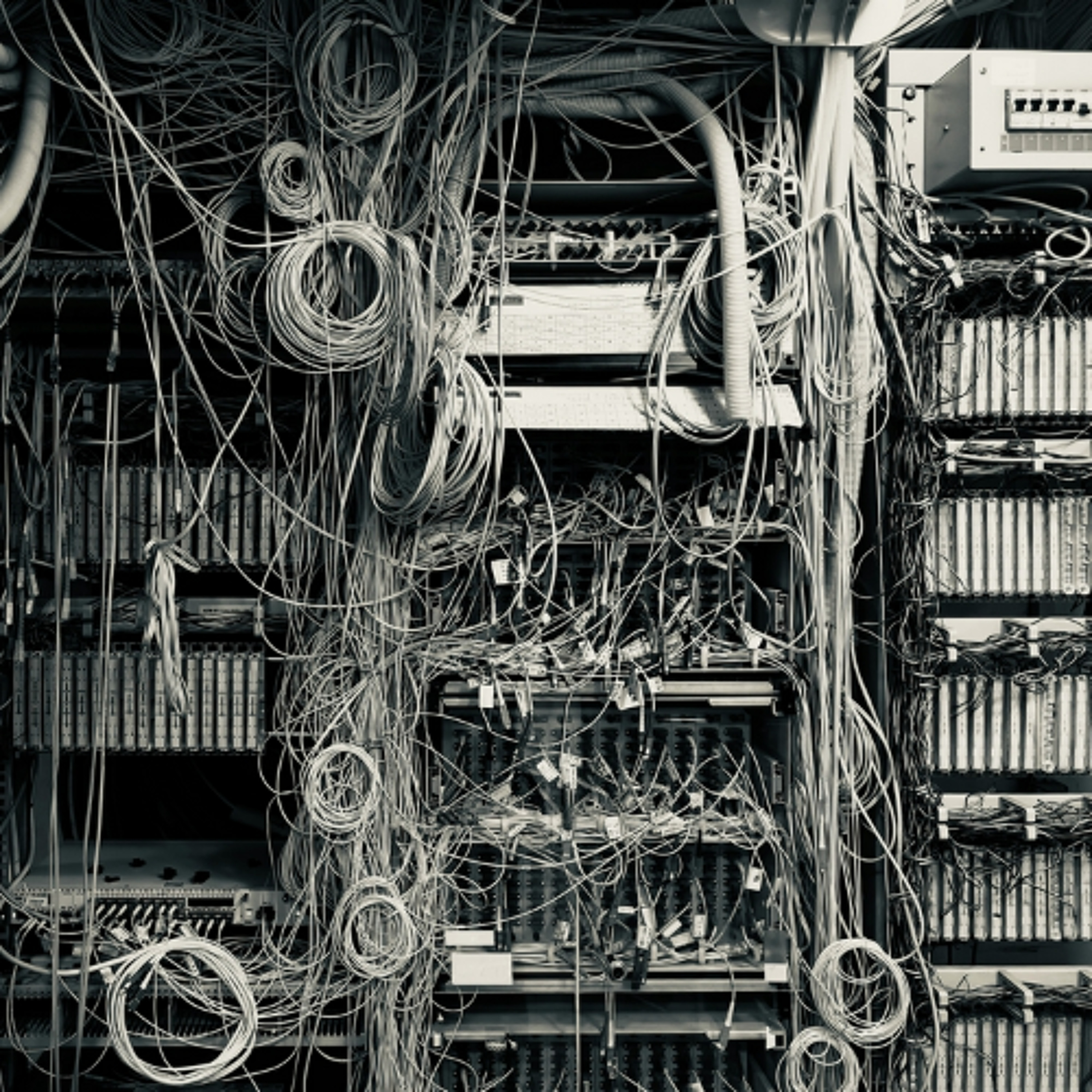
Upholding IHL protections against the risks of ICT activities in armed conflict
Across the world, essential civilian services increasingly depend on information and communication technologies (ICTs). These same technologies are also…
 ICRC Humanitarian Law and Policy Blog
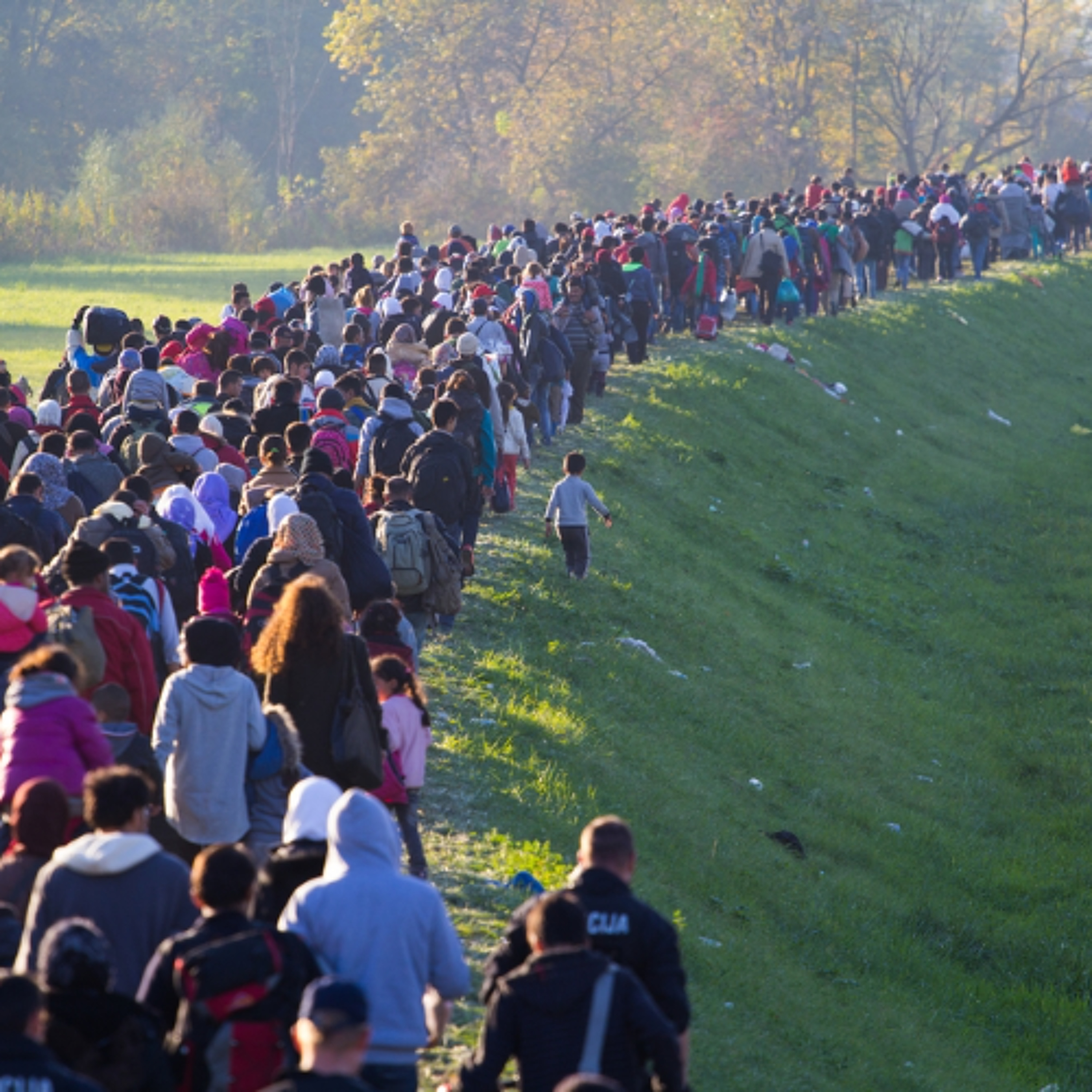
Complying with IHL in large-scale conflicts: movement, mass displacement and family links
By the end of 2024, the Office of the United Nations High Commissioner for Refugees estimated that 123.2 million people worldwide were forcibly displaced as a…
 ICRC Humanitarian Law and Policy Blog
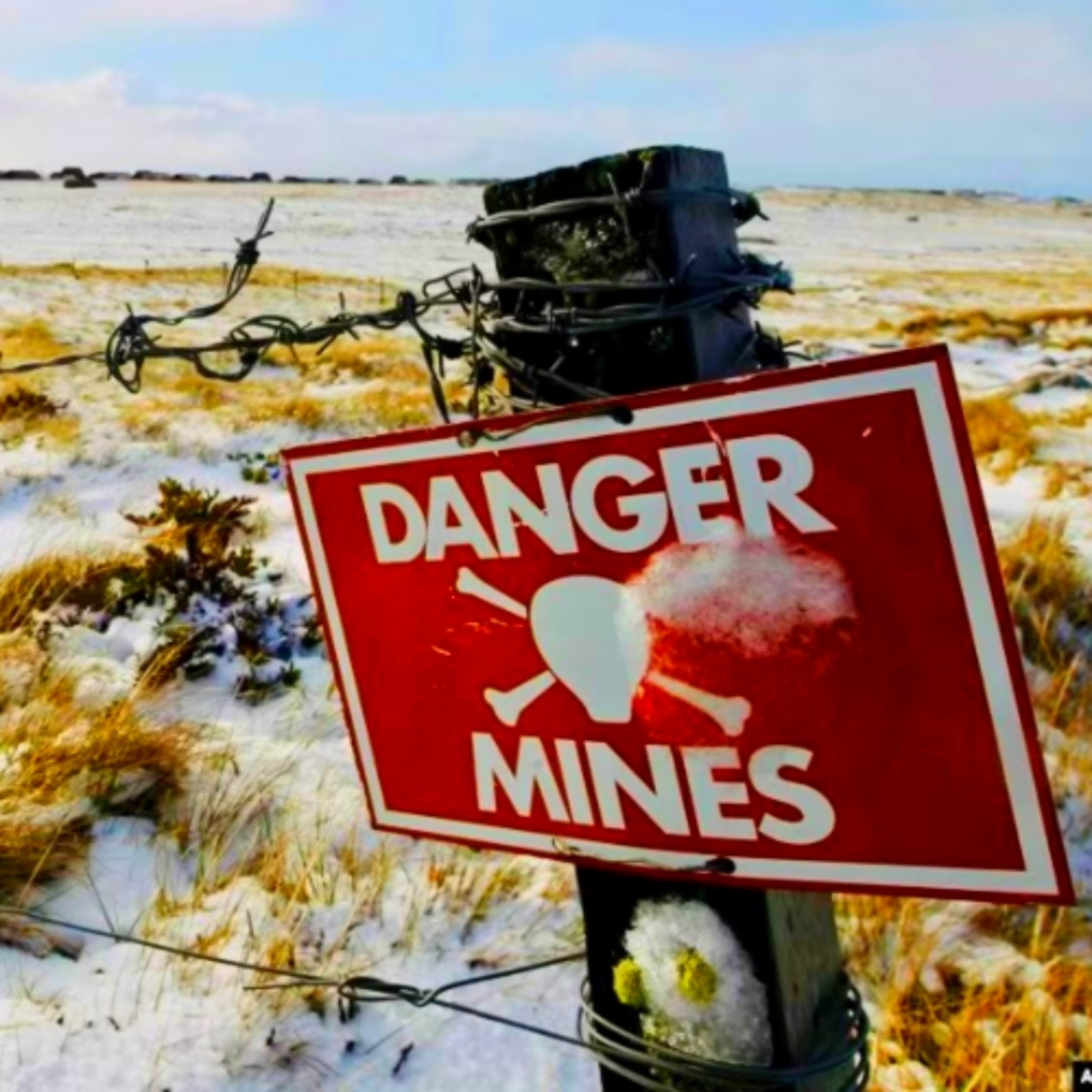
Why Nordic governments must uphold the global ban on anti-personnel mines
As security concerns intensify across Europe following the escalation of the international armed conflict between Russia and Ukraine in 2022, several states –…
 ICRC Humanitarian Law and Policy Blog
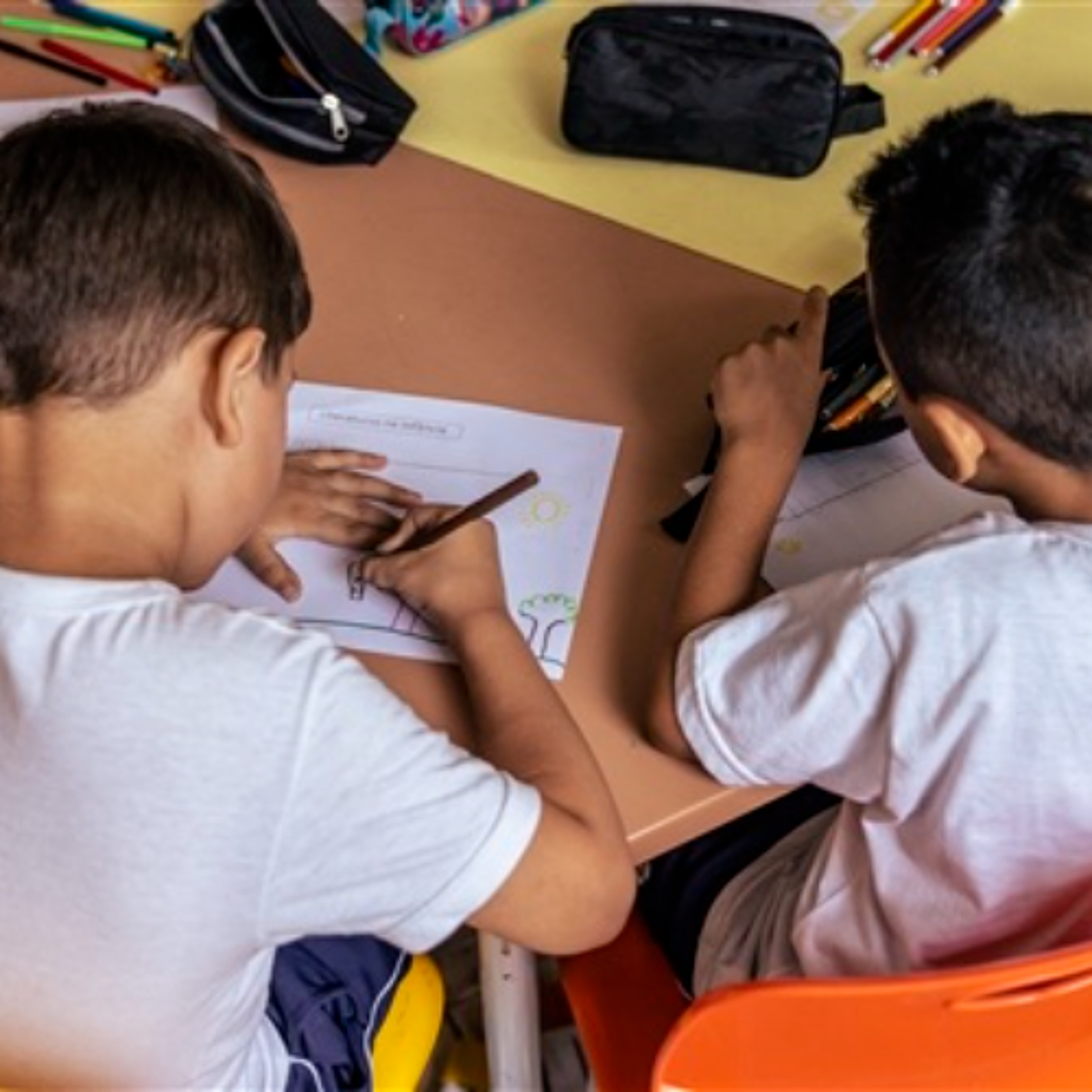
Restoring education after armed conflict: an IHL-guided framework
When armed conflict ends, education does not always return with it. In many post-conflict settings, schools remain closed long after ceasefires, while children…
 ICRC Humanitarian Law and Policy Blog
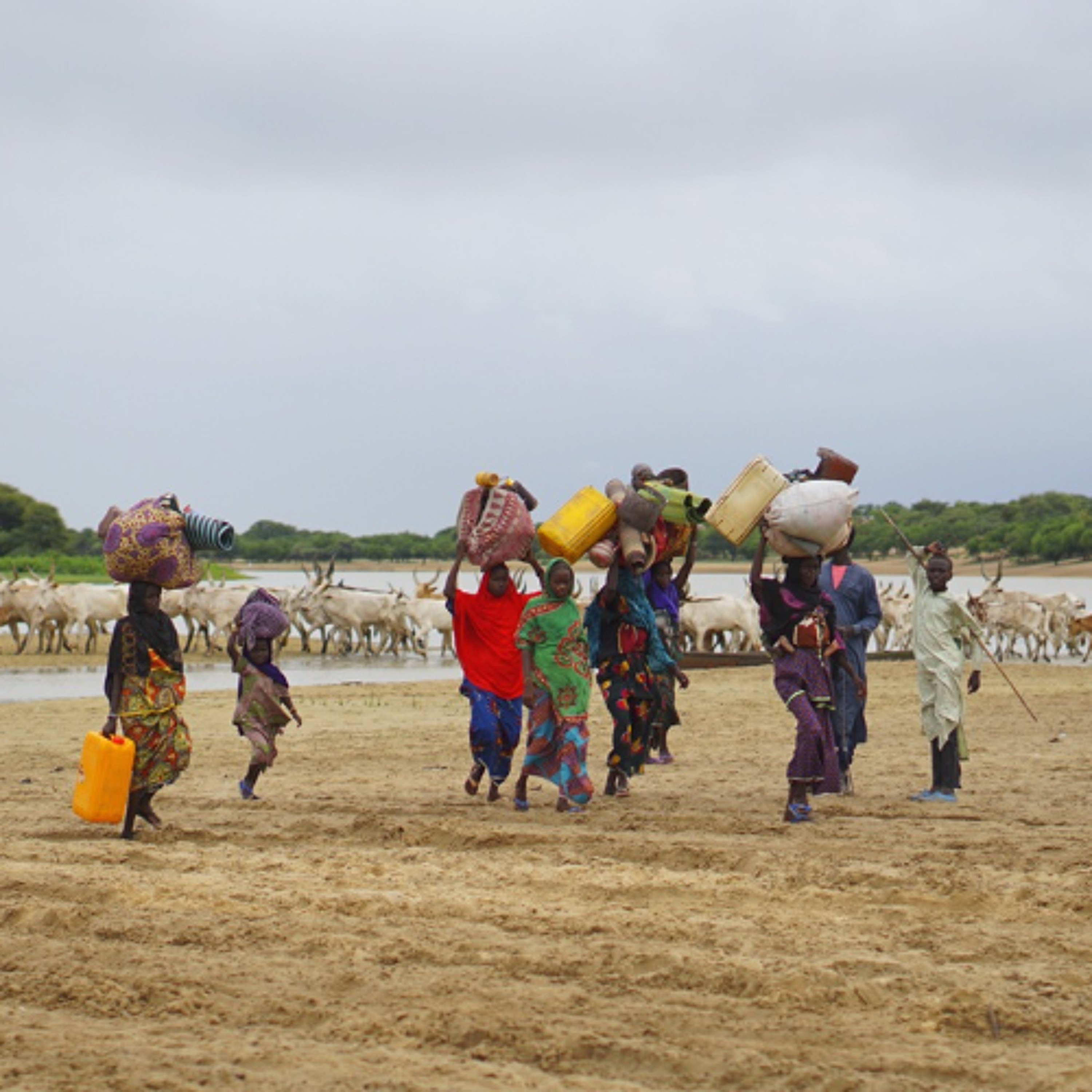
When the perpetrator is the climate
Climate change and armed conflict increasingly intersect in humanitarian settings. While the sector is now alert to climate-related risks – particularly in…
 ICRC Humanitarian Law and Policy Blog
Deciding under algorithms: artificial intelligence and the protection of civilian infrastructure in armed conflict
Artificial intelligence (AI)-based decision-support systems are increasingly embedded upstream of the use of force, shaping how military actors plan attacks…
 ICRC Humanitarian Law and Policy Blog
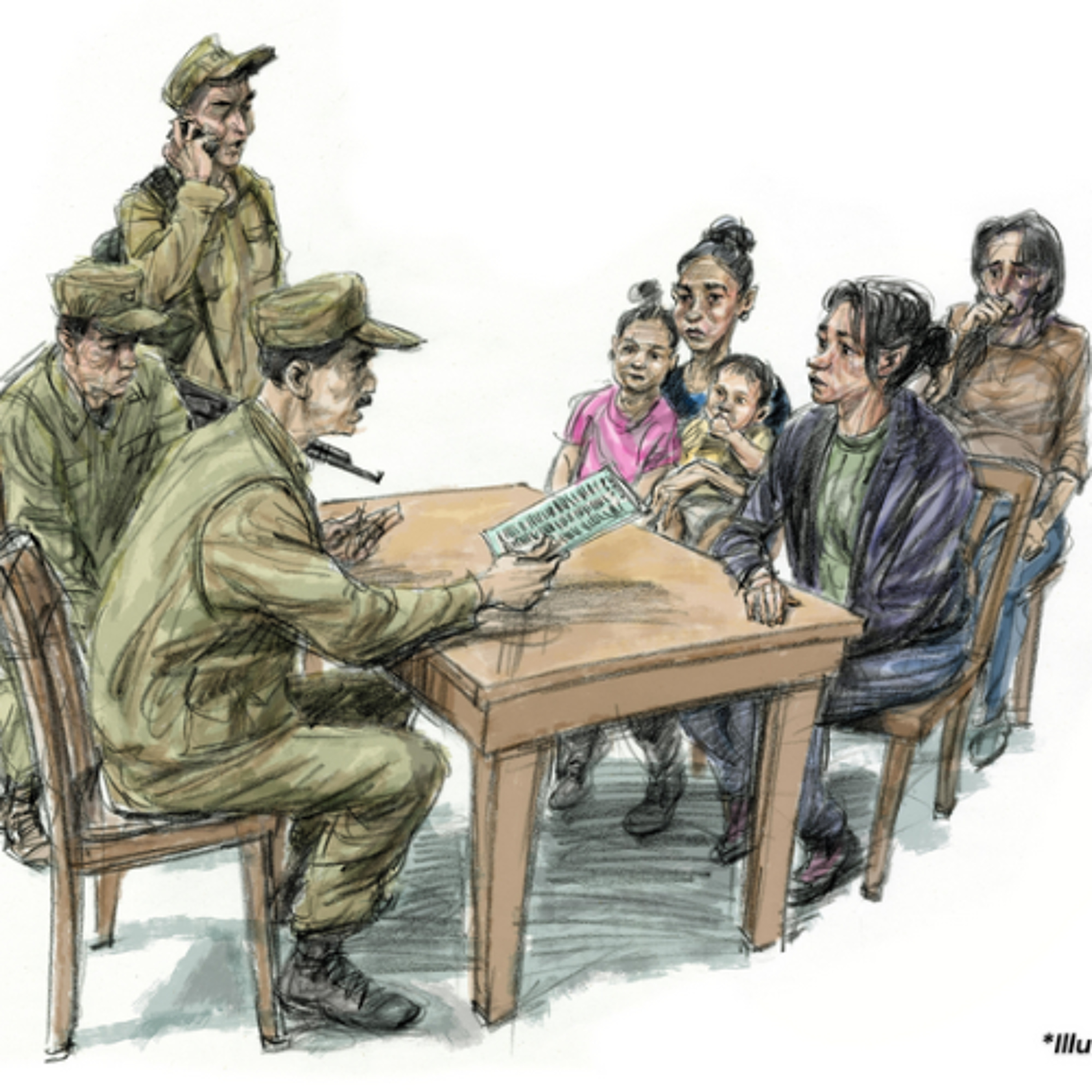
Engaging non-state armed groups on the protection of missing people and their families
The ICRC continues to witness unacceptable levels of suffering when the law designed to protect families, prevent people from going missing, and ensure the…
 ICRC Humanitarian Law and Policy Blog
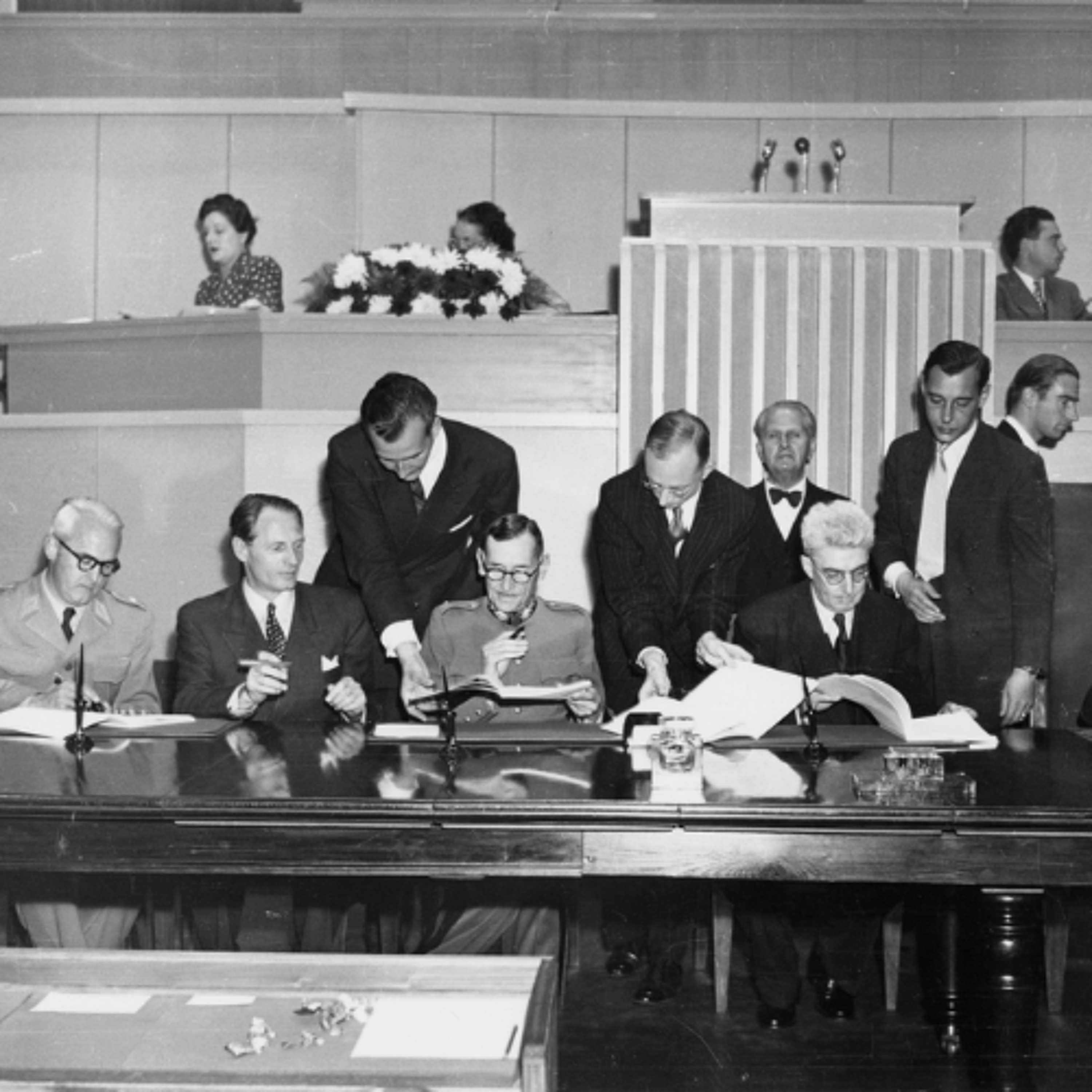
The adoption of the 1949 Geneva Conventions: a humanitarian break and colonial continuity
More than seven decades after their adoption, the four Geneva Conventions of 1949 remain foundational to contemporary international humanitarian law (IHL)…
 ICRC Humanitarian Law and Policy Blog
Islamic law and the right to life in armed conflict
Islamic legal traditions and the modern framework of international humanitarian law (IHL) emerged from different contexts and traditions, but they share many…
 ICRC Humanitarian Law and Policy Blog
“If it ain’t broke, don’t fix it”: the ICRC’s approach to Common Article 3 in its updated Commentary
The updated ICRC Commentary on the Fourth Geneva Convention (GC IV) includes a number of important updates to its treatment of Common Article 3 (CA3). These…
 ICRC Humanitarian Law and Policy Blog
Protecting civilians in good faith a joint symposium on the updated ICRC Commentary on the Fourth Geneva Convention
Following five years of research and consultations, the ICRC published a new, updated Commentary on the Fourth Geneva Convention (GC IV) of 1949 in October…
 ICRC Humanitarian Law and Policy Blog
Waging warfare at sea: how exceptional is the maritime domain today?
Naval warfare has undergone dramatic transformation, expanding across multiple domains and exposing civilian seafarers, infrastructure, and global supply…
 ICRC Humanitarian Law and Policy Blog
“Cognitive warfare”: why the human brain should not become a battlefield
Militaries are gearing up for confrontation on a new battlefield: the human brain. While psychological operations aimed at deceiving enemies or manipulating…
 ICRC Humanitarian Law and Policy Blog
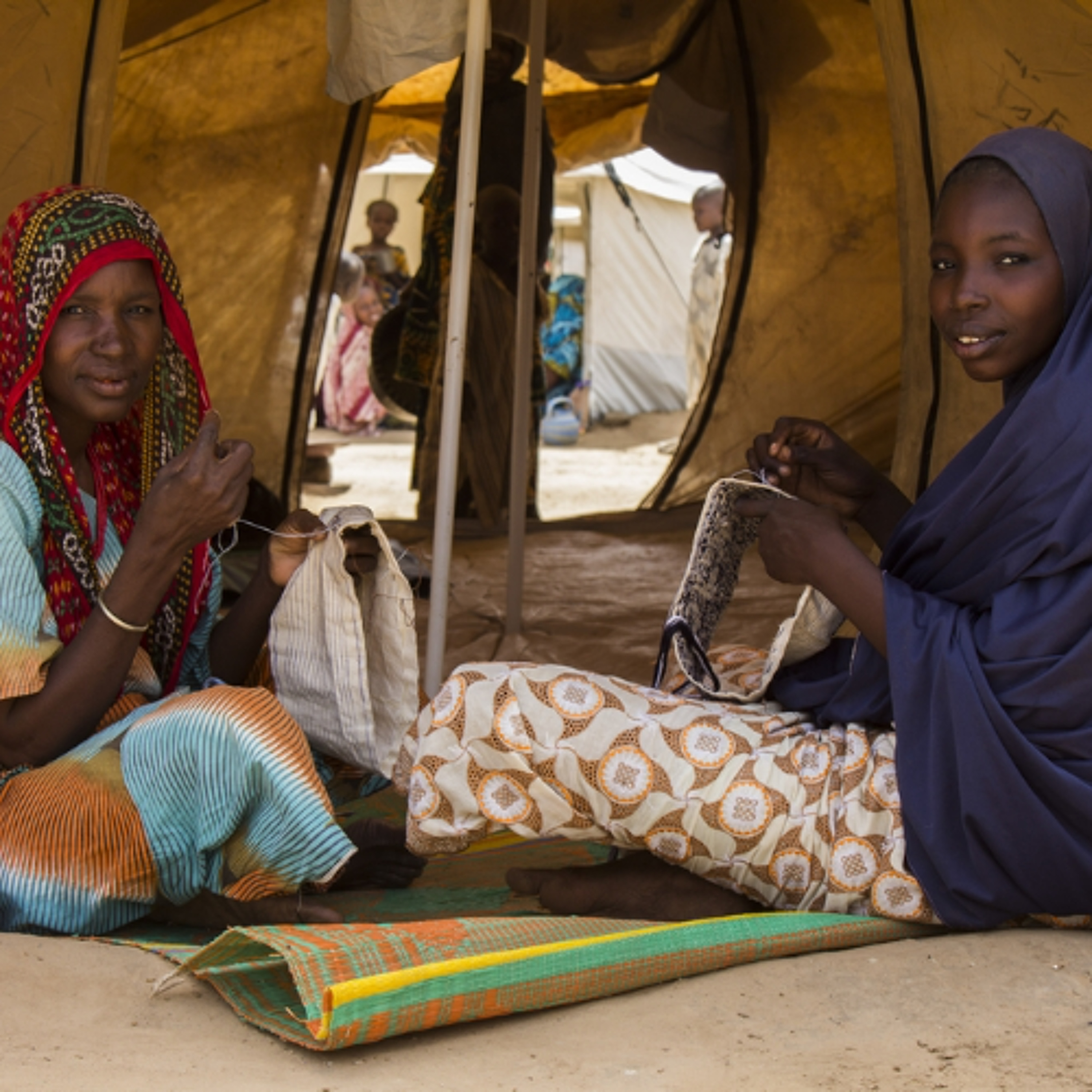
Bridging IHL and WPS: untapped potential to advance the wellbeing of women in conflict settings
The International Criminal Court recently issued its first conviction for gender persecution as a crime against humanity, alongside related convictions for…
 ICRC Humanitarian Law and Policy Blog
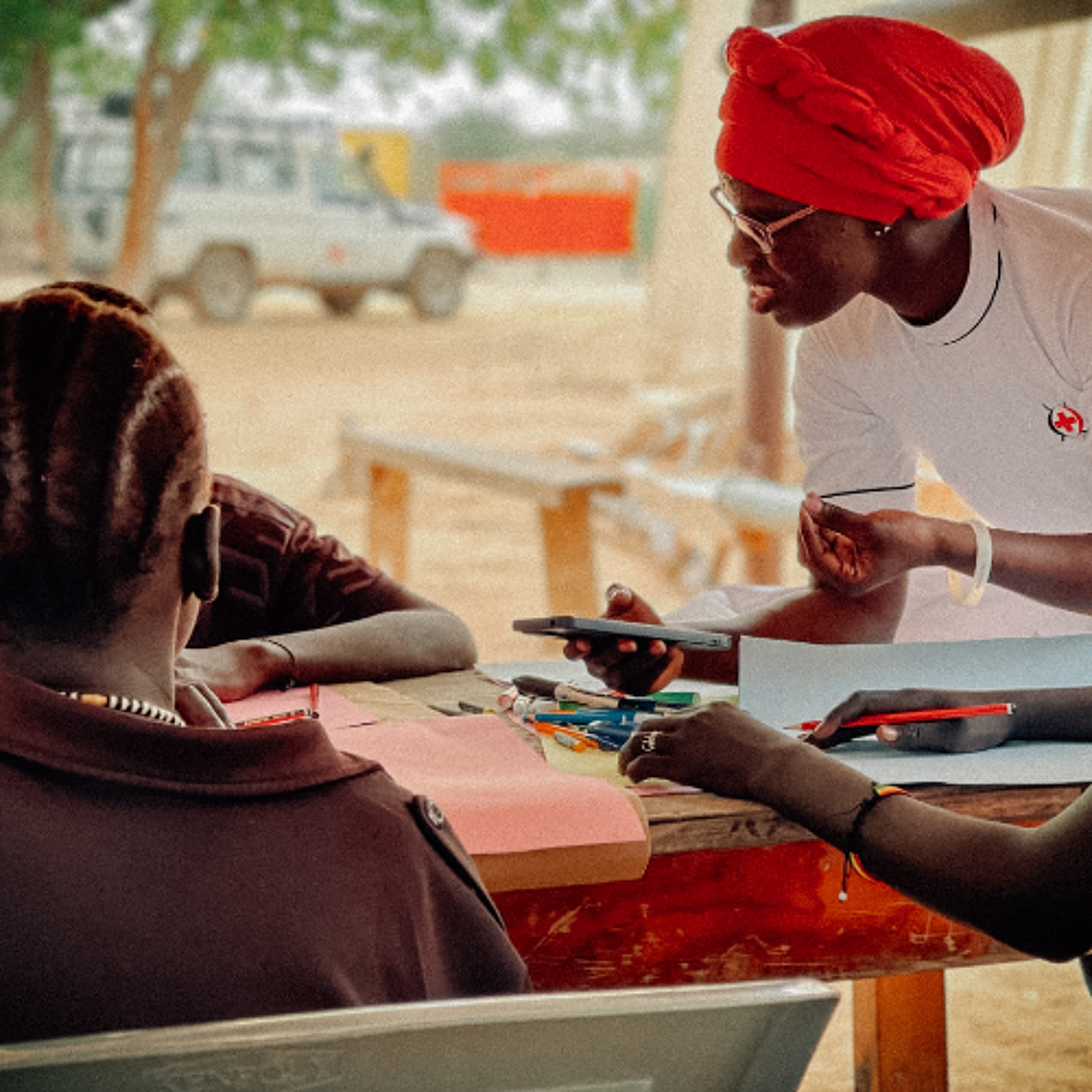
Deaths and separations in migration: lessons from migrant women and children
Many women and children are exposed to violence, exploitation and other risks, including death and family separation, during their migration journeys. Despite…
 ICRC Humanitarian Law and Policy Blog
IHL’s lighthouse; navigating towards a digital emblem
As cyber operations are increasingly taking place during armed conflicts, and this trend is likely to continue, certain specific protections afforded under IHL…
 ICRC Humanitarian Law and Policy Blog
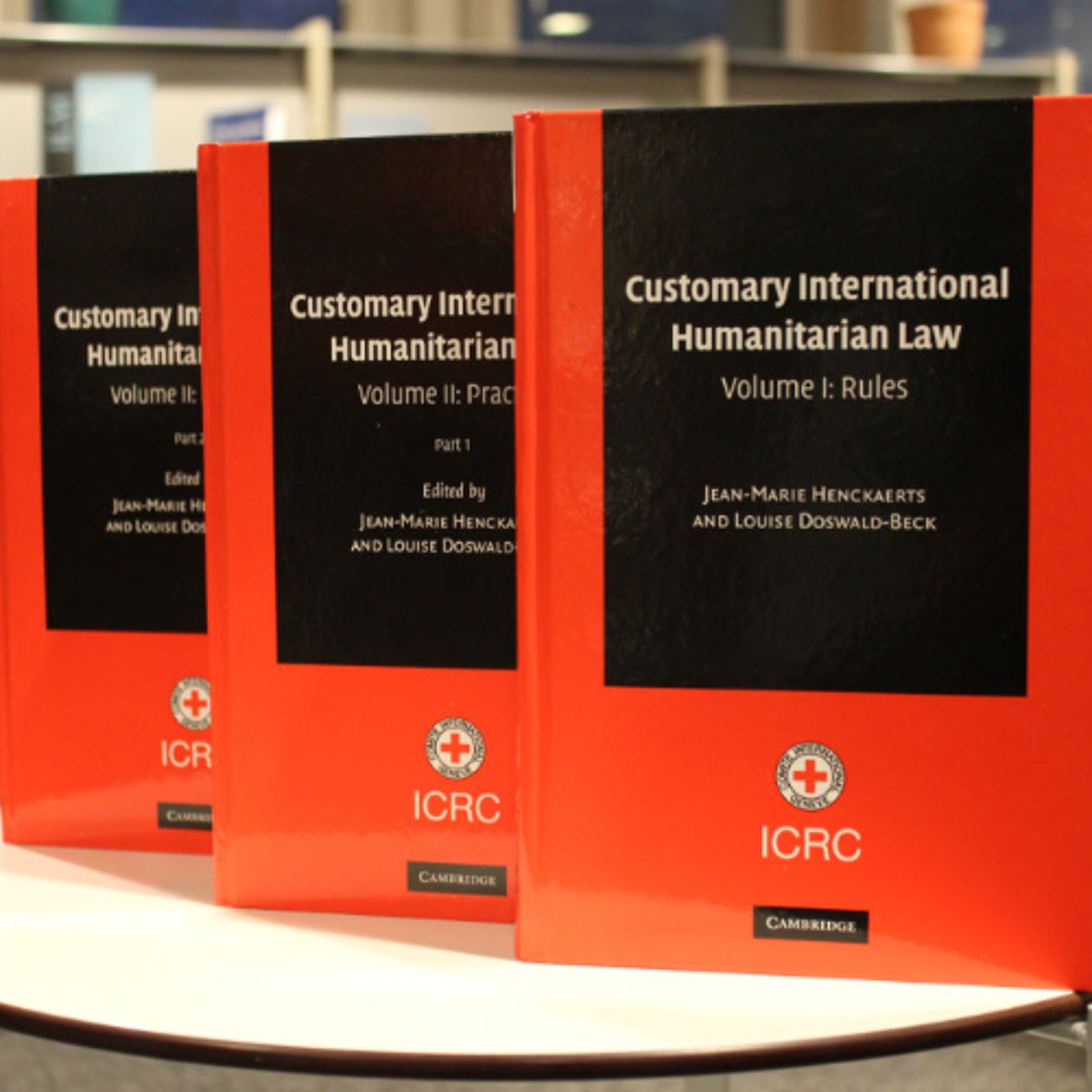
Twenty years on: the enduring impact of the ICRC customary IHL study and database
The ICRC’s 2005 study on customary international humanitarian law – along with the free, public database launched five years later – arrived at a moment when…
 ICRC Humanitarian Law and Policy Blog
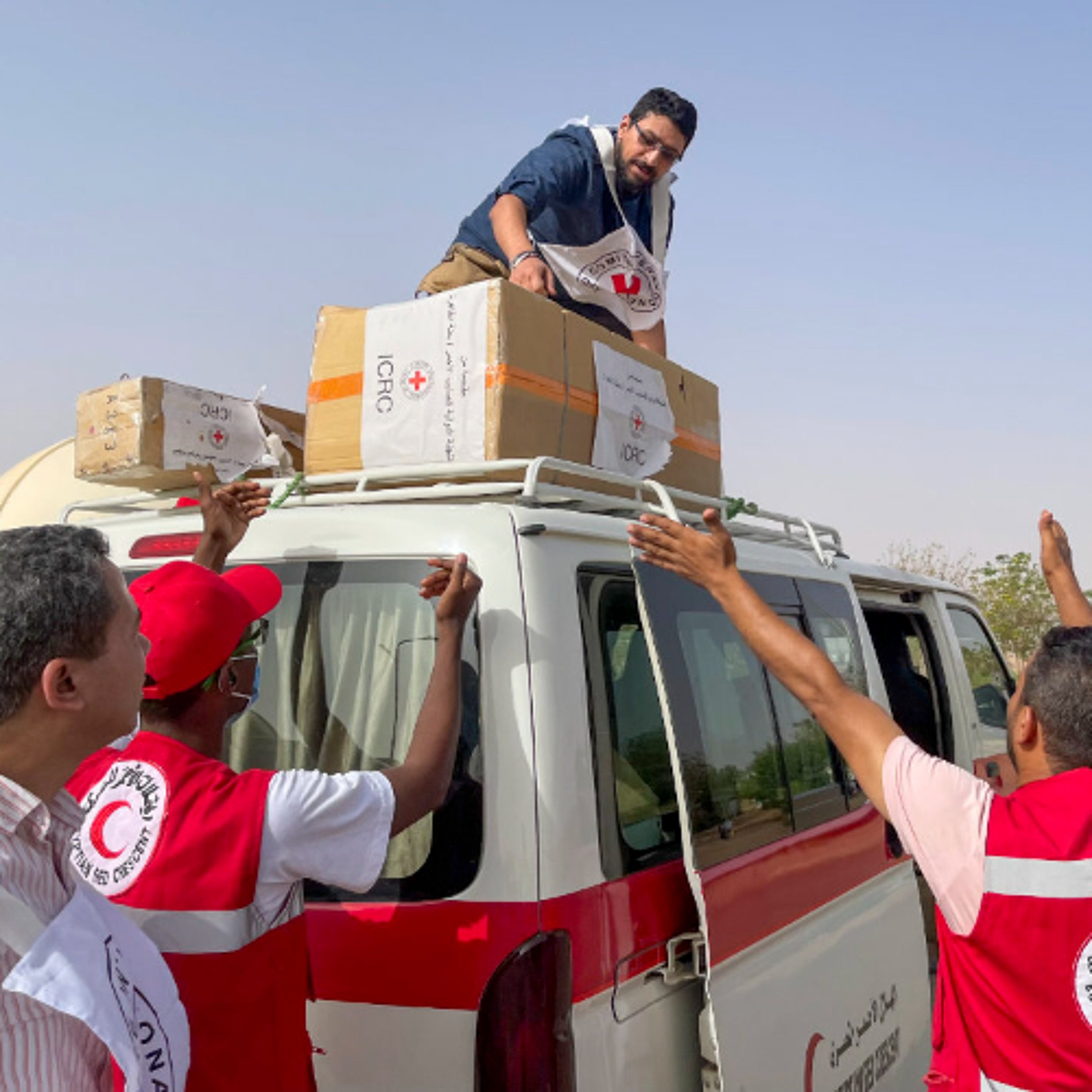
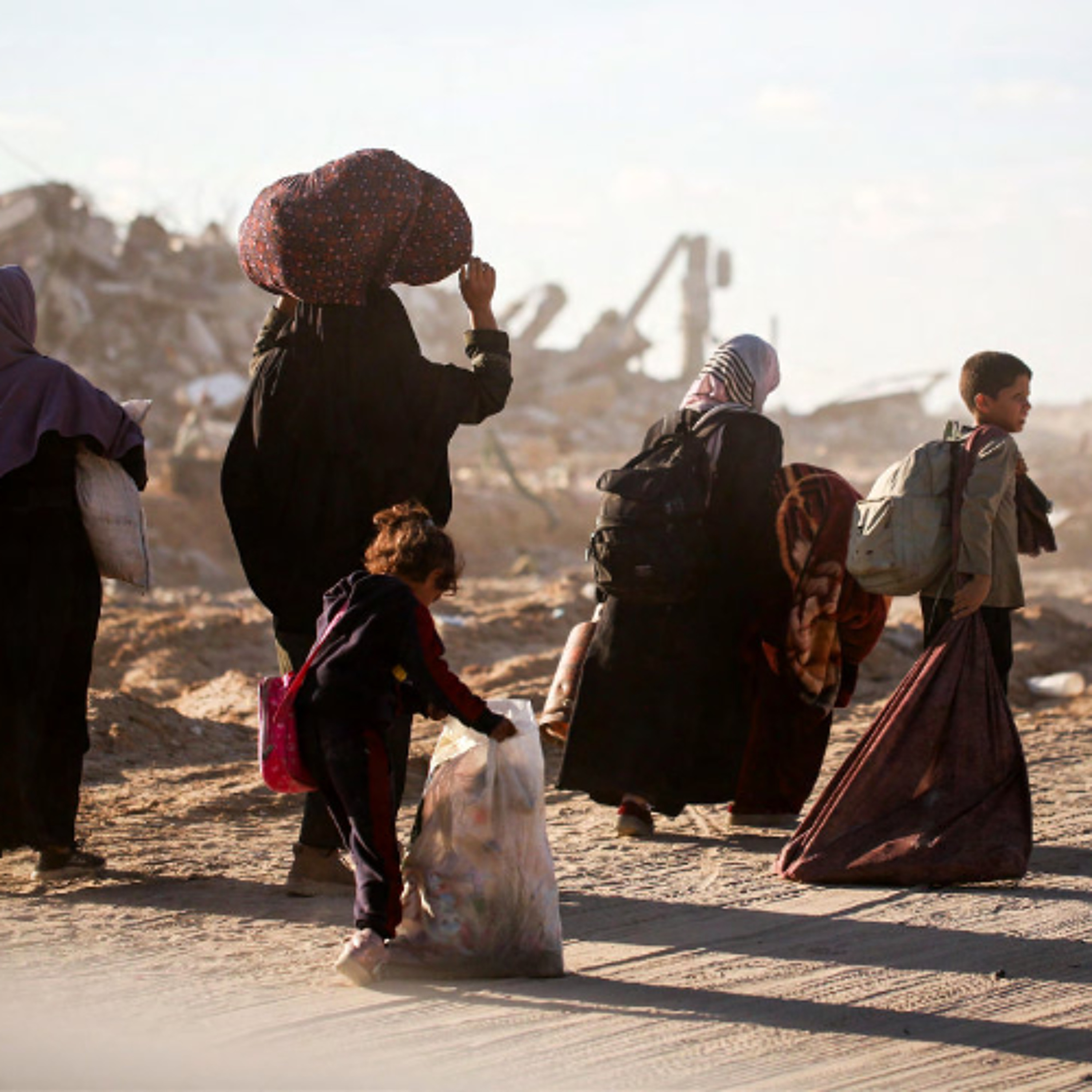
Complying with IHL in large-scale conflicts: How should states prepare to allow and facilitate delivery of humanitarian relief?
Large-scale armed conflicts consistently sever the systems that sustain civilian life, leaving populations without essential services or access to basic goods…
 ICRC Humanitarian Law and Policy Blog
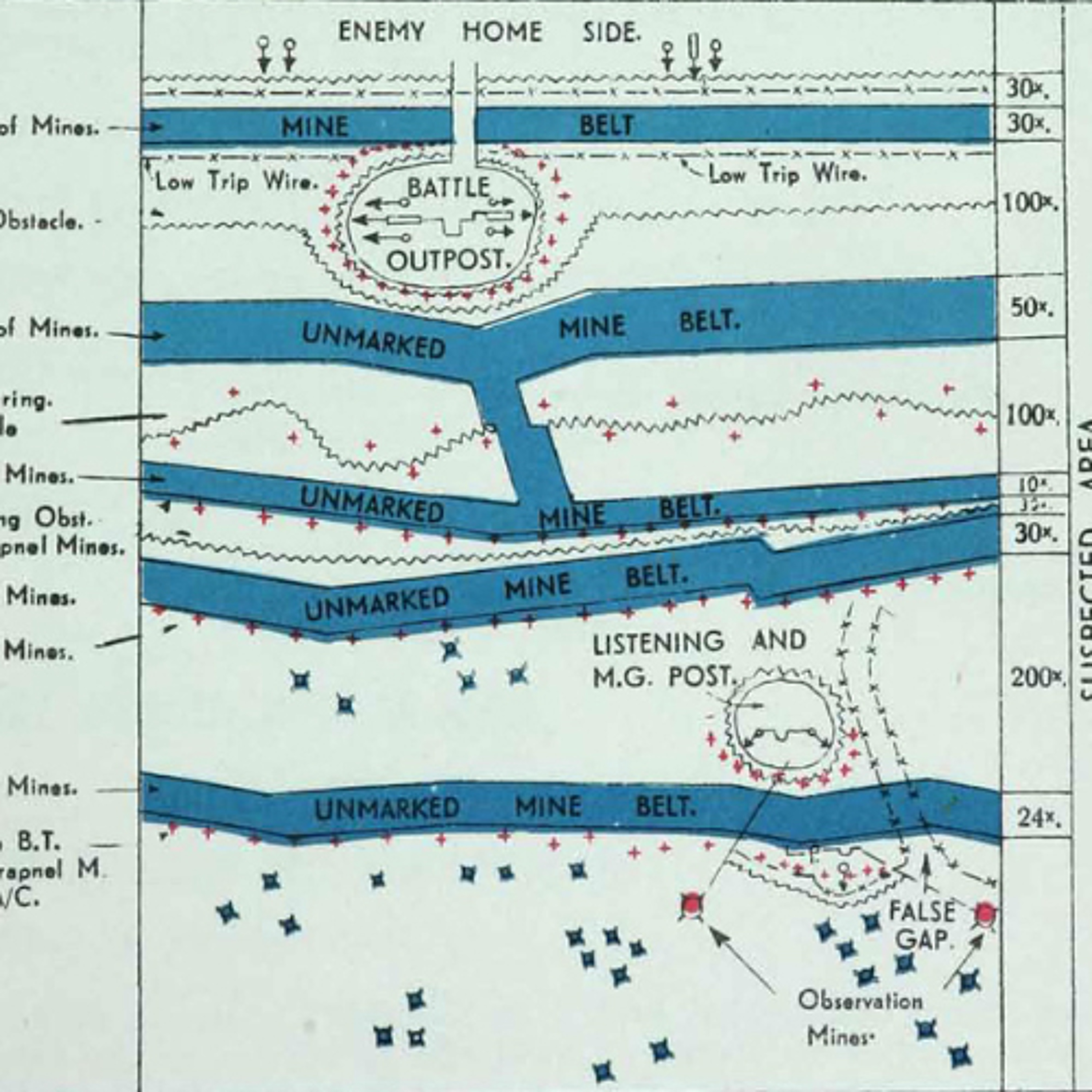
From crisis to recovery: managing the environmental impacts of armed conflict
The environmental toll of armed conflict is neither insignificant nor fleeting: it contaminates water, soil, and air, erodes ecosystems, undermines…
 ICRC Humanitarian Law and Policy Blog
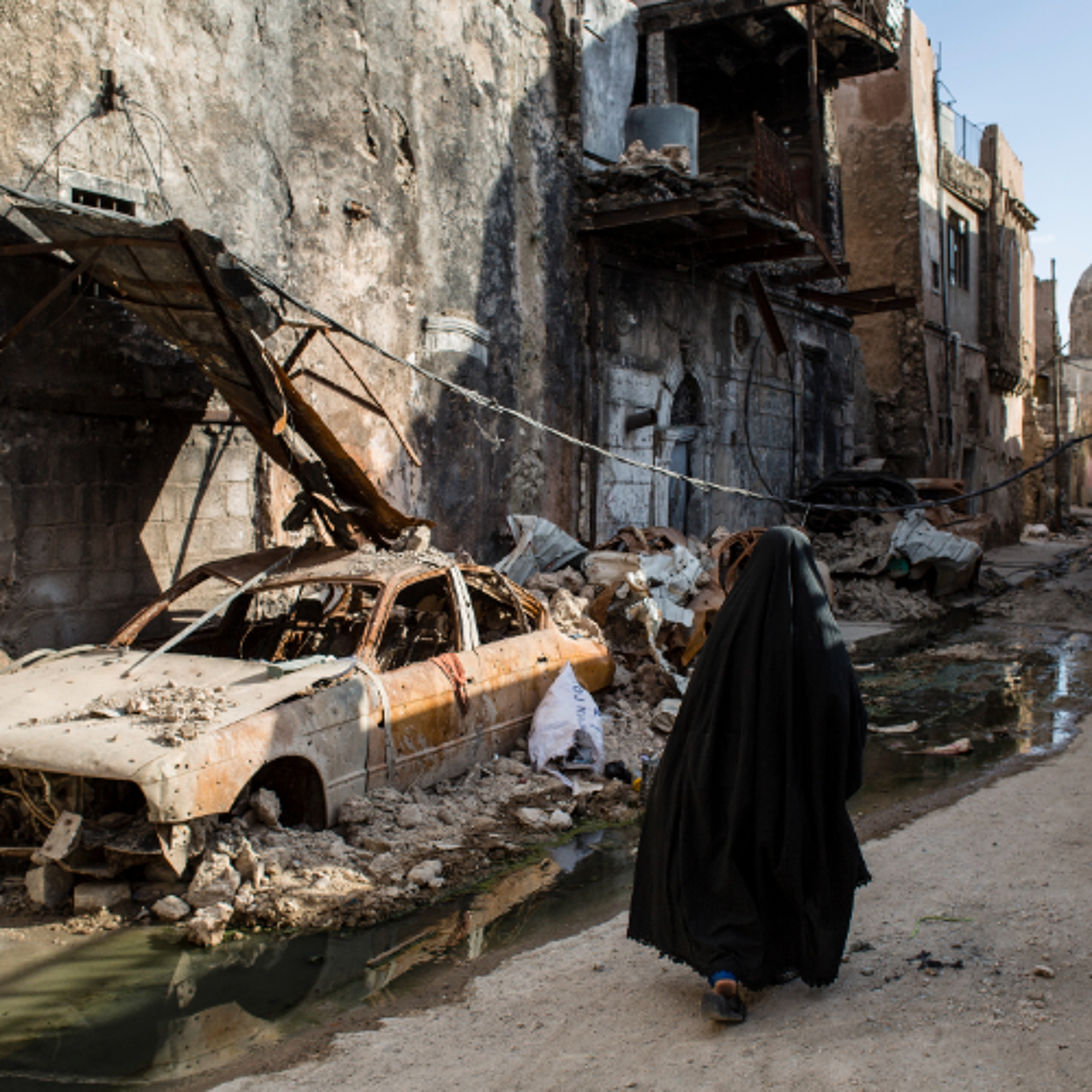
Do anti-personnel mines still have military utility in modern warfare?
Five States Parties to the Anti-Personnel Mine Ban Convention have recently submitted instruments of withdrawal, citing national security and military…
 ICRC Humanitarian Law and Policy Blog
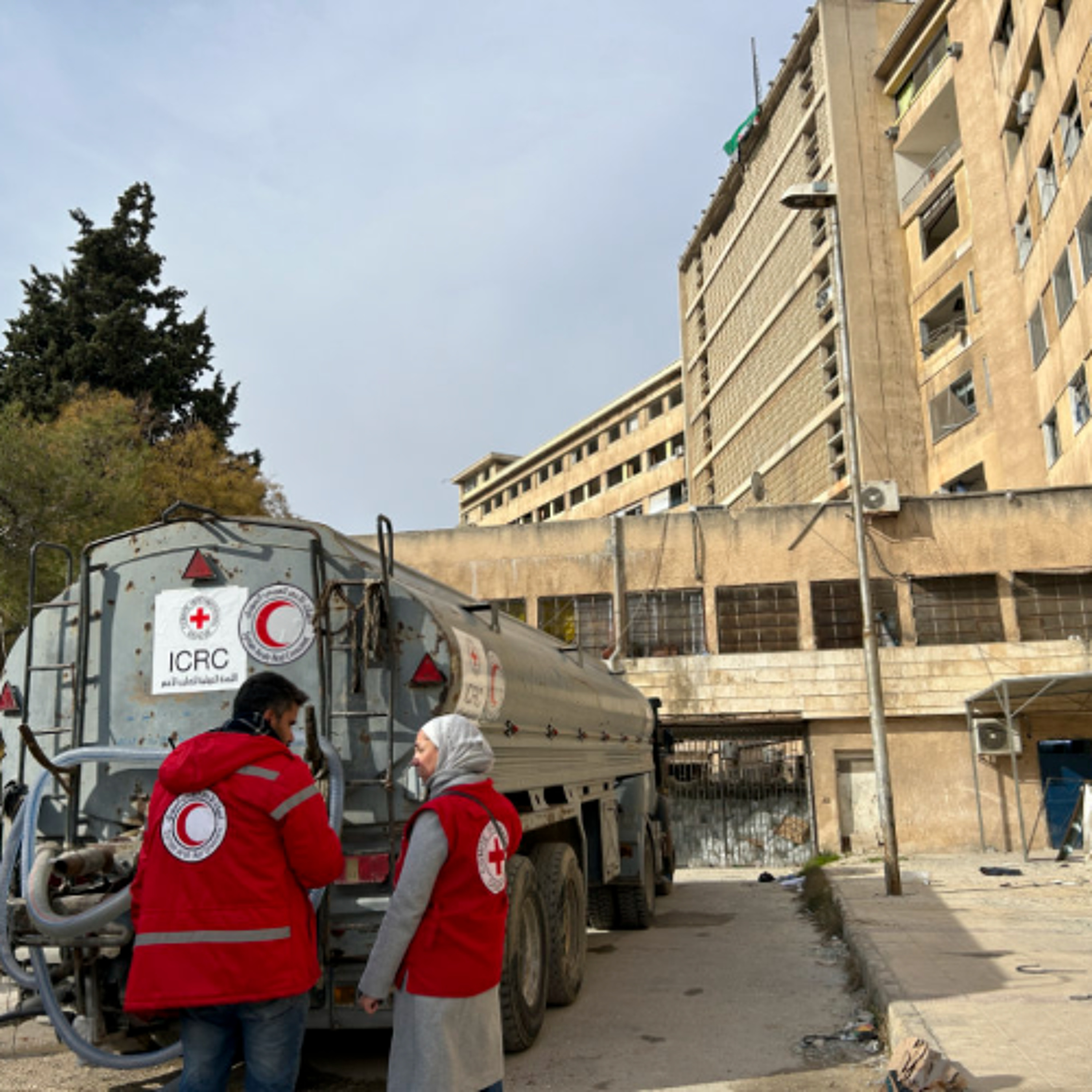
Navigating violence: five insights to strengthen humanitarian action in contested territories
More than 200 million people live today in contested territories – places where the authority of the state is challenged outright and armed groups exercise…
 ICRC Humanitarian Law and Policy Blog
Reaffirming the obligation to protect medical facilities and support their functioning
Restrictions on movement and access to medical supplies have become an often-unseen threat to health care in today’s armed conflicts. Even where hospitals are…
 ICRC Humanitarian Law and Policy Blog
Outsourcing humanity? International law, humane treatment, and artificial intelligence in detention operations
As artificial intelligence (AI) begins to shape decisions about who is detained in armed conflict and how detention facilities are managed, questions once…
 ICRC Humanitarian Law and Policy Blog
Divided together: how families of the missing build peace
When people go missing in war, their absence lingers far beyond the battlefield – splintering families, deepening social divides, and haunting political…
 ICRC Humanitarian Law and Policy Blog
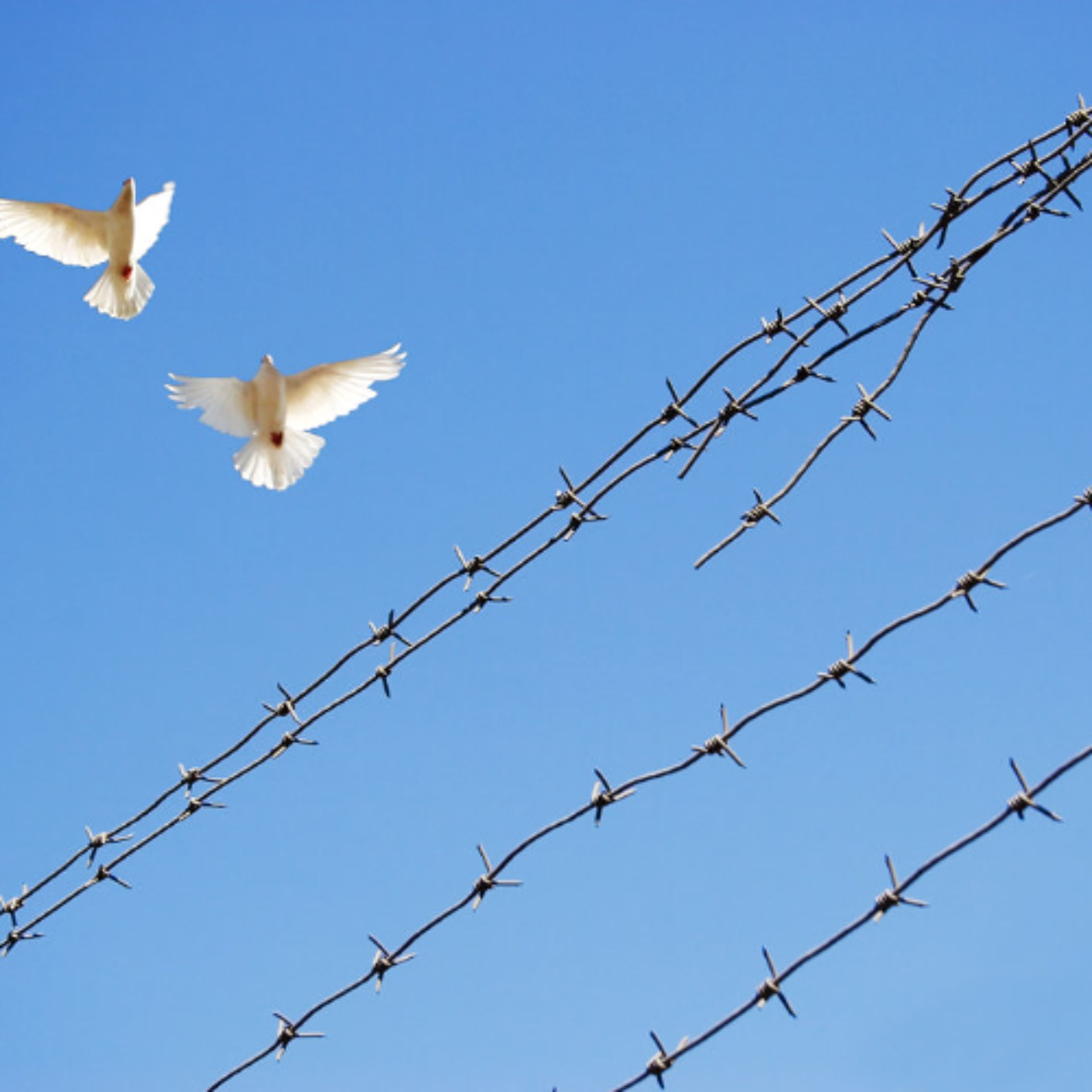
Peace can start in a prison cell: how IHL and humane detention can build pathways to peace
When wars end, peace rarely begins overnight. It’s built, slowly and painstakingly, through acts that restore a sense of humanity where it was once suspended…
 ICRC Humanitarian Law and Policy Blog
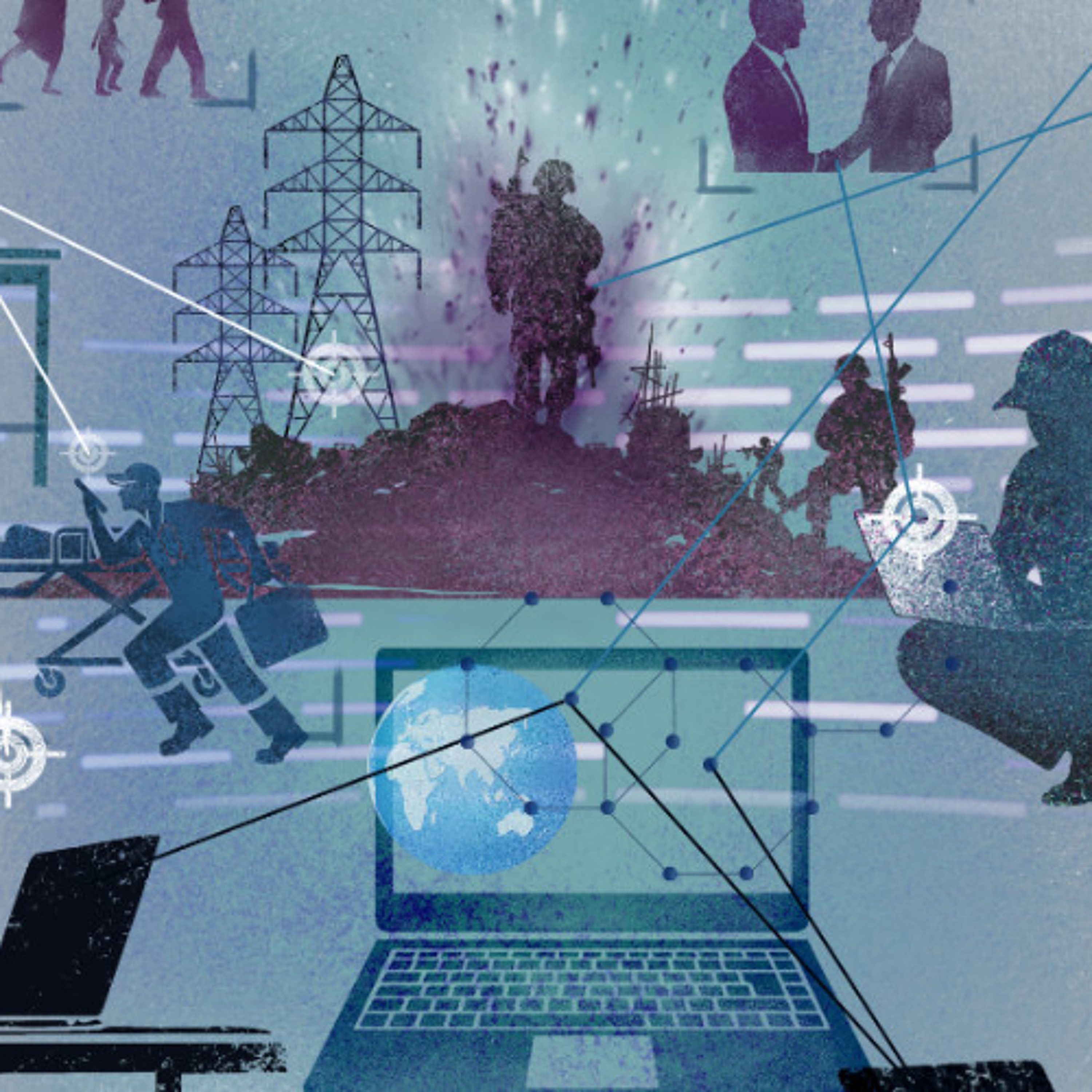
From hackers to tech companies: IHL and the involvement of civilians in ICT activities in armed conflict
Picture a potential future armed conflict: missiles and drones crowding the skies, uncrewed vehicles rolling across borders, and governments scrambling to…
 ICRC Humanitarian Law and Policy Blog
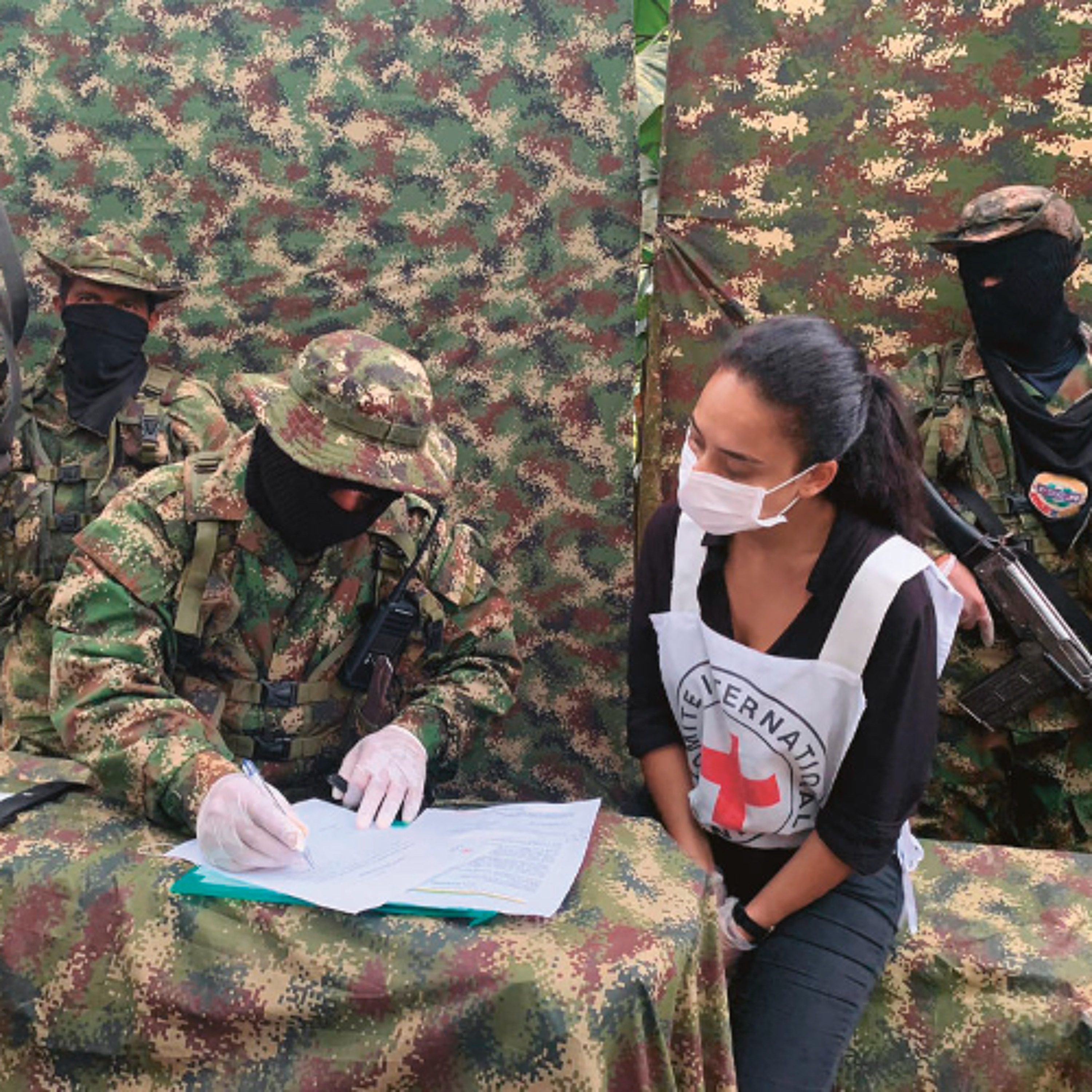
ICRC engagement with armed groups in 2025
In line with its mandate, the ICRC engages with all parties to an armed conflict, including non-state armed groups. The ICRC has a long history of confidential…
 ICRC Humanitarian Law and Policy Blog
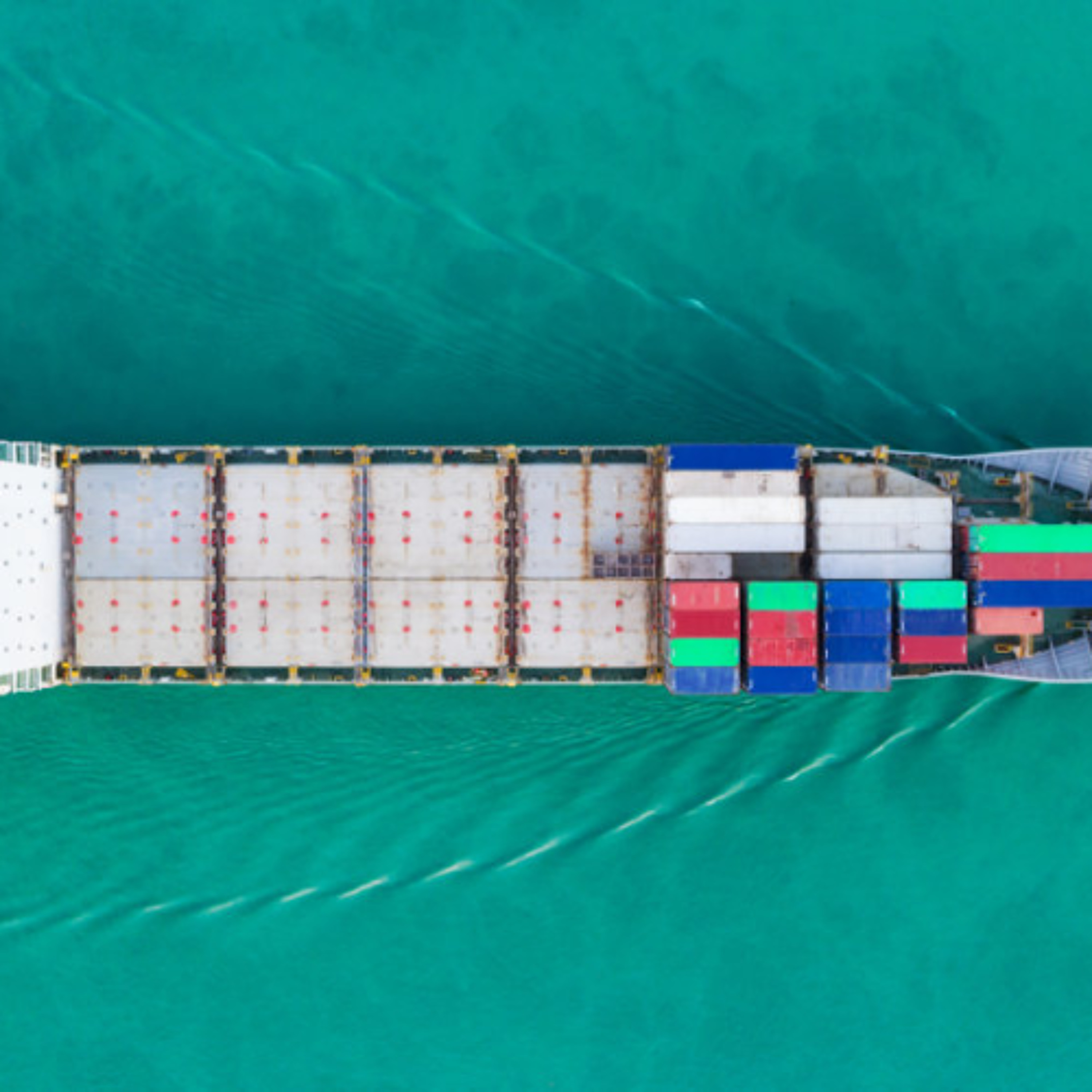
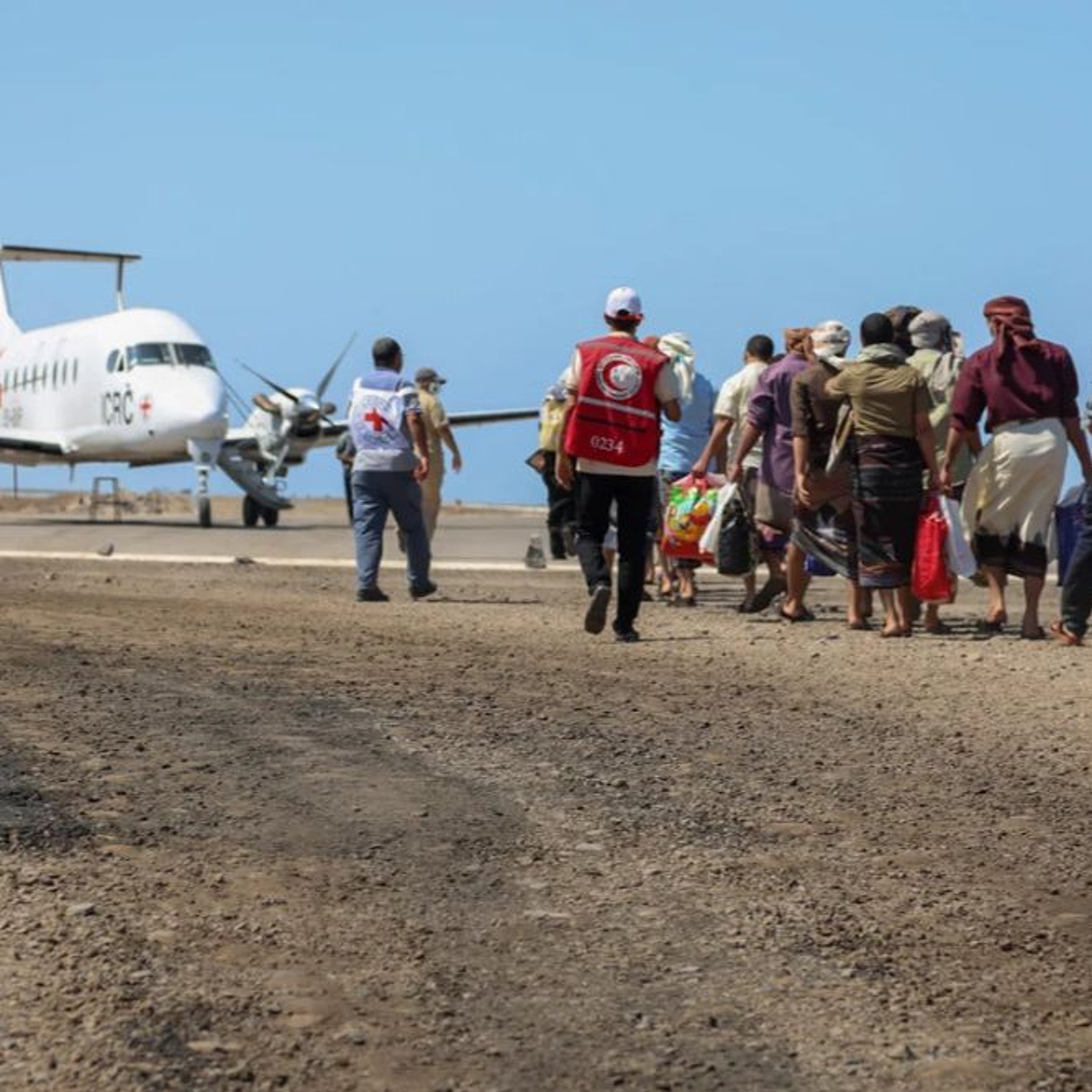
The humanity compass: navigating the protection of civilians in naval warfare
The law of naval warfare is a complex collection of international laws, developed in an era that could not anticipate today’s global interdependence, the scale…
 ICRC Humanitarian Law and Policy Blog
Sixty years on: why the Fundamental Principles must be lived, not just remembered
This year marks the 60th anniversary of the Fundamental Principles of the Red Cross and Red Crescent Movement – humanity, impartiality, neutrality…
 ICRC Humanitarian Law and Policy Blog
Protecting civilians in good faith: the updated Commentary on the Fourth Geneva Convention
Following five years of research and consultations, the ICRC has published a new, updated Commentary on the Fourth Geneva Convention (GC IV) of 1949. GC IV is…
 ICRC Humanitarian Law and Policy Blog
Six ways IHL protects mental health
The impact of armed conflict on mental health is increasingly evident. According to data from the World Health Organization, one in five people who have…
 ICRC Humanitarian Law and Policy Blog
Goodbye is the hardest part: why is ending violence so difficult for non-state armed groups?
For groups involved in long-running non-international armed conflicts, the decision to end the use of violence poses significant challenges – even when it is…
 ICRC Humanitarian Law and Policy Blog
Dialogue, dignity, and the humanitarian contribution to peace
The number of conflicts continues to rise – with the ICRC currently classifying some 130 armed conflicts worldwide – while at the same time, they are rarely…
 ICRC Humanitarian Law and Policy Blog
The risks and legal limits of involving ‘self-defence groups’ in non-international armed conflict
Across contemporary armed conflicts, the presence of civilian groups who take up arms to defend their communities raises enduring and complex legal challenges…