Shows / ICRC Humanitarian Law and Policy Blog
ICRC Humanitarian Law and Policy Blog
The International Committee of the Red Cross (ICRC) Humanitarian Law & Policy blog is a unique space for timely analysis and debate on international humanitarian law (IHL) issues and the policies that shape humanitarian action.
Episodes
 ICRC Humanitarian Law and Policy Blog
Why we must defend humanitarian storytelling in a divided world
For as long as humans have existed, stories have been our bridge to one another. Today, in a world shaped by digital networks, synthetic media, and…
 ICRC Humanitarian Law and Policy Blog
Complying with IHL in large-scale conflict: navigating complexities in the Asia-Pacific
The waters stretching from the Eastern Indian Ocean through Southeast and East Asia to the Western Pacific sustain global trade, host abundant marine resources…
 ICRC Humanitarian Law and Policy Blog
‘Constant care’ must be taken to address bias in military AI
As many states, especially those with large and resourceful militaries, are exploring the potential of using artificial intelligence (AI) in targeting…
 ICRC Humanitarian Law and Policy Blog
Warfare at the speed of thought: can brain-computer interfaces comply with IHL?
Brain-computer interfaces (BCIs) are no longer speculative technologies of future warfare – they are being field-tested by countries such as the United States…
 ICRC Humanitarian Law and Policy Blog
How AI learns, and what it misses: why data selection matters in humanitarian action
How AI learns, and what it misses: why data selection matters in humanitarian action by ICRC Law and Policy
 ICRC Humanitarian Law and Policy Blog
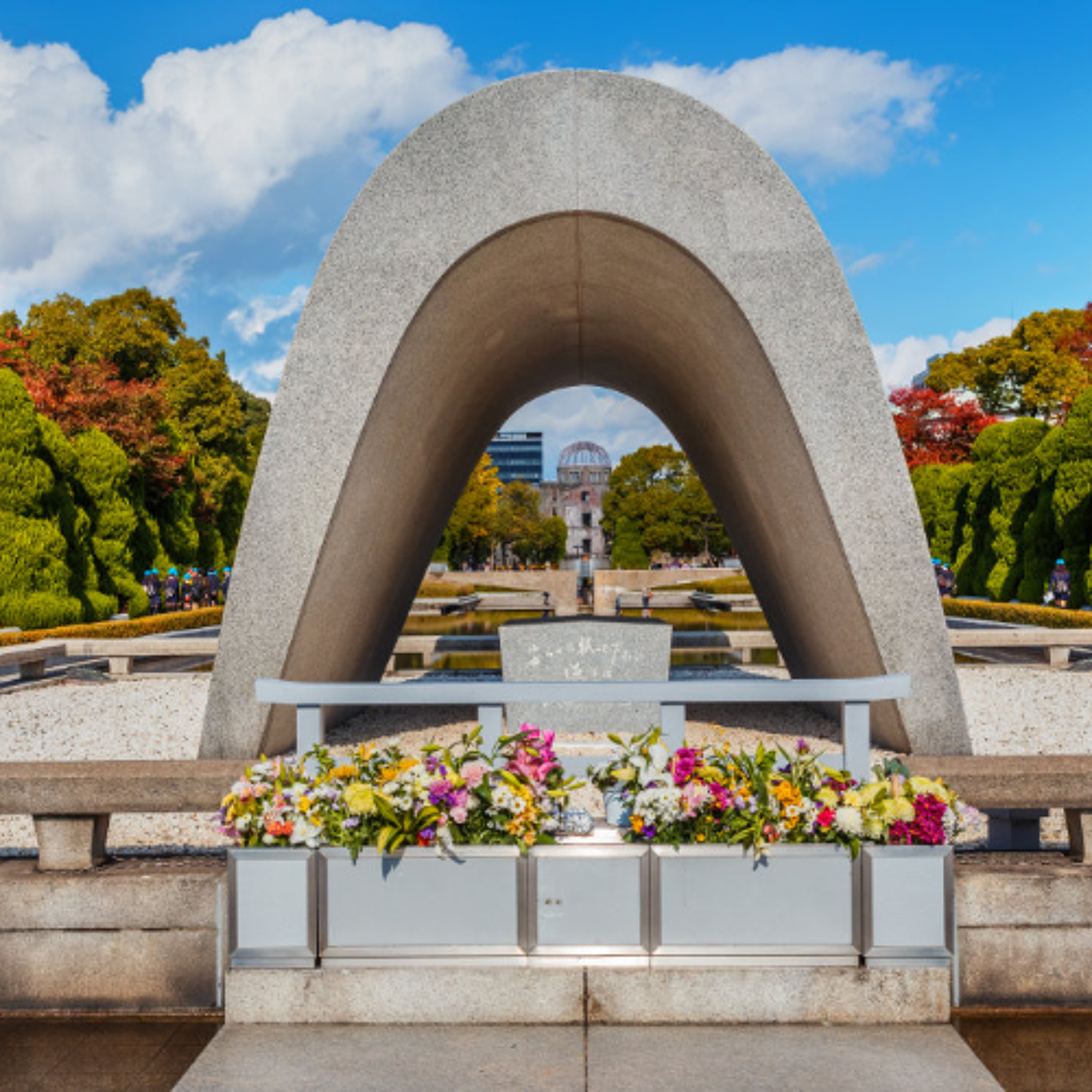
An evitable catastrophe: reclaiming humanity from the nuclear brink
On August 6th and 9th 1945, Hiroshima and Nagasaki became the first – and so far only – targets of nuclear weapons in warfare, killing over 100,000 people…
 ICRC Humanitarian Law and Policy Blog
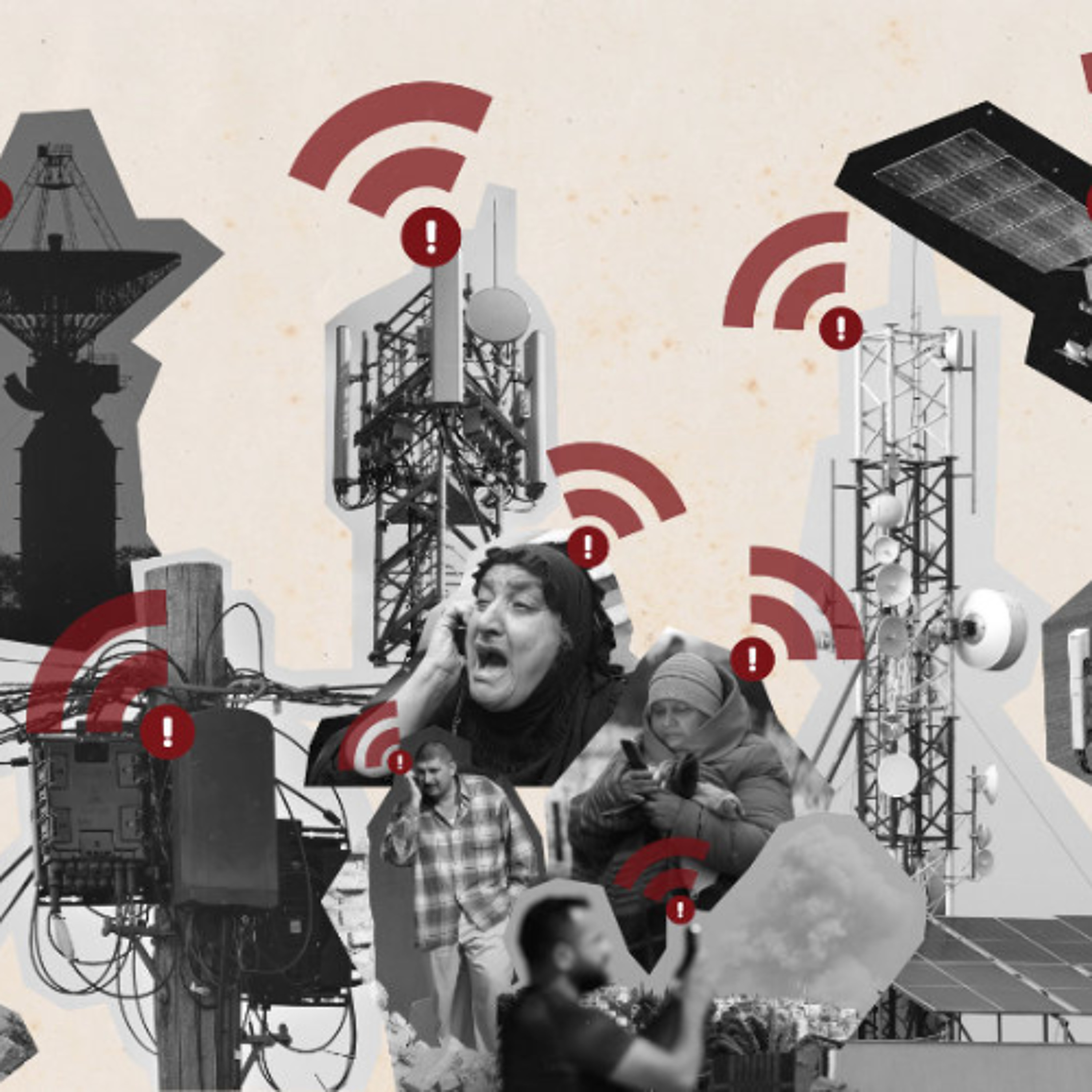
International humanitarian law and connectivity disruptions during armed conflict
“Without information and telecommunication, people don’t know where to go for safety,” the ICRC reported from an ongoing armed conflict. Another humanitarian…
 ICRC Humanitarian Law and Policy Blog
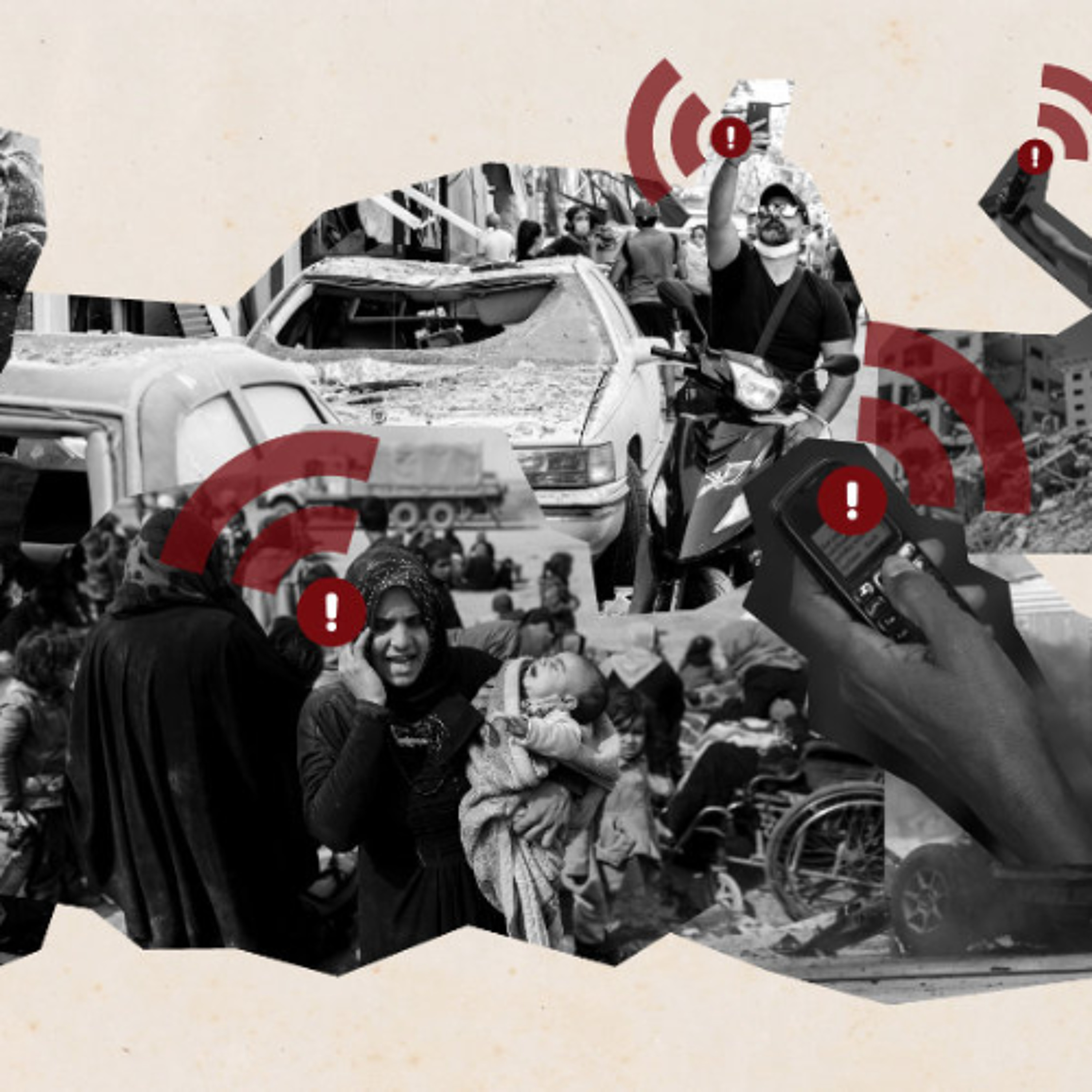
Offline and in danger: the humanitarian consequences of connectivity disruptions
As people around the world become increasingly reliant on digital and telecommunications networks to access essential services, contact loved ones, and seek…
 ICRC Humanitarian Law and Policy Blog
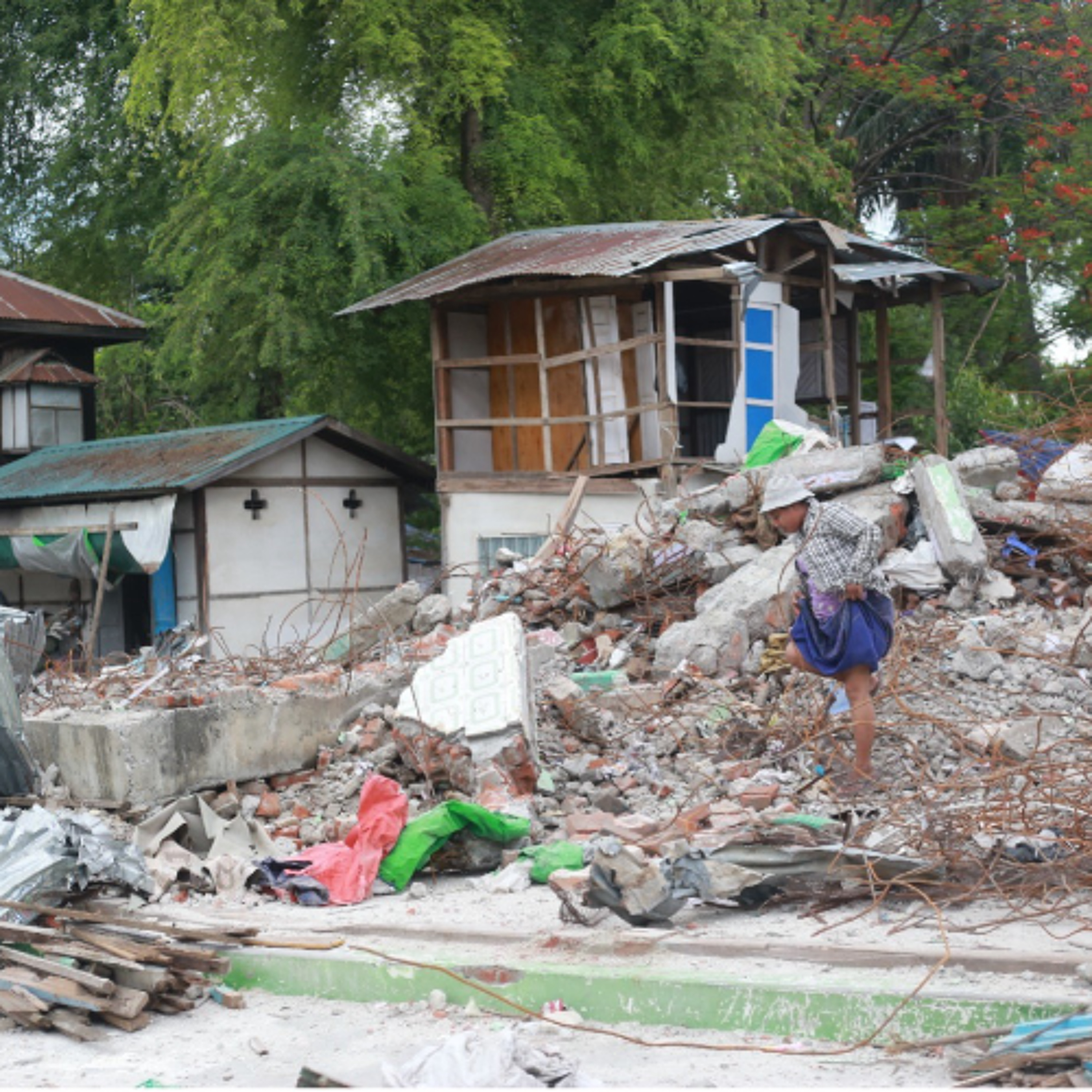
Photographing humanity: hope amid crisis in Myanmar
When a powerful earthquake struck Myanmar on 28 March 2025, it tore through communities already living under the shadow of armed conflict and chronic…
 ICRC Humanitarian Law and Policy Blog
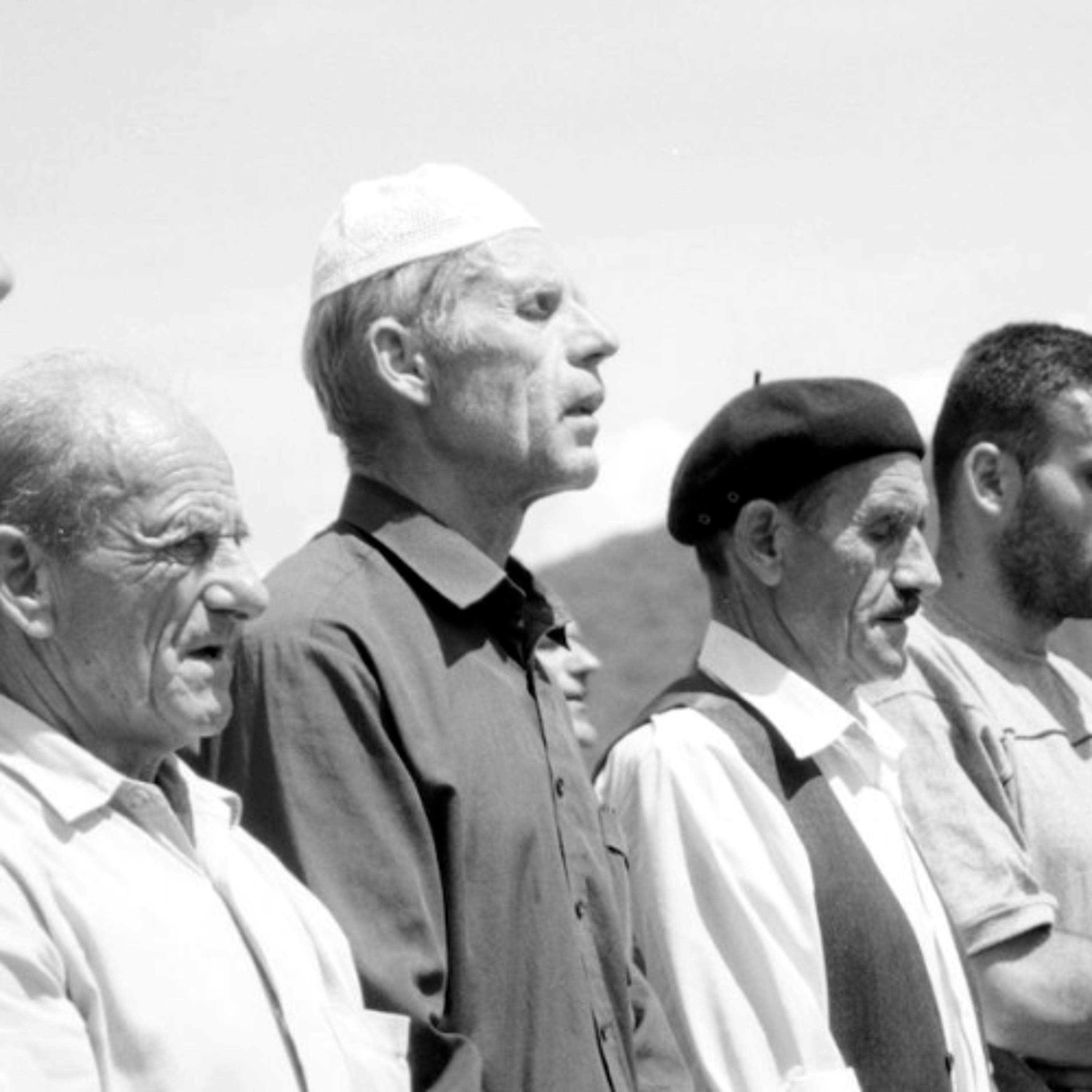
Respect for the dead under Islamic law: considerations for humanitarian forensics
In contemporary humanitarian crises, handling the dead presents significant practical and ethical challenges. With a significant number of armed conflicts…
 ICRC Humanitarian Law and Policy Blog
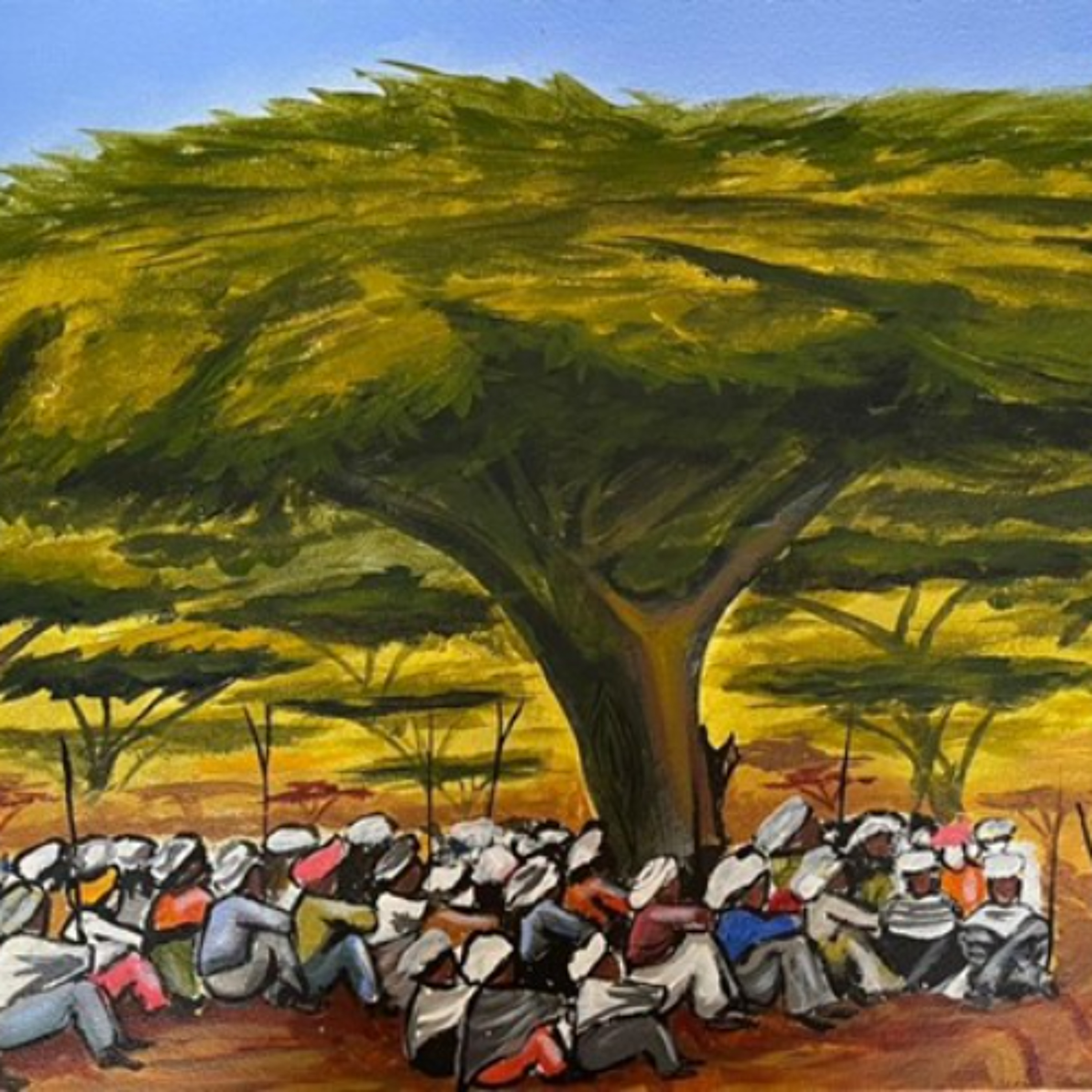
Verses of mercy: how Somali oral traditions can mitigate conflict and support IHL
The universality of international humanitarian law (IHL) assumes that its principles transcend cultural, geographical, and political boundaries. However, this…
 ICRC Humanitarian Law and Policy Blog
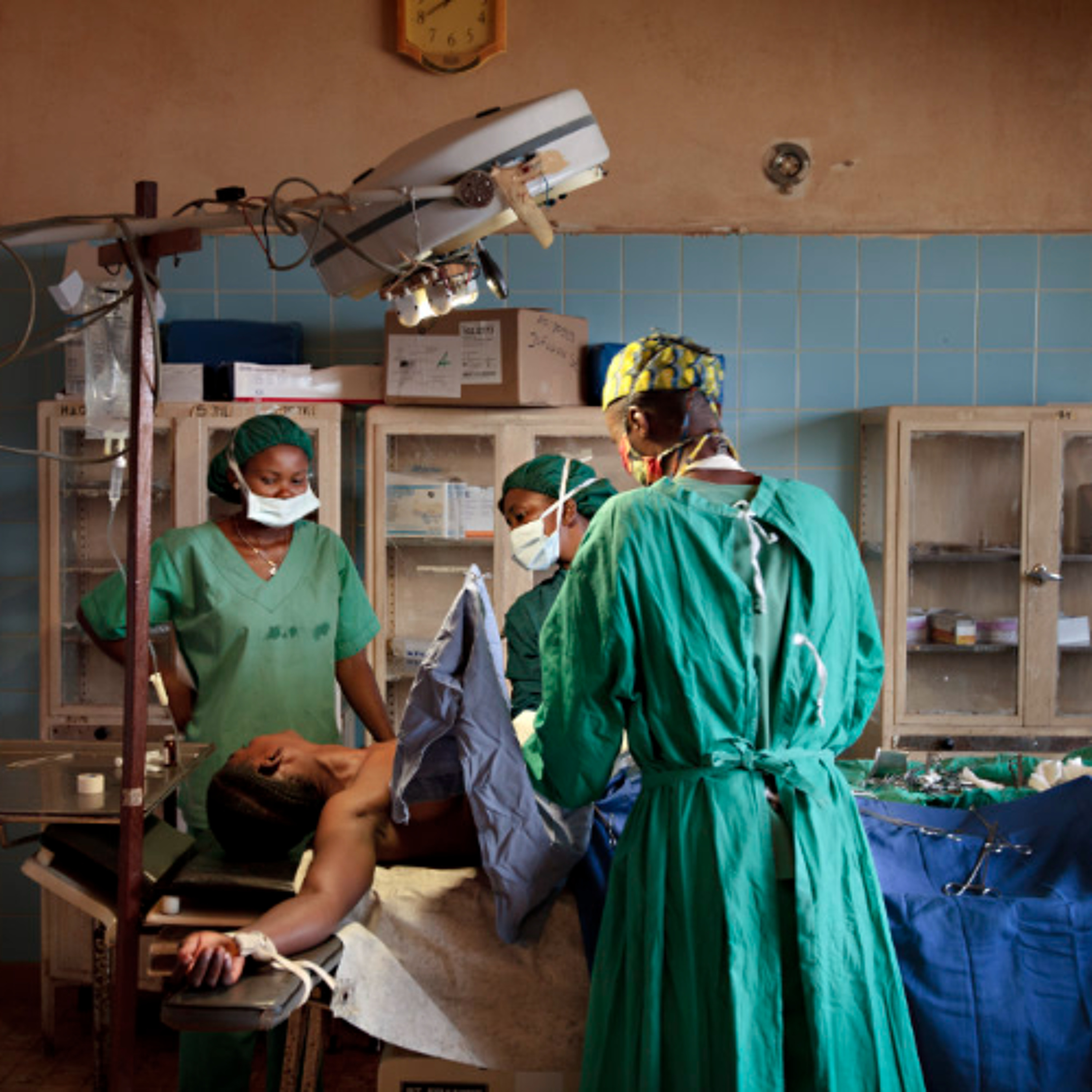
Reaffirming IHL’s specific protection of hospitals
In today’s armed conflicts, hospitals are increasingly being attacked or misused for military purposes, undermining one of international humanitarian law’s…
 ICRC Humanitarian Law and Policy Blog
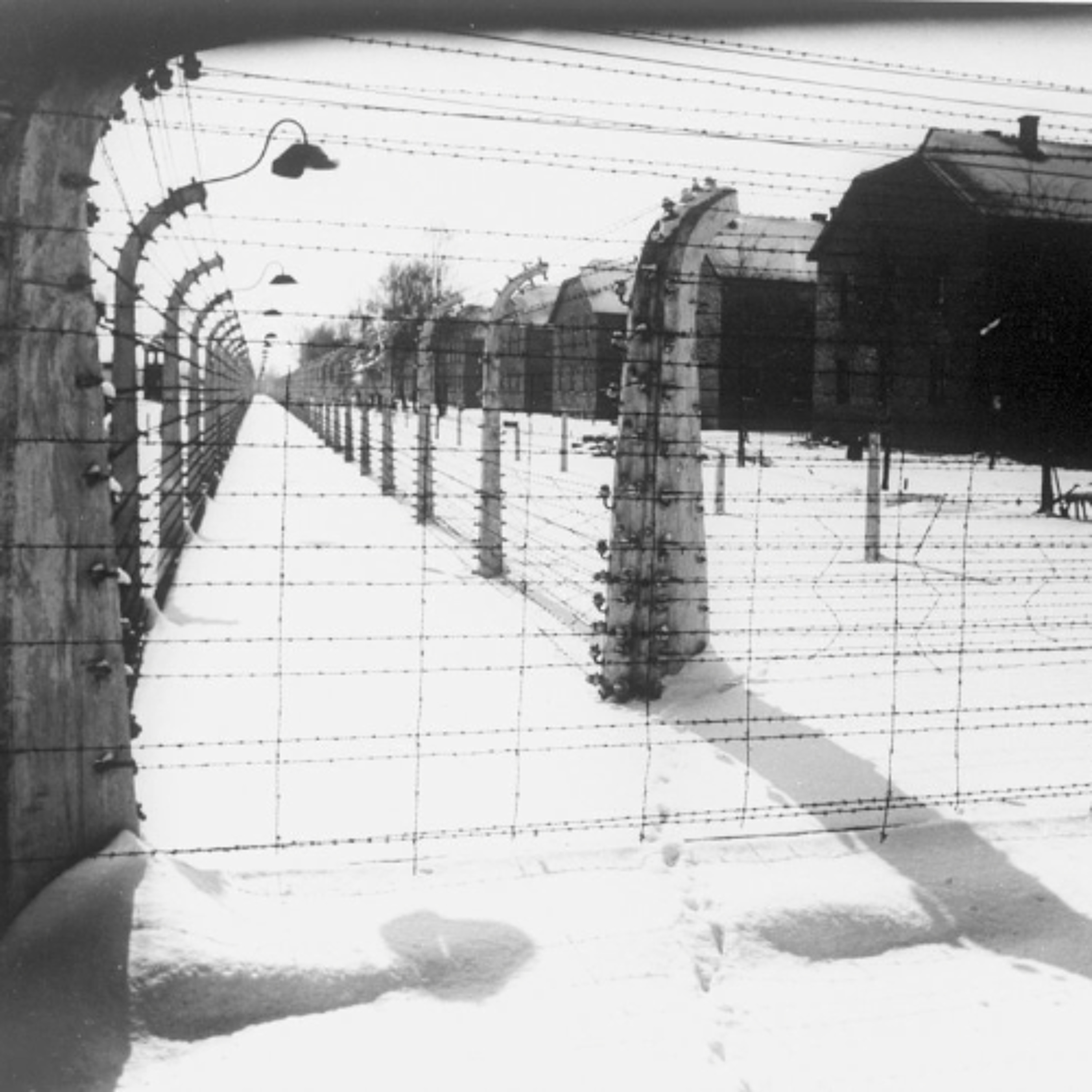
Eighty years on: honouring memory, upholding humanity
This year marks eight decades since the Holocaust, a defining moment of human suffering and moral failure. The memory of six million murdered Jews, and…
 ICRC Humanitarian Law and Policy Blog
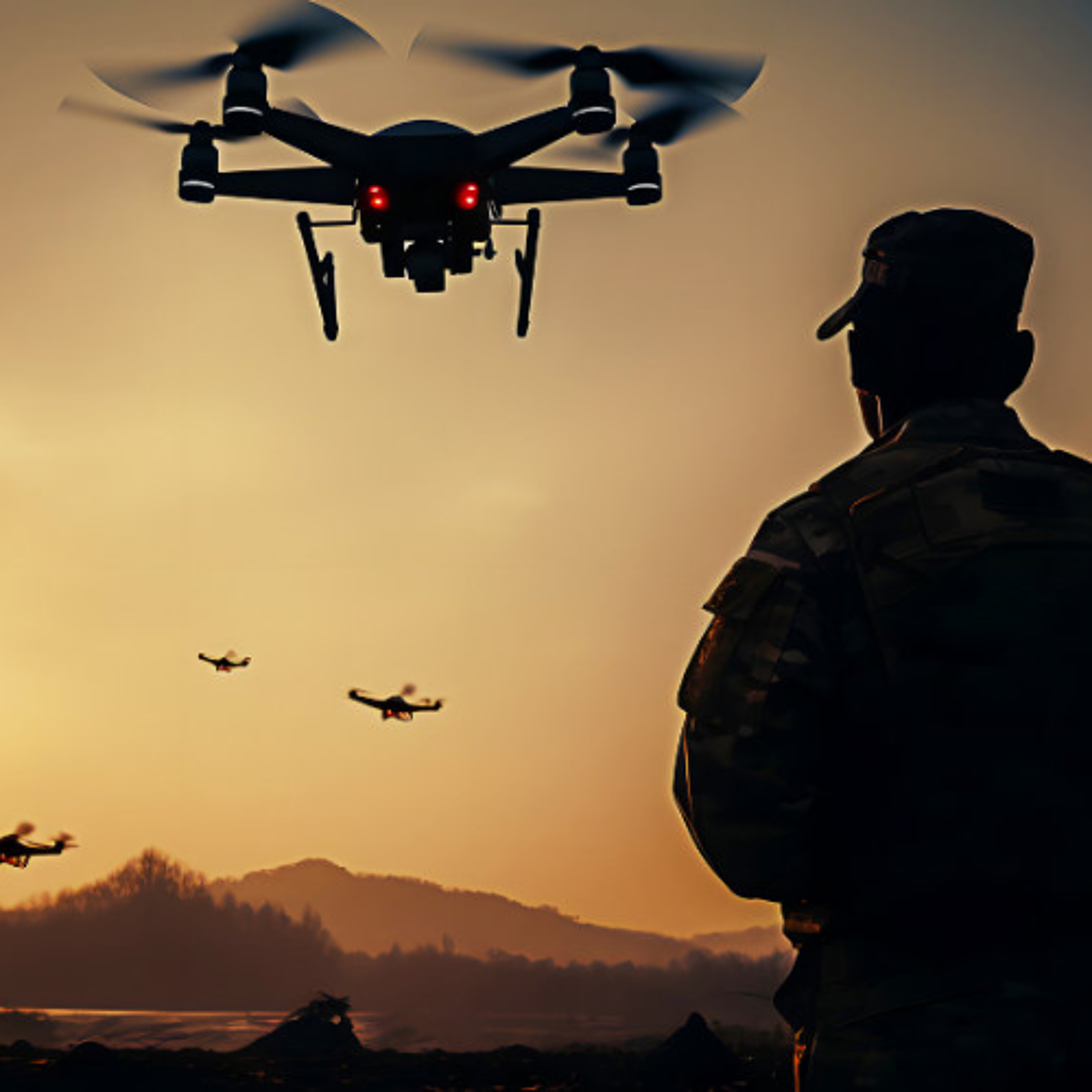
The shifting battlefield: technology, tactics, and the risk of blurring lines in warfare
The accelerating integration of emerging technologies into armed conflict is transforming not only the tools of war, but its tactics, geography, participants…
 ICRC Humanitarian Law and Policy Blog
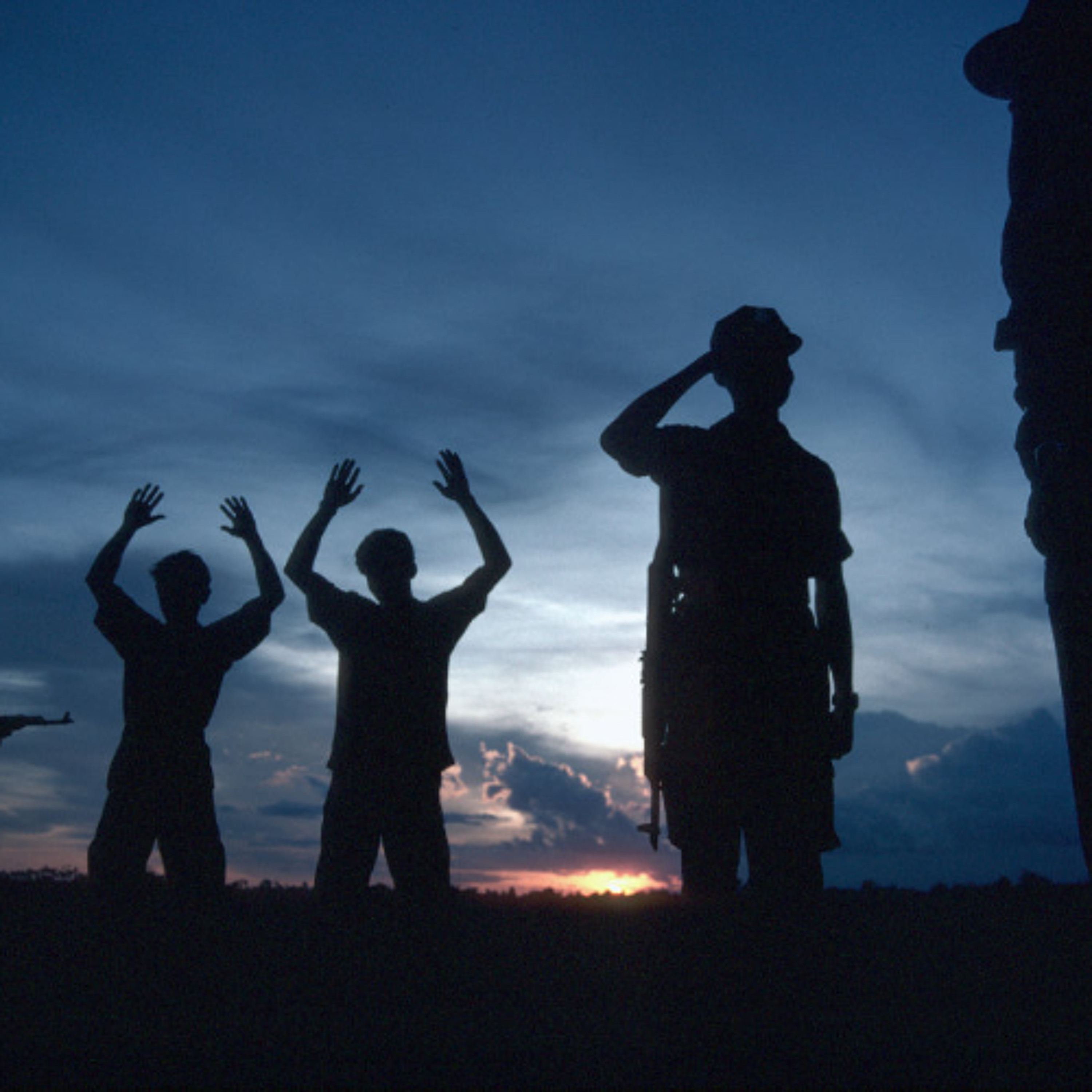
Complying with IHL in large-scale conflicts: detention operations in international armed conflicts
Large-scale detention operations in international armed conflicts (IACs) pose significant humanitarian, legal, and operational challenges. International…
 ICRC Humanitarian Law and Policy Blog
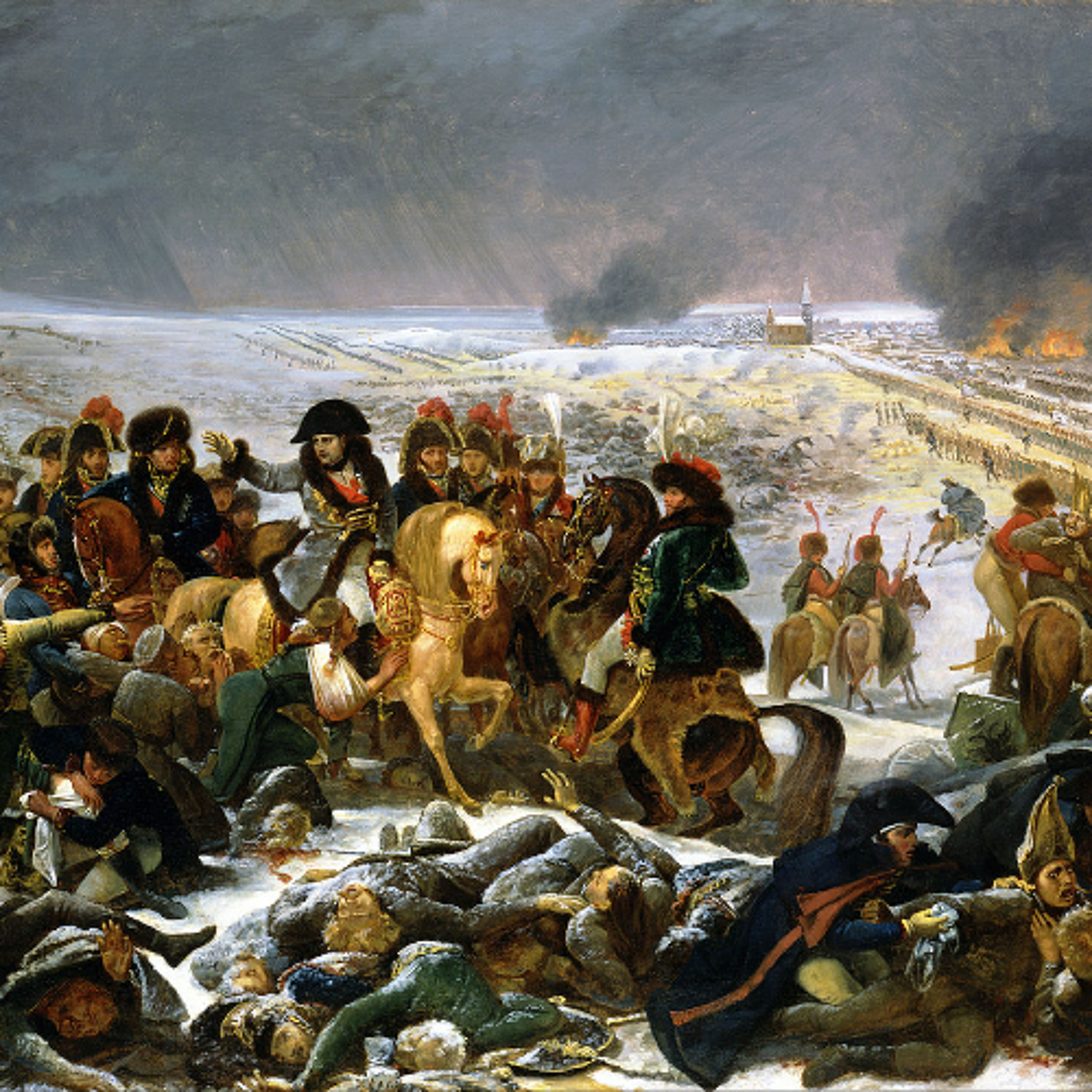
From “total war” to “total defence”: tracing the origins of civilian involvement in armed conflict
When states adapt “total defence” strategies that mobilize entire populations in preparation for armed conflict, the line between civilian and combatant can…
 ICRC Humanitarian Law and Policy Blog
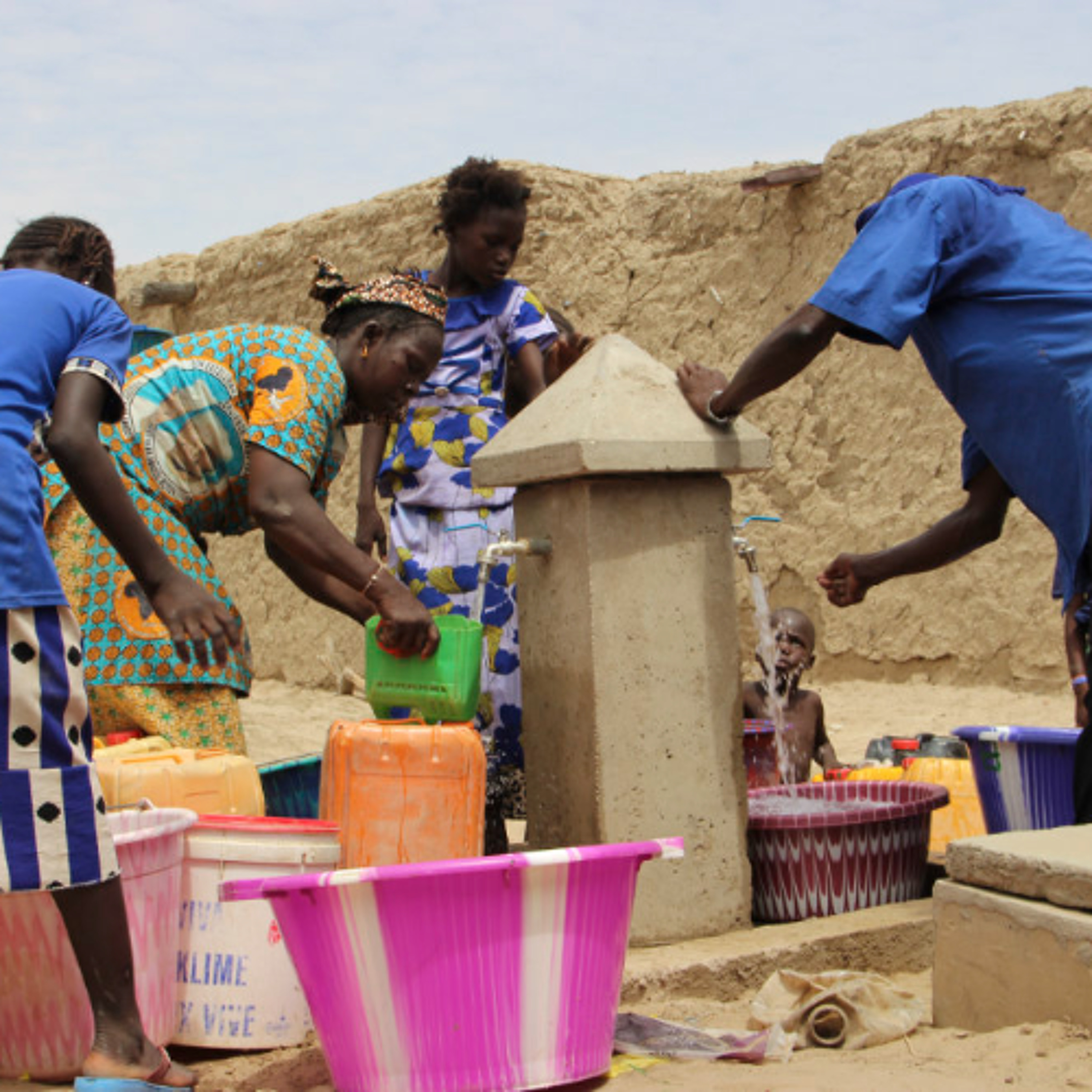
The imperative to protect water and water systems during armed conflict
Amid the complexities of contemporary armed conflicts, damage to water infrastructure and the use of water as a means or method of warfare have devastating…
 ICRC Humanitarian Law and Policy Blog
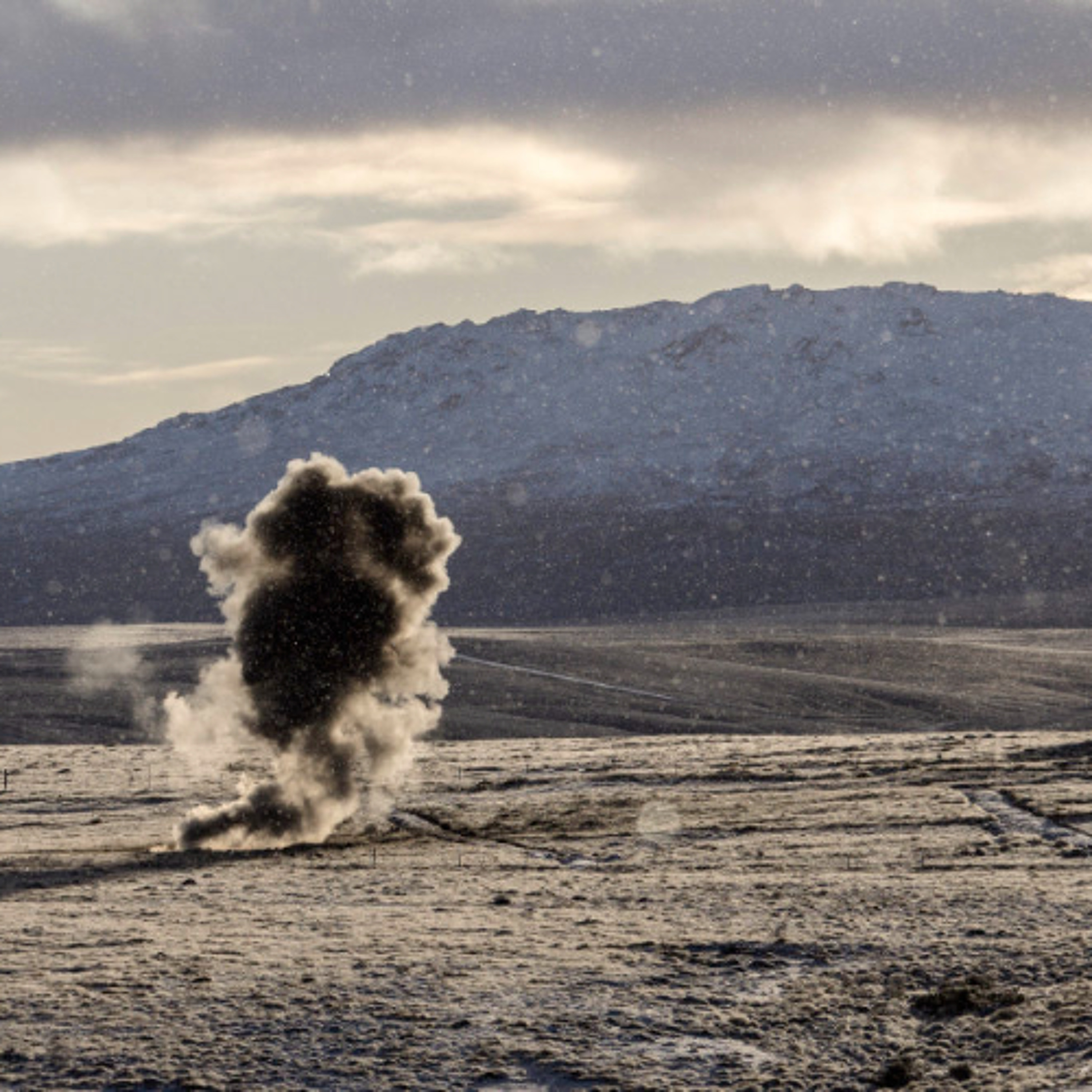
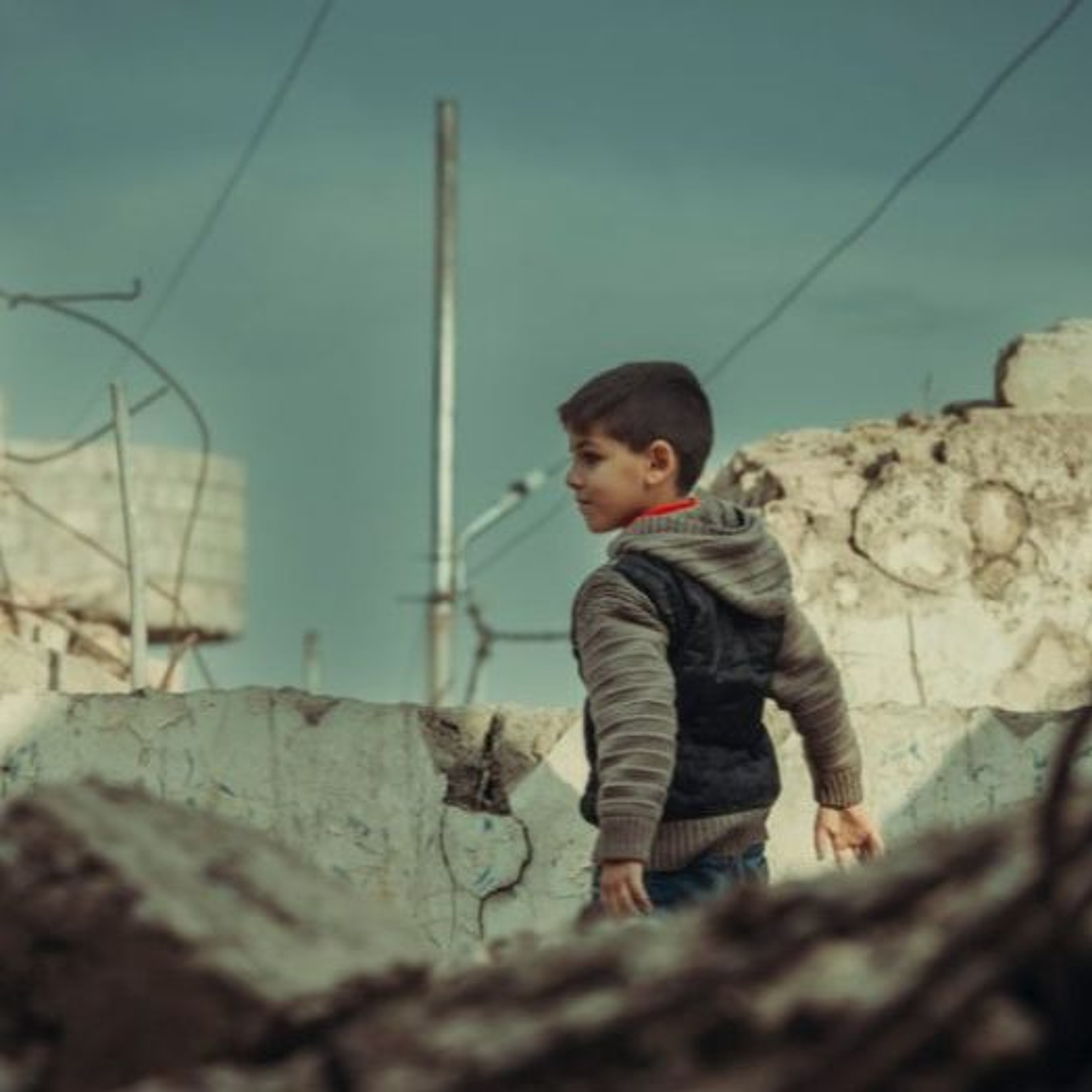
Addressing landmine pollution: how the 'polluter pays' principle can help
Landmines, a persistent threat in post-conflict zones, pose severe risks to both human lives and the environment. These explosive devices, often buried…
 ICRC Humanitarian Law and Policy Blog
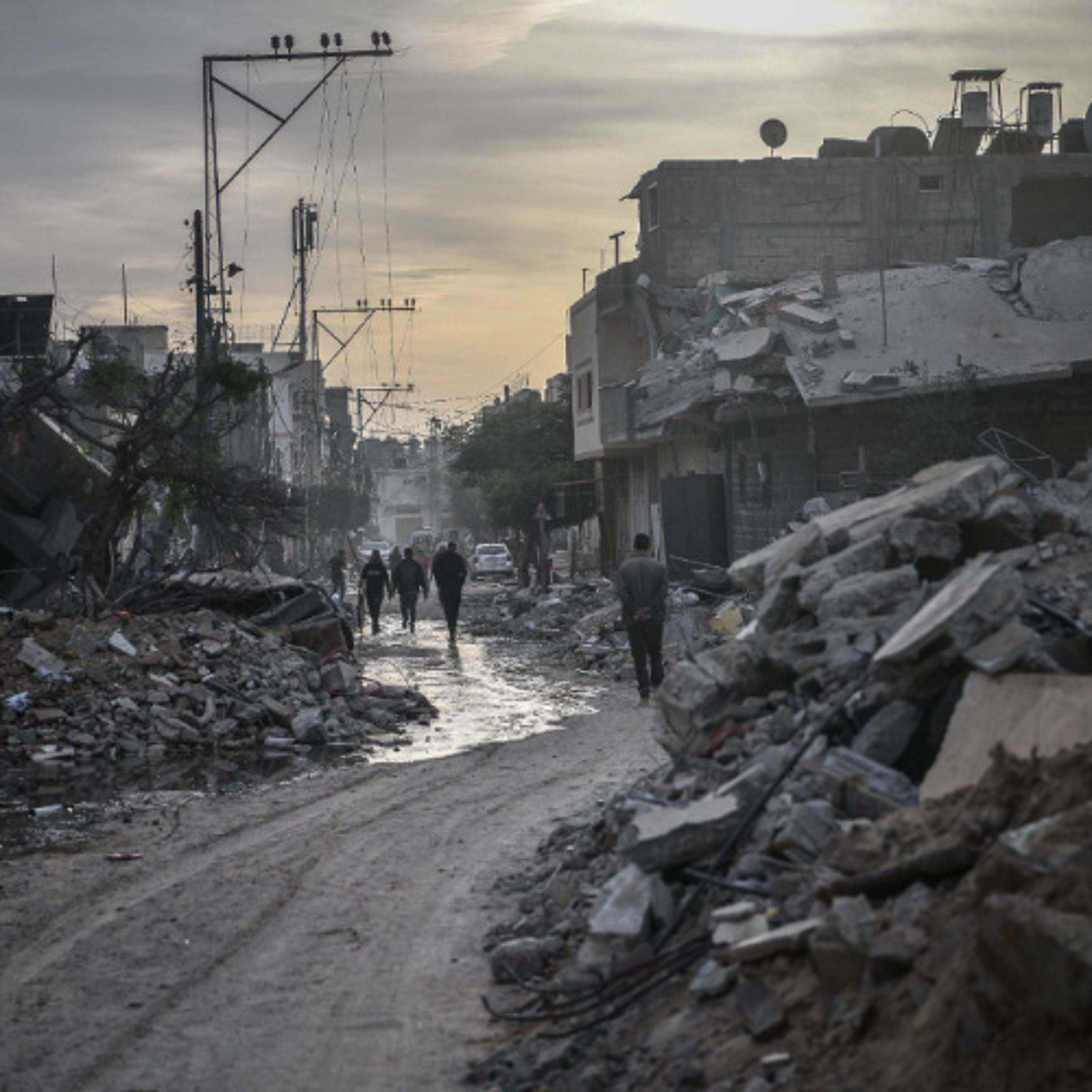
From disenchantment to a universal culture of compliance: IHL education “2.0”
As public opinion is critical in shaping decision-making during armed conflict, engaging with and informing youth and the broader public about international…
 ICRC Humanitarian Law and Policy Blog
Complying with IHL in large-scale conflicts: key preparedness measures
As states increasingly focus on strengthening their defense capabilities, discussions on military preparedness are gaining prominence, particularly in relation…
 ICRC Humanitarian Law and Policy Blog
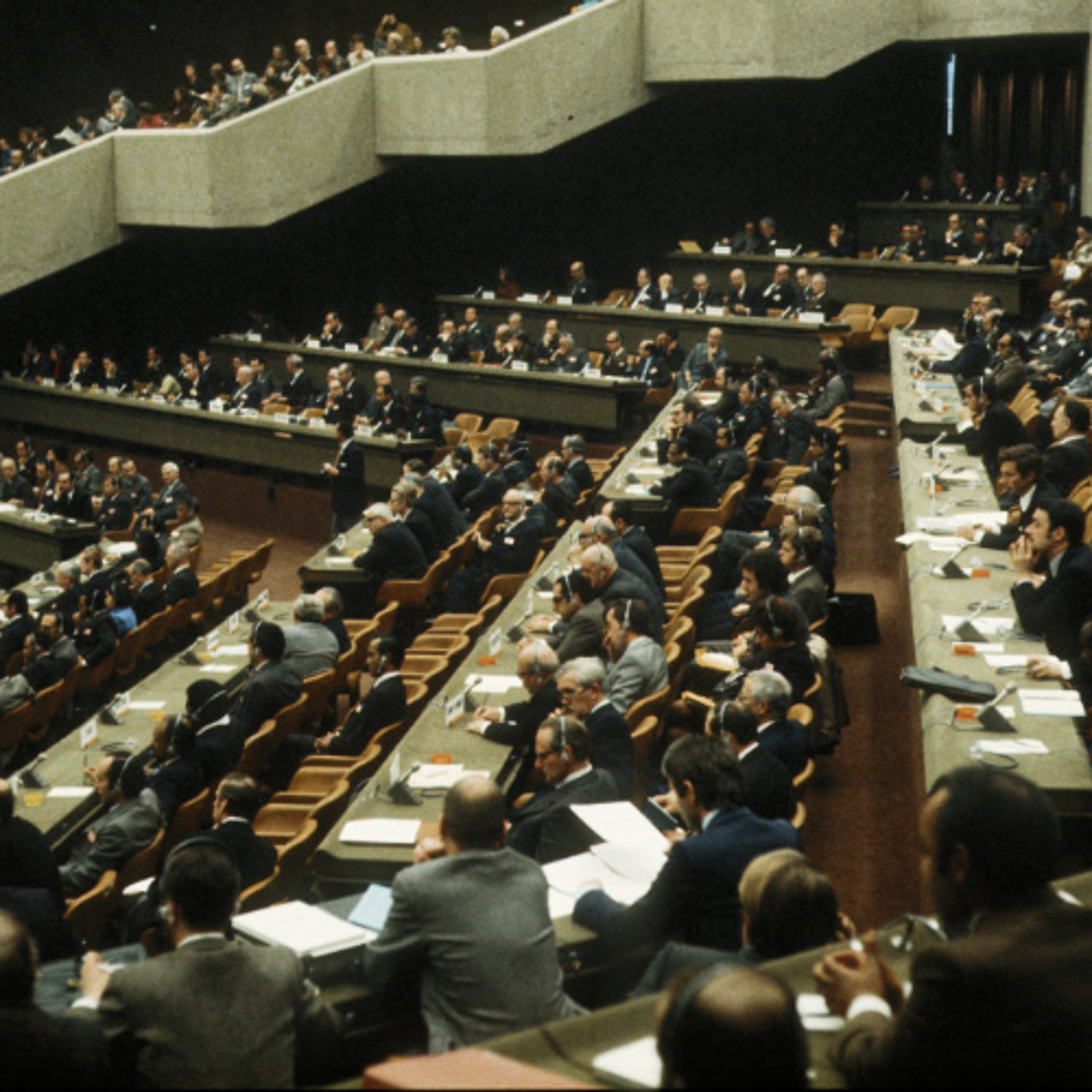
Anchoring protection: Islamic law contributions to the development of the 1977 Additional Protocols to the Geneva Conventions
References to Islamic law made by the delegations of Egypt, Saudi Arabia, Sudan and Syria during the 1974–1977 Diplomatic Conference – which led to the…
 ICRC Humanitarian Law and Policy Blog
Environmental destruction in conflict: broadening accountability in war
International law recognizes the importance of environmental protection during armed conflict. Additional Protocol I of the Geneva Conventions was the first…
 ICRC Humanitarian Law and Policy Blog
Anti-personnel mines: the false promise of security through exceptionalism in war
Earlier this month, Lithuania’s unprecedented withdrawal from the Convention on Cluster Munitions (CCM) took effect. Meanwhile, several states are openly…
 ICRC Humanitarian Law and Policy Blog
Hospitals under fire: legal and practical challenges to strengthened protection
Amid the devastation of armed conflict, hospitals stand as fragile sanctuaries, overwhelmed by demand and depleted of essential supplies. Struggling to…
 ICRC Humanitarian Law and Policy Blog
AI, war and (in)humanity: the role of human emotions in military decision-making
Contemporary armed conflicts are increasingly complex and, through rapid technological development, increasingly remote. This calls into question the capacity…
 ICRC Humanitarian Law and Policy Blog
A steppingstone for more? Progress on the protection of civilian populations from ICT activities during armed conflict
In today’s multilateral disarmament, peace and security, and humanitarian fora, a key responsibility of states – and a challenge for their lawyers and policy…
 ICRC Humanitarian Law and Policy Blog
A call to make international humanitarian law a political priority
As the devastating impacts of armed conflicts continue to mount, civilians are enduring unimaginable suffering. Violations of international humanitarian law…
 ICRC Humanitarian Law and Policy Blog
Canada’s first voluntary IHL report: a step forward with opportunities for improvement
Canada recently published its first voluntary report on the implementation of international humanitarian law (IHL), highlighting its efforts to comply with IHL…
 ICRC Humanitarian Law and Policy Blog
‘Hybrid threats’, ‘grey zones’, ‘competition’, and ‘proxies’: When is it actually war?
In an era of rising geopolitical tensions, terms like ‘hybrid threats,’ ‘grey zones,’ and ‘proxy warfare’ are frequently used to describe covert and ambiguous…
 ICRC Humanitarian Law and Policy Blog
War in cities: a solemn appeal from the International Red Cross and Red Crescent Movement
Around the world, civilians in cities at war face immense risks. Urban warfare devastates lives and livelihoods, as people are killed and injured, critical…
 ICRC Humanitarian Law and Policy Blog
If you teach it, they’ll enroll: IHL education in Canadian law schools
Members of armed forces receive international humanitarian law (IHL) training as a matter of course, but they are not the only actors who must apply this body…
 ICRC Humanitarian Law and Policy Blog
The (im)possibility of responsible military AI governance
During 2024, efforts to address the governance of military artificial intelligence (AI) have gained momentum. Yet in the same year, we have also witnessed the…
 ICRC Humanitarian Law and Policy Blog
Beyond prevalence: new approaches to measuring sexual- and gender-based violence prevention in conflict settings
When discussing the measurement of sexual- and gender-based violence (SGBV) prevention in humanitarian settings, reactions often polarize around two main…
 ICRC Humanitarian Law and Policy Blog
Trying to square the circle: the ICRC AI Policy
The development of artificial intelligence (AI) technologies brings significant opportunities, and risks, for principled humanitarian action. While AI…
 ICRC Humanitarian Law and Policy Blog
What private businesses need to know about international humanitarian law
Private businesses that operate in situations of armed conflict, do business with a government or other entity involved in an armed conflict, or may do so in…
 ICRC Humanitarian Law and Policy Blog
Climate action in conflict and fragile settings: closing the implementation gap
Communities in conflict-affected areas are direly impacted by growing climate risks and shocks. Over the last few years, political will to strengthen climate…
 ICRC Humanitarian Law and Policy Blog
Dehumanizing detention: degrading our collective humanity
Language matters and the protections of international law are crucial when facing global trends of dehumanization. Dehumanizing narratives strip people of…
 ICRC Humanitarian Law and Policy Blog
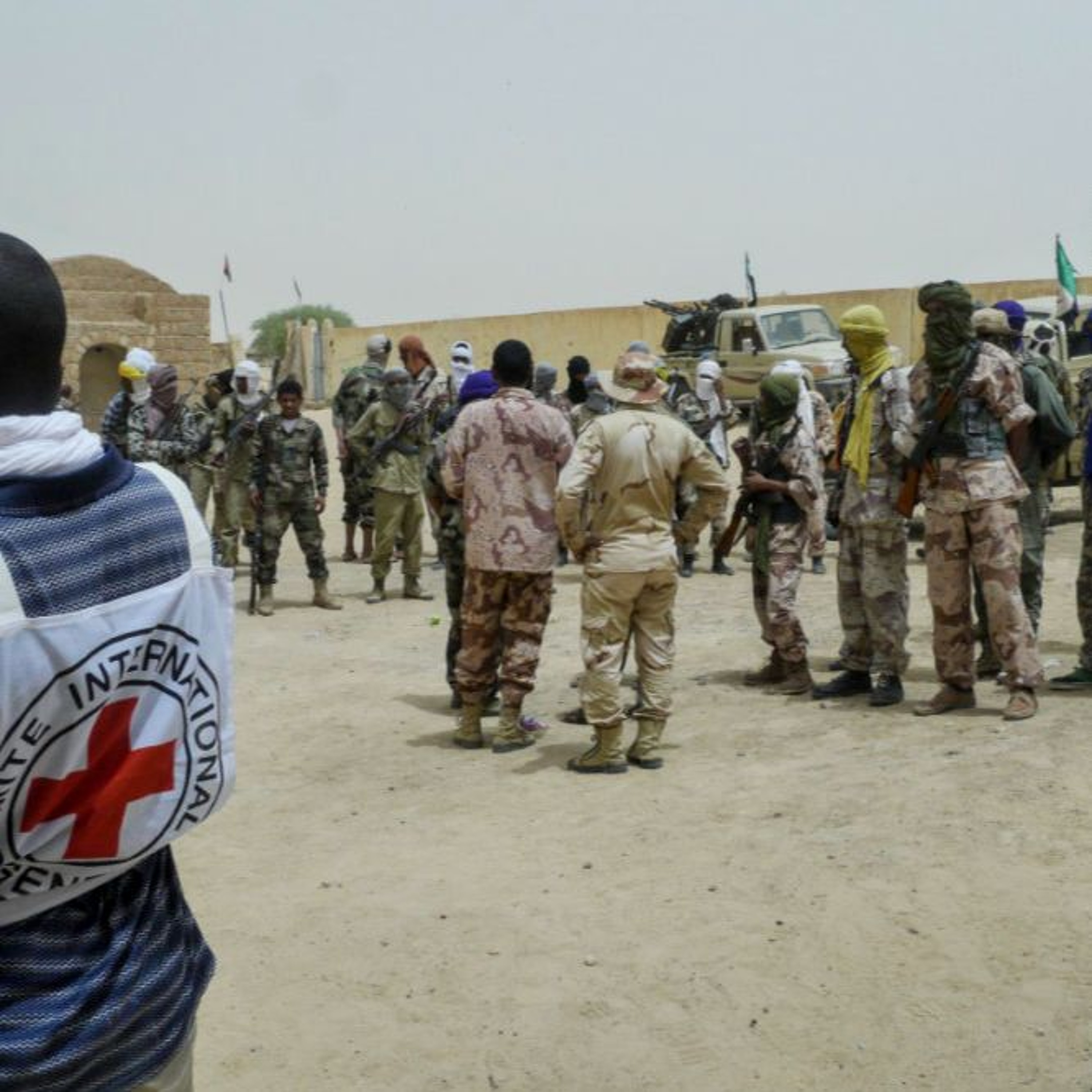
ICRC engagement with armed groups in 2024
In line with its mandate, the ICRC engages with all parties to an armed conflict, including non-state armed groups. The ICRC has a long history of confidential…
 ICRC Humanitarian Law and Policy Blog
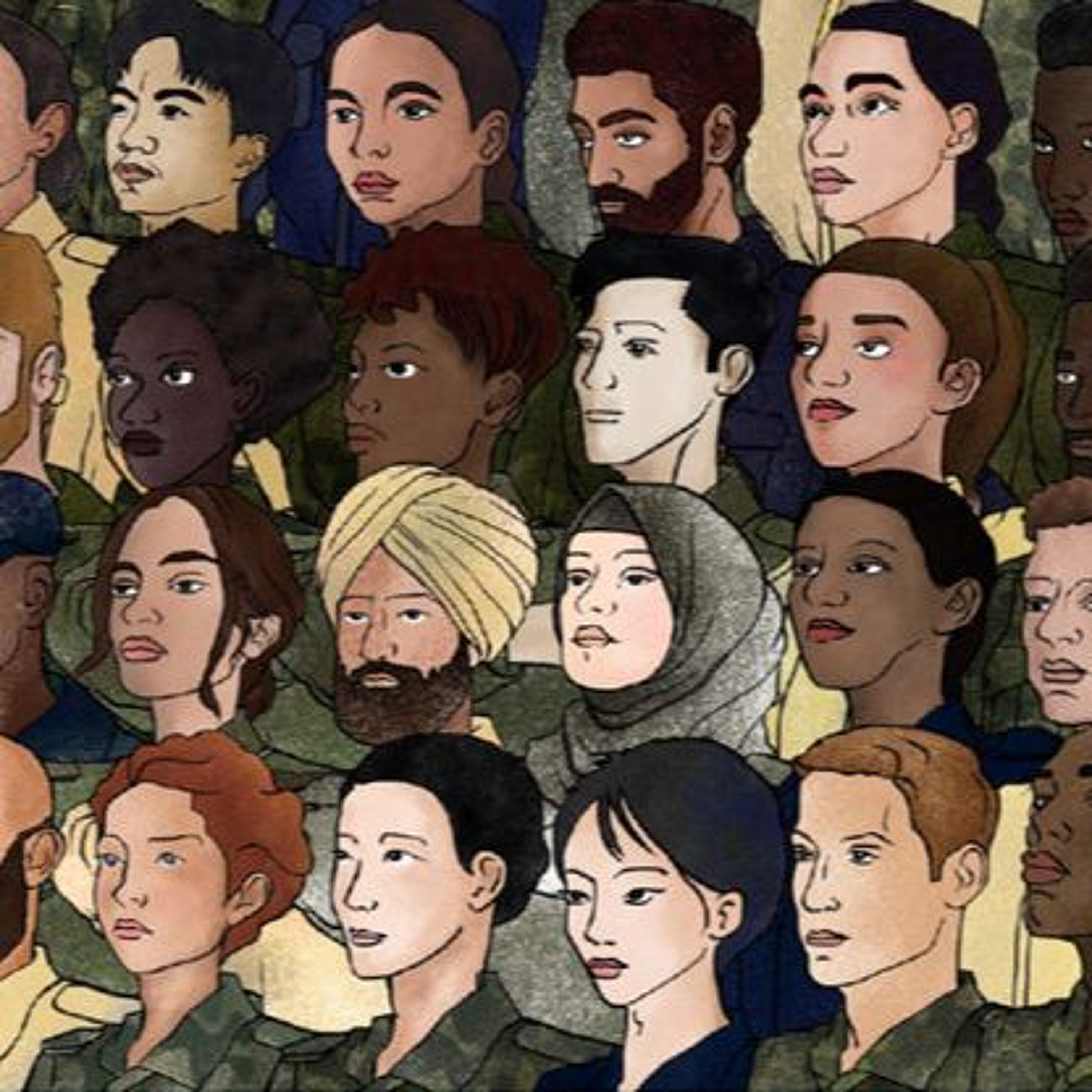
Applying IHL with a gender perspective in the planning and conduct of military operations
Gender can still be a confusing and contested subject for international humanitarian law (IHL) and military practitioners. But just as practitioners keep…
 ICRC Humanitarian Law and Policy Blog
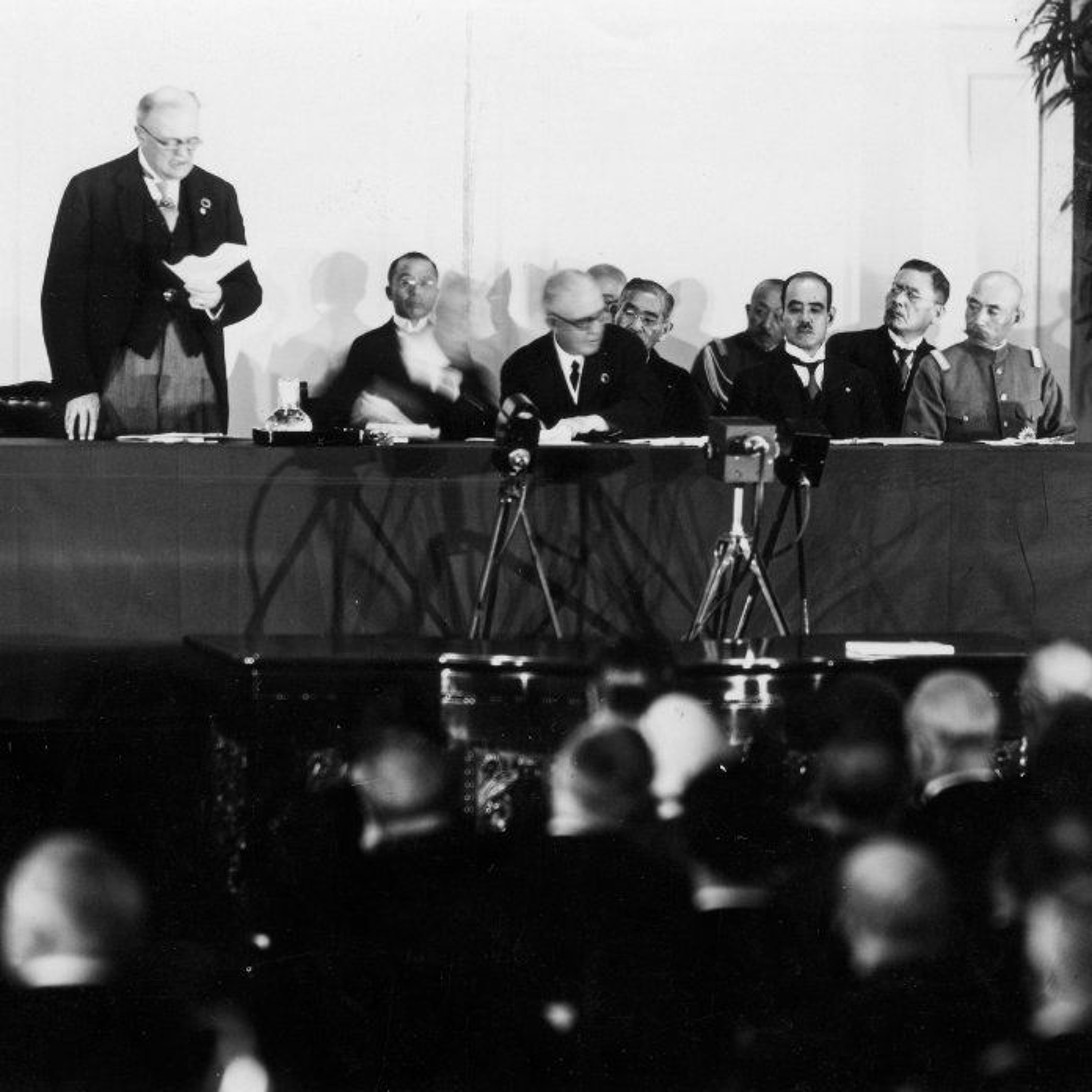
The Geneva Conventions at 75: the role of the Int'l Conference in securing protection for civilians
The 34th International Conference of the Red Cross and Red Crescent will take place 28-31 October 2024 in Geneva, Switzerland. At this meeting, states party to…
 ICRC Humanitarian Law and Policy Blog
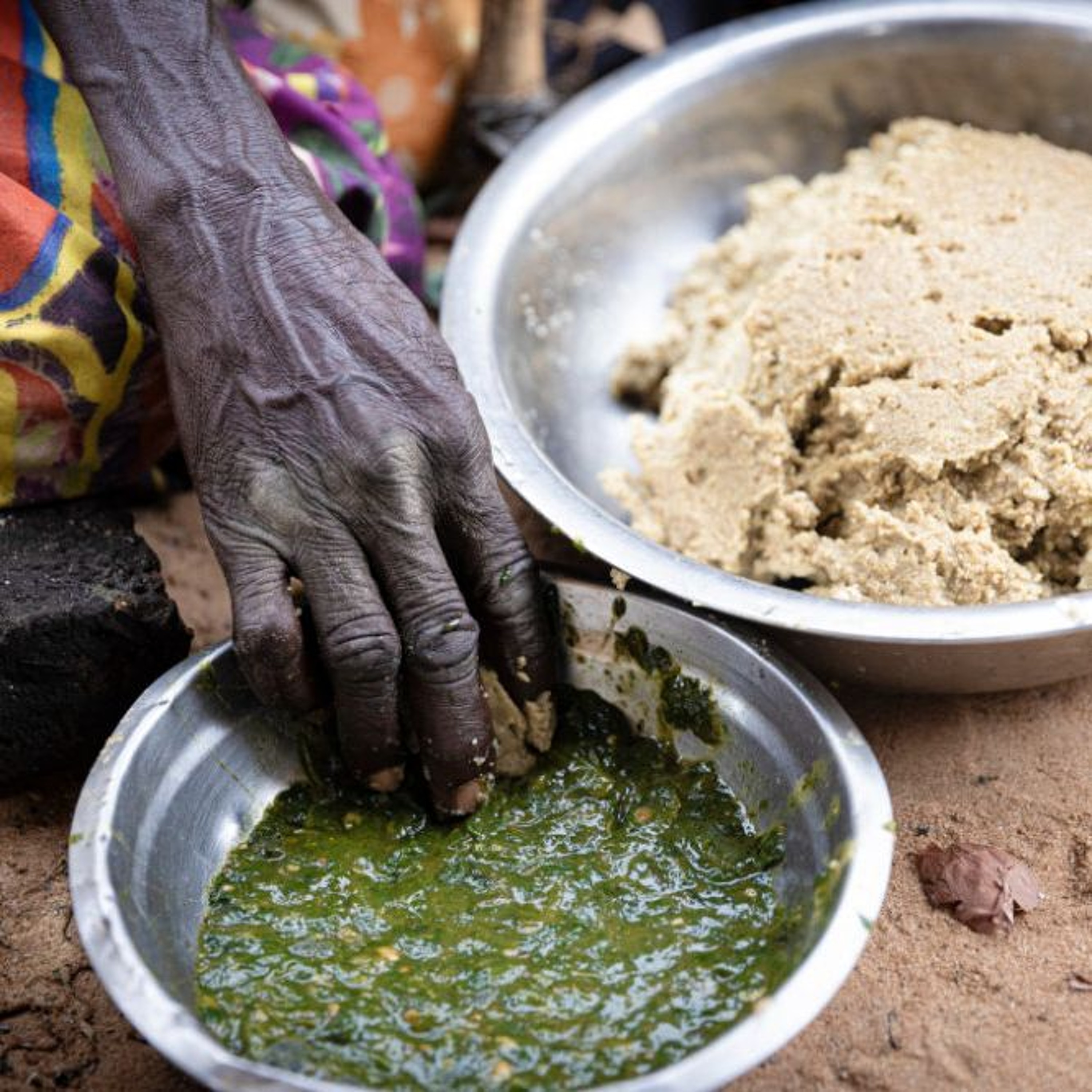
IHL and the challenge of maintaining food security in armed conflict
Food insecurity remains a critical issue in modern armed conflicts, exacerbated by the mutually reinforcing effects of conflict, economic shocks, and climate…
 ICRC Humanitarian Law and Policy Blog
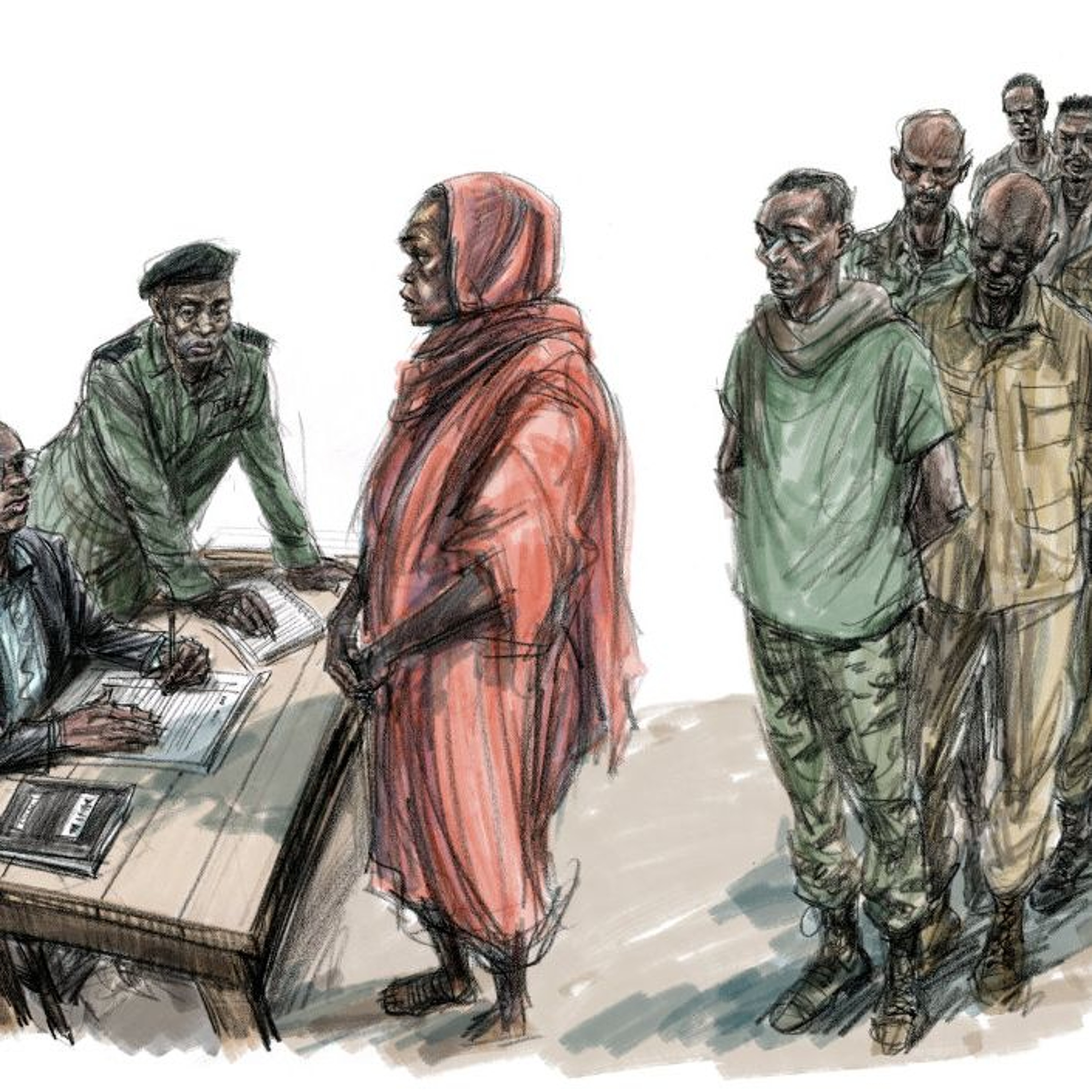
Internment by non-state armed groups: legal and practical limits
Detention by non-state armed groups is a widespread, diverse, and legally complex occurrence in armed conflicts across the globe. In 2023, the ICRC assessed…
 ICRC Humanitarian Law and Policy Blog
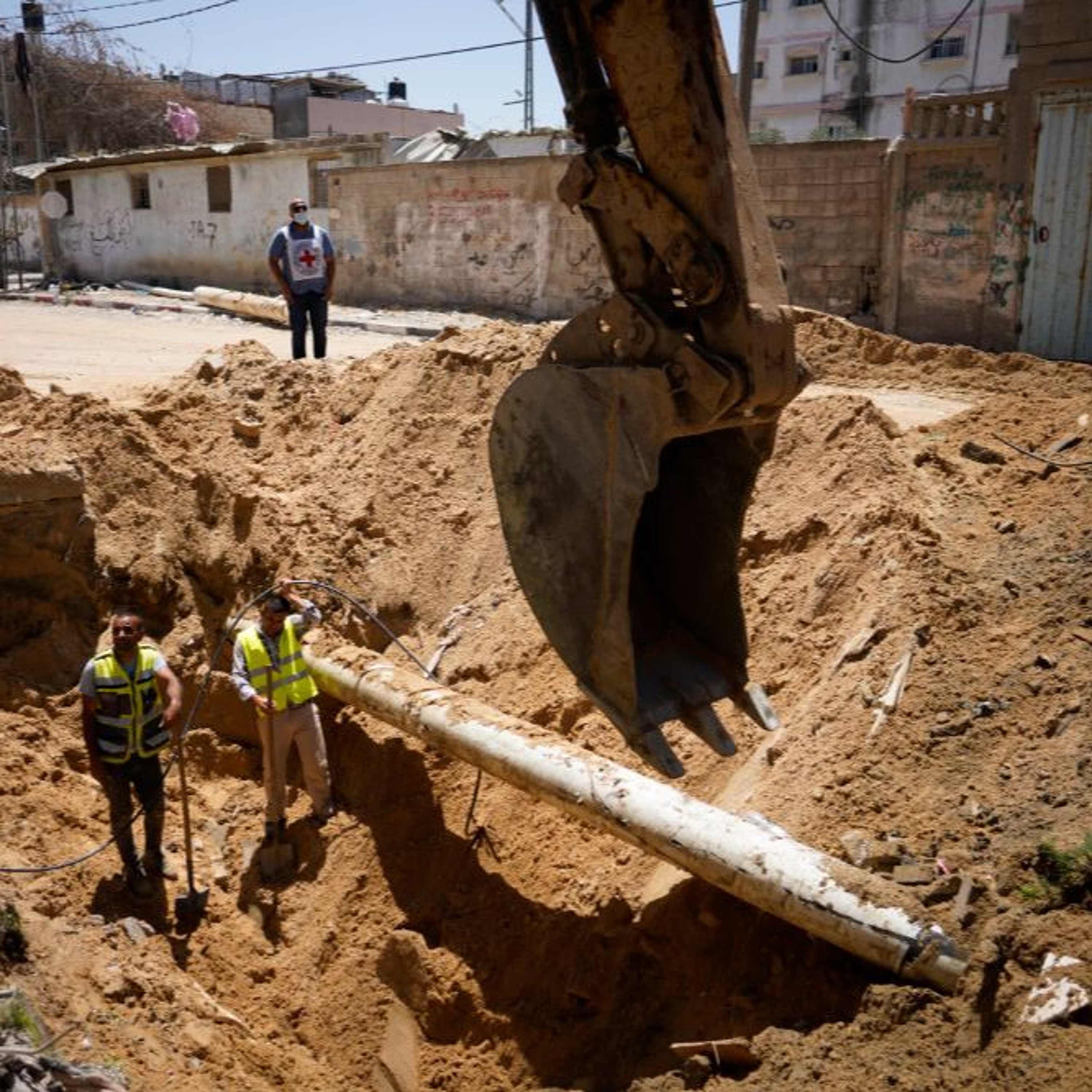
Protecting essential service personnel is a vital part of humanitarian action
Water and wastewater pipelines, electricity lines and telecommunication installations permeate contemporary urban landscapes and form complex, interdependent…
 ICRC Humanitarian Law and Policy Blog
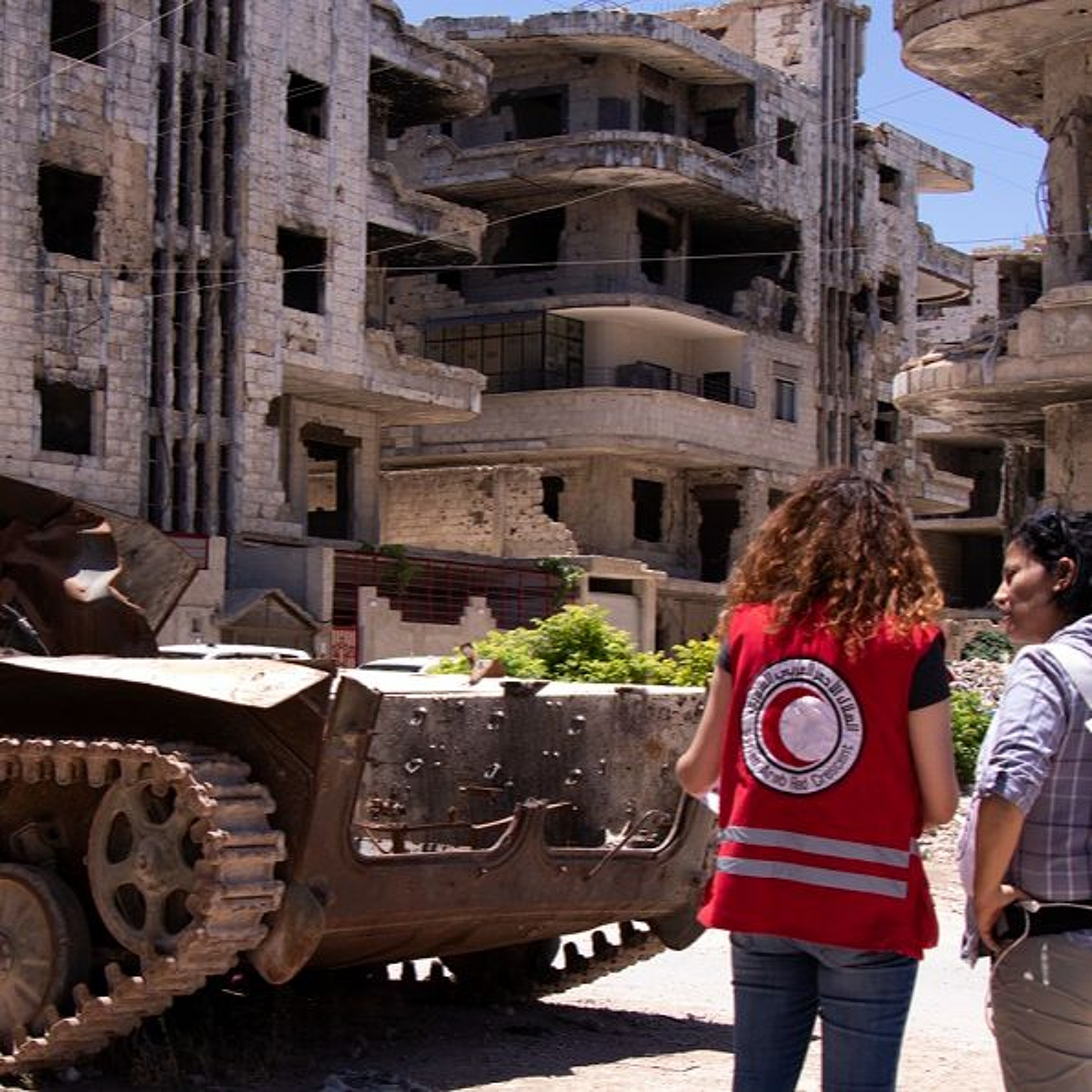
Championing IHL compliance in contemporary armed conflict: the 2024 ICRC Challenges Report
Since 2003, the ICRC has submitted a report on ‘International Humanitarian Law and the Challenges of Contemporary Armed Conflict’ to the International…
 ICRC Humanitarian Law and Policy Blog
Will AI fundamentally alter how wars are initiated, fought and concluded?
In the debate on how artificial intelligence (AI) will impact military strategy and decision-making, a key question is who makes better decisions — humans or…
 ICRC Humanitarian Law and Policy Blog
Transcending weapon systems: the ethical challenges of AI in military decision support systems
The military decision-making process is facing a challenge by the increasing number of interconnected sensors capturing information on the battlefield. The…
 ICRC Humanitarian Law and Policy Blog
Procedures for internment review under the Fourth Geneva Convention: reflections from New Zealand
The Fourth Geneva Convention was the first humanitarian law convention dedicated to protections for civilians during armed conflict. Amongst its numerous…
 ICRC Humanitarian Law and Policy Blog
Conceive, standardize, integrate: distinctive emblems and signs under IHL
When the very first Geneva Convention was adopted in 1864, it was the culmination of several interwoven humanitarian projects of the ICRC’s principal founder…
 ICRC Humanitarian Law and Policy Blog
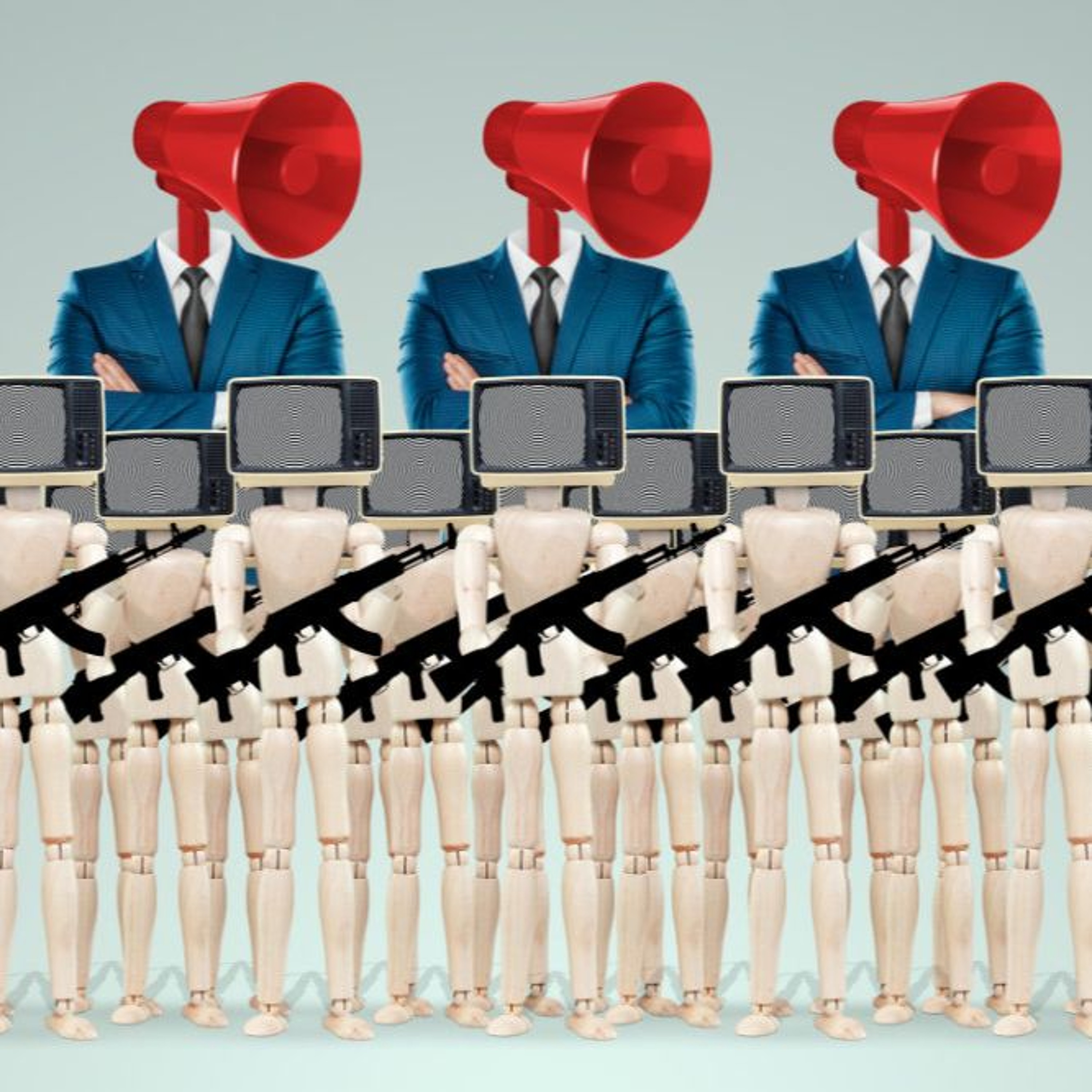
Why is the ICRC concerned by ‘harmful information’ in war?
During armed conflict and other situations of violence, timely access to reliable information can save lives. Affected people need to know where danger and…
 ICRC Humanitarian Law and Policy Blog
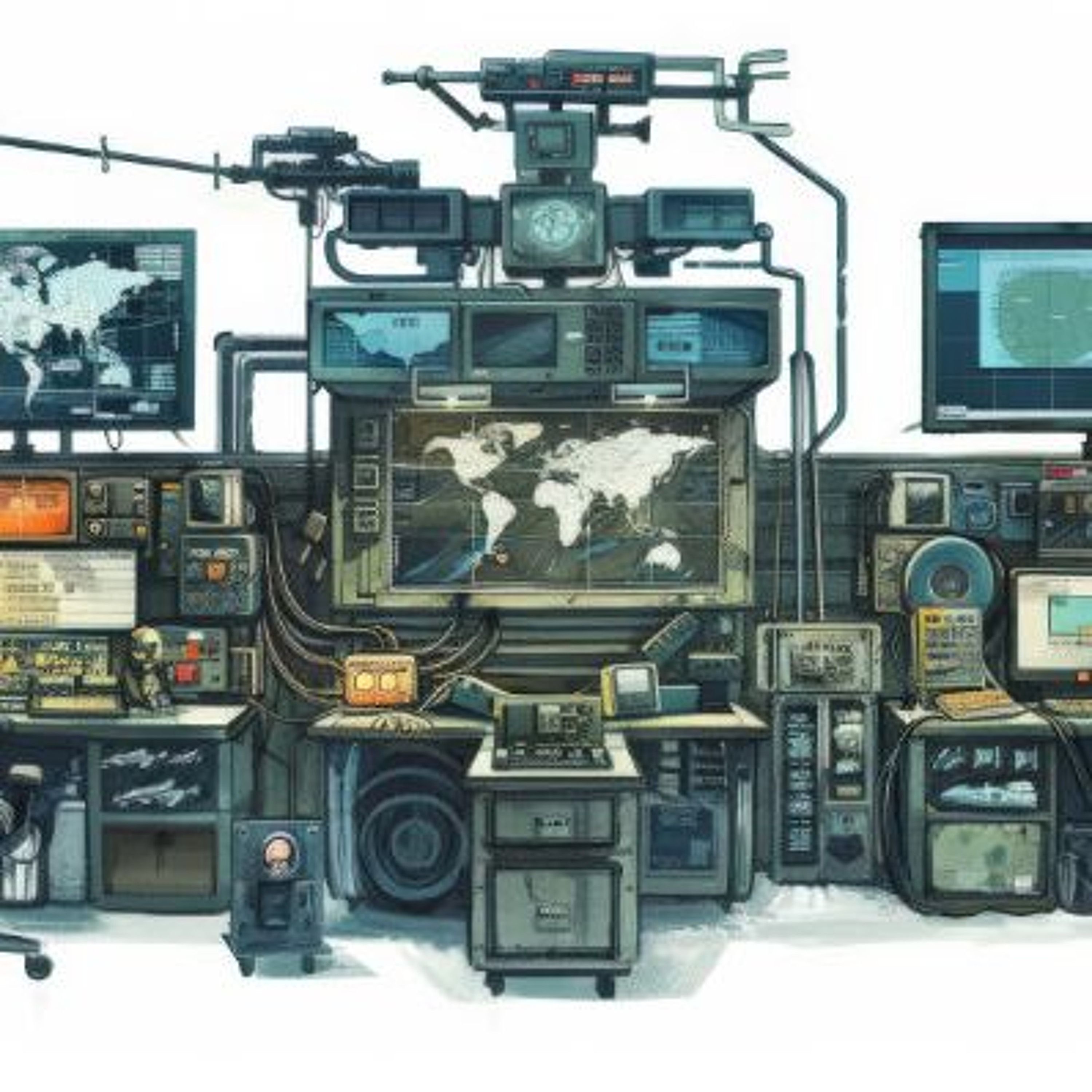
The risks and inefficacies of AI systems in military targeting support
Over the past decade, discussions surrounding artificial intelligence (AI) in the military domain have largely focused on autonomous weapon systems. This is…
 ICRC Humanitarian Law and Policy Blog
The problem of algorithmic bias in AI-based military decision support systems
Algorithmic bias has long been recognized as a key problem affecting decision-making processes that integrate artificial intelligence (AI) technologies. The…
 ICRC Humanitarian Law and Policy Blog
Artificial intelligence in military decision-making: supporting humans, not replacing them
The desire to develop technological solutions to help militaries in their decision-making processes is not new. However, more recently, we have witnessed…
 ICRC Humanitarian Law and Policy Blog
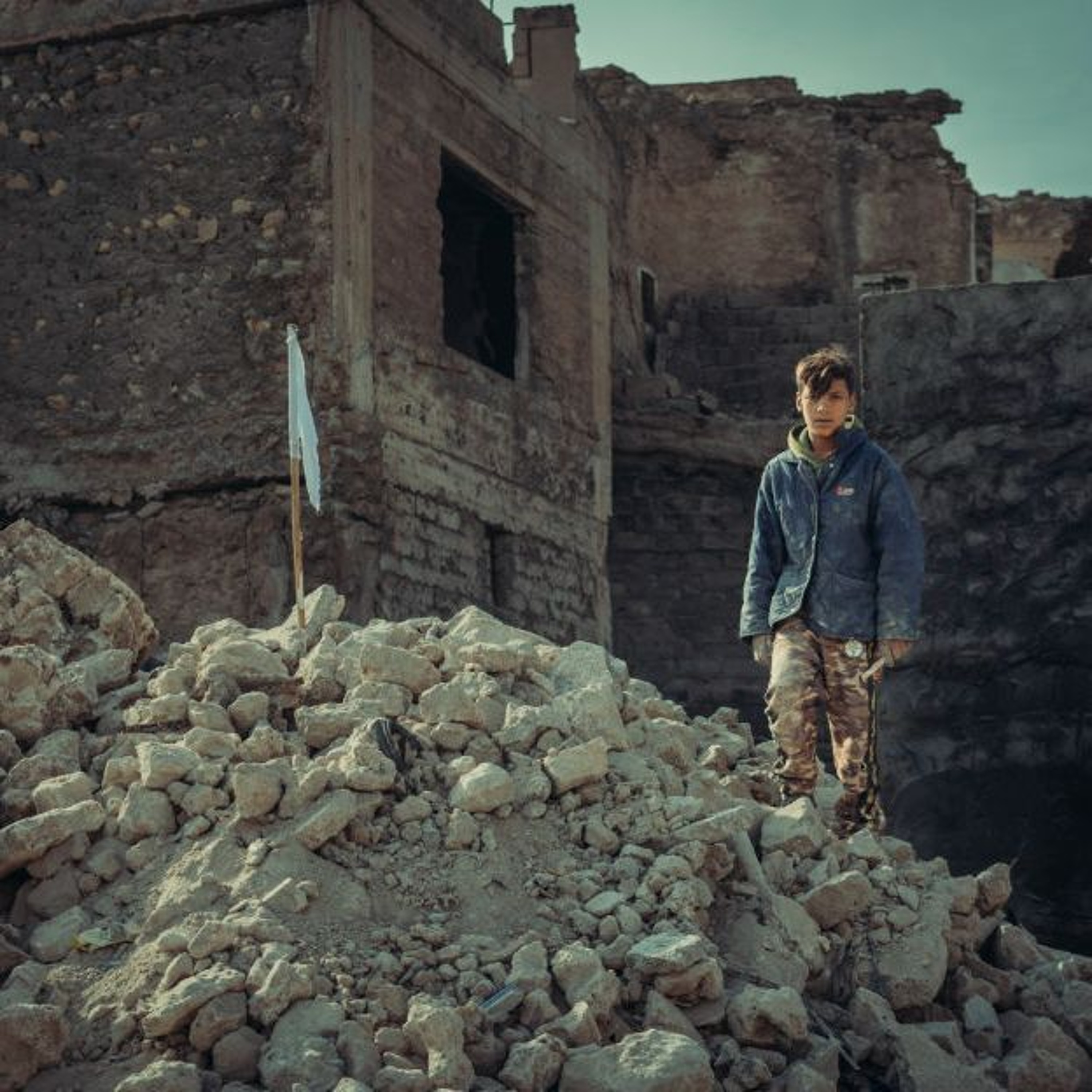
Beyond the rubble: eight overlooked ways that urban warfare is affecting children
In cities from Gaza to those in Sudan and Ukraine, childhoods are irrevocably changed by urban warfare. Yet despite the number of children affected and the…
 ICRC Humanitarian Law and Policy Blog
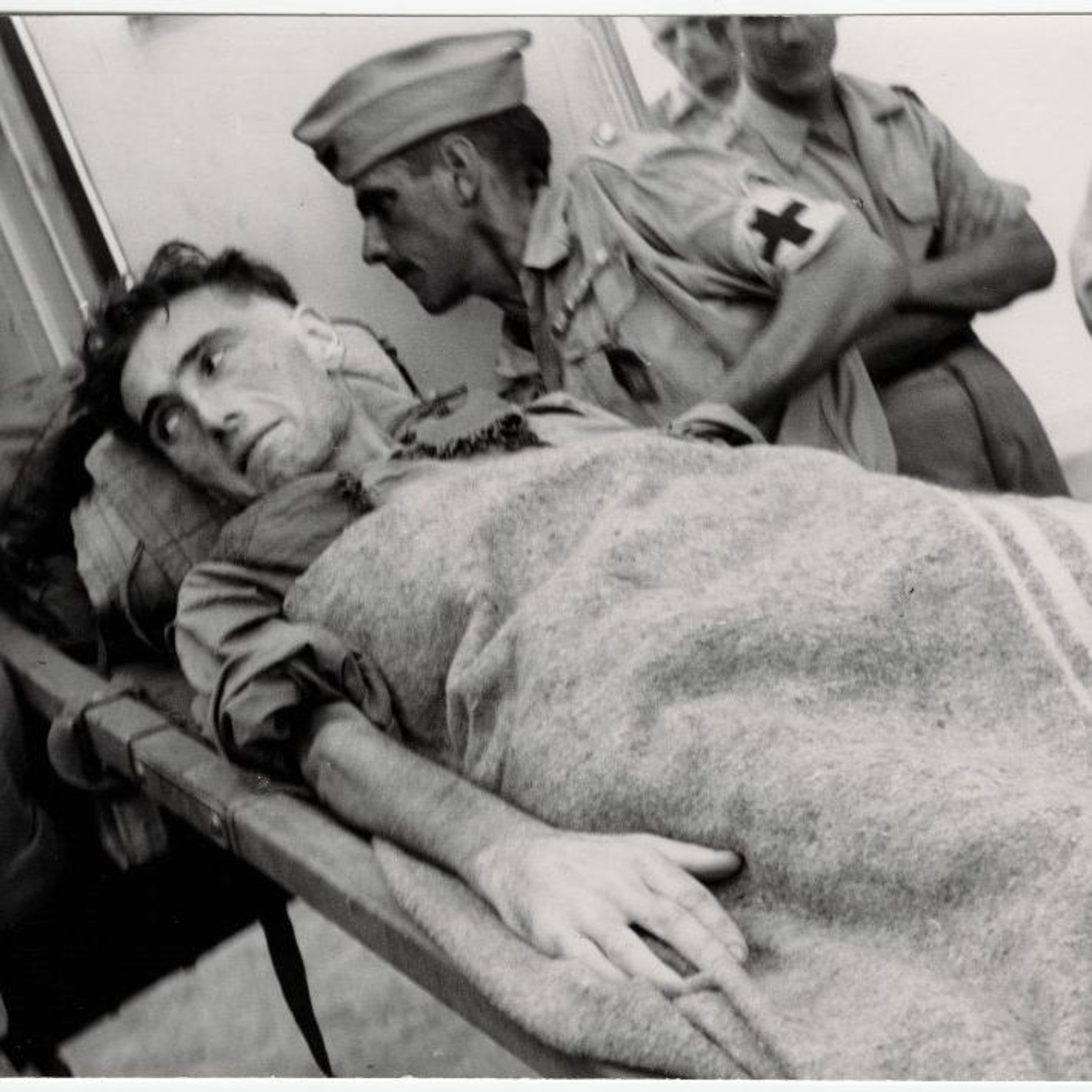
War’s long legacy: the continued importance of the Geneva Conventions 75 years later
Next week marks the 75th anniversary of the four Geneva Conventions of 1949. Against a backdrop of over 120 armed conflicts worldwide, this should prompt us…
 ICRC Humanitarian Law and Policy Blog
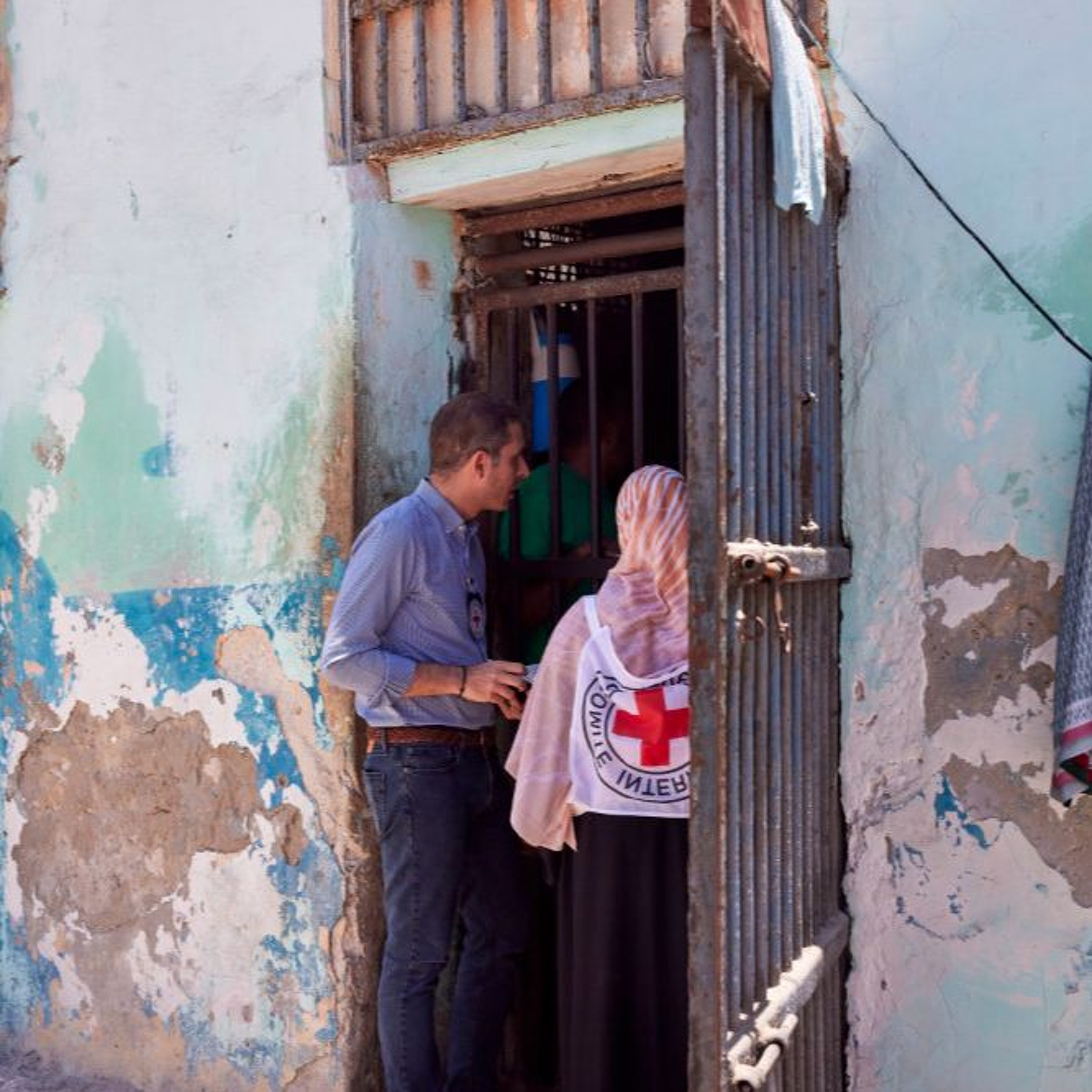
International humanitarian law and Islamic law: a principled and inclusive dialogue
Around two thirds of ICRC operations are in Muslim countries where armed conflicts are in progress. Our ability to understand the connections and differences…
 ICRC Humanitarian Law and Policy Blog
War and what we make of the law
Preventing the catastrophic human cost of war is a central purpose of modern international law. Some norms, like those found in the UN Charter, set out to…
 ICRC Humanitarian Law and Policy Blog
Principles under pressure: have humanitarian principles stood the test of time?
Recent conflicts have brought to light the jarring personal dilemmas humanitarian workers confront and provoked legitimate questions about the validity of the…
 ICRC Humanitarian Law and Policy Blog
Forced to report: mandatory reporting of sexual violence in armed conflict
Over the last decade, the International Committee of the Red Cross (ICRC) and its Red Cross/Red Crescent Movement partners, as well as other humanitarian…
 ICRC Humanitarian Law and Policy Blog
De-dehumanization: practicing humanity
There is today an idea of a single humanity, with each member equally valued, and a global legal framework exists to prevent needless human suffering…
 ICRC Humanitarian Law and Policy Blog
Trapped in conflict: urban sieges and encirclement
Based on the ICRC’s firsthand observations in and around cities in conflict across the globe, an evolved form of one of the oldest methods of warfare – siege…