Shows / ICRC Humanitarian Law and Policy Blog
ICRC Humanitarian Law and Policy Blog
The International Committee of the Red Cross (ICRC) Humanitarian Law & Policy blog is a unique space for timely analysis and debate on international humanitarian law (IHL) issues and the policies that shape humanitarian action.
Episodes
 ICRC Humanitarian Law and Policy Blog
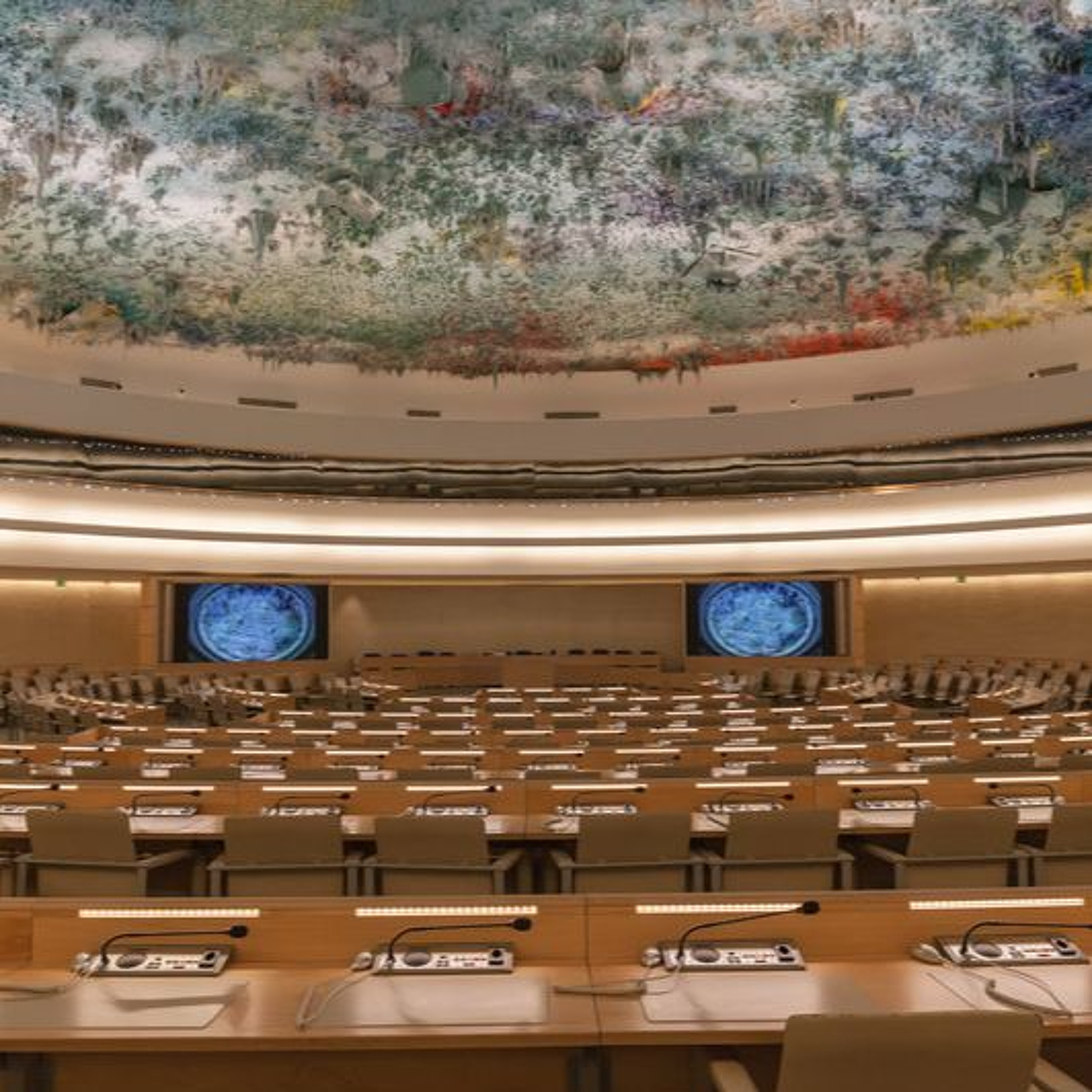
Reinventing the wheel: 3 lessons the AWS debate can learn from existing arms control agreements
For more than a decade, states have met at the UN in Geneva to discuss the governance of autonomous weapon systems (AWS). One pandemic, several real-world…
 ICRC Humanitarian Law and Policy Blog
Internment pursuant to GC4 during an IAC: practice from Norway
The Fourth Geneva Convention was the first humanitarian law convention dedicated to protections for civilians during armed conflict. Amongst its numerous…
 ICRC Humanitarian Law and Policy Blog
Civilian internment in international armed conflict: when does it begin?
The legal and practical issues related to the exceptional practice of internment of protected persons under the Fourth Geneva Convention are complex. One such…
 ICRC Humanitarian Law and Policy Blog
The internment of protected persons and the Fourth Geneva Convention
The Fourth Geneva Convention, adopted 75 years ago, was the first humanitarian law convention dedicated to humanitarian protections for civilians during armed…
 ICRC Humanitarian Law and Policy Blog
Can IHL training influence military conduct in war?
Can military training in international humanitarian law (IHL) lead to greater adherence to IHL and increased protection for civilians in war? In this post…
 ICRC Humanitarian Law and Policy Blog
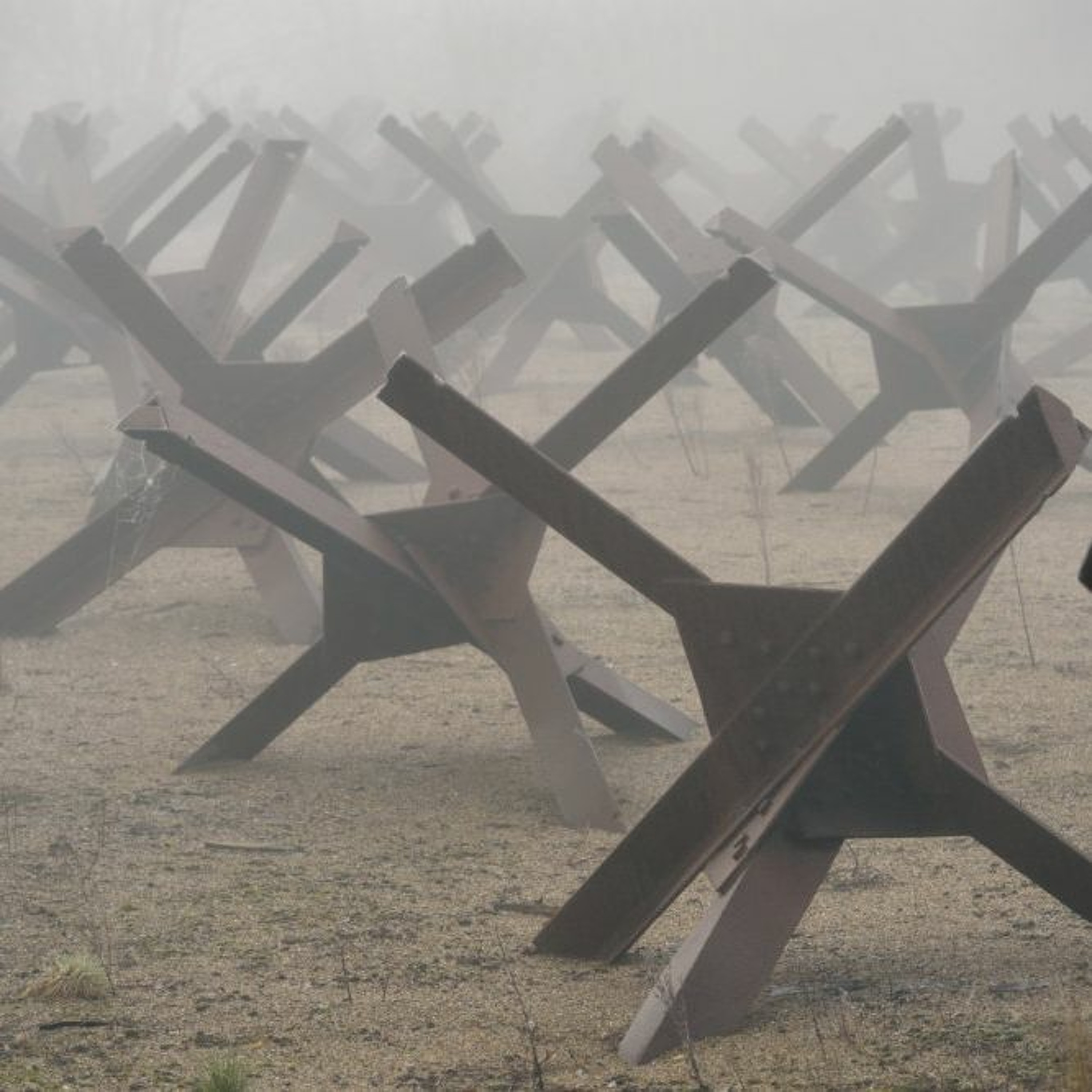
Defining armed conflict: some clarity in the fog of war
Today, there are over 120 armed conflicts around the world, involving over 60 states and 120 non-state armed groups. The majority of these armed conflicts are…
 ICRC Humanitarian Law and Policy Blog
The road less travelled: ethics in the international regulatory debate on autonomous weapon systems
Efforts to address the ethical challenges posed by autonomous weapon systems are growing. In December 2023, the UN General Assembly passed a resolution…
 ICRC Humanitarian Law and Policy Blog
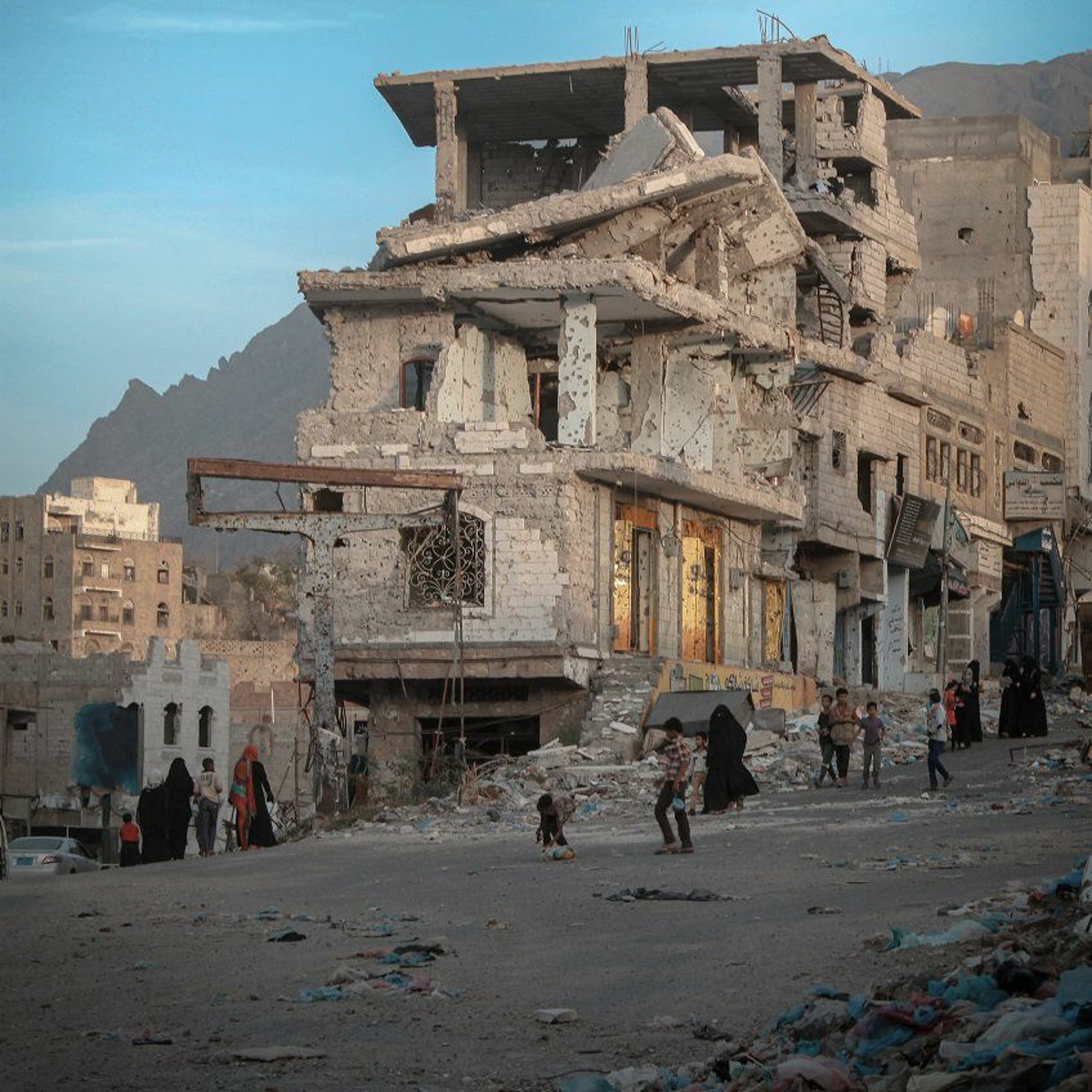
Protecting civilians in conflict: the urgency of implementing the Political Declaration on EWIPA
The widespread use of heavy explosive weapons has reached alarming levels, exacting a staggering toll on civilian lives. From Gaza to the Democratic Republic…
 ICRC Humanitarian Law and Policy Blog
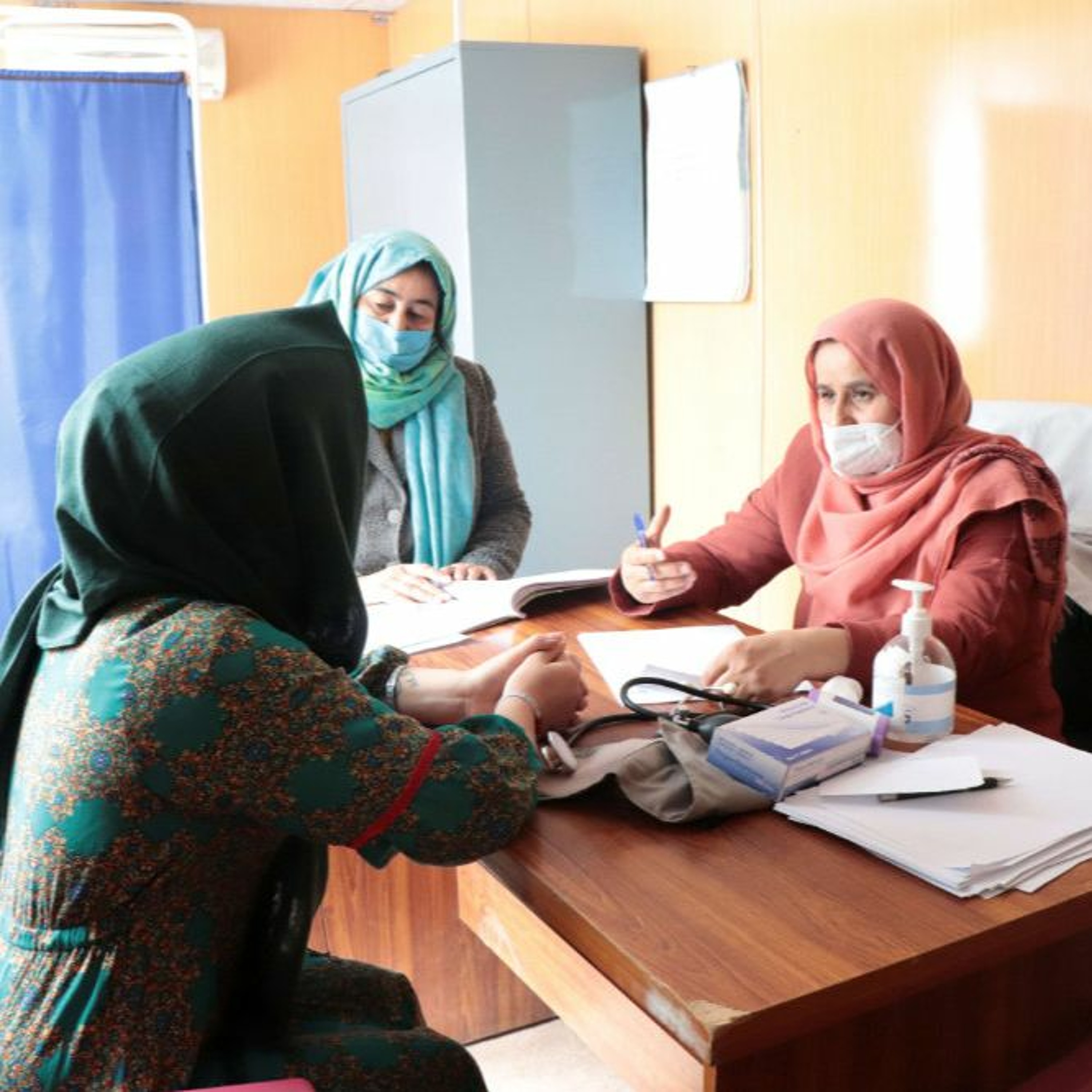
The transformative potentials of SRHR in humanitarian assistance: a feminist inquiry
From frontline female combatants with the People’s Defence Force in Myanmar to queer Syrian refugees living in displacement in Lebanon, from seasonal workers…
 ICRC Humanitarian Law and Policy Blog
Voluntary reports: a new tool ‘toward a universal culture of compliance with IHL’
The draft elements of the resolution ‘Toward a universal culture of compliance with international humanitarian law’ elaborated for the 34th International…
 ICRC Humanitarian Law and Policy Blog
Codifying IHL before Lieber and Dunant: The 1820 treaty for the regularization of war
Before the Lieber Code and Geneva Conventions came a treaty between the Spanish Empire and Simon Bolivar’s revolutionary forces in Colombia and Venezuela. The…
 ICRC Humanitarian Law and Policy Blog
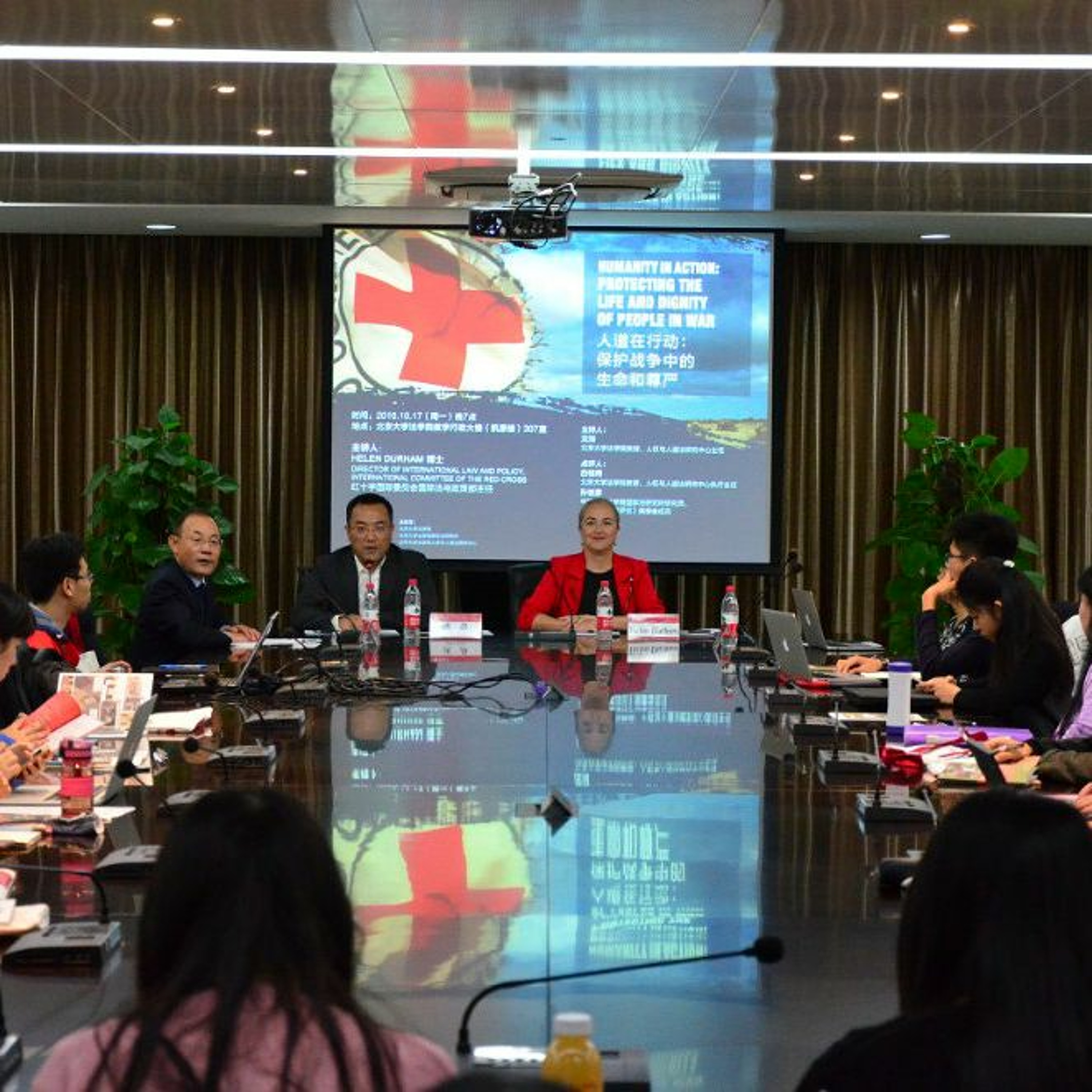
From theology to technology: a call for IHL ambassadors in the Asia-Pacific region
The Asia-Pacific region is diverse in religious, ethnic and historical backgrounds as well as in economic development. However, armed conflict is often not…
 ICRC Humanitarian Law and Policy Blog
What can the humanitarian community learn from the Colombian Truth Commission’s LGBTIQ-subchapter?
As part of the historic 2016 peace agreement, the “Commission for the Clarification of Truth, Coexistence and Non-repetition” (hereafter the Colombian Truth…
 ICRC Humanitarian Law and Policy Blog
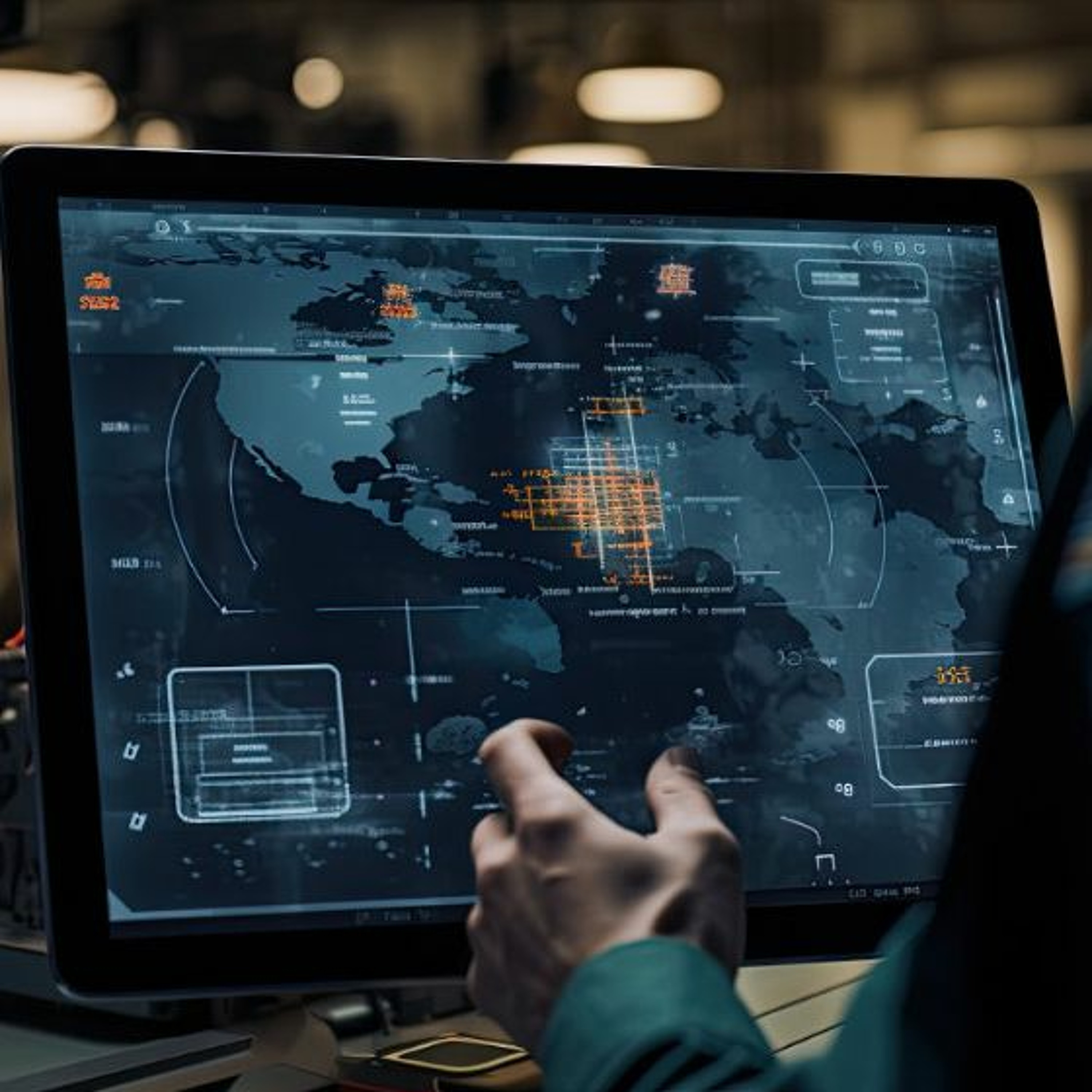
Falling under the radar: algorithmic bias and military applications of AI
Last week, states parties met for the first session of the Group of Governmental Experts (GGE) on lethal autonomous weapon systems (LAWS) in 2024. This debate…
 ICRC Humanitarian Law and Policy Blog
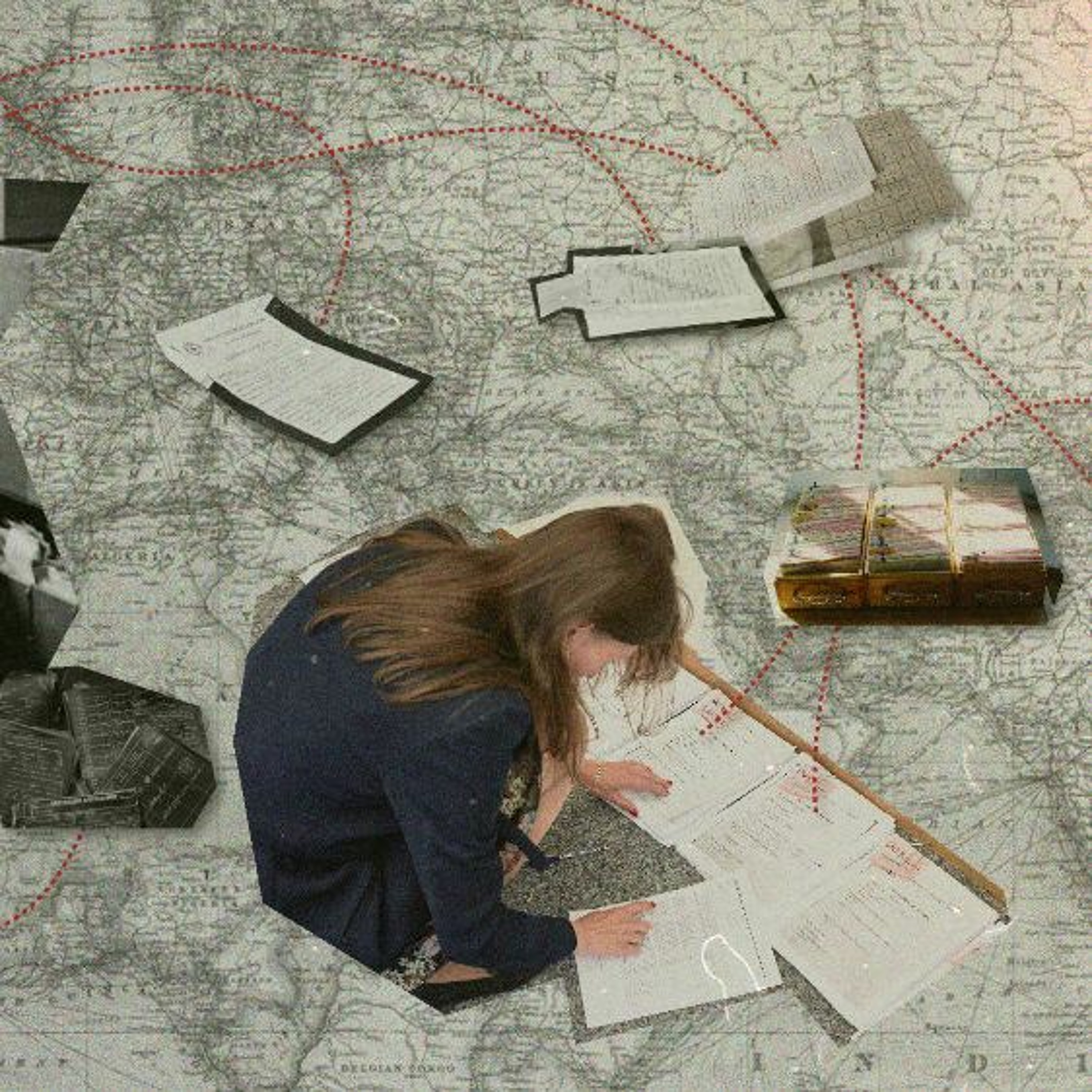
The transmission of information by the ICRC's Central Tracing Agency in int't armed conflicts
Two years ago, the International Committee of the Red Cross (ICRC) Central Tracing Agency activated a dedicated Bureau for the international armed conflict…
 ICRC Humanitarian Law and Policy Blog
From content to harm: how harmful information contributes to civilian harm
From traditional media to social media, coordinated information campaigns or operations, the ways in which harmful information can enable or aggravate risks of…
 ICRC Humanitarian Law and Policy Blog
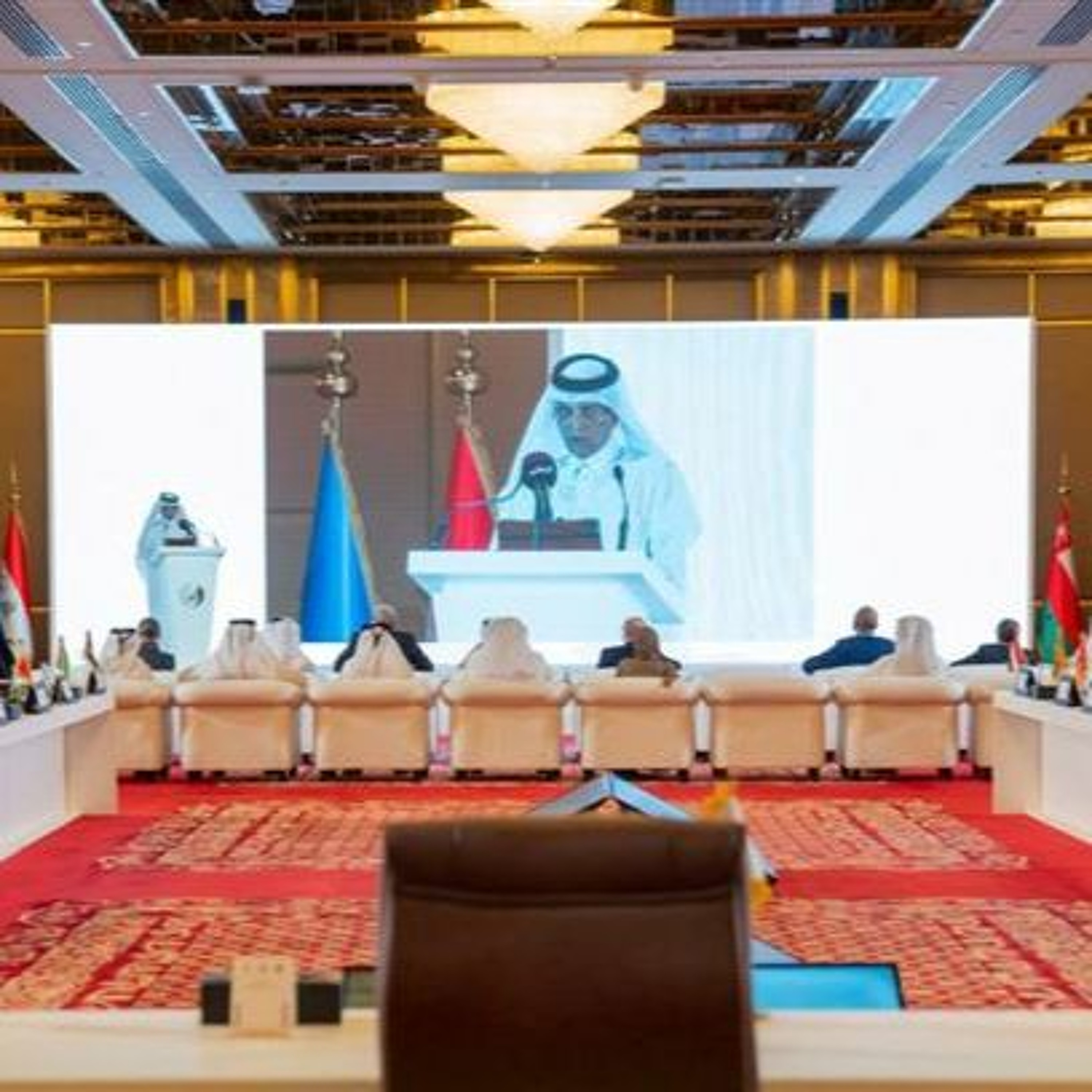
Towards national implementation of IHL: Arab states pledge their commitment
The work and contribution of national committees on IHL (NCIHLs) can be relevant in a range of circumstances, whether a country is at peace, emerging from…
 ICRC Humanitarian Law and Policy Blog
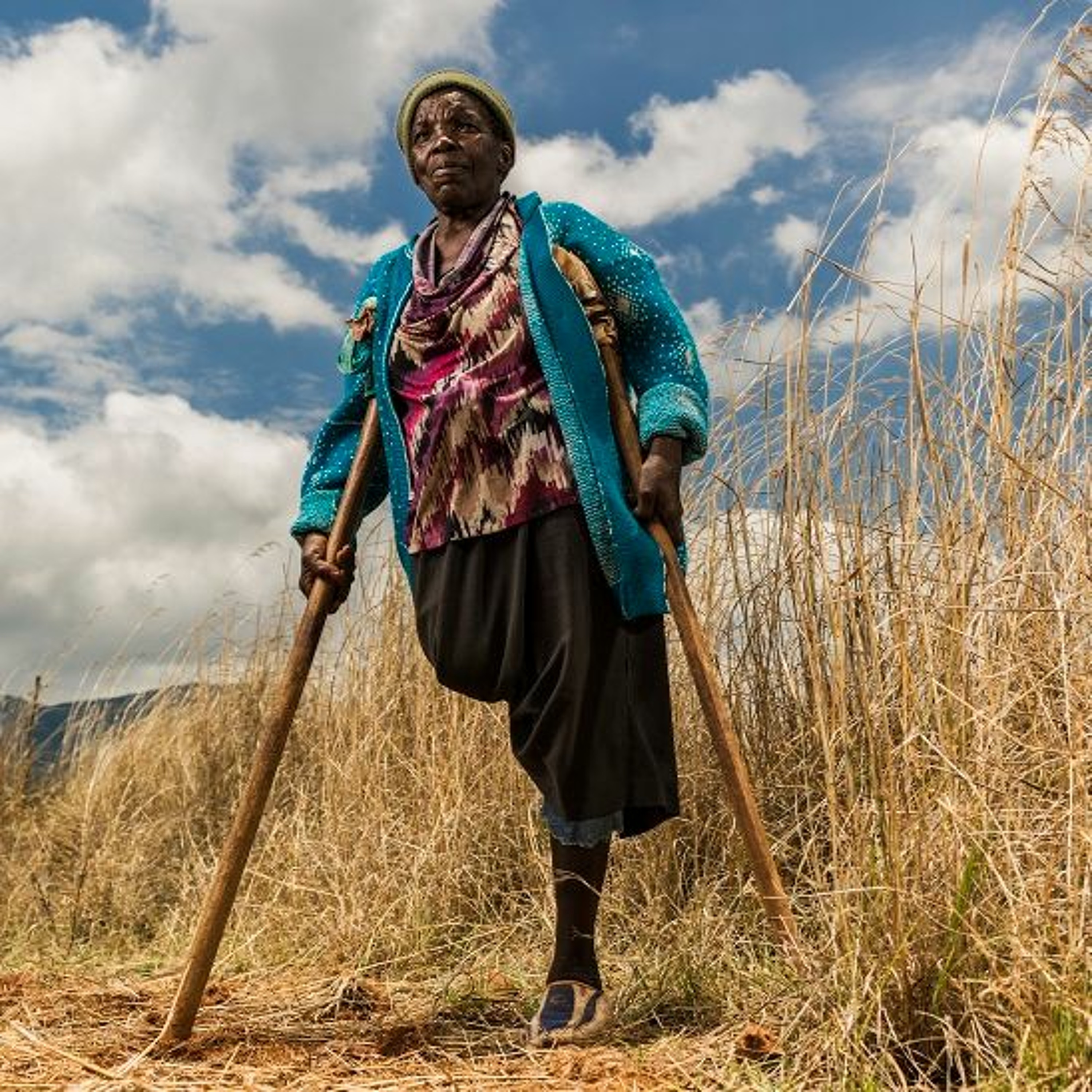
Responding to the humanitarian impacts of improvised anti-personnel mines
Though remarkable progress has been made towards the eradication of anti-personnel landmines (APM) since the adoption of the Anti-Personnel Mine Ban Convention…
 ICRC Humanitarian Law and Policy Blog
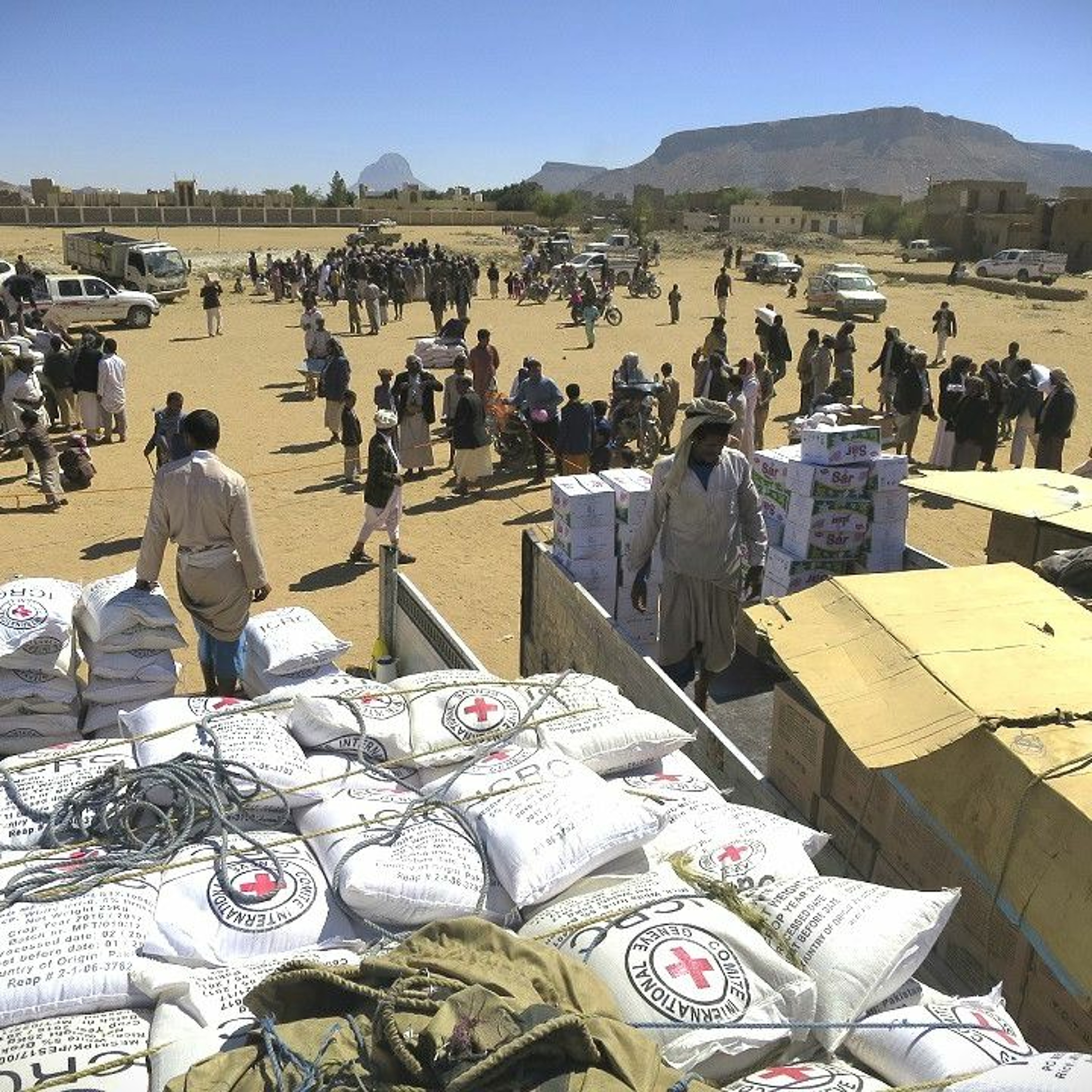
Unblocking aid: the EU’s 2023 shift in sanctions policy to safeguard humanitarian efforts
The year 2023 marked a significant shift in how the EU makes space for humanitarian action in the design of sanctions, a foreign policy tool that has…
 ICRC Humanitarian Law and Policy Blog
Victim/survivor-centeredness, data protection and open-source collection: lessons from IIIM-Syria
The extent to which a victim/survivor-centered approach (VSCA) should be incorporated into data protection remains an emerging issue for accountability actors…
 ICRC Humanitarian Law and Policy Blog
Online violence: real life impacts on women and girls in humanitarian settings
Online violence is not contained by the digital sphere – it is killing women and adolescent girls in offline spaces. It seeps into their daily lives, infecting…
 ICRC Humanitarian Law and Policy Blog
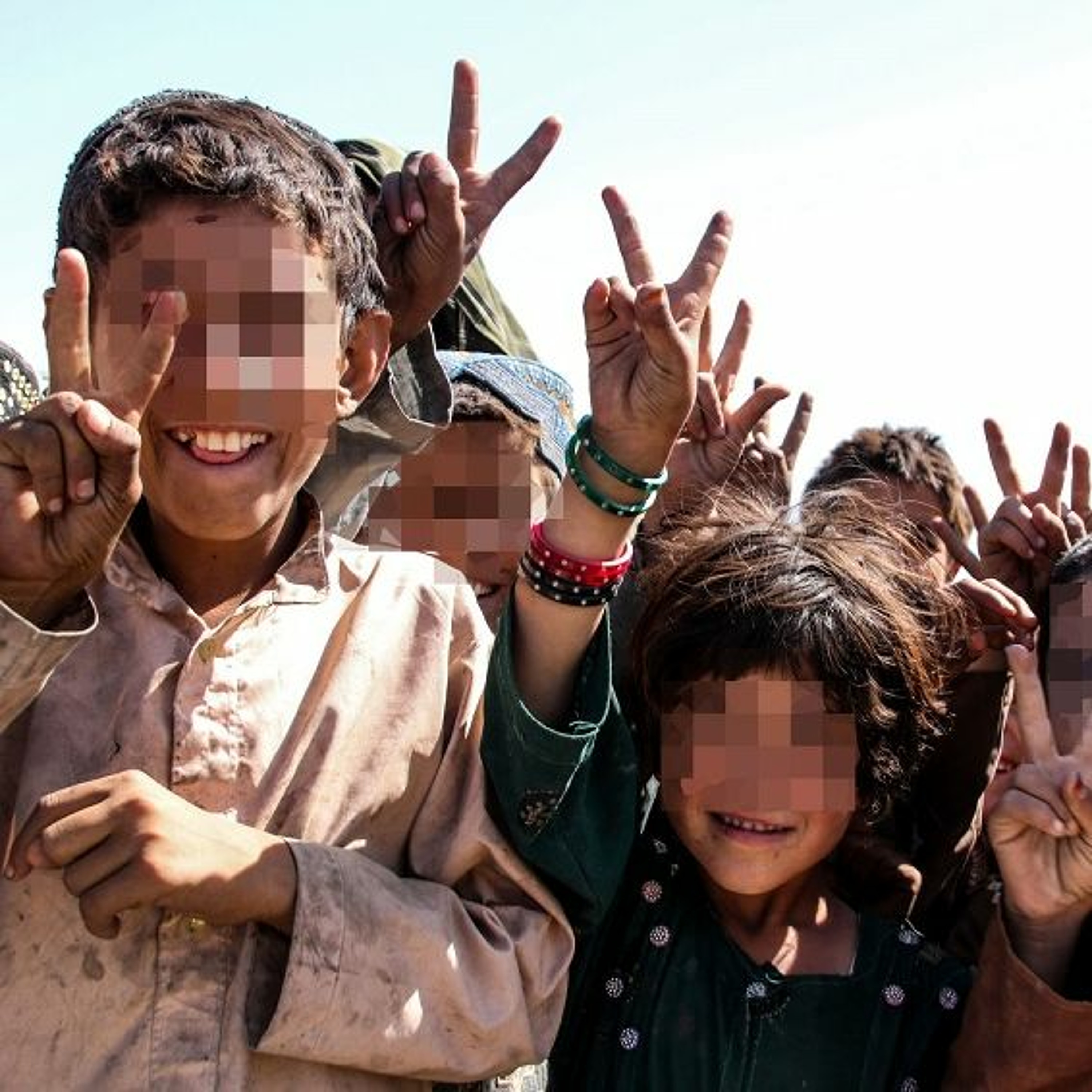
Not child’s play: protecting children’s data in humanitarian AI ecosystems
In times of crisis and conflict, advanced artificial intelligence and machine learning (AI/ML) might become as much part of the problem as the solution. An…
 ICRC Humanitarian Law and Policy Blog
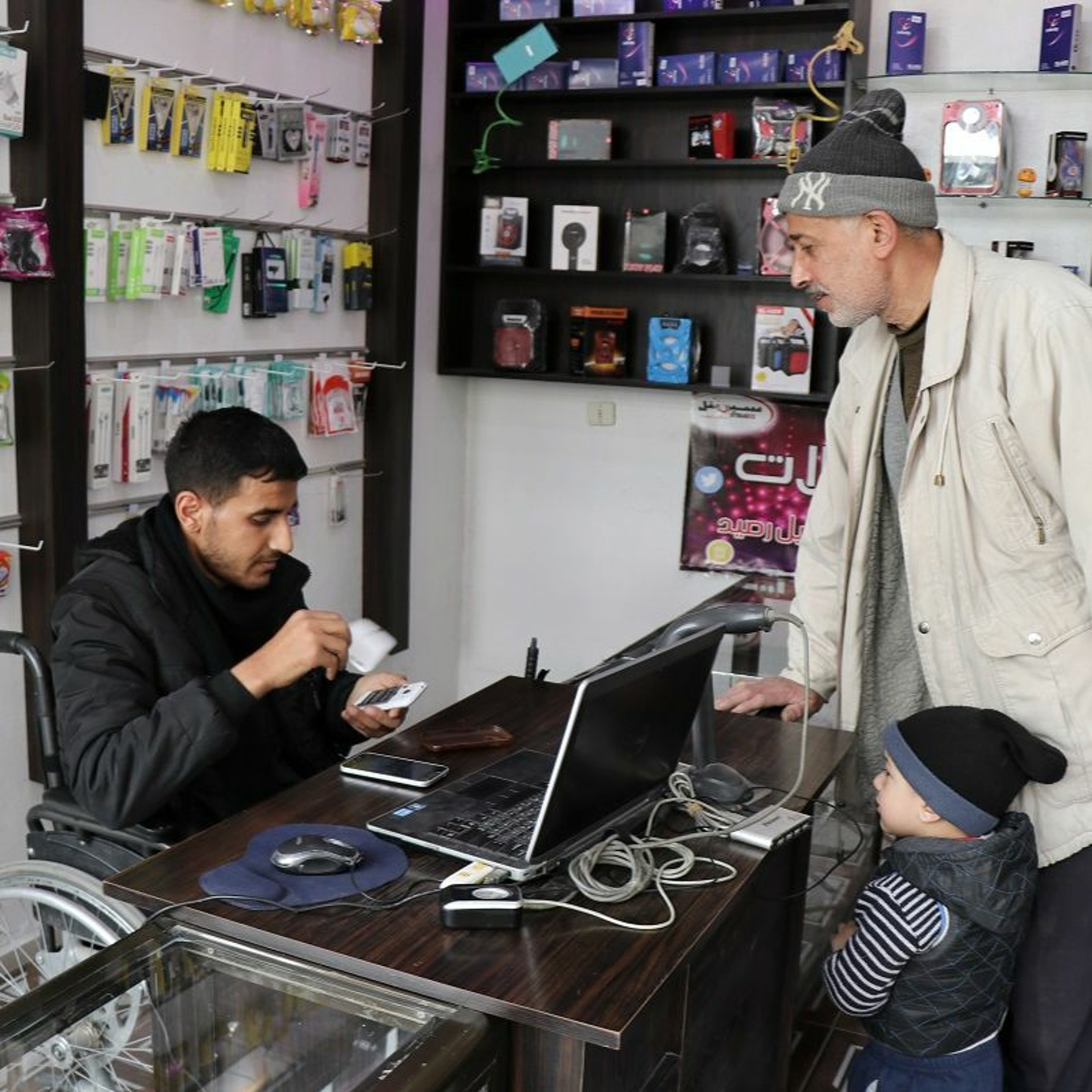
Mobile phones for participation: building responsible public-private humanitarian partnerships
Mobile phones are a powerful tool for participation and engagement in humanitarian crises. Responsible public/private partnerships are increasingly unleashing…
 ICRC Humanitarian Law and Policy Blog
Deploying OSINT in armed conflict settings: law, ethics, and the need for a new theory of harm
The deployment of open-source intelligence, or OSINT – information gathered from publicly-available data sources and used for intelligence purposes – is having…
 ICRC Humanitarian Law and Policy Blog
Responding to climate risks in conflict settings: in search of solutions
At COP28, states and organizations will adopt a Declaration on Climate, Relief, Recovery and Peace, committing to strengthen climate action and finance in…
 ICRC Humanitarian Law and Policy Blog
The complex neutrality of commercial space actors in armed conflict
During an international armed conflict, commercial space actors under the jurisdiction or control of a third, neutral state may find themselves implicated in…
 ICRC Humanitarian Law and Policy Blog
A human-centred approach to outer space security: how to boost UN efforts in the near-term
Technological trends and the rapid expansion of activity in outer space is creating new urgency for the pursuit of effective measures to ensure peace and…
 ICRC Humanitarian Law and Policy Blog
How would IHL apply to hostilities in outer space?
Despite the longstanding efforts of the international community to prevent an arms race in outer space, the rules governing the potential use of force there is…
 ICRC Humanitarian Law and Policy Blog
Algorithms of war: The use of artificial intelligence in decision making in armed conflict
In less than a year, Chat-GPT has become a household name, reflecting astonishing advances in artificial intelligence-powered software tools, especially…
 ICRC Humanitarian Law and Policy Blog
Protecting civilians against digital threats: 4 worrying trends and recommendations to address them
In situations of armed conflict, access to digital technology can save lives. But the use of cyber, information, and other digital operations by belligerents…
 ICRC Humanitarian Law and Policy Blog
Foghorns of war: IHL and information operations during armed conflict
“In war, truth is the first casualty” is perhaps one of the best known aphorisms about armed conflict. Information operations have long been conducted to…
 ICRC Humanitarian Law and Policy Blog
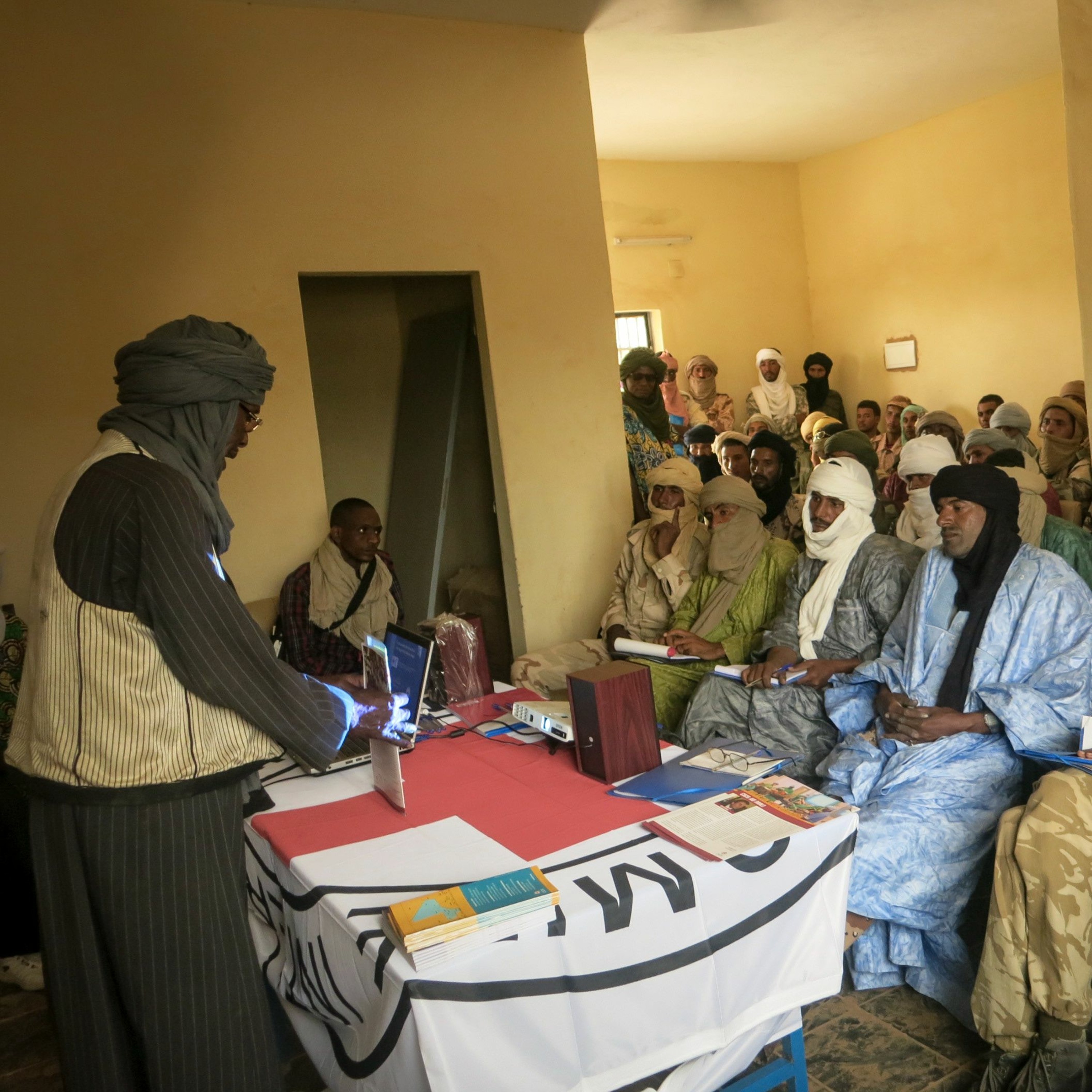
ICRC engagement with armed groups in 2023
In line with its mandate, the ICRC engages with all parties to an armed conflict, including non-state armed groups. The ICRC has a long history of confidential…
 ICRC Humanitarian Law and Policy Blog
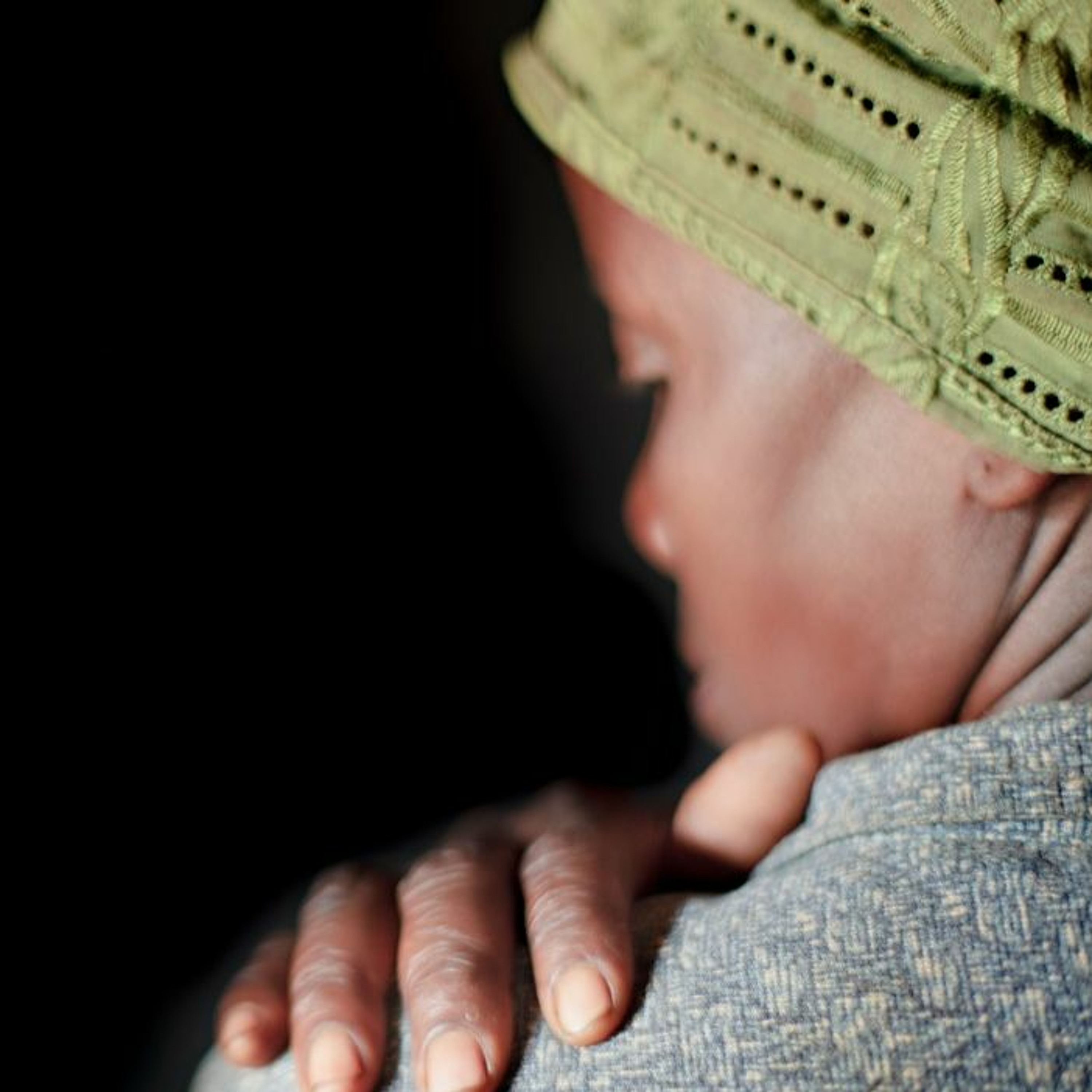
Sexual violence in conflict and weapons: unpacking the links for better prevention
It’s often said that sexual violence is a weapon of war, but the actual weapons used to perpetrate these crimes are rarely discussed. Based on recent research…
 ICRC Humanitarian Law and Policy Blog
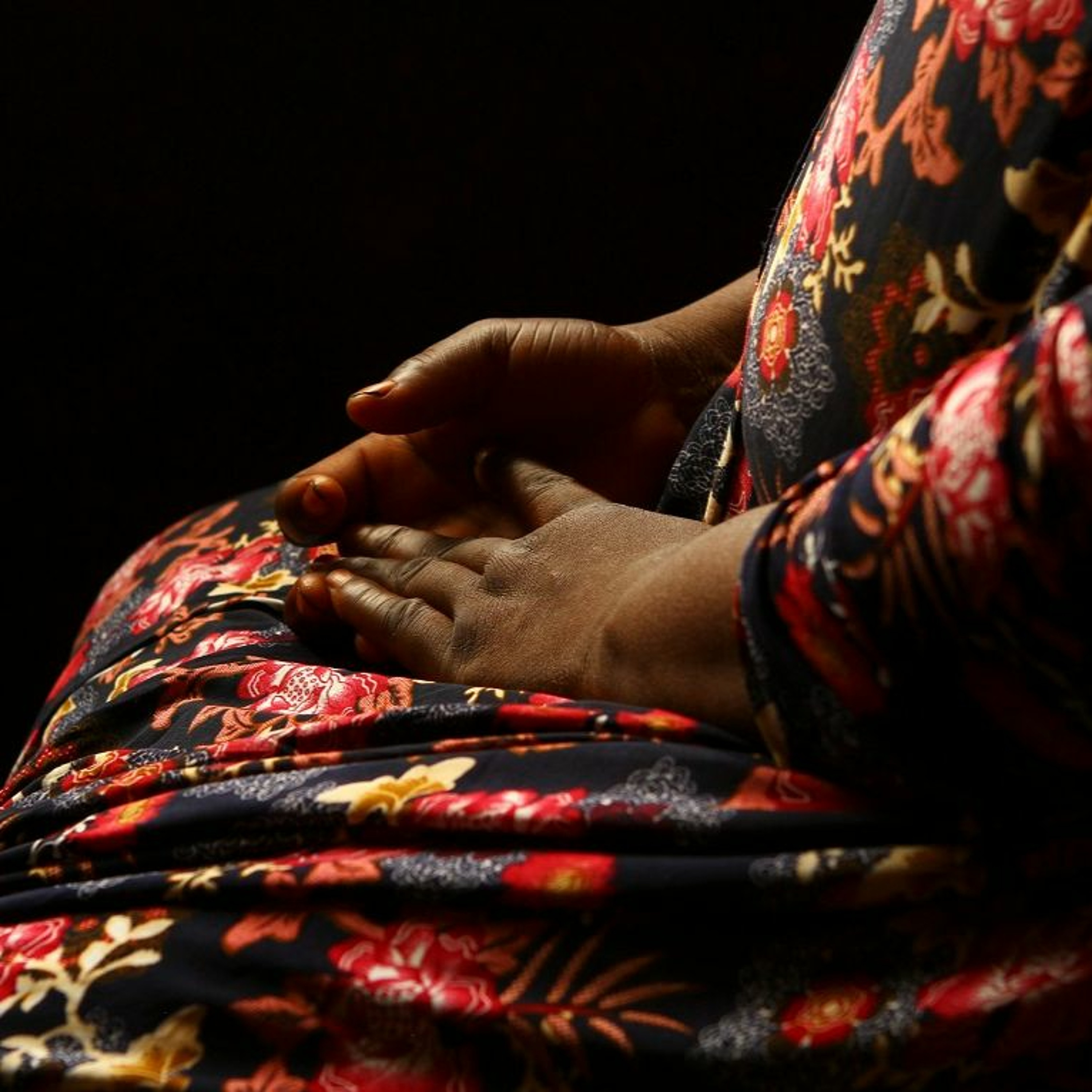
Sexual and gender-based violence in migration contexts: does faith sensitivity matter?
Sexual and gender-based violence (SGBV) is tragically widespread along migration journeys, especially when these take place along irregular routes “due to…
 ICRC Humanitarian Law and Policy Blog
Protecting education from non-state armed group attacks
Non-state armed groups are responsible for a significant proportion of attacks that kill and injure students and teachers and damage schools and universities…
 ICRC Humanitarian Law and Policy Blog
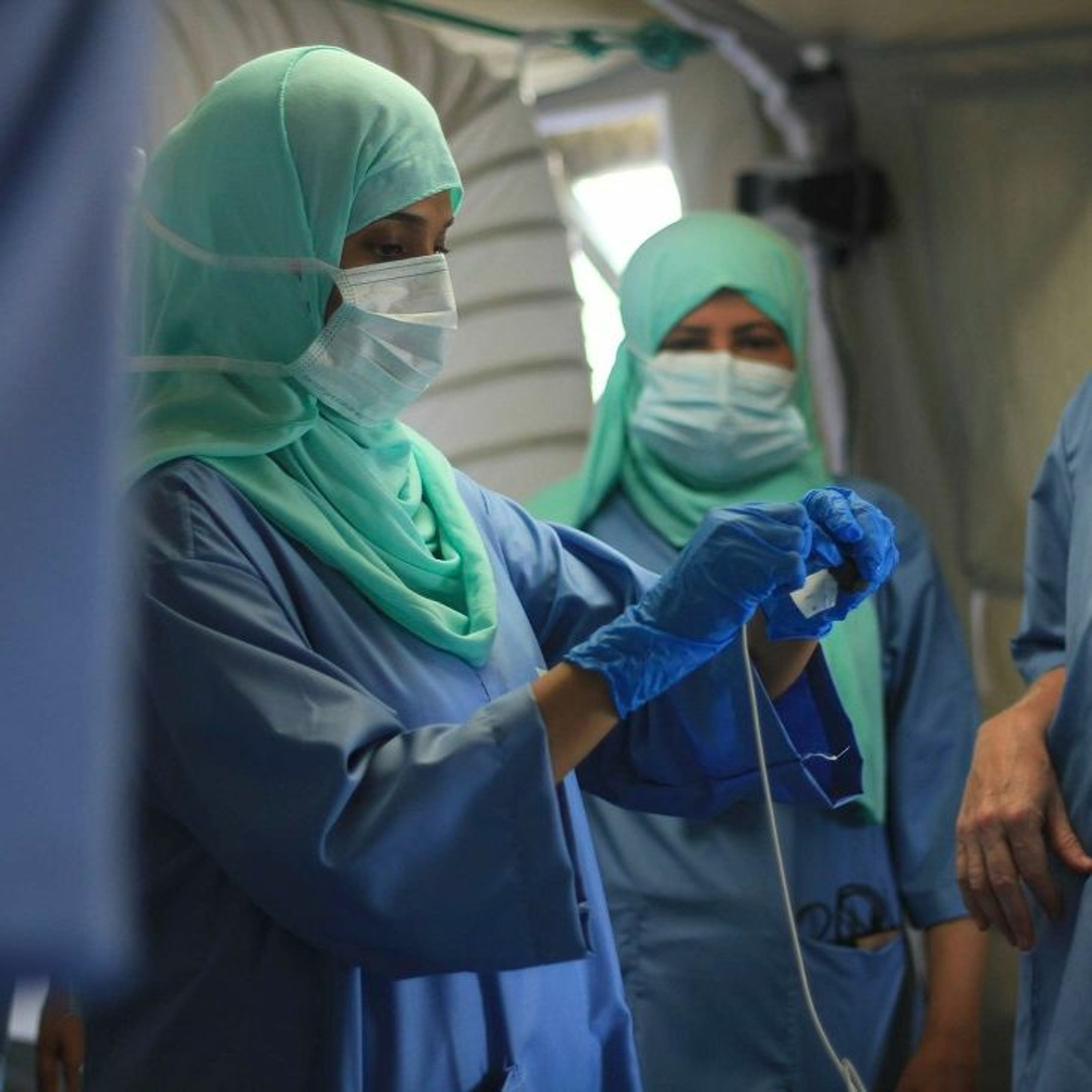
Armed conflict and the pandemic accord: what states should do next for conflict-affected populations
Armed conflict and other humanitarian emergencies disrupt health systems in many ways: making healthcare less accessible to people in need; reducing the…
 ICRC Humanitarian Law and Policy Blog
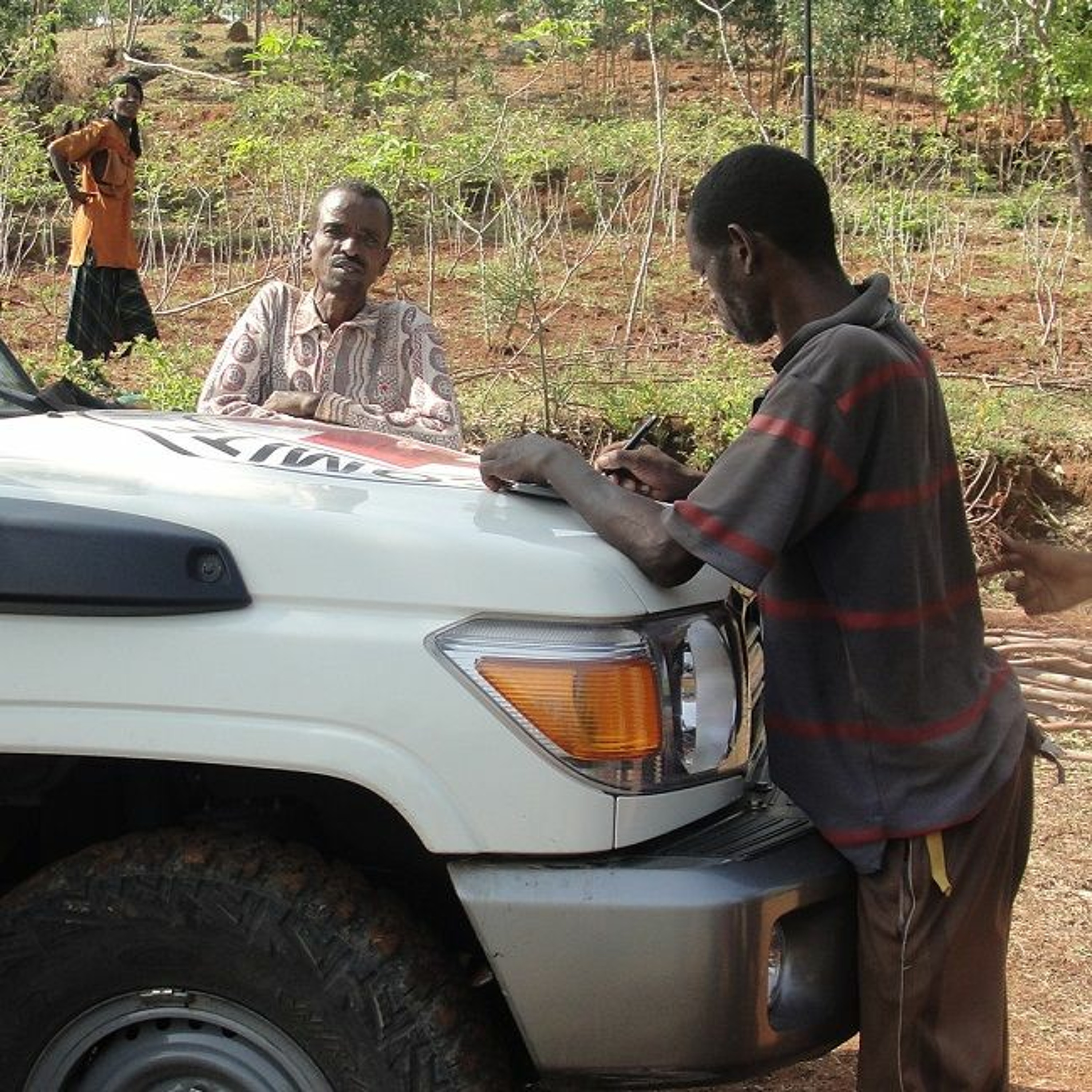
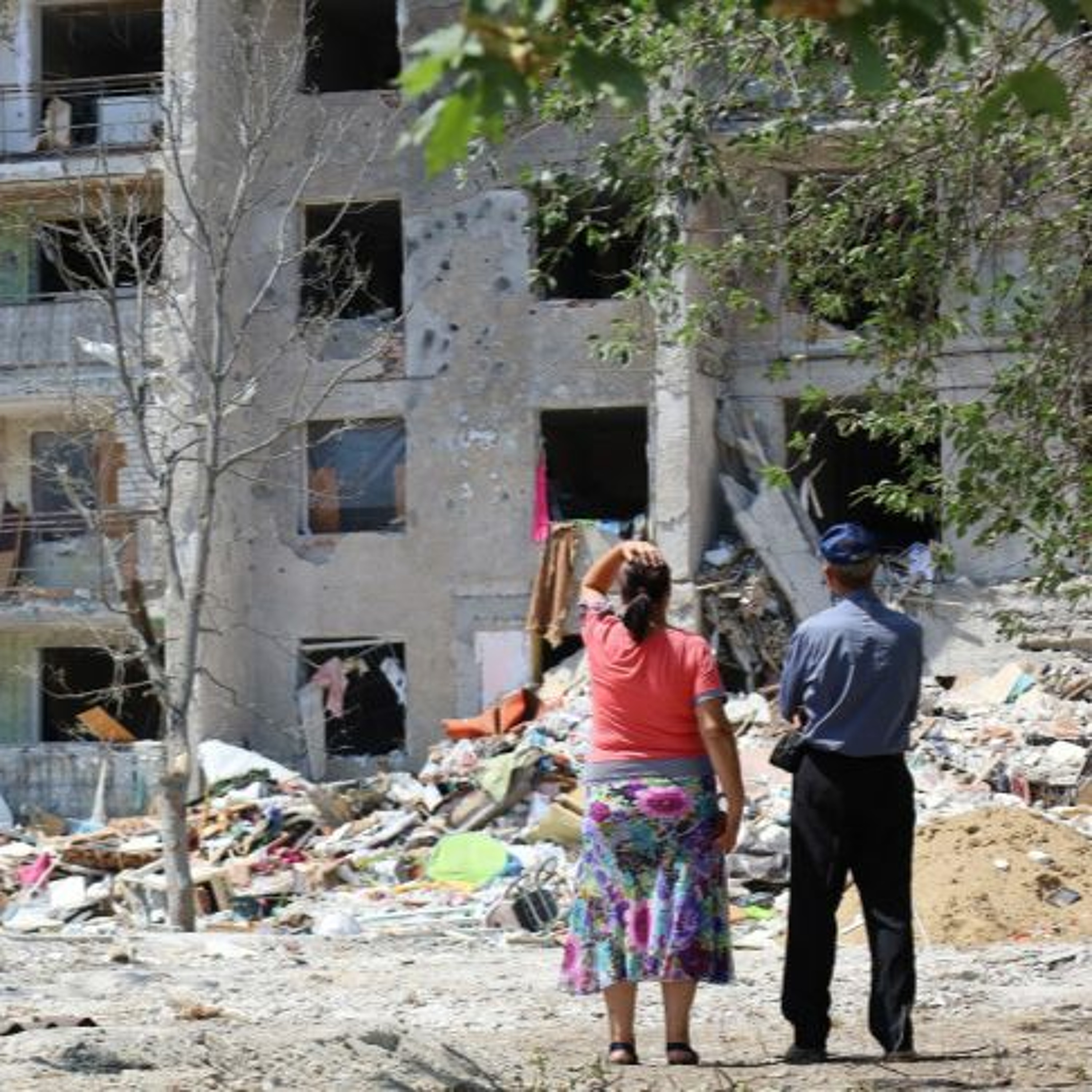
Navigating dilemmas in people-centric humanitarian action
There is now a general consensus that being accountable to people affected by conflict and their inclusion in programming is both a moral and ethical…
 ICRC Humanitarian Law and Policy Blog
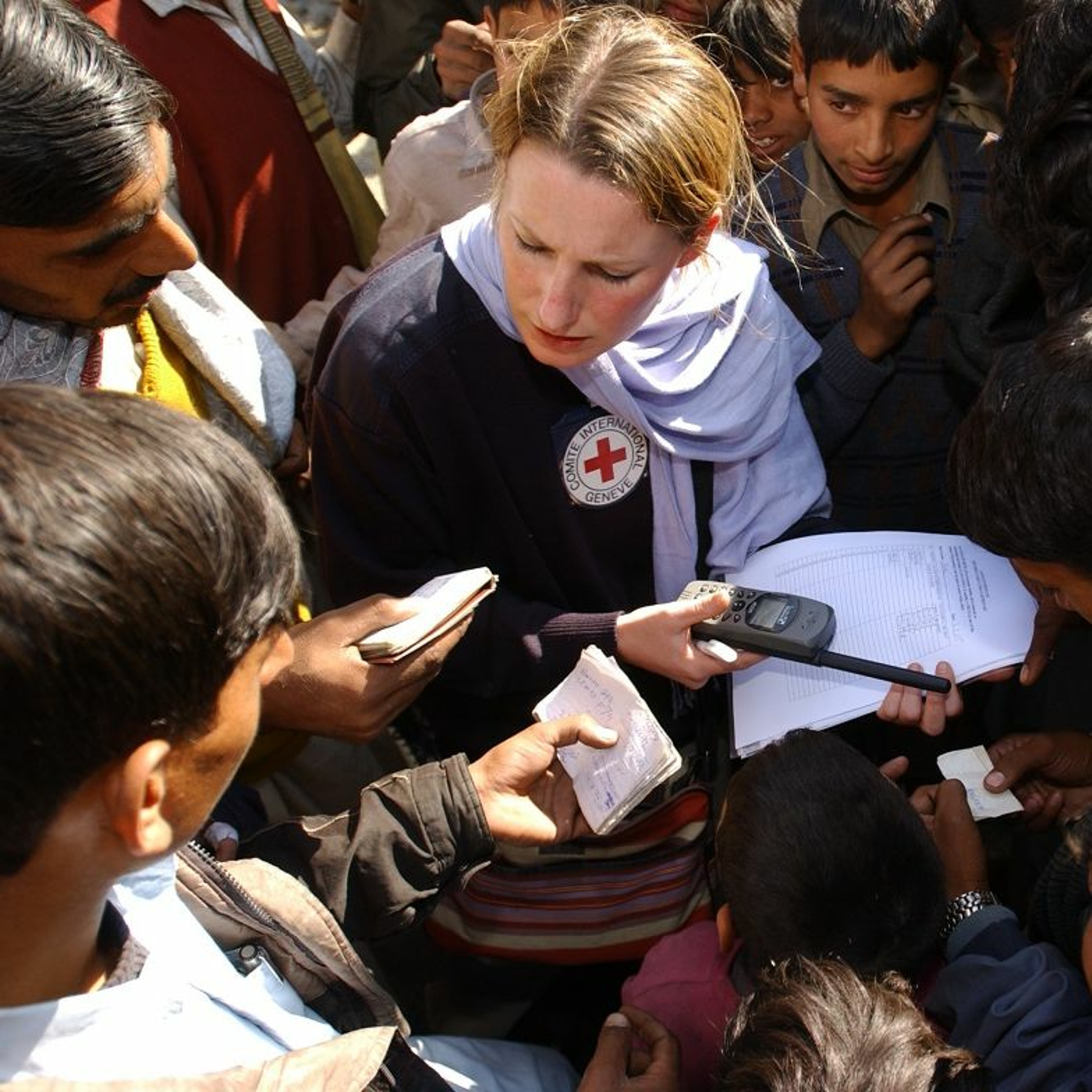
People, principles, and processes: accountability in humanitarian action
In an ever-evolving global landscape, the dynamics of humanitarian work are constantly challenged and shaped by new realities. From acknowledging power…
 ICRC Humanitarian Law and Policy Blog
Space security governance: steps to limit the human costs of military operations in outer space
Civilians are heavily dependent on space systems for everyday life. Yet, those same space systems can also be critical for national and international security…
 ICRC Humanitarian Law and Policy Blog
Reducing the civilian cost of military counterspace operations
Enabled by advanced technologies, the past few decades have seen a revolution in the utility and criticality of space systems for military operations as well…
 ICRC Humanitarian Law and Policy Blog
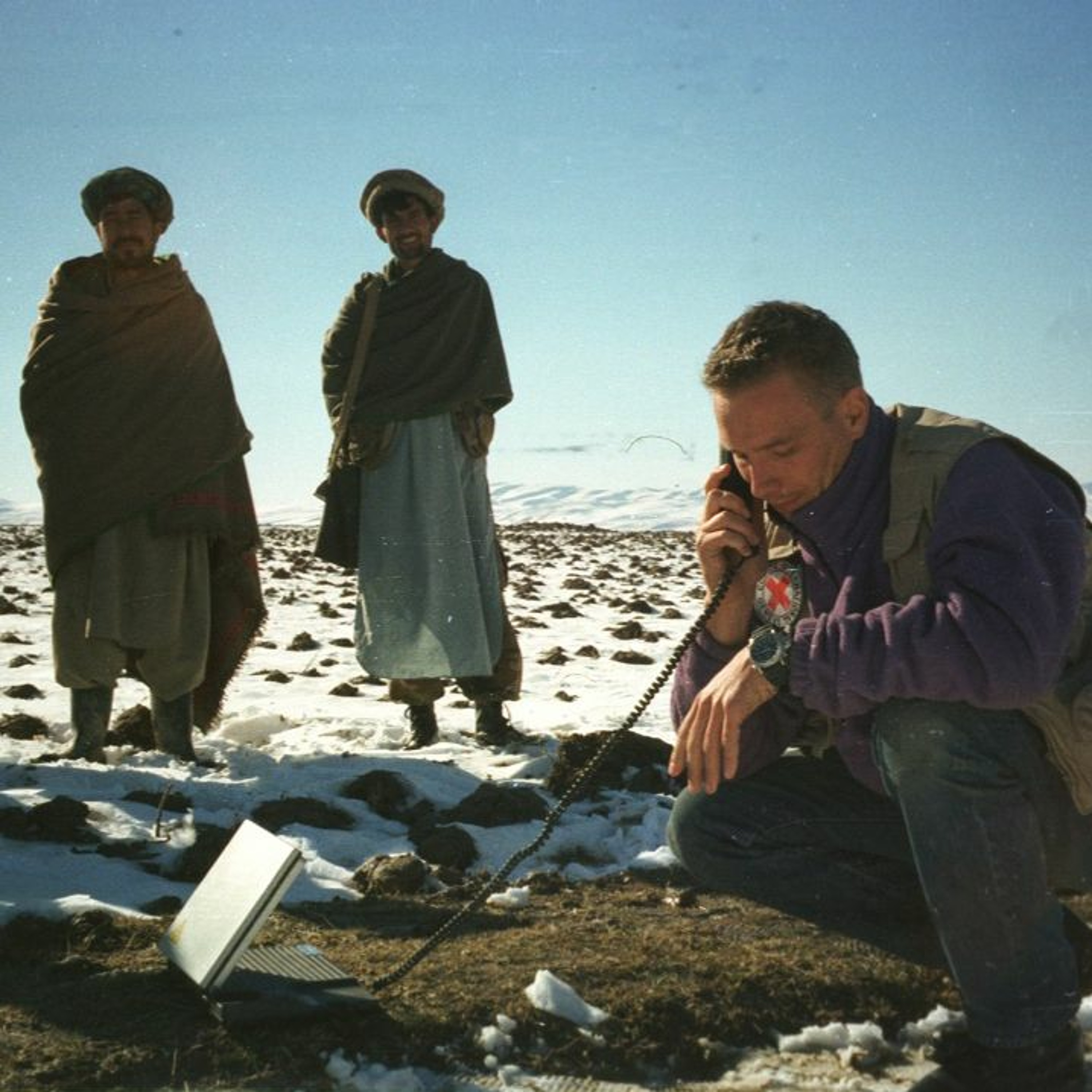
War, law and outer space: pathways to reduce the human cost of military space operations
Despite the long-term desire of the international community to explore and use outer space for peaceful purposes, space systems have been employed for military…
 ICRC Humanitarian Law and Policy Blog
Photographing neutrality: a personal reflection from the field
They say a picture is worth a thousand words, but images taken during modern conflicts instill a different sense of interpretation. Humanitarian…
 ICRC Humanitarian Law and Policy Blog
Investing in the laws of war: international humanitarian law and the financial sector
The international armed conflict between Russia and Ukraine has revealed a knowledge gap across the global financial sector regarding exposure to armed…
 ICRC Humanitarian Law and Policy Blog
What we don’t understand about digital risks in armed conflict and what to do about it
The deployment and use of new digital technologies in modern conflicts – from information to cyber operations – creates new risks and enables actual risks of…
 ICRC Humanitarian Law and Policy Blog
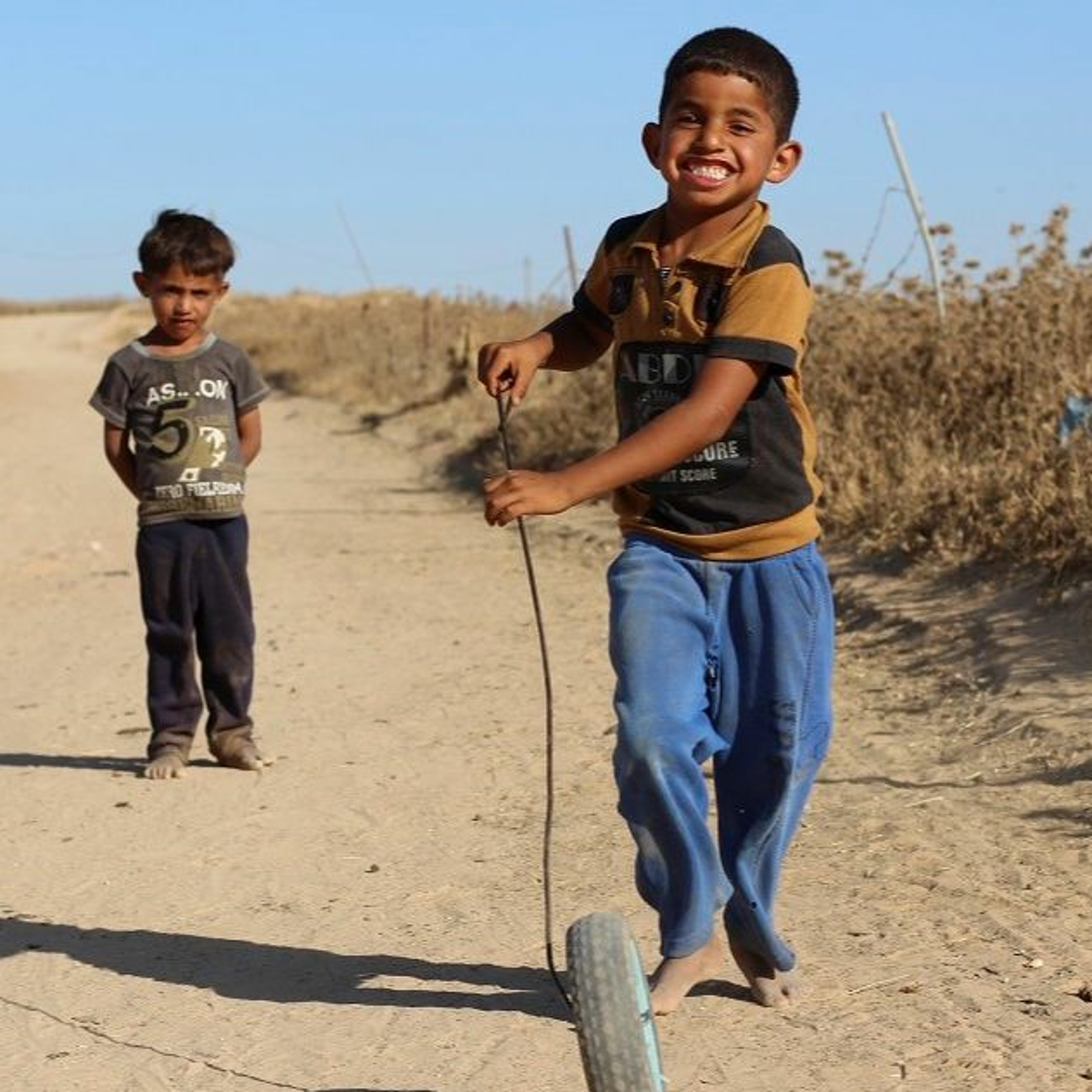
Towards a disability-inclusive IHL: ICRC views and recommendations
As a 2022 global report by the World Health Organization estimates, about 1.3 billion people – or 16% of the world’s population, more than one in six people –…
 ICRC Humanitarian Law and Policy Blog
Loitering munitions: flagging an urgent need for legally binding rules for AWS
Earlier this month, a viral story alleged that a US Air Force simulation took place during which an “AI drone” “attacked” its human operator when they…
 ICRC Humanitarian Law and Policy Blog
Responsible data sharing between humanitarian organizations and donors: towards a common approach
Humanitarian organizations are facing increased incentives to collect and share disaggregated data about their operations. At the same time, they must ensure…
 ICRC Humanitarian Law and Policy Blog
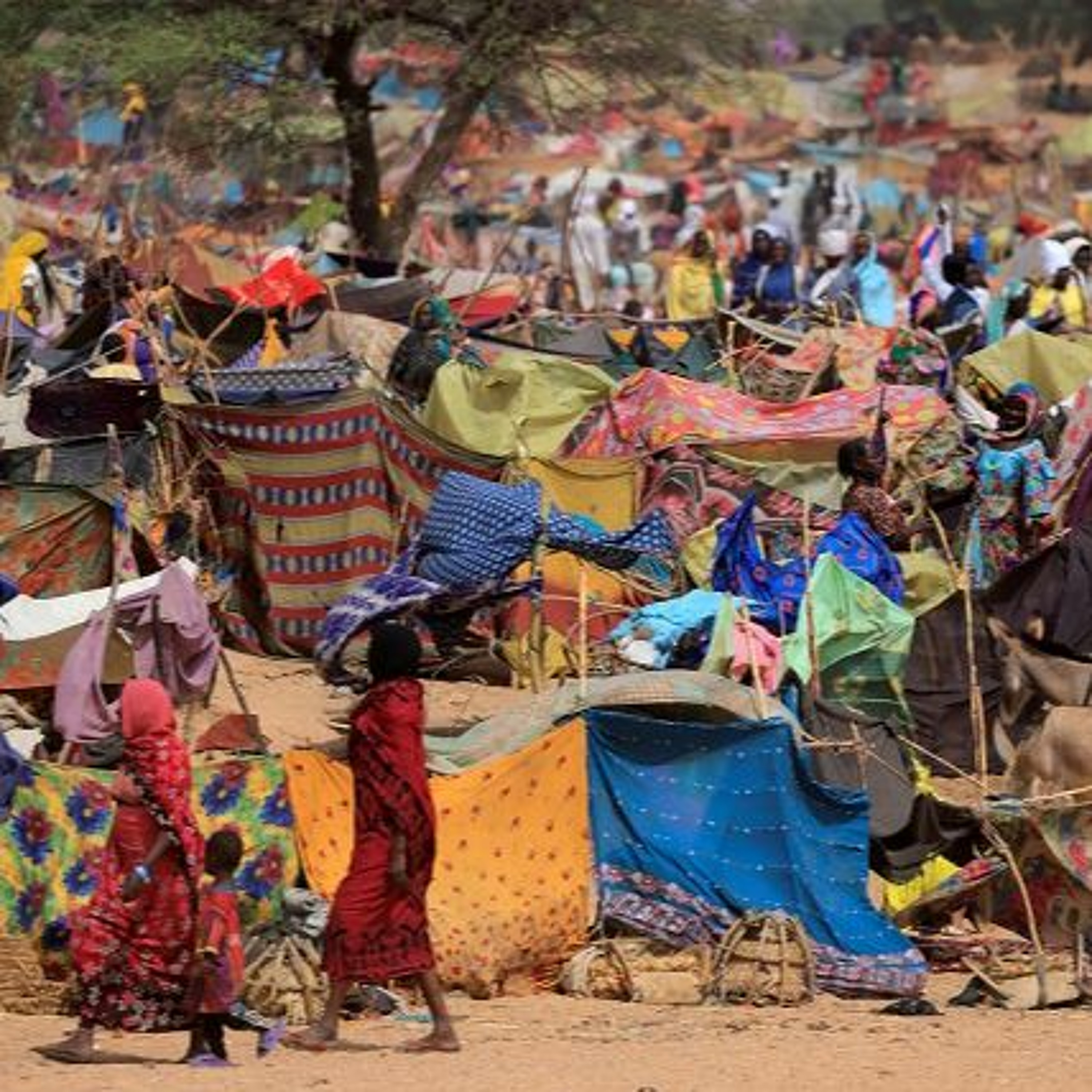
Armed conflict in Sudan: a recap of the IHL rules applicable in non-international armed conflicts
On 15 April 2023, the world watched the eruption of hostilities in Khartoum, the capital of Sudan, which also spread to other parts of the country, notably…
 ICRC Humanitarian Law and Policy Blog
Supporting social protection: five considerations for a principled humanitarian approach
As humanitarian organizations broaden their mindset from saving lives in emergencies to making a more sustainable impact, they increasingly consider supporting…
 ICRC Humanitarian Law and Policy Blog
Harnessing the power of Artificial Intelligence to uncover patterns of violence
This month saw the successful conclusion to a year-long collaboration between the ICRC and the Swiss Data Science Centre – a joint venture between…
 ICRC Humanitarian Law and Policy Blog
War on the coastline: mitigating civilian harm in the littorals
With 80 per cent of the world’s population living within 100 kilometers of a coastline, and maritime trade accounting for around 90 per cent of world trade, a…
 ICRC Humanitarian Law and Policy Blog
A safety net for prisoners of war: five key principles of the Third Geneva Convention
After the Second World War, countries came together to improve the legal protection available to certain categories of persons – including prisoners of war –…
 ICRC Humanitarian Law and Policy Blog
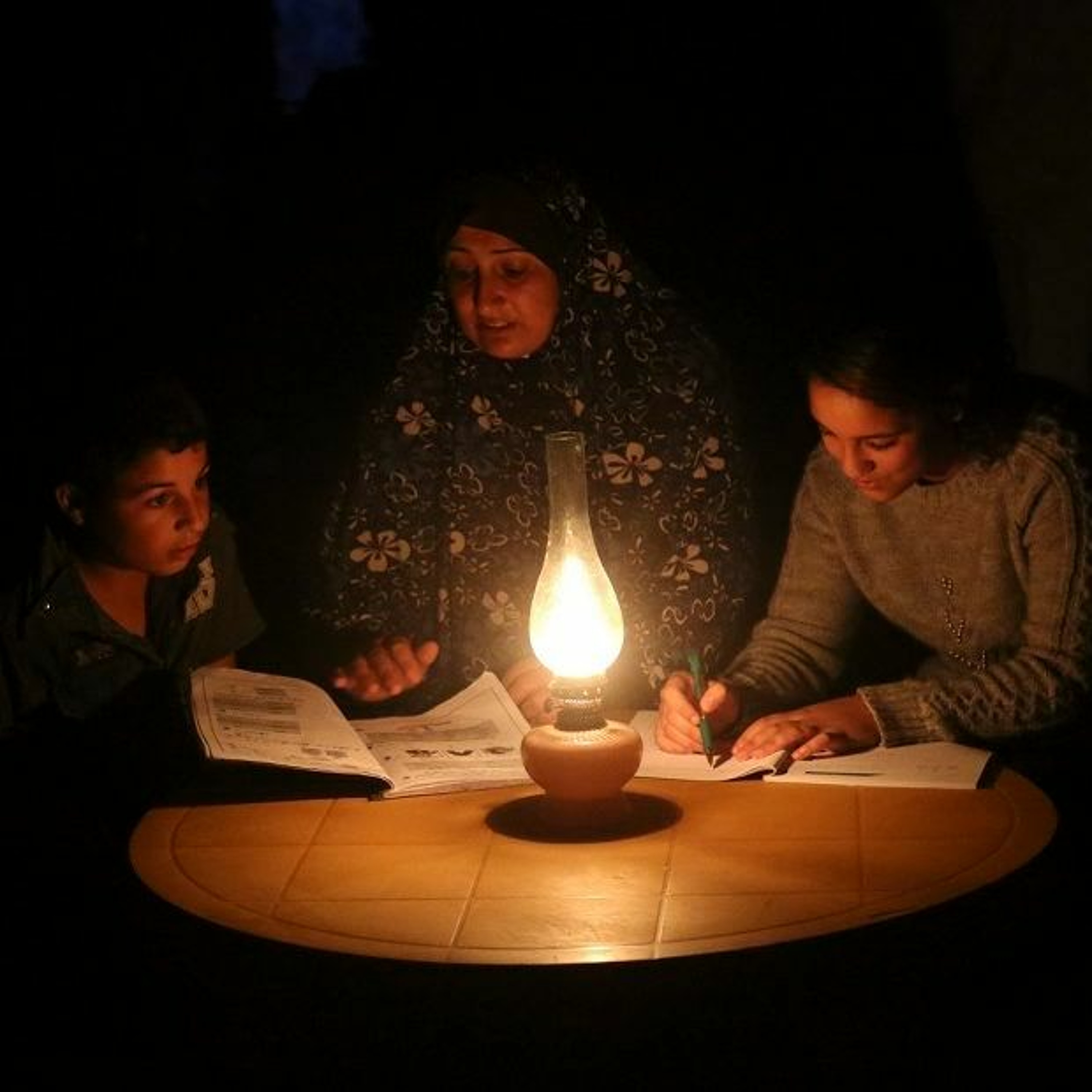
When the lights go out: the protection of energy infrastructure in armed conflict
In armed conflicts across the globe, critical infrastructure enabling the delivery of essential services for the civilian population is subjected to repeated…
 ICRC Humanitarian Law and Policy Blog
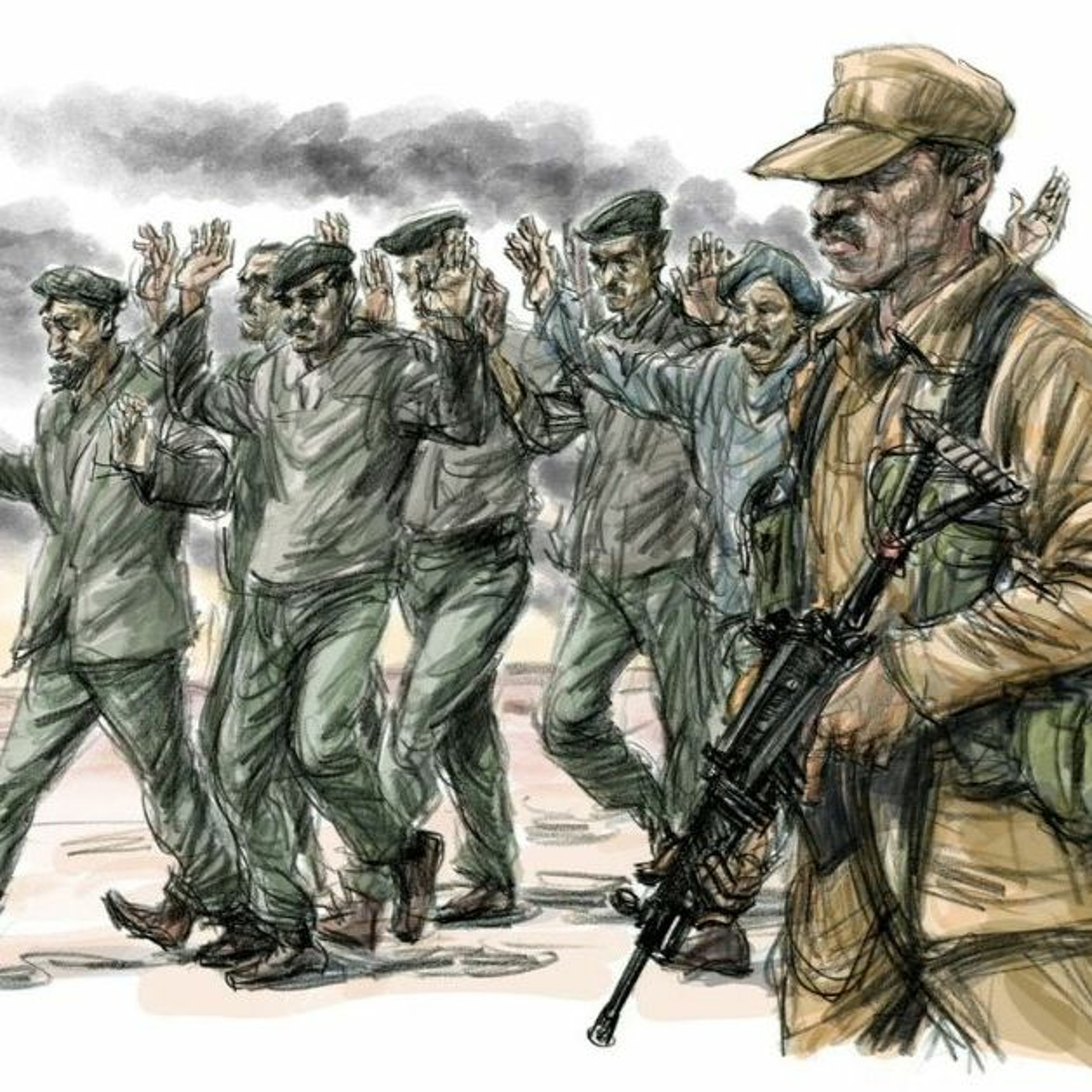
Detention by non-State armed groups: translating law to practice
From the east of the Democratic Republic of the Congo to the north of Syria, from remote areas of Colombia to the Tigray region of Ethiopia: over the past…
 ICRC Humanitarian Law and Policy Blog
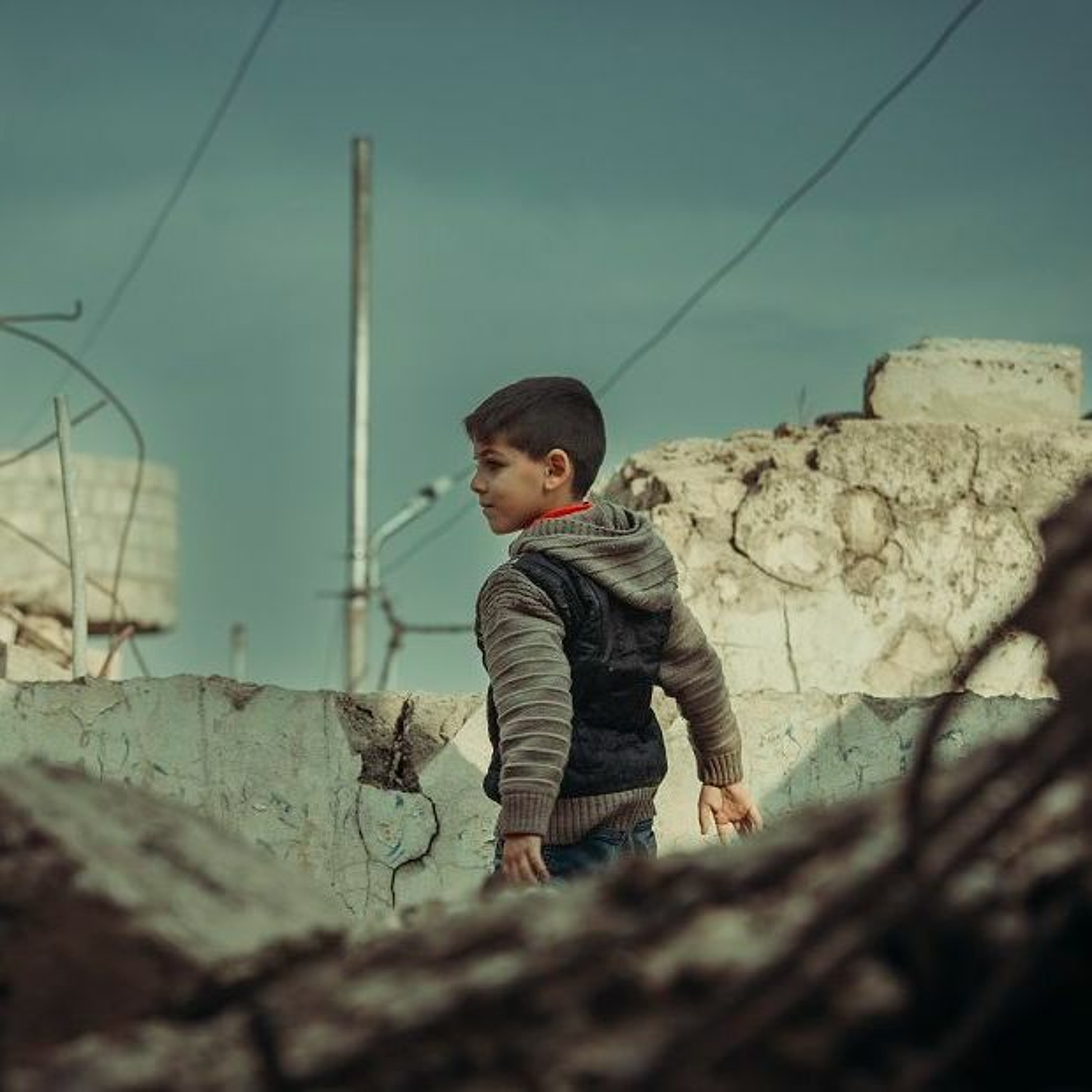
The NSAG handbook: helping non-State armed groups reduce civilian harm during urban warfare
Today, more than half of the world’s population lives in urban areas. As the number of people living in cities increases, so does the prevalence of urban…
 ICRC Humanitarian Law and Policy Blog
Climate change, environment and humanitarian action in Southeast Asia
Worldwide, millions of people are already facing the harsh reality of climate and environmental crises, which act as a risk magnifier and compound the impacts…
 ICRC Humanitarian Law and Policy Blog
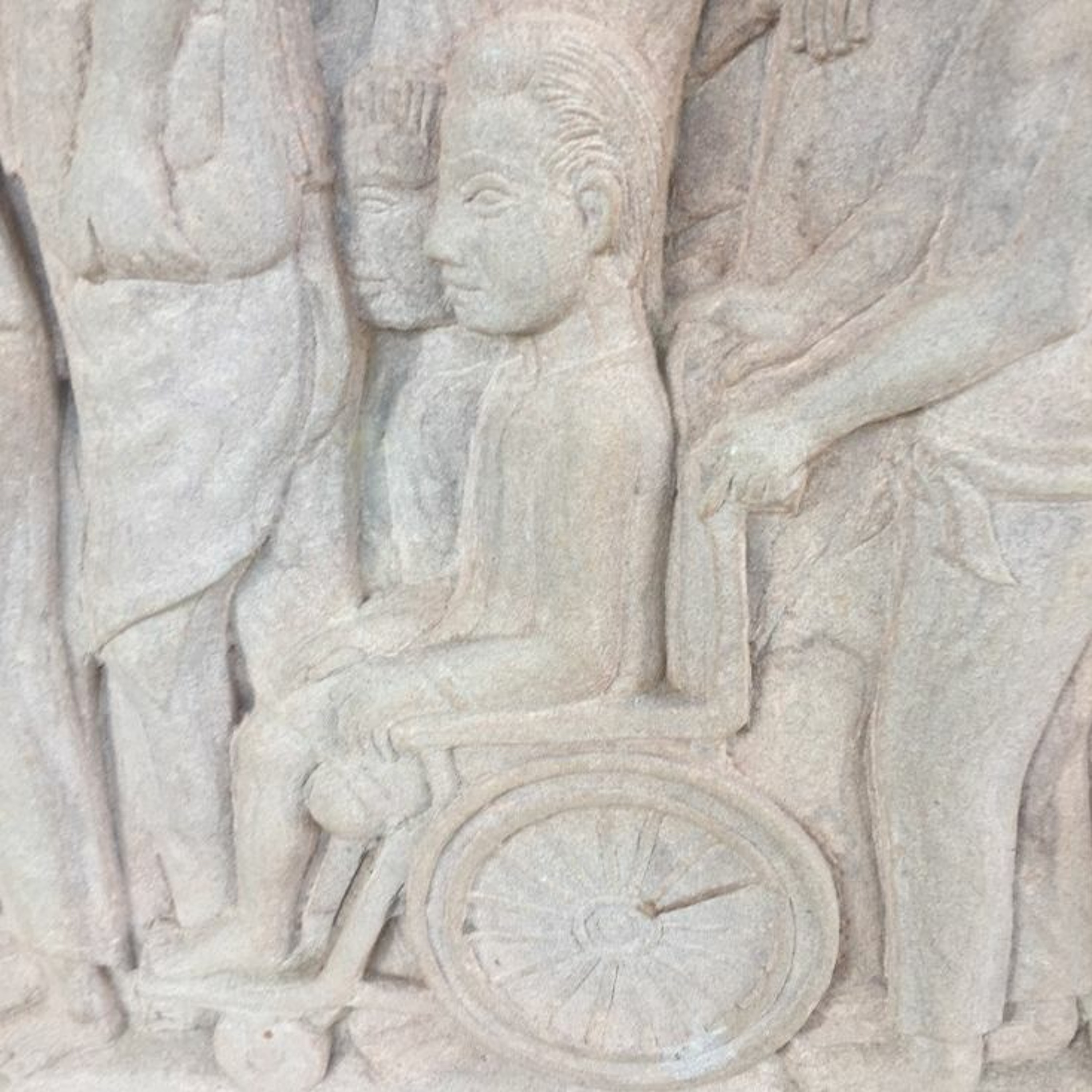
Protecting the innocent, the land, and the body: traditional sources of restraint on landmine use
What drives restraint in armed conflict? Recent studies have examined different factors contributing to restraint behaviour, mainly focusing on strategic…
 ICRC Humanitarian Law and Policy Blog
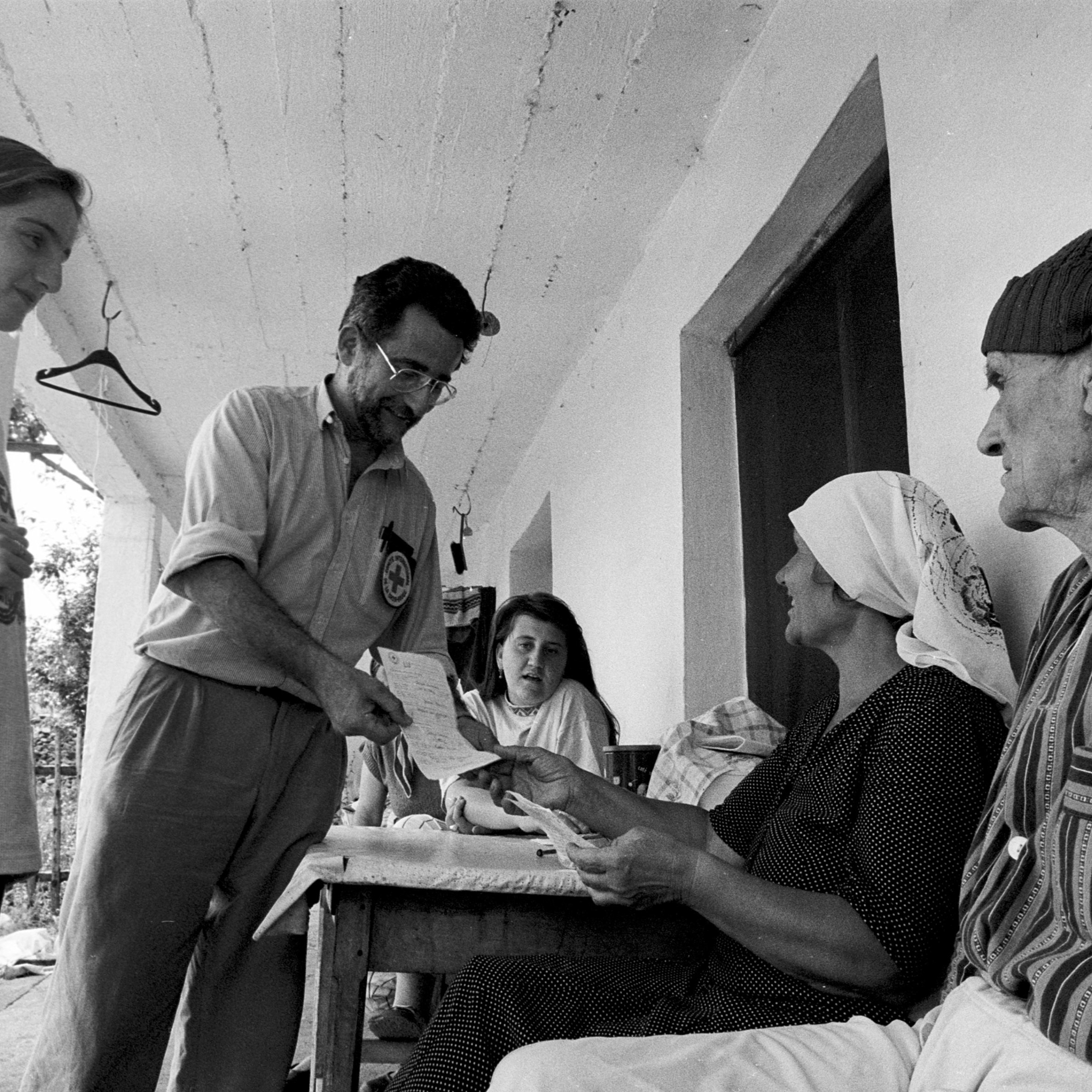
It’s all relative: the humanitarian principles in historical and legal perspective
Humanitarian actors broadly agree on the humanitarian principles’ meanings and their utility in responses to armed conflict and disasters. But this consensus…
 ICRC Humanitarian Law and Policy Blog
Towards common understandings: the application of established IHL principles to cyber operations
Cyber operations have become a reality of today’s armed conflicts, and their use is likely to continue to grow in the future. In light of this trend, the ICRC…
 ICRC Humanitarian Law and Policy Blog
3 lessons on the regulation of AWS to ensure accountability for violations of IHL
States have agreed on the principle that machines cannot be held accountable for violations of international humanitarian law (IHL), but how would…