Shows / ICRC Humanitarian Law and Policy Blog
ICRC Humanitarian Law and Policy Blog
The International Committee of the Red Cross (ICRC) Humanitarian Law & Policy blog is a unique space for timely analysis and debate on international humanitarian law (IHL) issues and the policies that shape humanitarian action.
Episodes
 ICRC Humanitarian Law and Policy Blog
The holy grail of virtual diplomacy: how to achieve trust
The ‘Great Move’ to communication in the virtual world has been underway for some time. Spurred on by the COVID-19 pandemic, many of us have switched to the…
 ICRC Humanitarian Law and Policy Blog
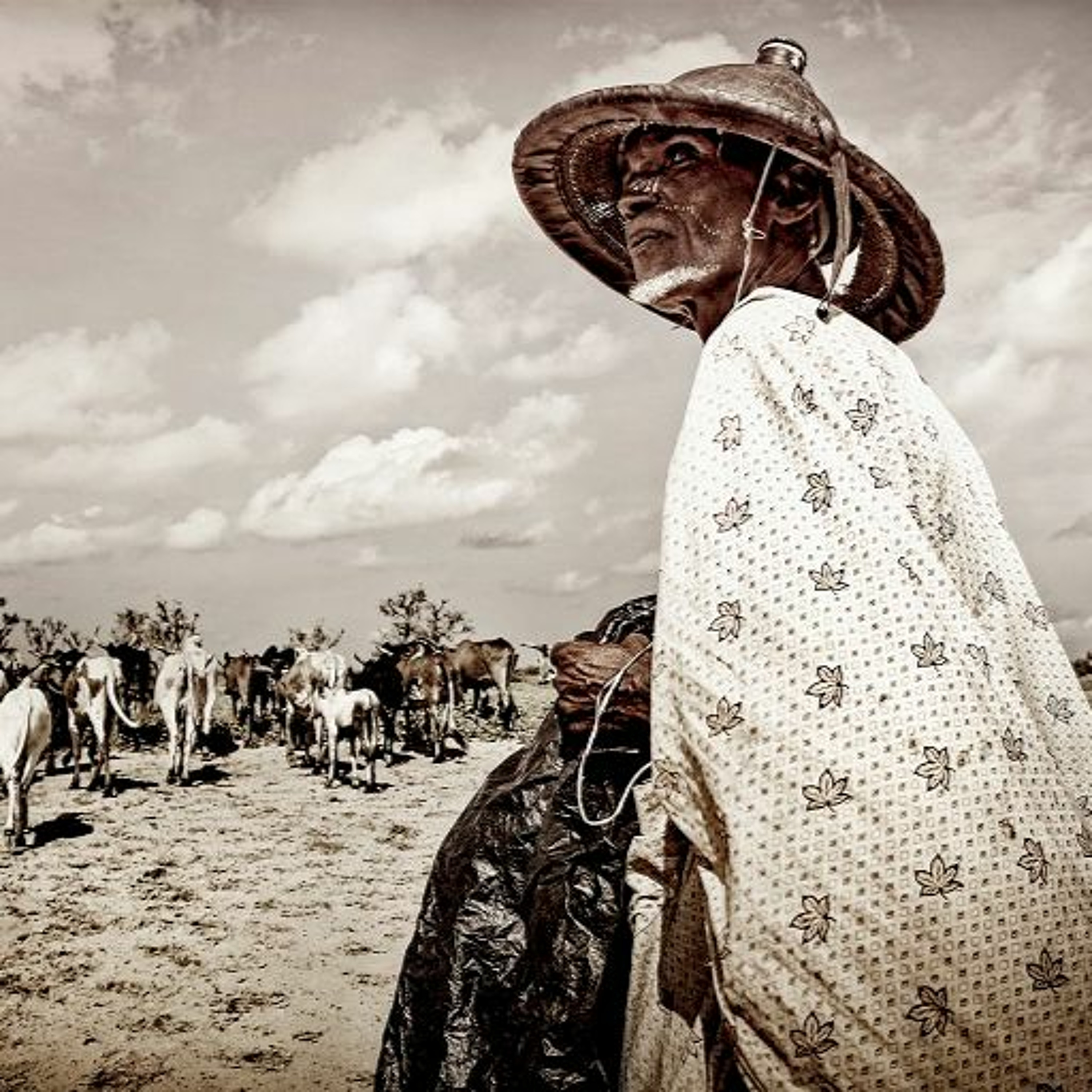
A plea for COP26: don’t forget people affected by conflict
Communities enduring conflict are on the frontlines of the climate crisis. Paradoxically, they are also among the most neglected by climate action. It is…
 ICRC Humanitarian Law and Policy Blog
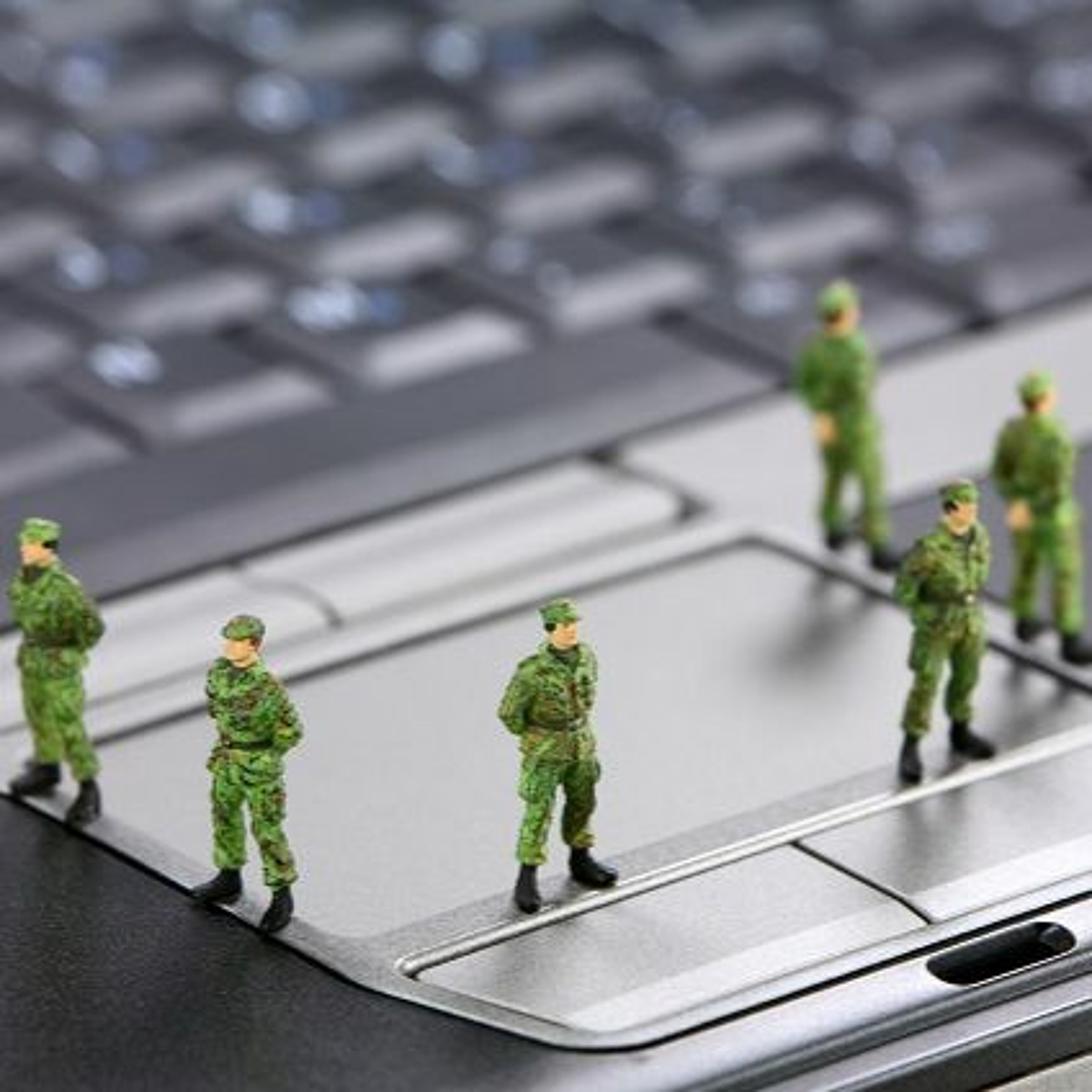
A pragmatic perspective towards minimizing the civilian harm of offensive cyberspace operations
Within a complex and growing threat landscape, the cyber arms race is ramping up, underscoring the need for reasonable and realistic constraints on the…
 ICRC Humanitarian Law and Policy Blog
The nature-security nexus and the UN Security Council
The destruction of nature and the world’s ecosystems presents an unprecedented challenge for humanity. With one million species on the brink of extinction –…
 ICRC Humanitarian Law and Policy Blog
Bringing IHL home: the protection of the environment in war
When international law addresses a particular issue of concern, ultimately the intention is to have some kind of real impact on that issue. In the case of…
 ICRC Humanitarian Law and Policy Blog
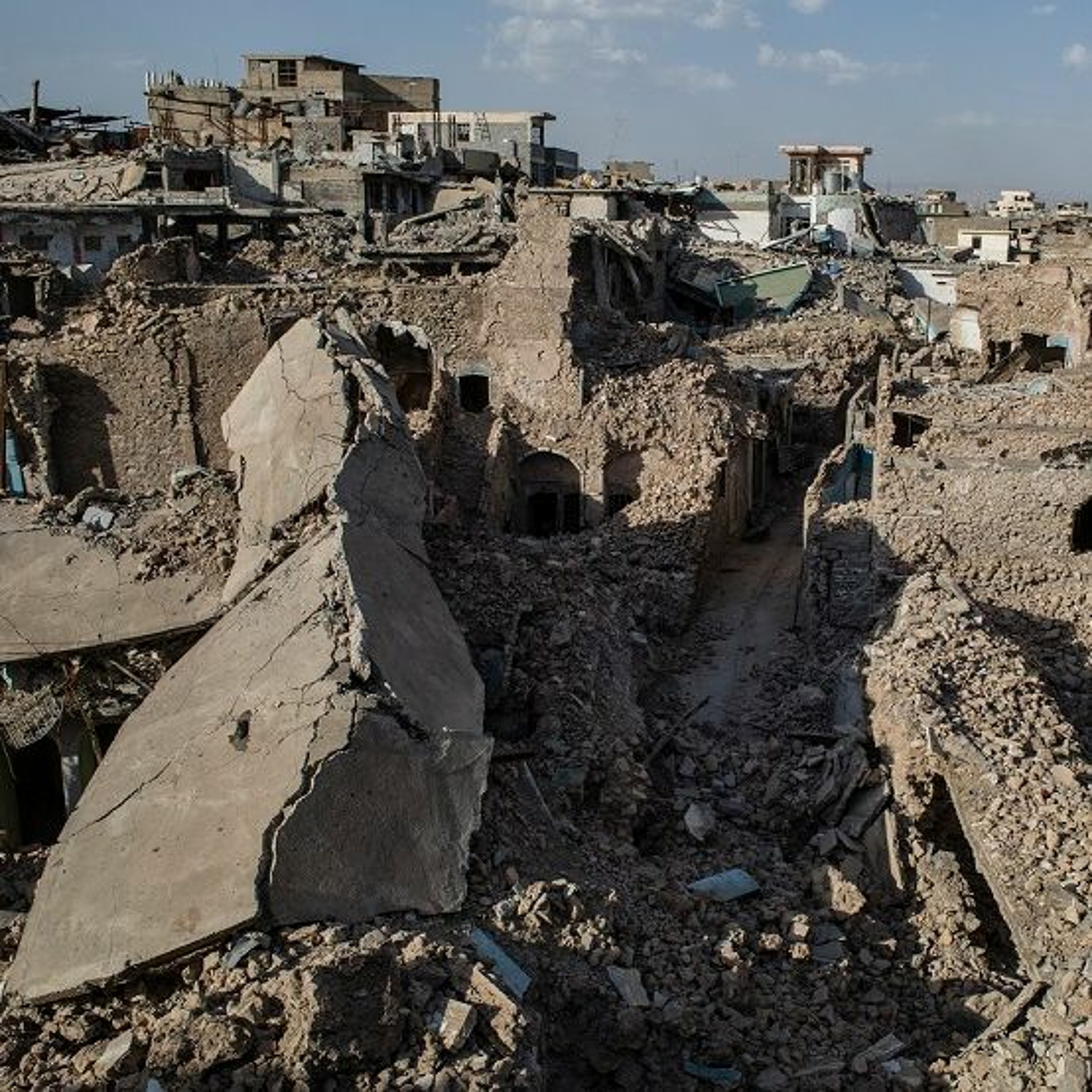
Engaging with the industry: integrating IHL into new technologies in urban warfare
Alongside the urbanization of armed conflict lies a second trend: the increase in the use of technology to augment methods of warfare. Although some may claim…
 ICRC Humanitarian Law and Policy Blog
Autonomy in weapons systems: playing catch up with technology
For almost eight years now, the international community at the United Nations (UN) has been discussing the various ethical, legal and security-related issues…
 ICRC Humanitarian Law and Policy Blog
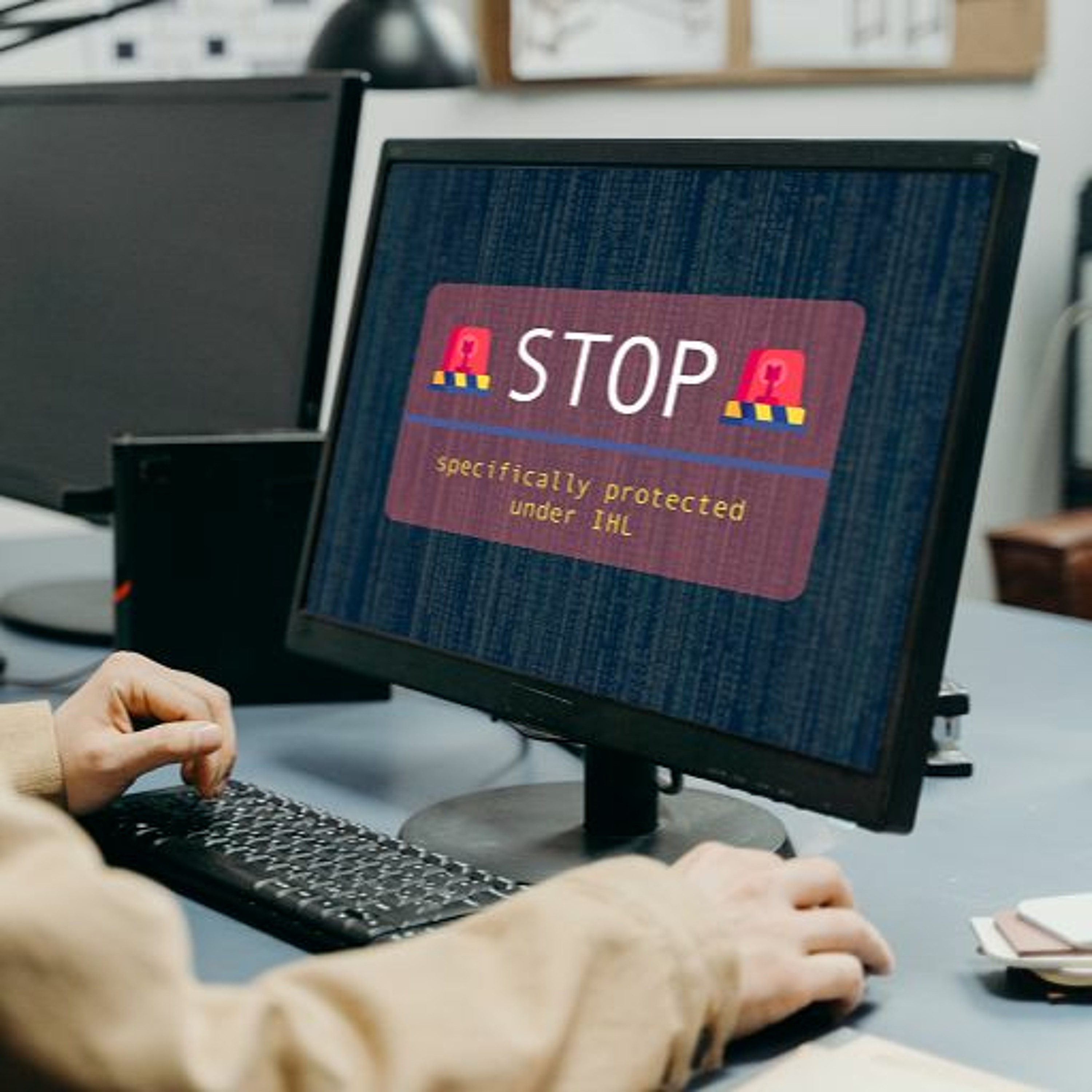
Identifying Protected Missions in the Digital Domain
Digital technologies and the always-on communications that underpin the internet have transformed our world in many positive ways, but have also enabled…
 ICRC Humanitarian Law and Policy Blog
Signaling legal protection during cyber warfare: an authenticated digital emblem
Warfare increasingly takes place in cyberspace. Consequently, the question arises how a digital analogy of the protective emblems, the red cross, red crescent…
 ICRC Humanitarian Law and Policy Blog
Signaling legal protection in a digitalizing world: a new era for the distinctive emblems?
The use of digital technology in armed conflict is rising sharply. Such developments come with risks, but they may also provide opportunities. For example…
 ICRC Humanitarian Law and Policy Blog
Biometrics in humanitarian action: a delicate balance
When biometrics enters the news cycle, it is usually in the context of a critical discussion on the risks versus the benefits – an ethical debate, as evidenced…
 ICRC Humanitarian Law and Policy Blog
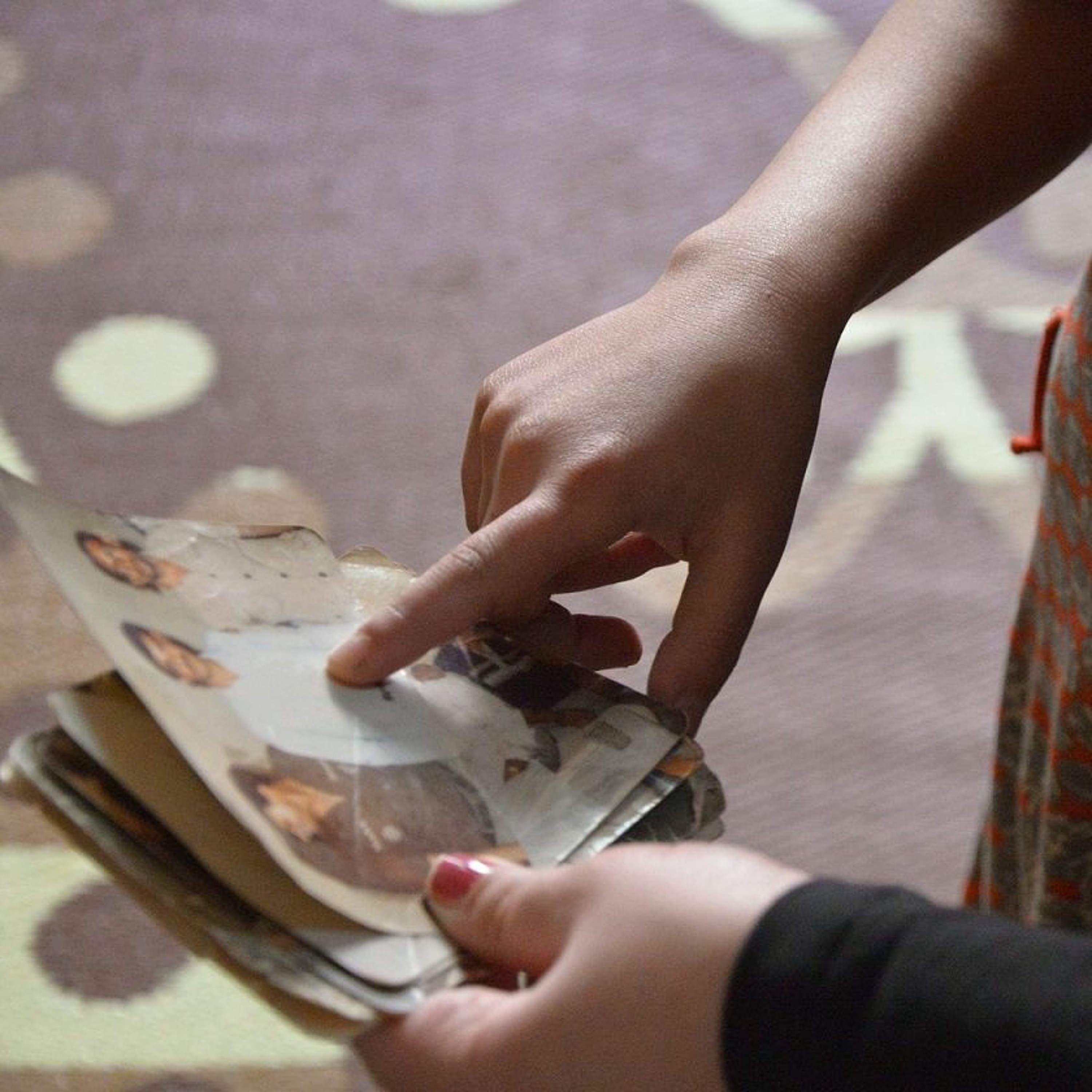
Sustaining the momentum: working to prevent and address enforced disappearances
Preventing persons from going missing, clarifying the fate and whereabouts of those who do and supporting their loved ones, including in their quest to know…
 ICRC Humanitarian Law and Policy Blog
The future is now: artificial intelligence and anticipatory humanitarian action
As the world faces simultaneous disasters and burgeoning risks, humanitarian actors need to develop more efficient ways of delivering aid to vulnerable…
 ICRC Humanitarian Law and Policy Blog
The value (and danger) of ‘shock’ in regulating new technology during armed conflict
The rules and standards of war are not self-correcting. Contradictions, gaps, and ambiguities often endure until an external pressure makes them salient. This…
 ICRC Humanitarian Law and Policy Blog
Drones and distrust in humanitarian aid
Drones are an increasingly common tool in humanitarian aid, but issues revolving around public perception and trust continue to slow their global rollout…
 ICRC Humanitarian Law and Policy Blog
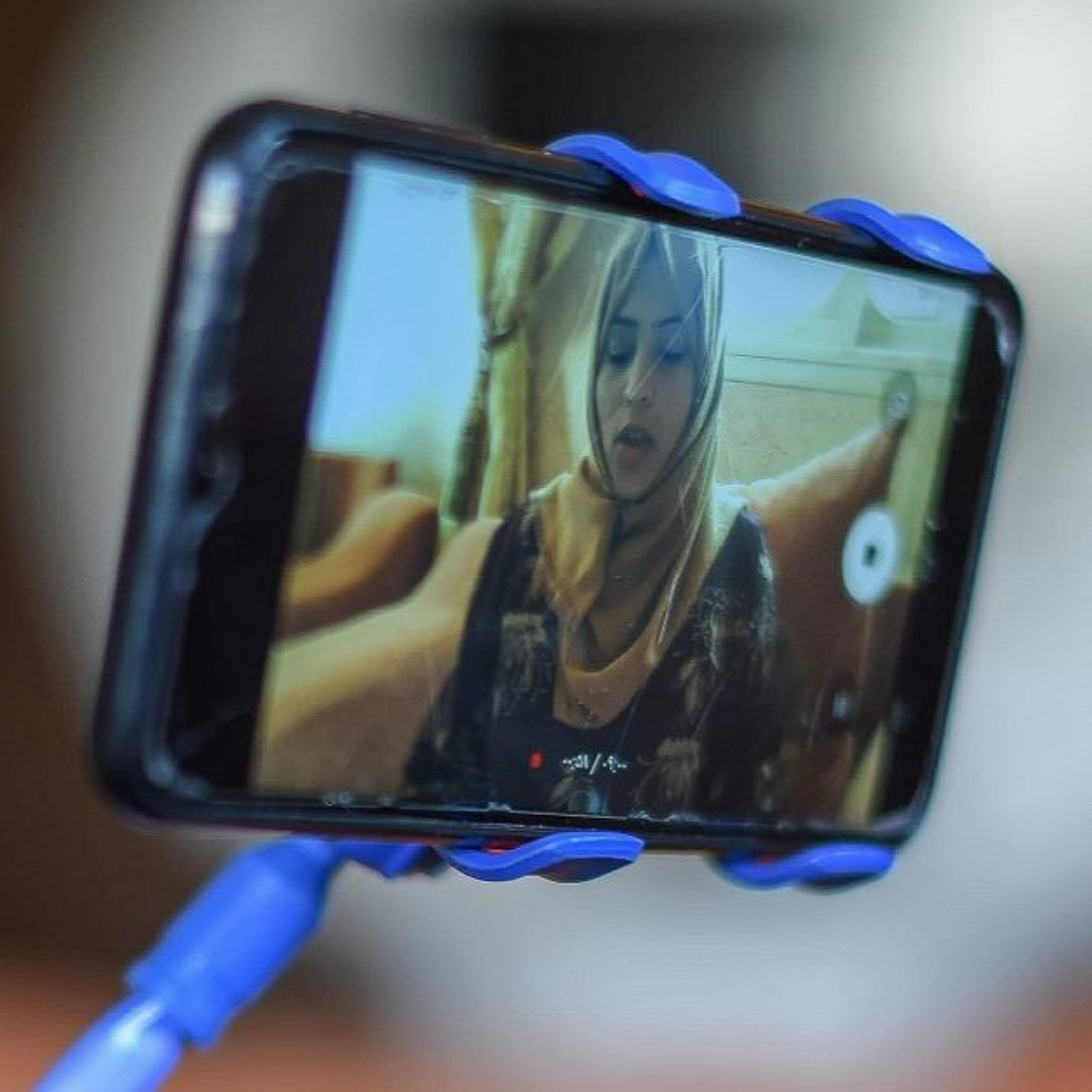
Online education: teaching IHL in the Gaza Strip during the COVID-19 pandemic
No country or sector has been spared the effects of the COVID-19 pandemic, and the Gaza Strip has certainly been no exception. In this post, Professor Moamin…
 ICRC Humanitarian Law and Policy Blog
Protective by design: safely delivering connectivity as aid
Over the past decade, there has been a large and growing demand for digital services – such as ‘connectivity as aid’. Such services can be of great help to…
 ICRC Humanitarian Law and Policy Blog
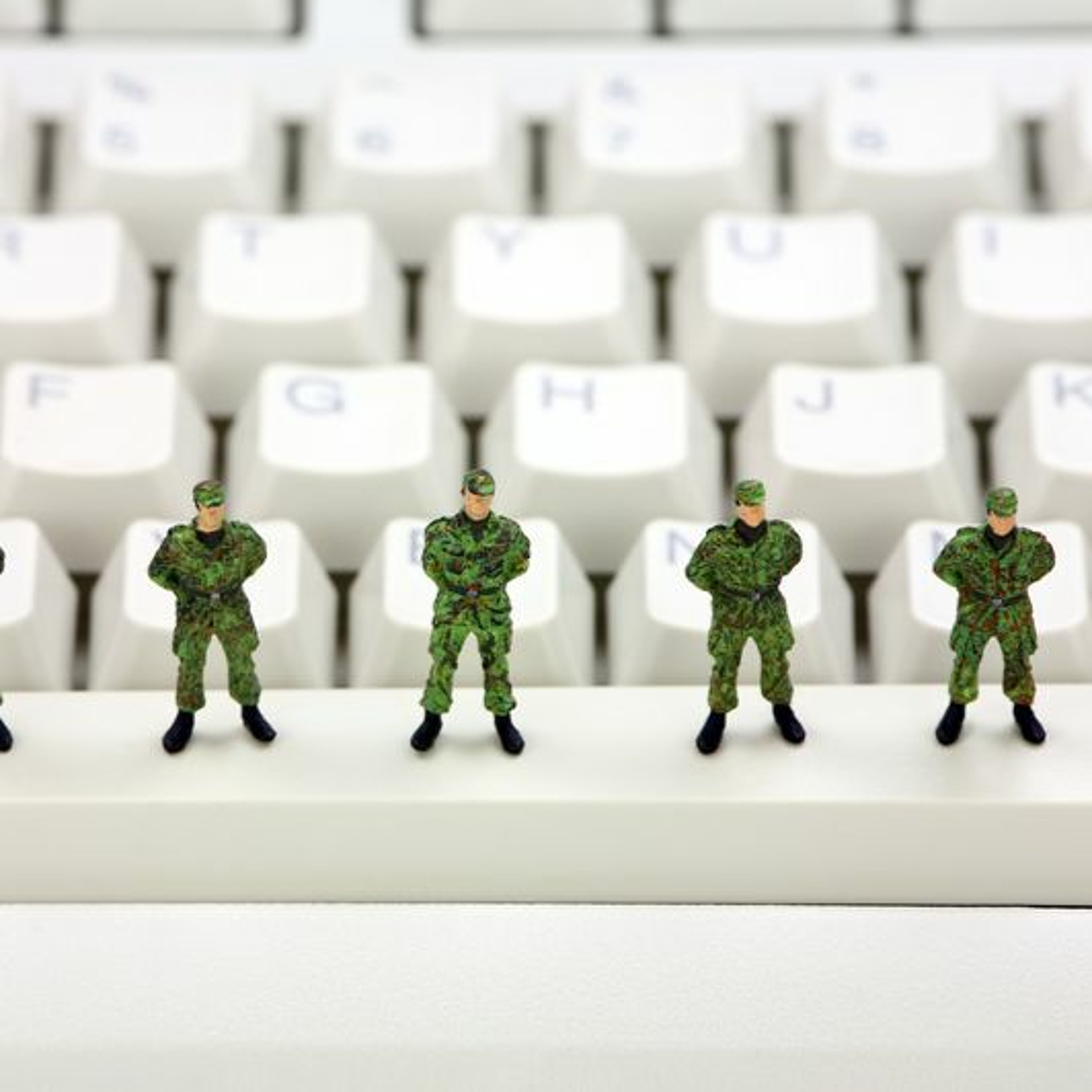
Digital safe havens: sheltering civilians from military cyber operations
In the spring of 2021, the ICRC and Geneva Academy jointly organized a student essay competition on the protection of civilians against the dangers posed by…
 ICRC Humanitarian Law and Policy Blog
Future developments in military cyber operations and their impact on the risk of civilian harm
Over the past decade, several States have begun to develop military cyber elements capable of both defending their national interests, as well as projecting…
 ICRC Humanitarian Law and Policy Blog
Assessing the risks of civilian harm from military cyber operations during armed conflicts
How can countries at war assess the potential harm that cyber operations may cause to civilians? In this post, part of our series on avoiding civilian harm…
 ICRC Humanitarian Law and Policy Blog
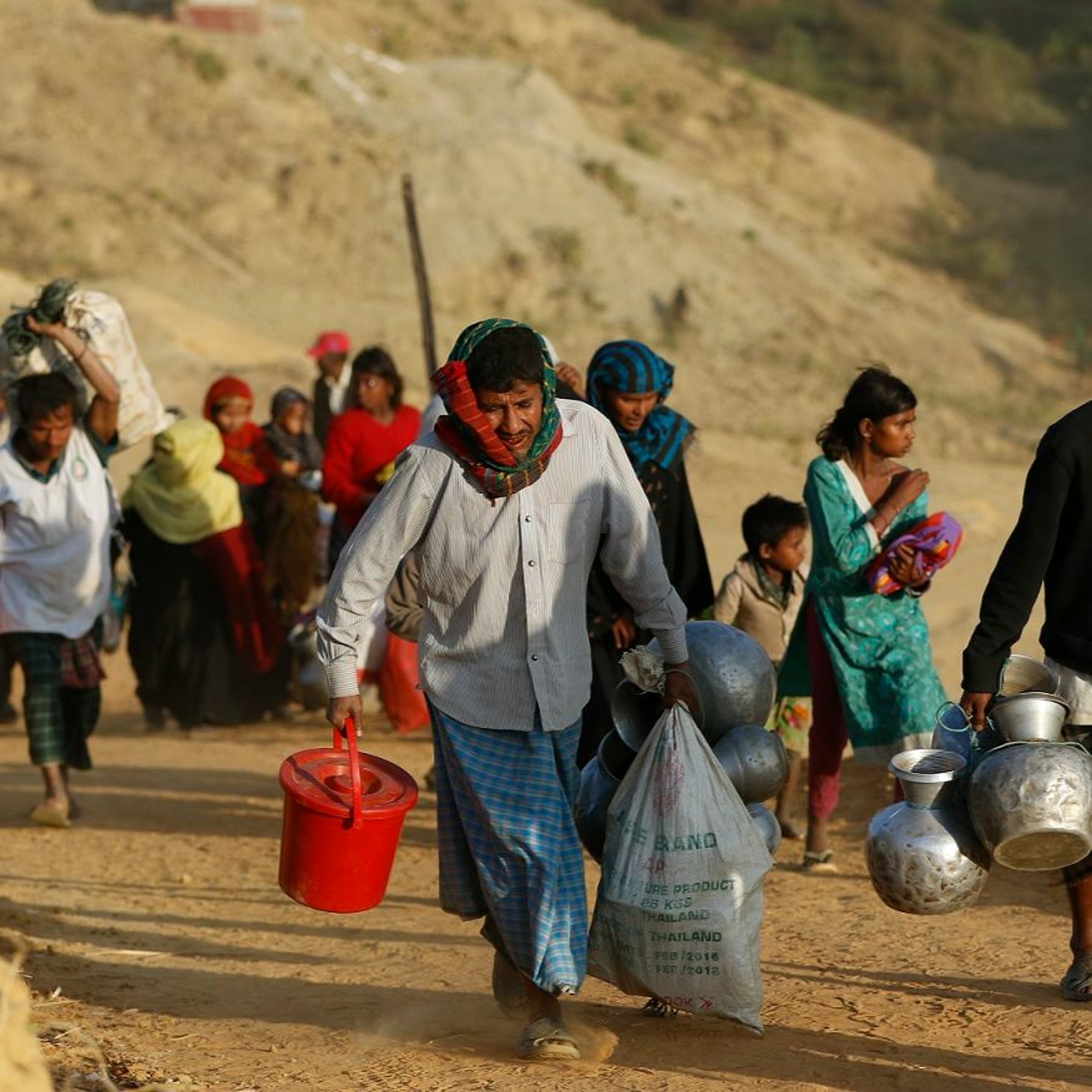
The principle of non-refoulement under Islamic law and international law
As we mark World Refugee Day this year, the UN High Commissioner for Refugees (UNHCR) has announced new and staggering figures, ones that have been growing…
 ICRC Humanitarian Law and Policy Blog
Stepping into the breach: military responses to global cyber insecurity
As the global geo-political landscape continues to experience increasing fragmentation, cyberspace grows in importance as a future conflict domain…
 ICRC Humanitarian Law and Policy Blog
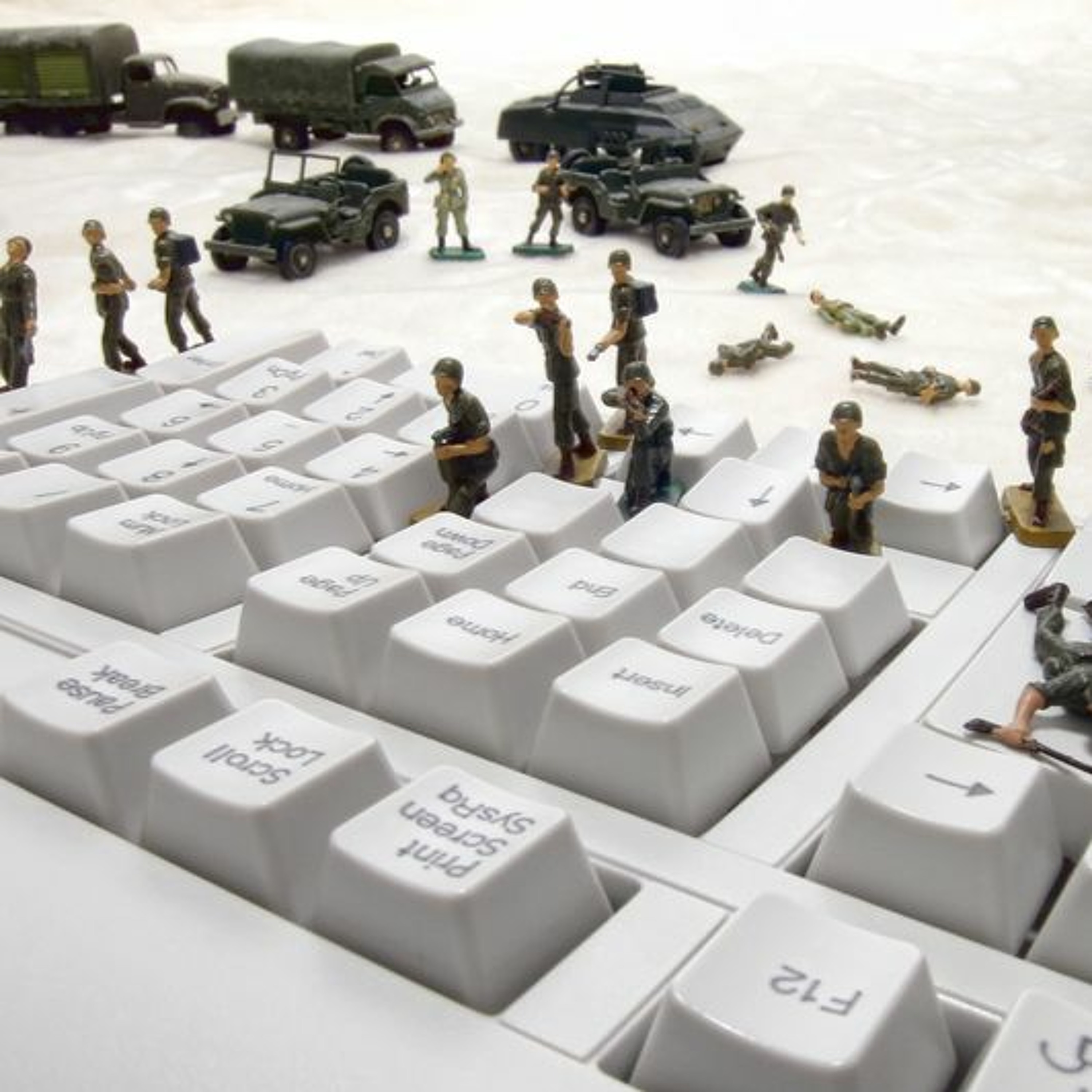
Avoiding civilian harm during military cyber operations: six key takeaways
In today’s armed conflicts, cyber operations are increasingly used in support of and alongside kinetic operations. Several States have publicly acknowledged…
 ICRC Humanitarian Law and Policy Blog
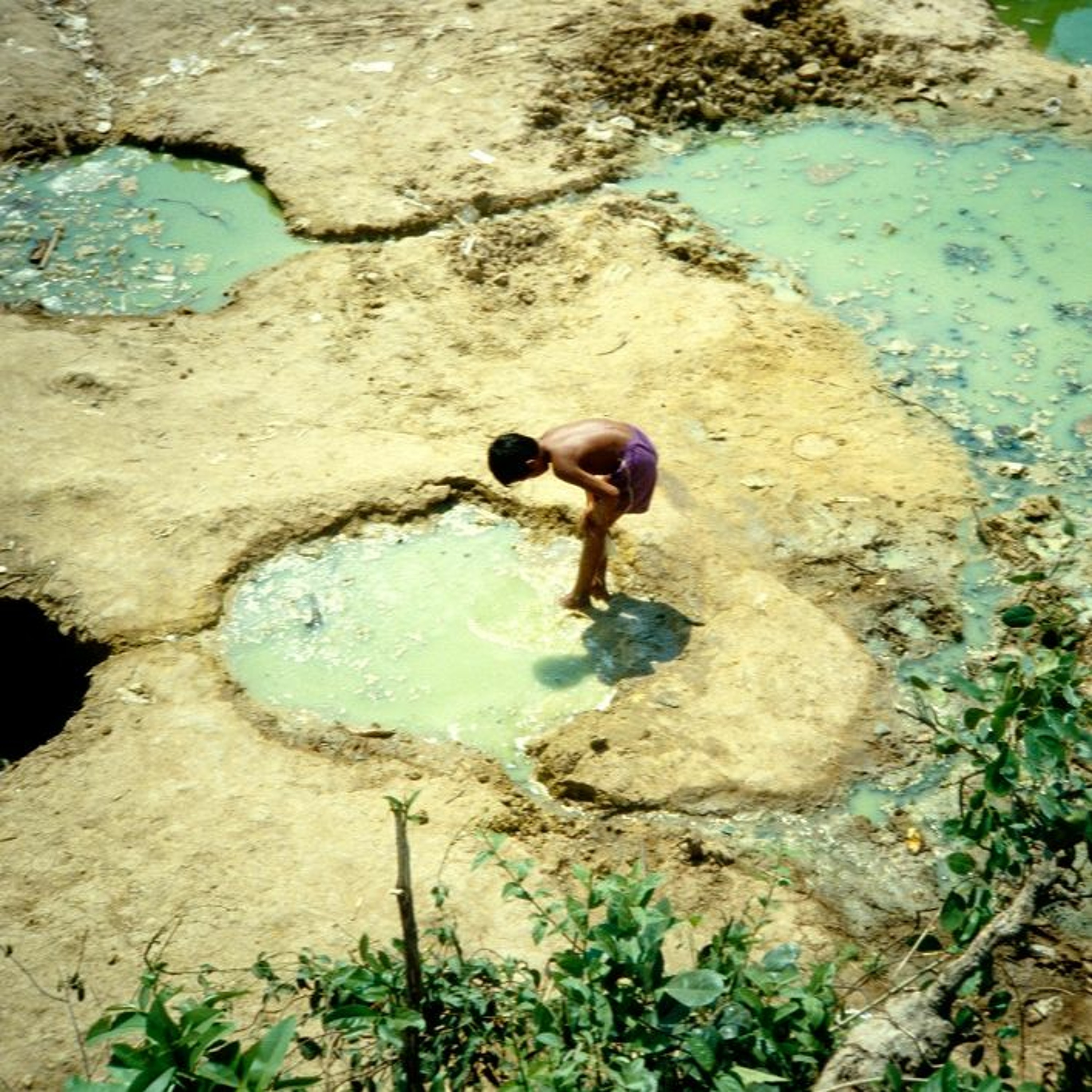
If not us, who? How States implement the legal framework protecting the environment from conflict
The International Law Commission’s long-running project to codify and progressively develop the legal framework protecting the environment in relation to armed…
 ICRC Humanitarian Law and Policy Blog
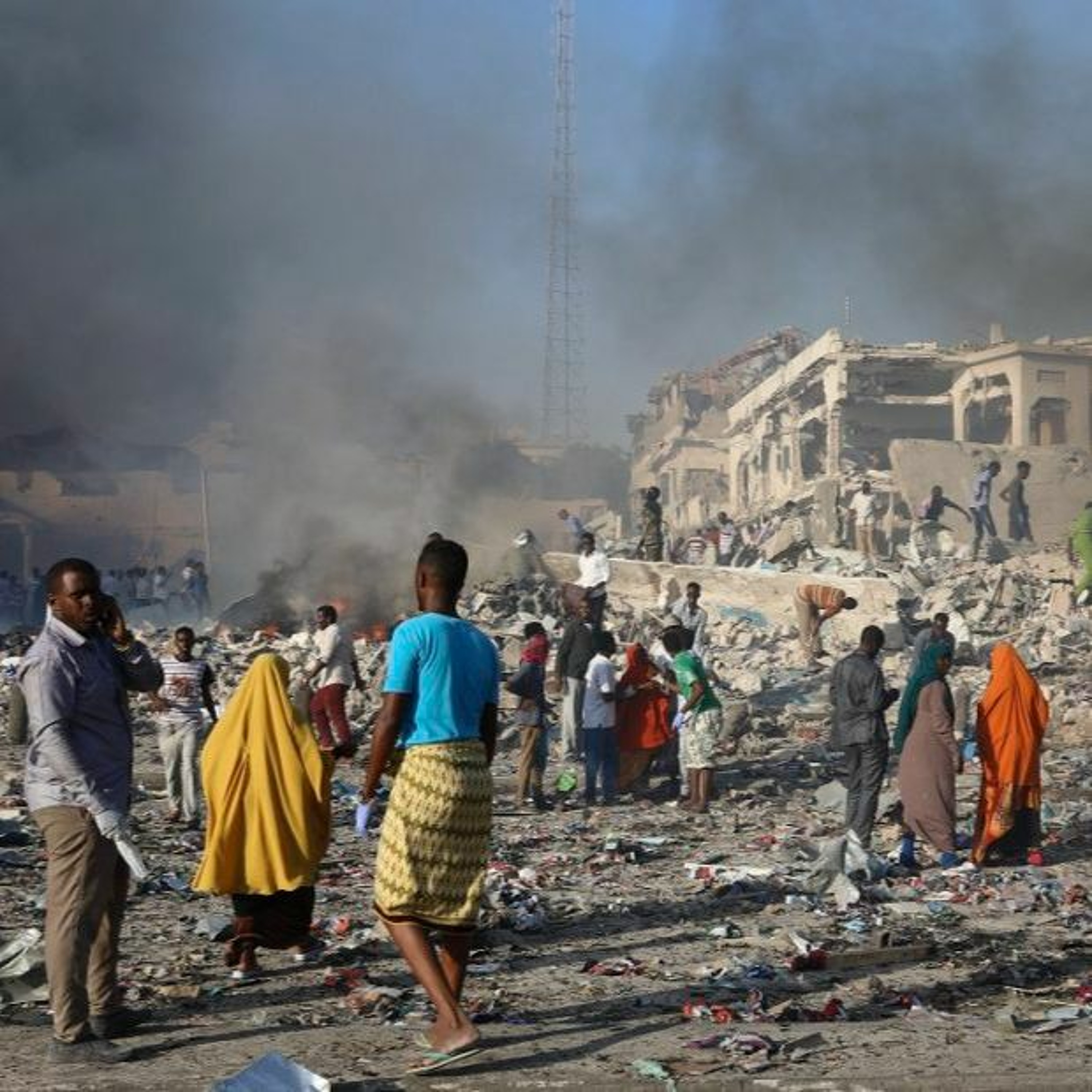
Protecting the environment during armed conflict: IHL and Islamic law
Protecting the environment during armed conflict is garnering renewed attention in light of the ongoing climate and environment crisis. At its root, however…
 ICRC Humanitarian Law and Policy Blog
Feasible precautions during urban attacks: the ‘art’ of the practically possible
Every military operation conducted within a city is likely to affect the people living there, a reality reflected in the law of war rules that oblige the…
 ICRC Humanitarian Law and Policy Blog
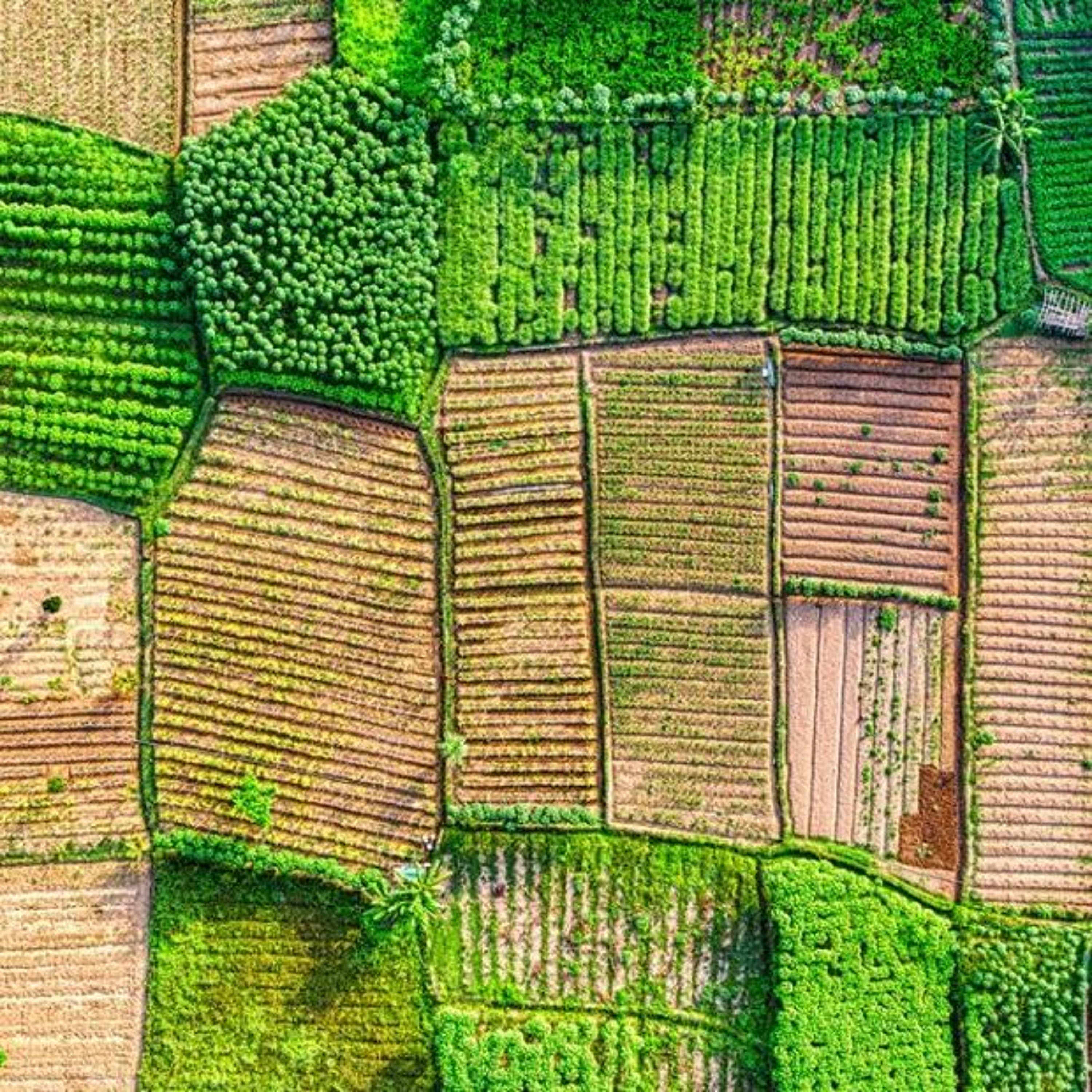
Data-driven environmental decision-making and action in armed conflict
A digital revolution through a myriad of earth observation data and open-source investigations is reshaping our understanding of the environmental causes and…
 ICRC Humanitarian Law and Policy Blog
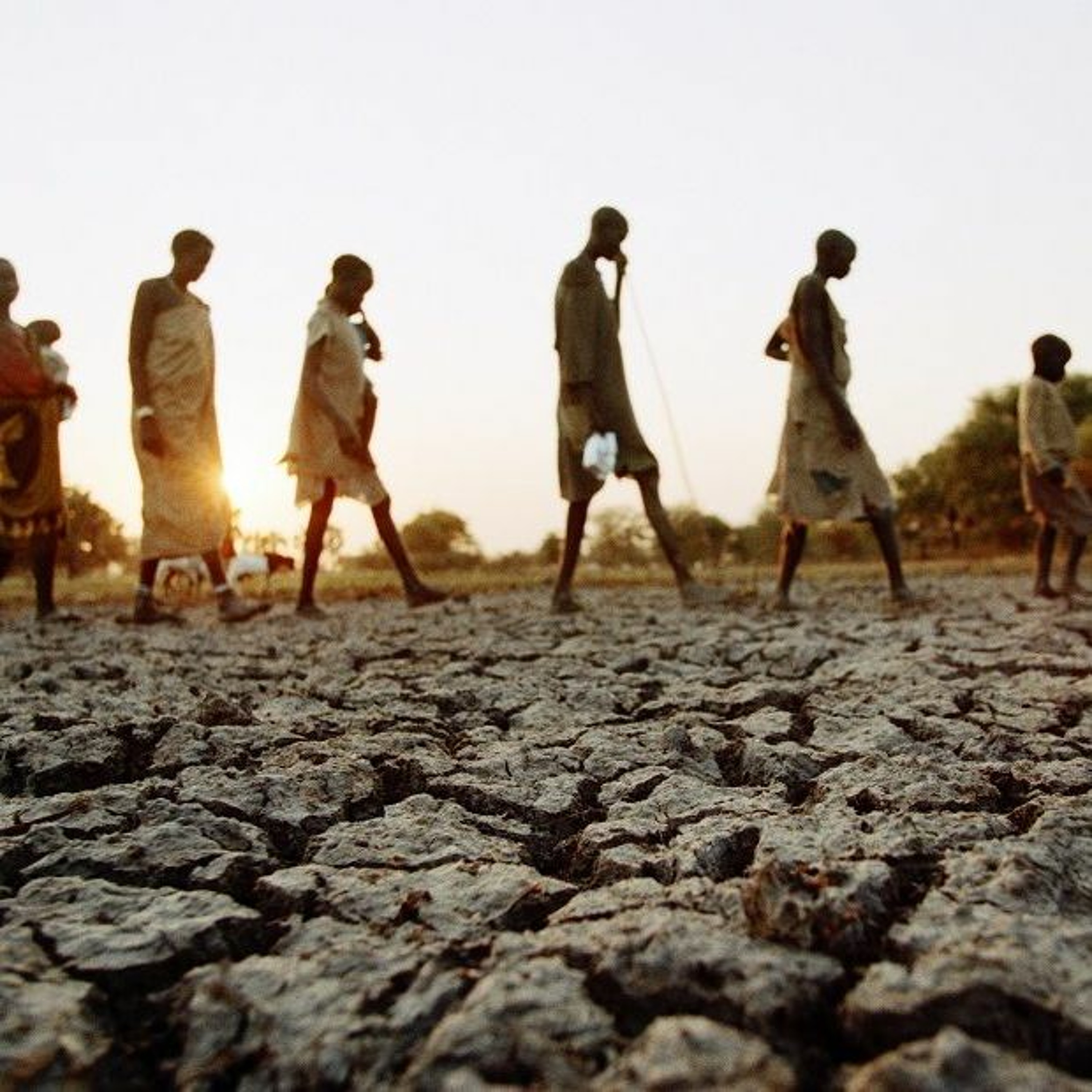
Overcoming the disconnect: environmental protection and armed conflicts
Environmental effects of armed conflicts do not only result from the conduct of hostilities but also from toxic or hazardous remnants of war, excessive…
 ICRC Humanitarian Law and Policy Blog
Fighting without a Planet B: how IHL protects the natural environment in armed conflict
Armed conflicts from Kuwait to Vietnam continue to remind us that the environment can be deeply scarred by war, a reality that climate risks now magnify for…
 ICRC Humanitarian Law and Policy Blog
Standing together: the Climate and Environment Charter for Humanitarian Organizations
Today’s climate and environmental crises threaten the very survival of humanity. The Climate and Environment Charter for Humanitarian Organizations, the result…
 ICRC Humanitarian Law and Policy Blog
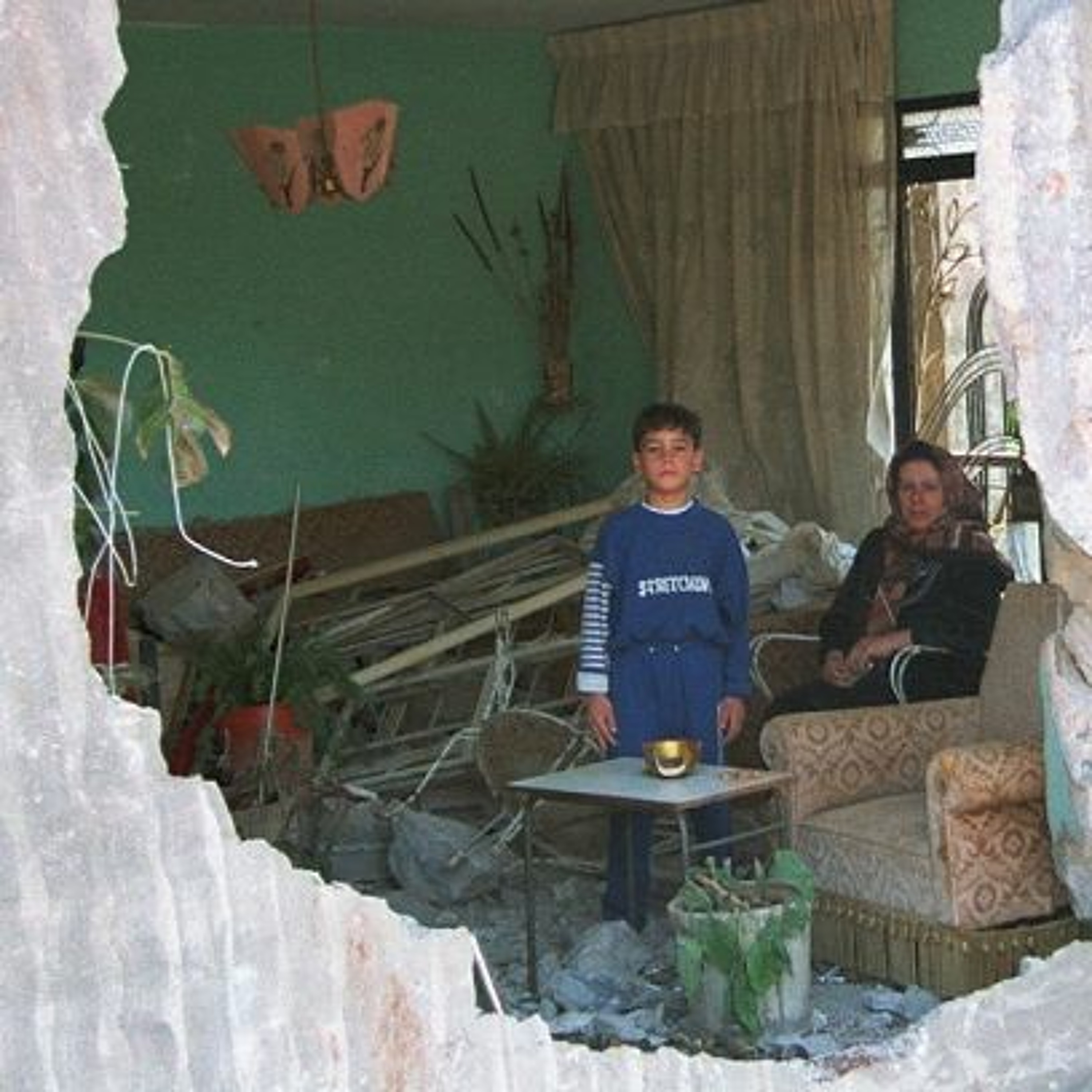
Preparedness in urban operations: a commander’s planning checklist to protect civilians
Implementing international humanitarian law’s (IHL) precautionary measures for both defending and attacking forces is a challenge in urban conflict. Urban…
 ICRC Humanitarian Law and Policy Blog
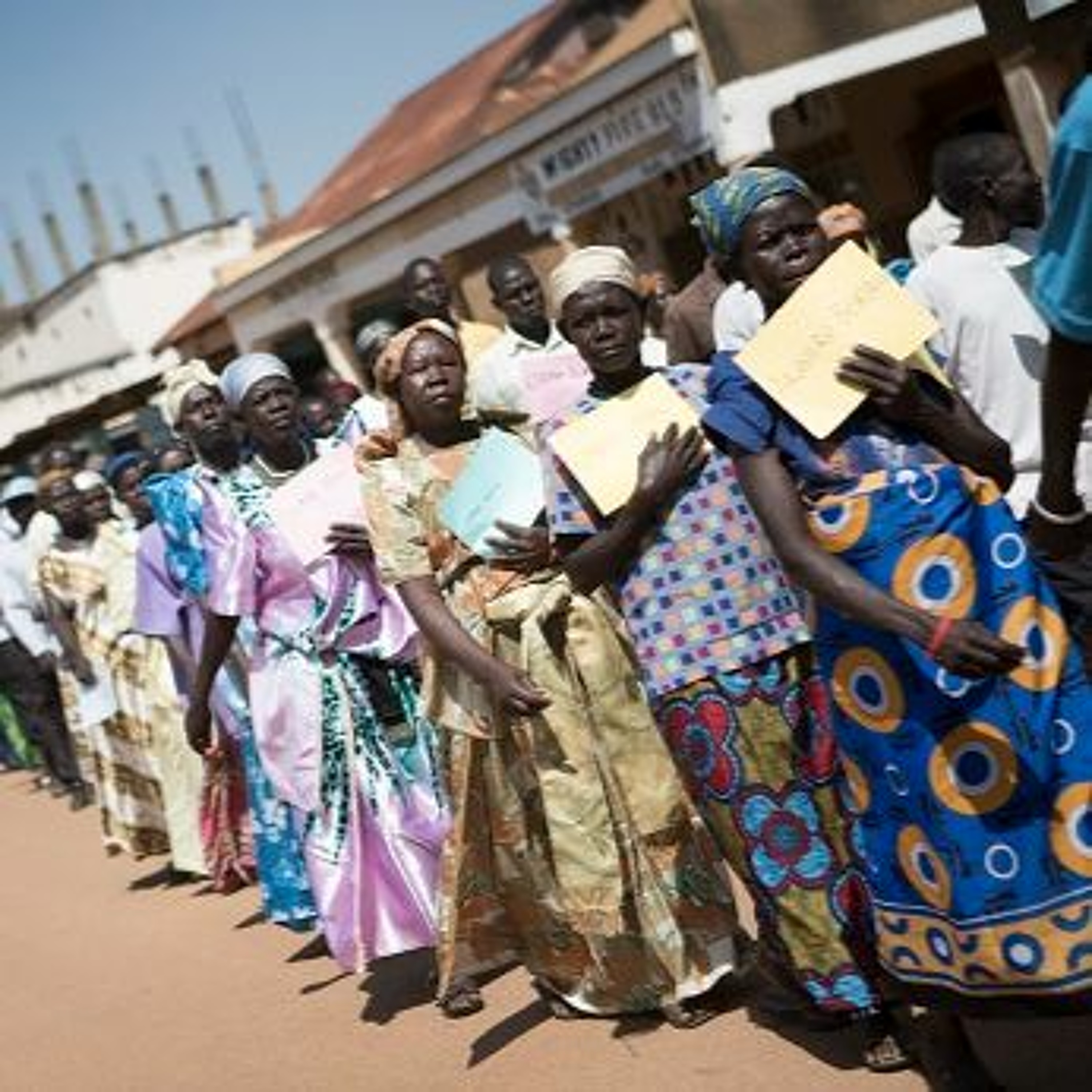
Where are they? Three things the families of missing persons teach us about war and peace
Protecting family links and helping to prevent and, whenever possible, resolve cases of missing persons requires action during armed conflict and other…
 ICRC Humanitarian Law and Policy Blog
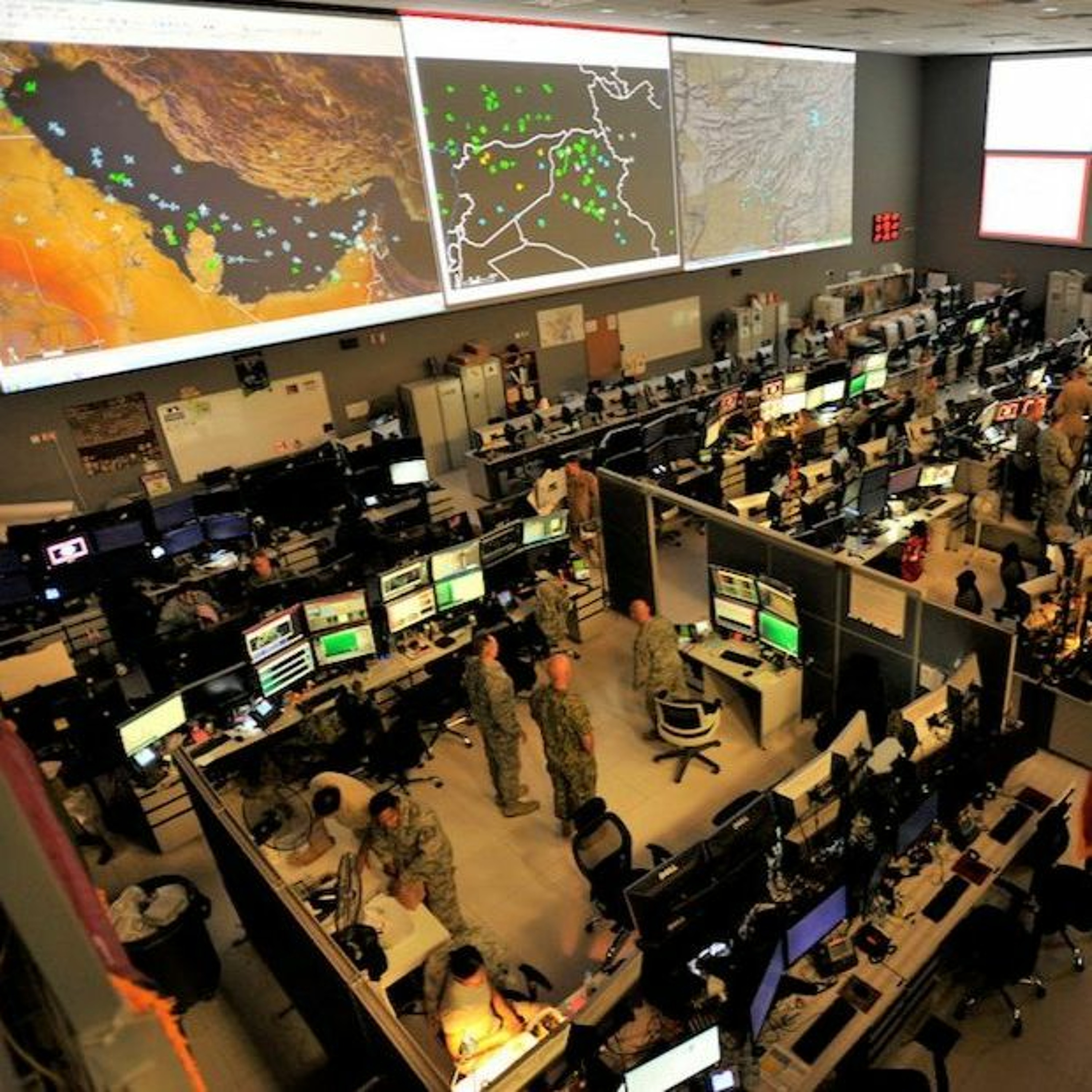
In good faith: legal advice during aerial targeting in urban areas
Military legal advisers today play a key role during various military operations, including aerial targeting in urban areas, and State militaries will likely…
 ICRC Humanitarian Law and Policy Blog
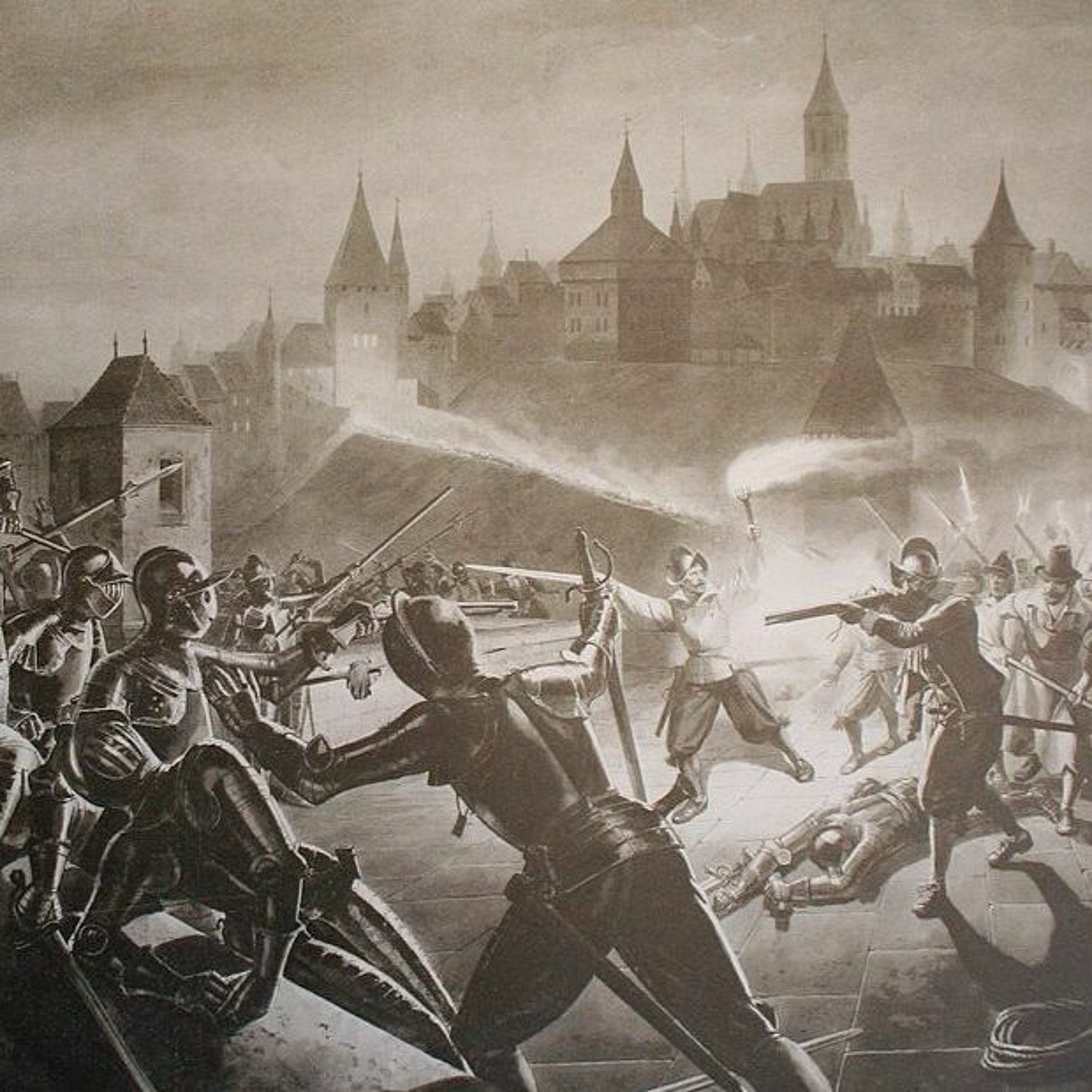
War and the city: a history
As long as there have been cities, wars have been staged within them. While the term ‘urban warfare’ conjures more recent images of hollowed buildings and…
 ICRC Humanitarian Law and Policy Blog
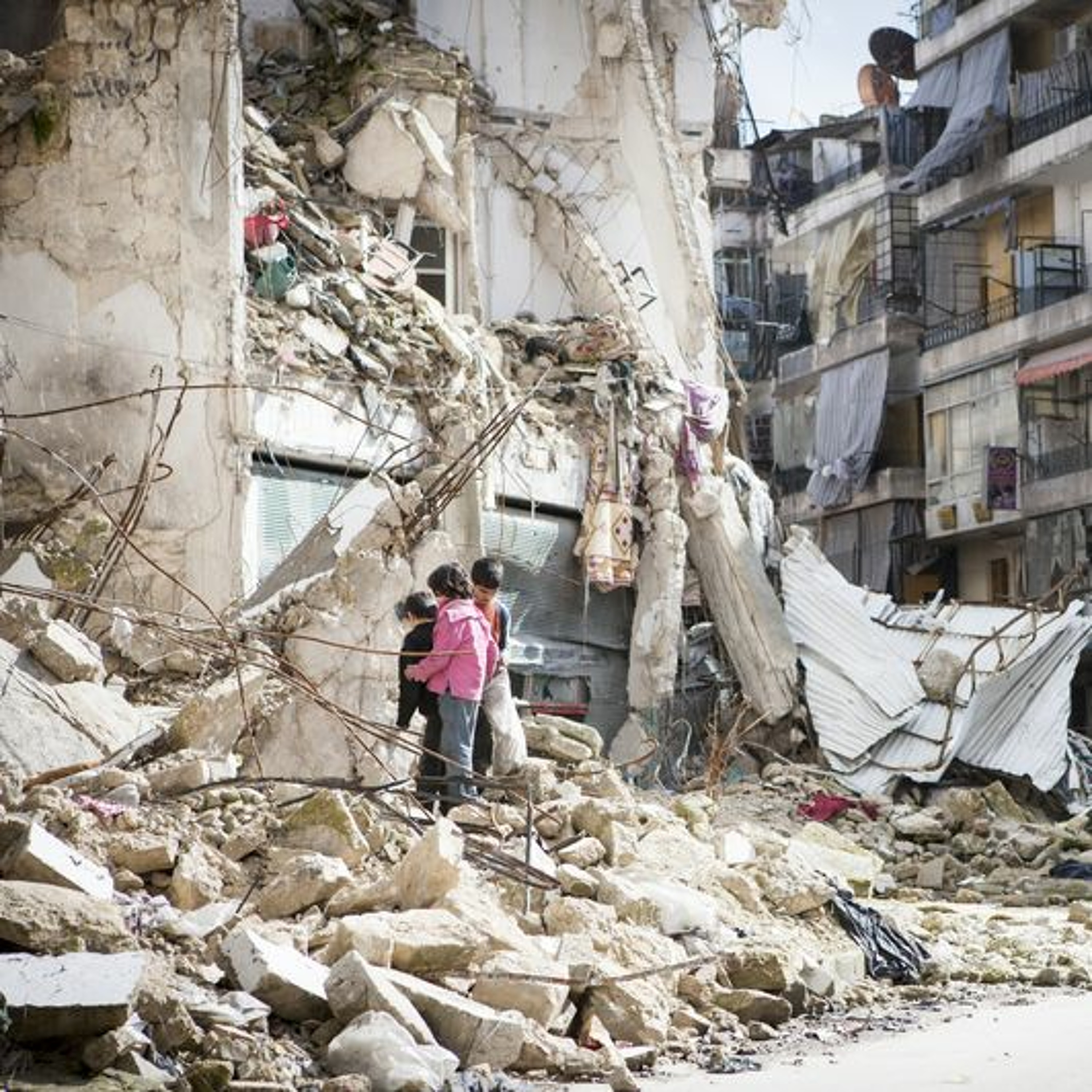
Urban warfare: an age-old problem in need of new solutions
Urban warfare is not a new phenomenon; cities have featured as a stage for violence since humans began building them, and images in recent years – from Aleppo…
 ICRC Humanitarian Law and Policy Blog
A common enemy: aggregating intensity in non-international armed conflicts
Contemporary non-international armed conflicts are increasingly fought by a myriad of non-State actors, often engaging in hostilities against a common enemy…
 ICRC Humanitarian Law and Policy Blog
A humanitarian duty to integrity
The digital transformation of humanitarian operations raises (at least) two existential issues: one, how do humanitarians preserve what is unique about their…
 ICRC Humanitarian Law and Policy Blog
The ‘fog of war’ . . . and information
Misinformation, disinformation and hate speech (MDH) has become a ubiquitous feature of the ‘information’ or ‘digital’ age. In conflict settings, so-called…
 ICRC Humanitarian Law and Policy Blog
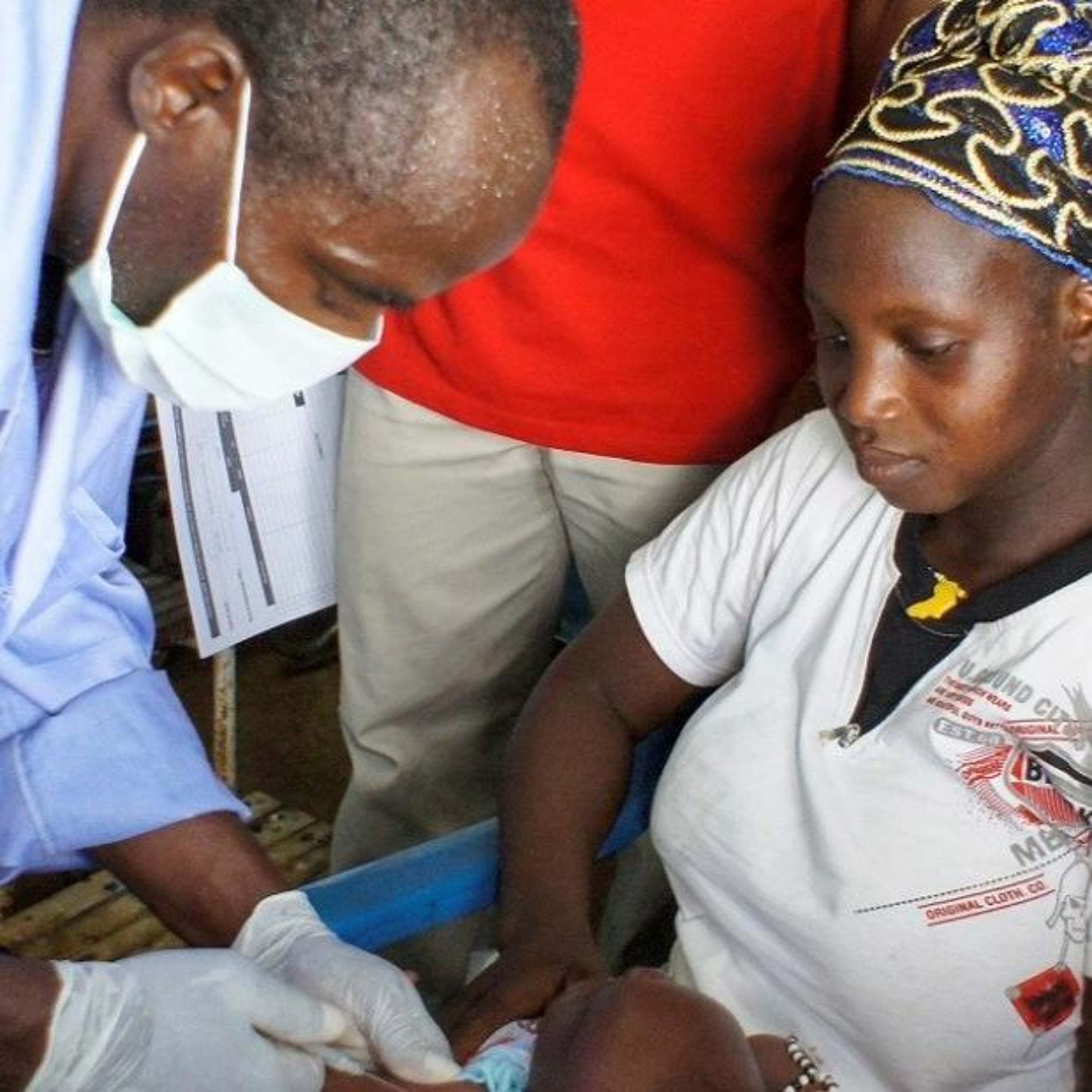
COVID-19 vaccine: three considerations for equitable access within countries at war
Equitable access to safe and effective COVID-19 vaccines will be the defining global issue of 2021. Working to ensure that people in areas affected by armed…
 ICRC Humanitarian Law and Policy Blog
The SolarWinds hack: lessons for humanitarians
As humanitarian organizations become more active in and reliant upon new technologies and the digital domain, they evolve from simple bystanders to…
 ICRC Humanitarian Law and Policy Blog
Even ‘cyber wars’ have limits. But what if they didn’t?
Cyber operations have become a reality of today’s armed conflicts, and their use is likely to continue to increase in the future. In response to this trend…
 ICRC Humanitarian Law and Policy Blog
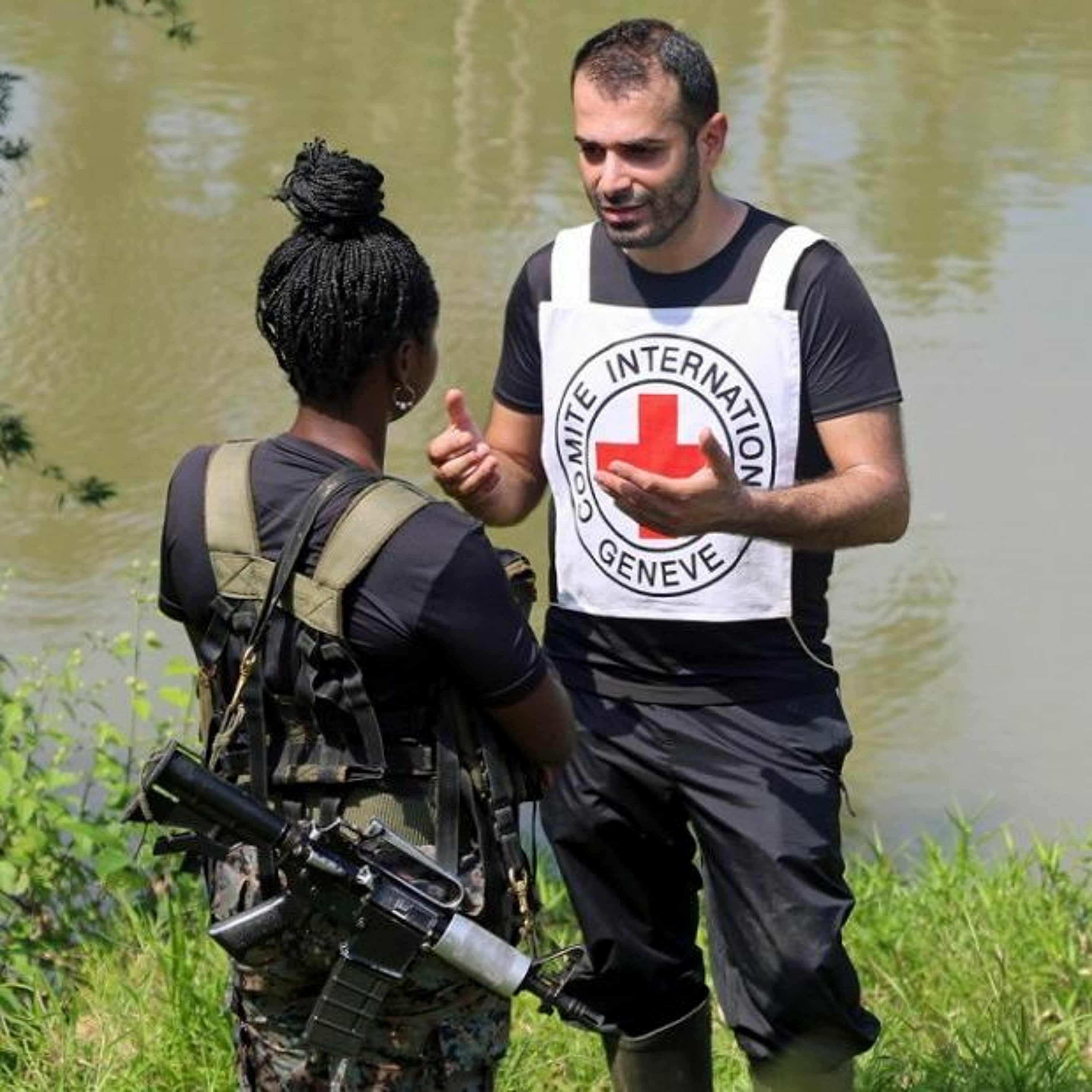
ICRC engagement with non-State armed groups: why and how
In 2020, the ICRC counted 614 armed groups of concern to the organization’s humanitarian operations around the world. As part of its impartial humanitarian…
 ICRC Humanitarian Law and Policy Blog
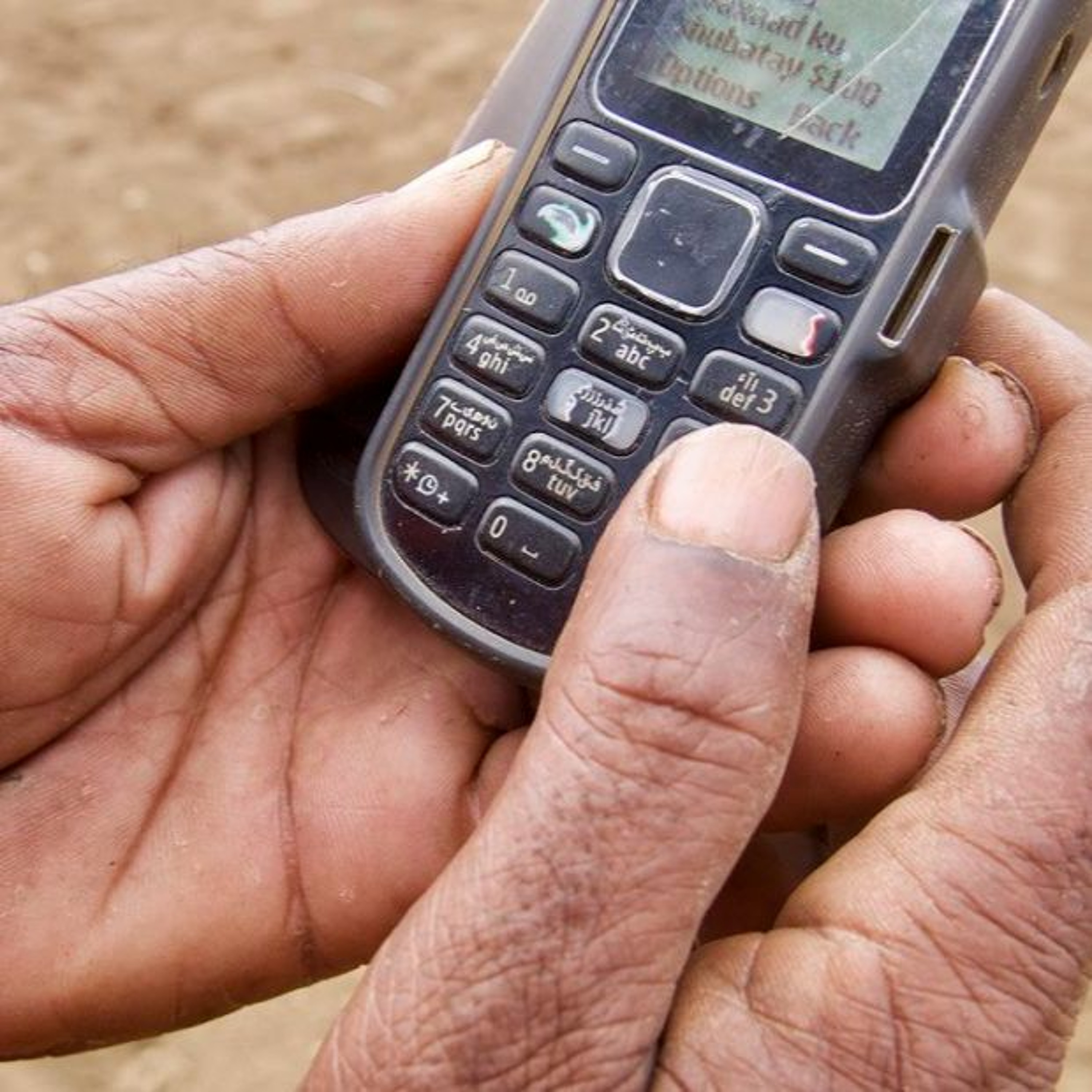
Cashless cash: financial inclusion or surveillance humanitarianism?
Cash has been an exceptional vector of progress in humanitarian action, empowering people, protecting dignity, mitigating the negative secondary effects of…
 ICRC Humanitarian Law and Policy Blog
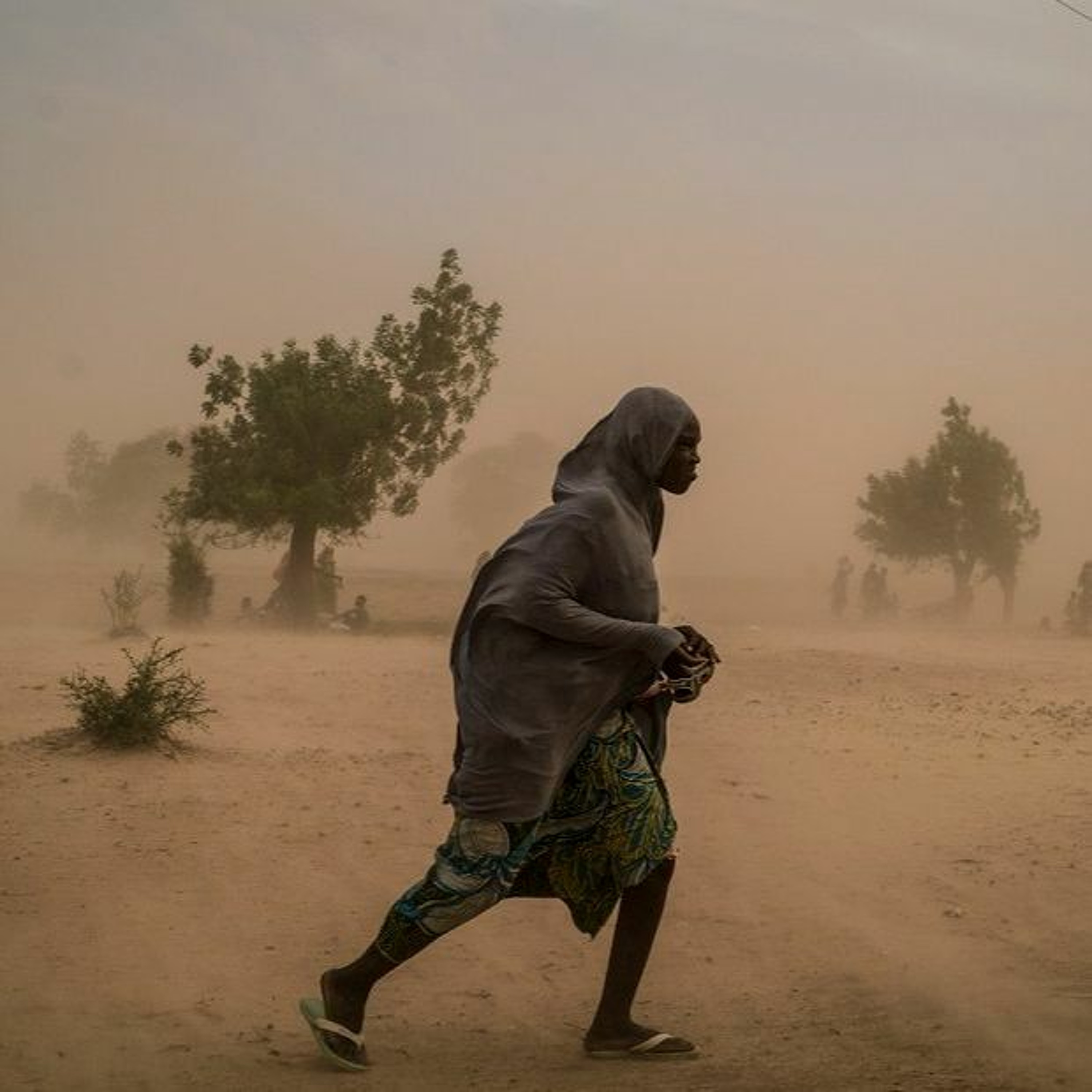
The grand scheme: power and politics in the climate crisis
Even in the midst of a pandemic, during a seemingly endless cascade of events, climate change remains a defining issue. Its effects are even more severe for…
 ICRC Humanitarian Law and Policy Blog
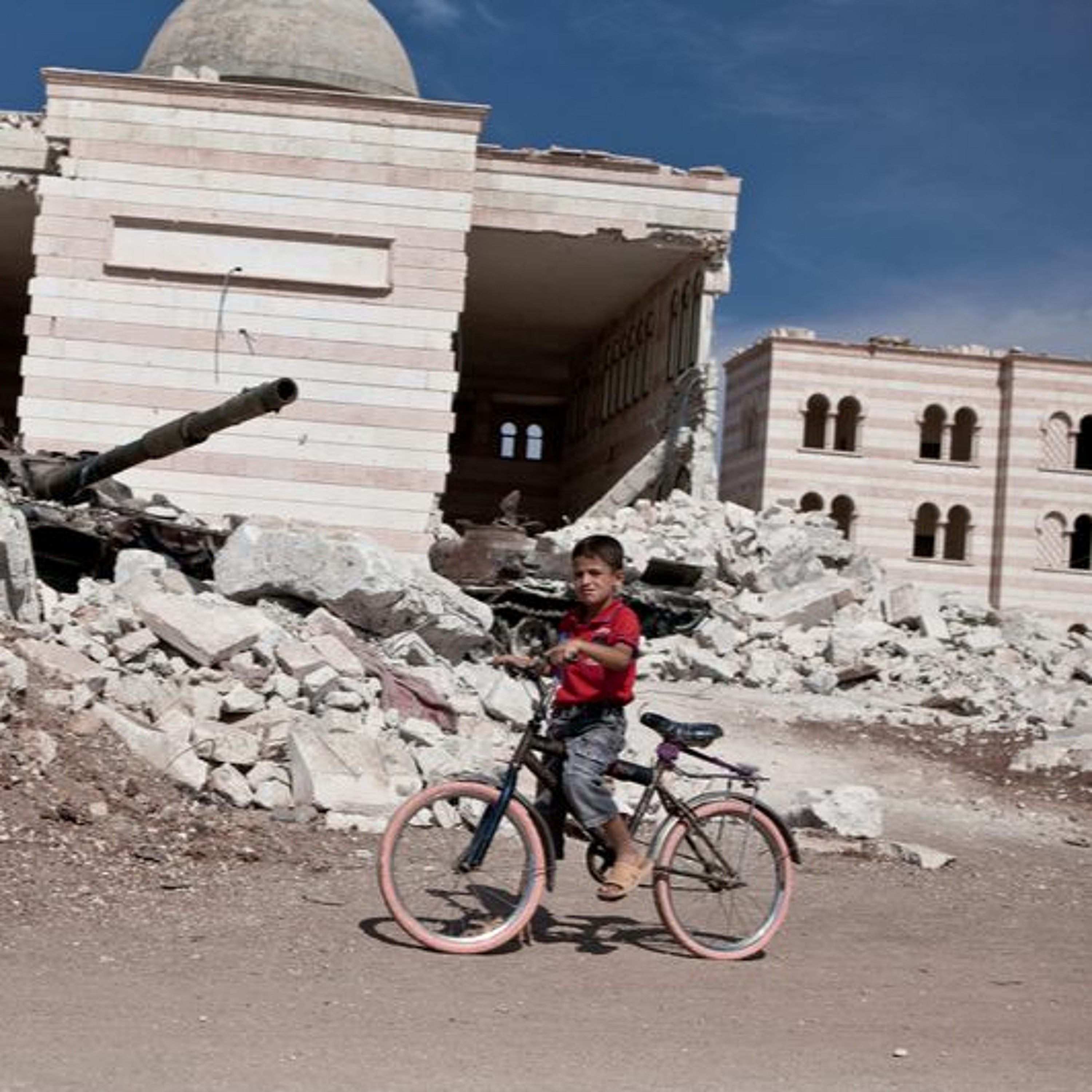
Cultural heritage under attack
The destruction of cultural heritage in recent years has been the most significant since the Second World War, affecting movable and immovable property as well…
 ICRC Humanitarian Law and Policy Blog
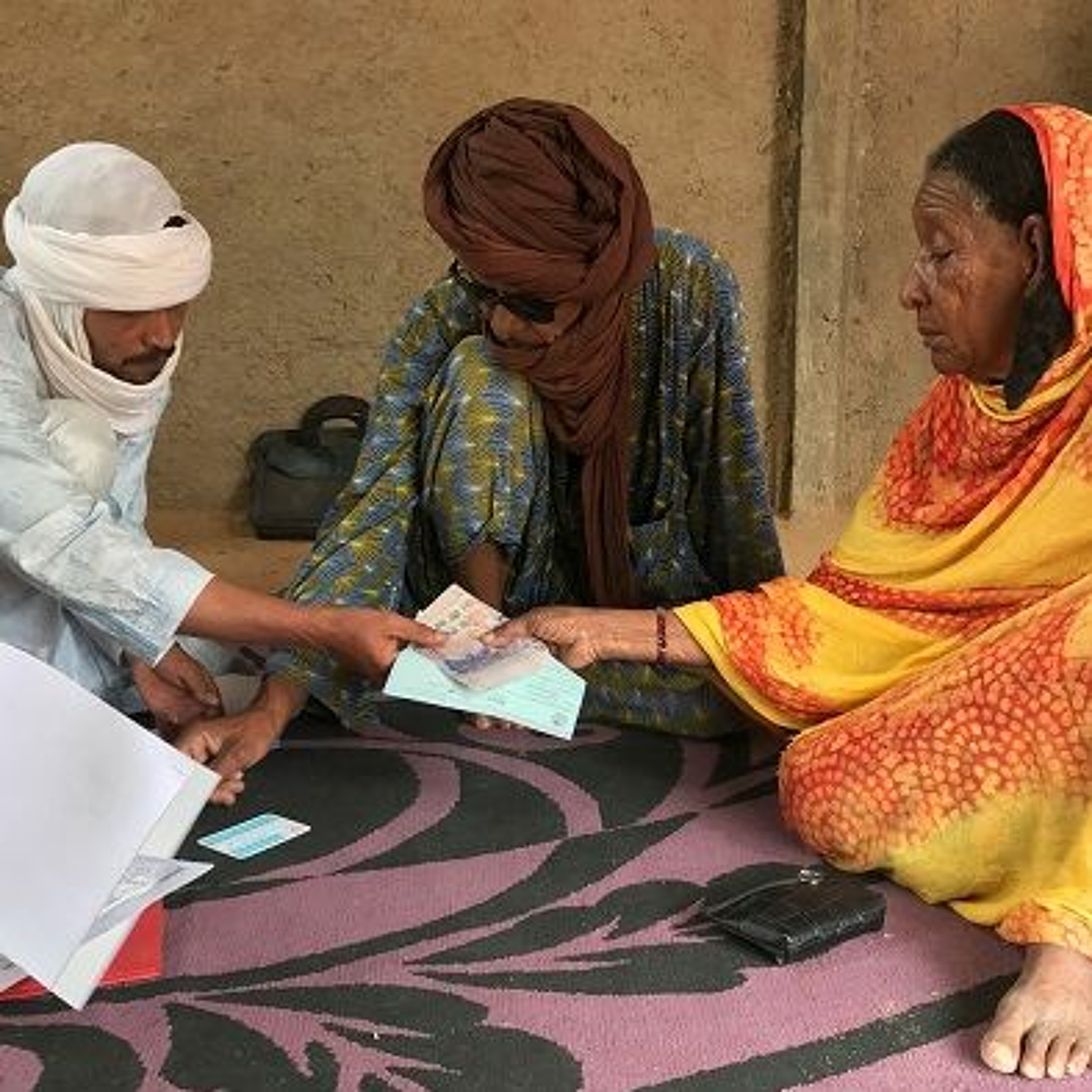
Humanitarian engagement in social protection: implications for principled humanitarian action
Protracted conflict and unprecedented levels of displacement have broken down the barriers between development and humanitarian work, prompting humanitarian…
 ICRC Humanitarian Law and Policy Blog
The mosaic effect: the revelation risks of combining humanitarian and social protection data
As the world faces more frequent and intense crises—driven in part by climate change, political and social conflict, cyber attacks, and disease…
 ICRC Humanitarian Law and Policy Blog
We may need more humanitarian bureaucracy, not less
In the humanitarian sector, bureaucracy has been faulted for everything from ageism and the suppression of talent to a bloated and inefficient response, as…
 ICRC Humanitarian Law and Policy Blog
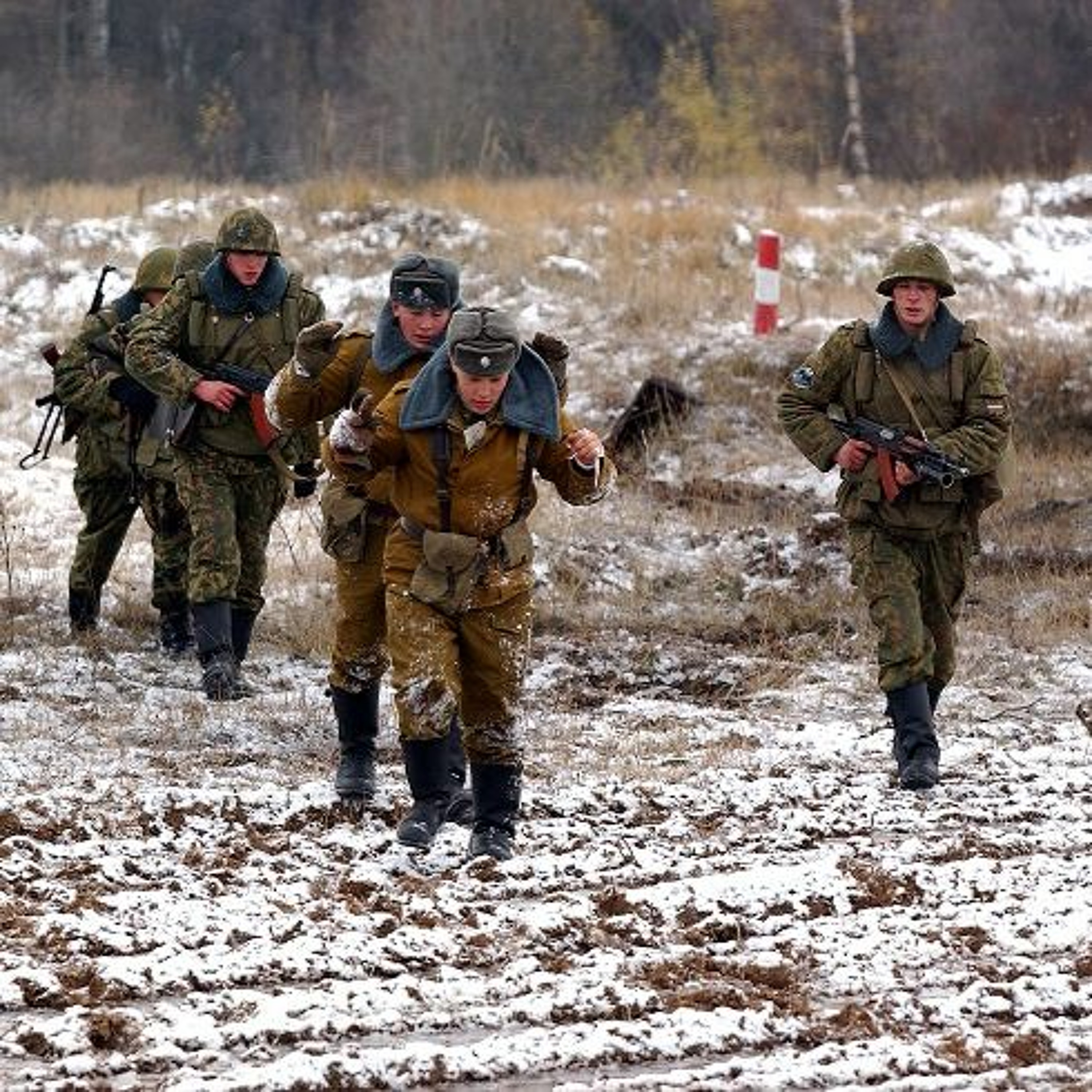
GCIII Commentary: Common Article 1 and State responsibility
The extent to which States have legal responsibilities under international humanitarian law in relation to the conduct of others has long been contested. Under…
 ICRC Humanitarian Law and Policy Blog
GCIII Commentary: an Islamic perspective on the treatment of prisoners of war
While ratification of the Geneva Conventions is a relatively recent phenomenon, warfare has always been subject to certain principles and customs. Two thirds…
 ICRC Humanitarian Law and Policy Blog
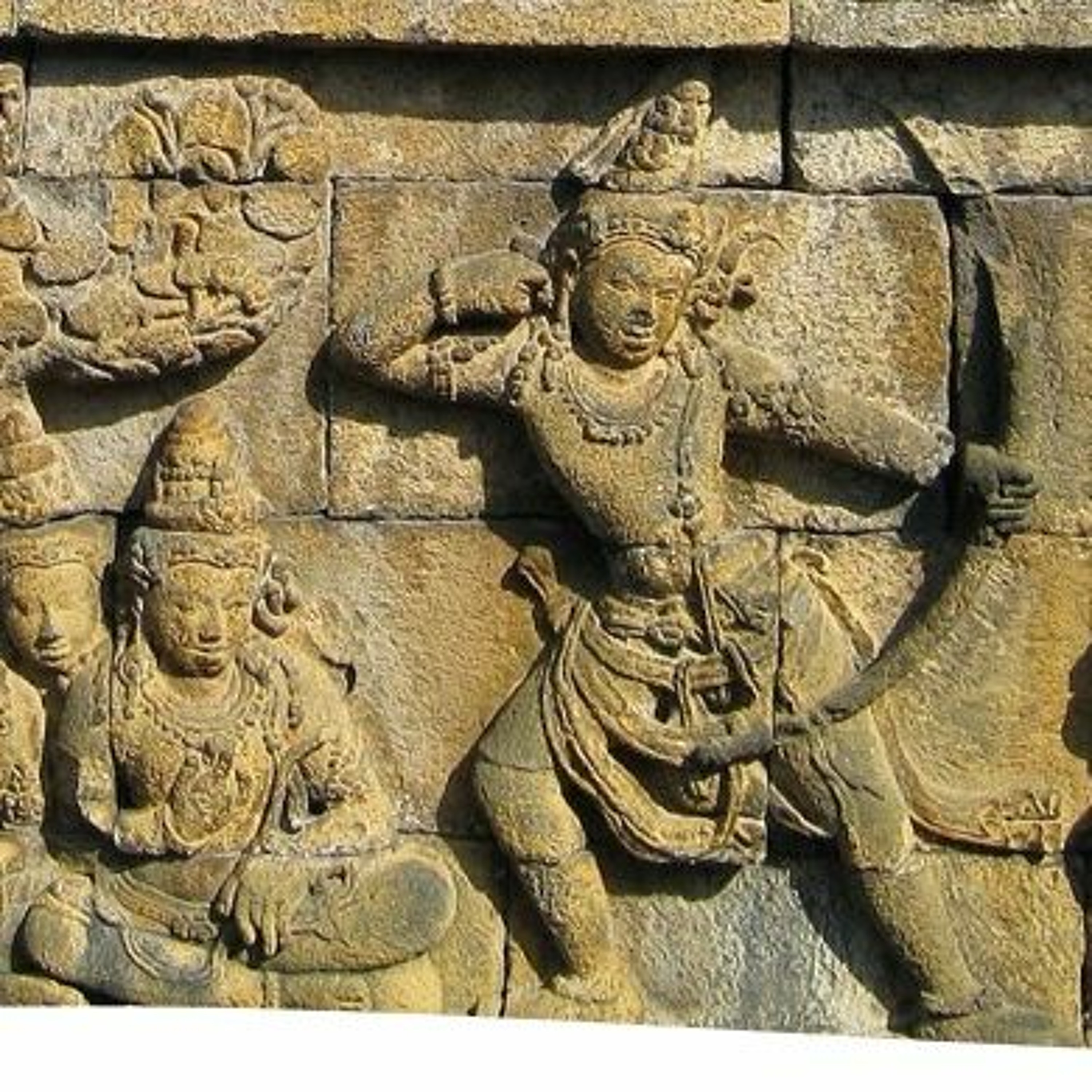
GCIII Commentary: a Buddhist perspective on the treatment of prisoners of war
While ratification of the Geneva Conventions is a relatively recent phenomenon, warfare has always been subject to certain principles and customs…
 ICRC Humanitarian Law and Policy Blog
You can’t handle the truth: misinformation and humanitarian action
Misinformation is on the rise, and the humanitarian sector has not escaped the consequences. The misinformation environment not only sustains itself in a…
 ICRC Humanitarian Law and Policy Blog
Who are you calling ‘vulnerable’? Muslim women and inclusive humanitarianism
In generalizing groups as homogeneously ‘vulnerable’, we risk closing our eyes to existing spheres of power, diversity and capacity that exist among…
 ICRC Humanitarian Law and Policy Blog
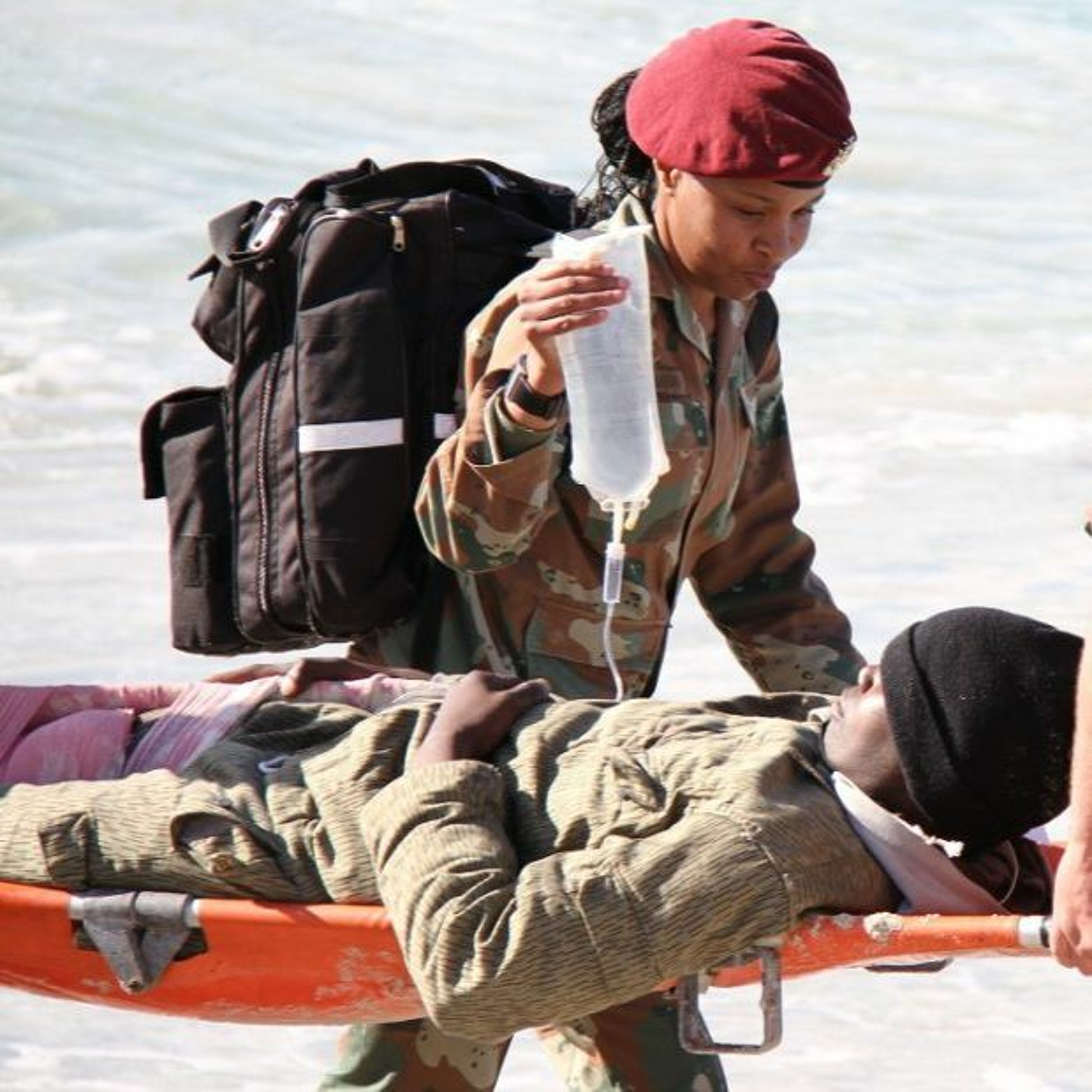
GCIII Commentary: I’m a woman and a POW in a pandemic. What does GClll mean for me?
While a woman’s experience in a prisoners of war (POW) camp may not differ drastically from men in all cases, the Third Geneva Convention (GCIII) operates to…
 ICRC Humanitarian Law and Policy Blog
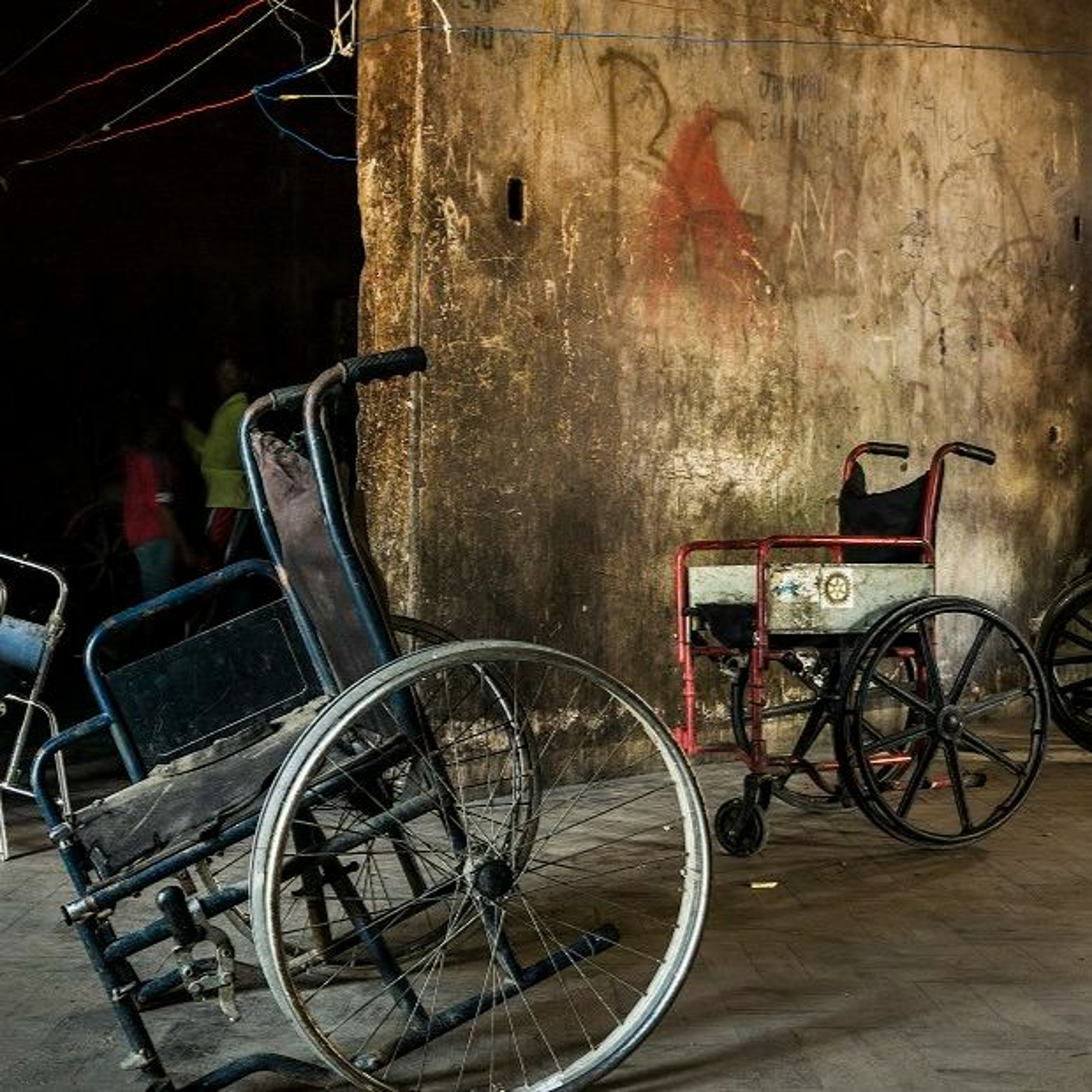
Disability and sexual violence in the COVID-19 era
While disability inequalities have long been observed, the global COVID-19 crisis has deepened and exposed the problem of exclusion, which renders work on…
 ICRC Humanitarian Law and Policy Blog
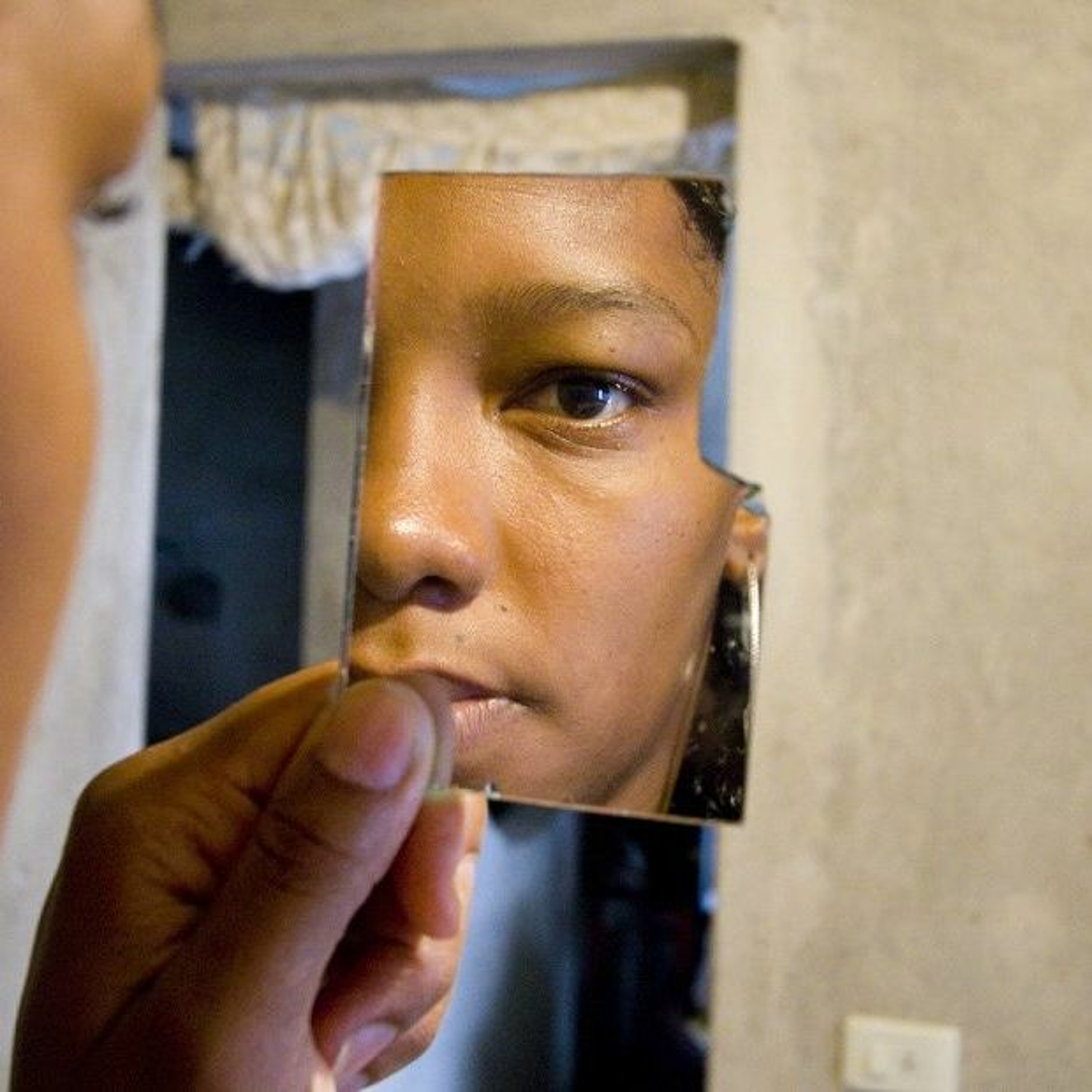
Sexual violence in armed conflict: can we prevent a COVID-19 backslide?
Three months into the pandemic, the ICRC’s Head of Addressing Sexual Violence published a call to humanitarian agencies to urgently address the risk of sexual…
 ICRC Humanitarian Law and Policy Blog
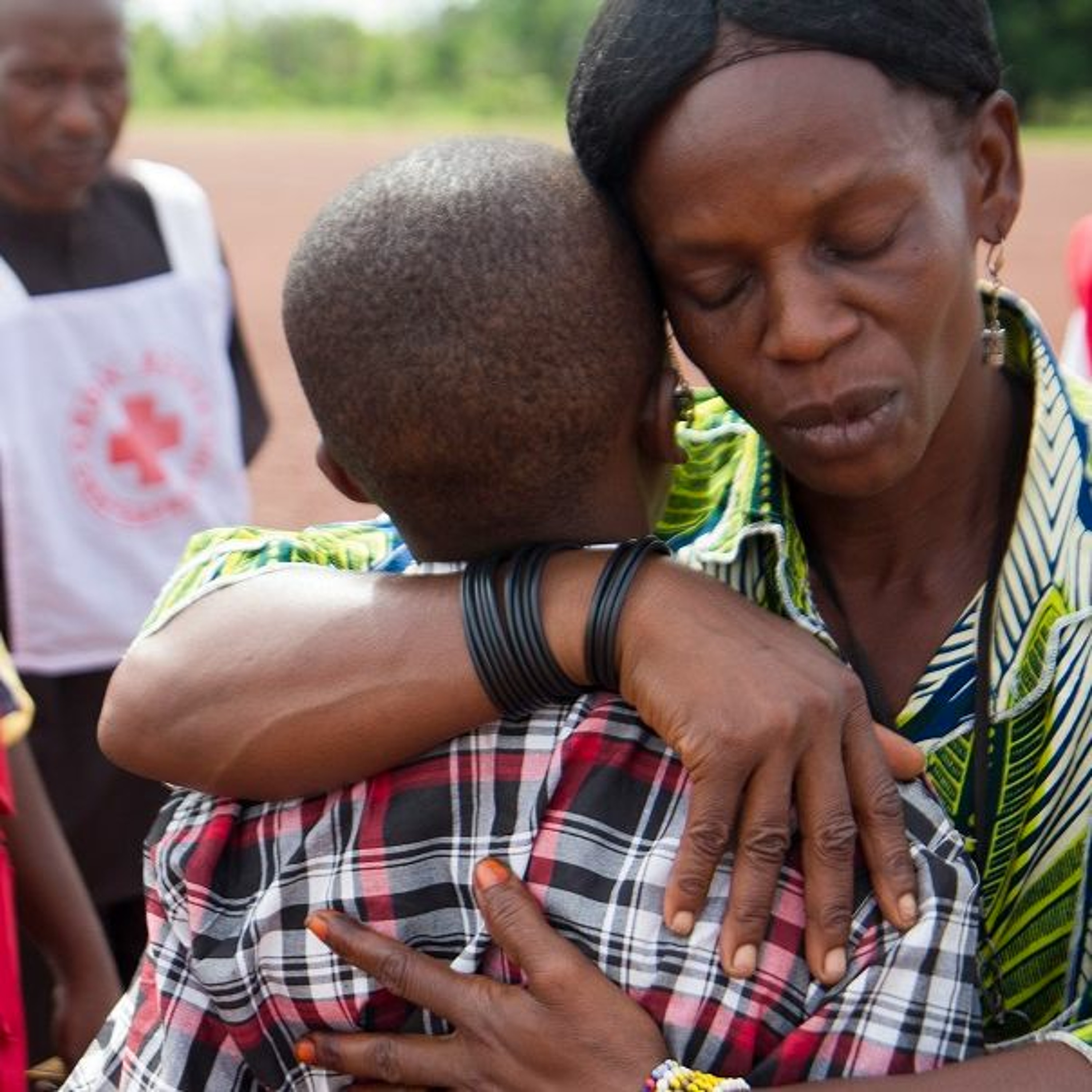
IHL in action: seven patterns of respect
IHL in action: seven patterns of respect by ICRC Law and Policy
 ICRC Humanitarian Law and Policy Blog
‘Please, don’t tell anyone!’: healthcare stigma in the COVID-19 era
Since the onset of the COVID-19 pandemic, healthcare workers in conflict zones and peaceful countries alike have faced countless challenges, including…
 ICRC Humanitarian Law and Policy Blog
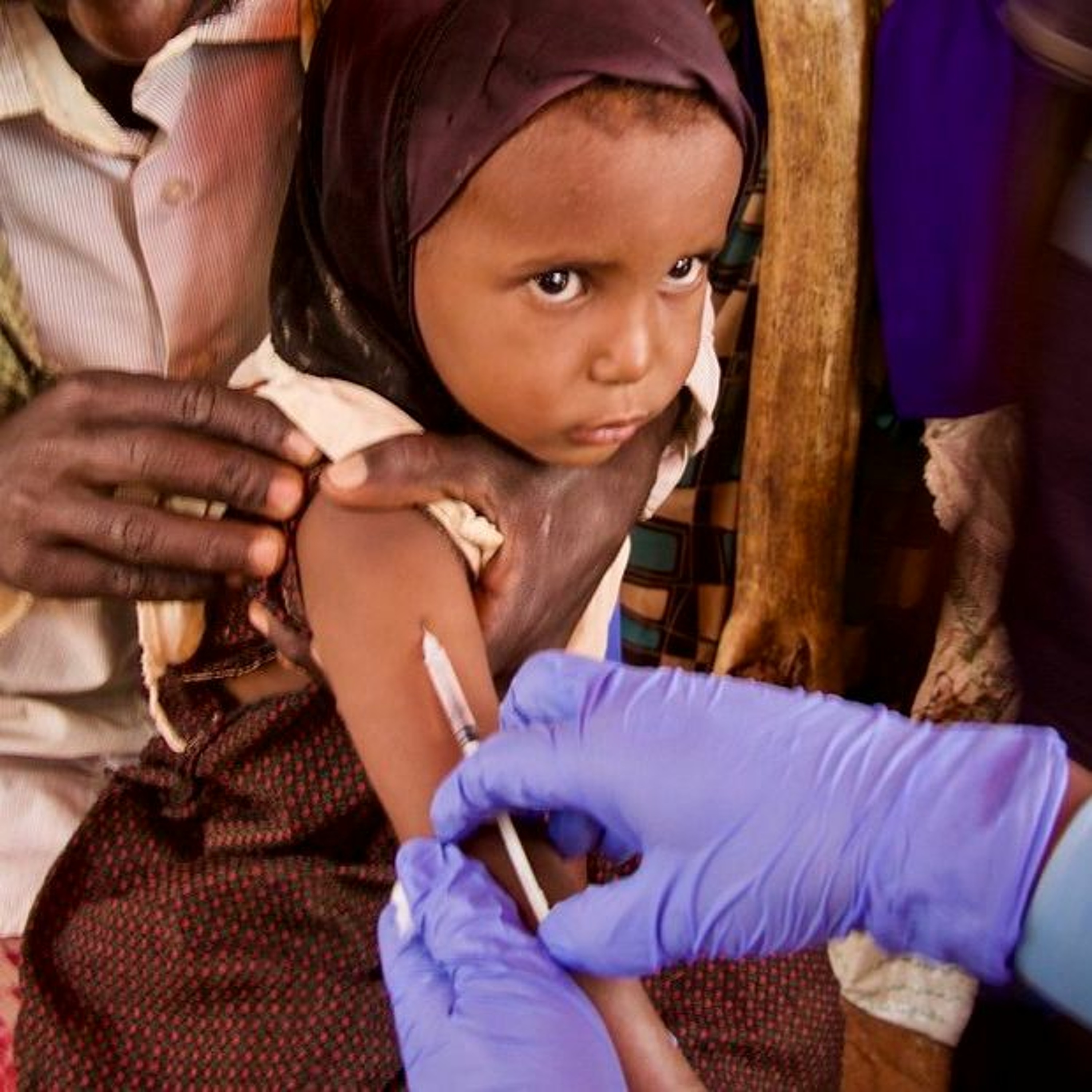
COVID-19 vaccines and IHL: ensuring equal access in conflict-affected countries
As countries struggle to contain the COVID-19 pandemic, the world’s focus is on developing a vaccine. While the virus itself affects all countries and people…
 ICRC Humanitarian Law and Policy Blog
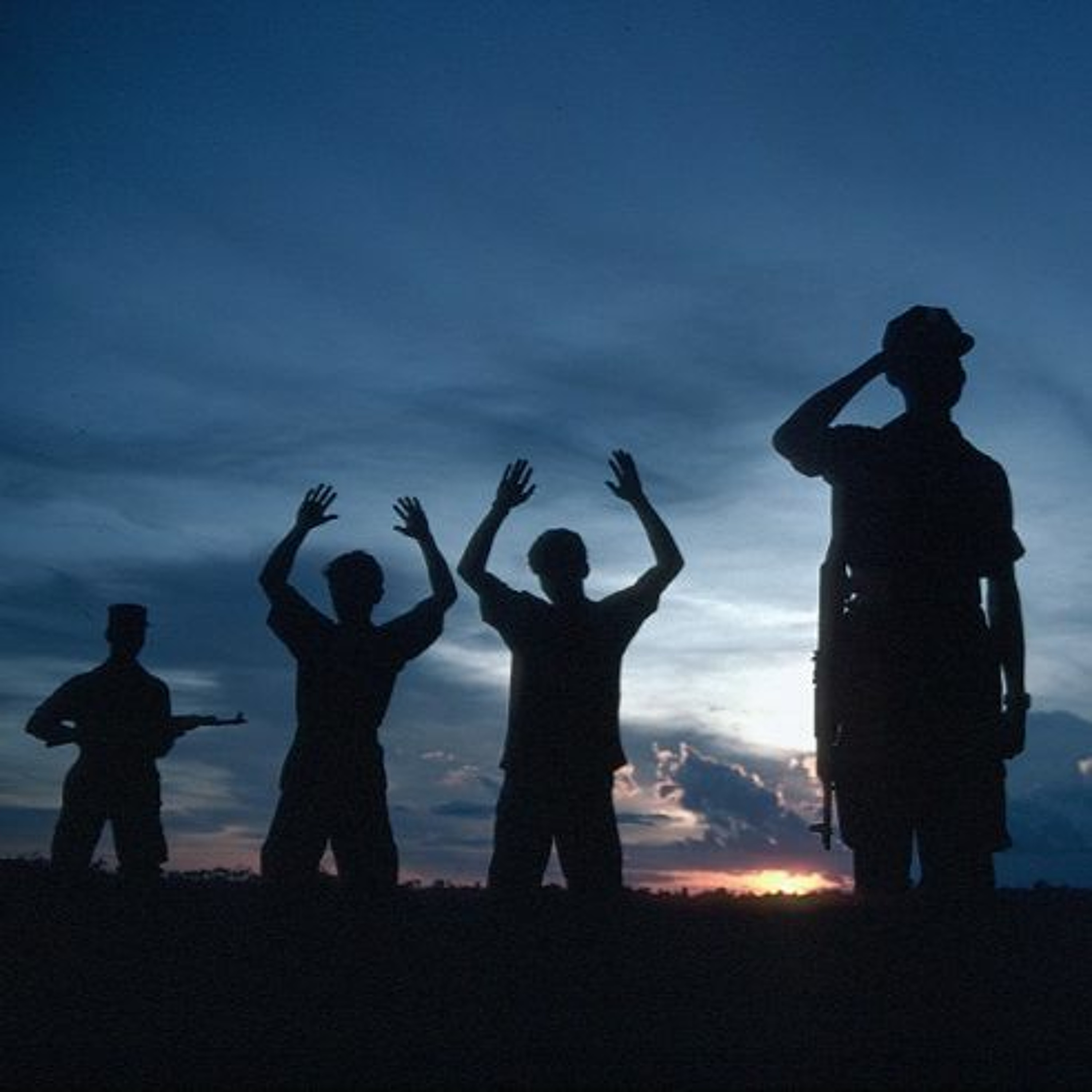
GCIII Commentary: removing ambiguity on the treatment of prisoners of war
In an era in which a number of developed nations have been accused of ill-treating or unlawfully killing captured persons or persons under their control, the…