Shows / The Science Show - Separate stories podcast

The Science Show - Separate stories podcast
The Science Show gives Australians unique insights into the latest scientific research and debate, from the physics of cricket to prime ministerial biorhythms.
Subscribe in your app
Choose an installed app, or copy the RSS feed into any podcast app. Finish subscribing there.
Follow below adds this show to Your shows in skinny. Log in to let subscribe clicks tune your For you feed.
The show, from its episodes
No episode notes yet. Recurring topics, people and notes-based starter picks will appear when notes are available.
Typical episode length
10m · median of 352 full episodes with a known length
Solo / guest format
Unknown — existing notes name people mentioned, but do not identify hosts or guests.
Recurring topics
No recurring topics established yet.
Recurring people
No recurring people established yet.
Start here
No starter picks yet — no published full episodes with audio and a recorded notes hook.
Shows like this
From recent shows with similar descriptionsEpisodes
 The Science Show - Separate stories podcast
Lab Notes: The Treaty of the Metre: how the metre came to be
The next time you pick up a bag of spuds from the supermarket or fill up the car with petrol, you can thank the Treaty of the Metre for the metric system that…
- The Science Show - Separate stories podcast
Lab Notes: Why do whales strand en masse?
Every now and again, dozens or even hundreds of perfectly healthy looking whales strand themselves on a beach. And despite people's best efforts, many — if not…
- The Science Show - Separate stories podcast
Lab Notes: Tips to reduce microplastics exposure
It's impossible to escape microplastics. They're in our food and water, and the air around us is teeming with them. So considering they're all around us, how…
 The Science Show - Separate stories podcast
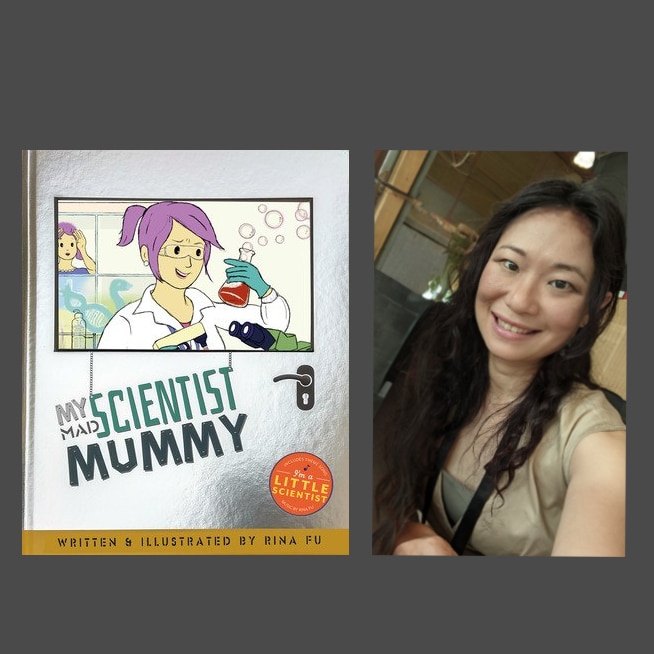
Searching for a new source of collagen – from crocodiles
Rina Fu’s research and teaching is across three universities. She is a recent recipient of awards including the Western Australia’s Premier’s Award for Science…
- The Science Show - Separate stories podcast
Lab Notes: How is sunscreen SPF tested?
Australia's known for having some of the world's toughest sunscreen standards, but in June, that reputation was rocked. Independent testing of 20 sunscreens…
- The Science Show - Separate stories podcast
Lab Notes: How maths explains nature's weirdness
A huge cold blob of air above Antarctica and bushfires spreading along ridgelines don't appear to have anything in common, yet the strange behaviour of these…
 The Science Show - Separate stories podcast
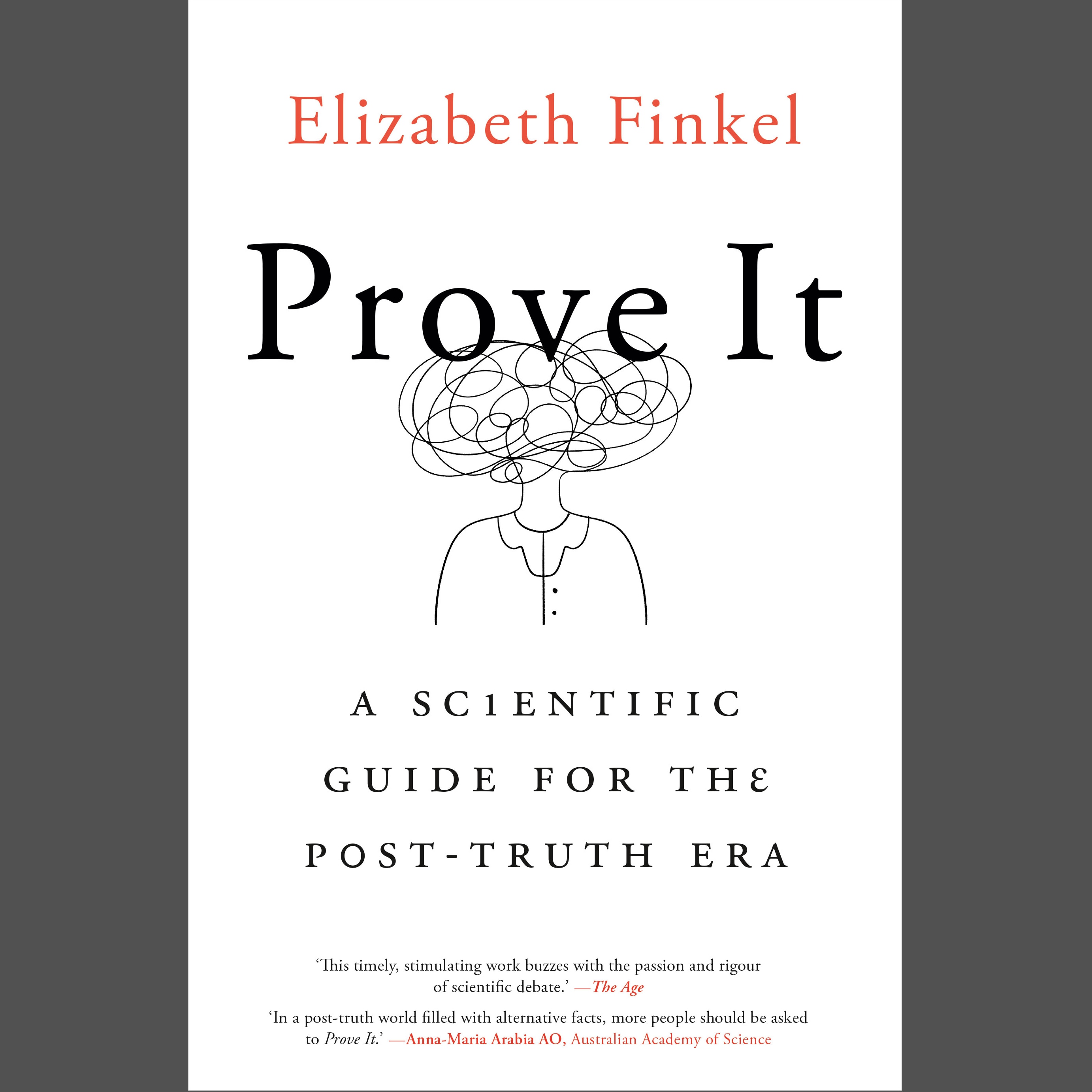
Prove It!
Elizabeth Finkel deploys scientific evidence to show that President Trump’s claim that Tylenol, used by pregnant women to relieve pain, is a cause of autism…
 The Science Show - Separate stories podcast
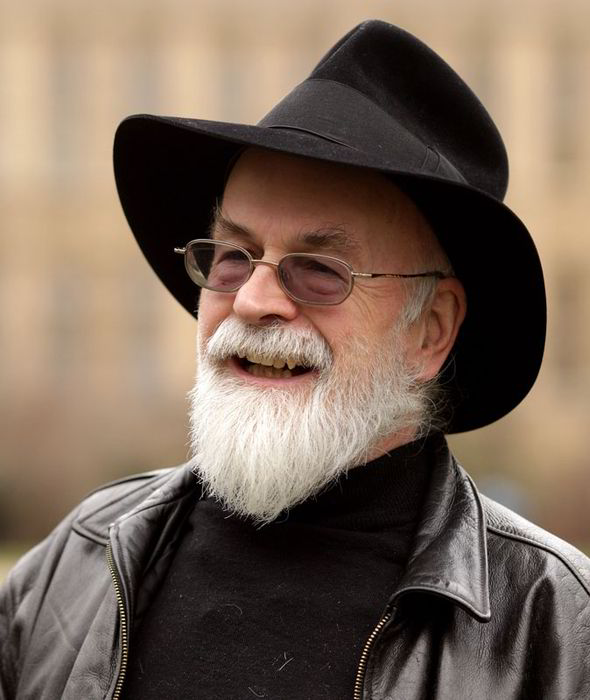
Science was always present for novelist Terry Pratchett
Next week we celebrate the English author of fantasy novels Terry Pratchett who died in 2015. Physicist Len Fisher presents this tribute and says the…
 The Science Show - Separate stories podcast
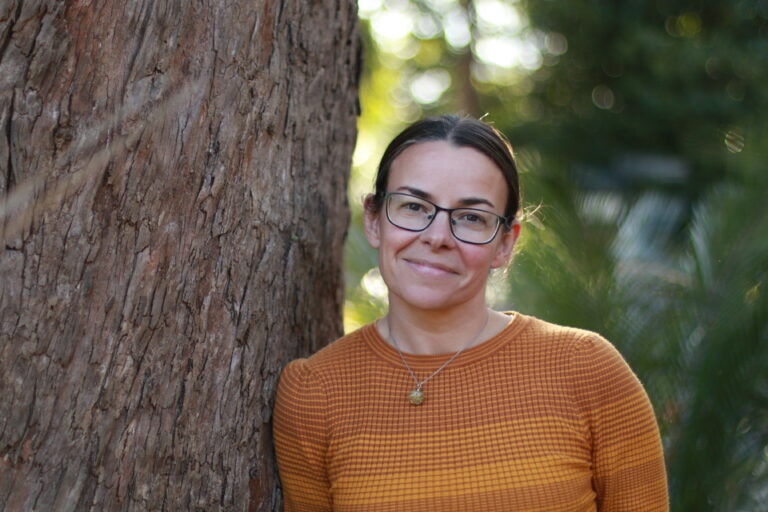
Genetic rescue helps struggling native plant species
Chantelle Doyle moves pollen between locations hoping to establish new plant populations and increase genetic diversity giving struggling species a boost.
 The Science Show - Separate stories podcast
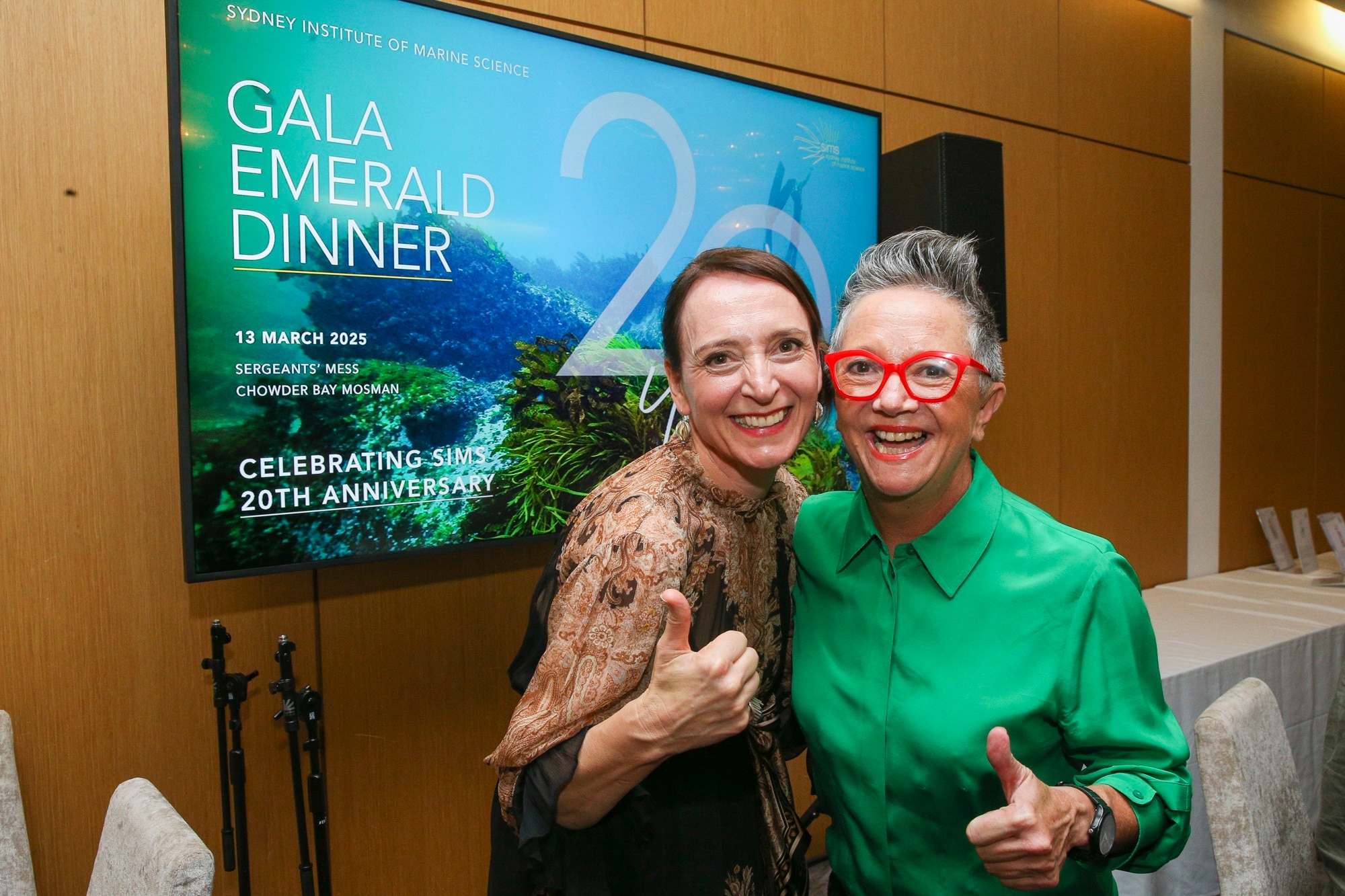
SIMS celebrates 20 years and shows how true collaboration brings great results
Robert Harcourt collects oceanographic information using microcomputers strapped to turtles and seals.
 The Science Show - Separate stories podcast
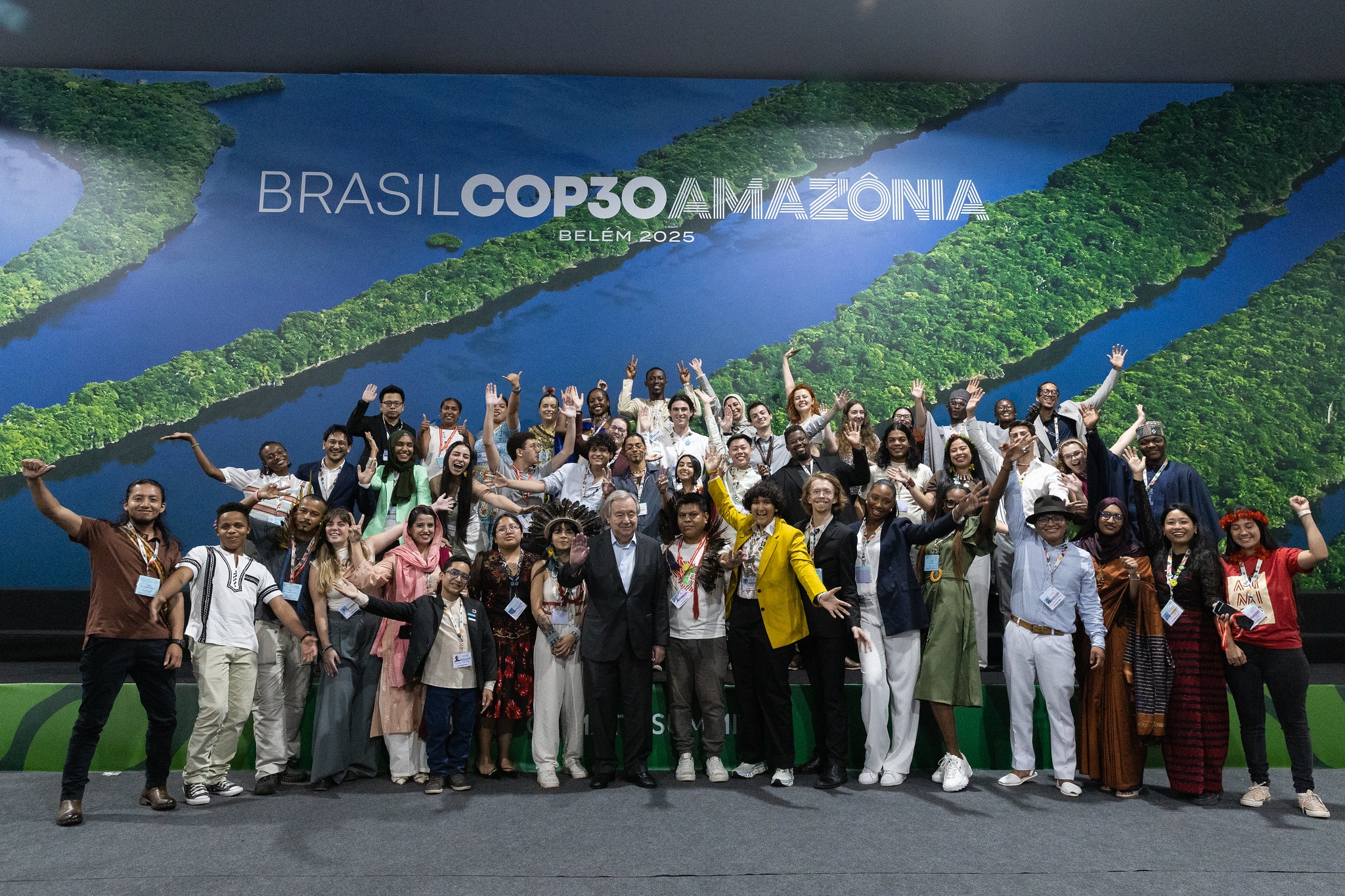
COP30 - Food security under threat with climate change
Jim Falk from Melbourne presented a message of hope at the COP30 climate meeting in Brazil
- The Science Show - Separate stories podcast
Lab Notes: Are bioplastics the future of packaging?
Step into the supermarket and there's plastic around just about everything, even mangoes — and not all that packaging will be properly disposed of. So with…
 The Science Show - Separate stories podcast
Space conference makes Sydney mission control
Space is integral to our modern world, supporting mapping, land care, agriculture, mining, fire prevention and so much more.
 The Science Show - Separate stories podcast
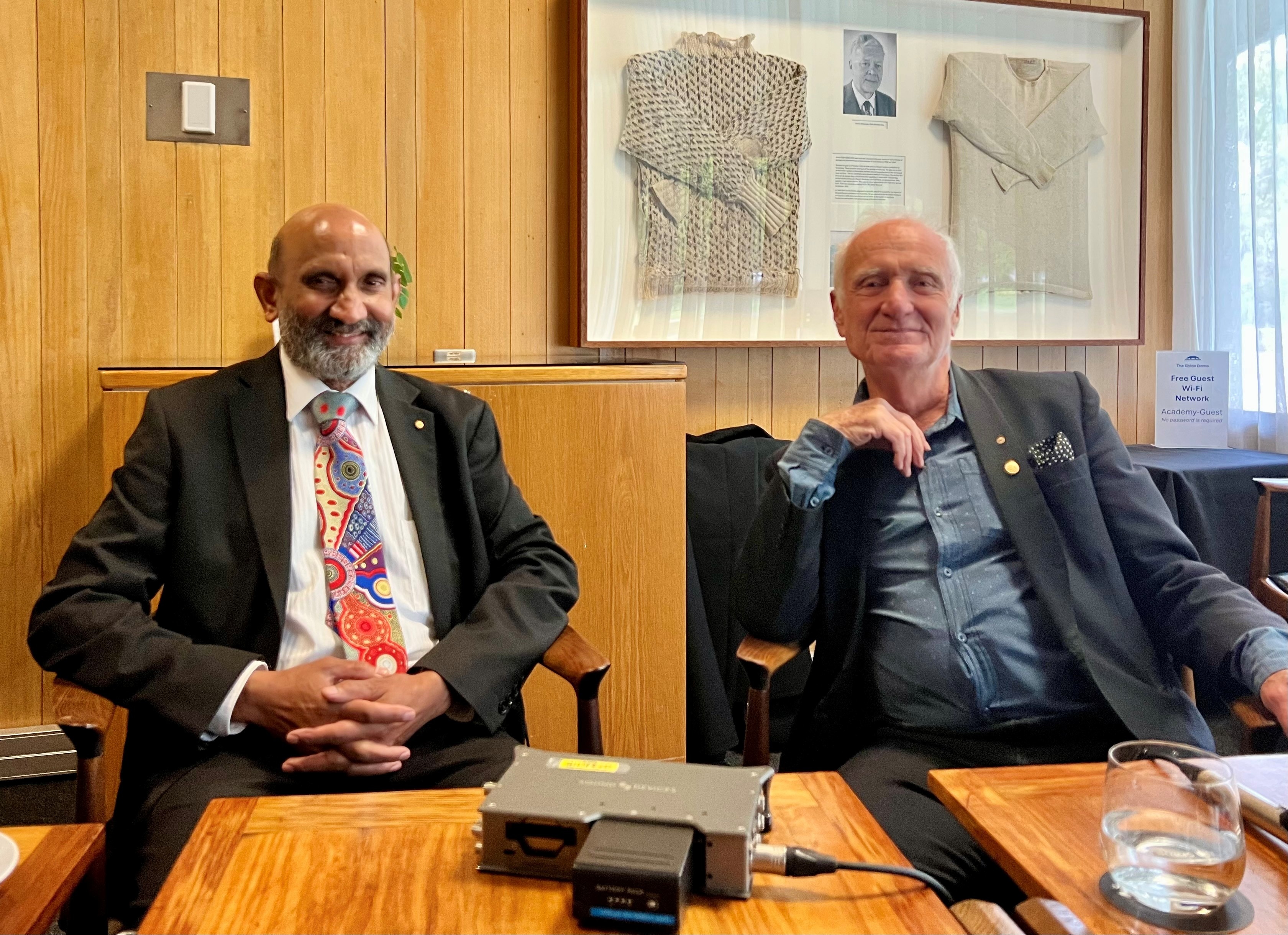
Science Academy president urges business rethink on research and development
Professor Jagadish puzzles why support of Australian Science is so wanting and says business should see their R&D spend as an investment.
 The Science Show - Separate stories podcast
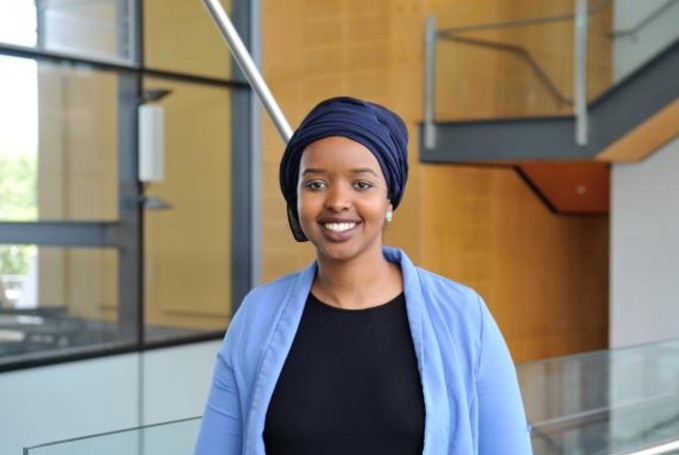
Developing more options for people with sleep apnea
Amal Osman from Flinders University, an ABC Top 5 scientist in 2025 describes sleep apnea, and her work developing new treatments for this debilitating…
 The Science Show - Separate stories podcast
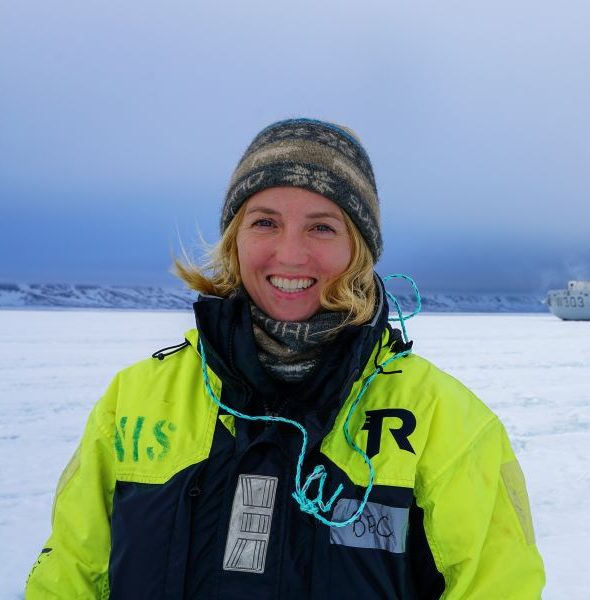
Superstar of STEM - Rebecca Duncan
Robyn Williams meets Superstar of STEM marine biologist Rebecca Duncan.
 The Science Show - Separate stories podcast
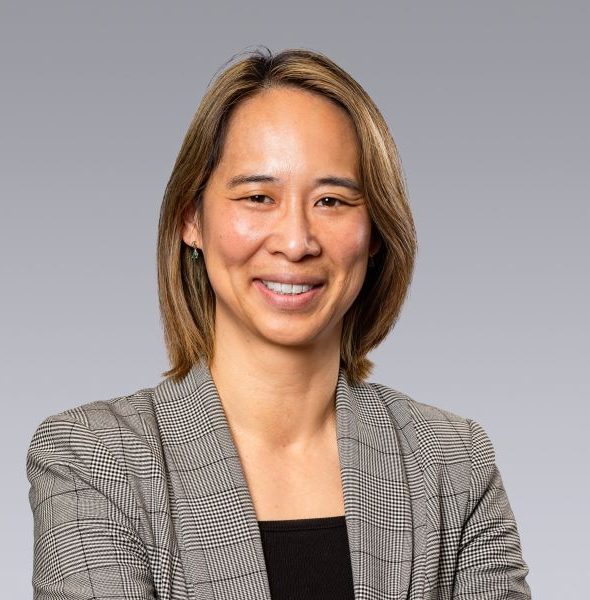
Superstar of STEM - Nicola Lo
Robyn Williams meets Superstar of STEM Nicola Lo, an environmental engineer and project manager with Colliers Engineering & Design.
- The Science Show - Separate stories podcast
Lab Notes: Why aurora season isn't over yet
Astrophotographers have had another great month, with the aurora australis lighting up night skies as far north as southern Queensland. And while you might've…
 The Science Show - Separate stories podcast
Top quark used to test quantum concepts
It exists for of 10-25 seconds. If you blink, you’ll miss it.
 The Science Show - Separate stories podcast
Dog wags tail, or tail wags dog – the impact of increasing technology in our lives
Howe Zhu describes his research area of human computer interaction, and says we should more aware of how technology is changing our behaviour.
 The Science Show - Separate stories podcast
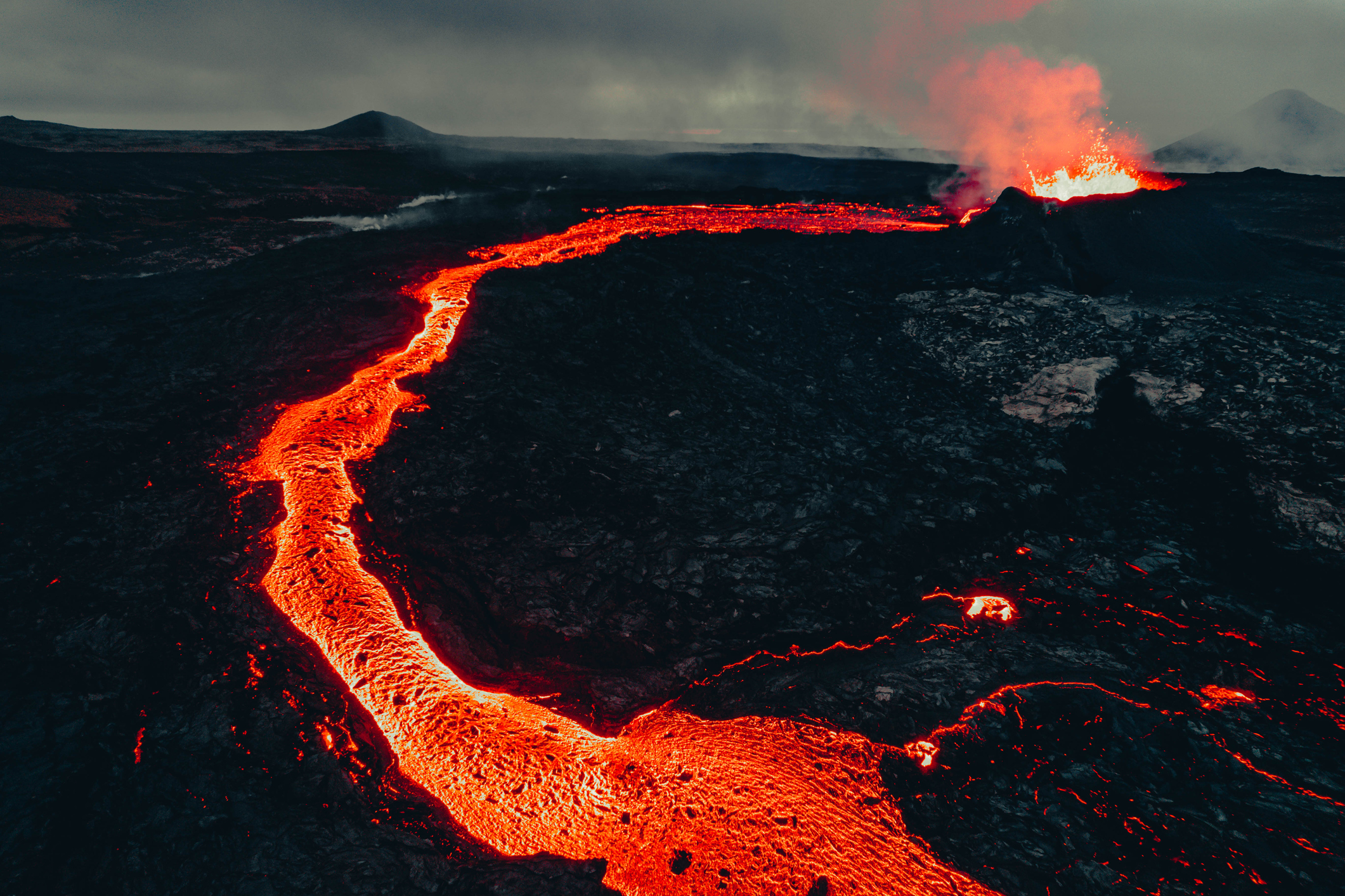
Mechanics of flowing lava used to protect people
The movement and path of lava is a result of lava temperature, its viscosity and the surface over which it flows.
 The Science Show - Separate stories podcast
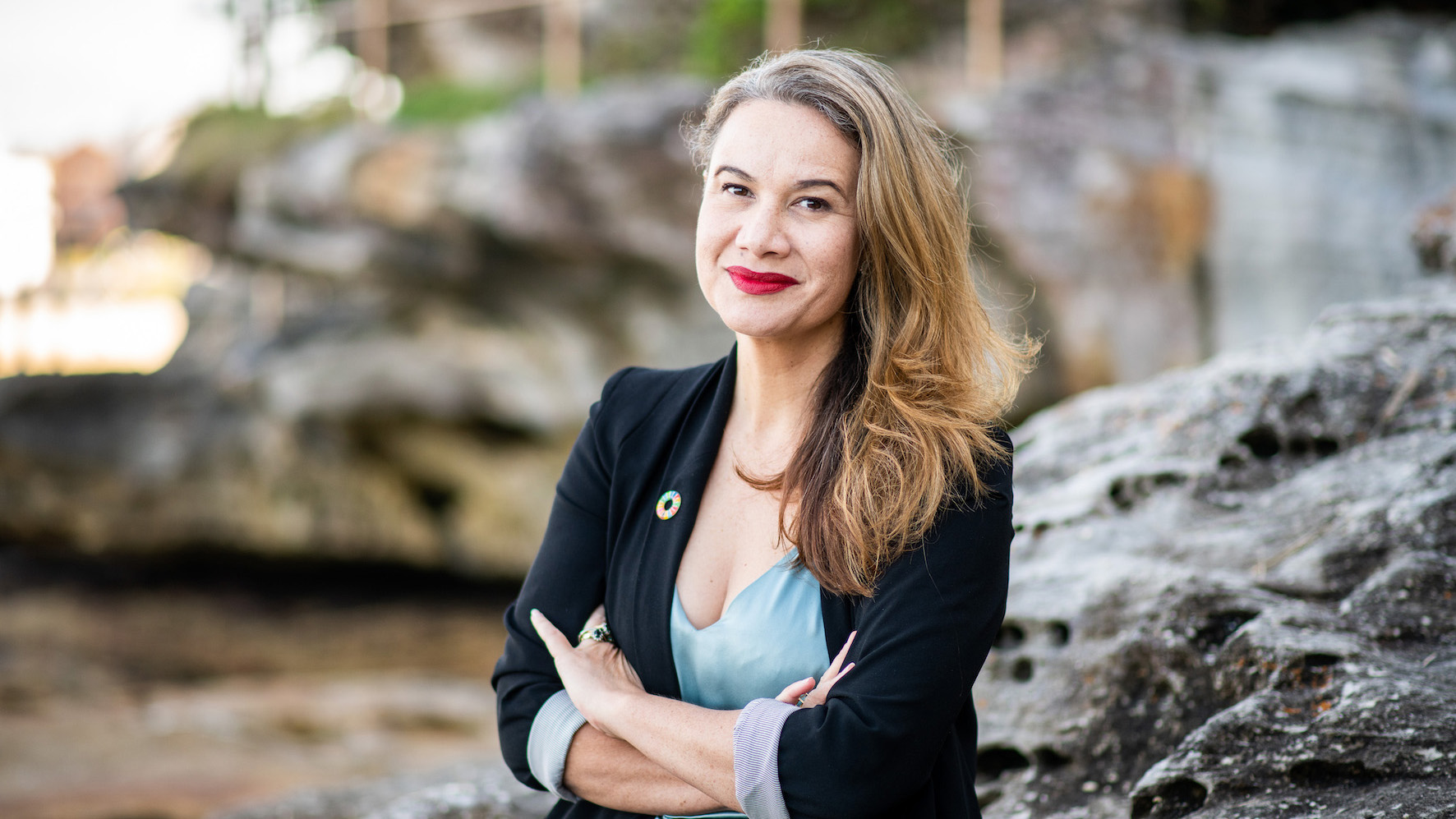
Showing possible career paths would encourage science graduates says new STA president
Jas Chambers is the new president of Science & Technology Australia. She comes with ideas to help boost science graduates.
 The Science Show - Separate stories podcast
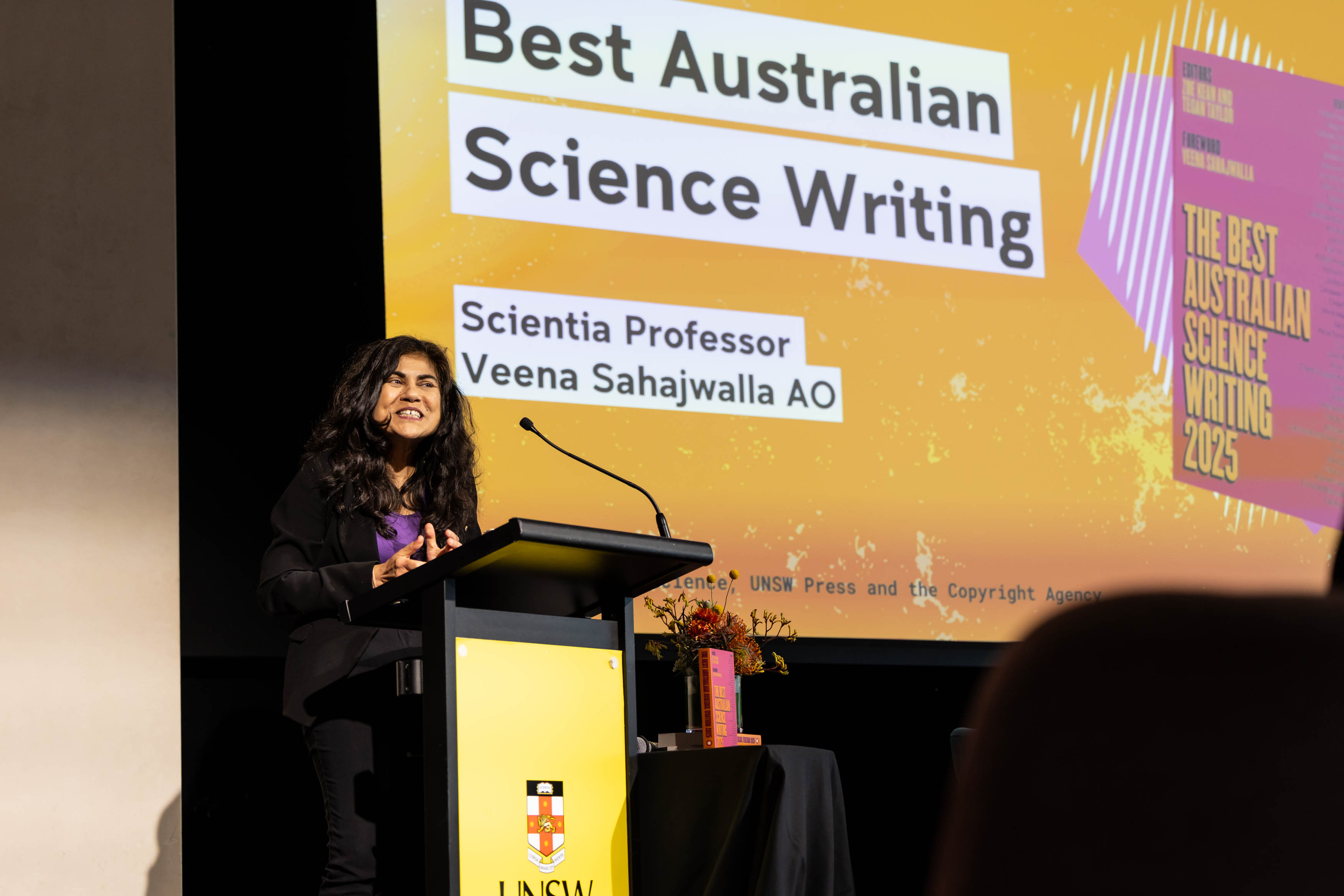
Science writing bridges research and community understanding
Veena Sahajwalla launched The Best Australian Science Writing 2025 at UNSW this last week. For Veena, story-telling is the bridge between research and…
 The Science Show - Separate stories podcast
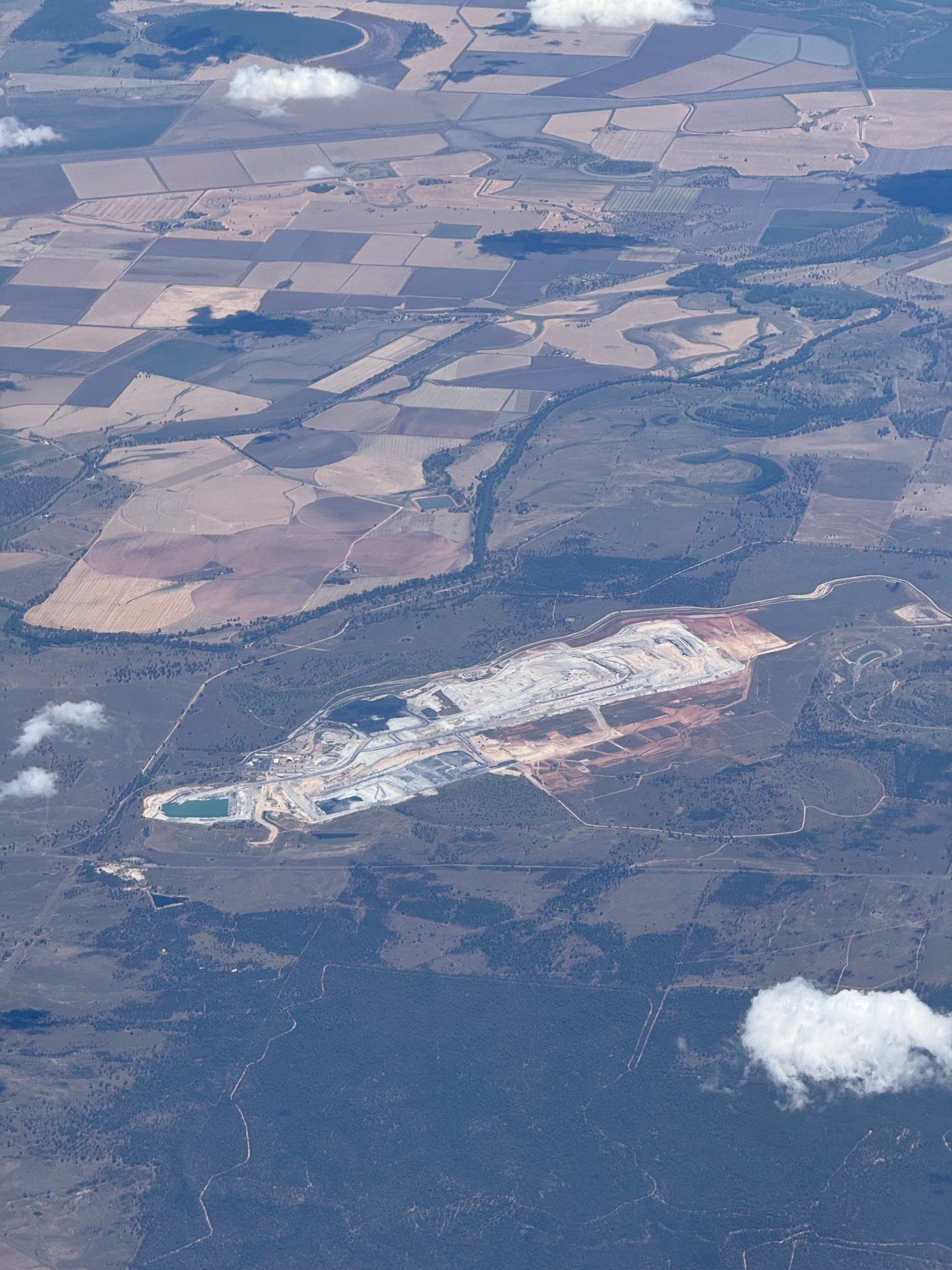
Boom time for geology? But university geology departments are shrinking or closing
With fewer graduates, it’s unlikely Australia will have the geologists needed to produce what’s being promised.
- The Science Show - Separate stories podcast
Lab Notes: How are long-range weather forecasts made?
It looks like most of Australia is in for a warmer-than-usual summer this year. That's according to the Bureau of Meteorology's long-range forecast, which was…
 The Science Show - Separate stories podcast
2025 Prime Minister’s Prize for Excellence in Science Teaching in Primary Schools
This year’s winner, Paula Taylor from The ACT Academy of Future Skills describes her approach to supporting teachers to be exceptional STEM educators.
 The Science Show - Separate stories podcast
Climate intervention becoming increasingly urgent
Fine droplets of seawater sent high into the atmosphere could increase cloud formation and reflect more of the sun’s heat.
 The Science Show - Separate stories podcast
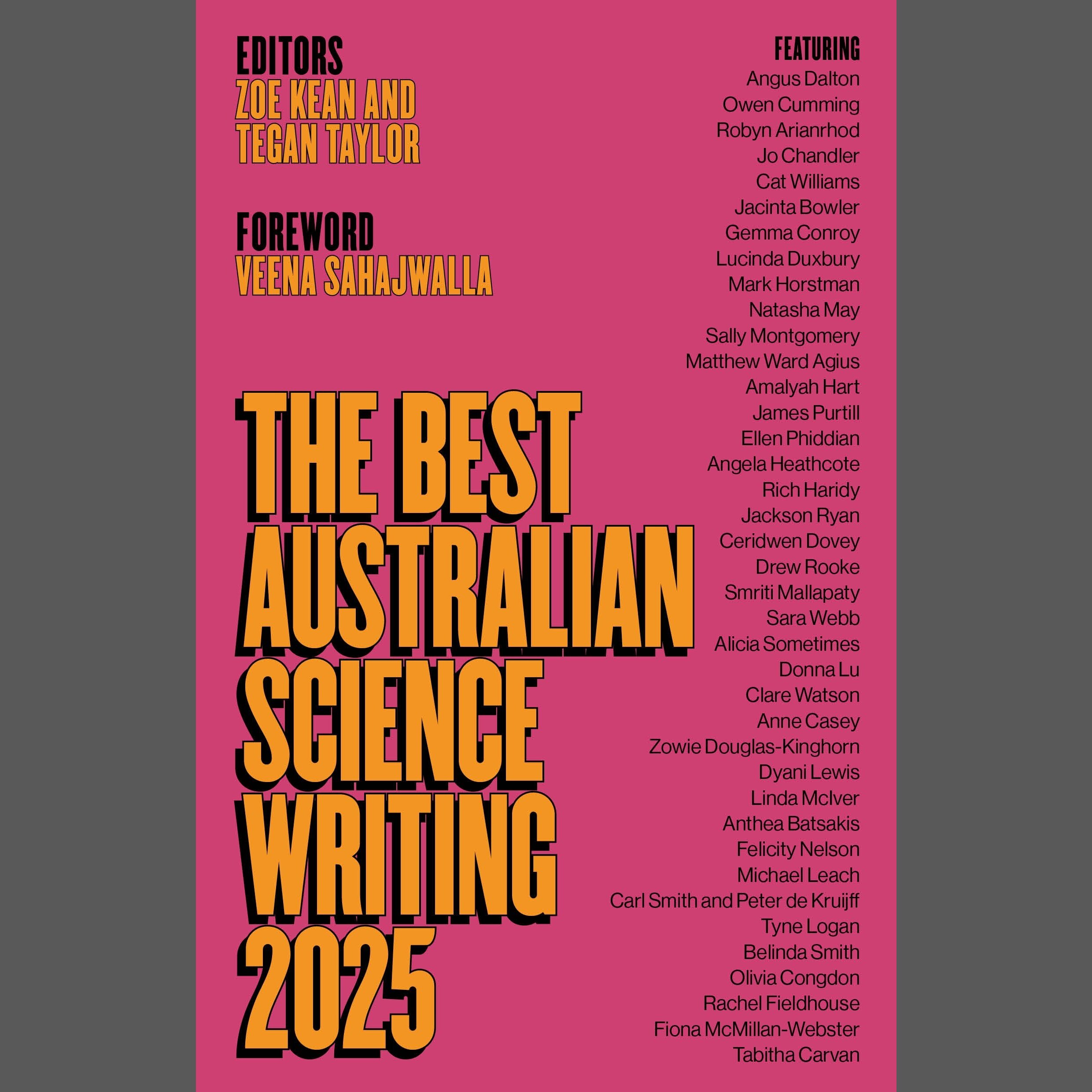
Launch of The Best Australian Science Writing 2025 and the Bragg Prize for Science Writing
A panel discussion featuring Bragg Science Writing prize winner Tabitha Carvan and runners-up Angus Dalton and James Purtill.
- The Science Show - Separate stories podcast
Lab Notes: How breastfeeding can protect against cancer
Thanks in part to 18th-century nuns, we now know that having children and breastfeeding reduces a mum's risk of developing breast cancer for years, even until…
 The Science Show - Separate stories podcast
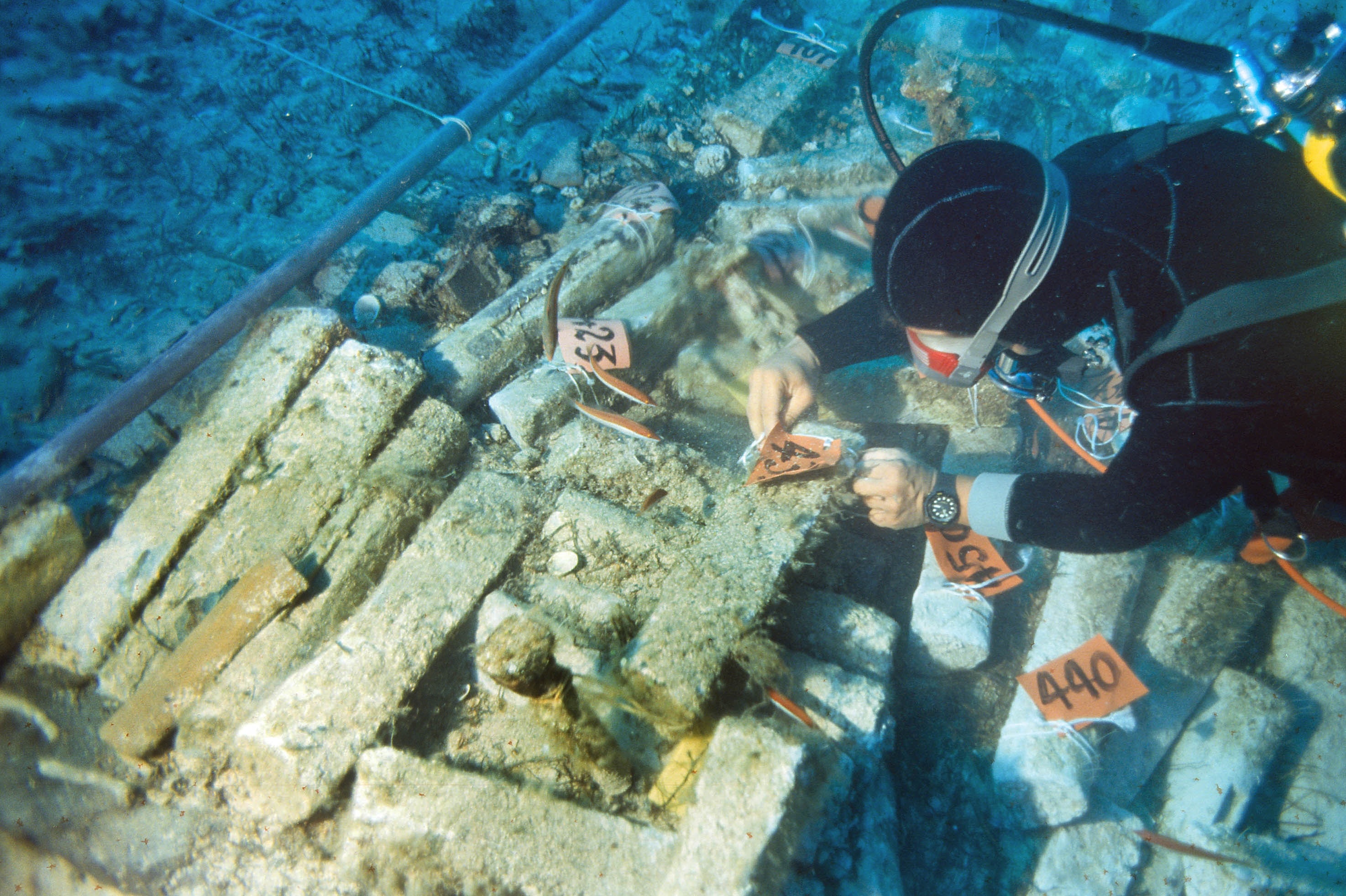
Lead ingots from a Roman shipwreck - a battle between the past and the future
A Roman shipwreck contained lead ingots. Should they be retained as a link to the past, or be utilised for their unique quality allowing experiments to be…
 The Science Show - Separate stories podcast
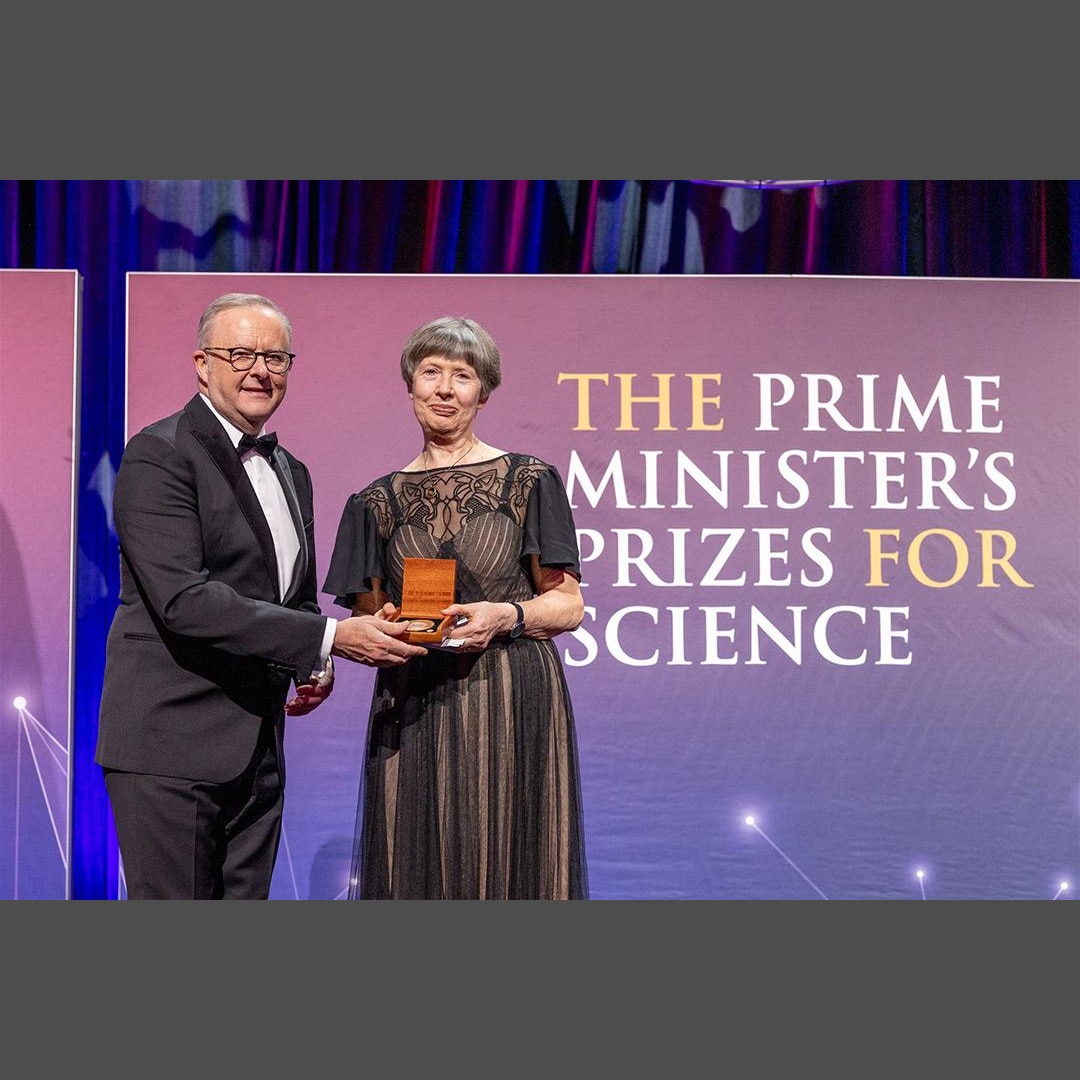
2025 Prime Minister's Prizes for Science
Distinguished Professor Lidia Morawska from the Queensland University of Technology has received the 2025 Prime Minister’s Prize for Science for her pioneering…
- The Science Show - Separate stories podcast
Lab Notes: How your brain chooses your next snack
It's mid-afternoon and time for a treat! Do you choose a healthy piece of fruit, or do you head straight for the chocolate? It turns out that well before we…
 The Science Show - Separate stories podcast
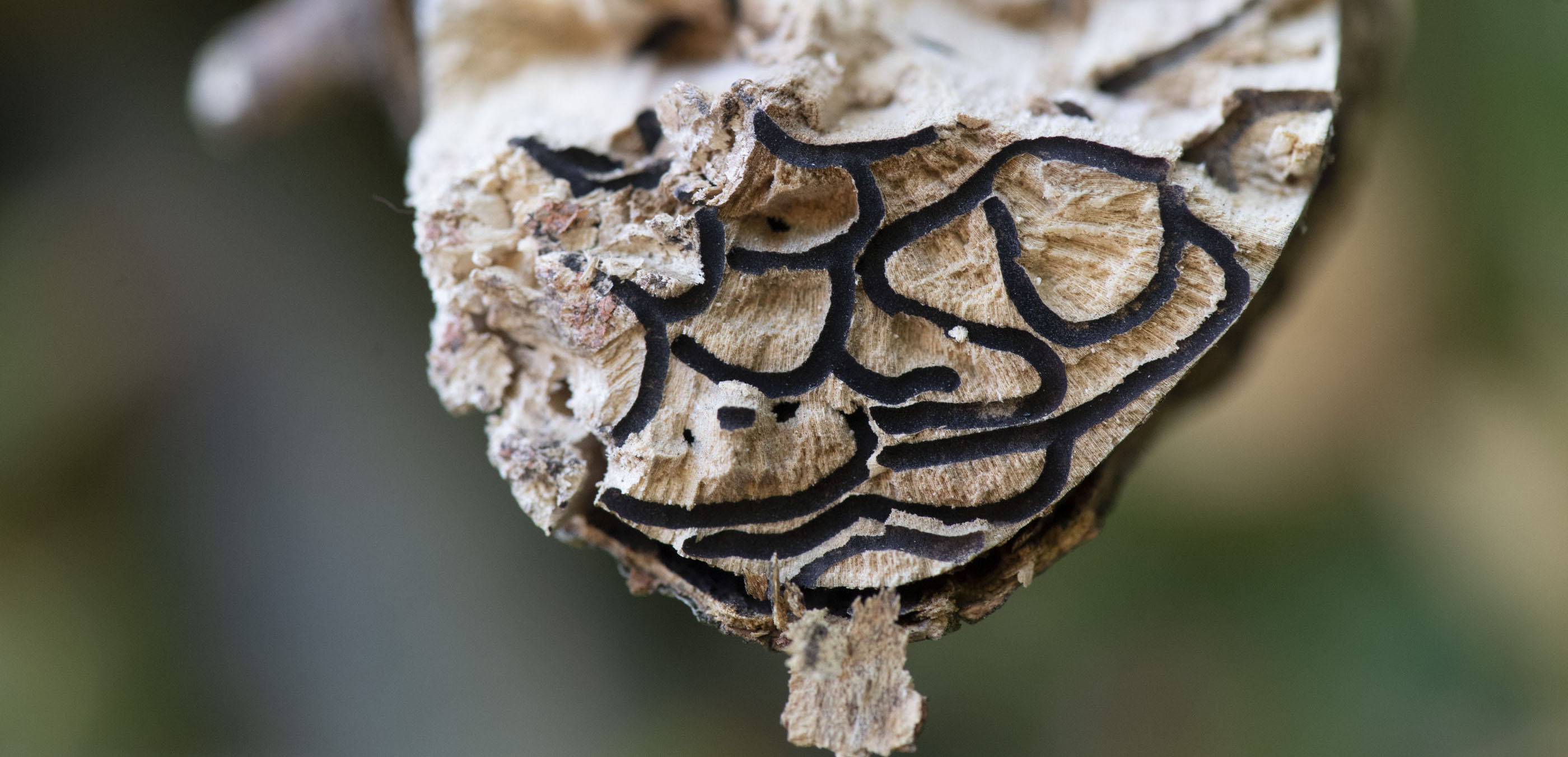
Plant diseases impact native vegetation, gardens, crops
Brett Summerell describes work being done at the Mt Annan Royal Botanic Garden southwest of Sydney understanding fungal diseases impacting plants everywhere…
 The Science Show - Separate stories podcast
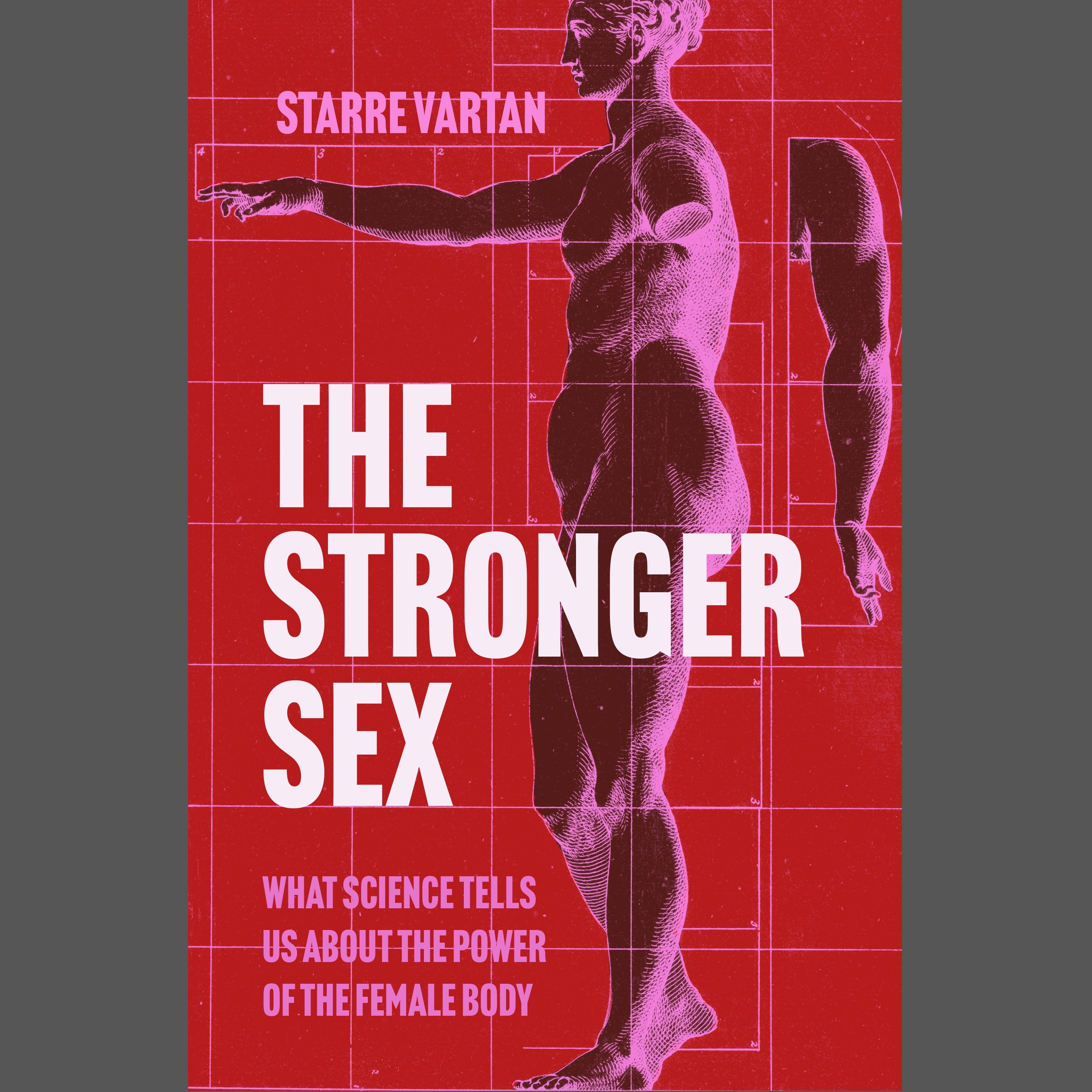
The Stronger Sex
Author Starre Vartan shows how women surpass men in endurance, flexibility, immunity, pain tolerance, and the ultimate test of any human body: longevity.
 The Science Show - Separate stories podcast
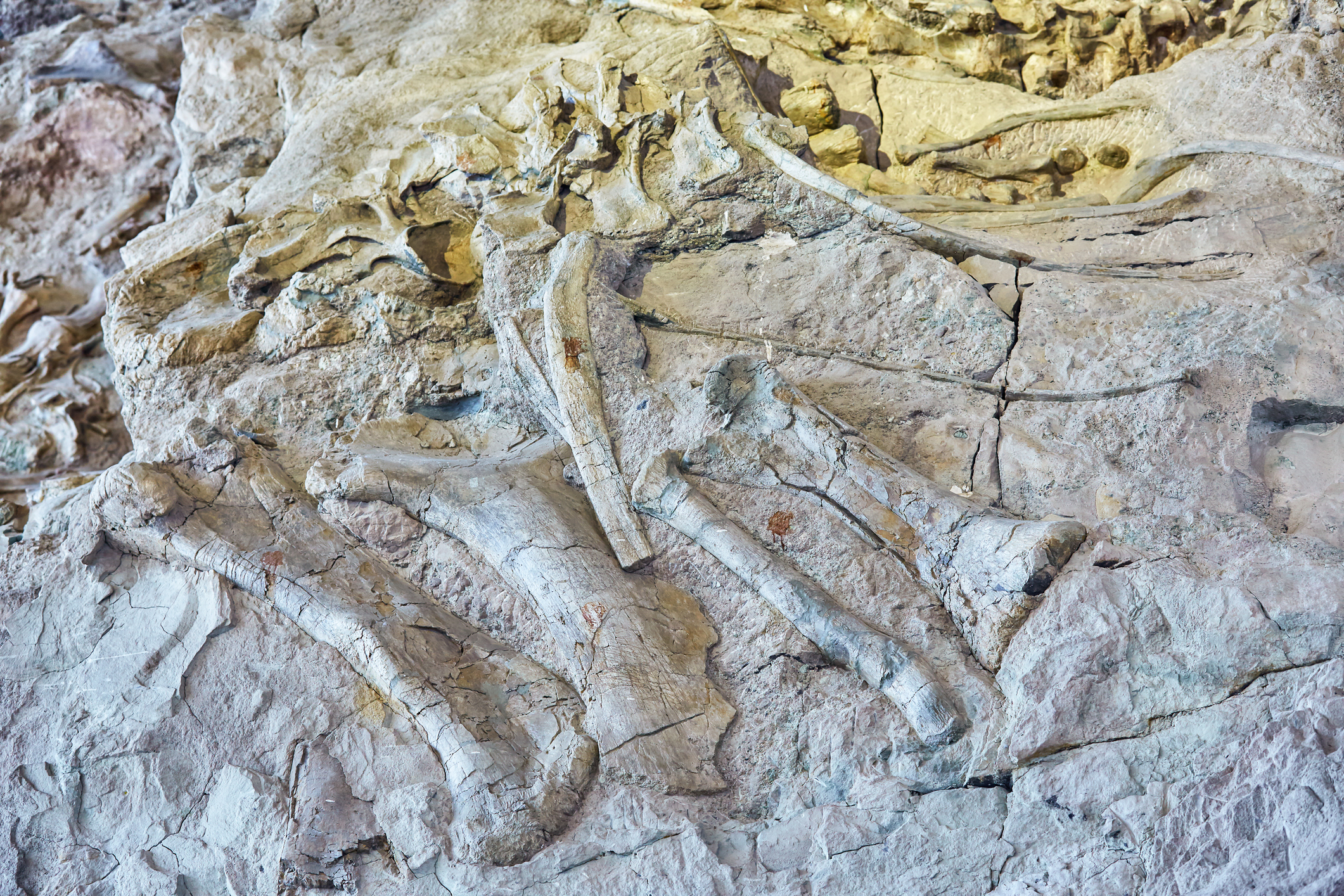
Our understanding of changes in biodiversity over time questioned
Our understanding of the evolution of biodiversity is based on fossil evidence. But so much more may lie buried and reveal a different story.
 The Science Show - Separate stories podcast
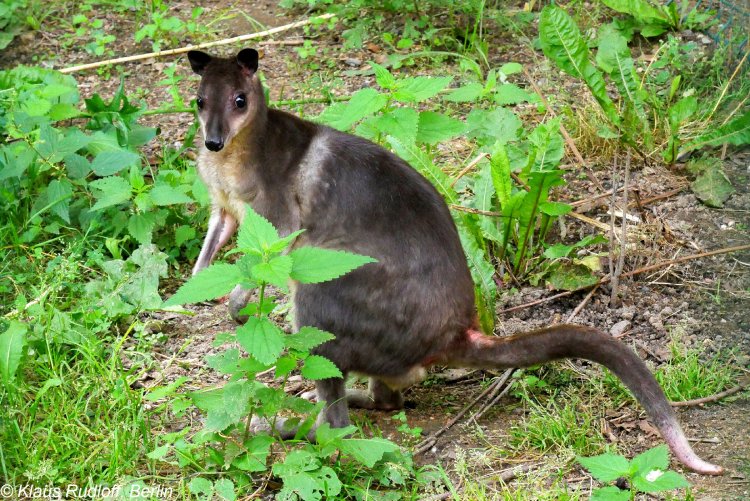
Ancient people took wallabies to islands in canoes
Evidence suggests that as early as 12,800 years ago, people captured wild wallabies from the then joined Australia - New Guinea mainland and transported them…
 The Science Show - Separate stories podcast
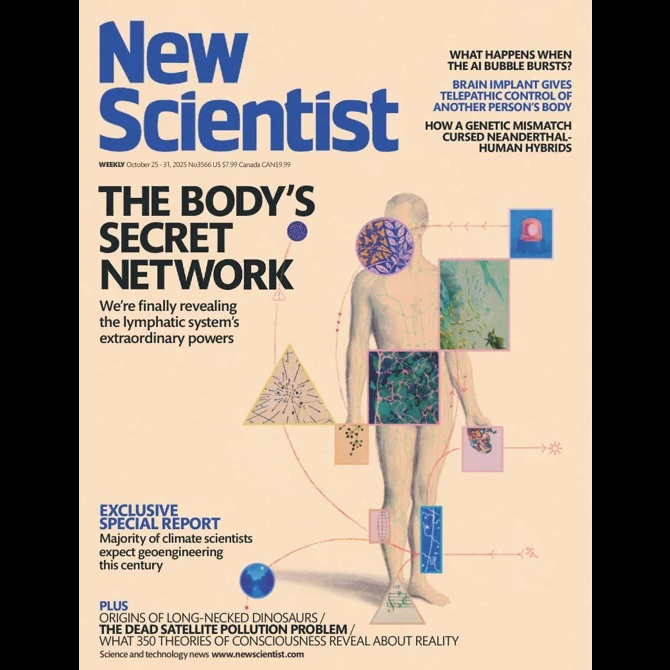
New Scientist continues in print, boosts on-line
Editor Catherine de Lange says New Scientist will continue to be printed and new younger readers will be encouraged through the digital edition, a podcast, and…
- The Science Show - Separate stories podcast
Lab Notes: Times we thought we found aliens
We have a mysterious visitor to our little patch of the cosmos this week: A comet called 3I/ATLAS. This icy, rocky ball is only the third interstellar object…
 The Science Show - Separate stories podcast
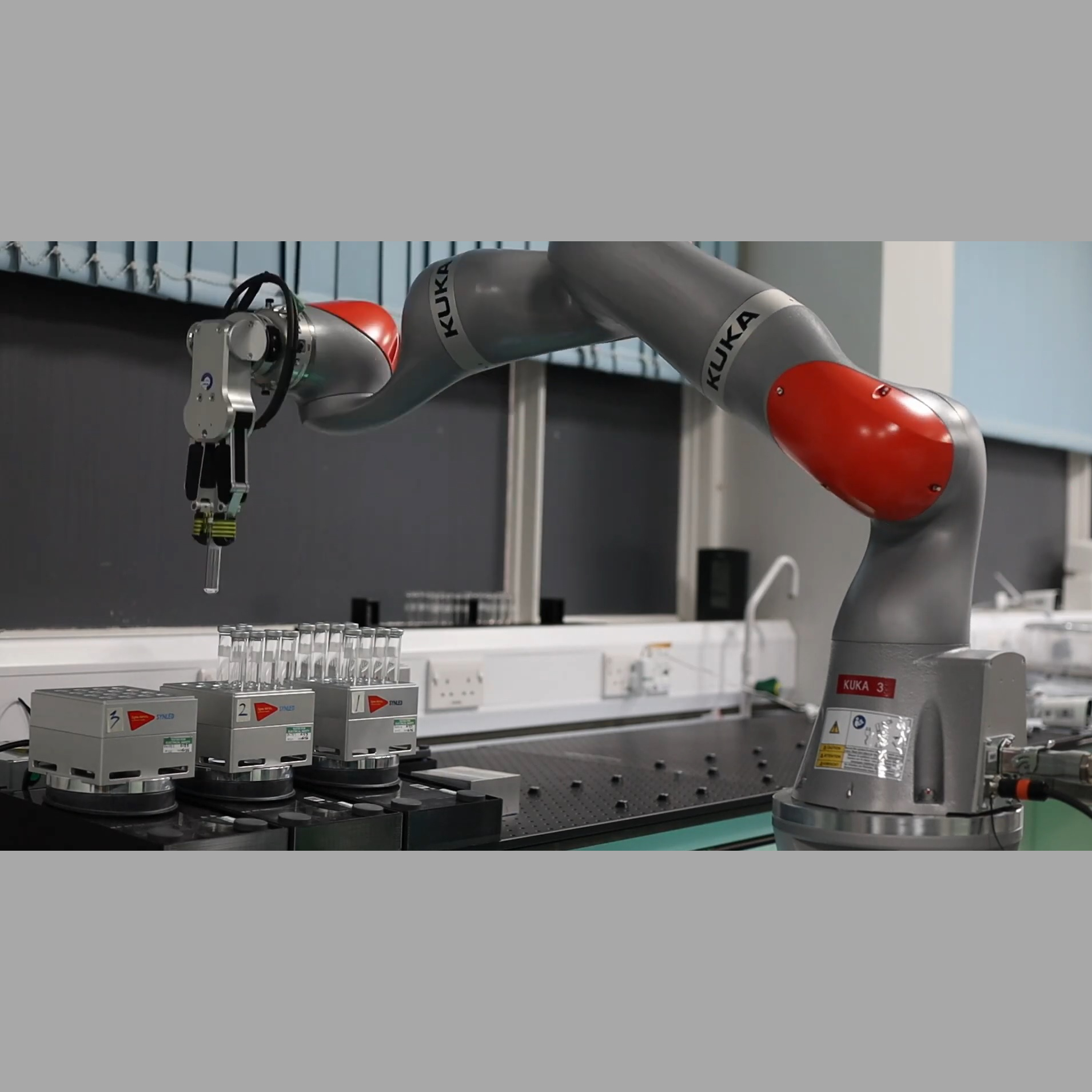
Robots well suited to dangerous drudge work in the chemistry lab
Robots are ideal in chemistry labs undertaking repetitive and dangerous tasks.
 The Science Show - Separate stories podcast
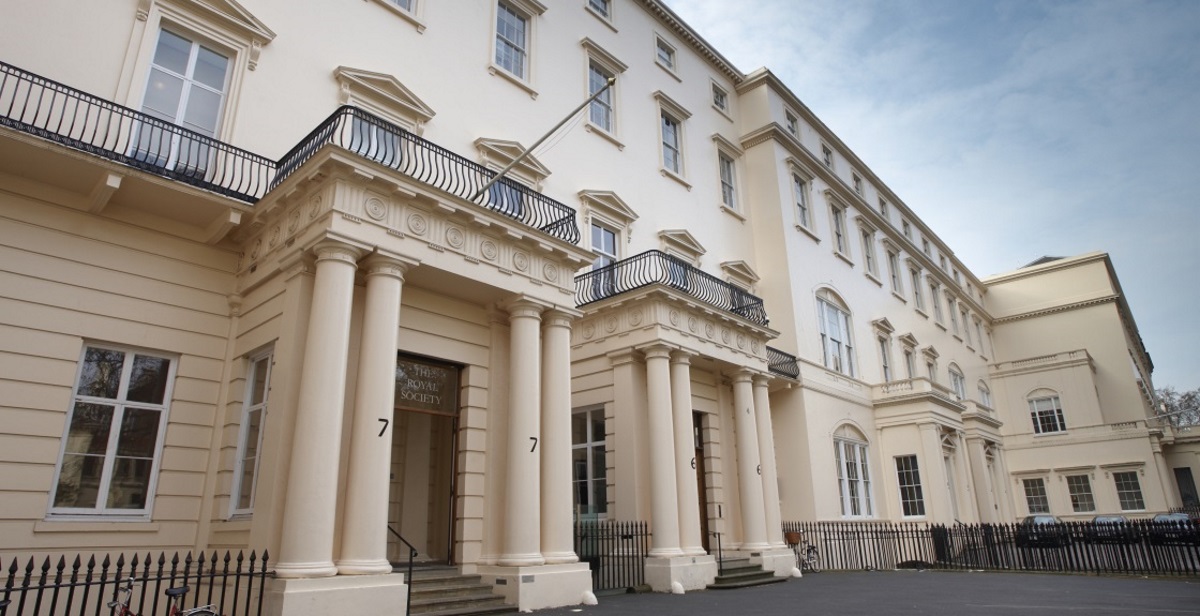
Science OK in the UK
Outgoing president of the Royal Society says the UK public accepts the importance of science and those in power must be reminded of the importance of…
 The Science Show - Separate stories podcast
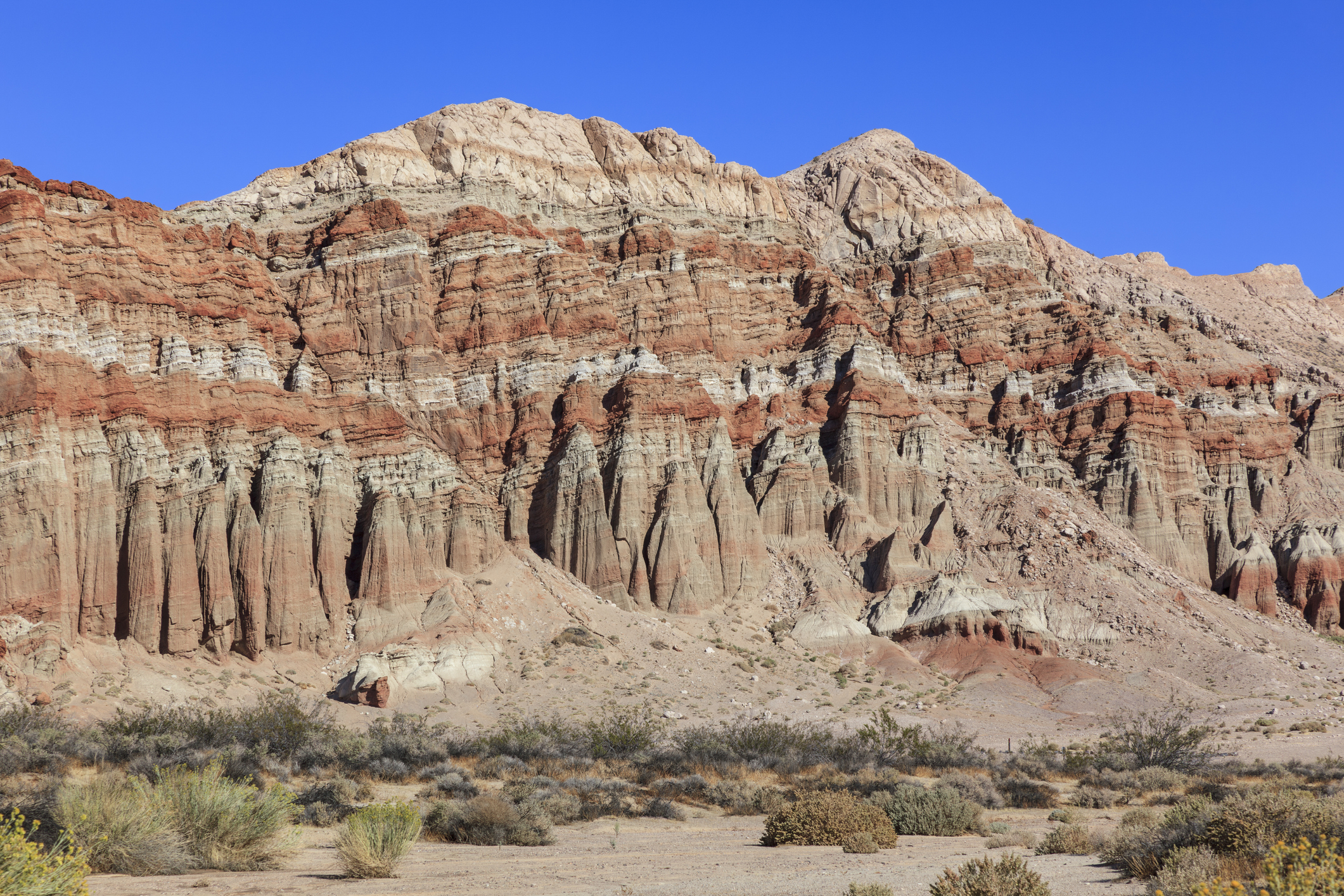
How rocks tell the history of Earth
The Earth writes its own history, and it can be seen in the physical, chemical and biological components of rocks.
 The Science Show - Separate stories podcast
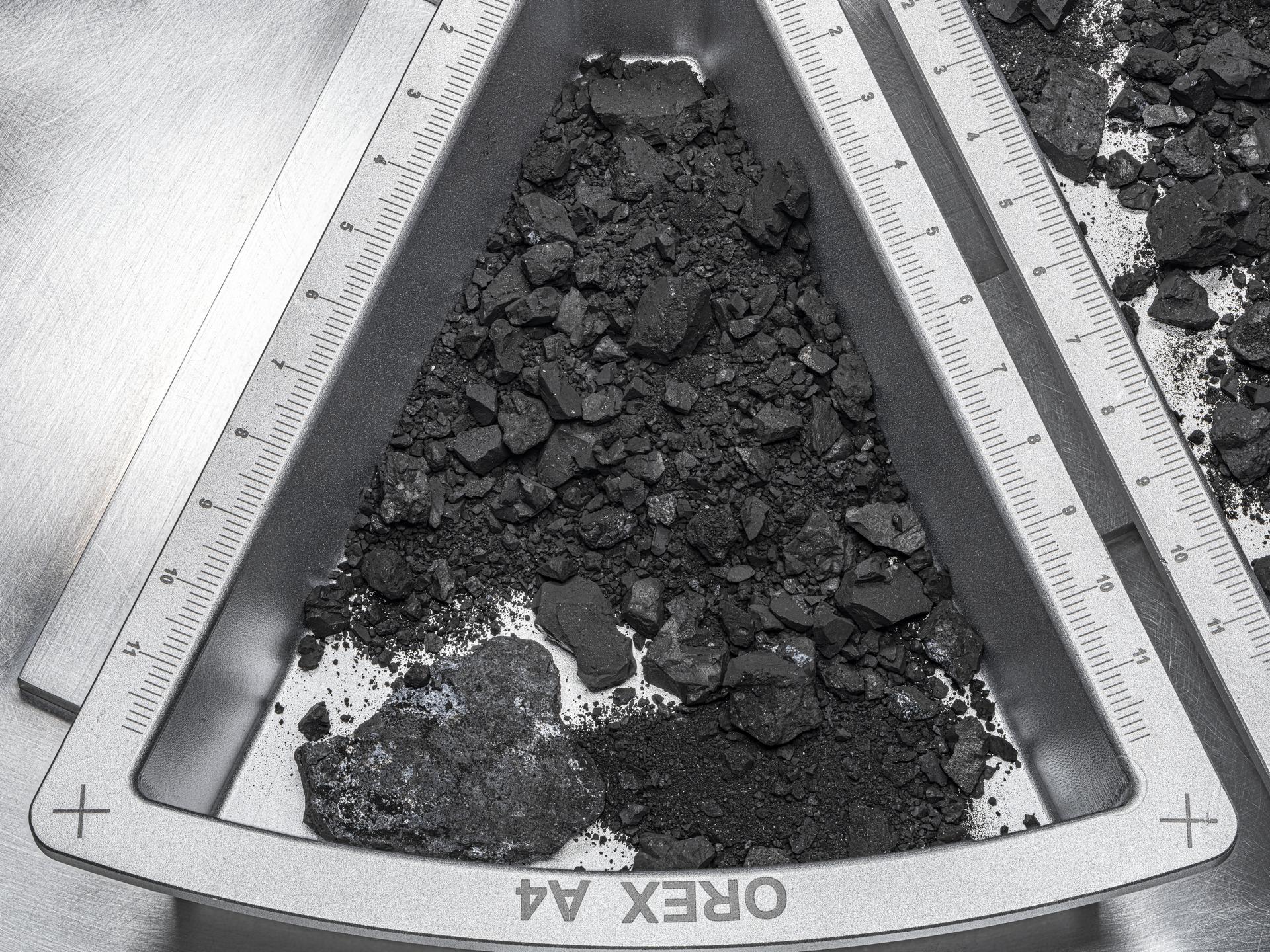
Signs of life beyond Earth?
Some meteorites come with signs of chemical reactions found in life on Earth.
 The Science Show - Separate stories podcast
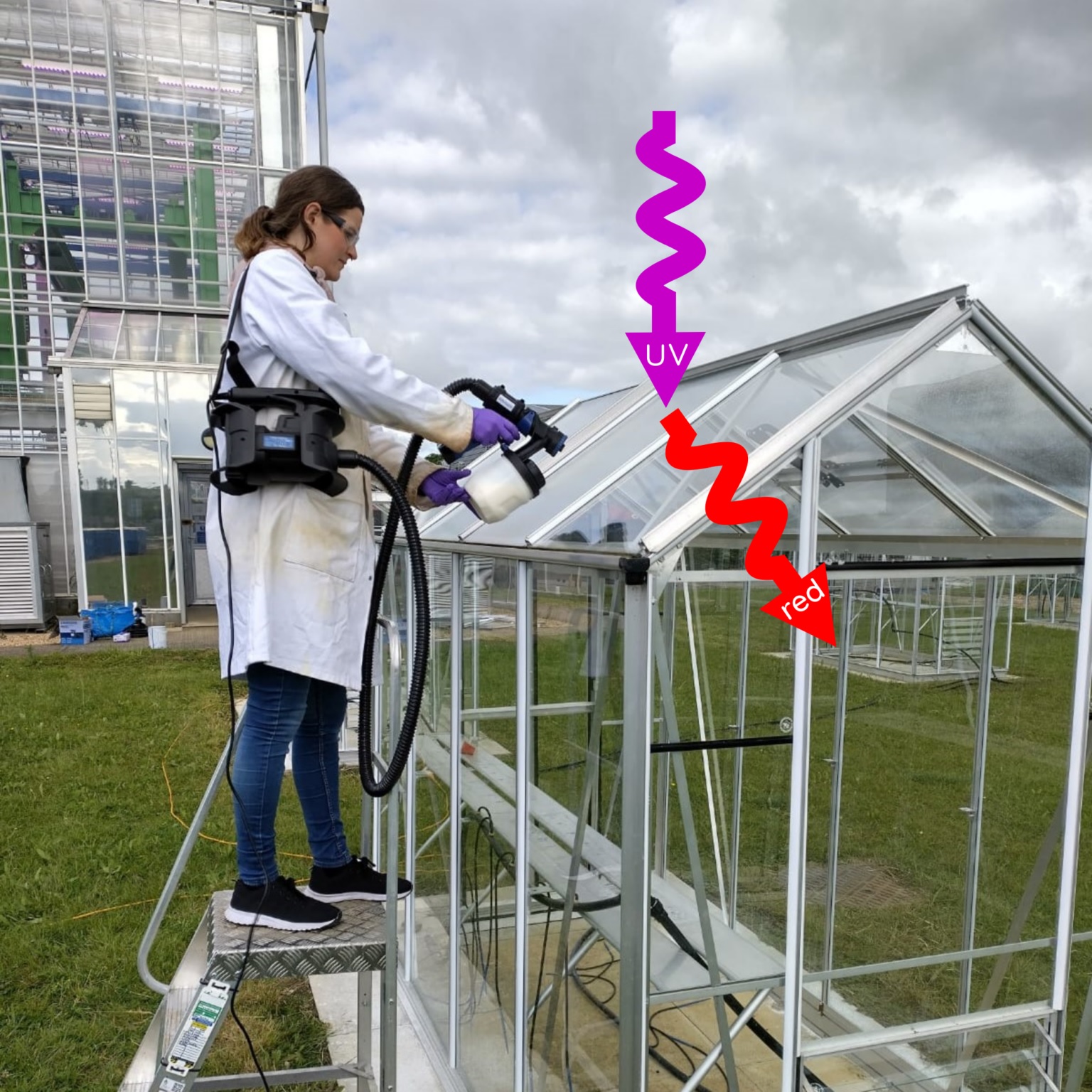
Greenhouse paint boosts usable light for plants
New materials applied to agricultural greenhouses as a paint coating boosts red light for plant growth increased yields.
- The Science Show - Separate stories podcast
Lab Notes: The extinct ape-like human relative that made tools
Around 1.5 million years ago, in what's now Kenya, a human-like figure walked across the savannah. He was probably quite short by our standards, no taller than…
 The Science Show - Separate stories podcast
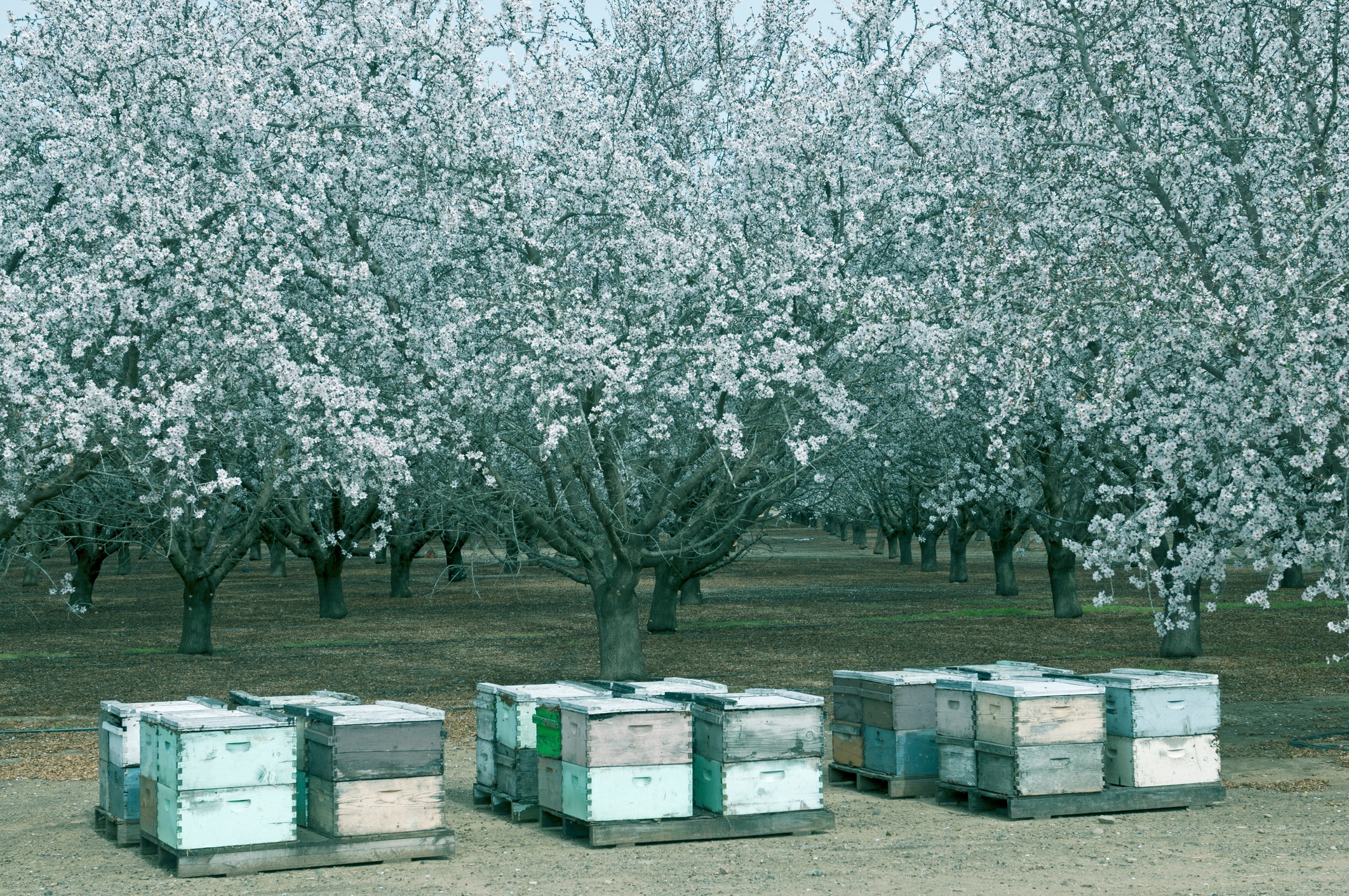
US Honeybees in steep decline
A recent study has shown the loss of 62% of managed bee hives across the United States.
- The Science Show - Separate stories podcast
US Honeybees in steep decline
A recent study has shown the loss of 62% of managed bee hives across the United States.
 The Science Show - Separate stories podcast
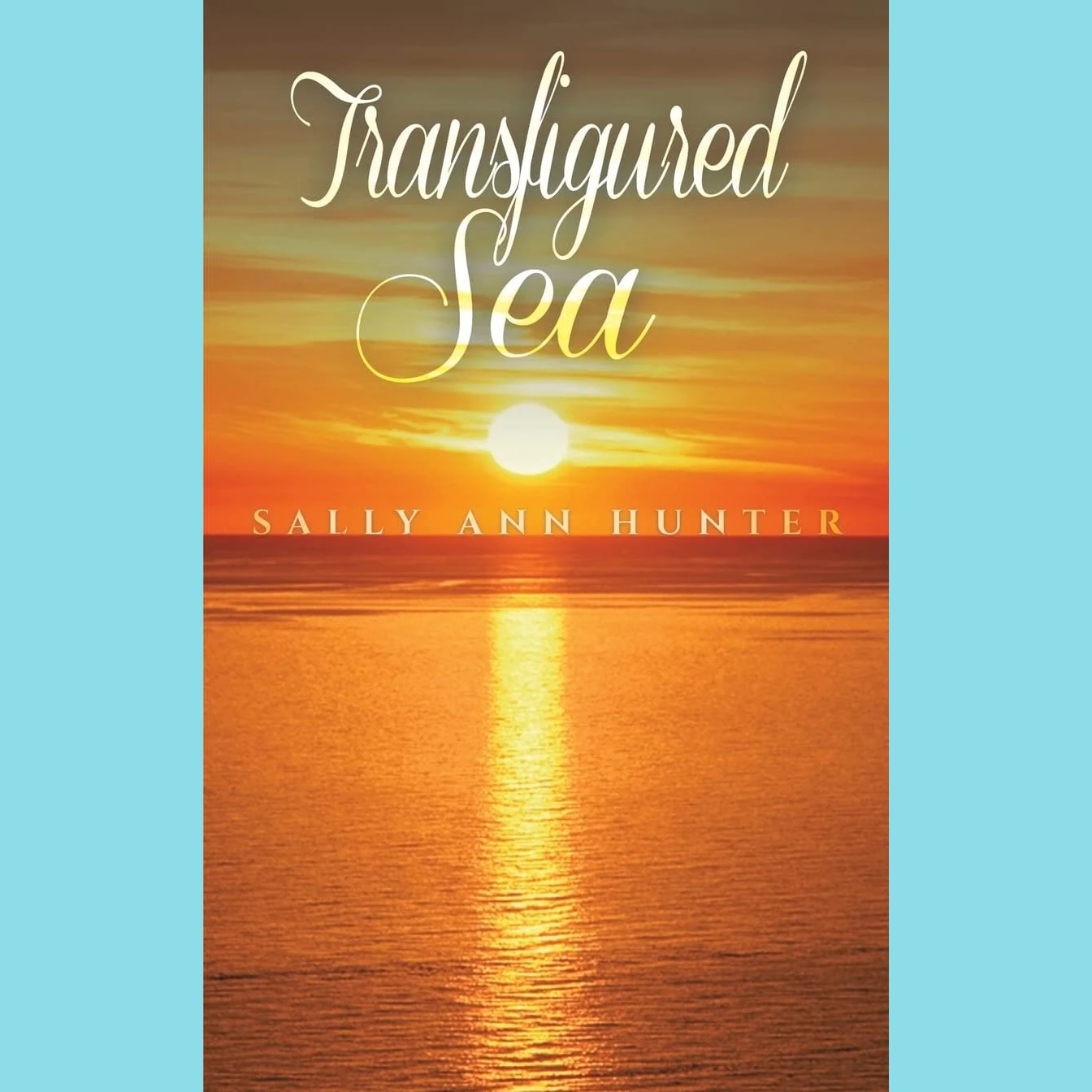
Transfigured Sea – interweaving of human lives and sea creatures
On the shores of the ocean, Laura and Daphne fantasise that they are mother and daughter. They both have problems in their past, which they need to resolve.
 The Science Show - Separate stories podcast
Charles Todd celebrated at Adelaide’s Marriott Hotel
Robyn Williams is joined by hotel manager Paul Gallop for a tour of Adelaide’s Marriott hotel and it’s displays commemorating the work of Charles Todd.
 The Science Show - Separate stories podcast
Uncertainty – a key aspect of our lives
David Spiegelhalter offers a data-driven guide to how we should best live with risk and uncertainty.
 The Science Show - Separate stories podcast
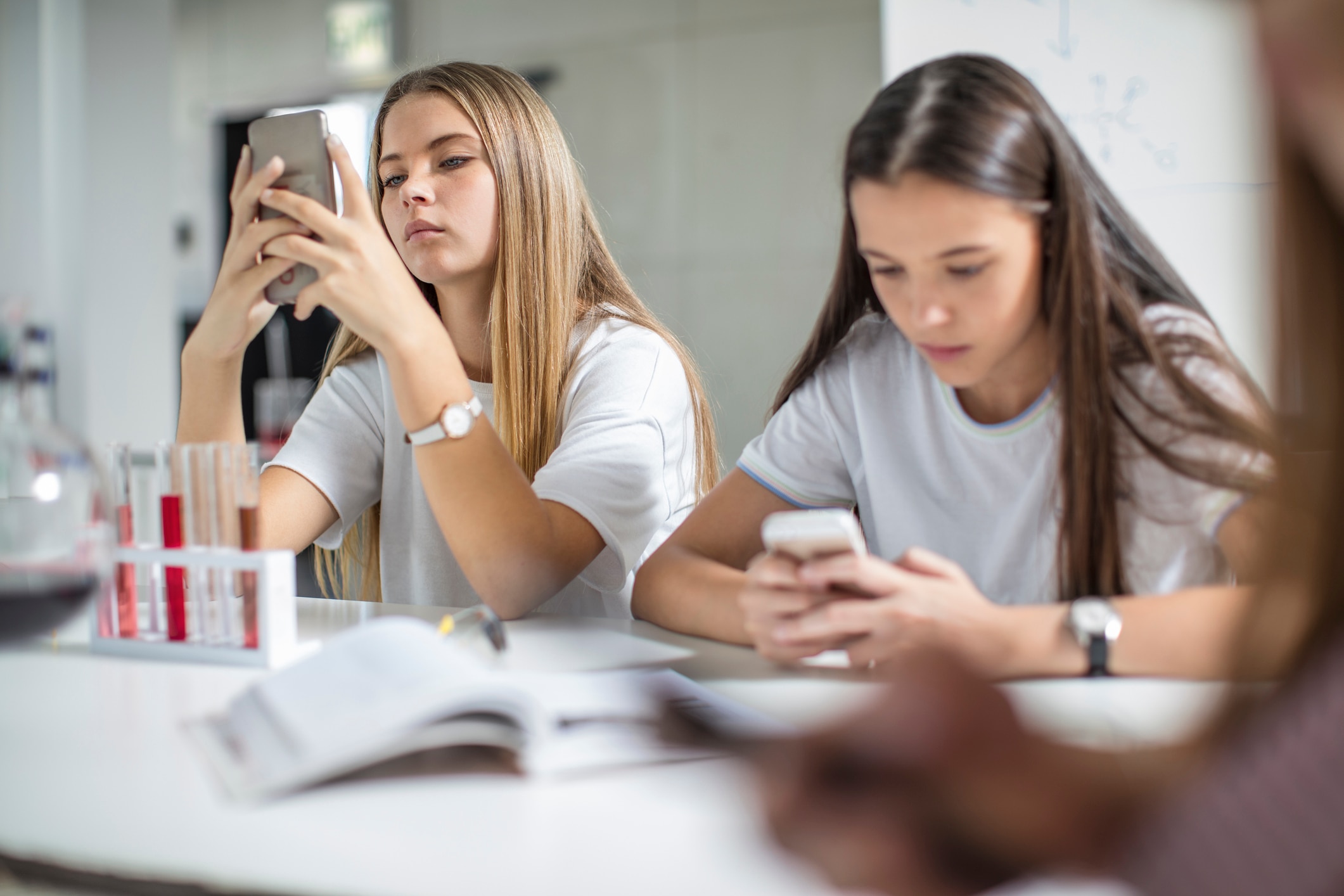
World watching Australia’s social media ban for under-16s
Evidence of harm of social media on young people is limited, but the effects are obvious.
 The Science Show - Separate stories podcast
Jonathon Porritt charts lives of young British climate campaigners
Love, Anger and Betrayal follows 26 young British citizens as protest against the ongoing use of fossil fuels.
- The Science Show - Separate stories podcast
Lab Notes: How solar eclipses trick birds into singing
Few astronomical wonders are as spectacular as a total solar eclipse, when the Moon fully covers the Sun, plunging us into daytime darkness. If we're lucky, we…
 The Science Show - Separate stories podcast
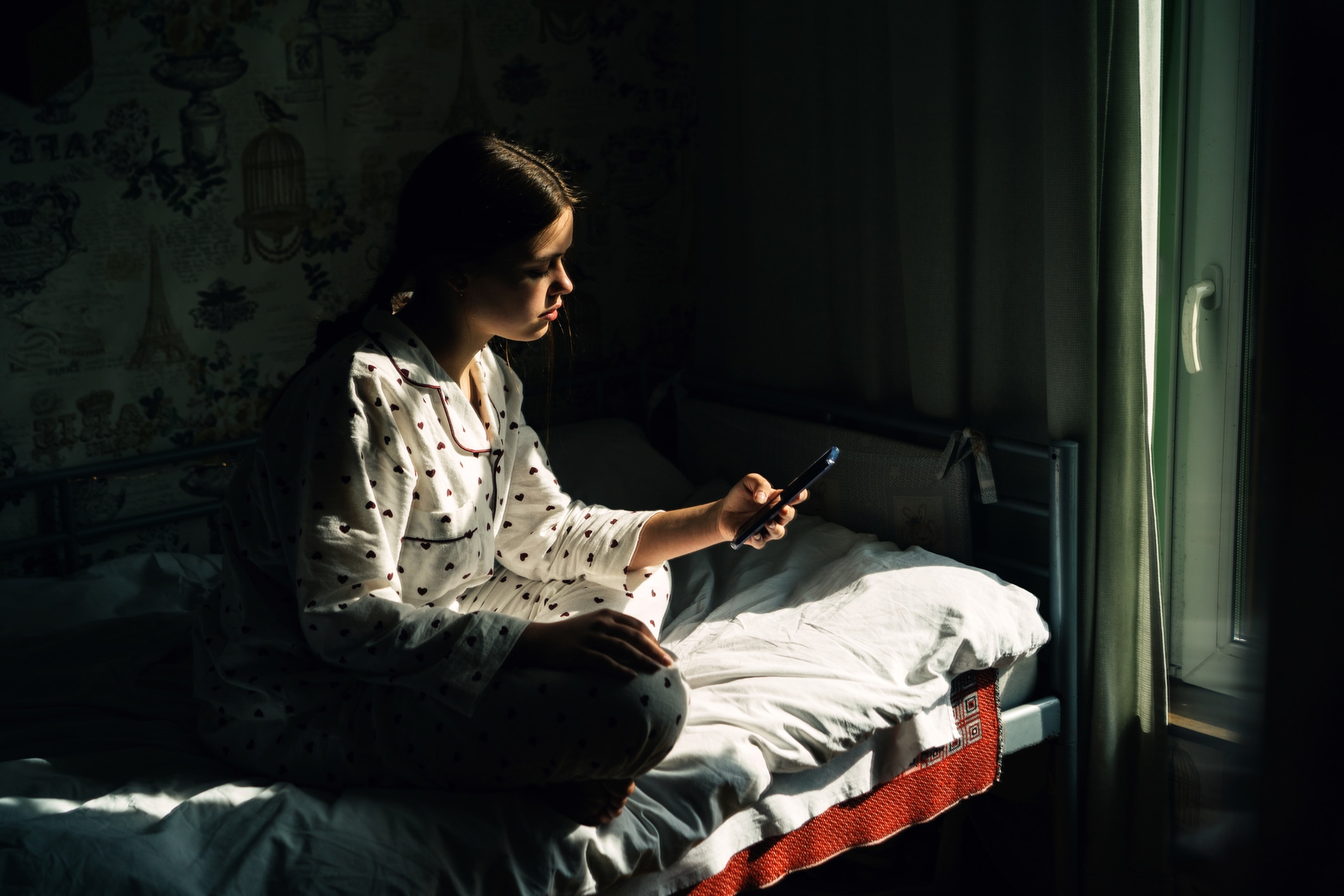
How technology can reduce loneliness
David Ellis is investigating how technology might be redesigned to reduce or eliminate the loneliness which can arise for some users.
 The Science Show - Separate stories podcast
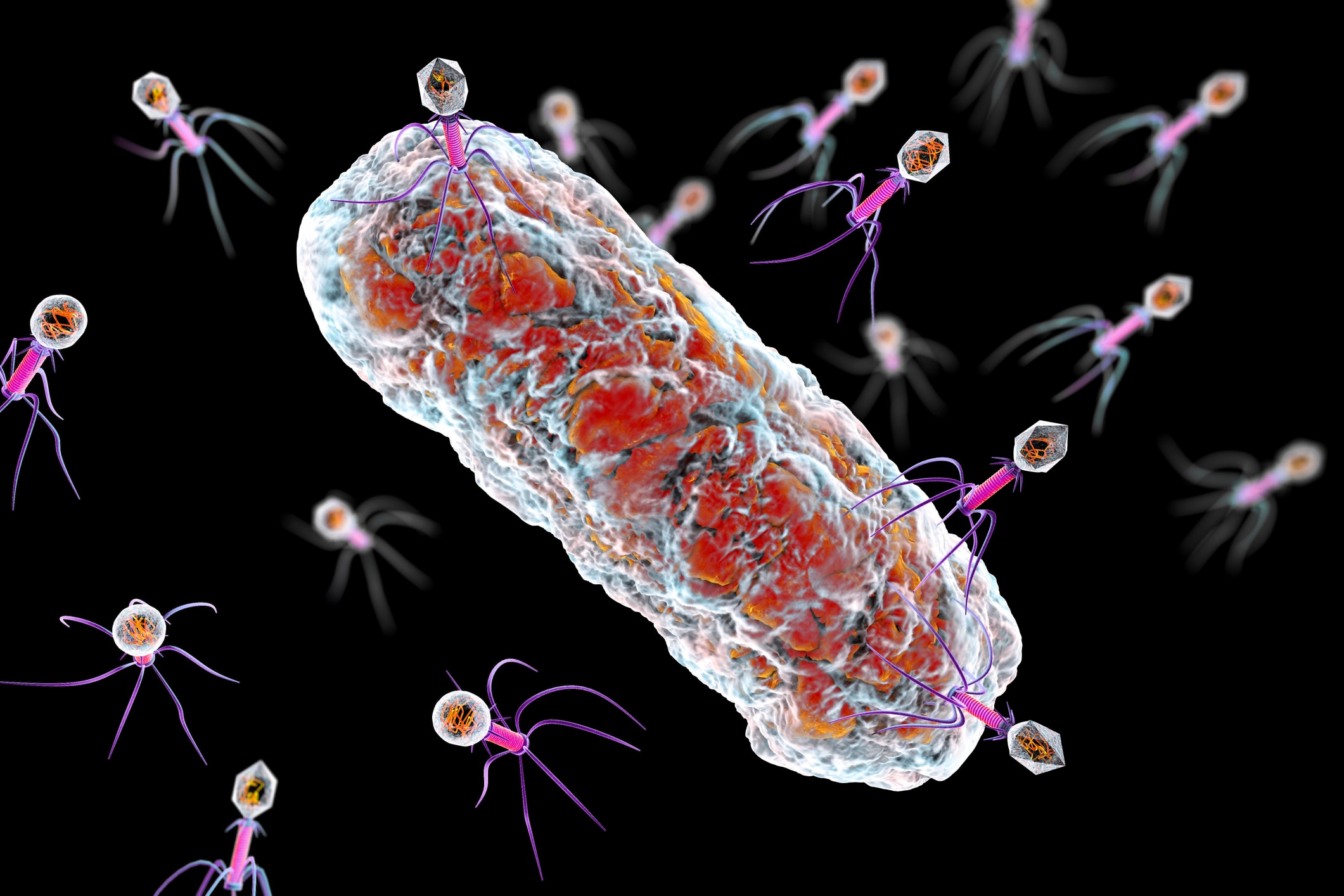
Phage – part of the fight against antibacterial resistance
Phages are viruses which attack specific bacteria.
 The Science Show - Separate stories podcast
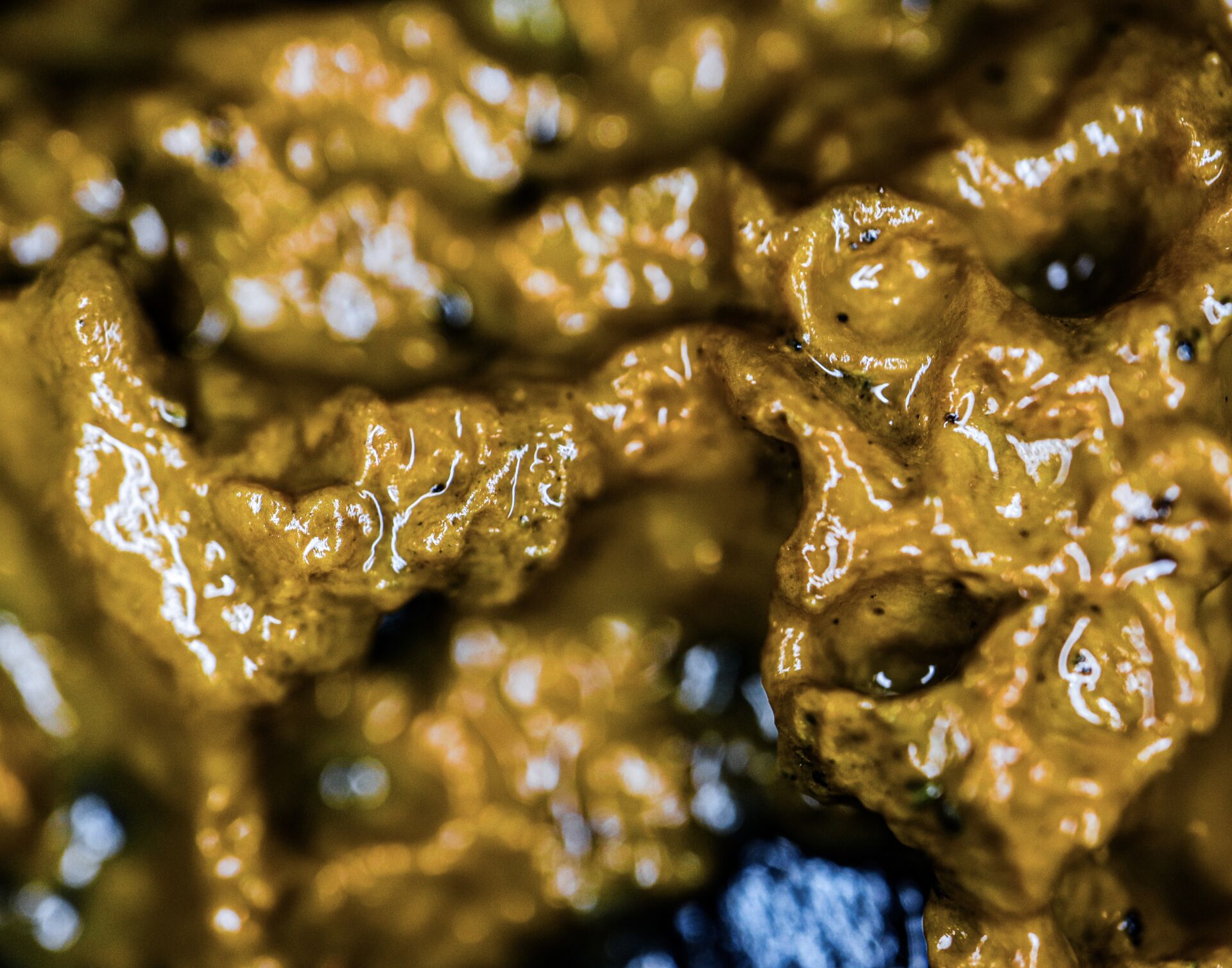
Biofilms – they’re everywhere
Biofilms are produced by microorganisms coming together and forming a community usually on a surface. The biofilm provides protection for the microorganism.
 The Science Show - Separate stories podcast
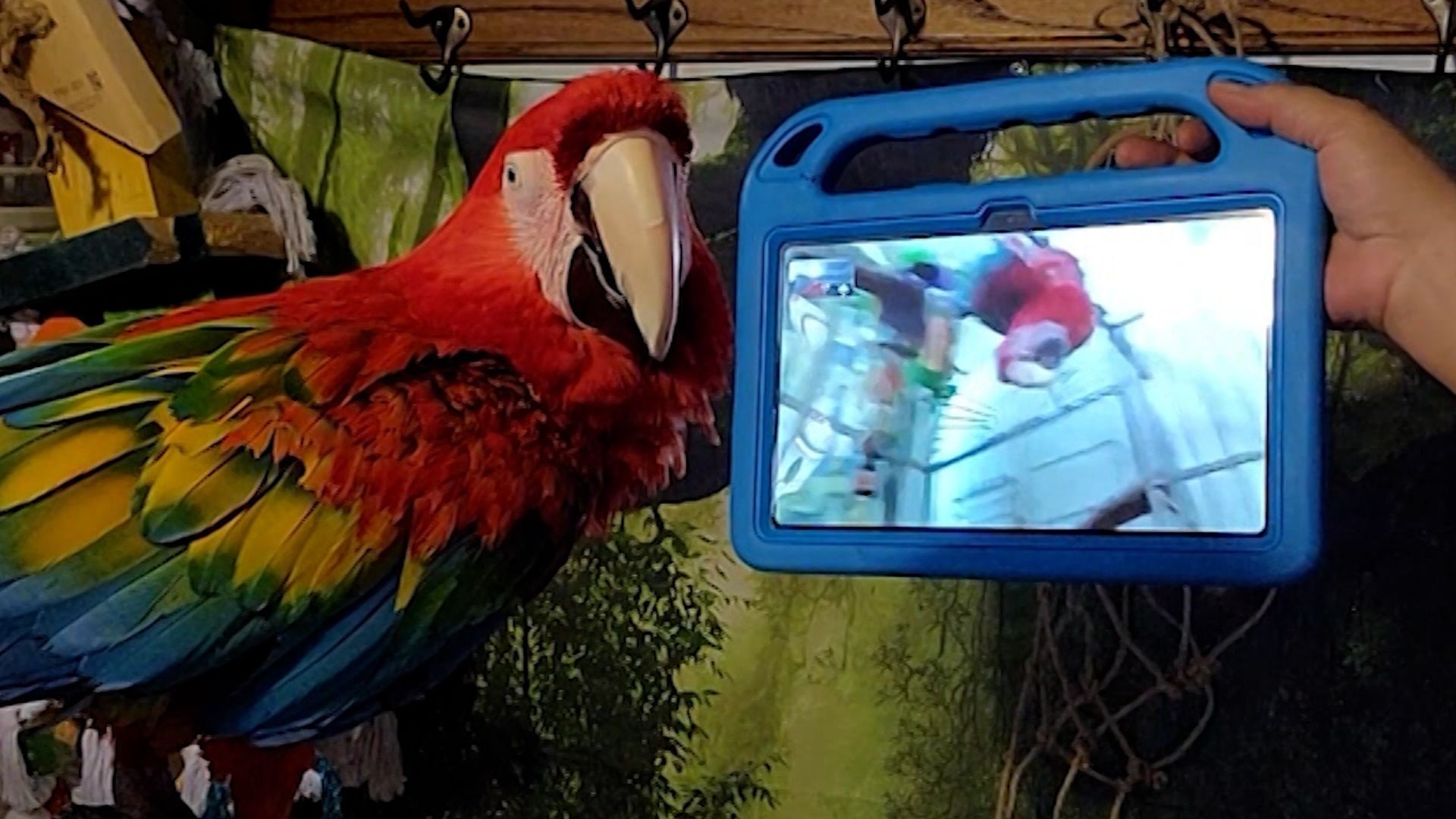
Internet and social media for animals?
The idea is to see if technology can be used to support animals which live in isolation in zoos or sanctuaries.
 The Science Show - Separate stories podcast
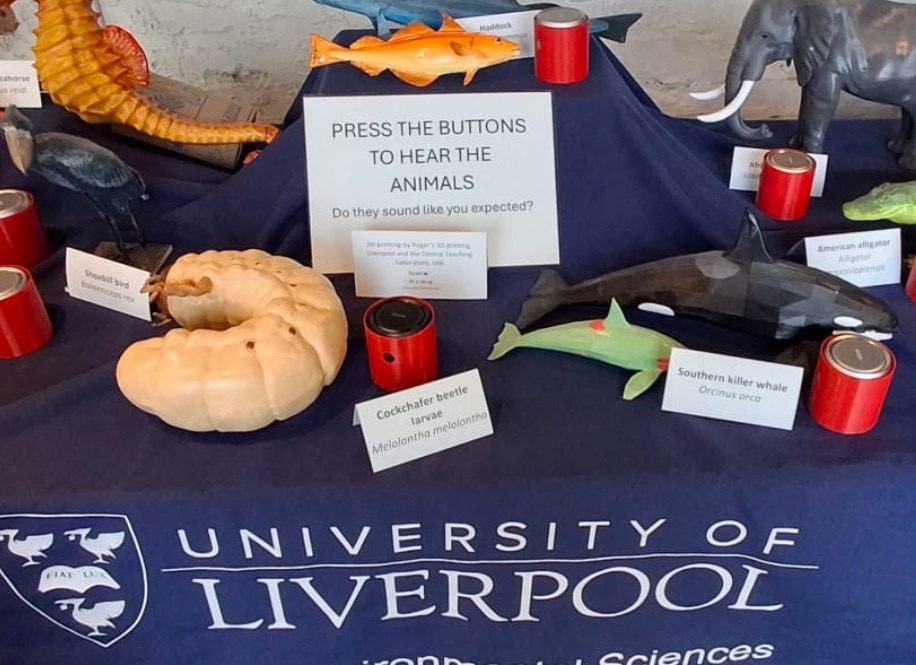
Curious animal sounds
A display at the British Science Festival featured sounds from animals we usually think of as being silent such as some fish, and sea horses.
 The Science Show - Separate stories podcast
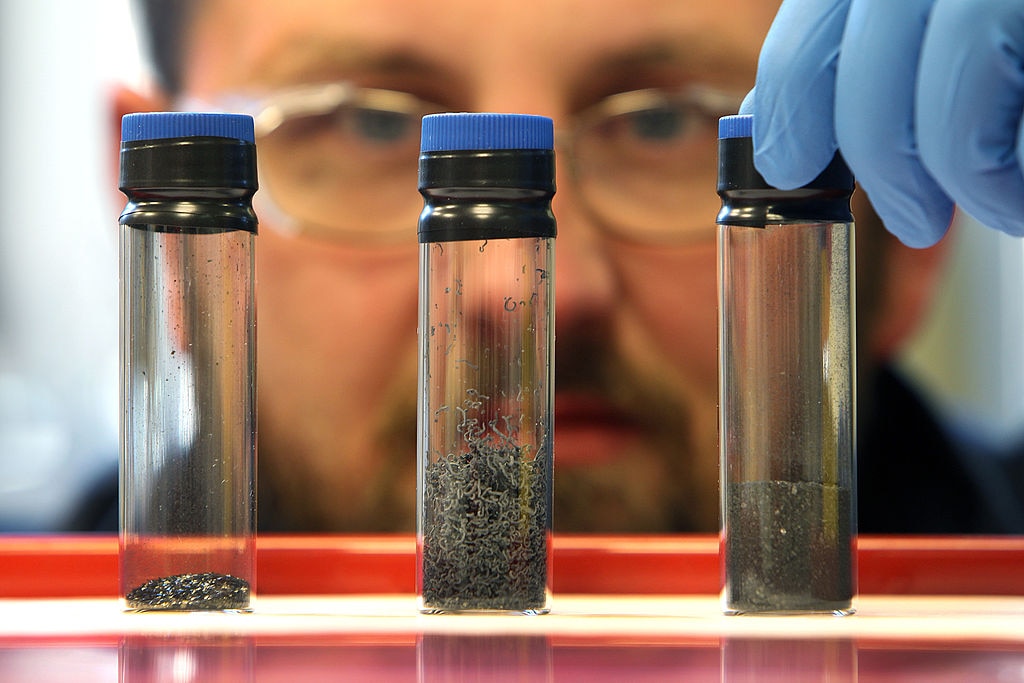
Graphene 15 years on
Andre Geim was awarded the Nobel Prize for Physics in 2010 for his work on graphene. Graphene is one atom thick, a lattice of carbon atoms and is a…
 The Science Show - Separate stories podcast
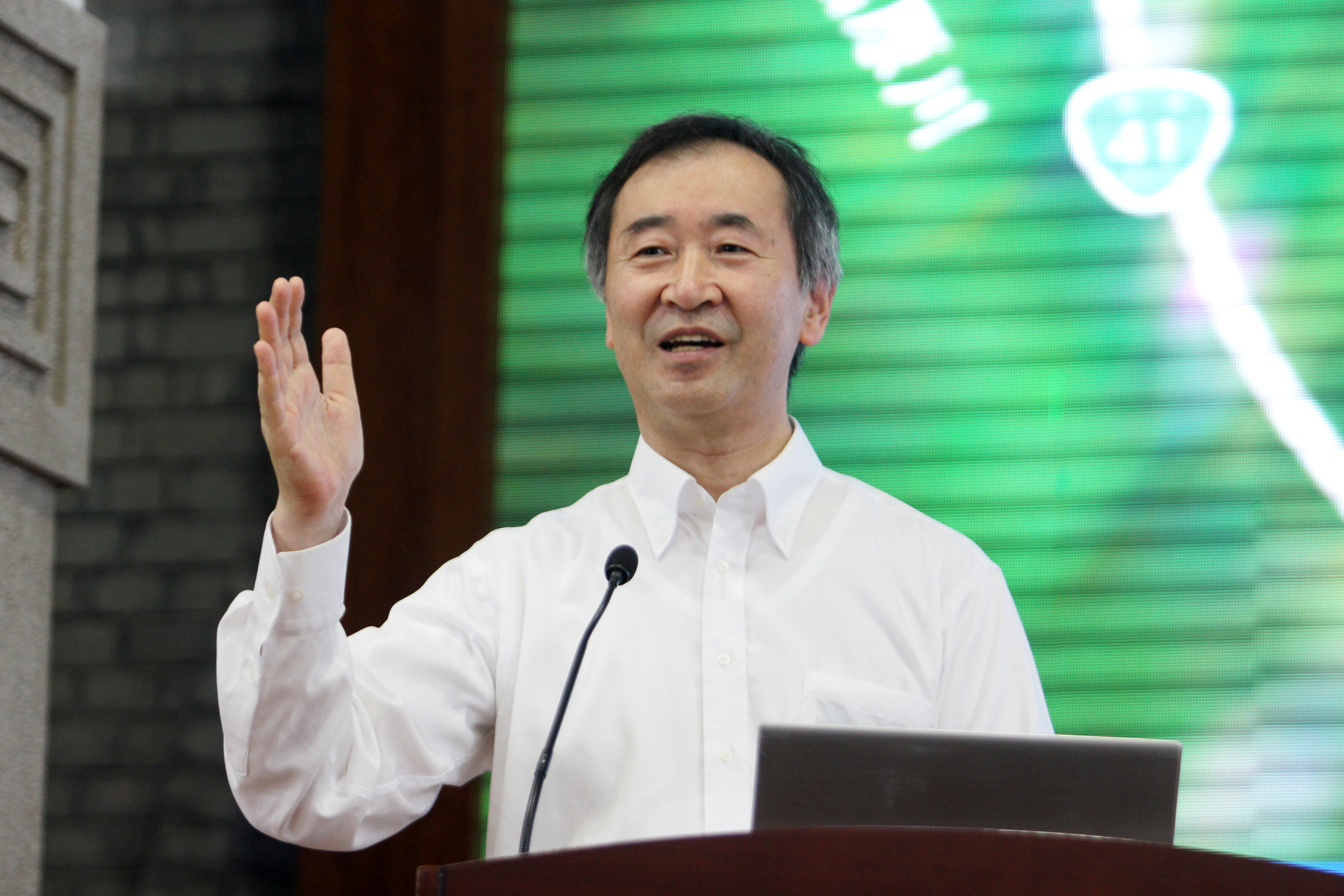
Poor Japanese support for research
Nobel Prize winner Takaaki Kajita laments poor support for research in Japan.
 The Science Show - Separate stories podcast
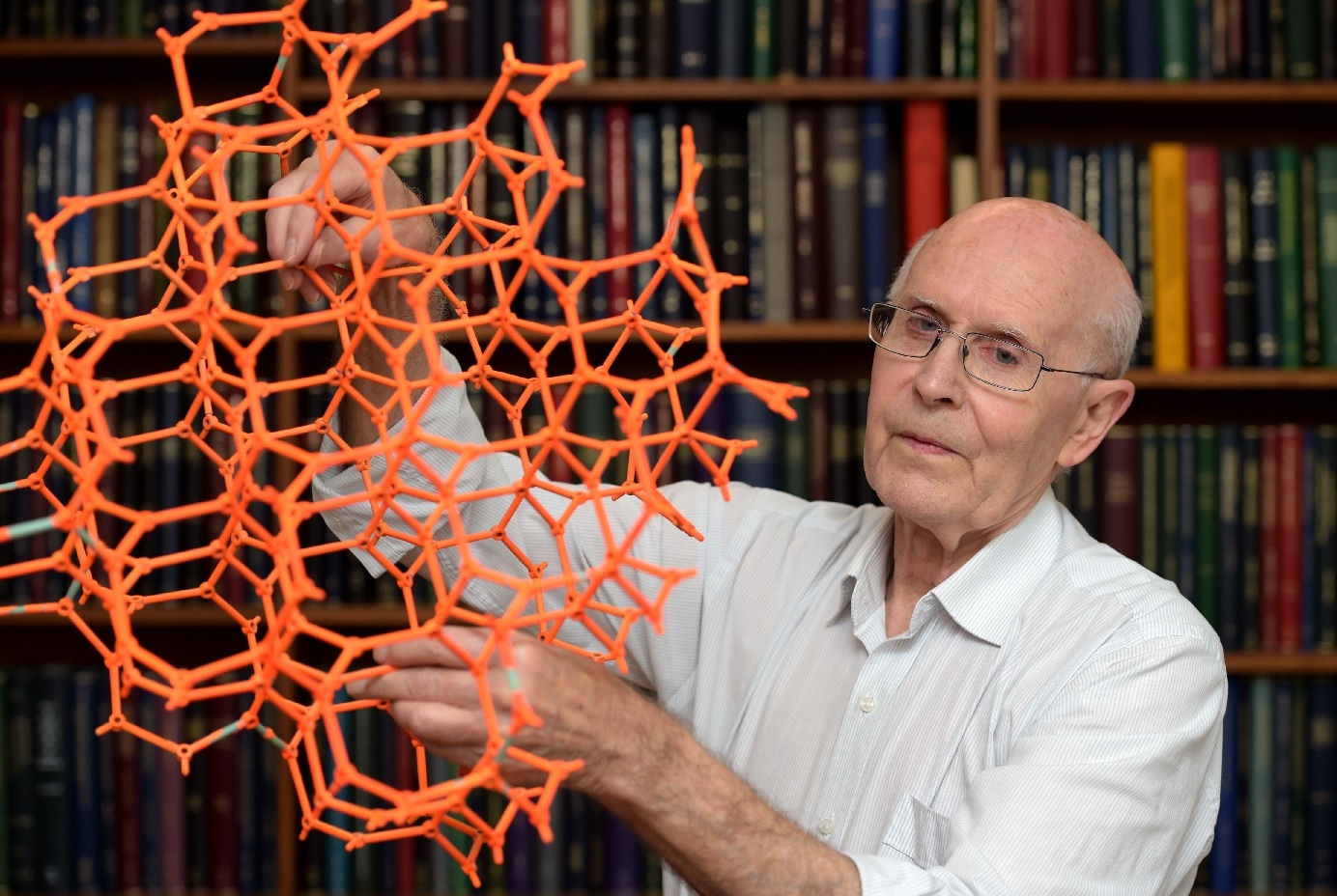
Scientific Nobel Prizes 2025
David Fisher reports on the 2025 Nobel Prizes for Medicine, Physics and Chemistry.