Shows / The Science Show - Separate stories podcast

The Science Show - Separate stories podcast
The Science Show gives Australians unique insights into the latest scientific research and debate, from the physics of cricket to prime ministerial biorhythms.
Subscribe in your app
Choose an installed app, or copy the RSS feed into any podcast app. Finish subscribing there.
Follow below adds this show to Your shows in skinny. Log in to let subscribe clicks tune your For you feed.
The show, from its episodes
No episode notes yet. Recurring topics, people and notes-based starter picks will appear when notes are available.
Typical episode length
10m · median of 352 full episodes with a known length
Solo / guest format
Unknown — existing notes name people mentioned, but do not identify hosts or guests.
Recurring topics
No recurring topics established yet.
Recurring people
No recurring people established yet.
Start here
No starter picks yet — no published full episodes with audio and a recorded notes hook.
Shows like this
From recent shows with similar descriptionsEpisodes
 The Science Show - Separate stories podcast
Lab Notes: How humpback whales bounced back
This has been a bumper year for whale-watching on Australia's east coast, with thousands of humpbacks spotted cruising along their annual migration route. This…
 The Science Show - Separate stories podcast
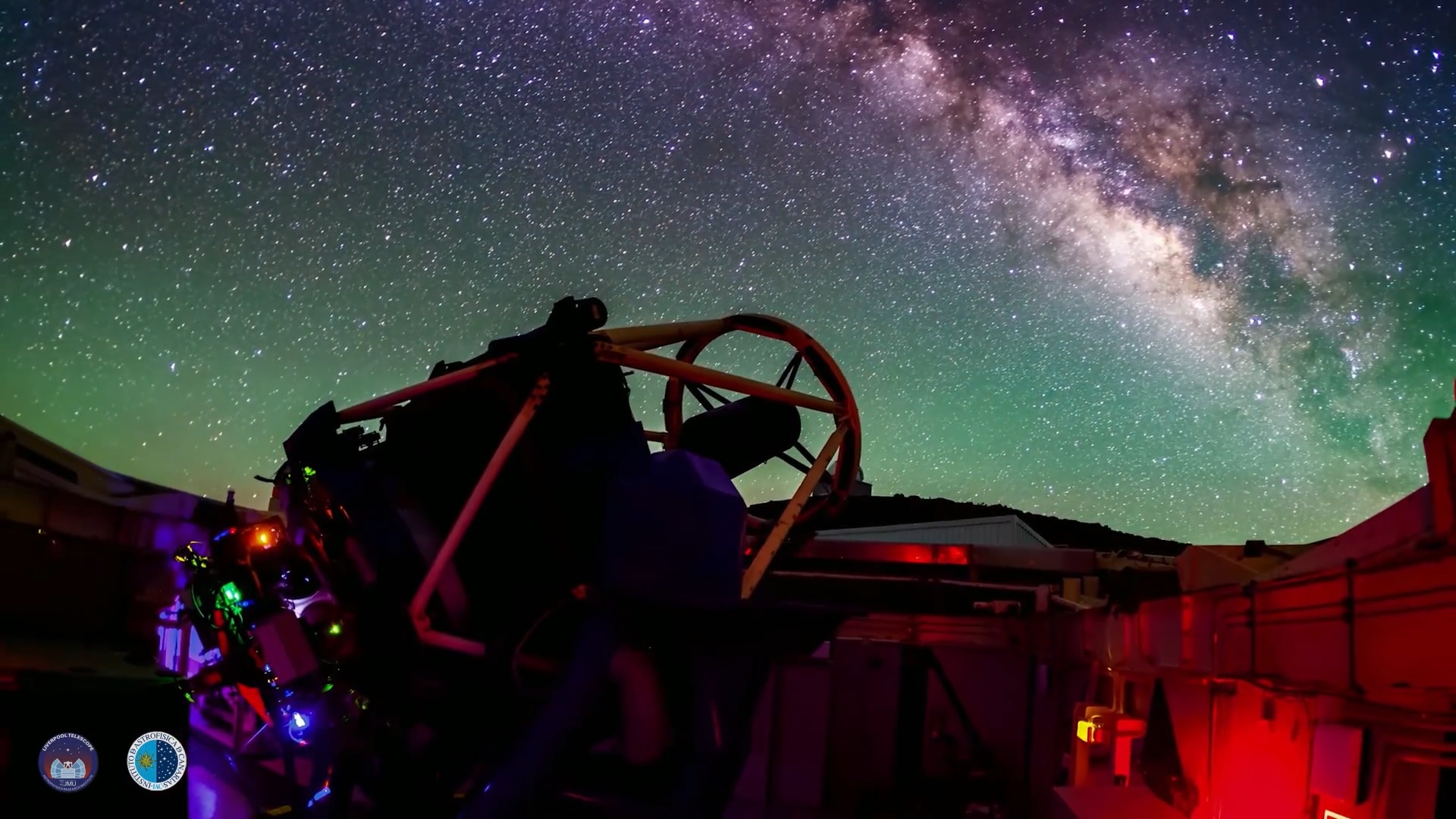
The UK has a telescope?
Despite the cloud, the UK has a telescope. It is cleverly located in the Canary Islands and specialises in short duration cosmic events such as supernovae and…
- The Science Show - Separate stories podcast
Archaeology has revealed Australia’s true human history
Madeline Robinson describes some of the nation’s most important archaeological sites, what they reveal, and she touches on why they are not widely known…
 The Science Show - Separate stories podcast
The threat of misinformation and the value of historical knowledge
Flint Dibble says our civilisation is at risk if we don’t recognise facts, acknowledge threats and change the way we live.
 The Science Show - Separate stories podcast
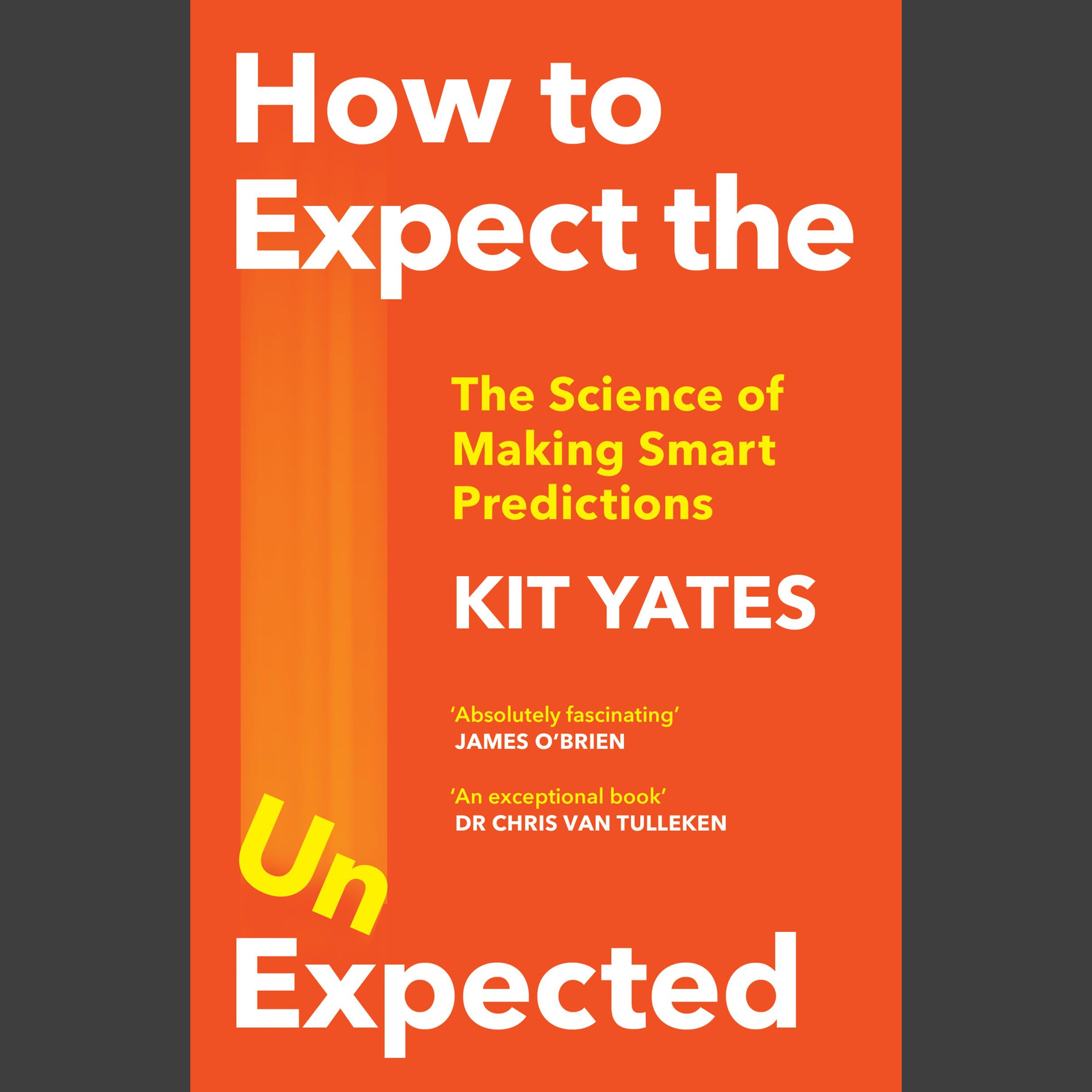
The science of predictions
Professor Kit Yates explores the science behind the predictions we make every hour of every day.
 The Science Show - Separate stories podcast
Cardiac professor on the sports field
Keith George is using real time monitoring of elite sportspeople in the hope of identifying athletes at risk of cardiac problems.
 The Science Show - Separate stories podcast
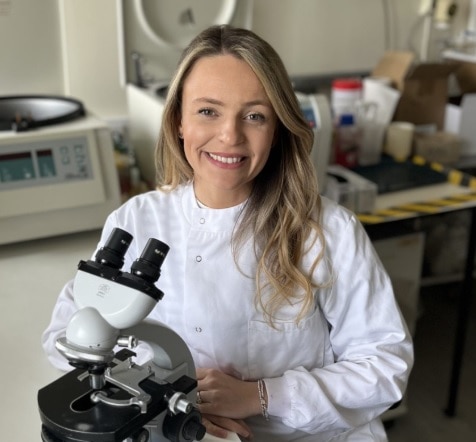
Meet the Scouse scientist Holly Ellis
Holly Ellis is The Scouse Scientist, a clinical scientist specialising in genetics. Holly launched ‘The Scouse Scientist’ on social media in 2019.
- The Science Show - Separate stories podcast
Lab Notes: Why CO2 peaks at this time of year
For decades, climate scientists have been tracking a curious phenomenon. Carbon dioxide levels in the atmosphere are steadily increasing overall but they also…
 The Science Show - Separate stories podcast
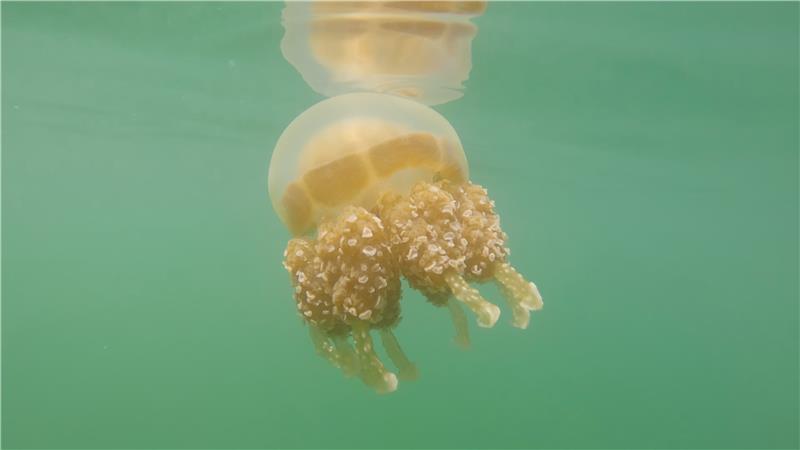
Inside Palau's isolated marine lakes where millions of rare jellyfish are disappearing
There is concern that the impacts of climate change and water pollution may be impacting iconic local jellyfish.
 The Science Show - Separate stories podcast
Social media’s threat to the human story
Madeline Robinson argues human history is under threat of distortion from social media.
- The Science Show - Separate stories podcast
Lab Notes: These high-tech mouthguards predict concussions
If you've been watching the Women's Rugby World Cup, you may have noticed players have been wearing special mouthguards that light up when they've suffered a…
 The Science Show - Separate stories podcast
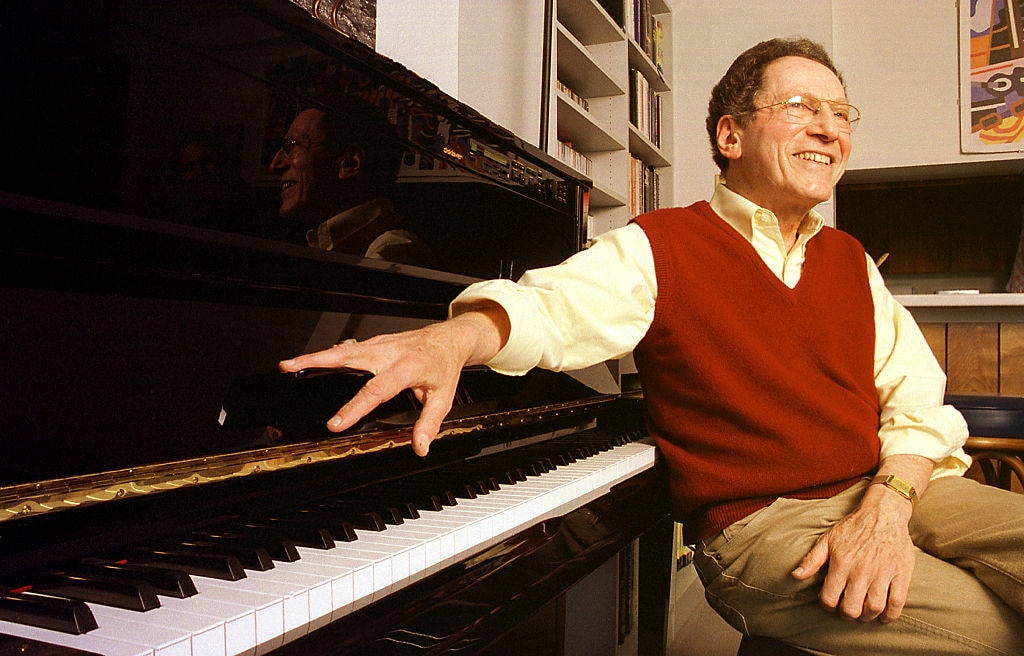
A tribute to Tom Lehrer
Tom Lehrer wrote 37 satirical songs. As well as performing in live shows, he taught mathematics at Harvard, and the University of California and later taught a…
 The Science Show - Separate stories podcast
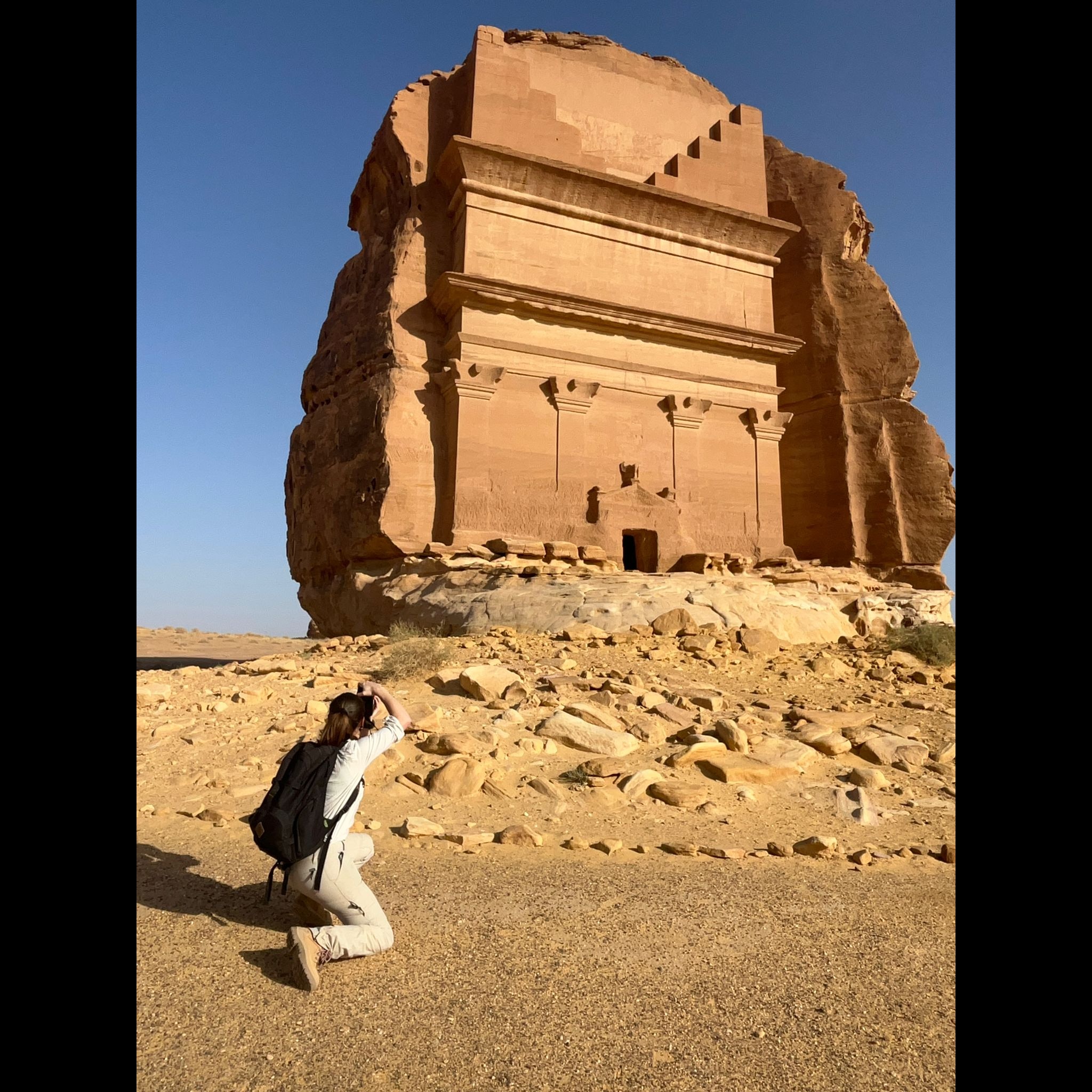
Uncovering the mystery of Palau’s ancient terraces
Sophie Ly takes us to Palau to meet scientists and traditional knowledge custodians who are working together to uncover the secrets of Palau’s ancient terraces.
 The Science Show - Separate stories podcast
The human message - I am here
Archaeologist Madeline Robinson looks at how humans like to mark their presence.
- The Science Show - Separate stories podcast
Lab Notes: After the SPF scandal — how is sunscreen tested?
Australia’s known for having some of the world’s toughest sunscreen standards, but in June, that reputation was rocked. Independent testing of 20 sunscreens…
 The Science Show - Separate stories podcast
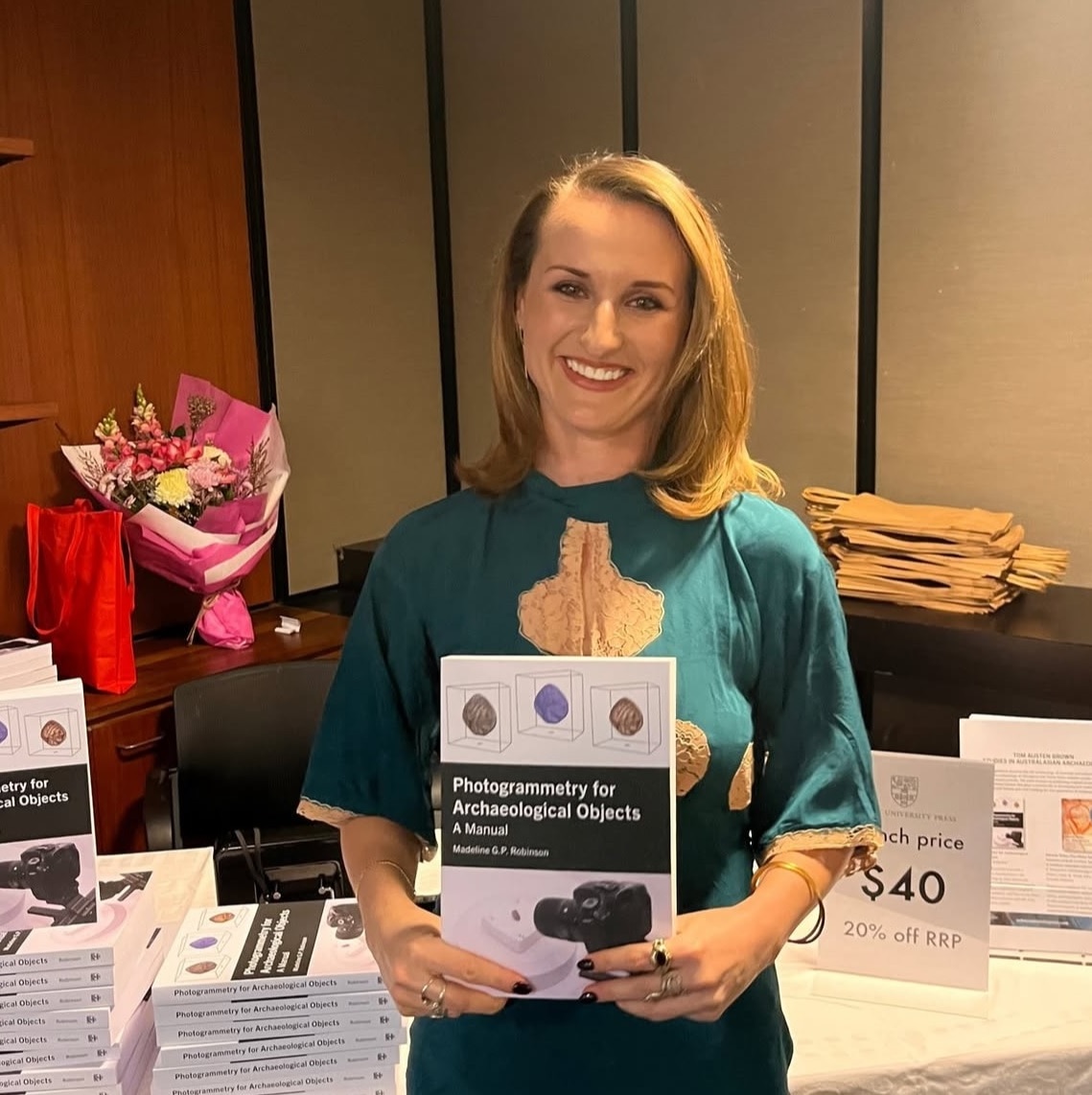
Why archaeology matters
Archaeologist and PhD student Madeline Robinson challenges us to see the past as a story which continues today and involves us all.
 The Science Show - Separate stories podcast
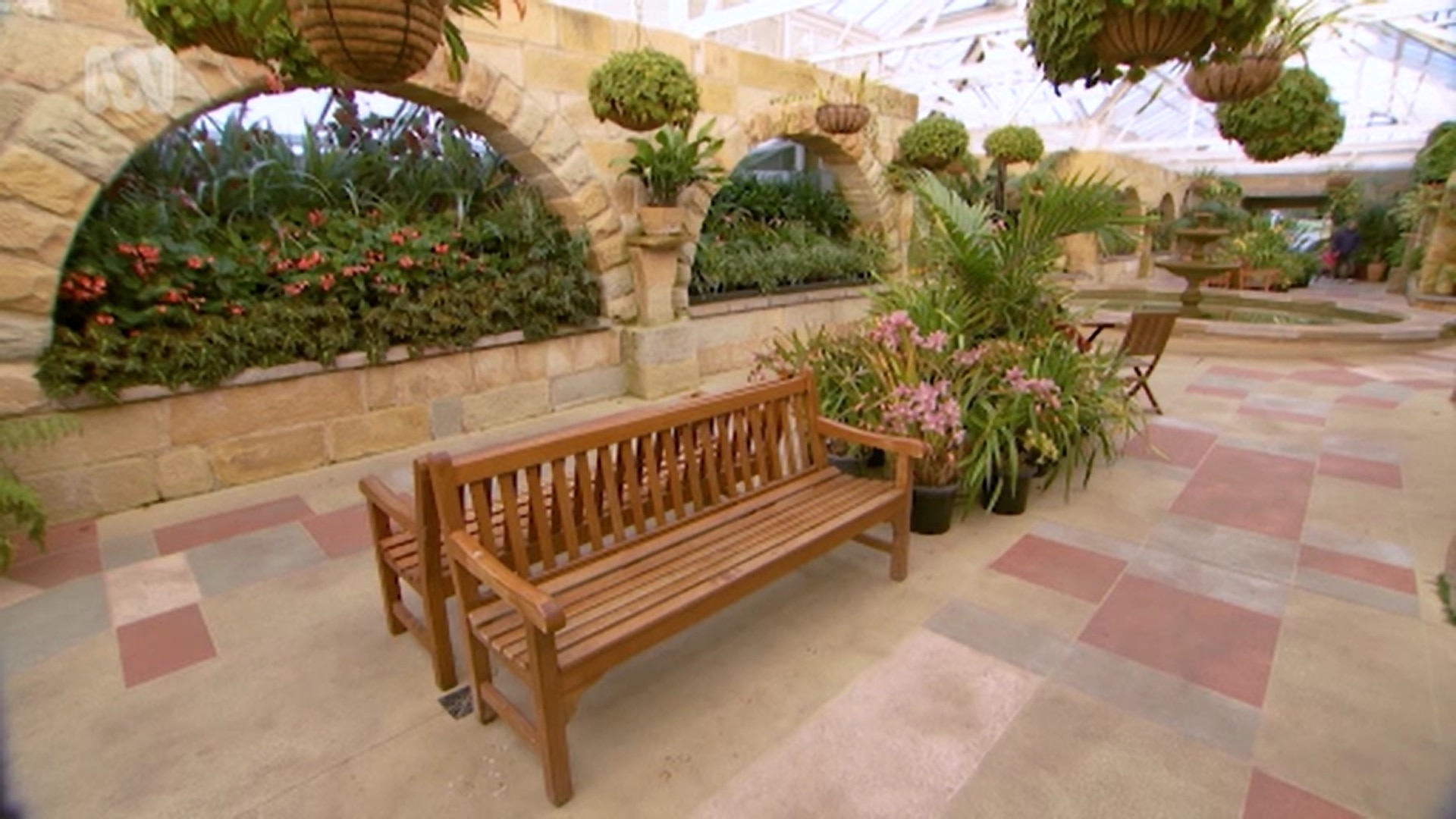
A tour of Hobart’s Botanical Garden
Robyn Williams visits the Subantarctic Plant House, the Seed Conservation Centre and marvels at some extremely old trees.
 The Science Show - Separate stories podcast
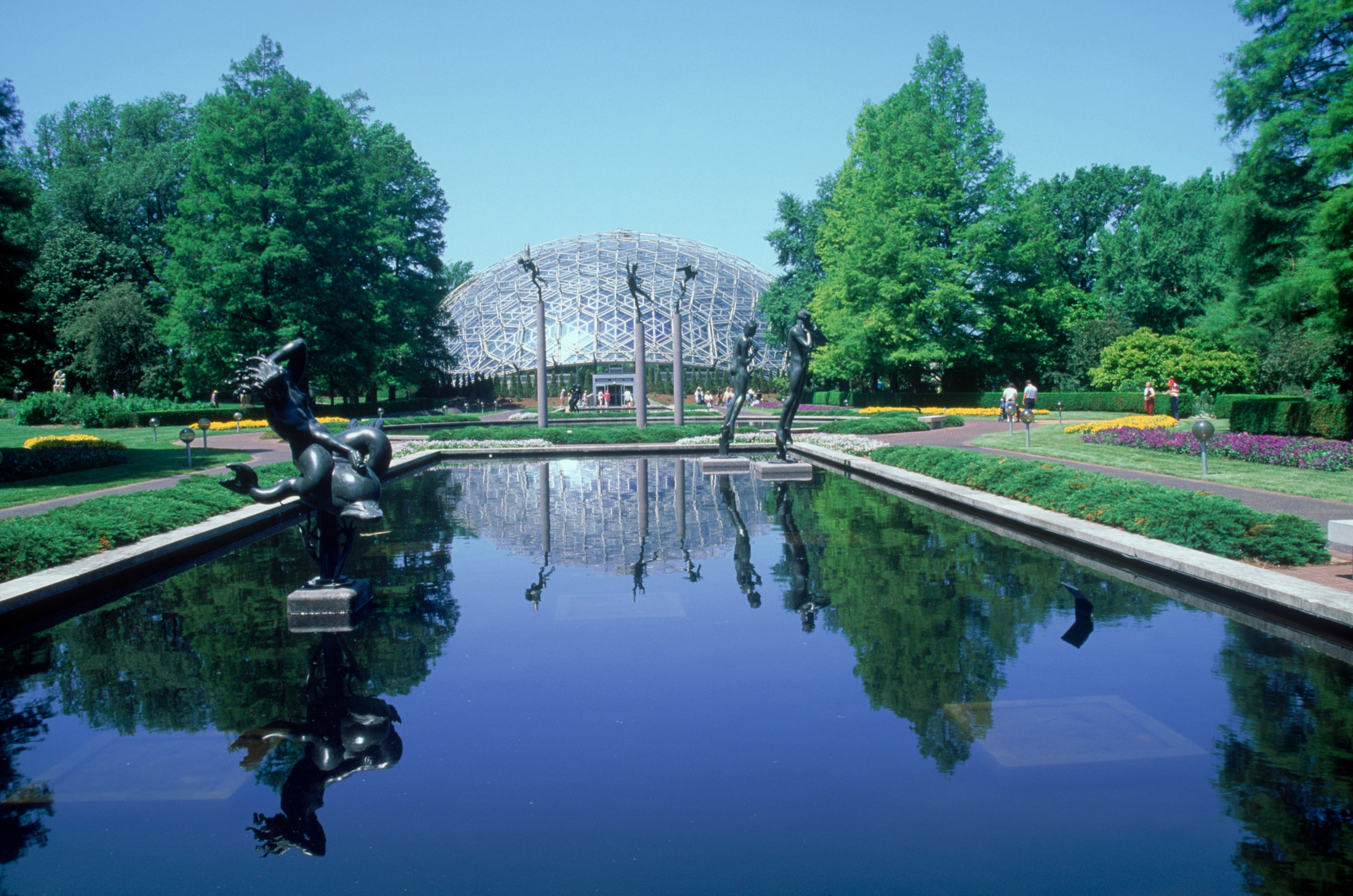
New direction for Missouri Botanical Garden
Peter Bernhardt reviews the approach of the Missouri Botanical Garden’s new president Lúcia G. Lohmann.
 The Science Show - Separate stories podcast
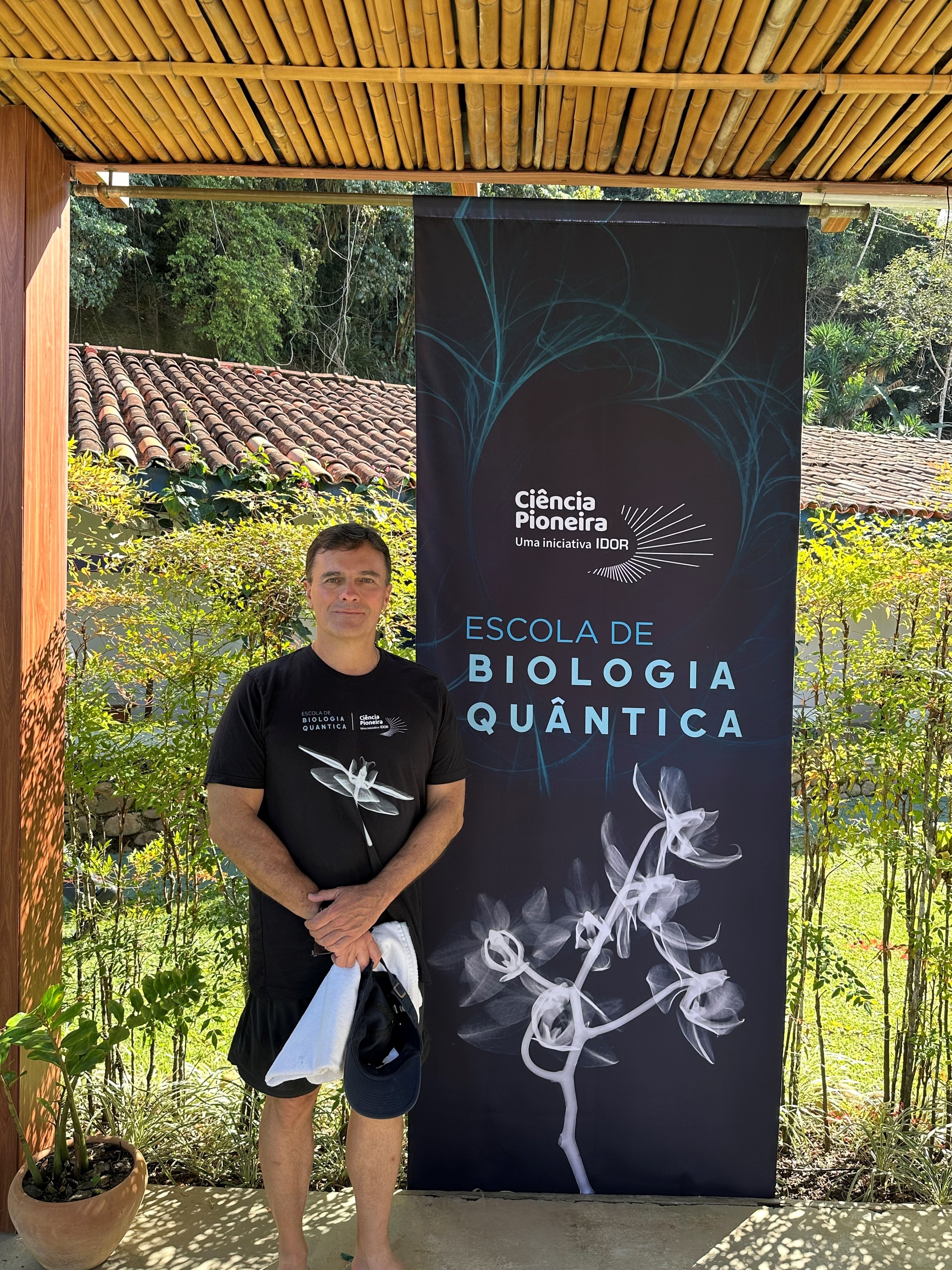
The emerging field of quantum biology
Researchers are investigating whether quantum particles impact biological processes such as photosynthesis or as wounds heal.
 The Science Show - Separate stories podcast
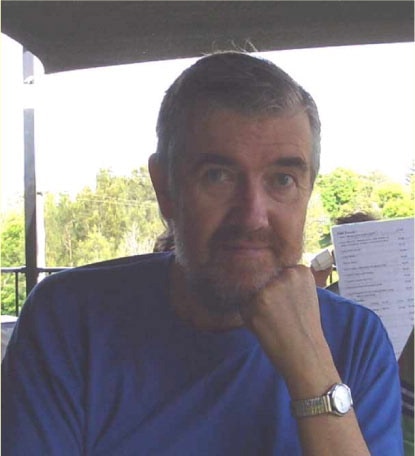
Mesothelioma diary
Sydney psychiatrist Jim Holmes wrote a diary covering his early bouts of recurrent pneumonia, leading to his eventual diagnosis of mesothelioma and developing…
 The Science Show - Separate stories podcast
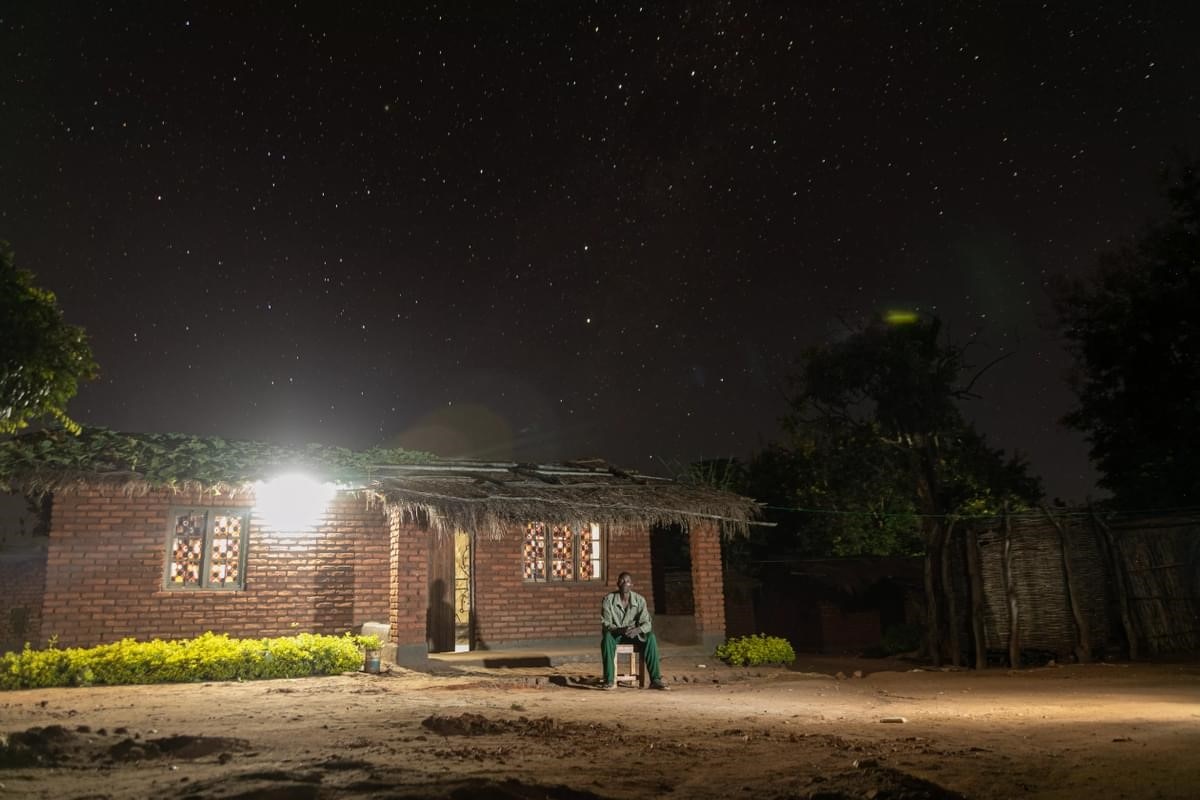
SolarAid brings solar light and power to poorest African community
Affordable solar light and power has been introduced to 8,800 homes in a poor, remote region of Malawi.
- The Science Show - Separate stories podcast
Lab Notes: Move over, NASA — Australia's heading back into space
When you think of leaders in the space sector, big hitters like NASA and private companies like SpaceX spring to mind.But since the very beginning of the Space…
 The Science Show - Separate stories podcast
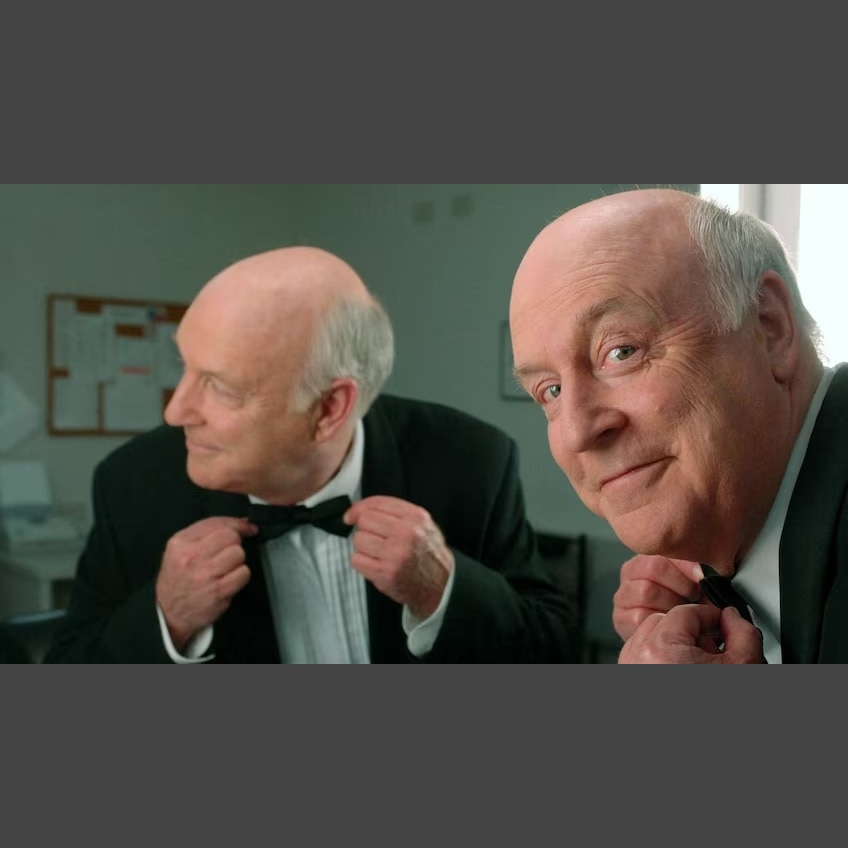
John Clarke – Lorin Clarke’s film tribute to her father
As The Science Show celebrates 50 years, we remember John Clarke’s contributions to early Science Shows and point to a film just released looking at John’s…
 The Science Show - Separate stories podcast
Clues emerge revealing how birds navigate
Reactions in birds’ eyes where proteins respond to the Earth’s magnetic field may provide information for birds in flight.
 The Science Show - Separate stories podcast
Why Are We Like This?
Author Zoe Kean explores humans’ place in the web of life uncovering evolutionary mysteries which carry the potential to offer humans a better life.
 The Science Show - Separate stories podcast
Reducing food waste in hospitals and aged care facilities
Report presents simple solutions to reduce food waste in hospitals and aged care facilities.
- The Science Show - Separate stories podcast
Lab Notes: Why your hay fever will get worse with climate change
One in four Australians get hay fever, and as the planet warms, our seasonal sneezes and sniffles are tipped to get much, much worse.
- The Science Show - Separate stories podcast
Lab Notes: Why do whales beach themselves?
Every now and again, dozens or even hundreds of perfectly healthy looking whales strand themselves on a beach. Scientists have a few theories on why they do…
 The Science Show - Separate stories podcast
Sneaks often prevail in animal reproduction
There are many examples in nature where sneaky behaviour wins over size, brutishness, or the best display. Other reproductive behaviours as seen in some…
 The Science Show - Separate stories podcast
The role of hope in communicating climate observations and trends
Anthropologist Anna-Zoë Herr explores how hope is not just a feeling, but a practice that helps us stay connected to what matters in uncertain times.
 The Science Show - Separate stories podcast
The origin of complex molecules and how they made it to Earth
Sara Russell explains the latest theory of how complex molecules were formed in the outer reaches of the Solar System and made their way to planets in the…
 The Science Show - Separate stories podcast
Springtime allergy from some pollen, not all
Spring in the US brings distress to some. Which plants are the cause?
 The Science Show - Separate stories podcast
Have we lost our attention span?
Short-form video rewards us quickly. Are we now unable to concentrate on anything longer?
- The Science Show - Separate stories podcast
Lab Notes: The fall of the food pyramid
Fresh Australian dietary guidelines are due next year, and they’ll likely focus on the health of the planet as well as people.
 The Science Show - Separate stories podcast
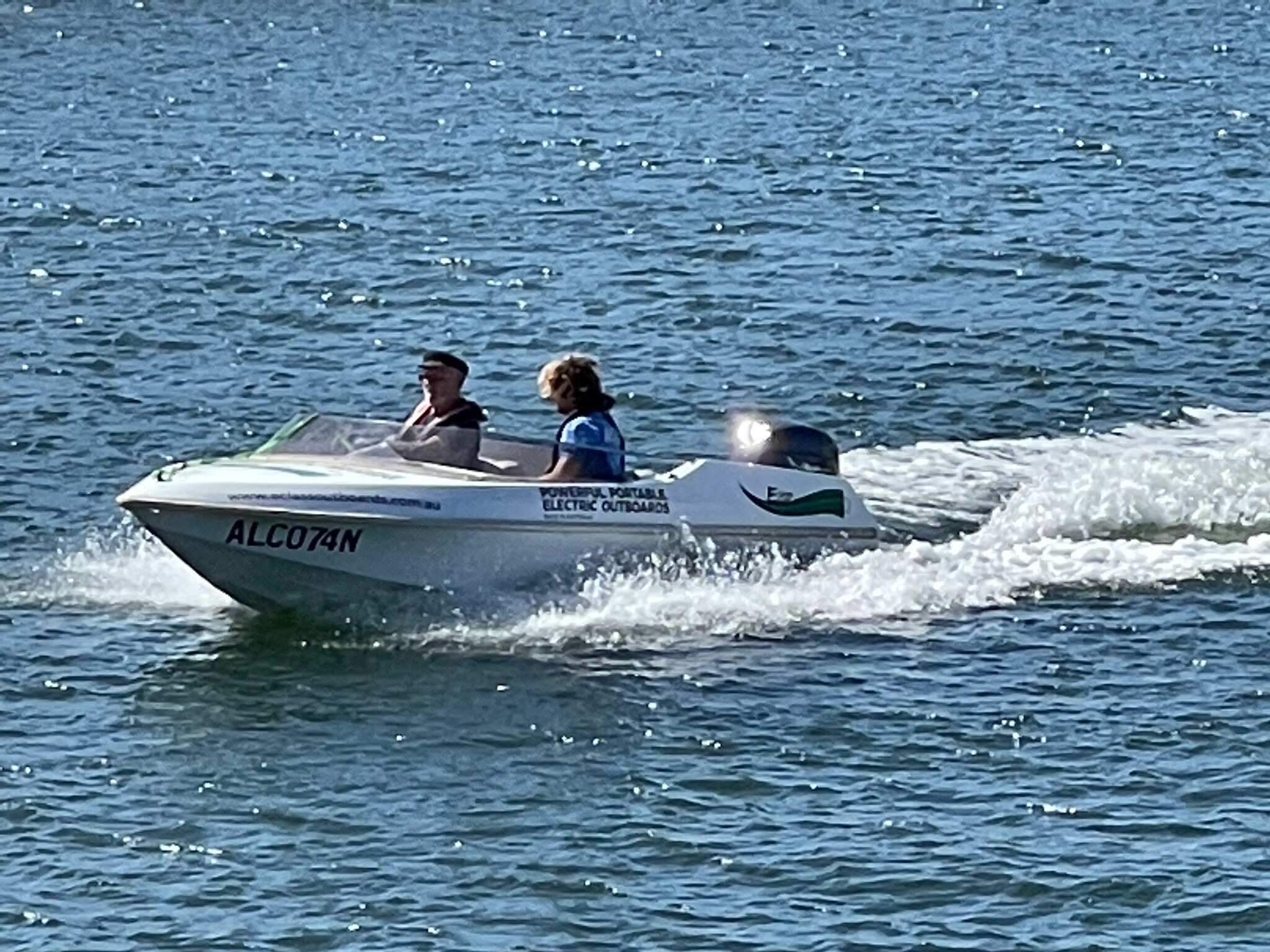
E-boats - instant power and clean air on the water
Lynelle Johnson describes the benefits of electric powered outboard motors over petrol engines for watercraft.
 The Science Show - Separate stories podcast
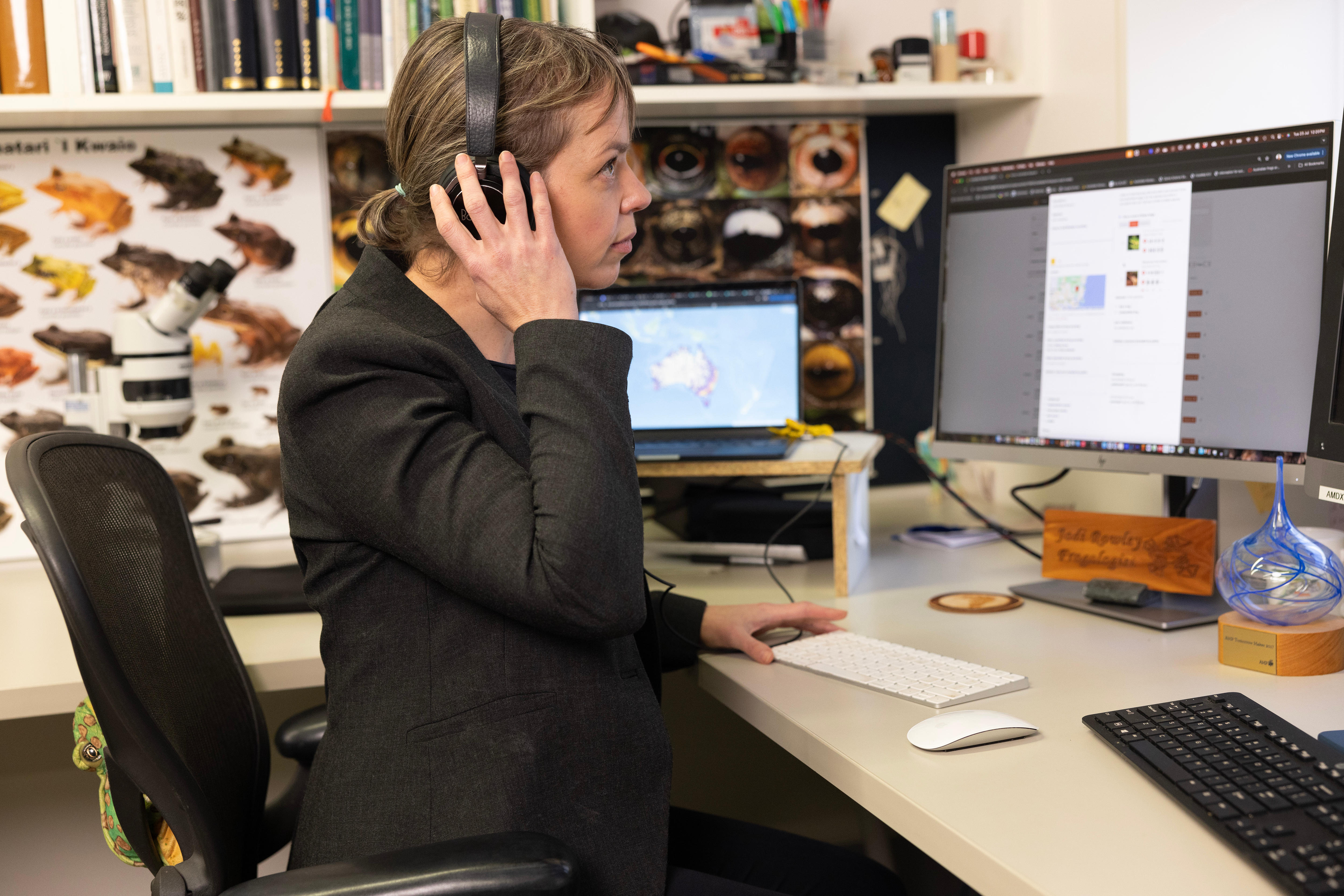
Citizen scientists lead to new frog species
Frog ID allow people to submit recordings of frogs. It has been running for 7 years and collected more than 1.3 million calls. Thirteen new species have been…
 The Science Show - Separate stories podcast
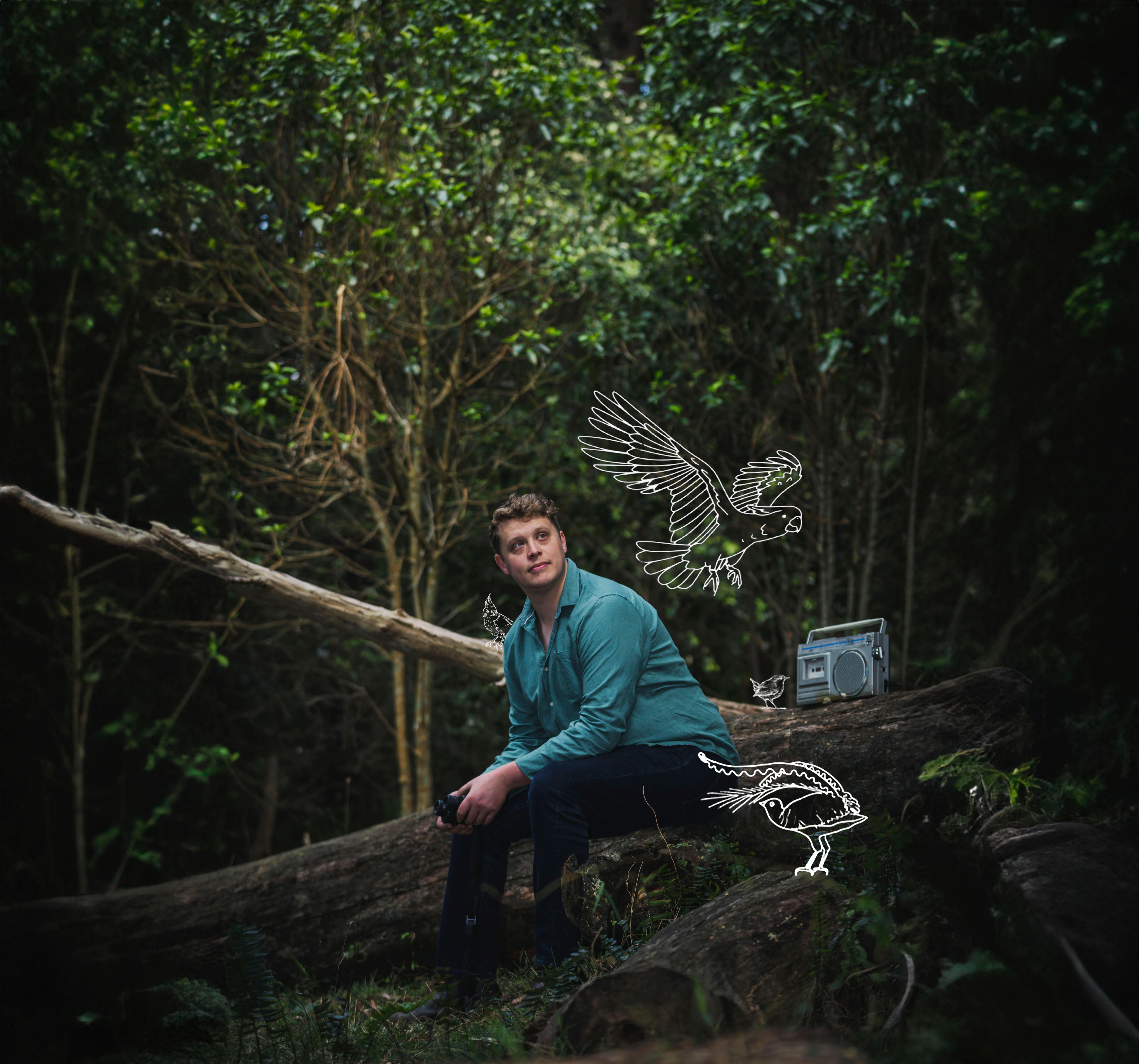
Birdsong feature in theatre production
In Birdsong of Tomorrow, Nathan takes a playful and heartfelt look at our rapidly changing environment and how birds use song to attract potential mates, to…
 The Science Show - Separate stories podcast
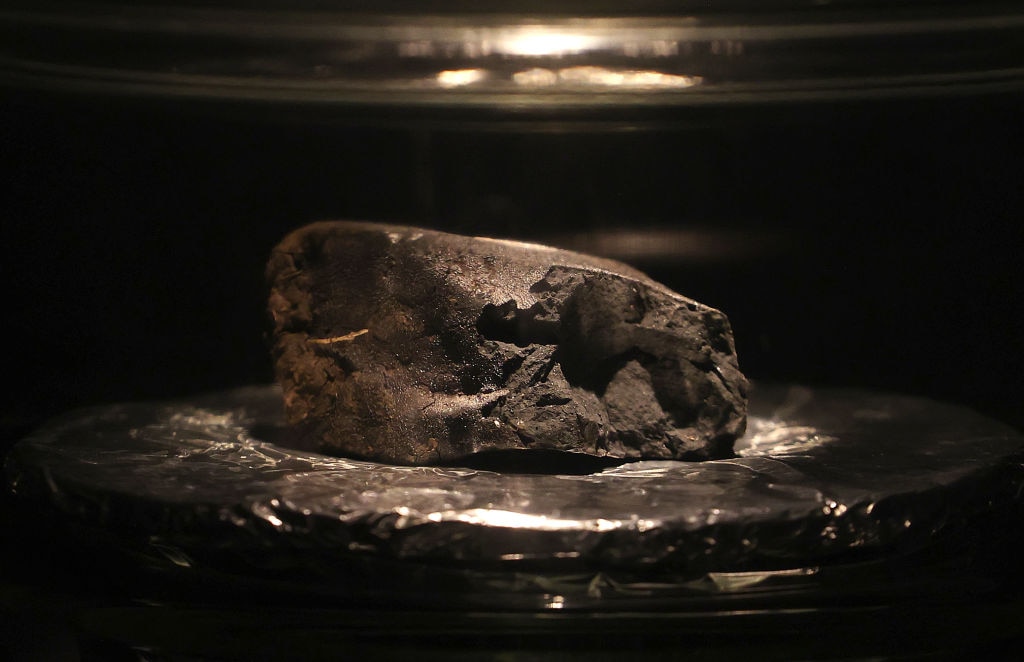
Rocks from space!
This week a meteorite went through a roof in the USA and proved to be older than our 4.5 billion-year-old planet. Sara Russell describes how these precious…
 The Science Show - Separate stories podcast
CRISPR gene editing cleans up the dust
Targeting small atomic groups around genes shows promise in the treatment of genetic blood diseases.
- The Science Show - Separate stories podcast
Lab Notes: The native ants that take down cane toads
Meat ants don't sound like the most endearing Australian animals. These purple-red insects are super territorial, swarming and biting anything that threatens…
 The Science Show - Separate stories podcast
Tracing the history of the Solar System
Sara Russell leads a team interested in the formation of the Solar System and the formation and evolution of moons of the terrestrial planets.
 The Science Show - Separate stories podcast
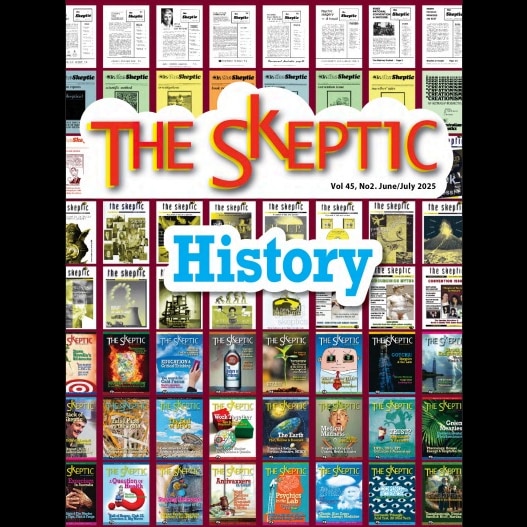
The Skeptic becomes online only publication
Former editor Tim Mendham comments and give a history of scepticism in modern Australia.
 The Science Show - Separate stories podcast
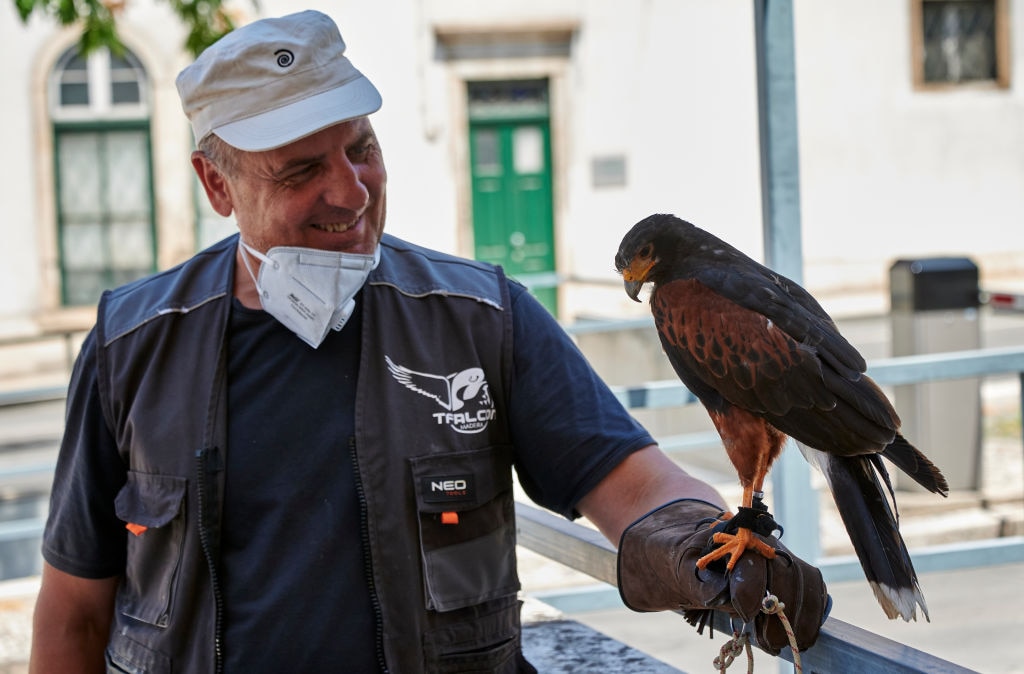
Hawks keep tourist sites free of pigeons
Harris's hawks are used at sporting events and major tourist sites such as Venice to keep pigeons away.
 The Science Show - Separate stories podcast
Is the scientific chaos being echoed in modern America?
Cuts are widespread across US science and research impacting climate monitoring. Understanding how climate is changing is vital if we are to have any hope in…
 The Science Show - Separate stories podcast
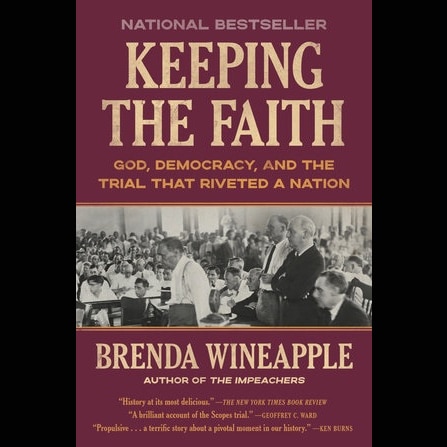
The Monkey Trial centenary
Peter Bernhardt takes us back in time to the trial as told by Brenda Wineapple in her book Keeping the Faith – God, Democracy and the trial that riveted a…
- The Science Show - Separate stories podcast
Lab Notes: How do I avoid eating and breathing microplastics?
It's impossible to escape microplastics. They're in our food and water, and the air around us is teeming with them.So considering they're all around us, how…
 The Science Show - Separate stories podcast
How physics consols
In this 50th year of The Science Show we celebrate yet another of the program’s idols and regular guests, science writer Tim Radford.
 The Science Show - Separate stories podcast
Physical evidence for dark matter remains elusive
Zac Picker is searching for physical impacts of dark matter as evidence of its existence.
 The Science Show - Separate stories podcast
Hush!
Music is being used at Melbourne’s Royal Children’s Hospital to bring serenity and a sense of calm to patients, family, and medical staff.
 The Science Show - Separate stories podcast
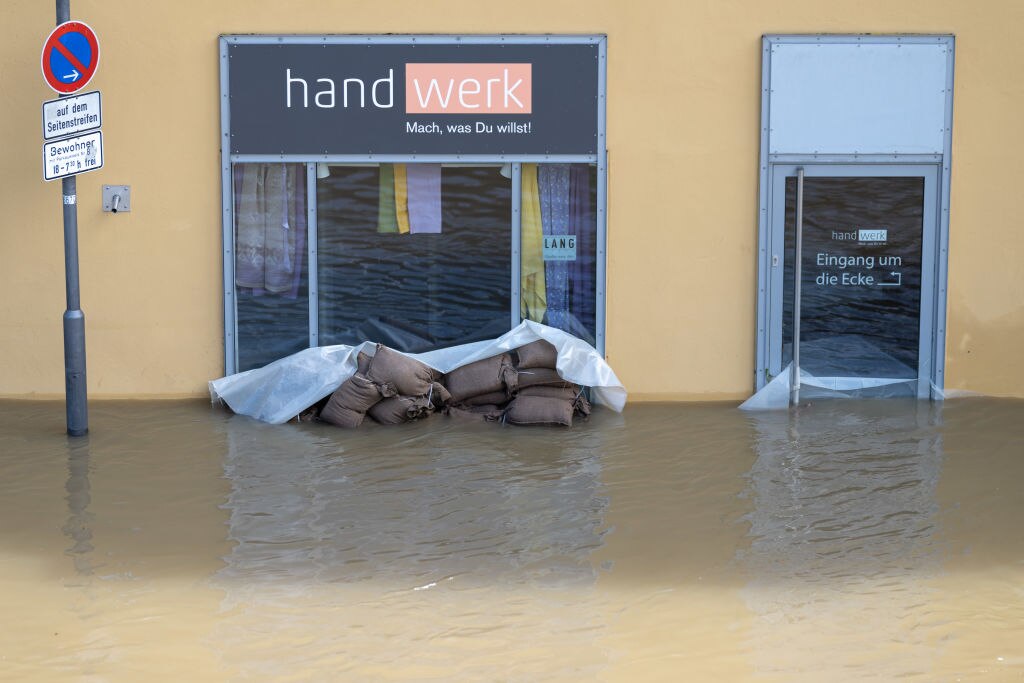
Passau in Southern Germany – the town with three rivers
With no flood plain, river water in Passau can rise high and quickly threatening people and property. And when the water rises, students in the university town…
 The Science Show - Separate stories podcast
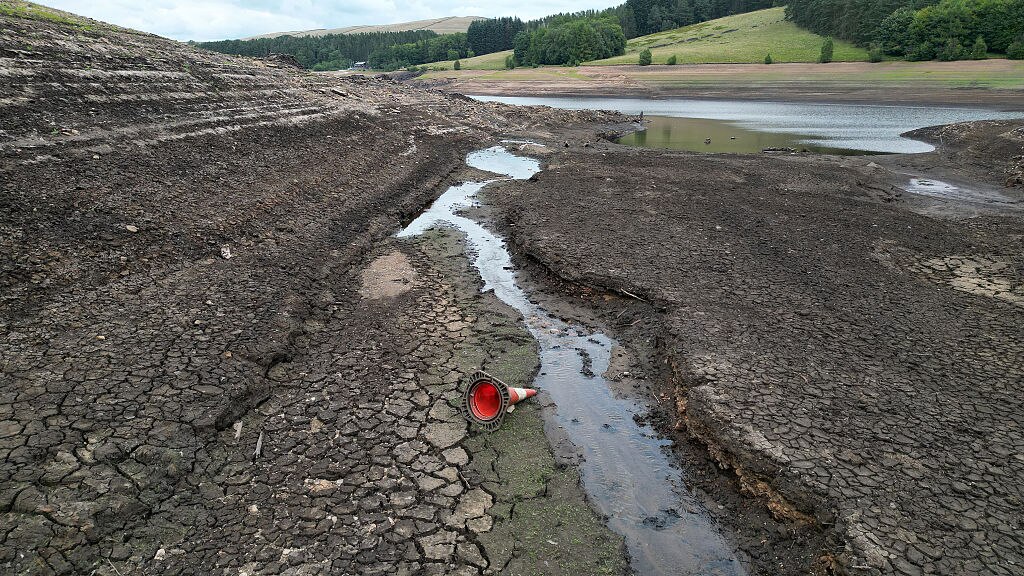
Oceans are becoming hotter, long-term trends show
Matthew England is studying global changes in ocean heat and circulation. The AMOC - the Atlantic Meridional Overturning Circulation is showing signs of…
- The Science Show - Separate stories podcast
Lab Notes: What's quantum mechanics ever done for me?
It feels like you can't go a week without hearing about some new quantum technology which promises to change our lives for the better. But quantum mechanics is…
 The Science Show - Separate stories podcast
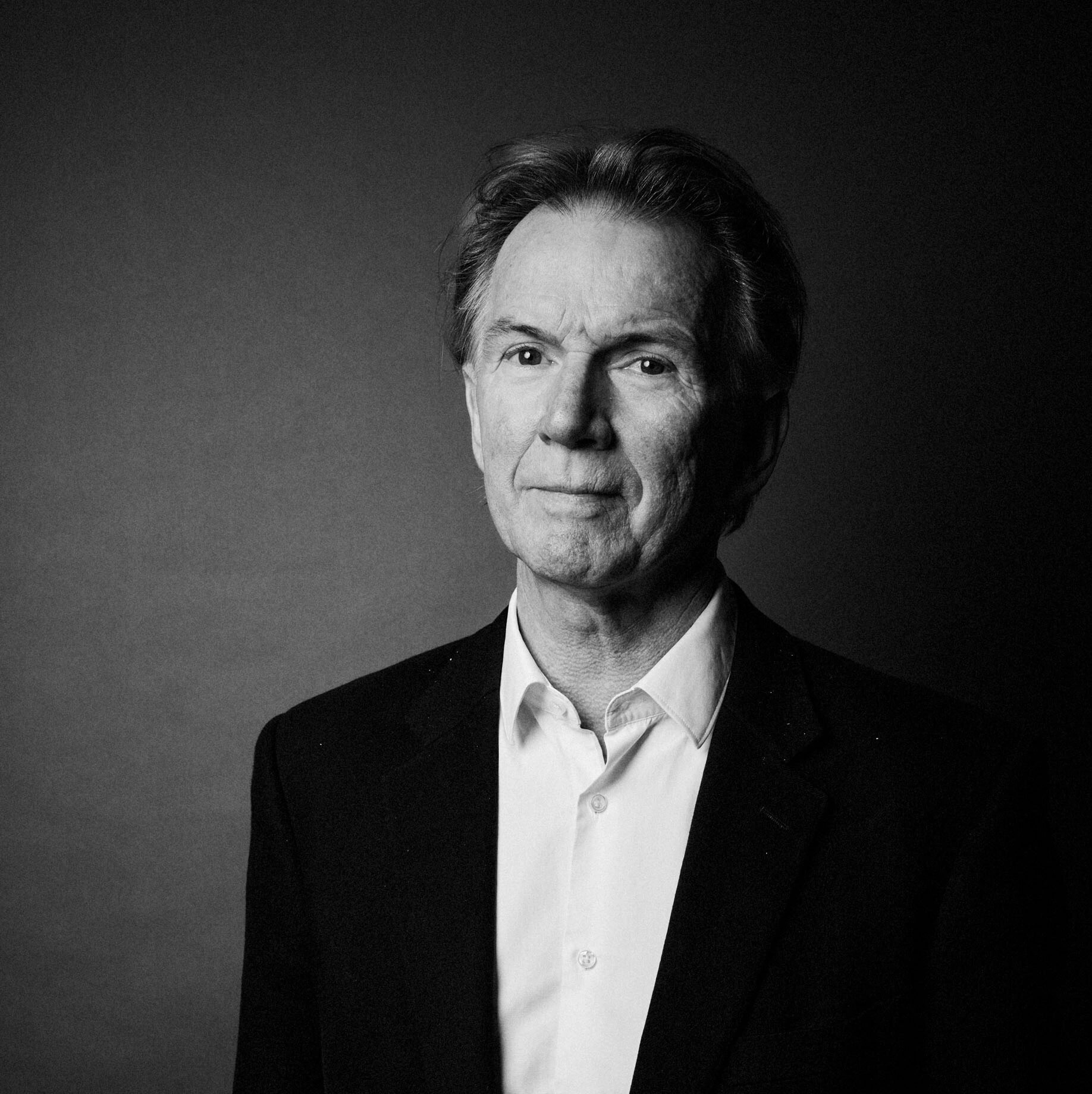
Peter Rose, editor of Australian Book Review retires
Peter Rose has been editor of Australian Book Review for 24 years. As he retires, a scientific writing fellowship at ABR has been launched.