Shows / The Science Show - Separate stories podcast

The Science Show - Separate stories podcast
The Science Show gives Australians unique insights into the latest scientific research and debate, from the physics of cricket to prime ministerial biorhythms.
Subscribe in your app
Choose an installed app, or copy the RSS feed into any podcast app. Finish subscribing there.
Follow below adds this show to Your shows in skinny. Log in to let subscribe clicks tune your For you feed.
The show, from its episodes
No episode notes yet. Recurring topics, people and notes-based starter picks will appear when notes are available.
Typical episode length
10m · median of 352 full episodes with a known length
Solo / guest format
Unknown — existing notes name people mentioned, but do not identify hosts or guests.
Recurring topics
No recurring topics established yet.
Recurring people
No recurring people established yet.
Start here
No starter picks yet — no published full episodes with audio and a recorded notes hook.
Shows like this
From recent shows with similar descriptionsEpisodes
- The Science Show - Separate stories podcast
Lab Notes: Talking gliders... from up a tree
Dr Ana Gracanin almost lives in the forest, as she speaks to Jonathan Webb this week, 20 metres off the ground in the canopy of a tree near Canberra. As an…
 The Science Show - Separate stories podcast
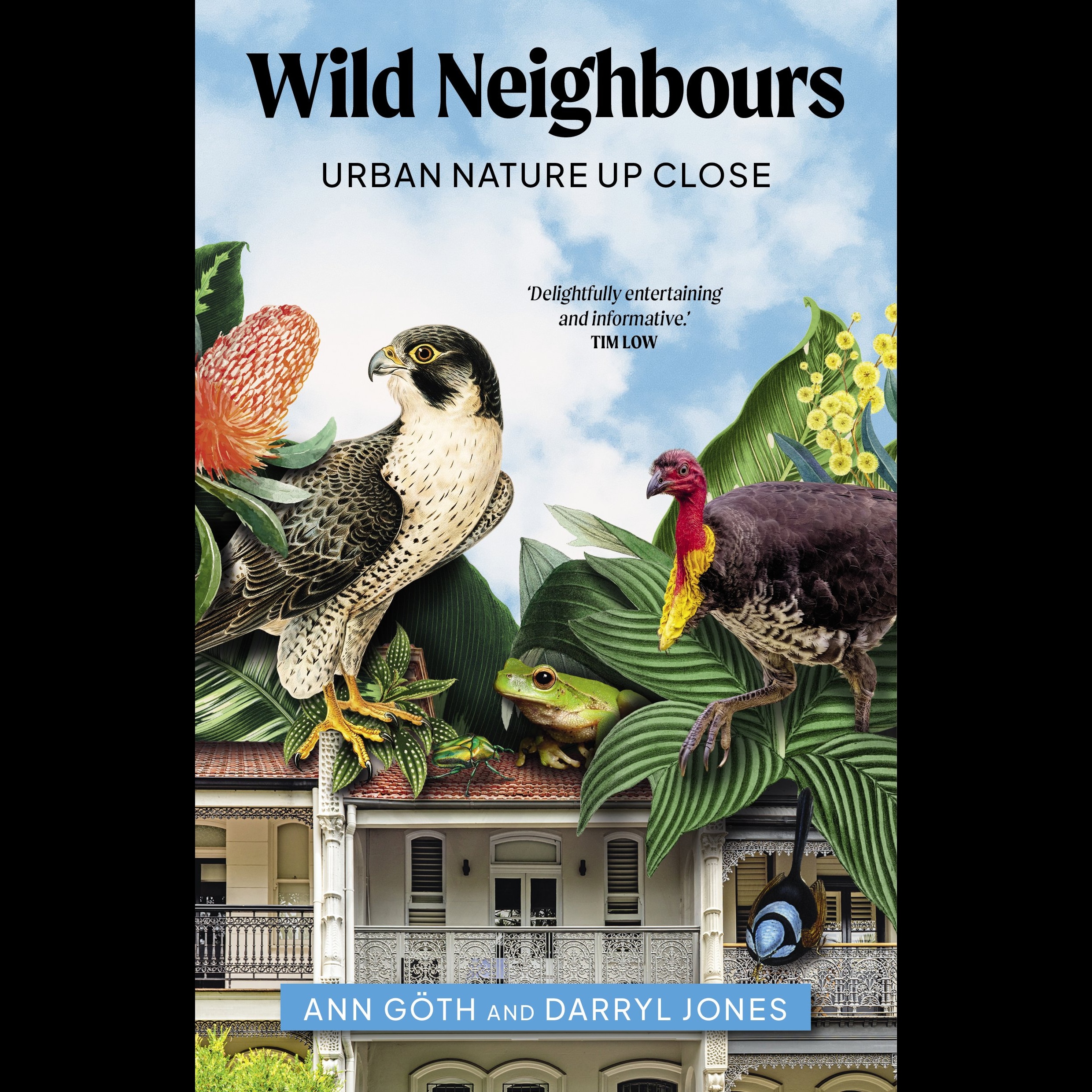
Getting to know the neighbours
Birds, possums, blue-tongued lizards, all populate our cities and getting to know them is a project of ecologist Darryl Jones and science teacher Ann Göth…
 The Science Show - Separate stories podcast
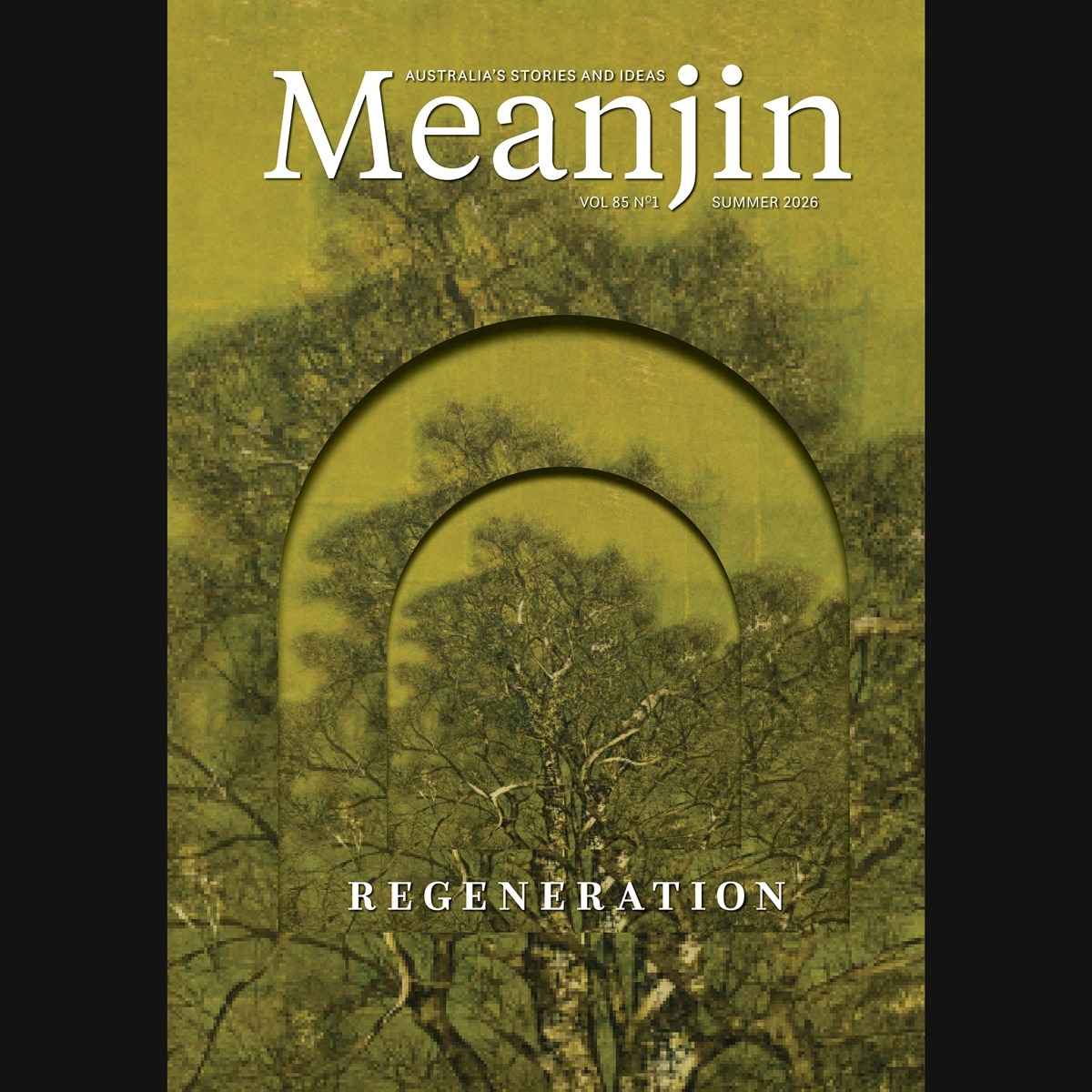
Meanjin returns
It was founded in 1940 as a home for Australian poetry, fiction, essays, memoir, and criticism. Its name comes from a First Nations word for the area around…
 The Science Show - Separate stories podcast
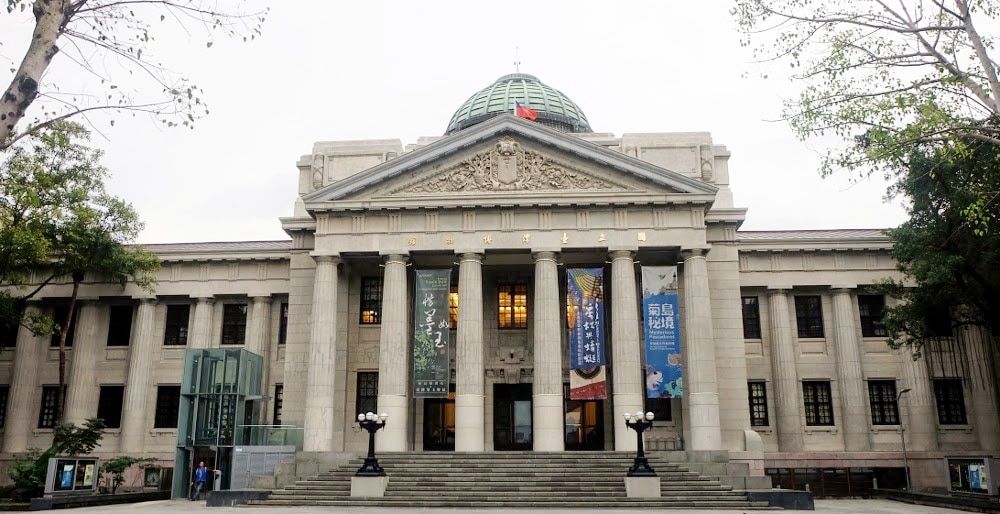
Science highly regarded in Taiwan
While interest in science amongst Australian school children is sometimes questioned, we contrast Australia with the situation in Taiwan. Fang Hui-Shih from…
 The Science Show - Separate stories podcast
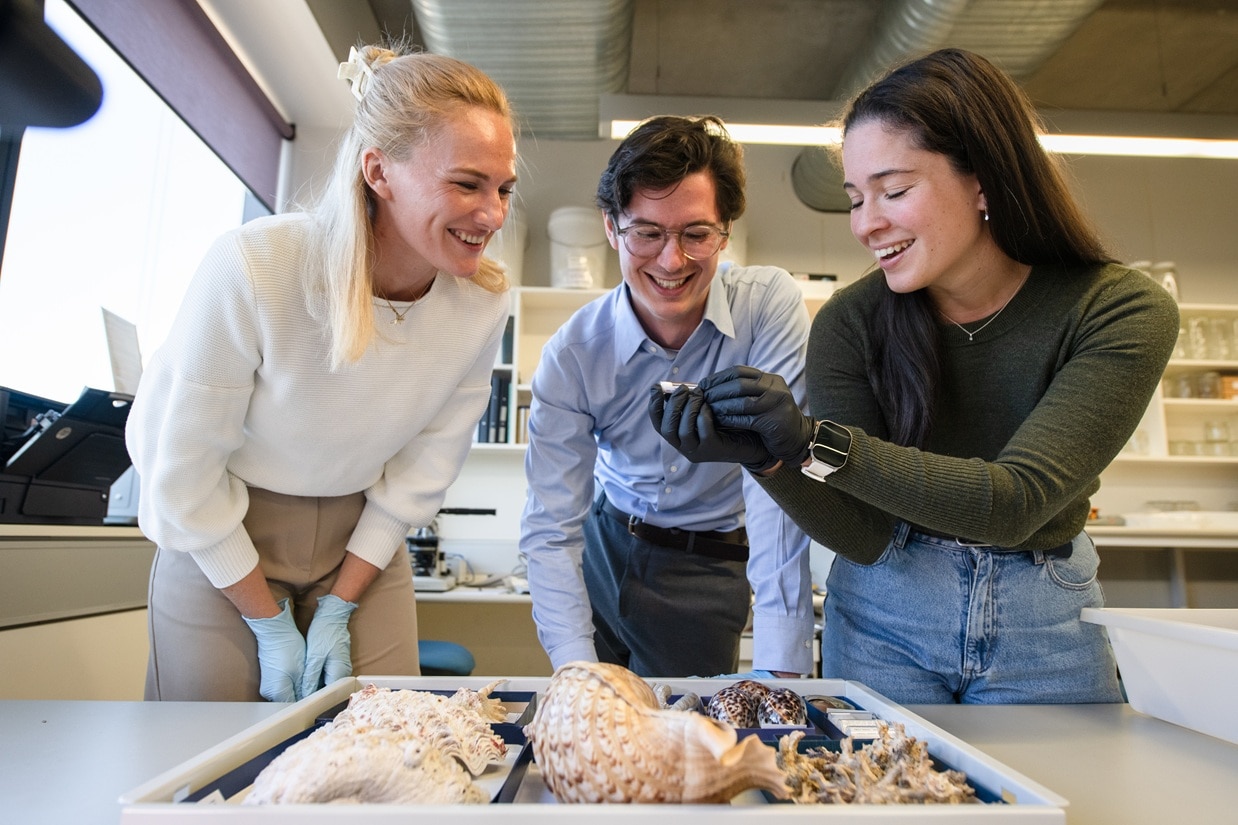
The Australian Museum approaches 200 years
Australian Museum director Kim McKay says the site of the present museum, founded in 1827 opposite St Mary’s Cathedral in Sydney, was the old convicts’ garden…
 The Science Show - Separate stories podcast
Vale John Carmody
We note the passing of Professor John Carmody, UNSW lecturer and researcher in the School of Physiology and Pharmacology and a prolific broadcaster on science…
- The Science Show - Separate stories podcast
Lab Notes: Earth's missing billion years
Sections of rock are completely missing from our geological record across continents. The great unconformity spans just over a billion years of history…
 The Science Show - Separate stories podcast
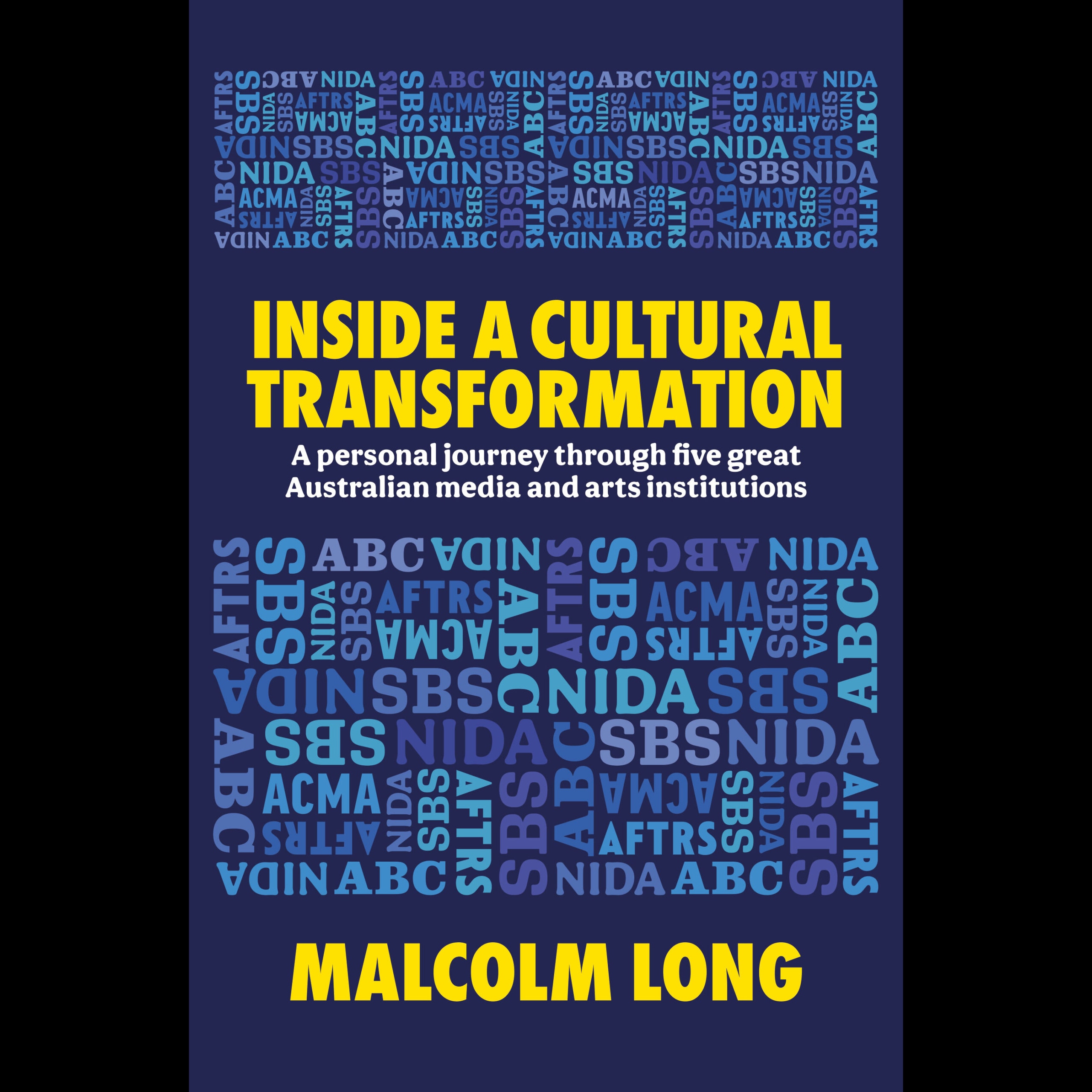
The history and challenges for Australian media and arts bodies
Since the 1960s five public media and arts organisations have been key players in the emergence of a uniquely Australian national identity. They are the ABC…
 The Science Show - Separate stories podcast
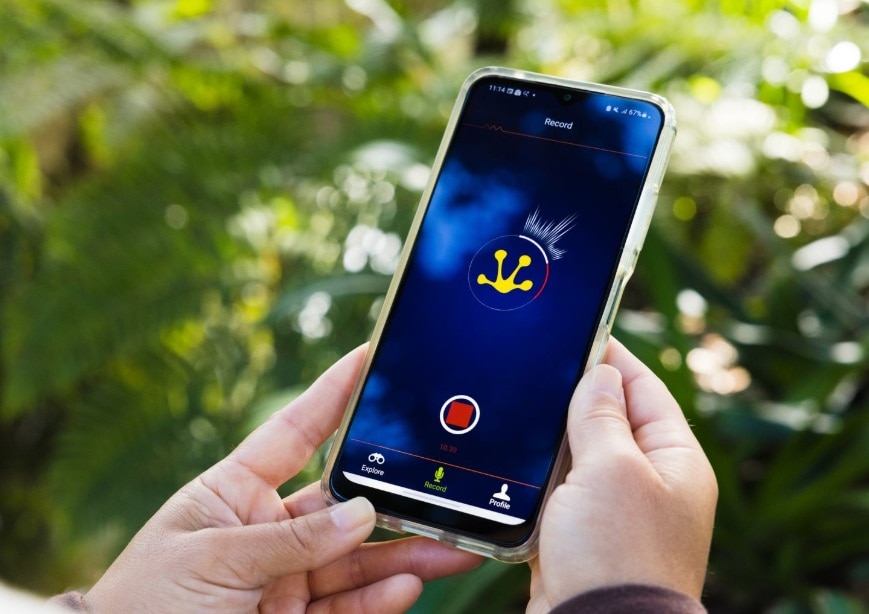
Hop to it! It’s FrogID week!
Frog ID is an initiative of The Australian Museum in Sydney where anyone, anywhere in Australia can record frog calls using a phone app. The frog is then…
 The Science Show - Separate stories podcast
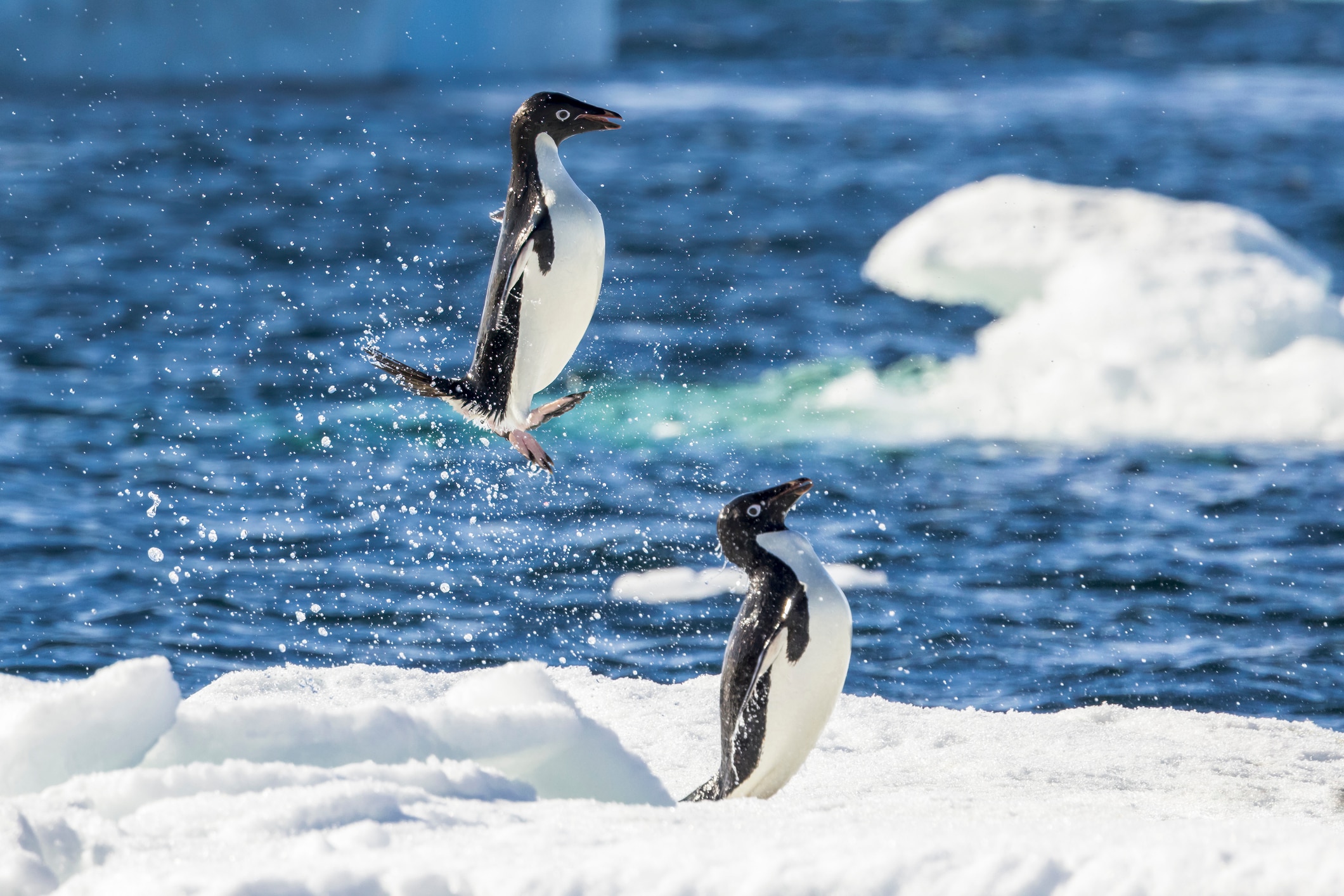
Penguin behaviour hidden, now reassessed
A record kept by scientists at the UK’s Natural History Museum about a century ago, shows penguin behaviour so extreme that it was left unpublished. It was…
 The Science Show - Separate stories podcast
Making sense of the chaos
Professor Jim Falk of Melbourne looks at crumbling connections where there used to be unity. His concern is that issues being treated separately such as…
 The Science Show - Separate stories podcast
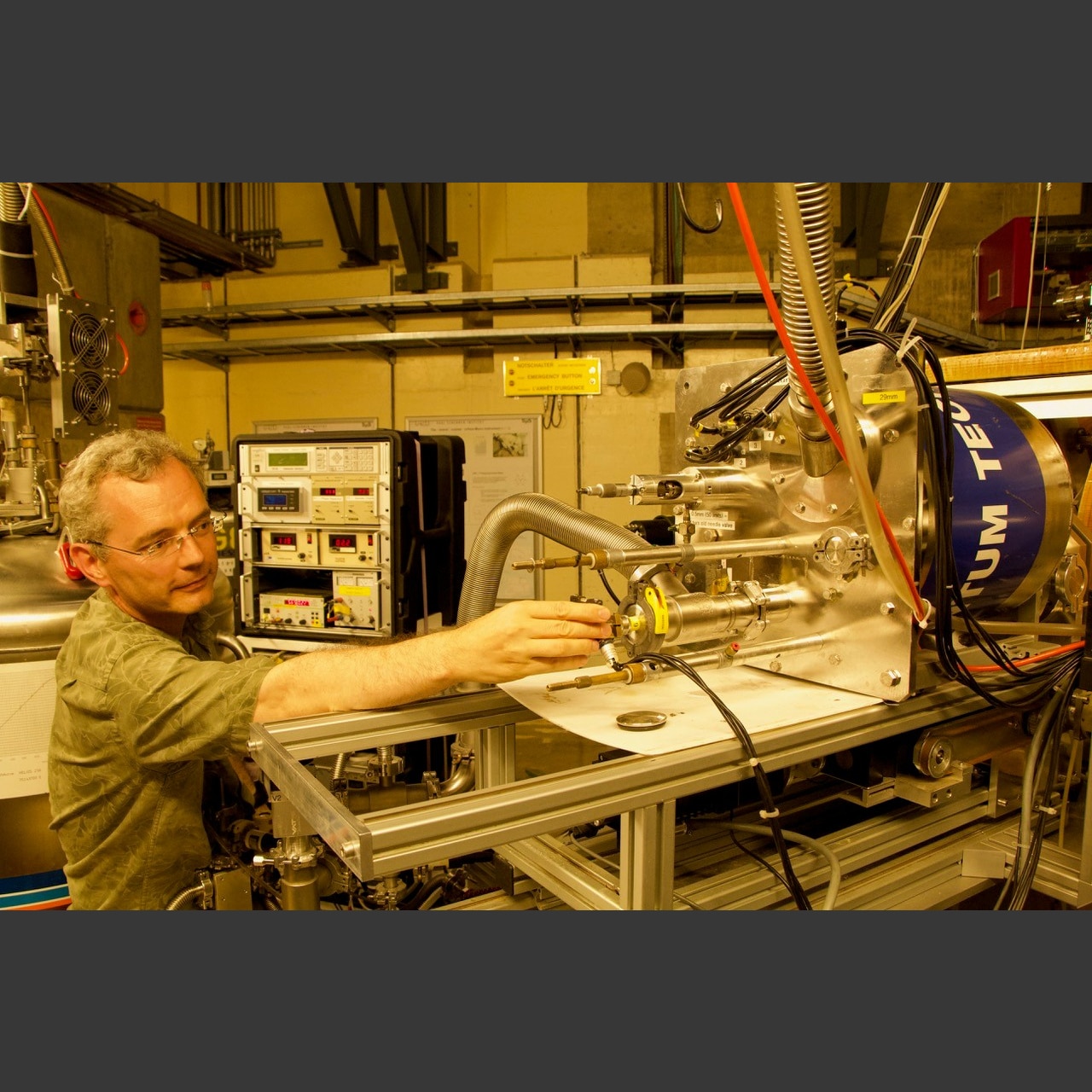
New spins in the nanoworld
Atomic particles are extraordinary enough, winding left or right, spinning this way or that, entangling with each other though worlds apart. But now there’s…
- The Science Show - Separate stories podcast
Lab Notes: The end of the world — on Friday
66 years ago, three researchers published a paper in the Journal Science titled Doomsday: Friday, 13 November, A.D. 2026. In it, they predicted the end of the…
- The Science Show - Separate stories podcast
Lab Notes: Eel sex ball
We don't know a lot about deep-sea eels, so when 2.8 million of them are found in the same place every year, scientists (and science reporters) get excited…
 The Science Show - Separate stories podcast
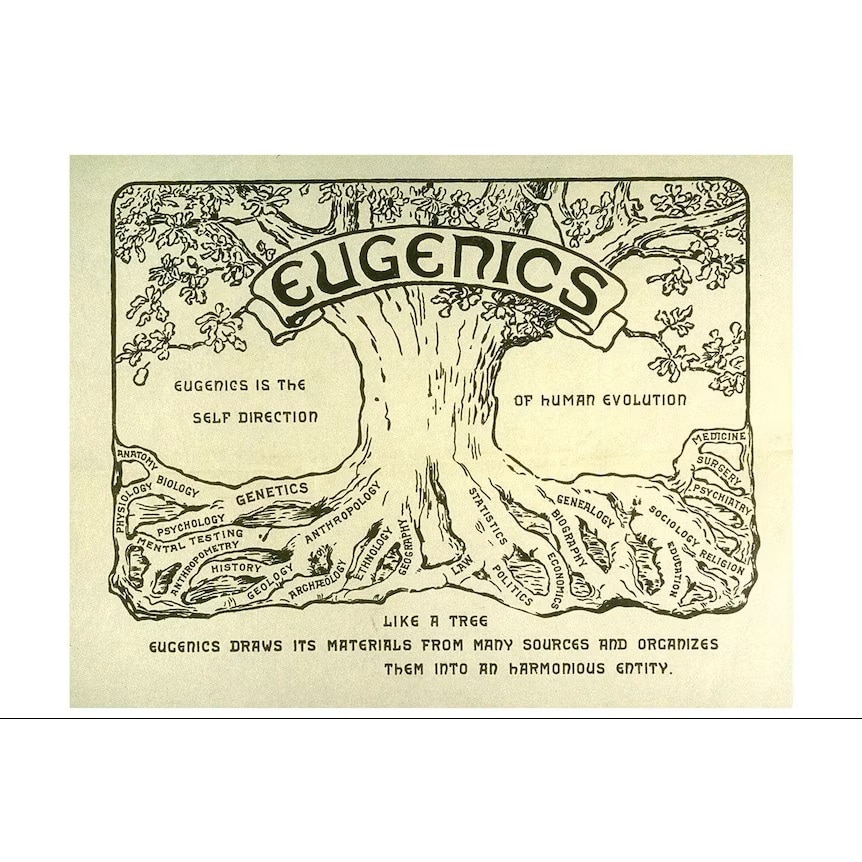
Fear as support for eugenics rises
The rise of eugenics troubles Professor of Psychology, Rebecca Sear, at Brunel University in London. Very powerful, influential, wealthy people are on board…
 The Science Show - Separate stories podcast
Genetics brings the beauty of biology
Chloroplasts in plant cells and mitochondria in animal cells were once free-living organisms. Now they are organelles fully incorporated in animal and plant…
 The Science Show - Separate stories podcast
The impact of ships in port
Southampton’s population is 260,000. When 5 cruise ships dock, some carrying 10,000 people, the city’s power demands can be almost 15-20% higher. Then there’s…
 The Science Show - Separate stories podcast
New methods to track population
Population data is vital as countries allocate resources. But it is costly to collect and data can quickly become out of date. Andy Tatem is using new sources…
 The Science Show - Separate stories podcast
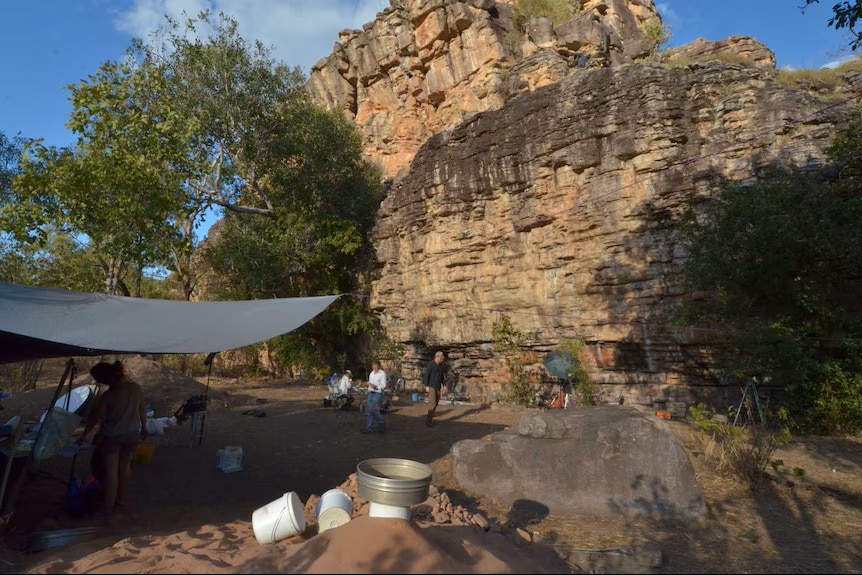
Earliest example of long-distance ocean voyaging by first Australians
Oceans were the focus at the opening of this year’s British Science Festival in Southampton UK. Professor of Maritime Archaeology Helen Farr describes the…
- The Science Show - Separate stories podcast
Lab Notes: Bogong moths bounce back?
Across south-eastern Australia, bogong moths seem to be everywhere. A few years ago, it was a different picture: scientists witnessed a population crash, and…
 The Science Show - Separate stories podcast
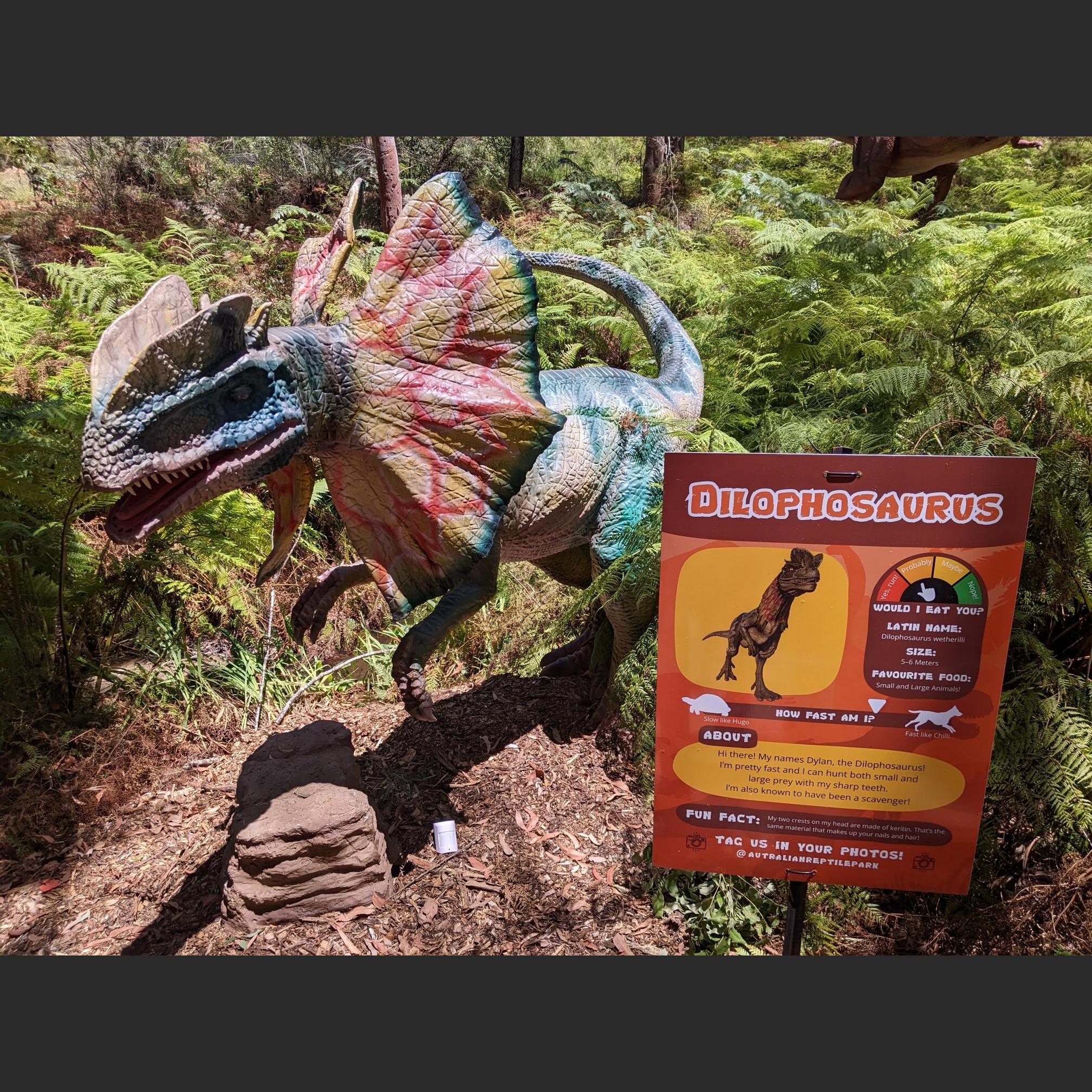
Call for accuracy in dinosaur displays
Theme parks and museums draw big crowds for dinosaurs. Kids love them. But palaeontologist James Ronan says some displays are based on ideas from the 1970s and…
 The Science Show - Separate stories podcast
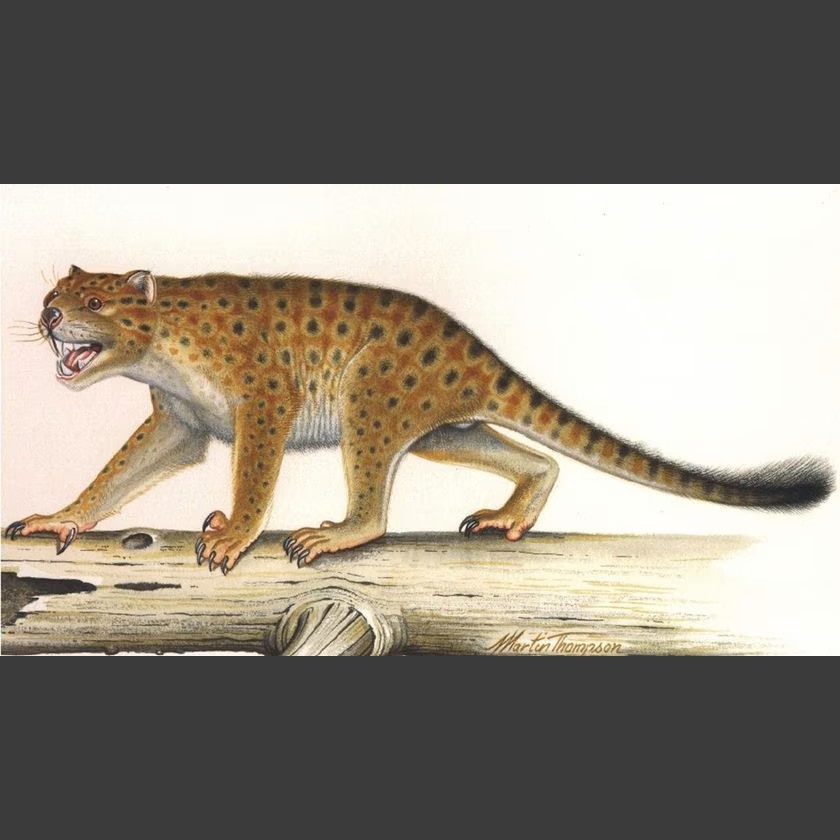
The battle between reptiles and mammals
Why did reptiles prevail for so long and why did mammals take so long to become dominant predators? Adam Lindholm is looking at body size, availability of prey…
 The Science Show - Separate stories podcast
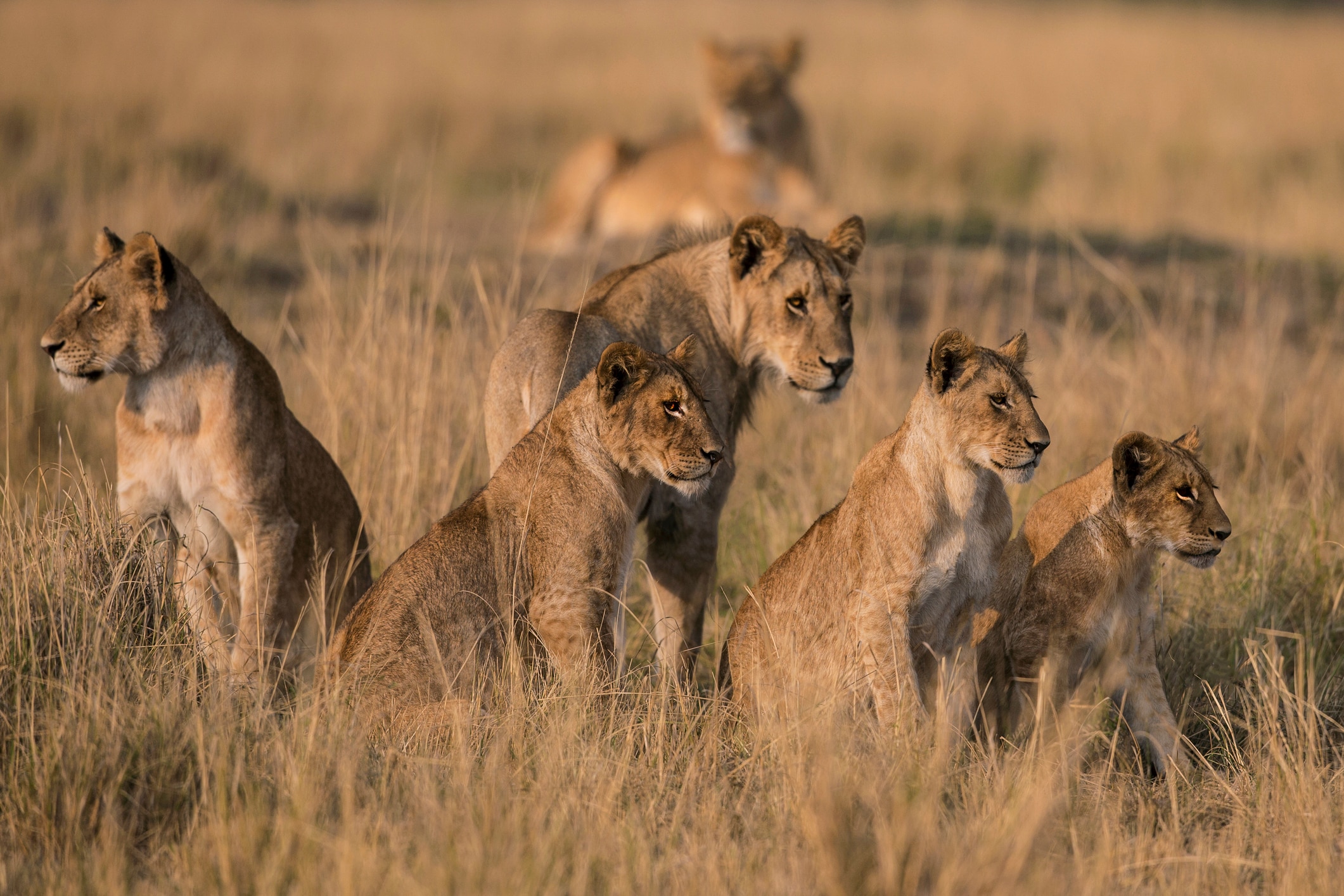
Climate change to increase pressure on lions in Africa
Lions are under considerable stress across Africa. Their habitat is fragmented and impacted by human activity such as agriculture. Being unable to roam freely…
 The Science Show - Separate stories podcast
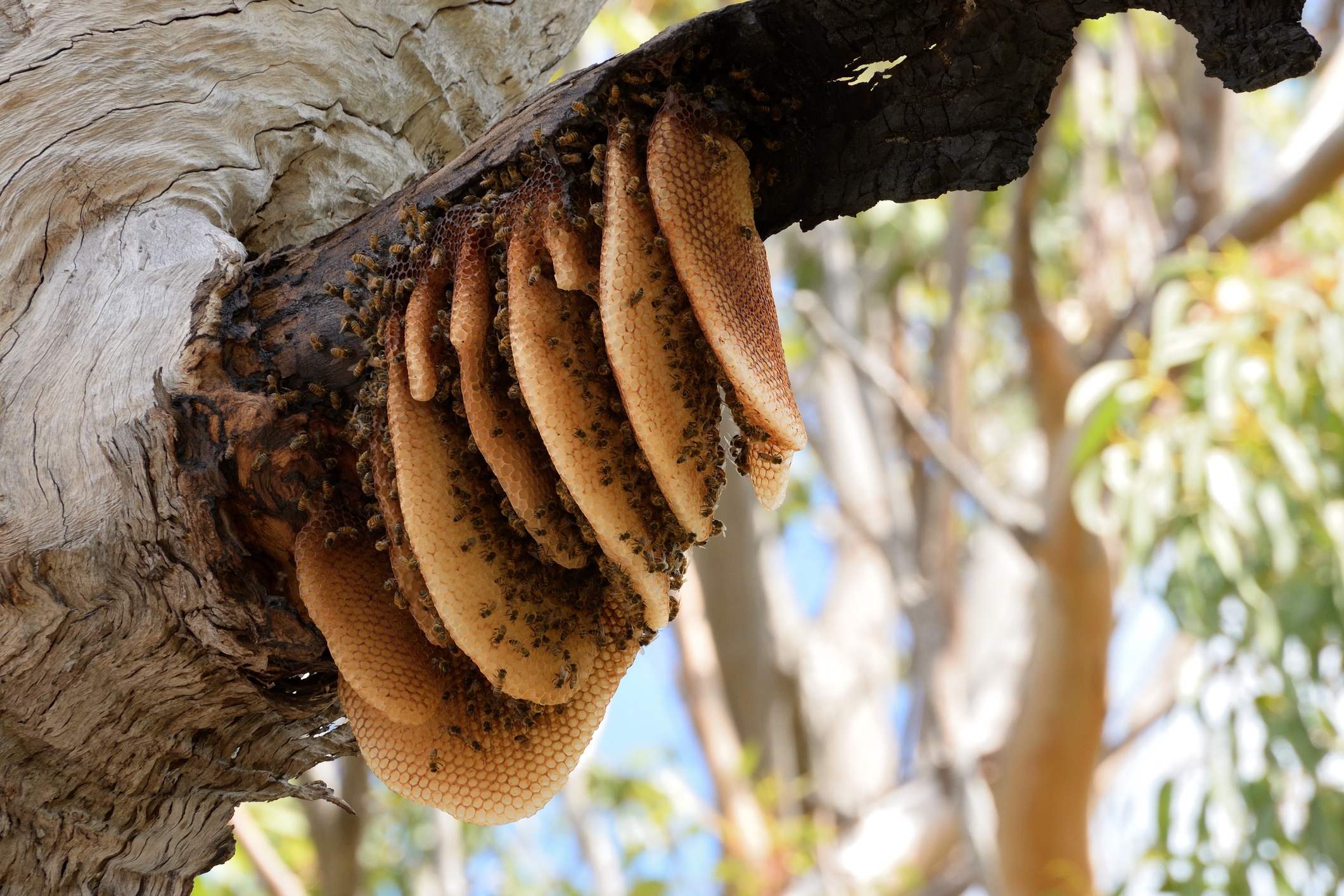
How bees protect their hives from disease
Bees survive by collaboration. To fight infection, bees arrange their honey and other stores in ways that repel disease. Microbiologist and bee researcher…
 The Science Show - Separate stories podcast
Togetherness - Symbiosis and the hidden story of life’s hidden collaborations
No more “Red In Tooth and Claw”? Well, that’s not the only story in evolution – from the beginning. Rowan Hooper in his latest book, Togetherness, shows how…
- The Science Show - Separate stories podcast
Lab Notes: What's in store for wildlife this summer?
Over the past few years, our environment seems to have experienced multiple extreme events in quick succession. With a summer fuelled by what may be the…
 The Science Show - Separate stories podcast
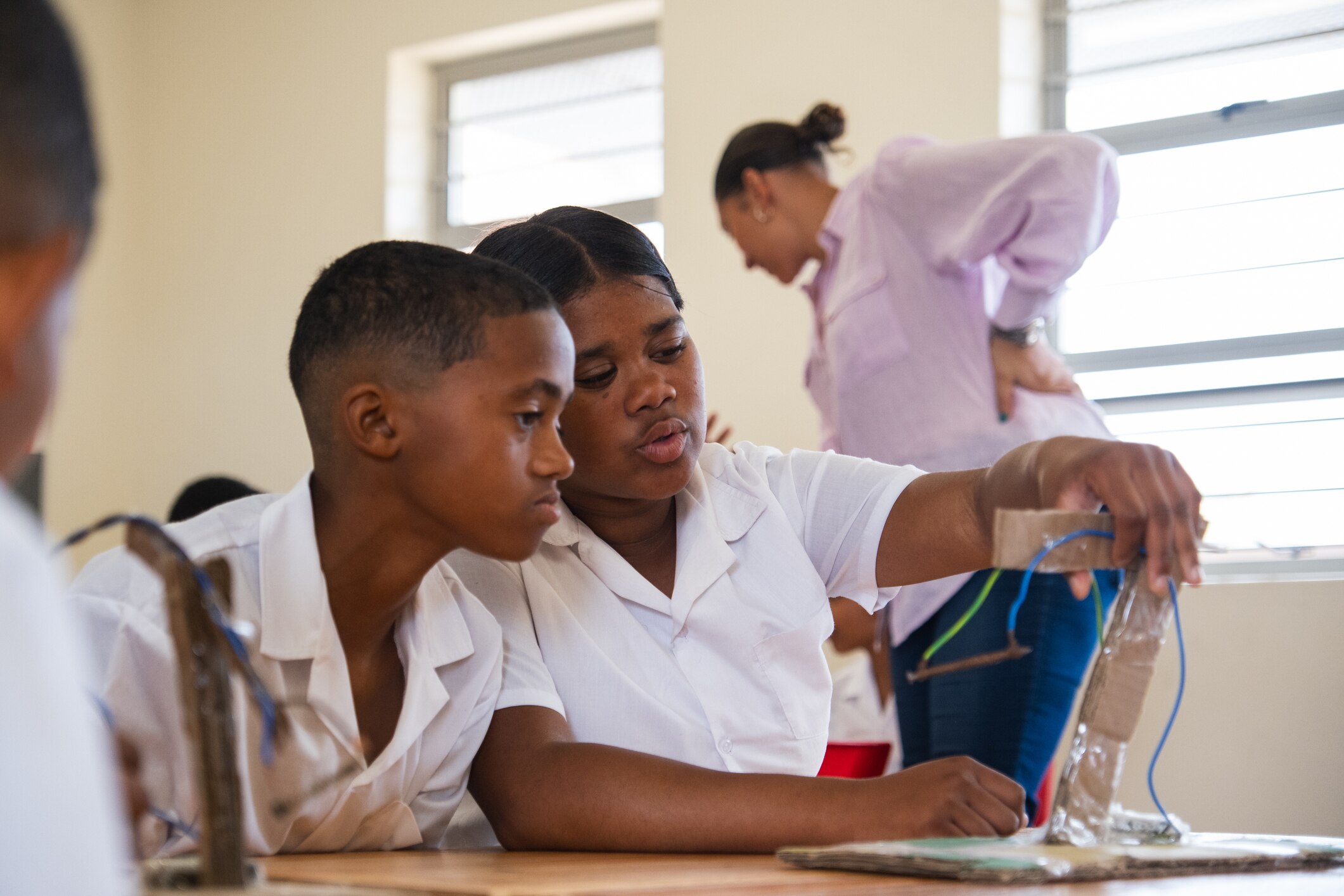
Crossing the language barrier teaching astronomy and physics
As a professor in astrophysics, Katherine Blundell studies variable objects in the night sky. These are colliding or exploding objects. She uses spectroscopy…
 The Science Show - Separate stories podcast
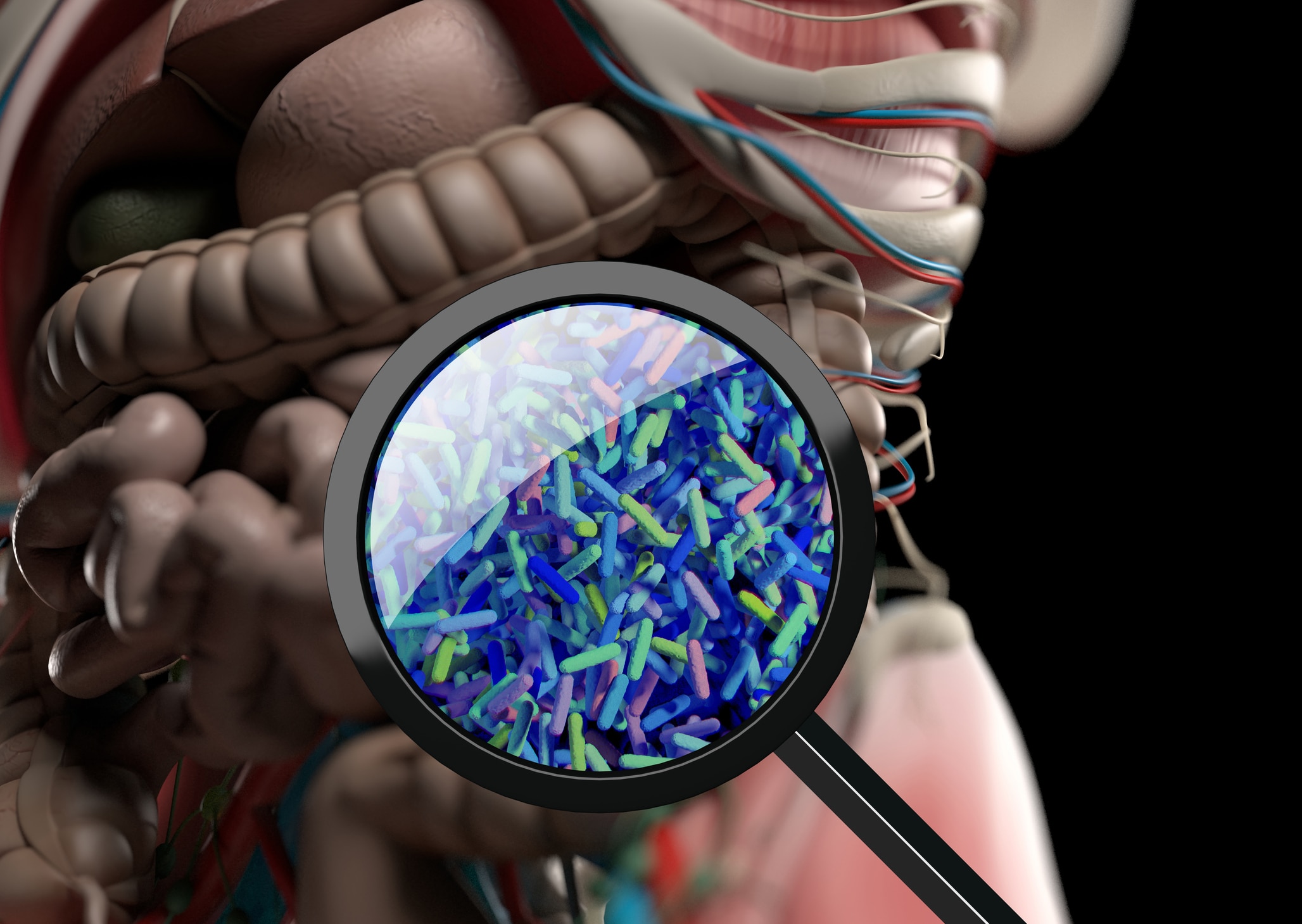
Investigating primary sclerosing cholangitis
Primary sclerosing cholangitis (PSC) is a rare, chronic liver disease characterised by inflammation, scarring, and narrowing of bile ducts. Scar tissue…
 The Science Show - Separate stories podcast
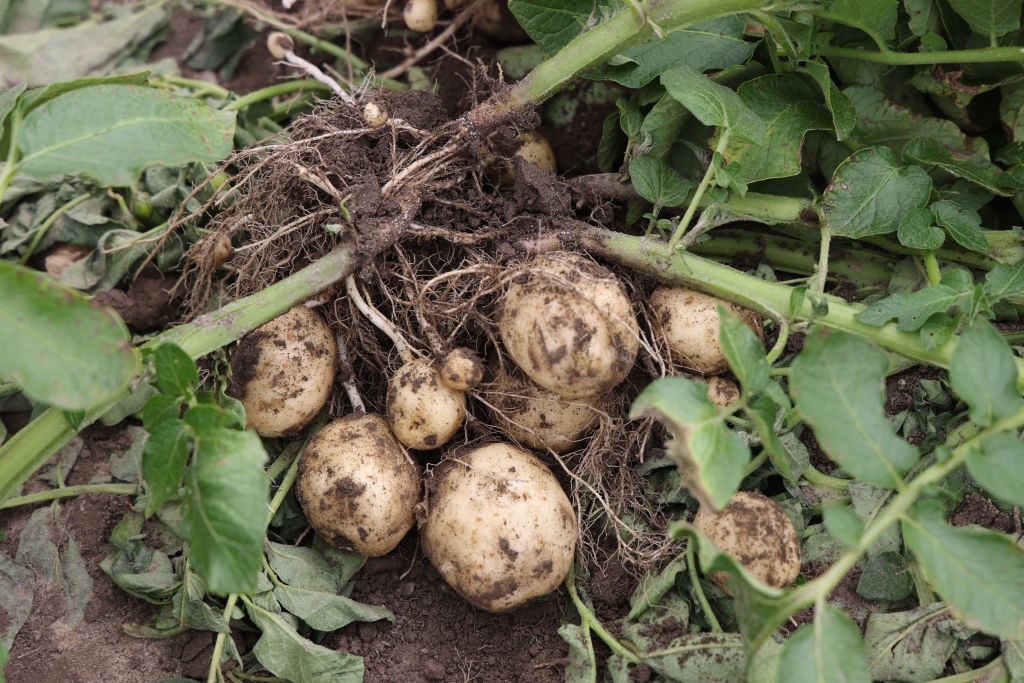
Breeding potatoes is like herding cats
So says potato geneticist Ingo Hein. It’s due to the chaos which results when two potato plants are crossed. The result can be one of tens of thousands of…
 The Science Show - Separate stories podcast
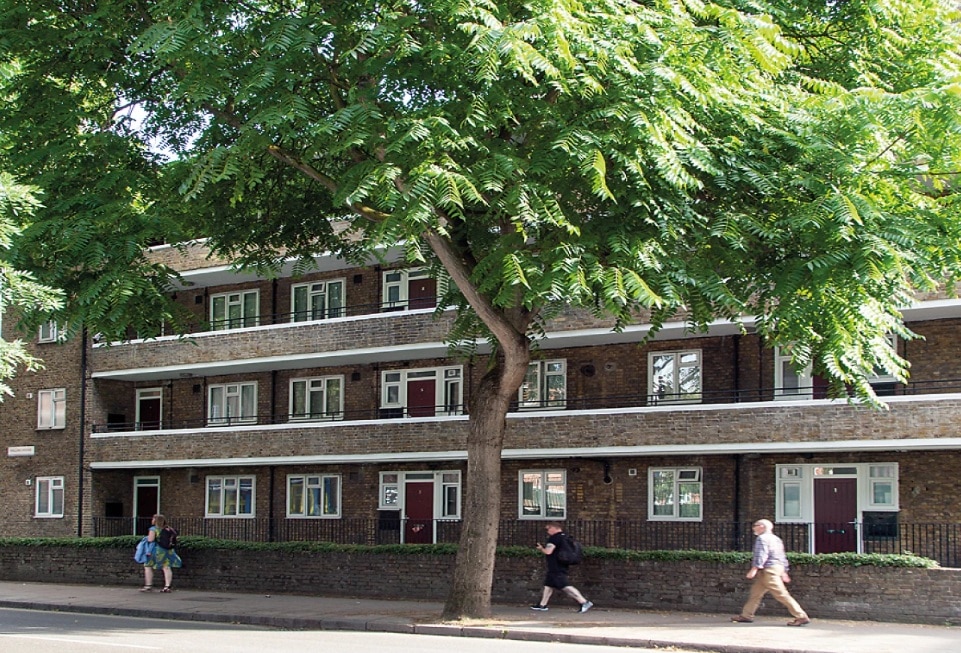
London street trees threatened by changing climate
Trees in Kew Gardens, like many across Europe this year, have suffered intensely from baking hot summers. The head of the gardens’ tree collections, Kevin…
 The Science Show - Separate stories podcast
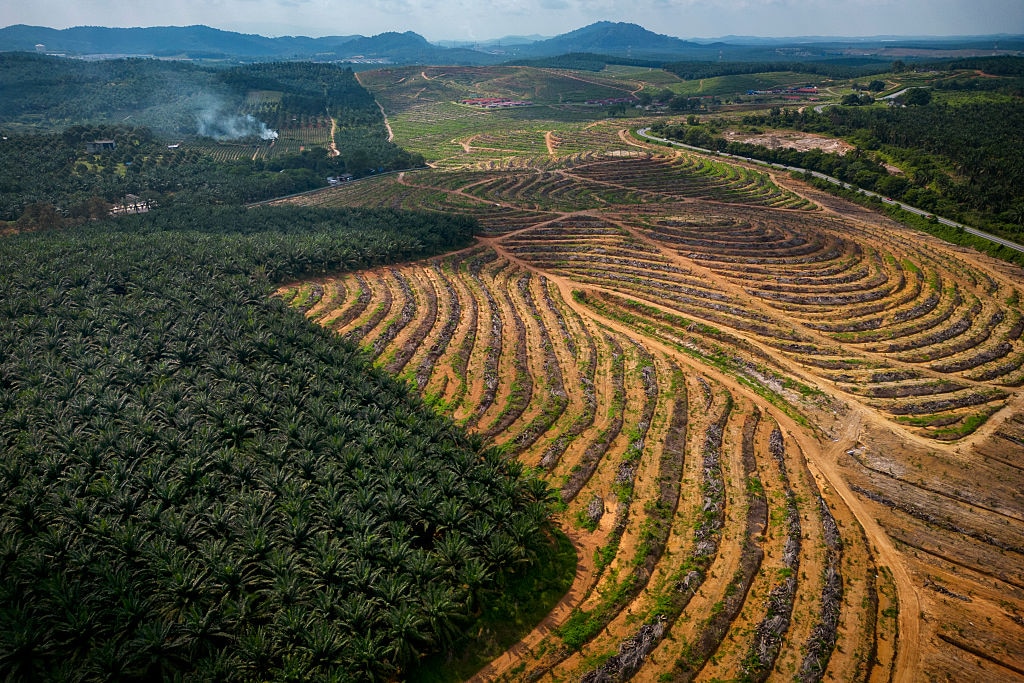
Some success with palm oil. Nickel mines the next challenge
Brendan May is a London-based environmental adviser to businesses around the world and has been specialising in South Pacific regions including Indonesia and…
- The Science Show - Separate stories podcast
Lab Notes: When astronomers make mistakes
In March 2018, a South African astronomer looking into the distant universe "discovered" a bright red spot in the sky that hadn't been there previously; it…
 The Science Show - Separate stories podcast
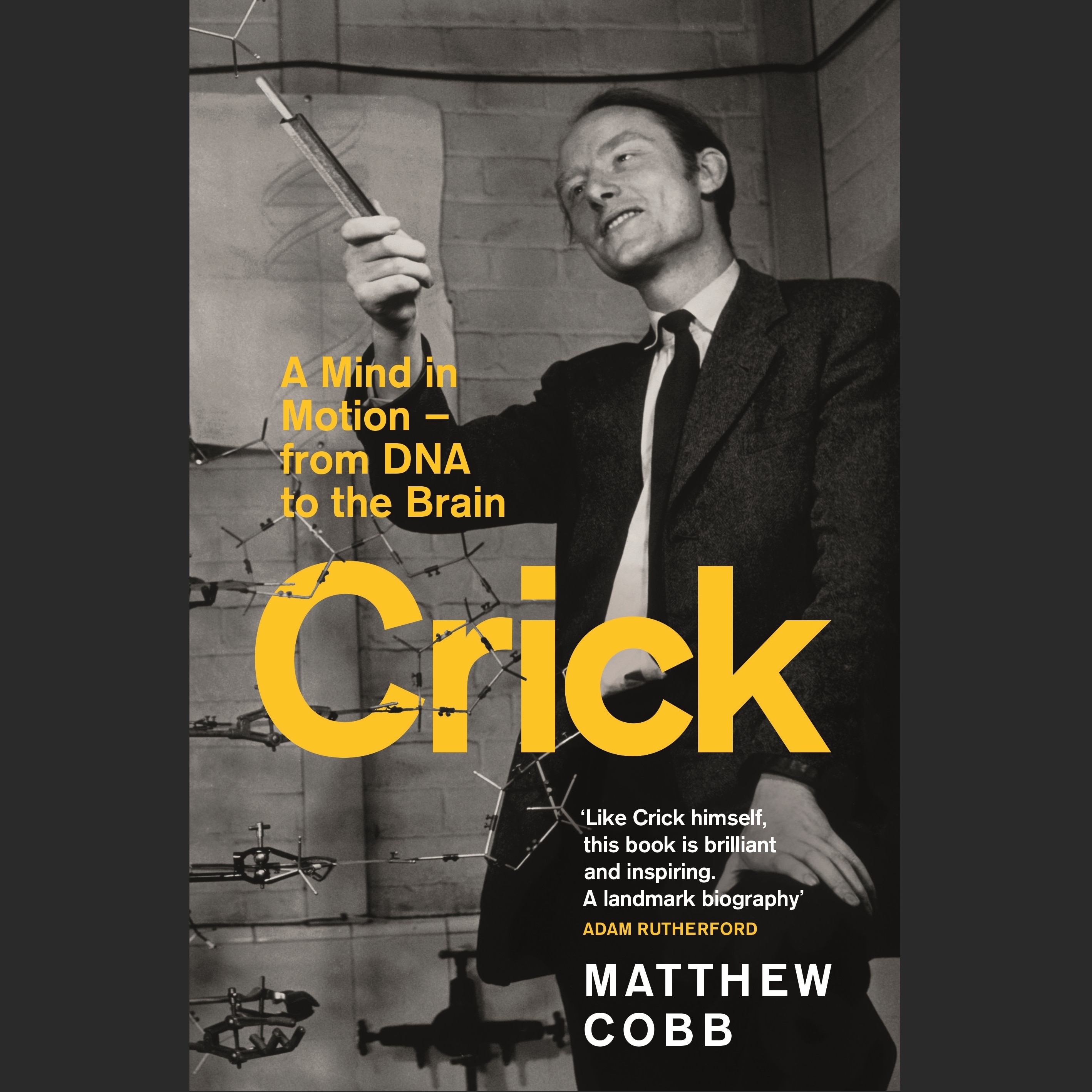
First major biography of Francis Crick
Crick: A Mind in Motion – from DNA to the Brain was published in 2025, full of new information and the disposal of false tales. The story is so vibrant that…
 The Science Show - Separate stories podcast
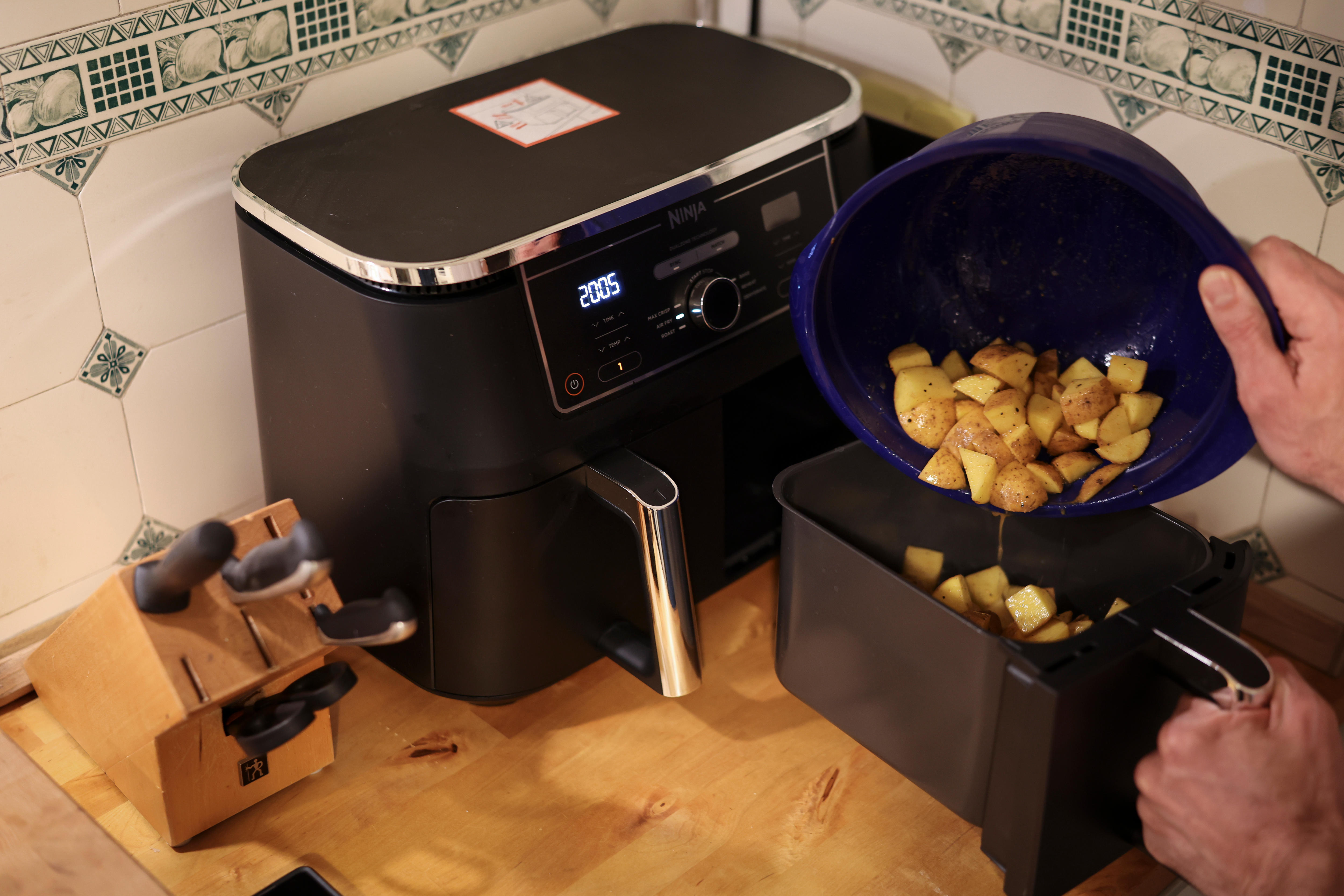
Air fryer vs deep fryer: Which produces more indoor air pollution?
Poor household air quality can affect people’s health, and high pollution levels lead to increased risk of cardiovascular, respiratory and neurological…
 The Science Show - Separate stories podcast
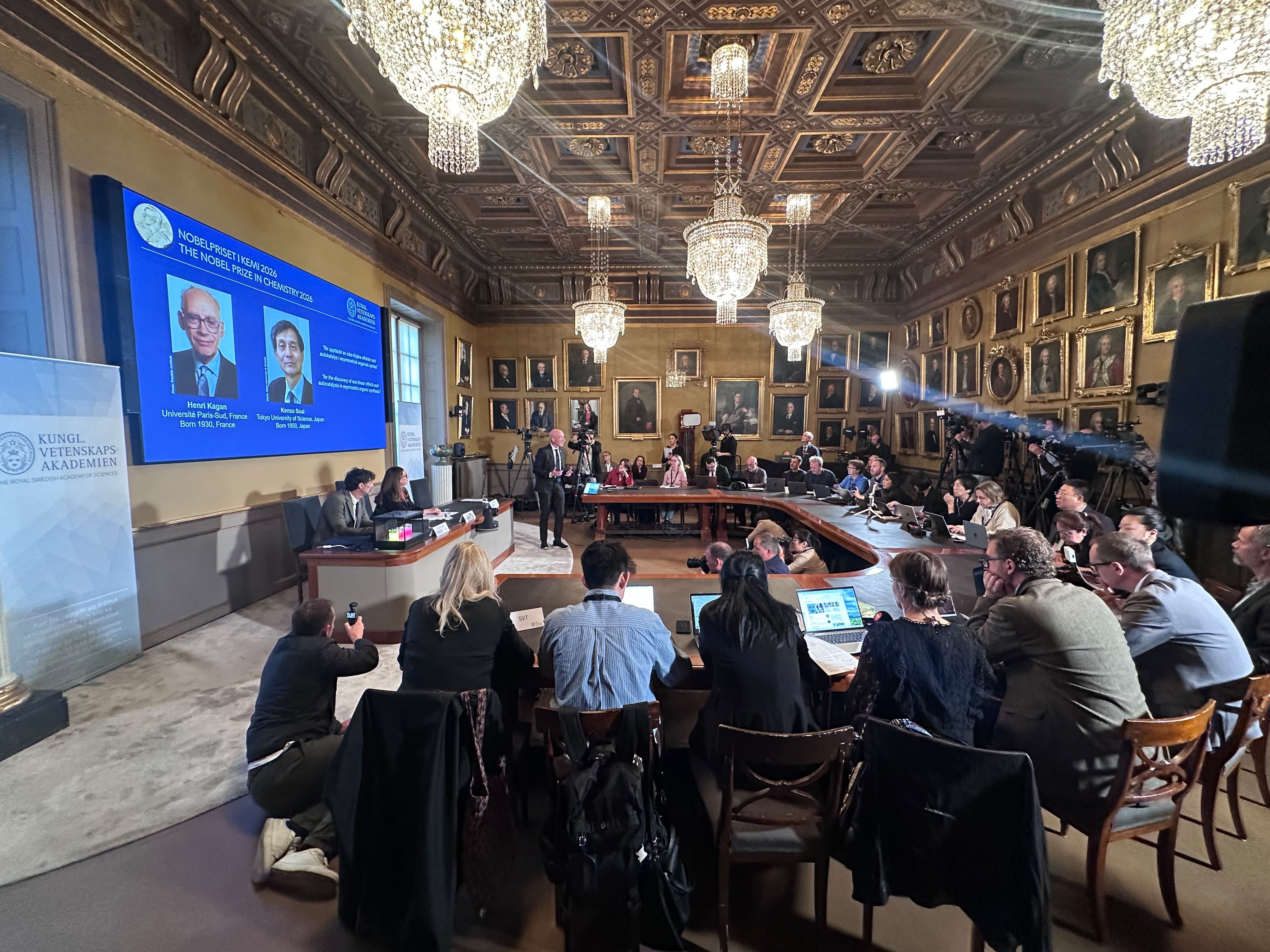
2026 Nobel Prizes in science
Belinda Smith reports on the winners of this year’s Nobel Prizes in medicine, physics and chemistry.
 The Science Show - Separate stories podcast
Lab Notes: When is it time to throw in the towel?
If you reach for the old tea towel in the cupboard, this episode is for you. It's time to talk textiles: why older towels seem to be better at drying, and when…
 The Science Show - Separate stories podcast
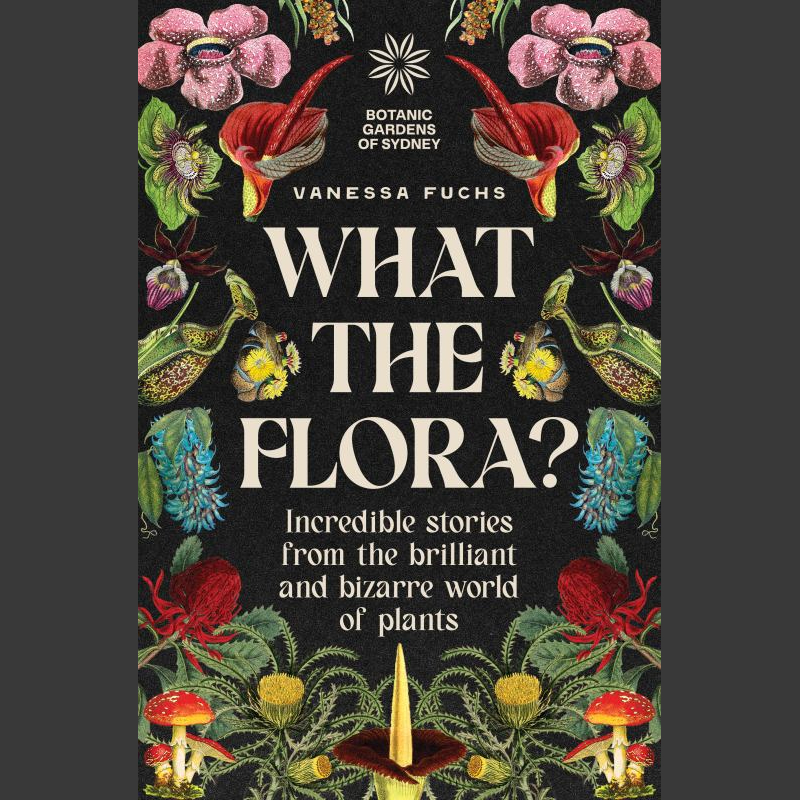
What the Flora?
In her book What the Flora? Vanessa Fuchs tells of the remarkable ways plants have shaped our world: fuelling civilisations, inspiring innovation and…
 The Science Show - Separate stories podcast
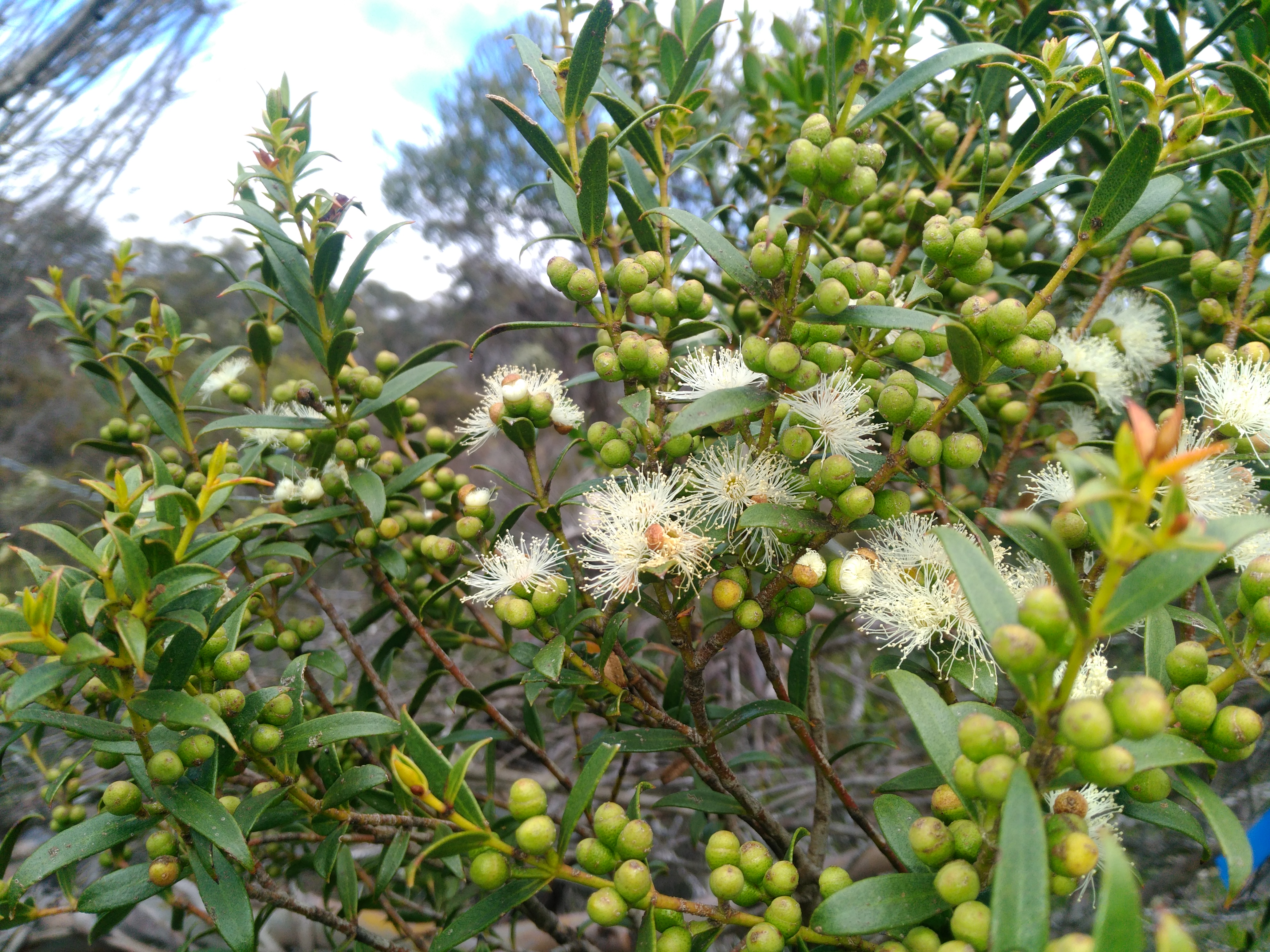
Checking the conservation status of Australia’s trees
Many Australian native trees are struggling. Nearly 25 per cent of all eucalypt species are threatened with extinction, impacted by land clearing, climate…
 The Science Show - Separate stories podcast
Dogs widely distributed across western Eurasia at least 14,300 years ago
The bones were found in 2013 by a team in Türkiye. They look like granules of instant coffee. 40 bones were recovered, with analysis applied to 10, producing…
 The Science Show - Separate stories podcast
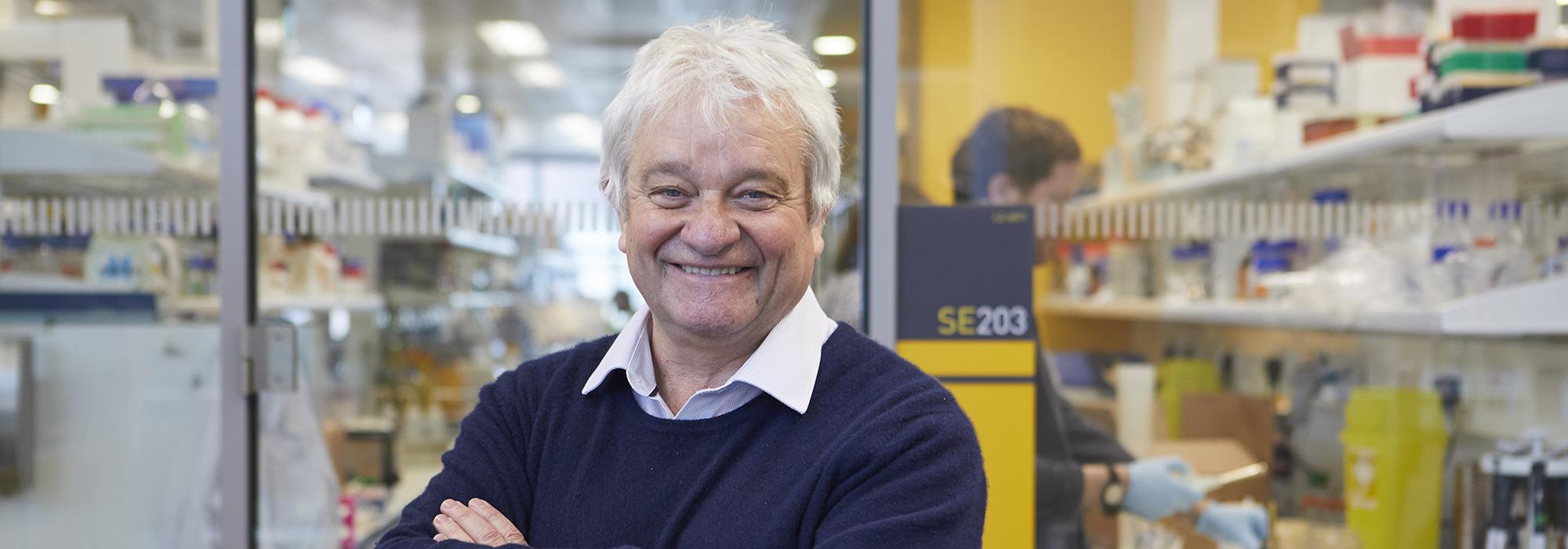
Science battles the rise of right-wing populism
Sir Paul Nurse, president of the Royal Society of London, discusses the responsibility of science in a world where ideology-driven politics is on the rise. A…
- The Science Show - Separate stories podcast
Lab Notes: Why you shouldn't leave your phone charging
Your phone battery doesn't like being fully charged or discharged. This is why it's sometimes advised that to extend its life, you shouldn't charge your phone…
 The Science Show - Separate stories podcast
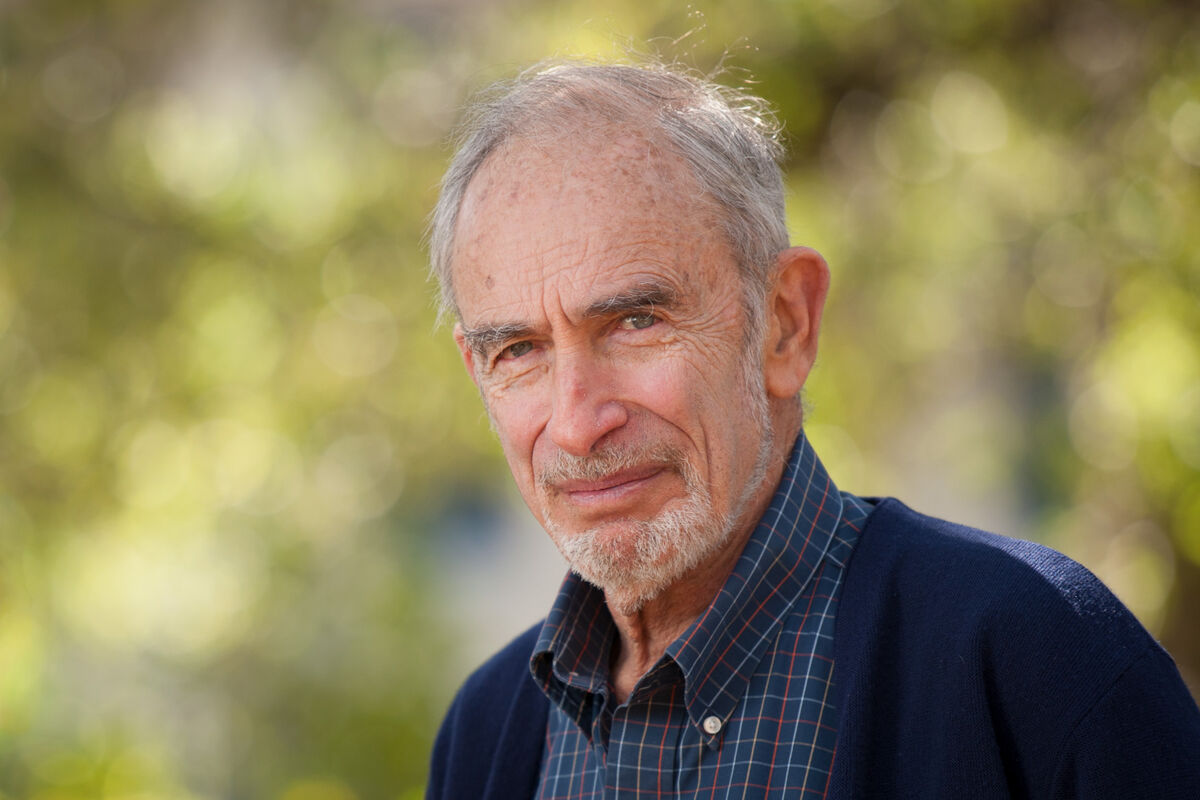
Three brilliant scientists but not always right
Three evolutionary biologists changed the way we think about life and our world. They were all brilliant in their own ways and all difficult, gutsy fighters…
 The Science Show - Separate stories podcast
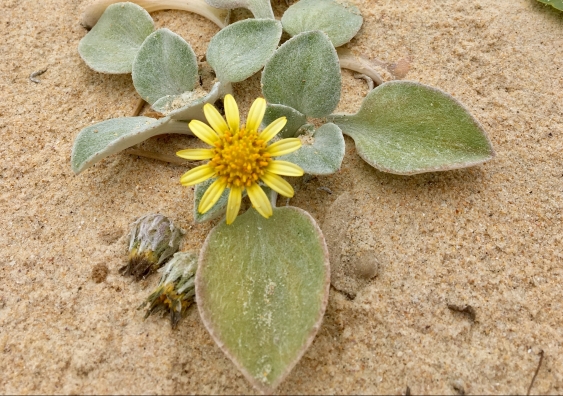
How plants are responding to climate change and should we worry about introduced plants?
Ecologist Angela Moles chats with Tim Entwisle about Australia’s support for young scientists and how it compares with other OECD countries. They discuss how…
 The Science Show - Separate stories podcast
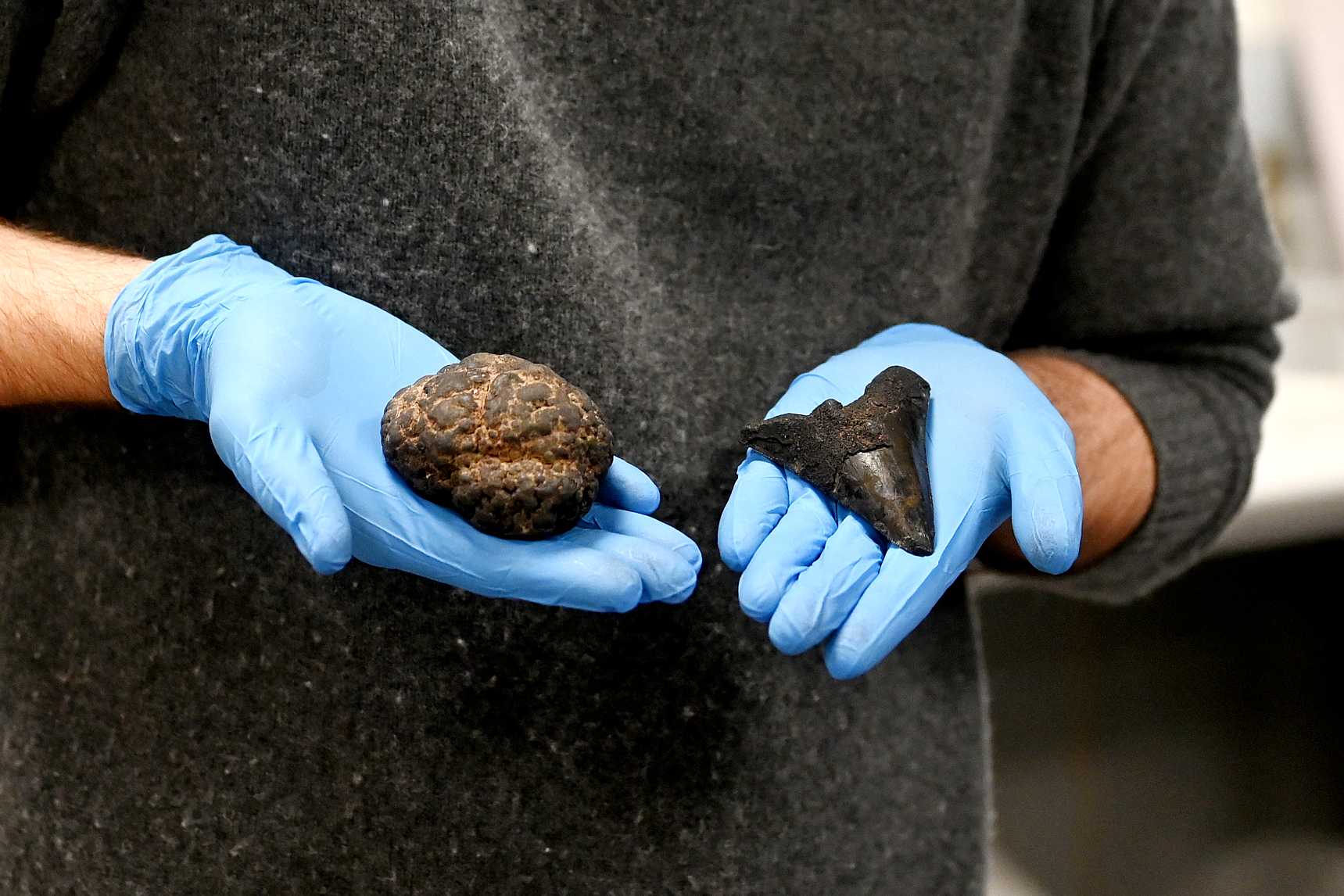
The value of deep-sea nodules for palaeontology and industry
Millions, perhaps billions of sharks teeth lie on the ocean floor. Valuable mineral deposits collect on their fossilised remains. Now they are viewed as a…
- The Science Show - Separate stories podcast
Lab Notes: Have we found dark matter?
Deep in an old gold mine in South Dakota, scientists witnessed a flash of energy in a giant pool of xenon. Some in the astronomical community are pretty…
 The Science Show - Separate stories podcast
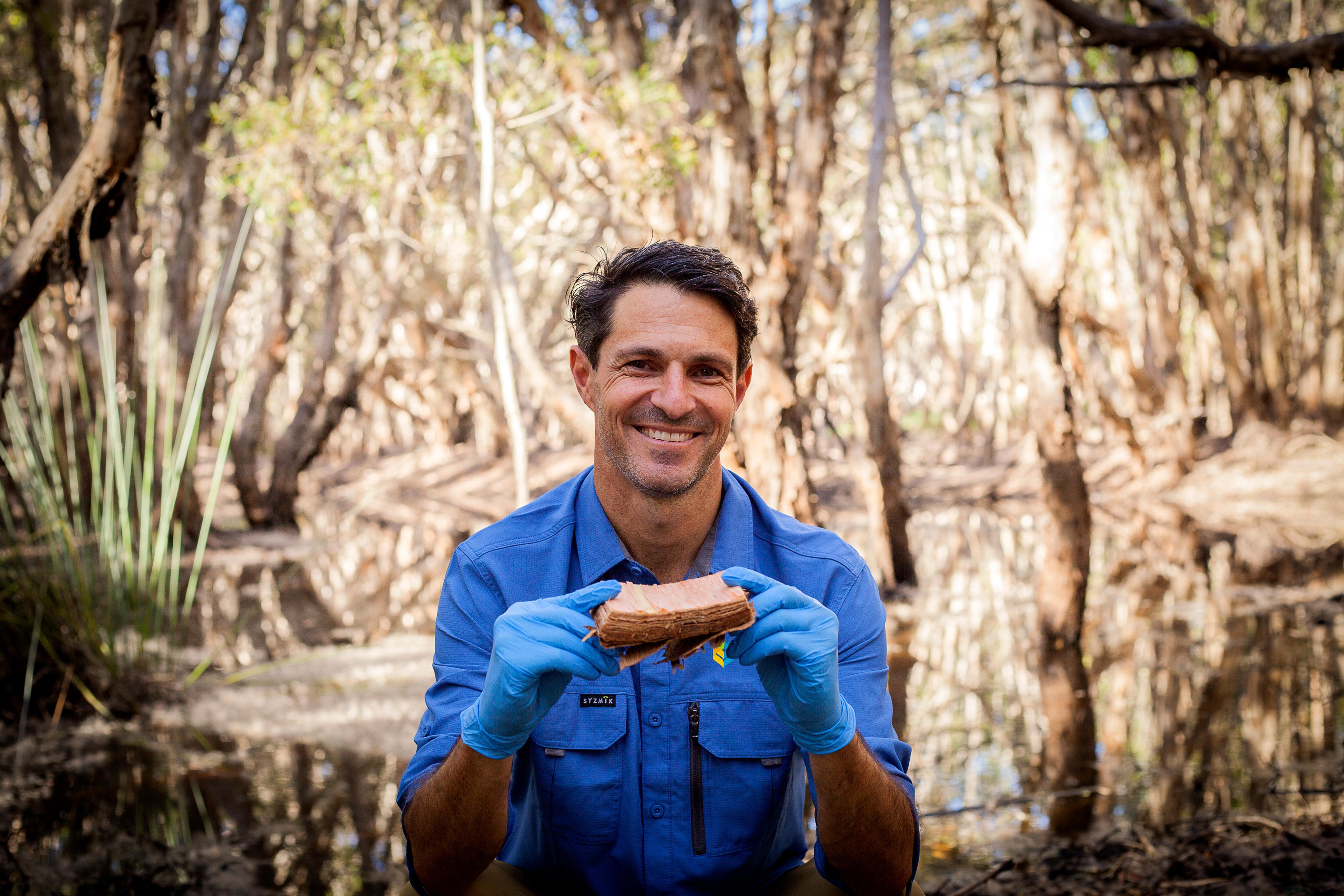
Tree bark home to methane-absorbing microbes
Trees take carbon dioxide from the air for photosynthesis, and it turns out microbes living in tree bark can absorb another potent greenhouse gas, methane.
 The Science Show - Separate stories podcast
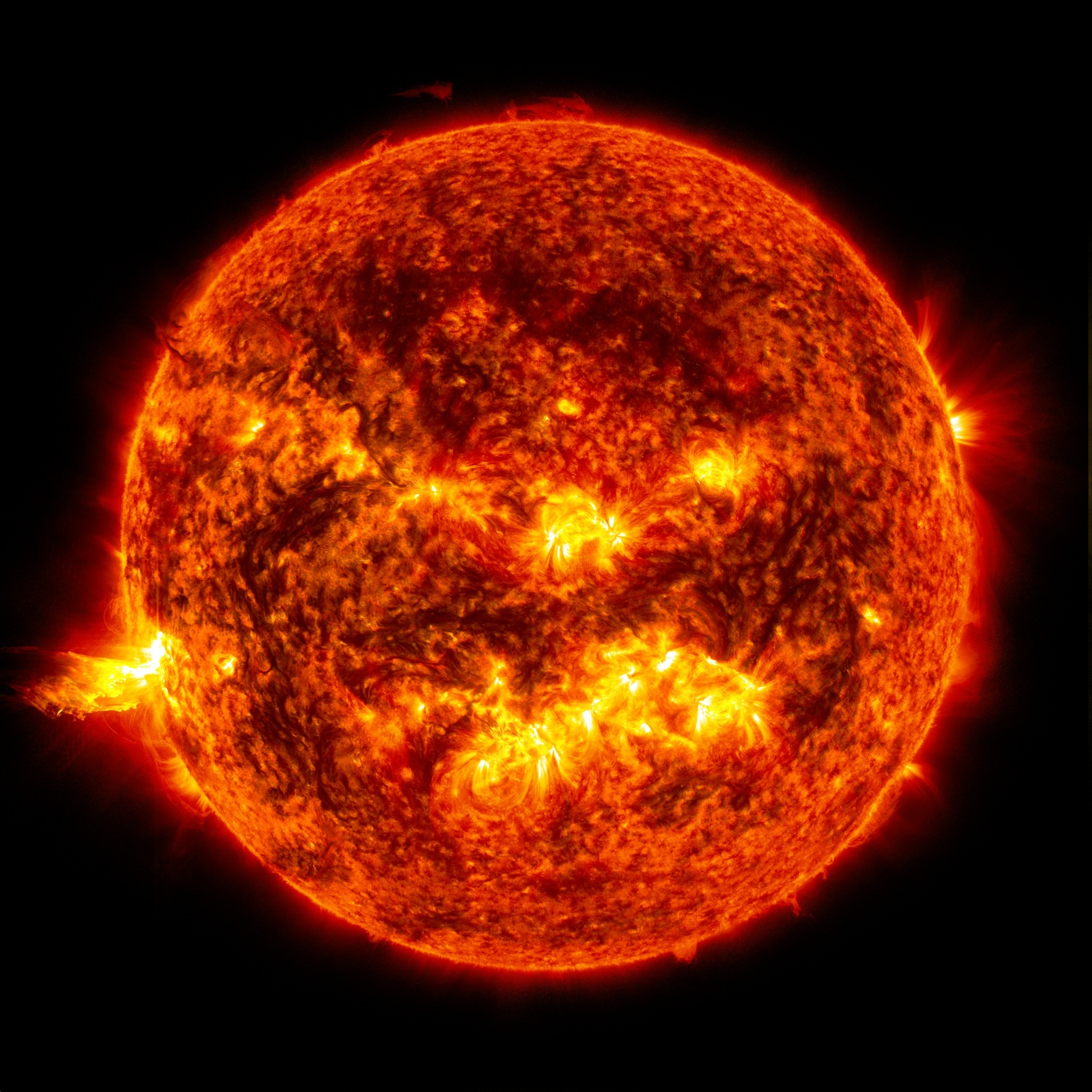
When did space weather start affecting technology?
Around the start of September 1859, an intense solar storm triggered widespread auroras and set fires in telegraph stations throughout Europe and North…
 The Science Show - Separate stories podcast
Why Roman concrete lasts for centuries
The Pantheon in Rome features the world's largest unreinforced concrete dome. It has a diameter of more than 43 metres and was completed nearly 2,000 years ago…
 The Science Show - Separate stories podcast
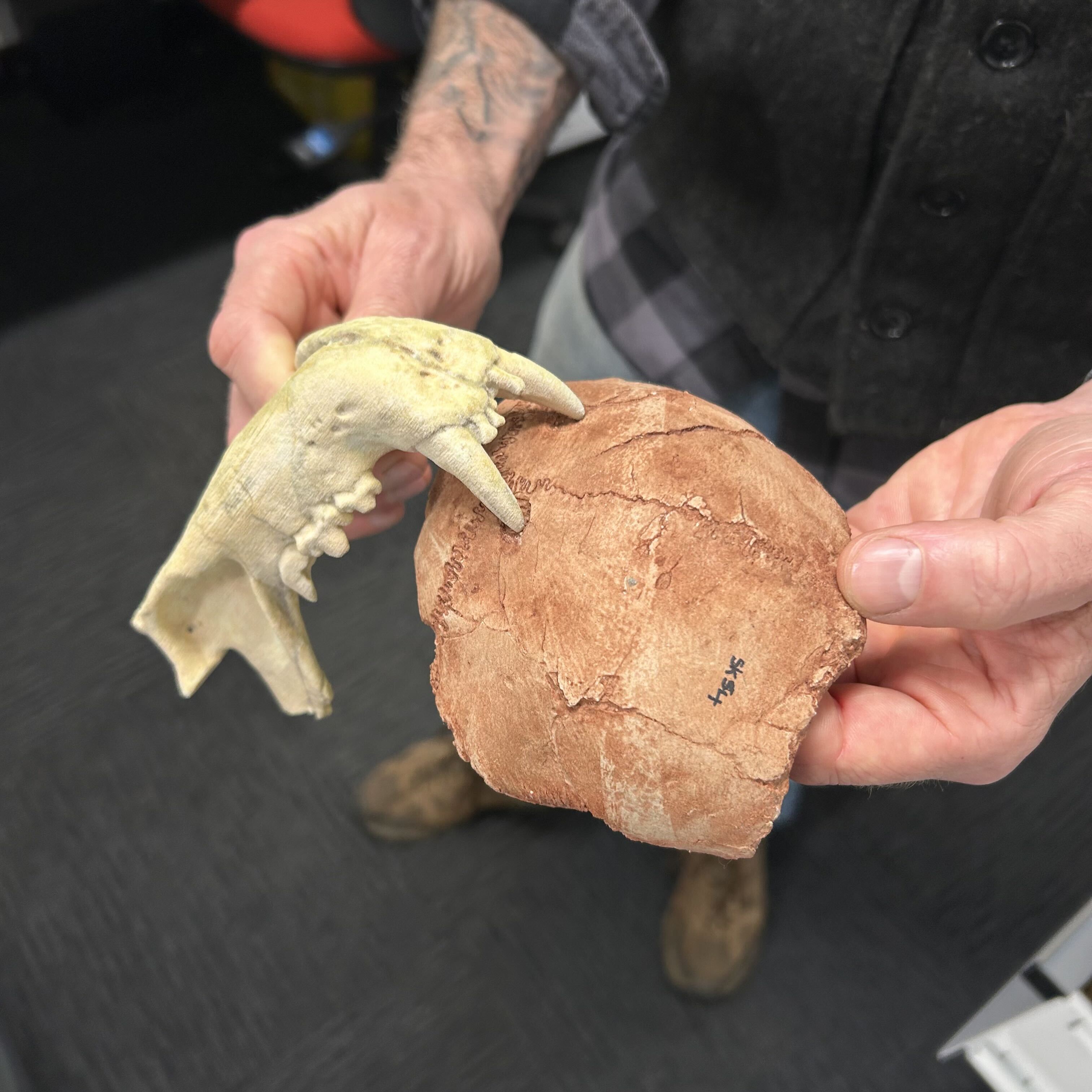
The extinct big cats that hunted our ancestors
The African lion and, to a lesser extent, the leopard, are the most dangerous big cats for people living in Africa today. But a couple of million years ago…
- The Science Show - Separate stories podcast
Lab Notes: The AI maths wars
AI is getting so good at maths that it is now tackling, and apparently solving, some of the hardest mathematical problems that exist. But as huge companies…
 The Science Show - Separate stories podcast
How algorithms shape what we read
There's a corner of the social media platform TikTok that has racked up hundreds of billions of views and it is all about books. BookTok is a subcommunity of…
 The Science Show - Separate stories podcast
AI reduces barriers for people with dyslexia
Dyslexia is not just difficulty in reading and spelling fluency — it affects many aspects of life, such as work or even following a map or recipe. But now the…
 The Science Show - Separate stories podcast
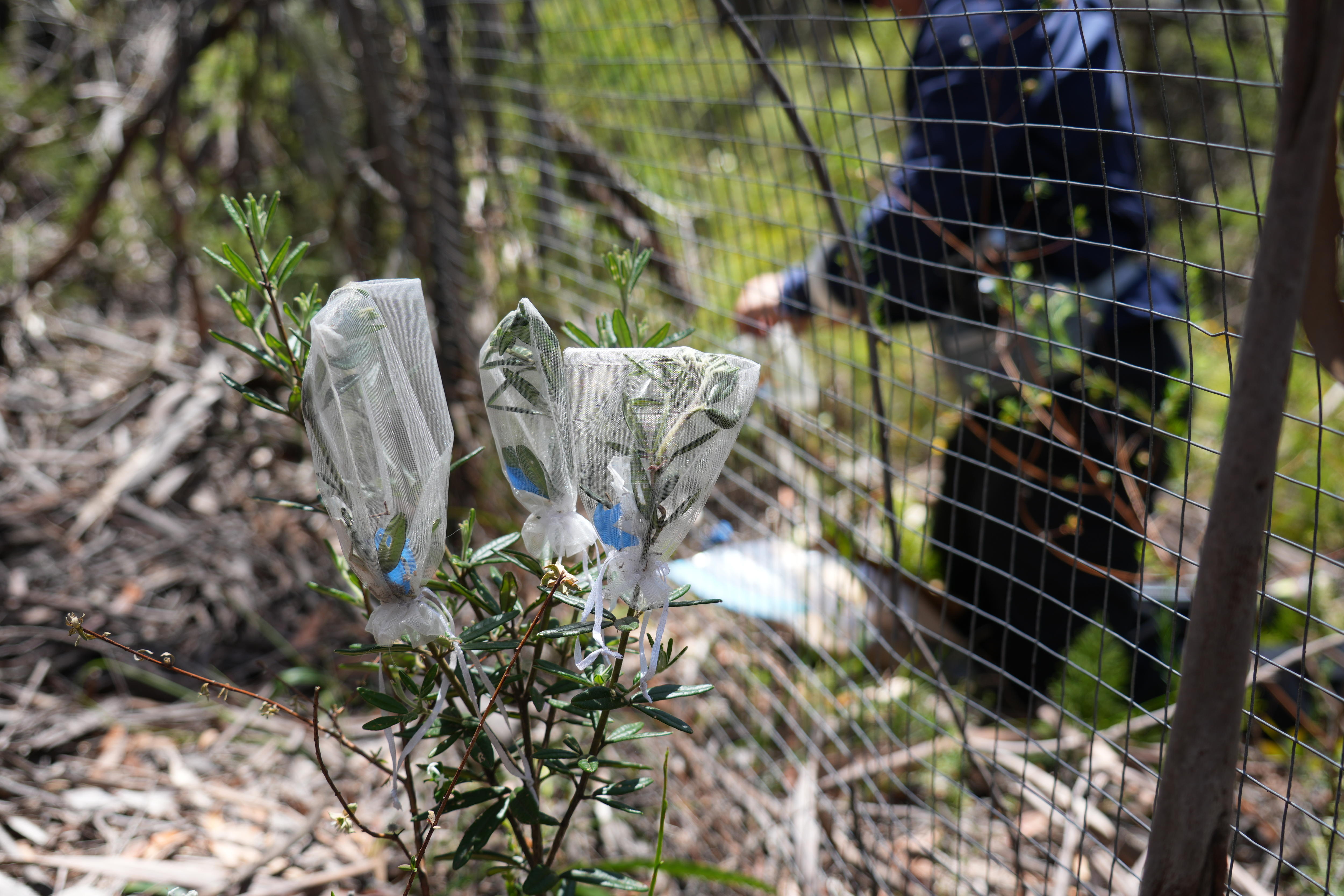
Intervention to save a native plant
In the Blue Mountains west of Sydney a rescue mission is underway to save an endangered plant. But the main threat isn't climate change or habitat loss, it is…
 The Science Show - Separate stories podcast
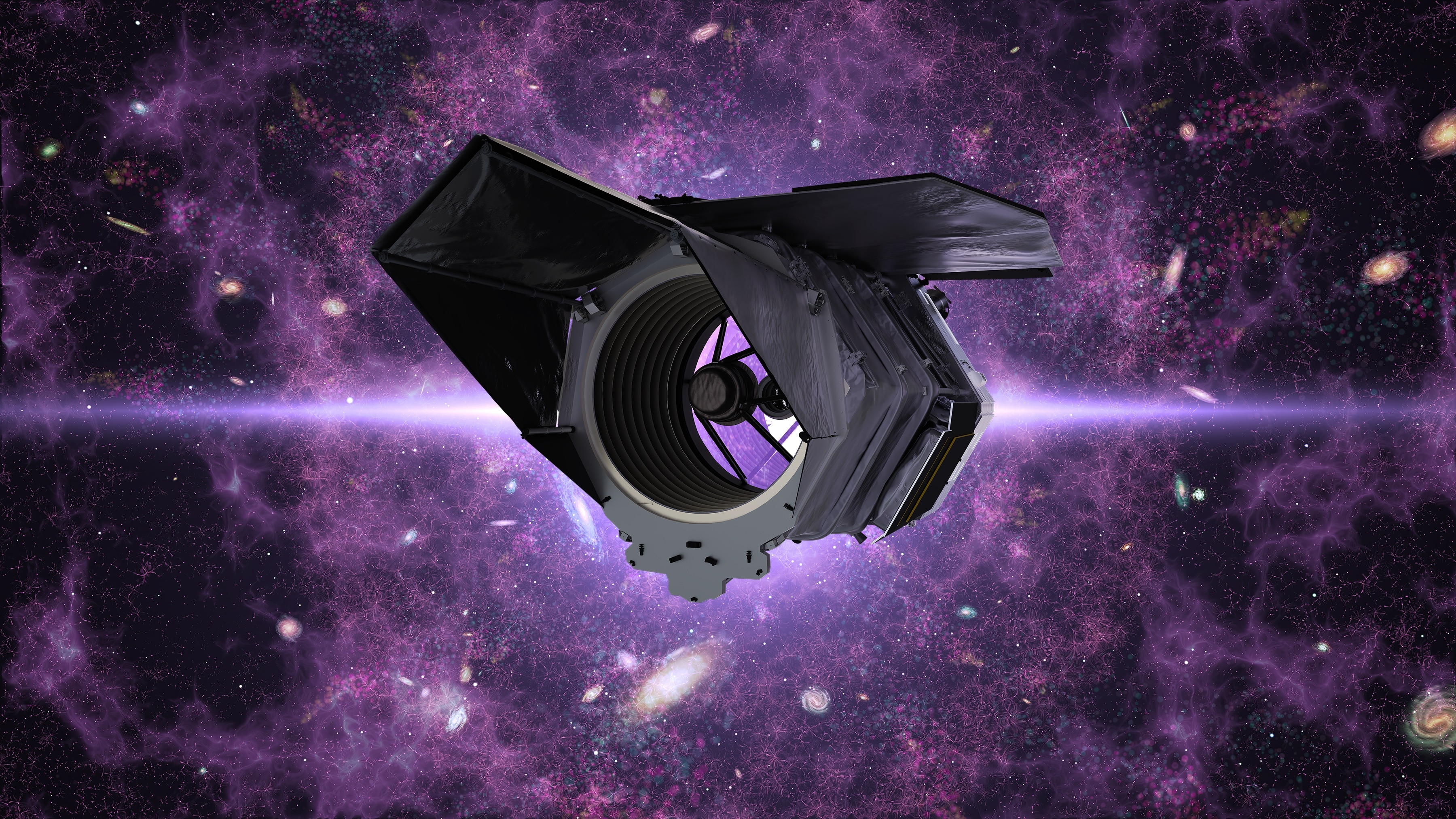
Repurposed spy satellite to map the Universe
NASA has just launched the Nancy Grace Roman Space Telescope, which started life as a spy satellite. It will look for alien planets, map the Universe, and…
 The Science Show - Separate stories podcast
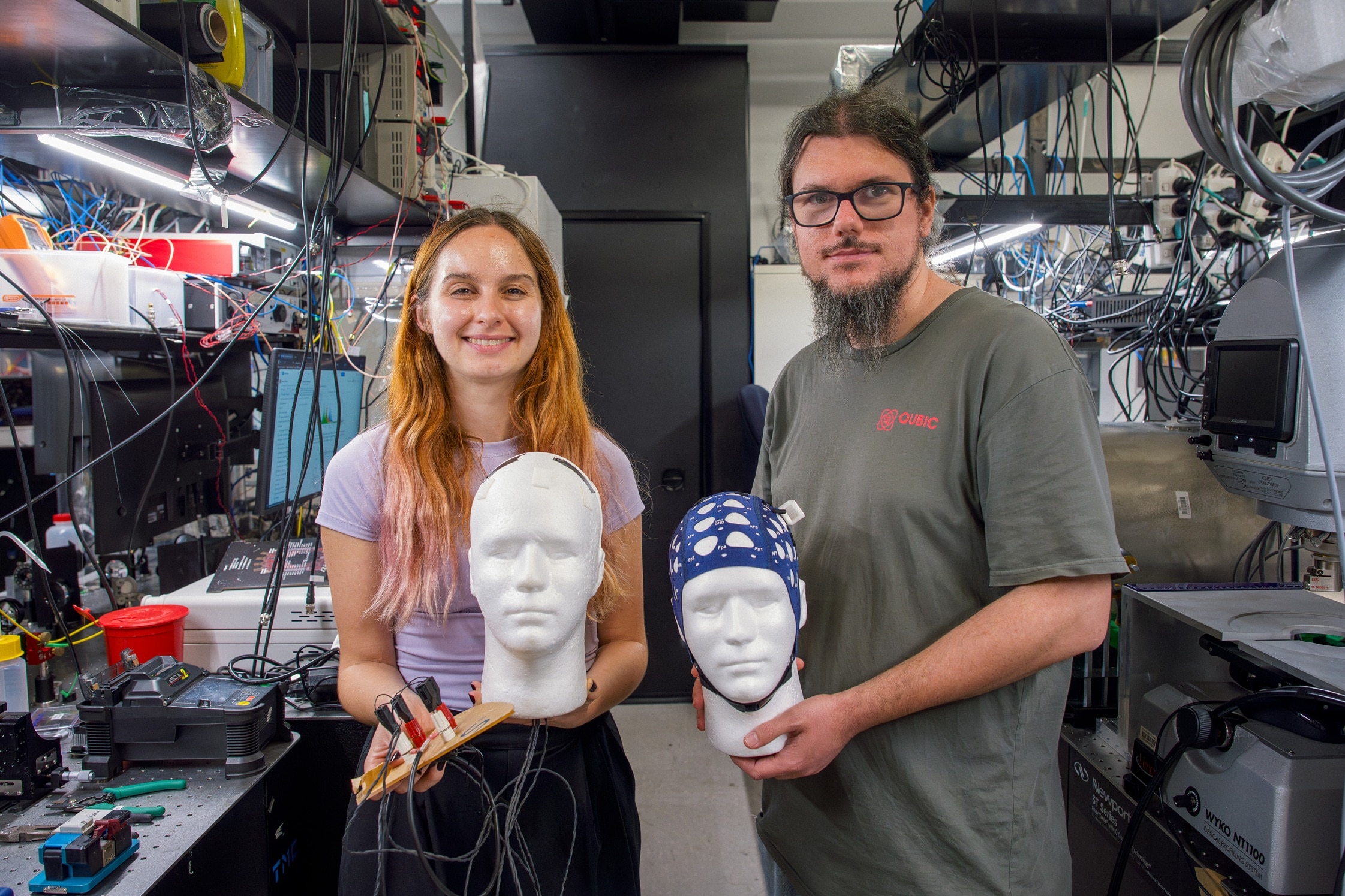
New approach to detecting and measuring concussion
When sports people are assessed for concussion, doctors look for physical signs and consider the results of brain function tests. Researchers at The University…
- The Science Show - Separate stories podcast
Lab Notes: Where could bird flu go next?
It's been three months since the first case of bird flu was found on the Australian continent. Many cases have been found in birds since then, along with other…
 The Science Show - Separate stories podcast
Young scientists at the Beaker Street Festival
Stories of hope about water and coastlines from the 2026 Beaker Street Festival: How a brush with death steered Allison Reynolds towards a career in water…
 The Science Show - Separate stories podcast
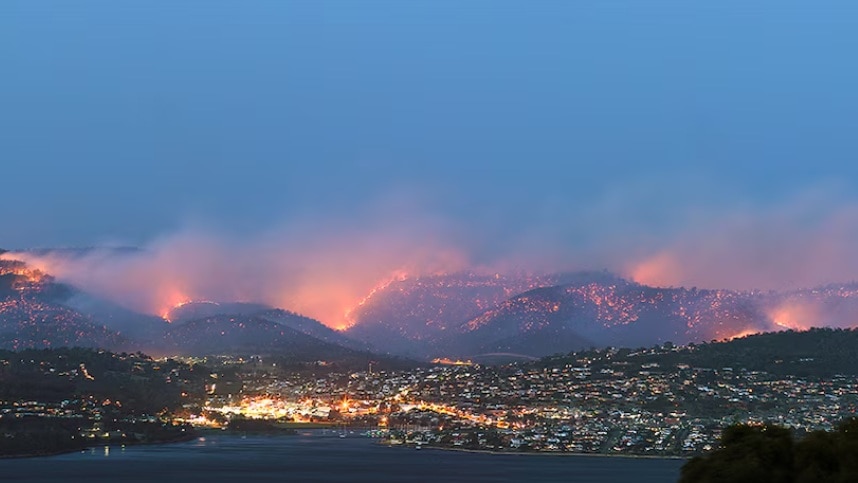
Europe's dire fire season a warning of what's to come
Wildfires in Europe so far in 2026 have been vast and ferocious. The destruction and loss of life have been on a new scale in France, Spain, Greece and even in…
 The Science Show - Separate stories podcast
Mindset matters: Why optimists live longer than pessimists
While the practice of using positive thoughts and visualisation to turn your goals into reality — sometimes called "manifesting" — simply can't make $1,000…
 The Science Show - Separate stories podcast
Why we value viciousness in friends
What's the most valued quality you look for in friends? Kindness? Trustworthiness? What about ... viciousness? It turns out 'nice' qualities aren't always what…