Shows / The Science Show - Separate stories podcast

The Science Show - Separate stories podcast
The Science Show gives Australians unique insights into the latest scientific research and debate, from the physics of cricket to prime ministerial biorhythms.
Subscribe in your app
Choose an installed app, or copy the RSS feed into any podcast app. Finish subscribing there.
Follow below adds this show to Your shows in skinny. Log in to let subscribe clicks tune your For you feed.
The show, from its episodes
No episode notes yet. Recurring topics, people and notes-based starter picks will appear when notes are available.
Typical episode length
10m · median of 352 full episodes with a known length
Solo / guest format
Unknown — existing notes name people mentioned, but do not identify hosts or guests.
Recurring topics
No recurring topics established yet.
Recurring people
No recurring people established yet.
Start here
No starter picks yet — no published full episodes with audio and a recorded notes hook.
Shows like this
From recent shows with similar descriptionsEpisodes
- The Science Show - Separate stories podcast
Lab Notes: Why are we ticklish?
Most people know the feeling of ticklishness, whether it's the tickle attacks that bring about uncontrollable laughter or the feather-like touch from something…
 The Science Show - Separate stories podcast
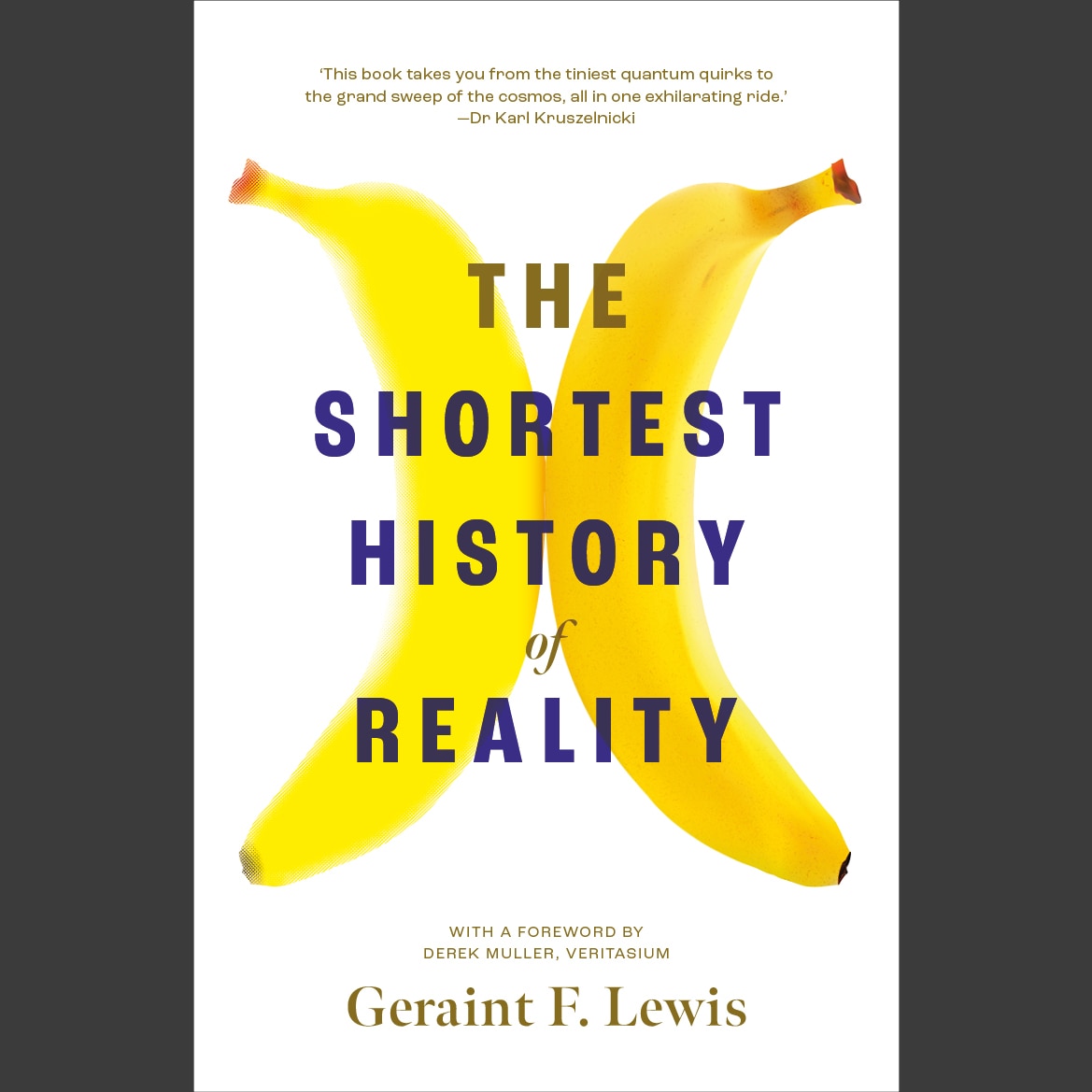
Get real! – but how?
One of the most obvious challenges to our concept of reality, is the idea that there are many other universes coinciding with ours. But how? And can we prove…
 The Science Show - Separate stories podcast
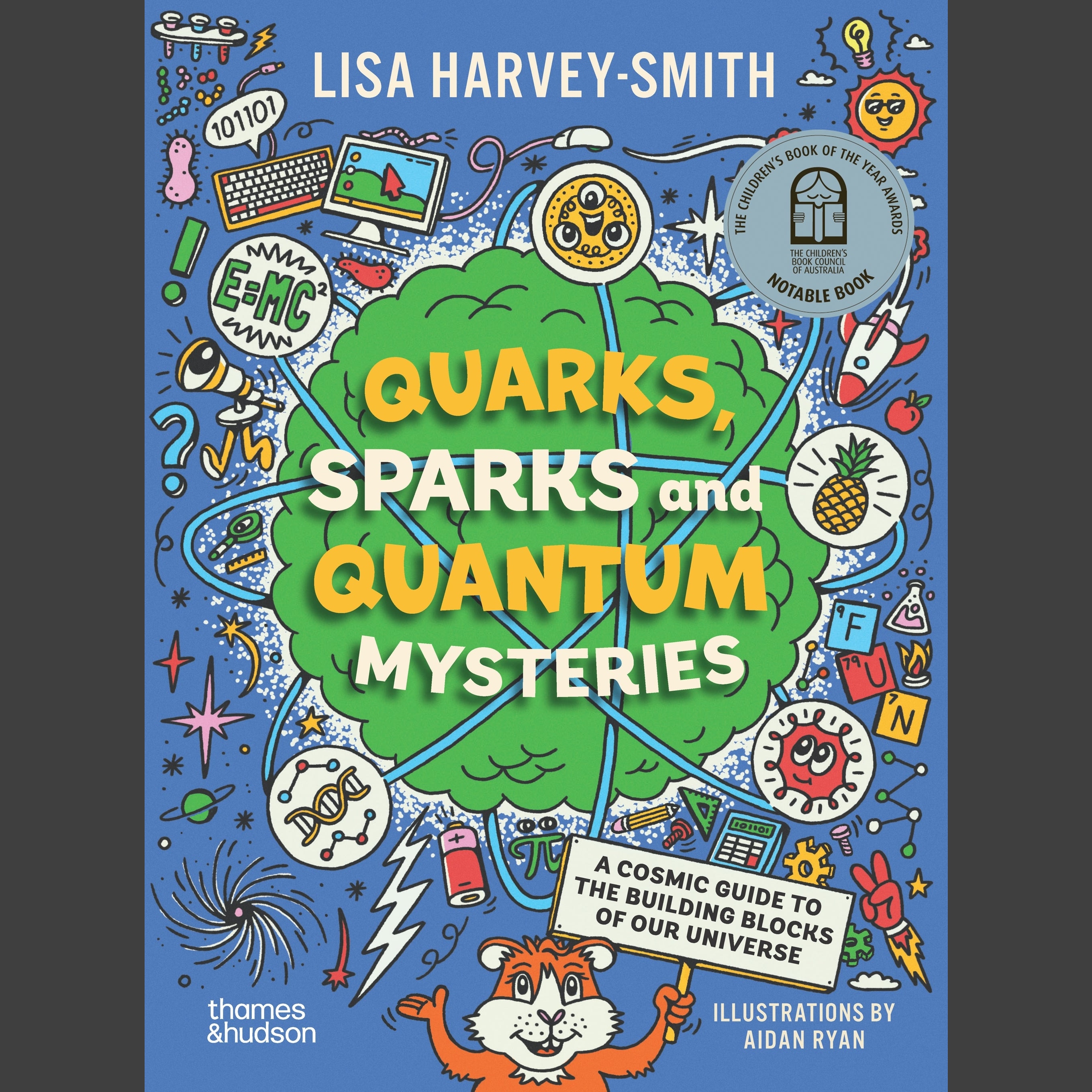
Science for juniors through books and reflections on the mysteries of particle physics
As Professor of Practice at the University of New South Wales, Lisa Harvey-Smith provides support for teachers of junior science. She has written books for…
 The Science Show - Separate stories podcast
Scientists petition on gas tax and science funding
It was a full page in the Australian Financial Review last week and included top names in both energy and climate science. The signatories are calling for the…
 The Science Show - Separate stories podcast
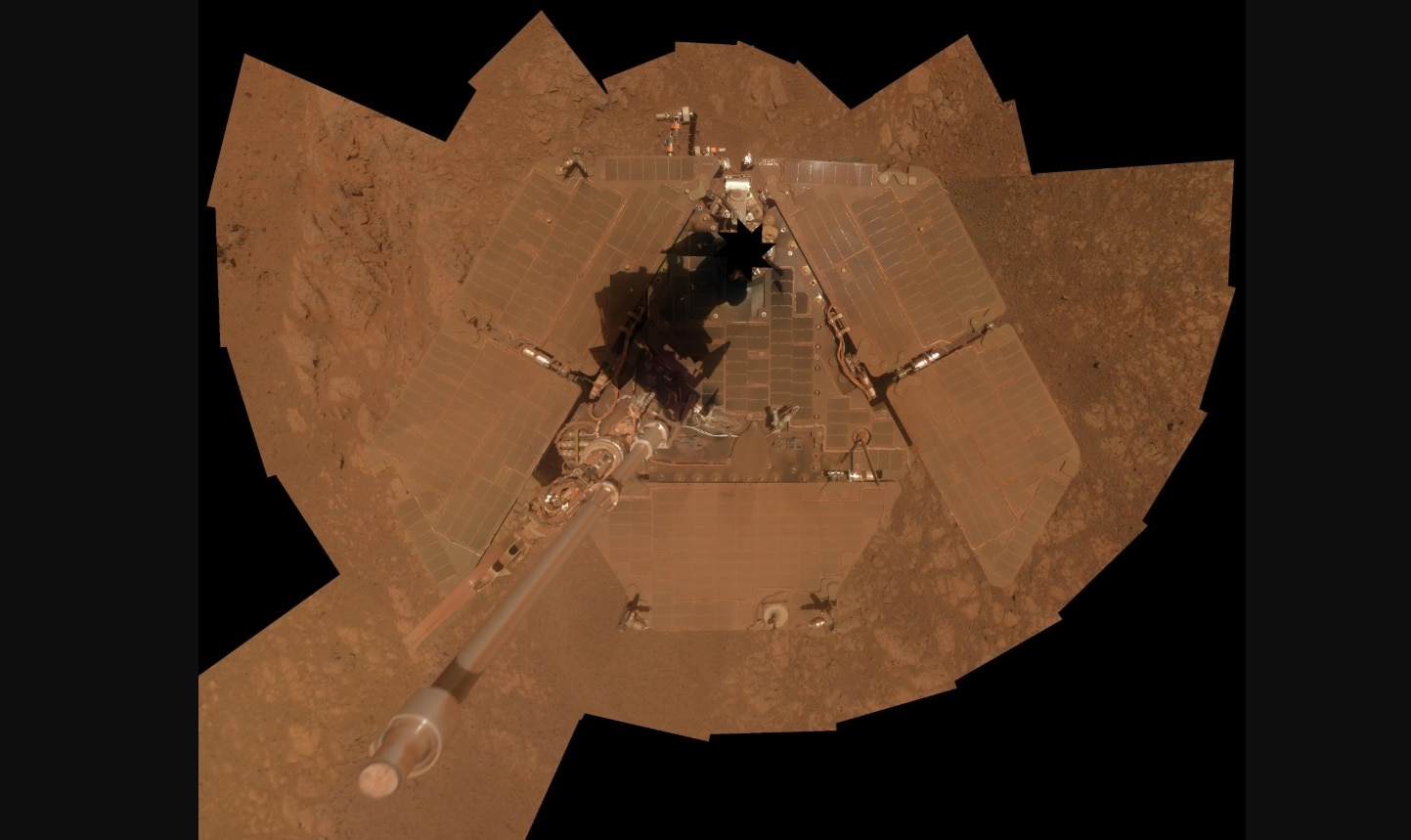
Dust storms on Mars are out of this world
As spring approaches in Australia, we prepare for dust storms, driven mainly by cold fronts moving over the continent’s southeast and interior. But Mars is a…
 The Science Show - Separate stories podcast
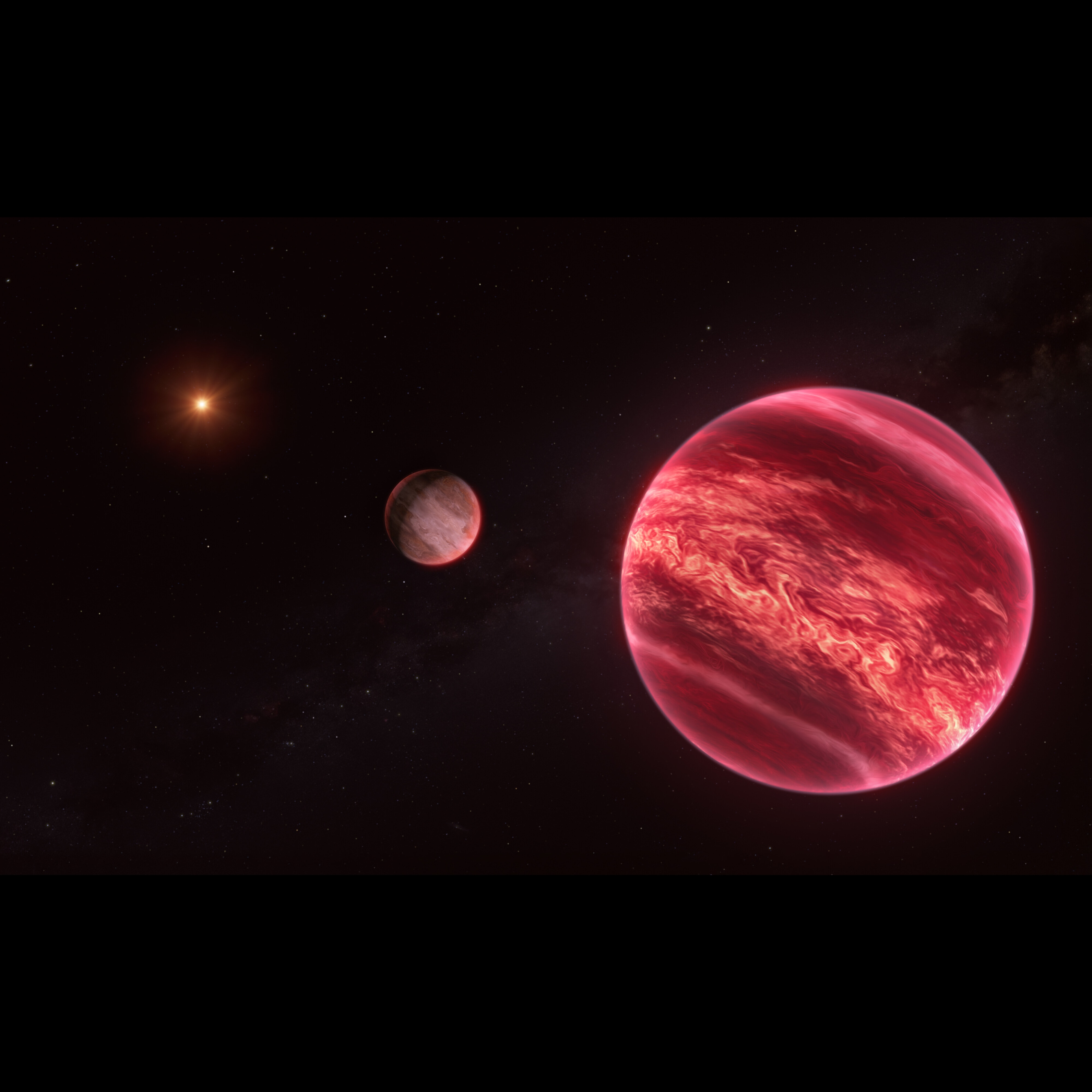
Strong hint of a moon outside our Solar System
It has been more than 30 years since astronomers found the first exoplanet — a planet outside the Solar System — and now researchers from Chile think they may…
 The Science Show - Separate stories podcast
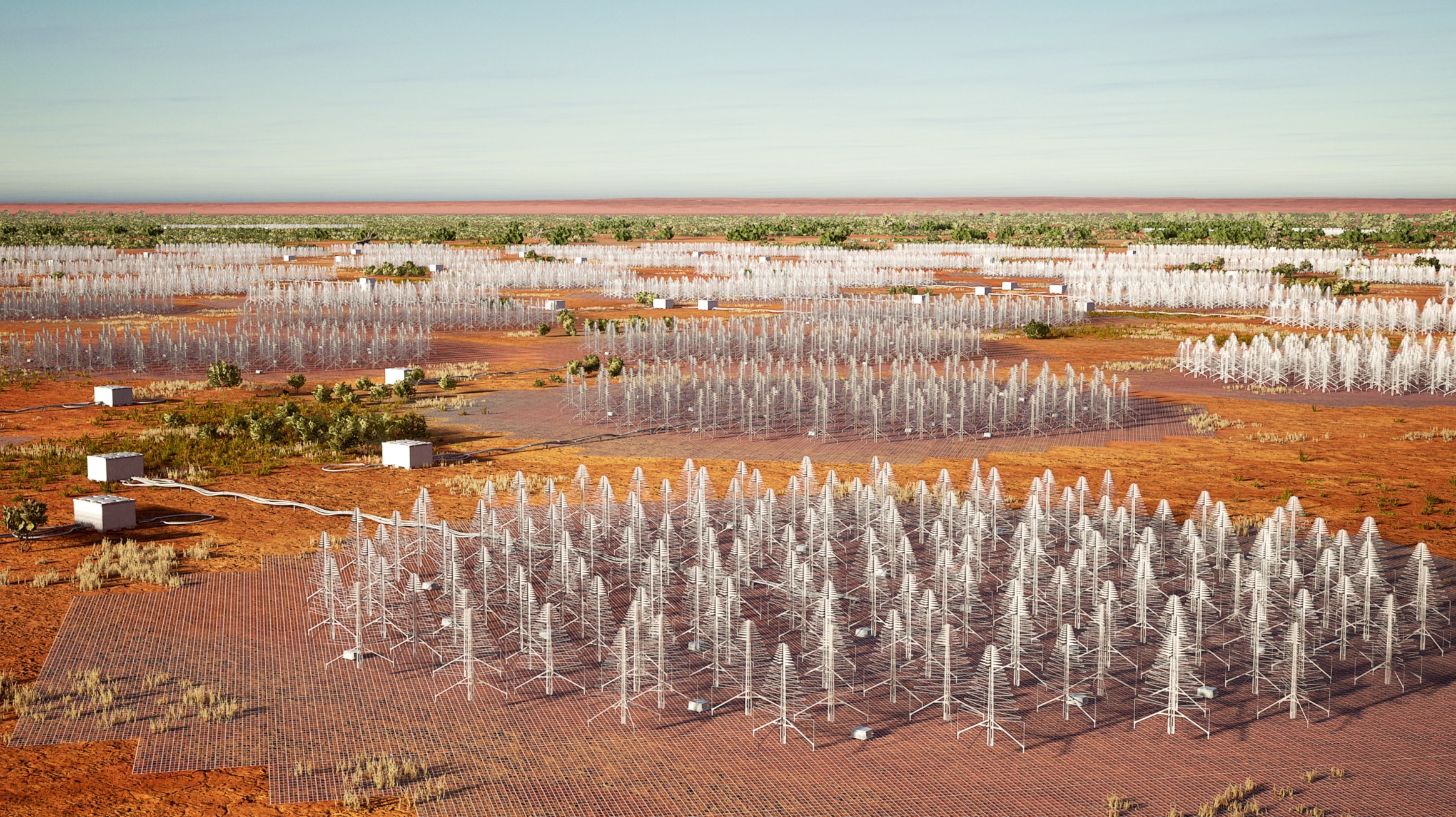
New Australian leader for Square Kilometre Array
The Square Kilometre Array is so large it requires two countries: Australia and South Africa. The venture has a new boss, Australian Jessica Dempsey. The…
- The Science Show - Separate stories podcast
Lab Notes: The redback sex-death somersault
These little spiders that live in the dark corner of your garage have a pretty crazy sex life. Researchers have known for a while that male redback spiders get…
 The Science Show - Separate stories podcast
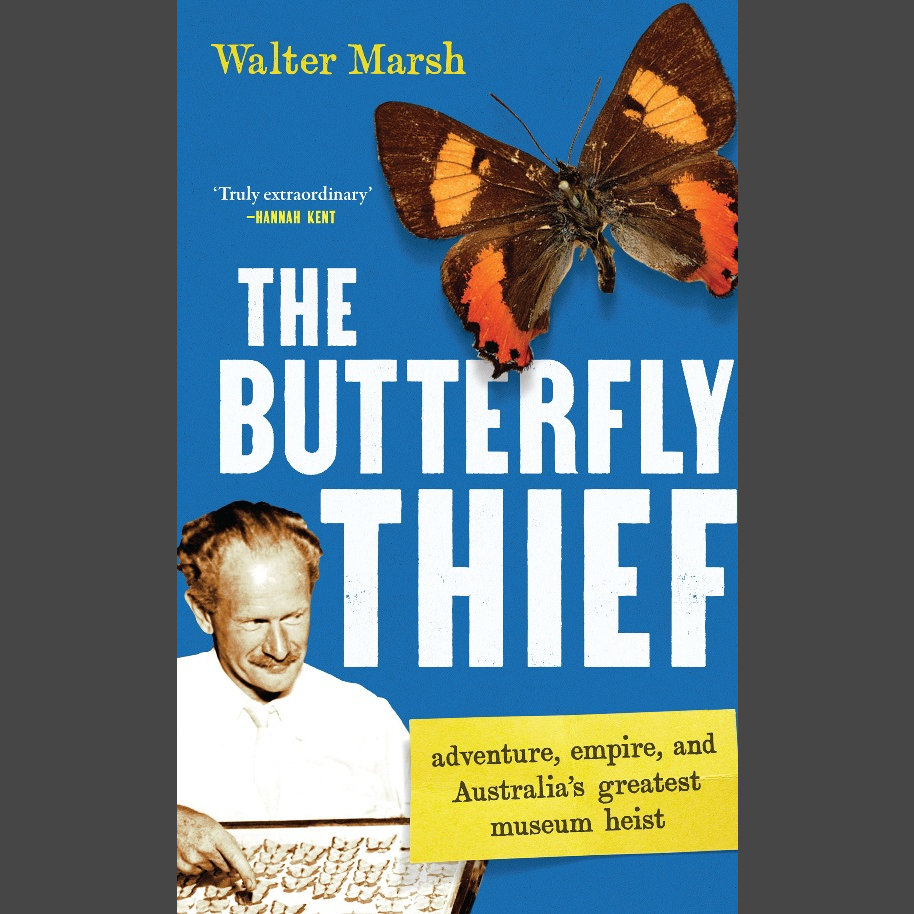
The Butterfly Thief
Who was the man who stole hundreds of rare butterfly specimens from Australian museums 70 years ago? And why on earth did he do it? Peter Bernhardt reviews a…
 The Science Show - Separate stories podcast
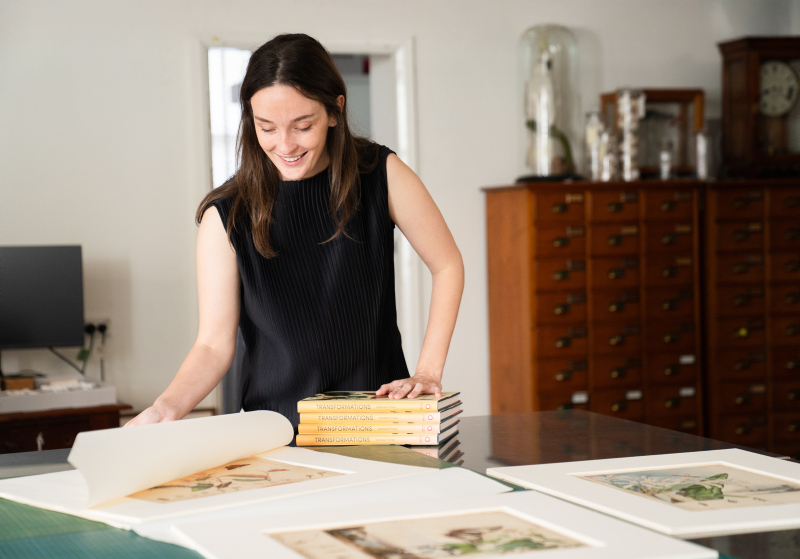
The remarkable Scott sisters
Back at the time of Charles Darwin in the 1800s, a pair of artists in Sydney were producing incredibly detailed and lifelike illustrations of insects and…
 The Science Show - Separate stories podcast
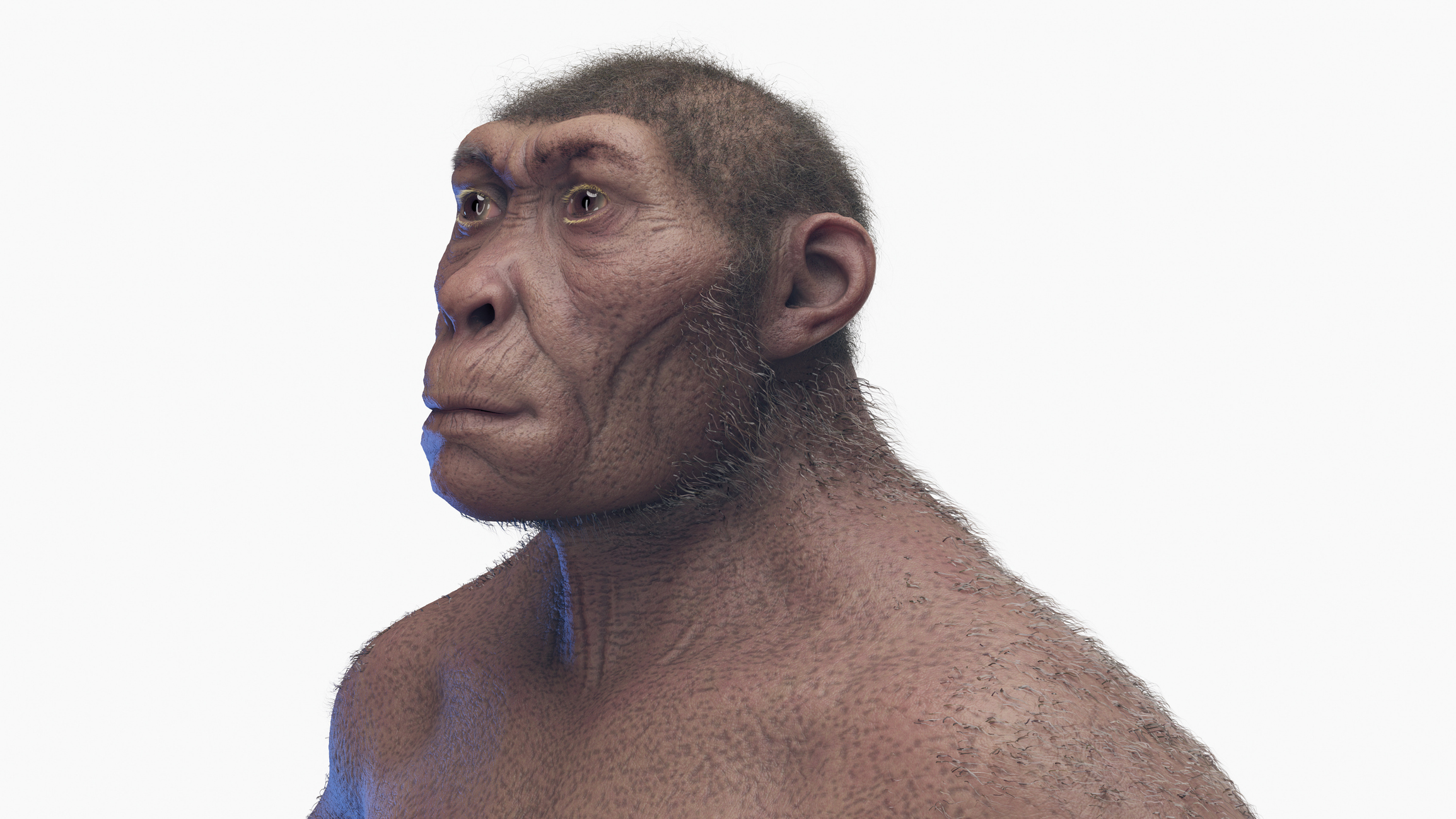
Who should be called Homo?
It was thought Homo habilis, the ancient tool-using "handy man", gave rise to Homo erectus, which gave us Neanderthals in Europe and Homo sapiens in Africa…
 The Science Show - Separate stories podcast
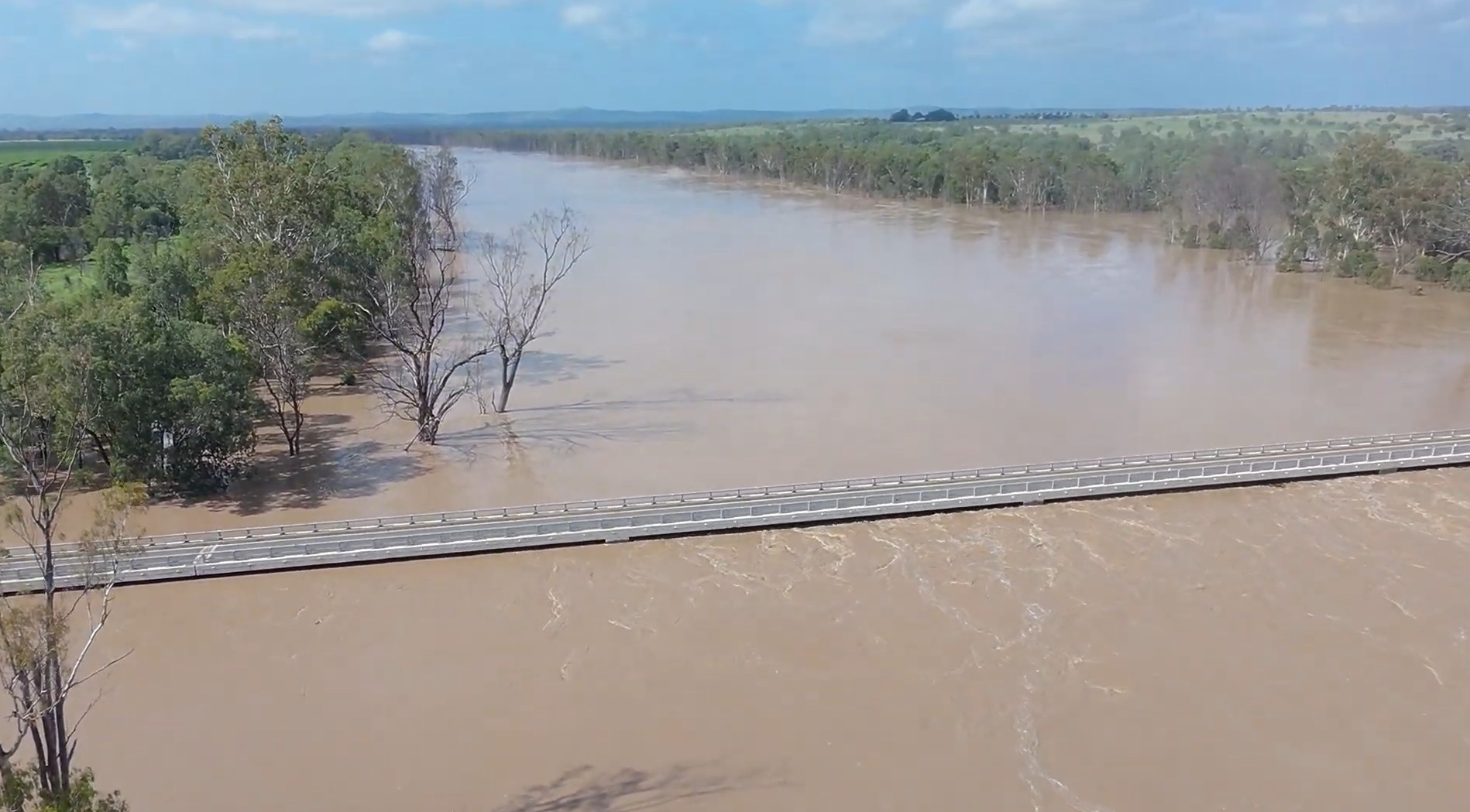
The problem with fast-flowing rivers
Rapidly rushing rivers scour the land, washing huge amounts of soil and other material out to sea. Adam Rose at Central Queensland University is looking for…
 The Science Show - Separate stories podcast
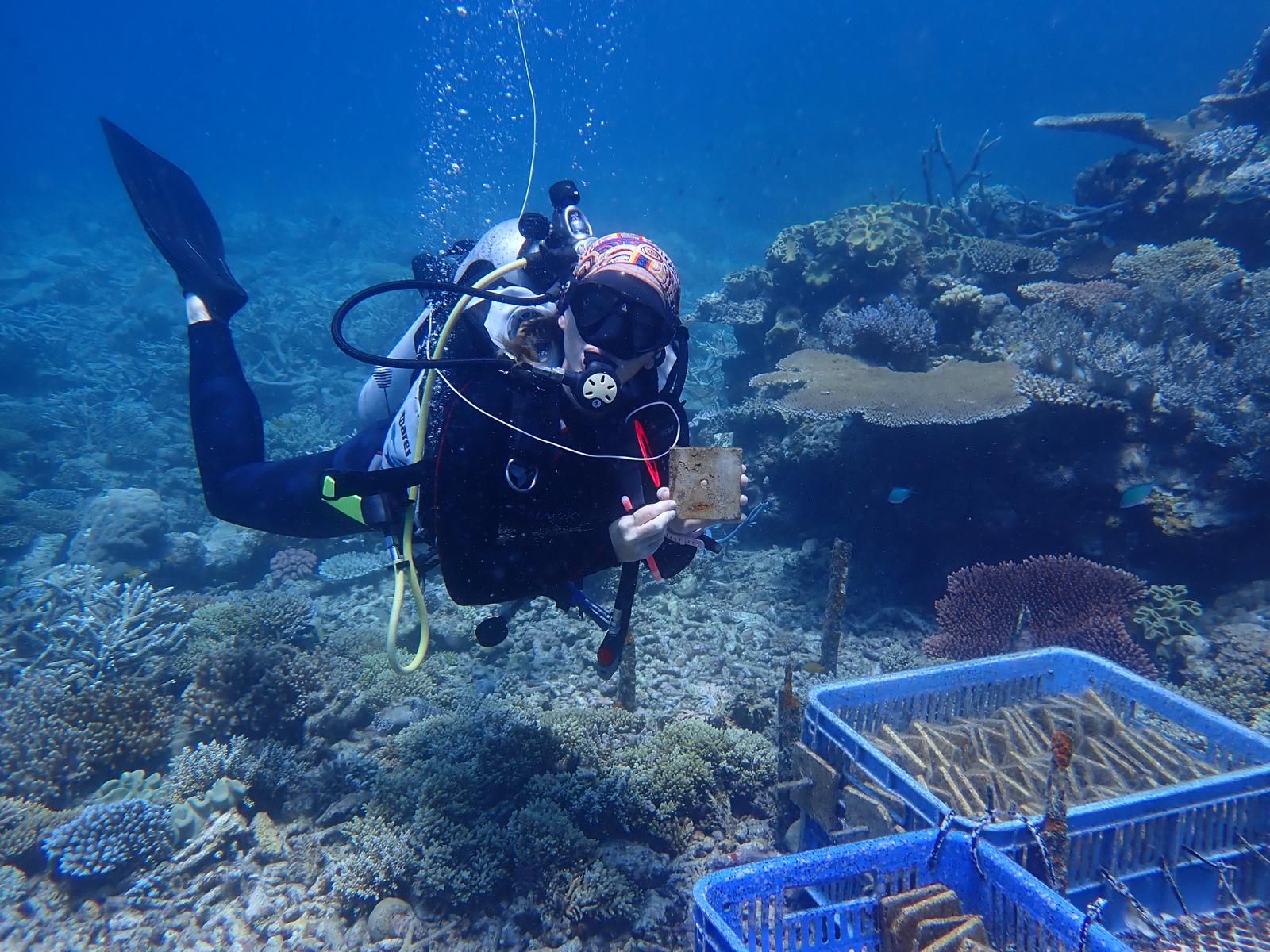
Feeding fats to corals
A monsoon over summer provided some reprieve for the heat-stressed Great Barrier Reef but this effect was short-lived. Jennifer Matthews at UTS is looking for…
- The Science Show - Separate stories podcast
Lab Notes: The 'Hail Mary' effort to rescue a telescope
Right now, a high-stakes mission is underway to save NASA's Swift telescope before it falls back to Earth. There's just one problem… the rescue satellite has…
 The Science Show - Separate stories podcast
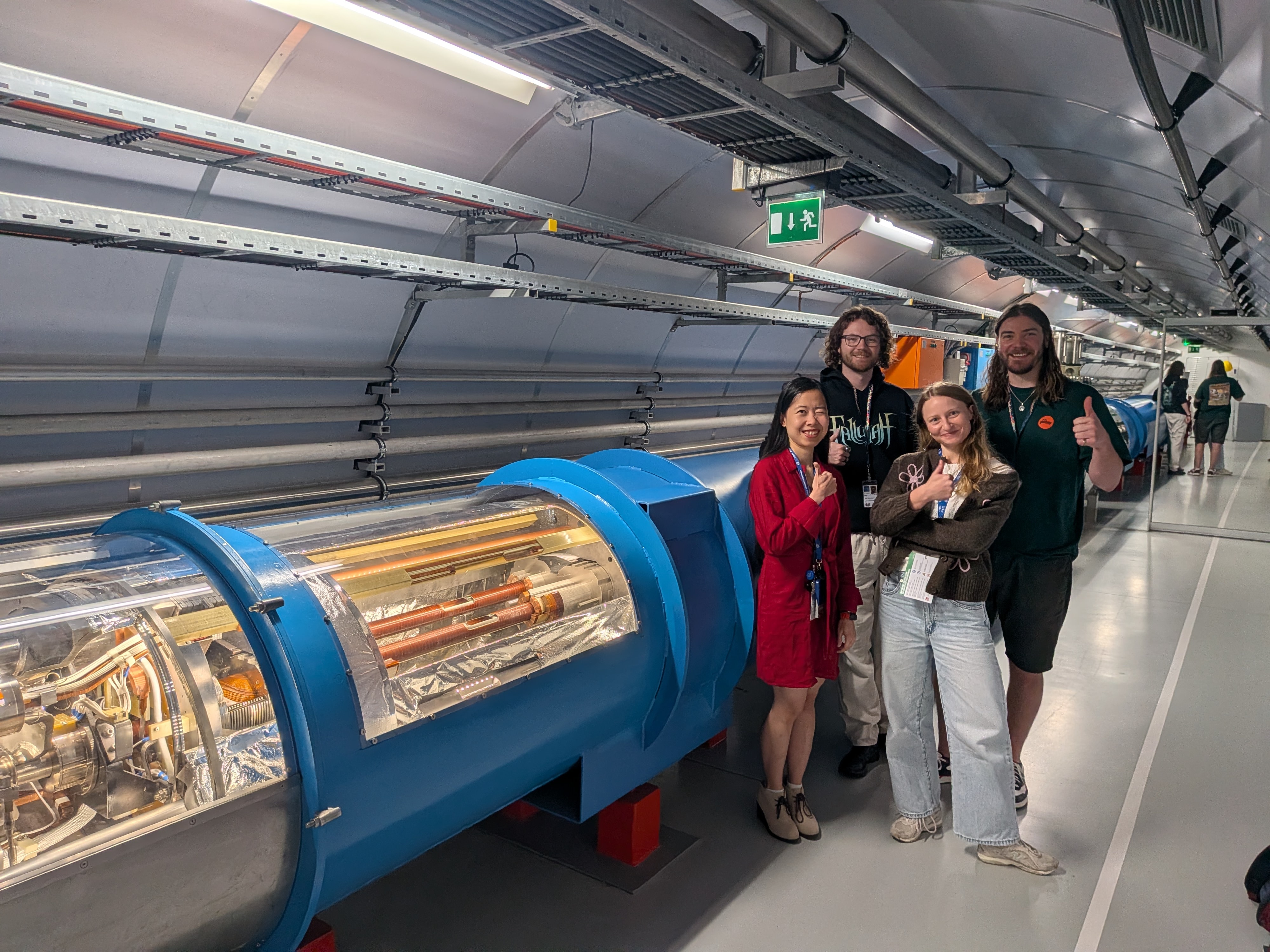
Australians smashing it at CERN
CERN, the European Organization for Nuclear Research, is the world's biggest particle physics laboratory. Located near Geneva on the border of France and…
 The Science Show - Separate stories podcast
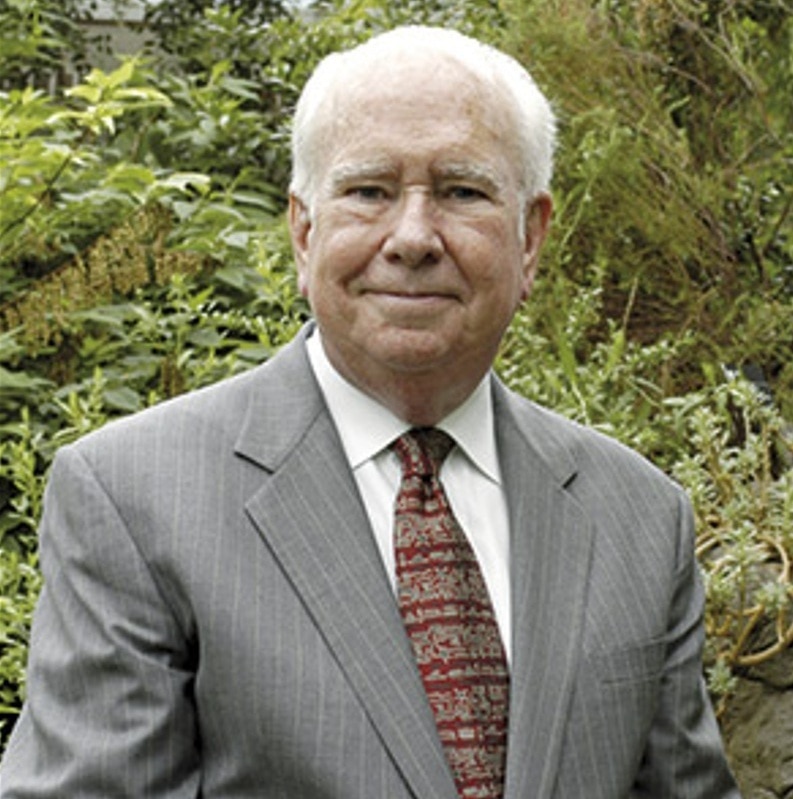
Vale botanist Peter Raven
Peter Raven’s industry was staggering. He did a massive survey of plants in China; he advised several US presidents and the Dalai Lama; he rescued the Missouri…
 The Science Show - Separate stories podcast
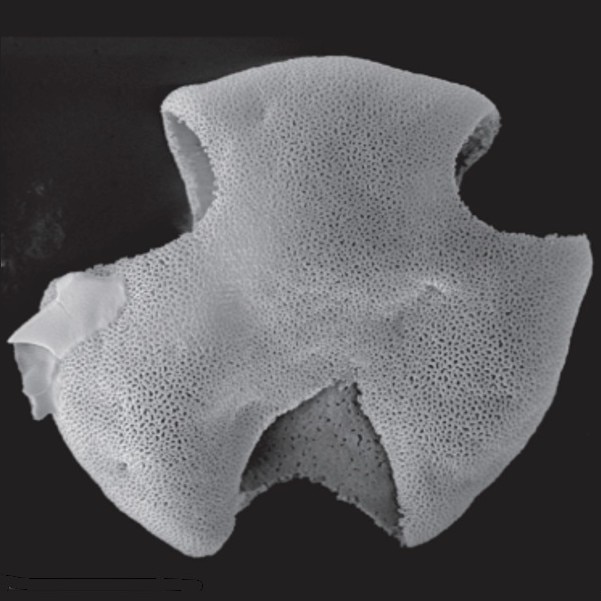
Pollen grains reveal Australia's first flowering plants
Australia is home to around 20,000 flowering plants. But when did the first flowers emerge? Vera Korasidis at the University of Melbourne is a palynologist — a…
 The Science Show - Separate stories podcast
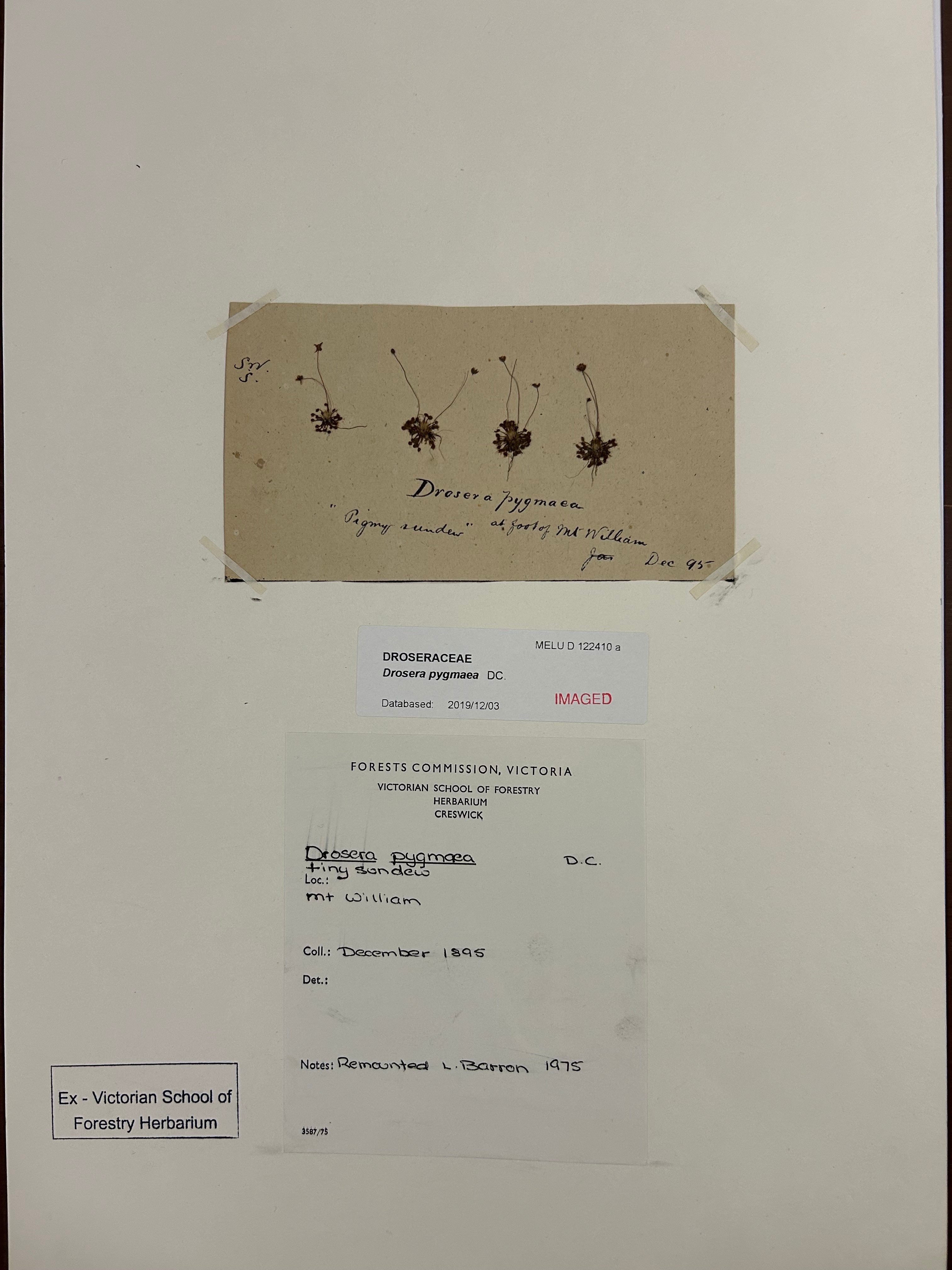
Plants that trap insects
Some of the most beautiful Australian native plants have spring-loaded traps that move faster than the blink of an eye. Jo Birch, curator of the University of…
 The Science Show - Separate stories podcast
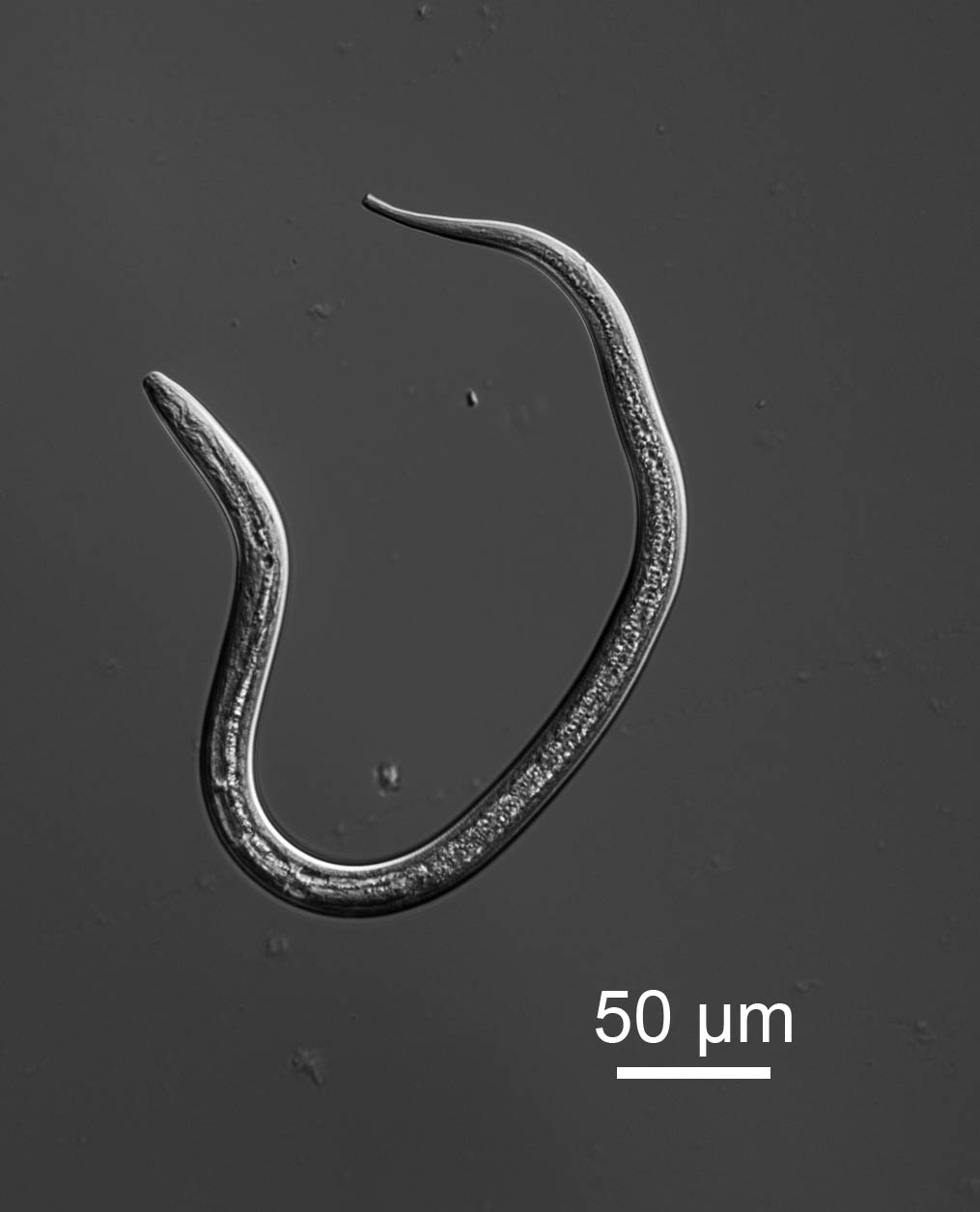
Smelly feet attractive for nematodes
Nematodes are microscopic worms. They are everywhere. Up to 40,000 species have been described. There may be as many as one million discrete species. Some live…
- The Science Show - Separate stories podcast
Lab Notes: How do flowers know when to bloom?
The last days of winter are here and already you may be seeing flowers blooming around you. Why is that? How do flowers know when to bloom, and is it always…
 The Science Show - Separate stories podcast
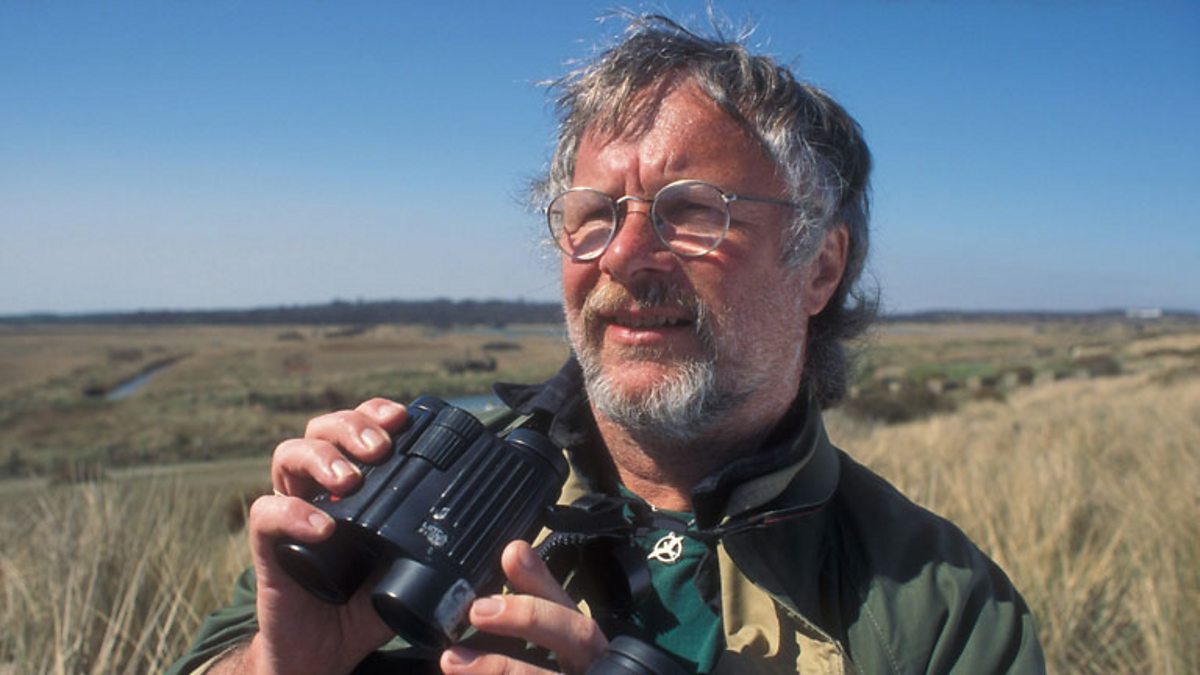
Vale Bill Oddie
The famous British comedian, naturalist, and TV host Bill Oddie known for his lifelong passion for birds died in July 2026. After rising to fame in the 1970s…
 The Science Show - Separate stories podcast
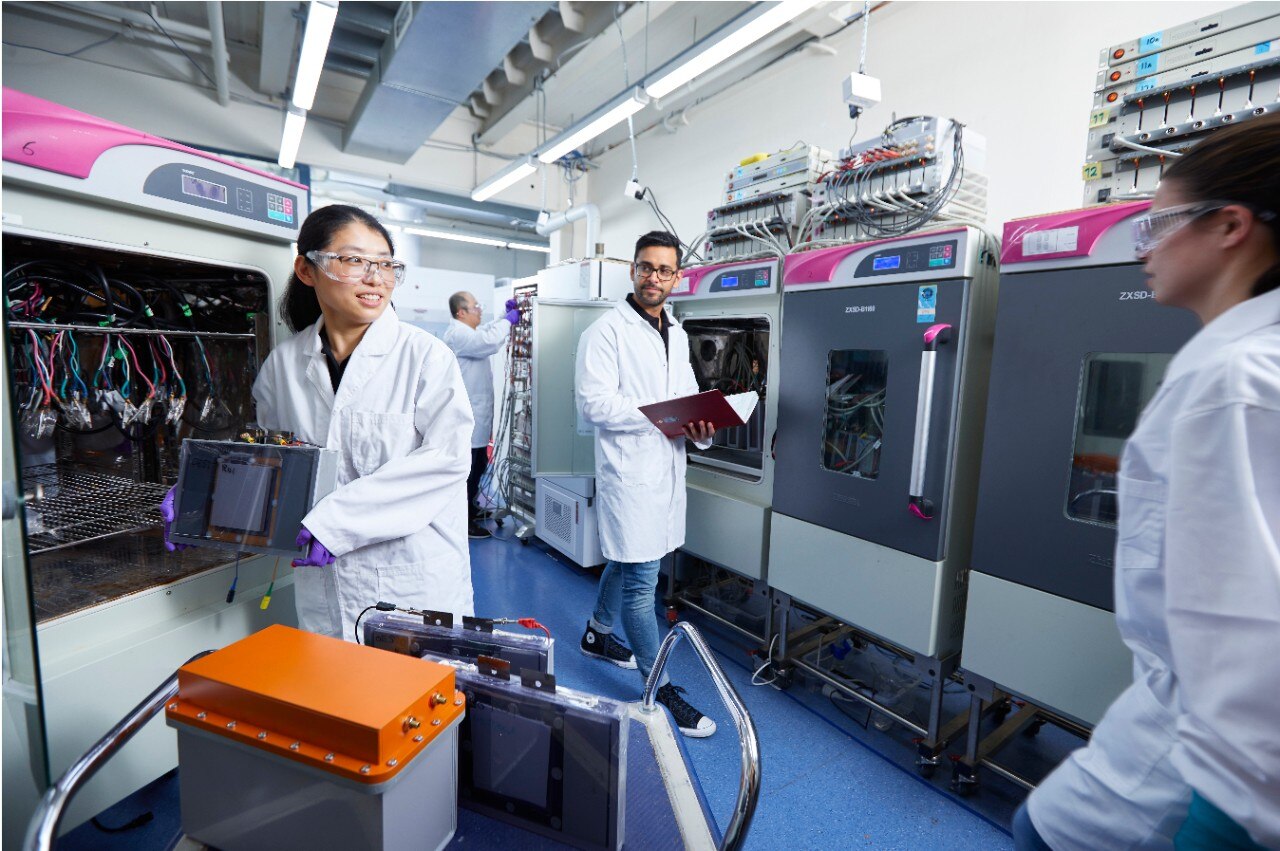
Hurdles for new battery technology
How can a university spinout become a world leader in battery technology? Tom Maschmeyer is trying to get his quick-charging Gelion batteries manufactured, but…
 The Science Show - Separate stories podcast
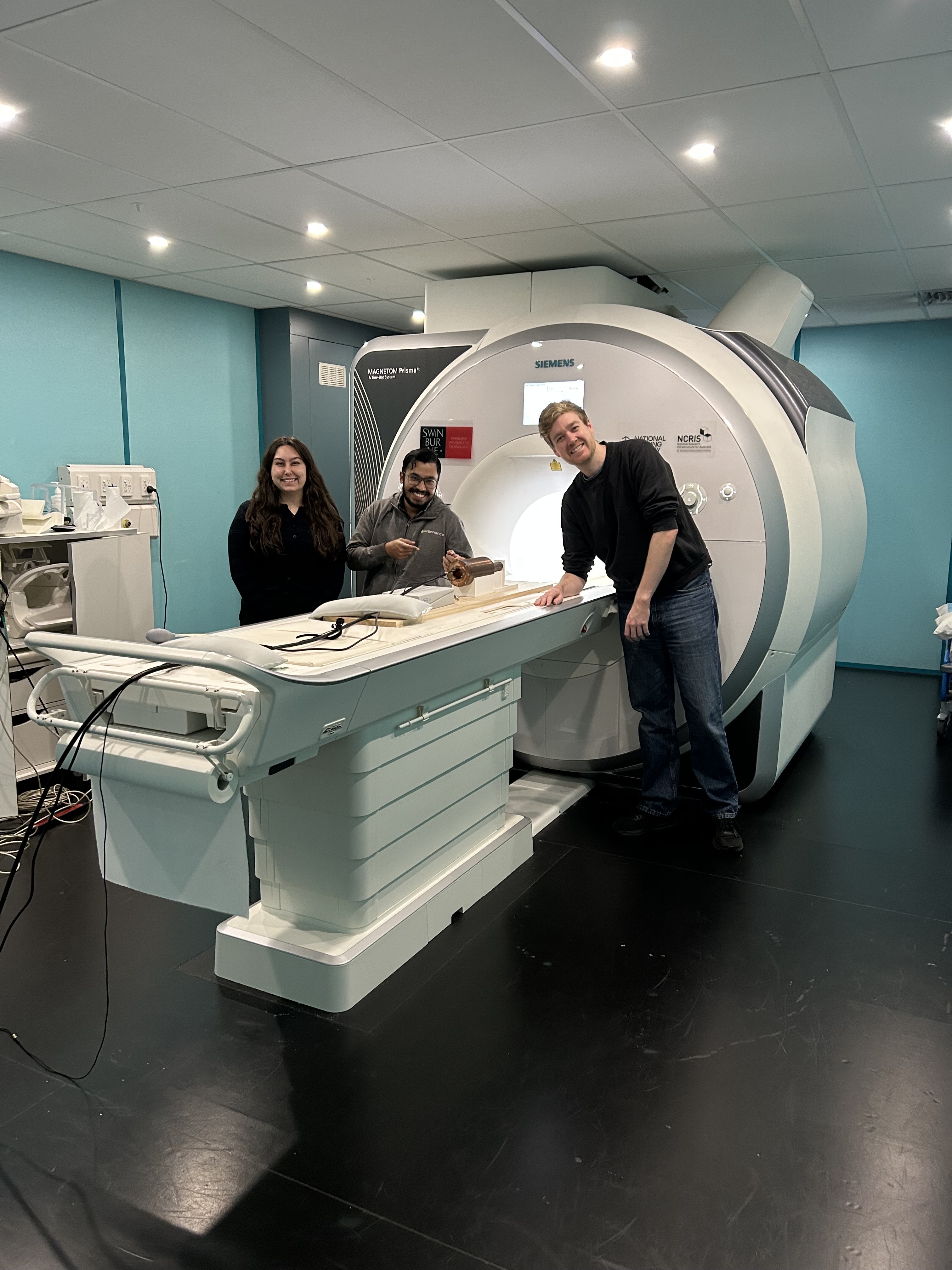
Victoria's first dark matter detector fires up
In an MRI machine at Swinburne University in Melbourne's inner east, a unique dark matter detector has started looking for signs of the mysterious material…
 The Science Show - Separate stories podcast
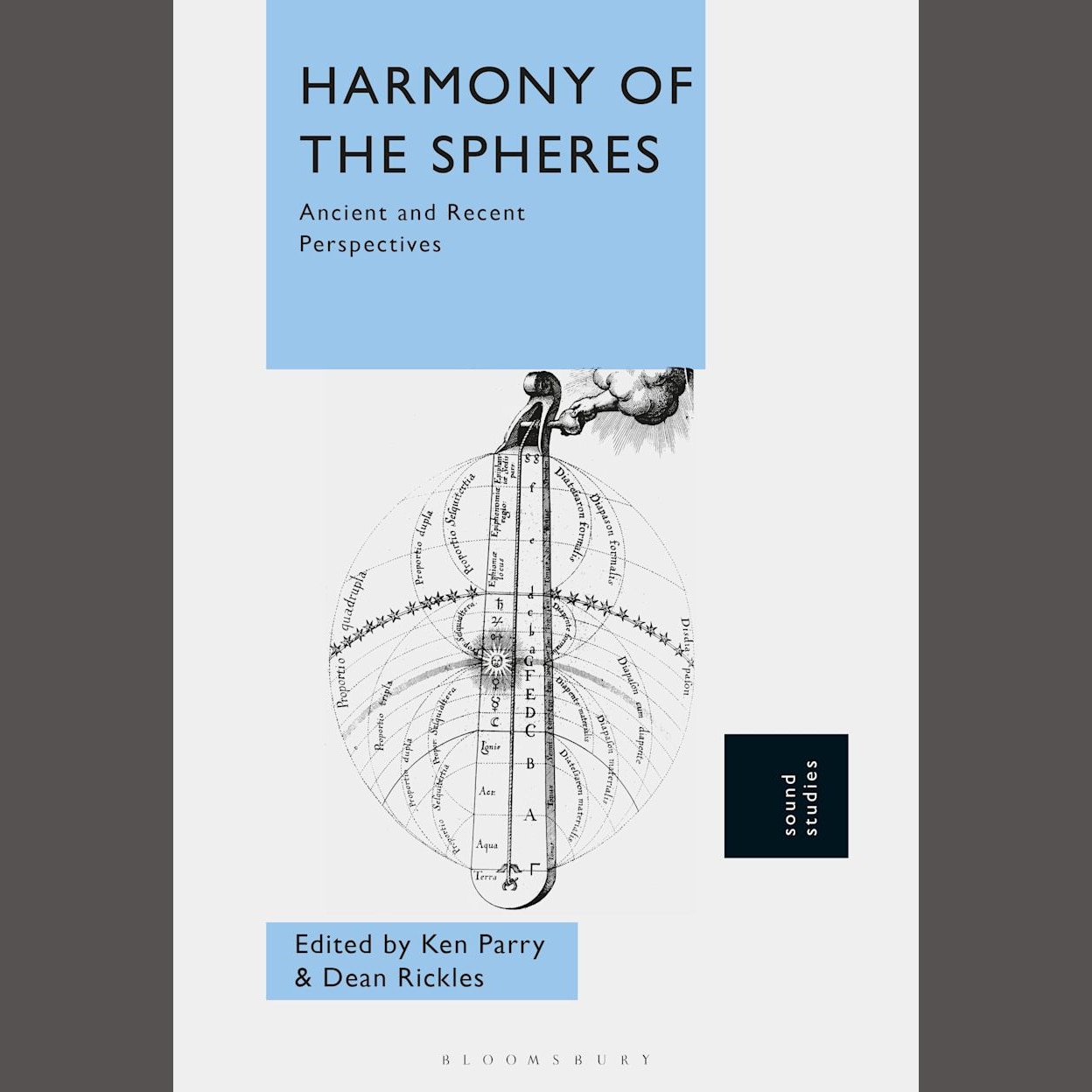
Mathematics as the basis of western musical harmony and how J. S. Bach loved numbers
Famed mathematician Pythagoras — he of the right-angled triangle theorem — discovered mathematical principles which J. S. Bach used in his compositions…
- The Science Show - Separate stories podcast
Lab Notes: In an era of AI hacking, how safe is the census?
It's census time, which means lots of us are about to submit personal information via the Internet. Whether it's the ABS or your favourite online shop — how…
 The Science Show - Separate stories podcast
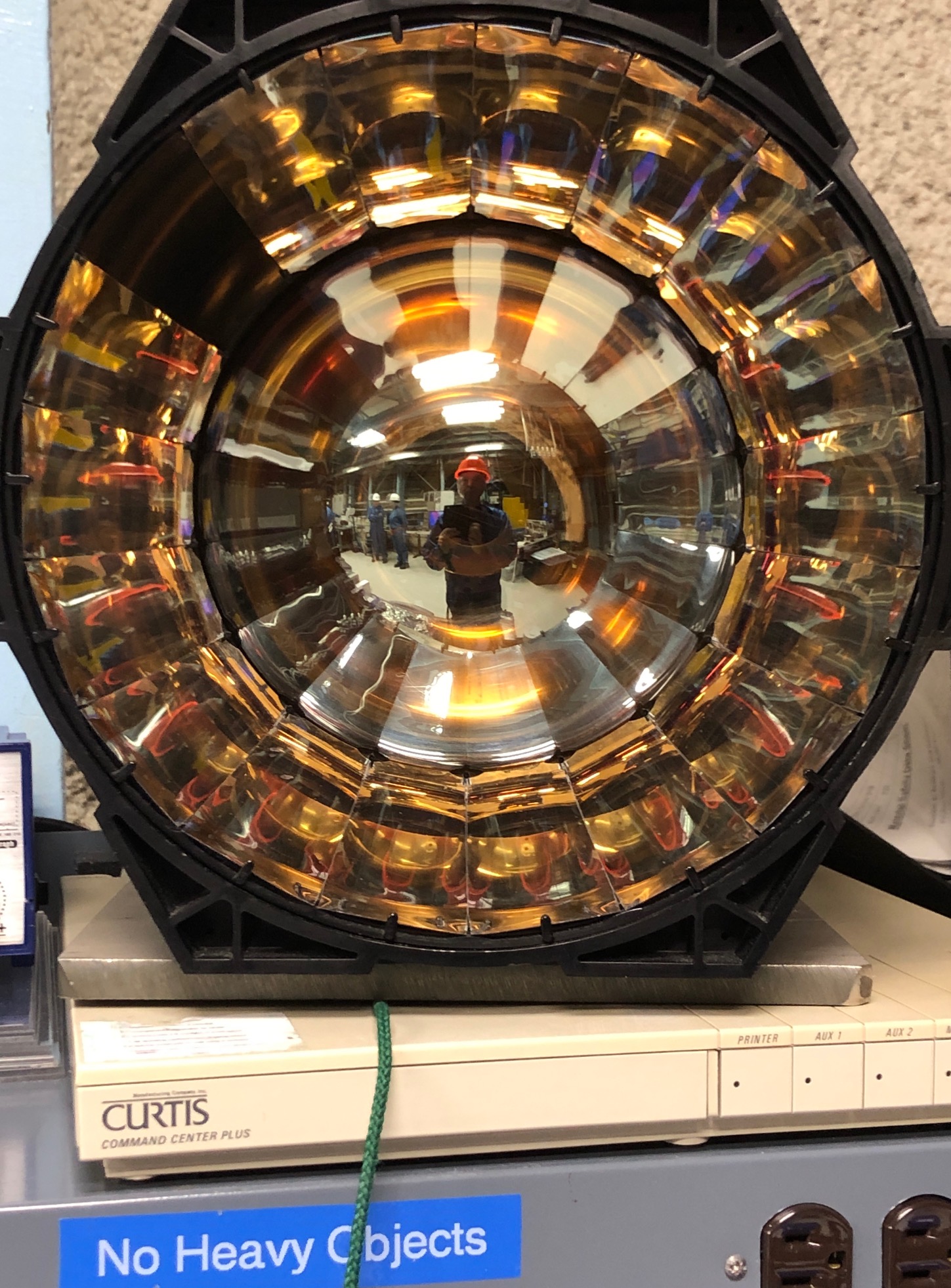
Descend two kilometres underground to the cleanest lab on Earth
But would you want to stay there for 20 years off and on, as you discover — well, nothing! At least not dark matter accounting for 80 per cent of matter in the…
 The Science Show - Separate stories podcast
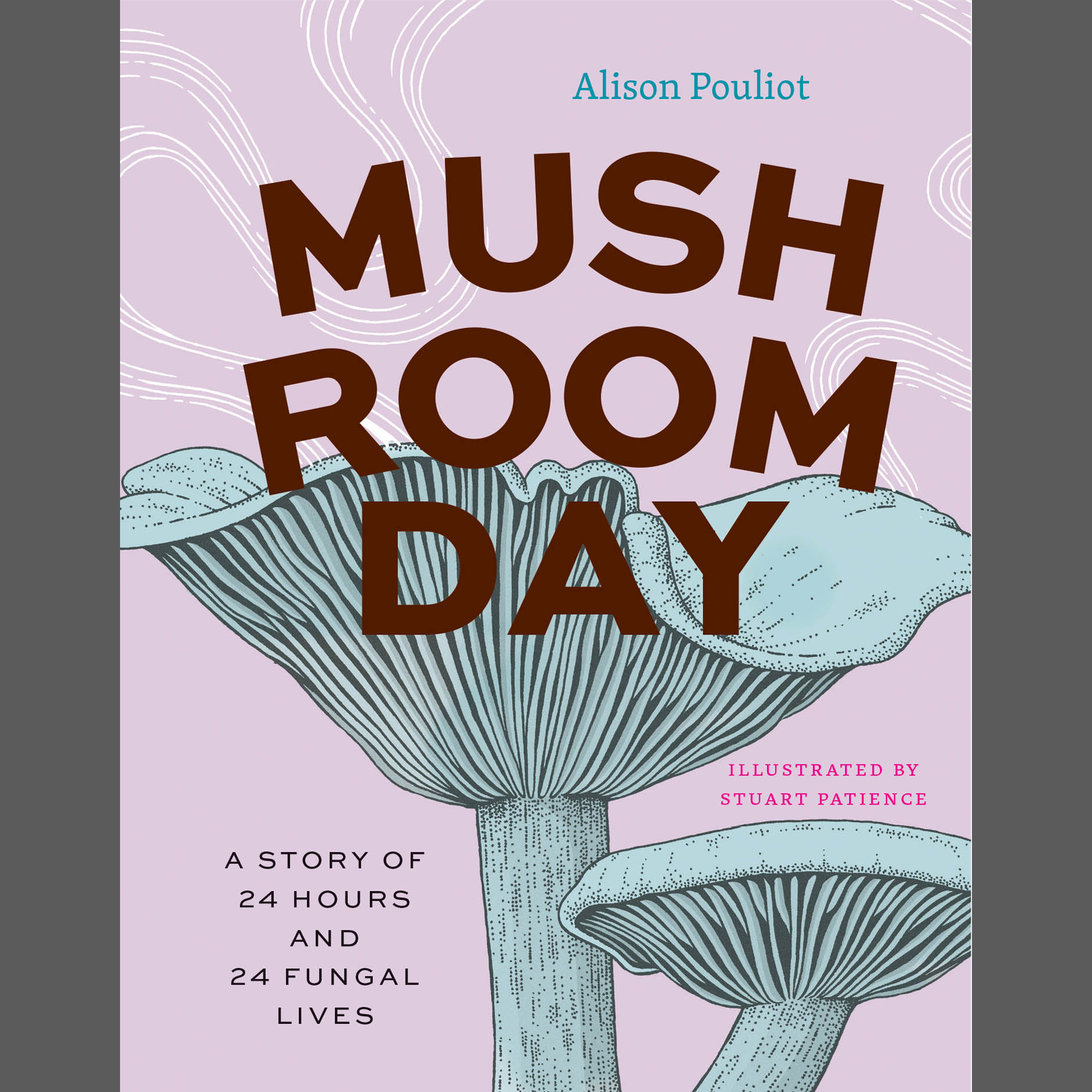
Mushroom Day: A Story of 24 Hours and 24 Fungal Lives
Alison Pouliot is a world-renowned expert on fungi. Her books on mushrooms and toadstools explore species which are all around us but which we hardly notice…
 The Science Show - Separate stories podcast
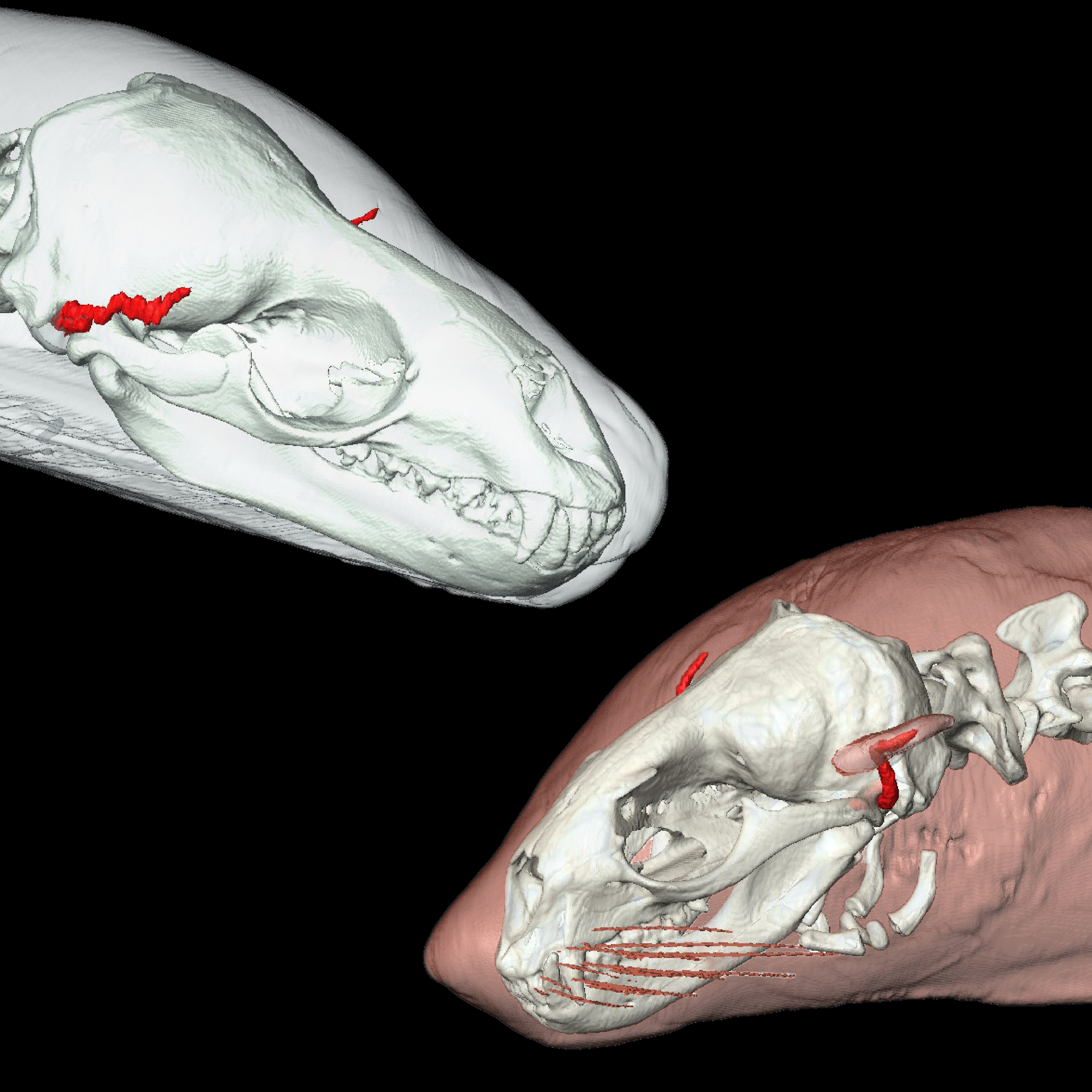
Animal senses that work as well in water as on land
When we swim or dive, our senses are impaired. Our vision becomes blurry. Our hearing becomes a mess of indistinguishable sound. So how do animals that live…
 The Science Show - Separate stories podcast
Plotting the Oceans: Stories of Powerful Maps and Their Makers
Maps have triggered territorial claims, saved fragile environments and brought home the fragility of the Great Barrier Reef in the face of climate change. In…
 The Science Show - Separate stories podcast
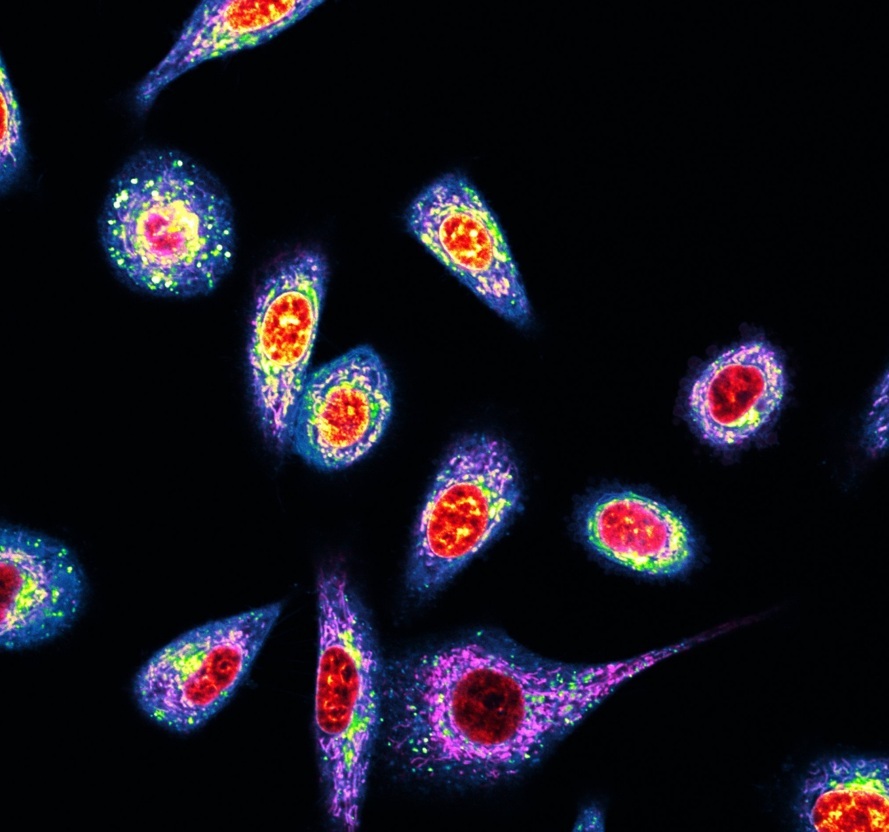
Fluorescent sensors bring cell contents to life
Cells are full of molecules. Some are very large, such as proteins and DNA. Studying specific molecules or organelles in isolation is challenging. Elizabeth…
- The Science Show - Separate stories podcast
Lab Notes: What will we see in a 10-year movie of the universe?
The longest survey of our southern skies — The Legacy Survey of Space and Time (LSST) — has just begun from the Vera Rubin Observatory in the Chilean Atacama…
 The Science Show - Separate stories podcast
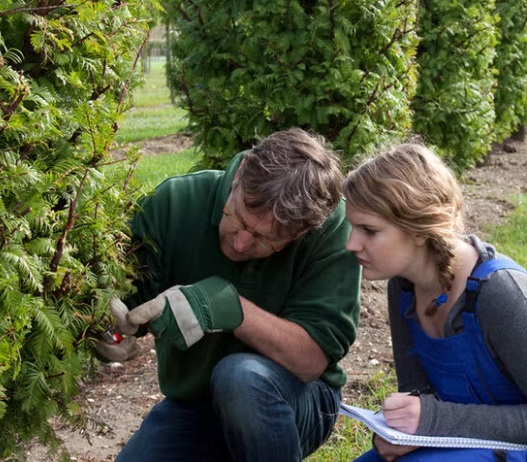
Botany courses becoming an endangered species
With National Science Week coming up this month we are being asked to select favourite native flowers to celebrate. However, as Professor Darren Crayn at James…
 The Science Show - Separate stories podcast
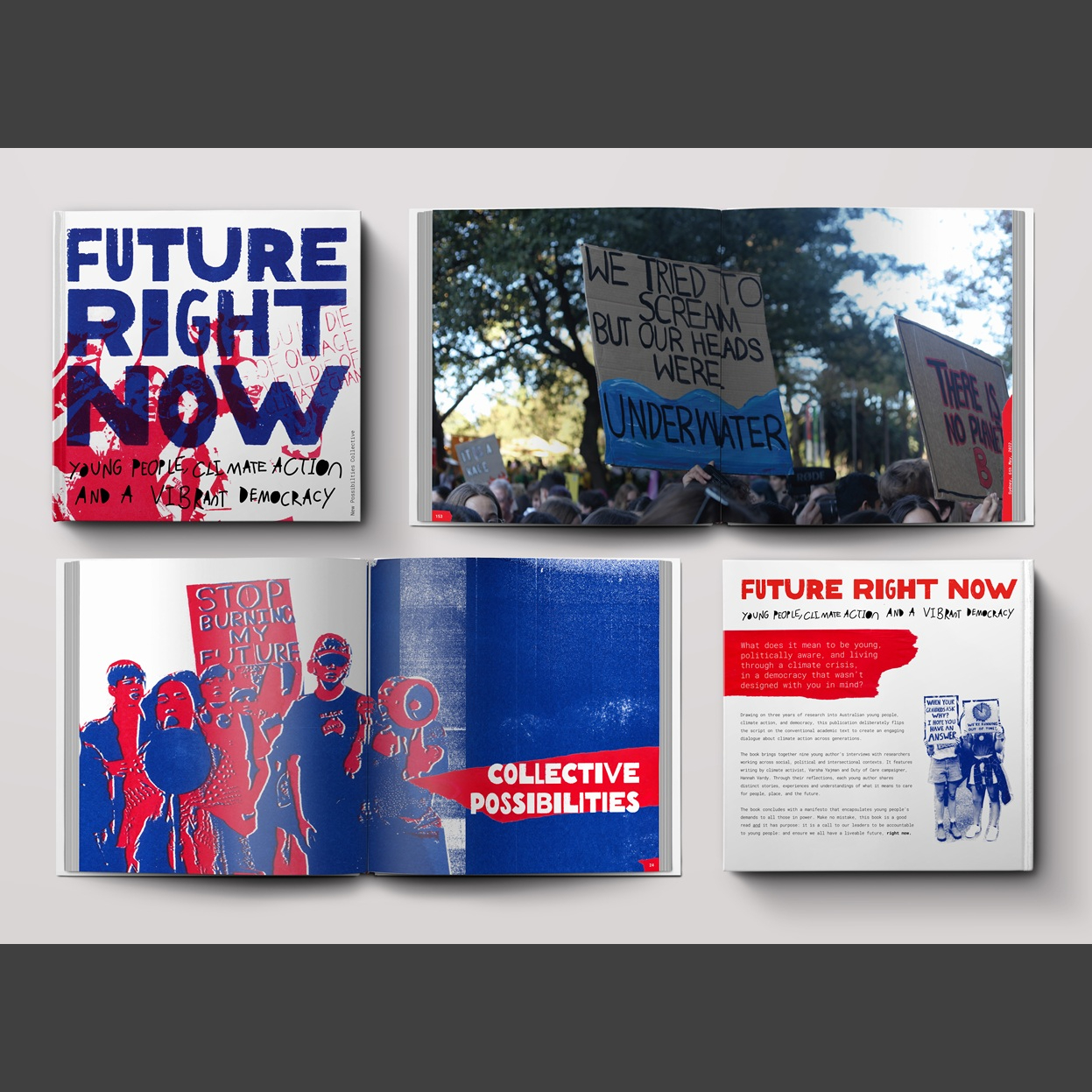
Future Right Now reveals concerns of young people
Future Right Now is a book written by more than 40 young people about what matters to them. As foreshadowed in The Science Show last week a national event was…
 The Science Show - Separate stories podcast
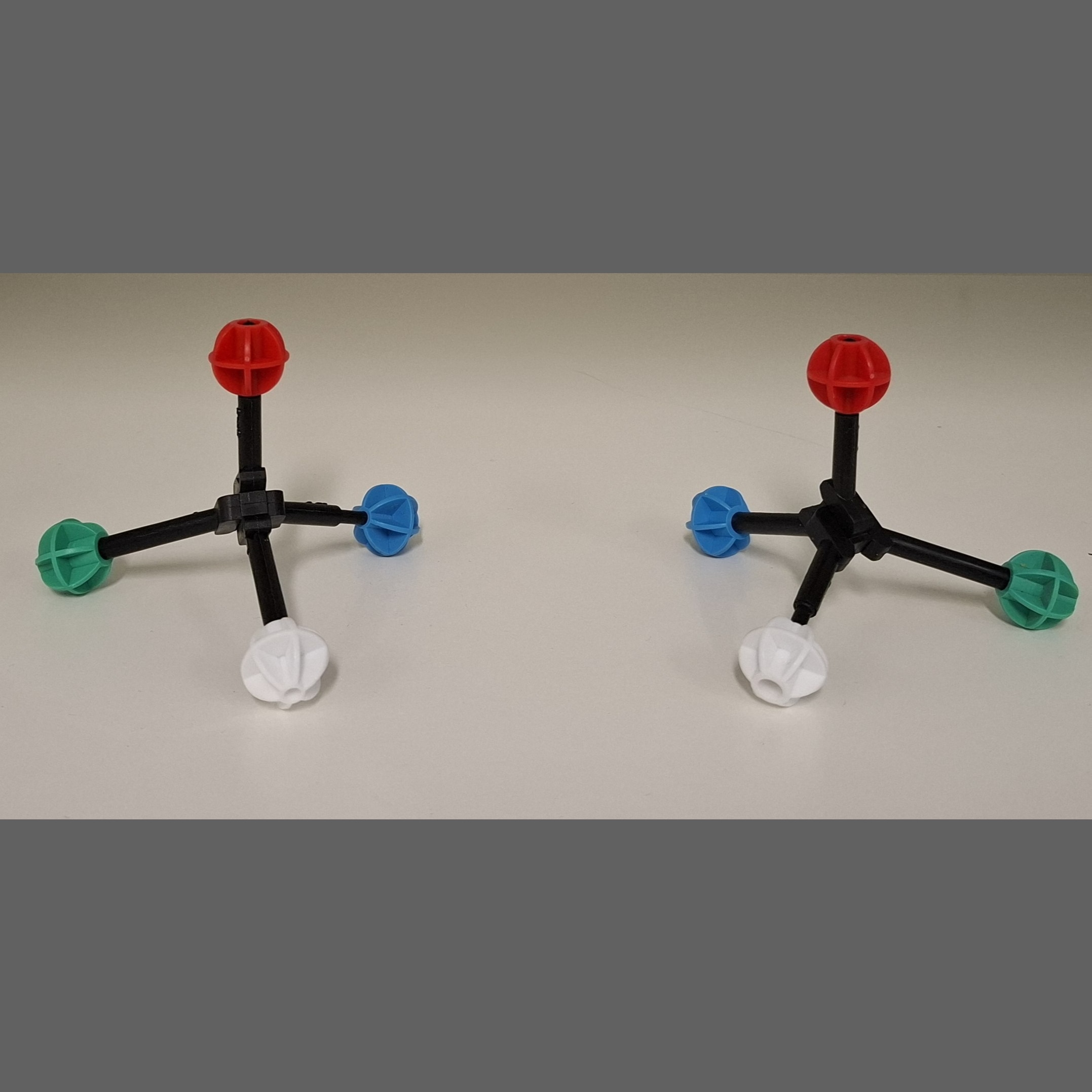
Mirror life risks catastrophe
This year, scientists included a new potential threat in their decision to move the Doomsday Clock — a symbol for how close humanity is to destroying itself —…
 The Science Show - Separate stories podcast
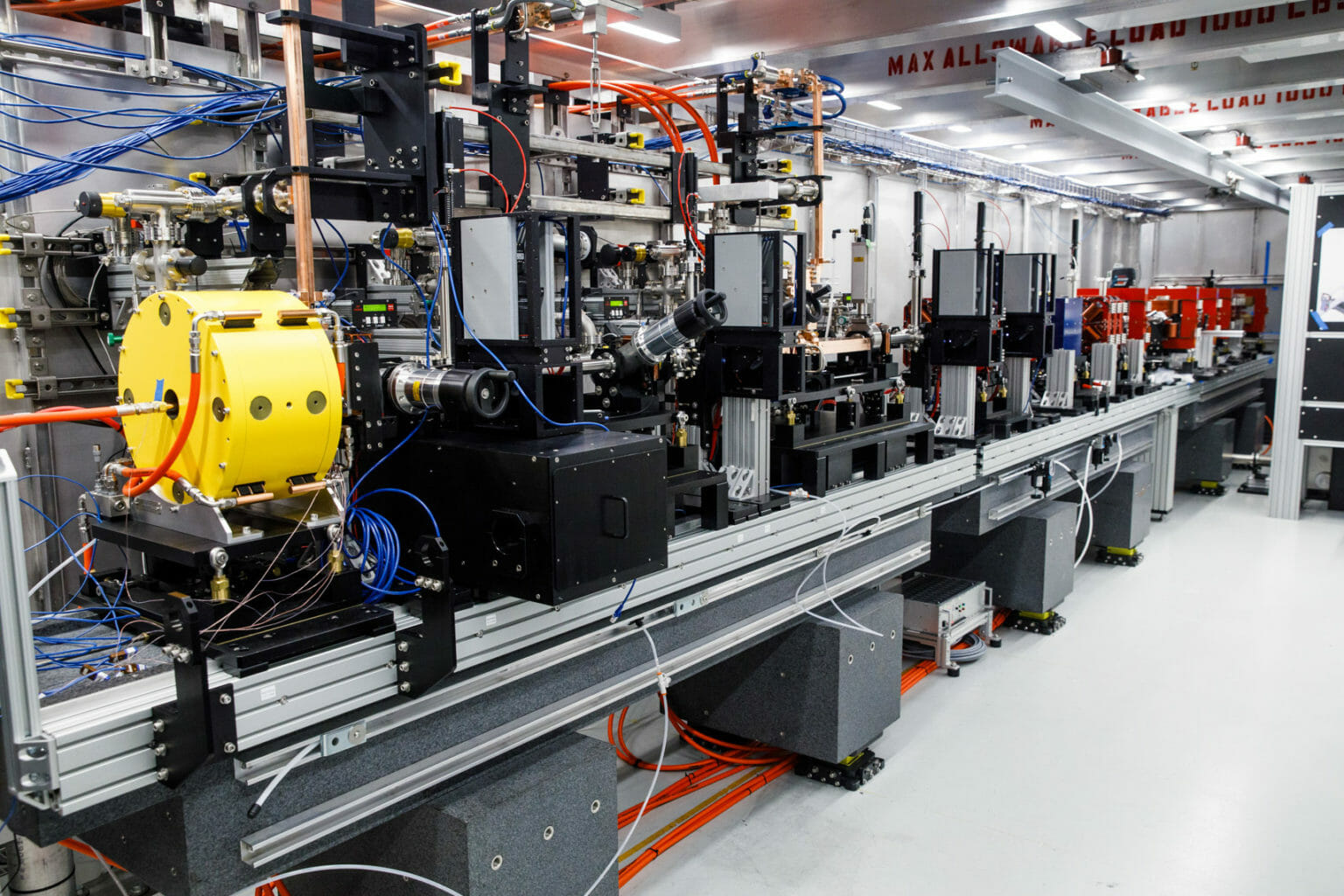
Diverse background ideal for leader in pioneering science
Sabine Botha left her home in South Africa, rejecting its apartheid and studied at Oxford and in Germany, ending with a smorgasbord of subjects. This turned…
 The Science Show - Separate stories podcast
Celebrating Charles Todd, father of the Overland Telegraph
Charles Todd was the force behind Australia’s first connection with the outside world – the Overland Telegraph. He came from a relatively ordinary background…
- The Science Show - Separate stories podcast
Lab Notes: How do we predict the snow season?
This year has been one of the worst starts to the snow season since records began. And it's a trend that researchers say will only continue in the years to…
 The Science Show - Separate stories podcast
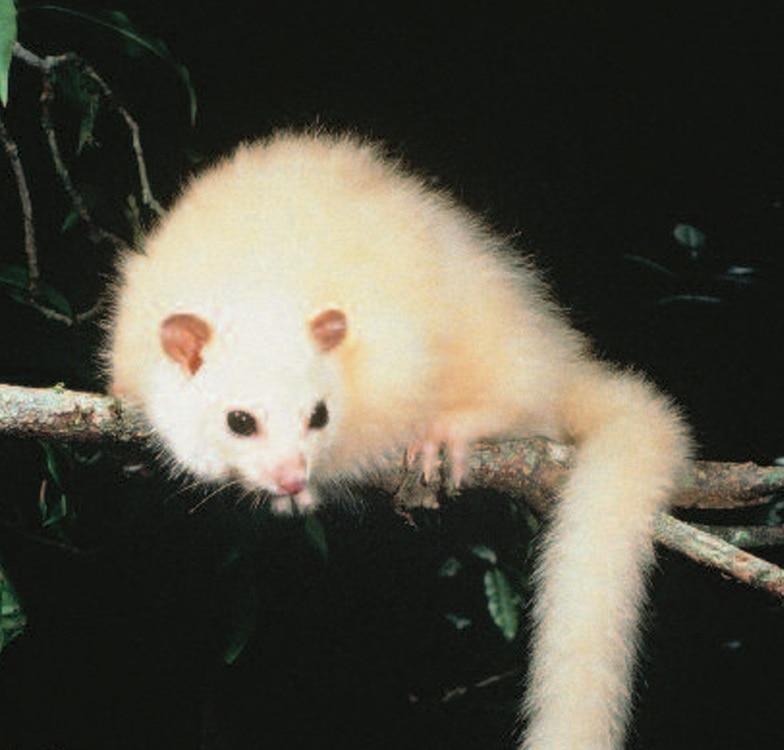
White possums in peril
The Lemuroid ringtail possum (Hemibelideus lemuroides) is a species endemic to Far North Queensland and only found in old-growth rainforest. It is a…
 The Science Show - Separate stories podcast
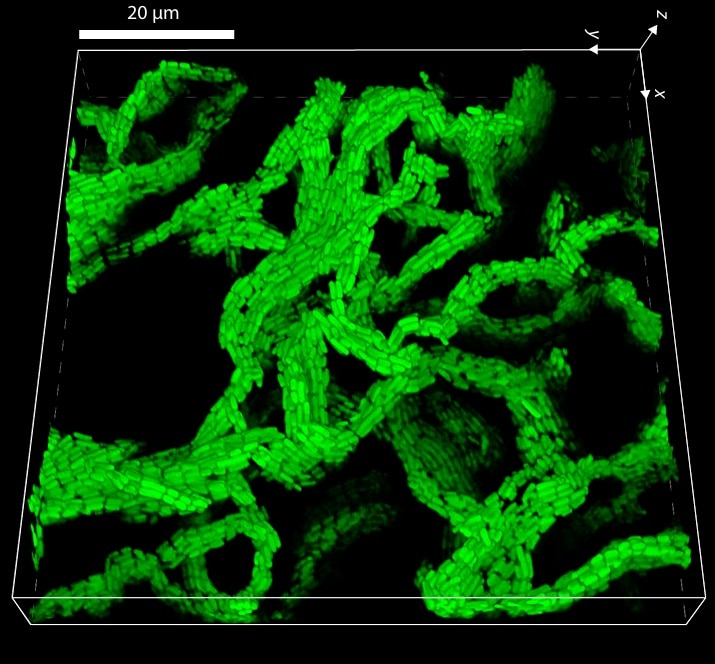
How bacteria behave in the body
Sujit Datta, head of Caltech's "Squishy Lab", describes how bacteria behave in fluid such as mucous and lead to infection.
 The Science Show - Separate stories podcast
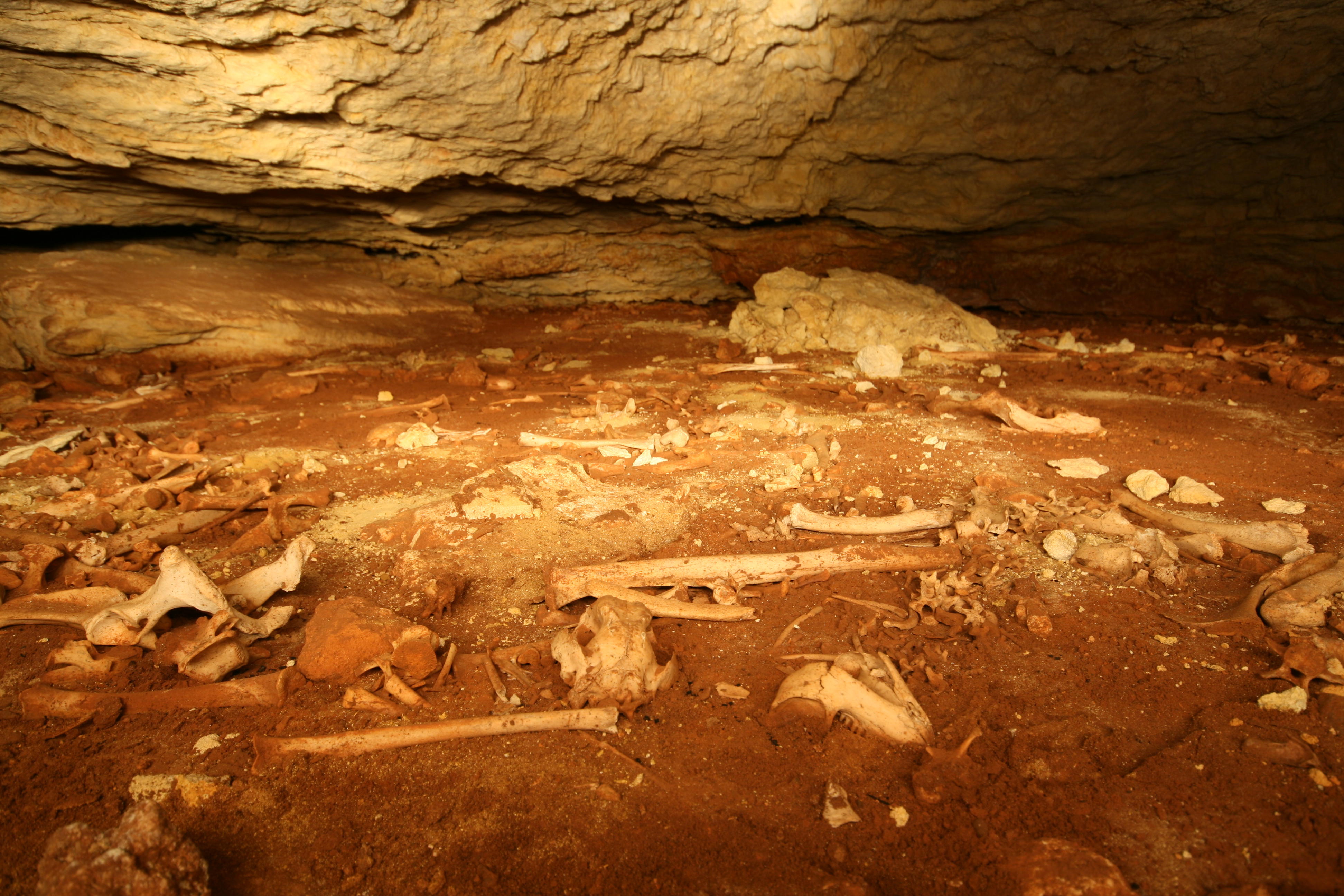
Fossil graveyards an archive of climate and ecology
Scientists will sometimes strike palaeontological gold and discover 'fossil graveyards', sites containing thousands or millions of animal bodies, which have…
 The Science Show - Separate stories podcast
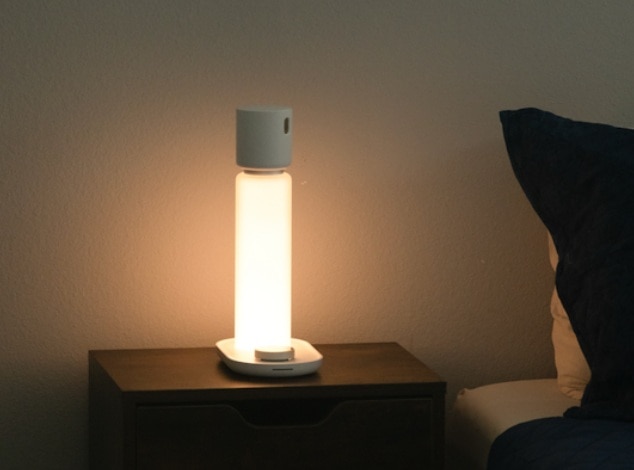
The future of sleep
Gadgets, light from screens and other artificial light can interfere with our sleep. Despite this, technology, if used properly, can help rather than be a…
 The Science Show - Separate stories podcast
Gillard tribute to Ogilvie
Dame Bridget Ogilvie, one of the world’s greatest leaders in research, died in April. A memorial was held to celebrate her achievements and among those paying…
- The Science Show - Separate stories podcast
Lab Notes: What's it like to be in a clinical trial?
Before any new therapy or medicine is placed on the shelves of a pharmacy, it needs to be tested in humans first. What does that process look like? And who are…
 The Science Show - Separate stories podcast
What Matters? prize-winners reflect on essays
Past winners Maisie Morrison, Joseph Solina and Ruby Tarman tell Amy Briggs how their outlook has changed since writing their essays.
 The Science Show - Separate stories podcast
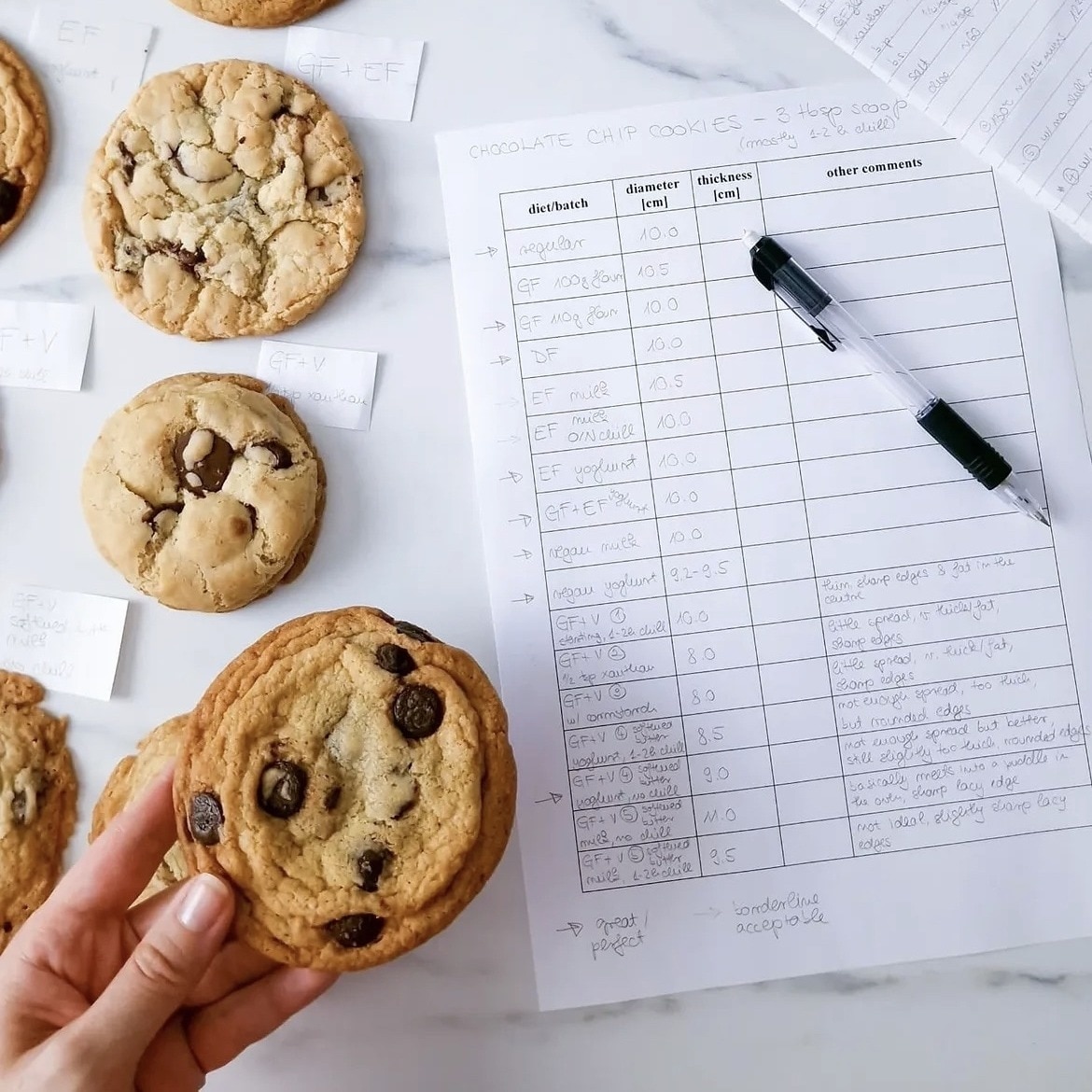
The science of gluten-free baking
Kat Cermelj describes how to bake gluten-free goodies that taste as good as the real thing.
 The Science Show - Separate stories podcast
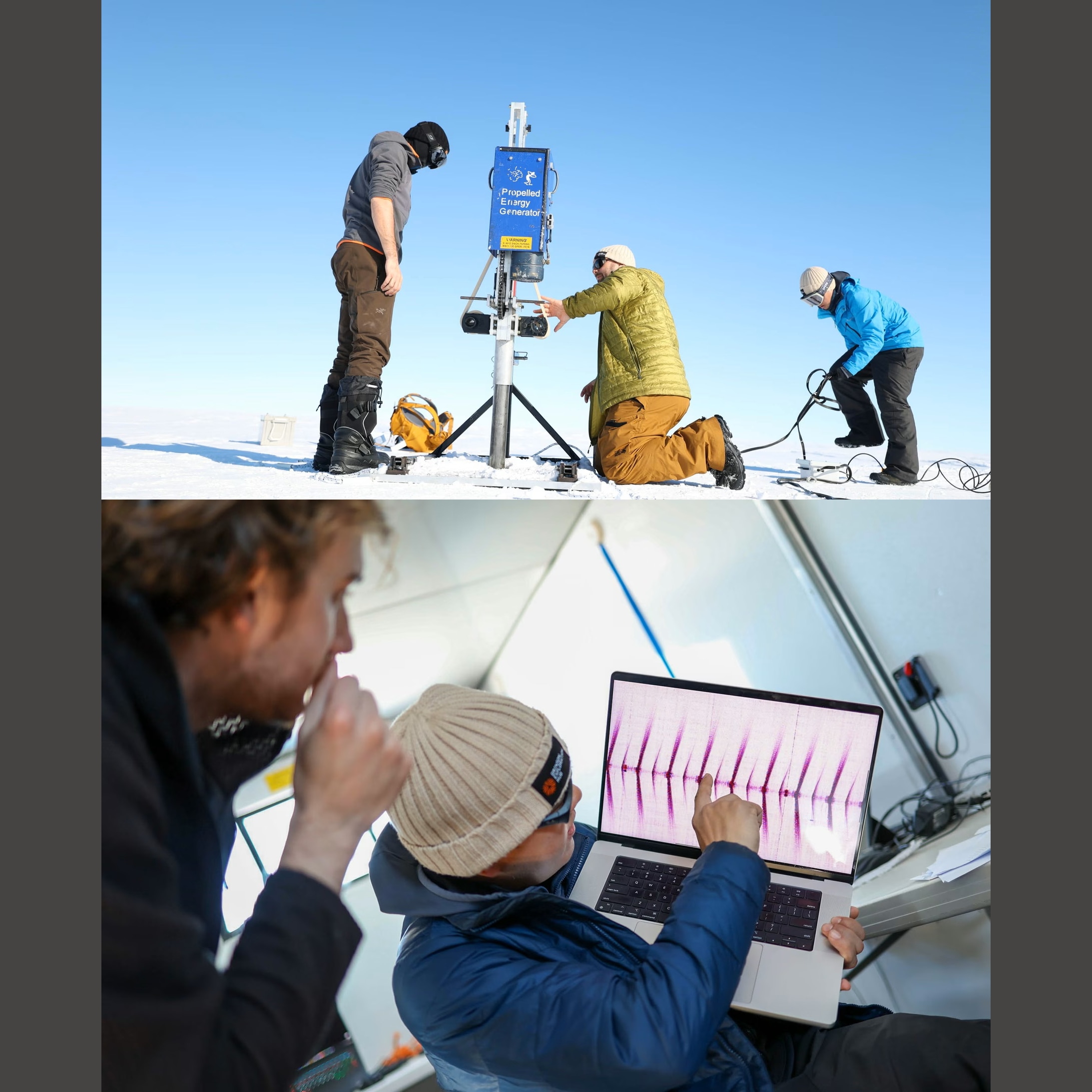
Ultrasound used to monitor glaciers in Antarctica
Warmer ocean water is leading to faster melting of Antarctic glaciers.
 The Science Show - Separate stories podcast
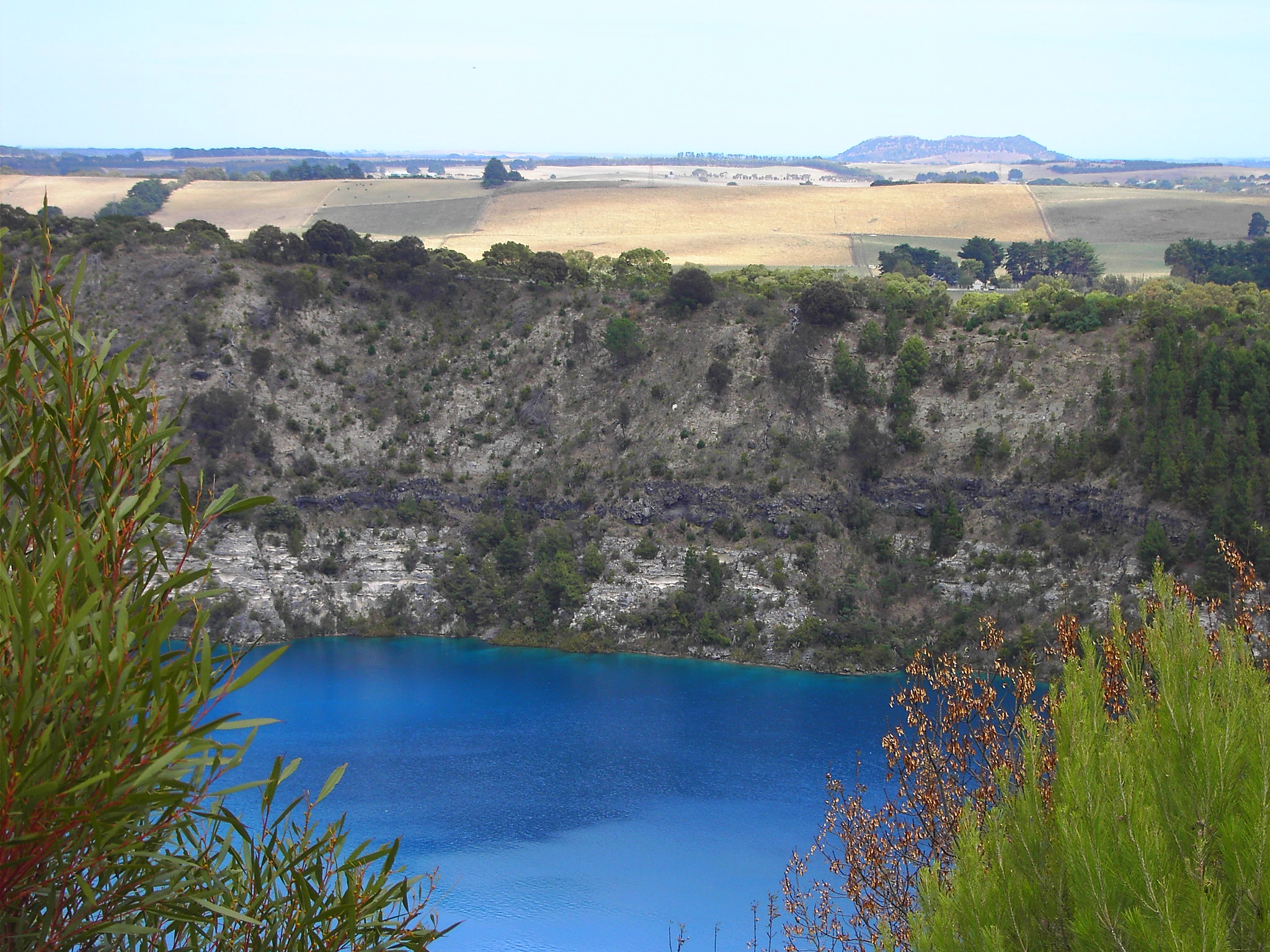
Aboriginal oral history offers clues about Australia’s volcanism
A creation story of the Boandik people of the south-eastern coastal region of South Australia and western Victoria provides a timeline for Australia’s…
- The Science Show - Separate stories podcast
Lab Notes: Is AI taking over mathematics?
AI chatbots are helping to crack long-standing mathematical problems, including some of the famous Paul Erdős conjectures that have remained unsolved for…
 The Science Show - Separate stories podcast
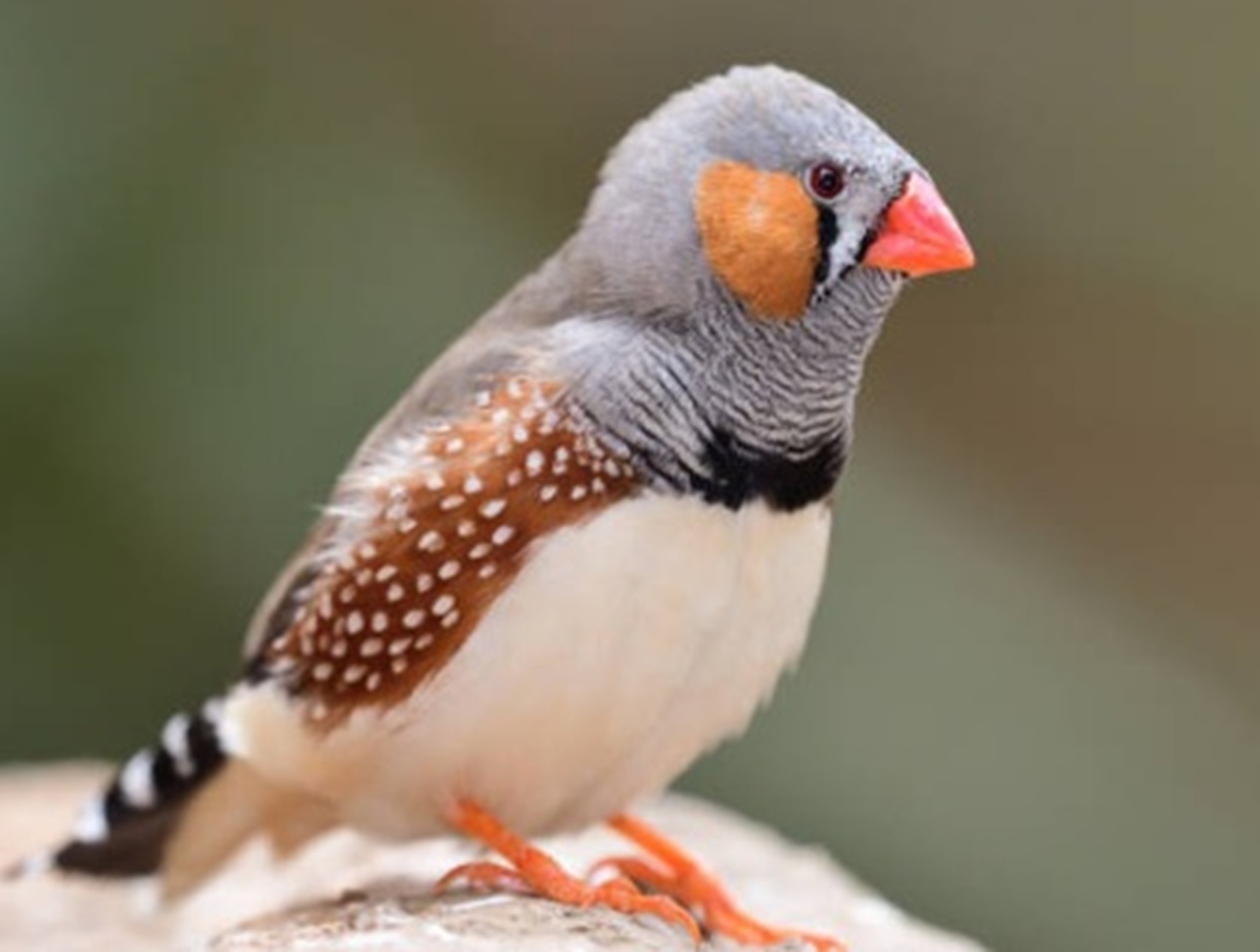
The making and storage of memory
Professor of neurobiology Carlos Lois at the California Institute of Technology describes experiments using Australian zebra finches to investigate how memory…
 The Science Show - Separate stories podcast
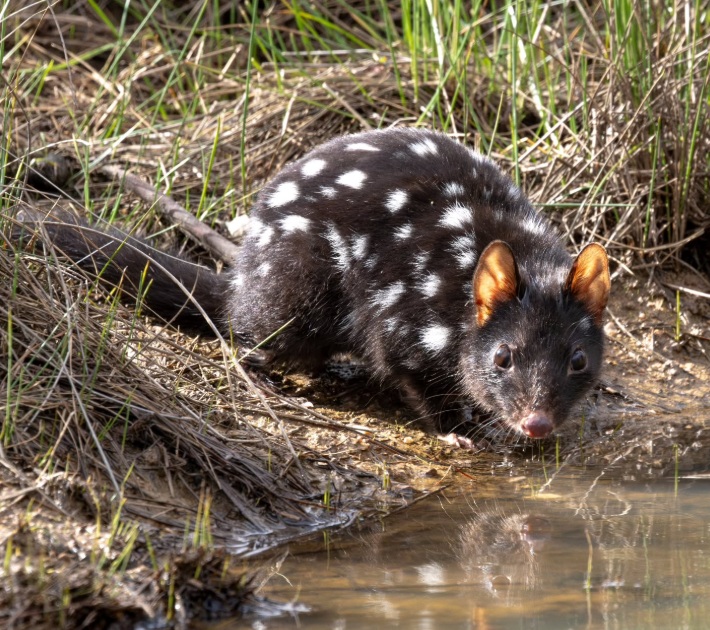
Quarantine to protect native mammals from bird flu
Amy Briggs takes us to Mulligans Flat, a wildlife sanctuary north of Canberra to see preparations to quarantine a threatened marsupial, the eastern quoll.
 The Science Show - Separate stories podcast
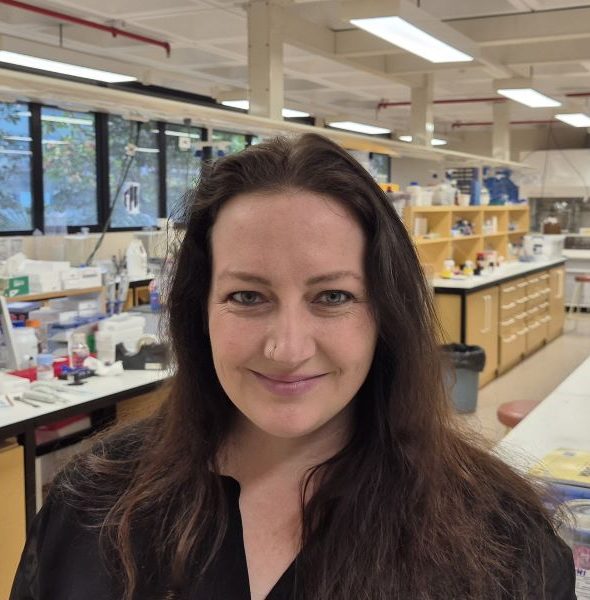
How education is being reshaped to open even more doors
The Science Show offers views on education from student Chloe Kwan, Superstar of STEM Jennifer Baker and indigenous rights campaigner Noel Pearson.
 The Science Show - Separate stories podcast
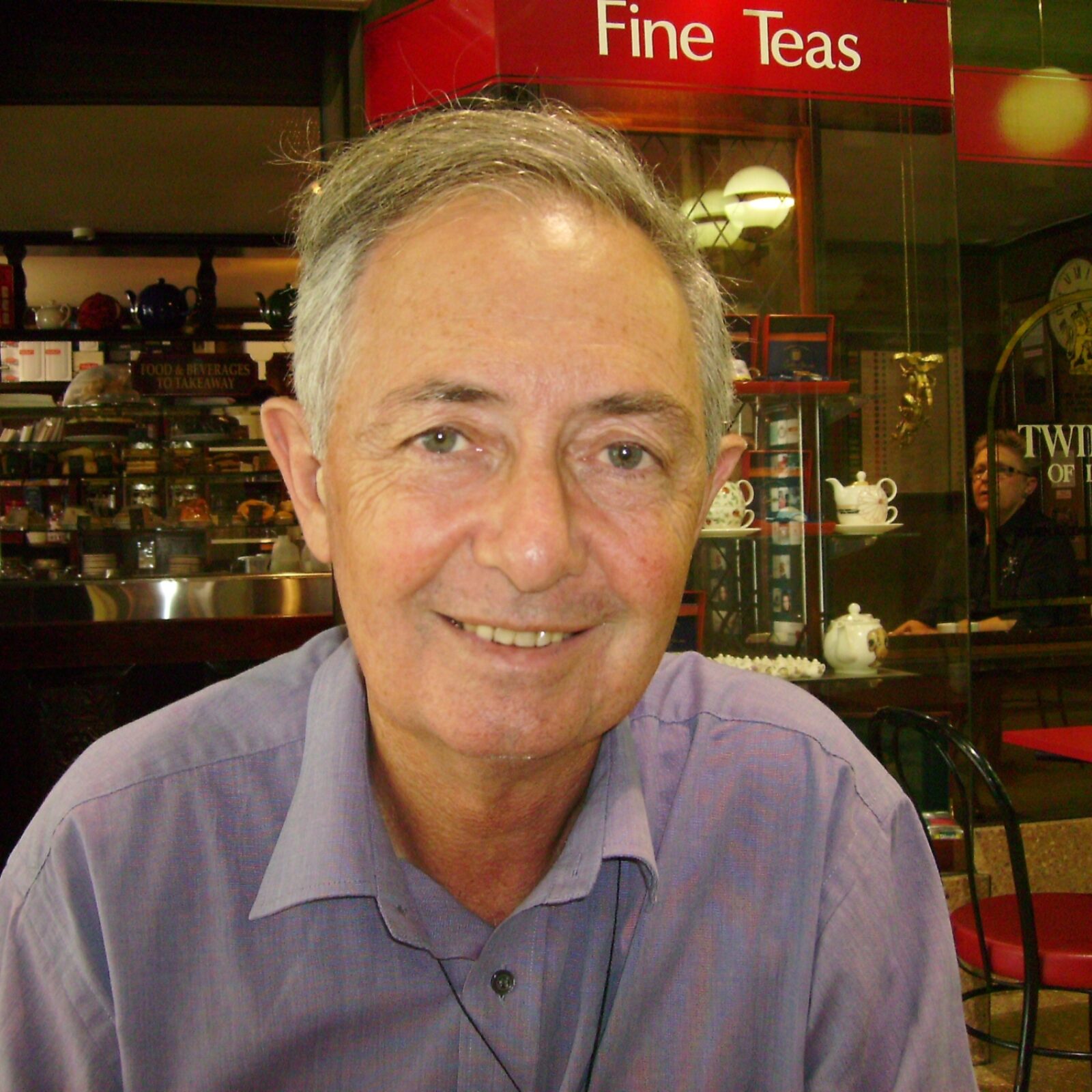
The science of peace?
Ian Lowe is co-president of the Australian Peace and Security Forum and has many ideas about peaceful alternatives - beyond what is dismissed as ‘woke’.
- The Science Show - Separate stories podcast
Lab Notes: Is space junk destroying the ozone layer?
Old satellites and bits of space junk regularly fall back to Earth, burning up as they pass through the atmosphere. All this burning metal causes a chain…
 The Science Show - Separate stories podcast
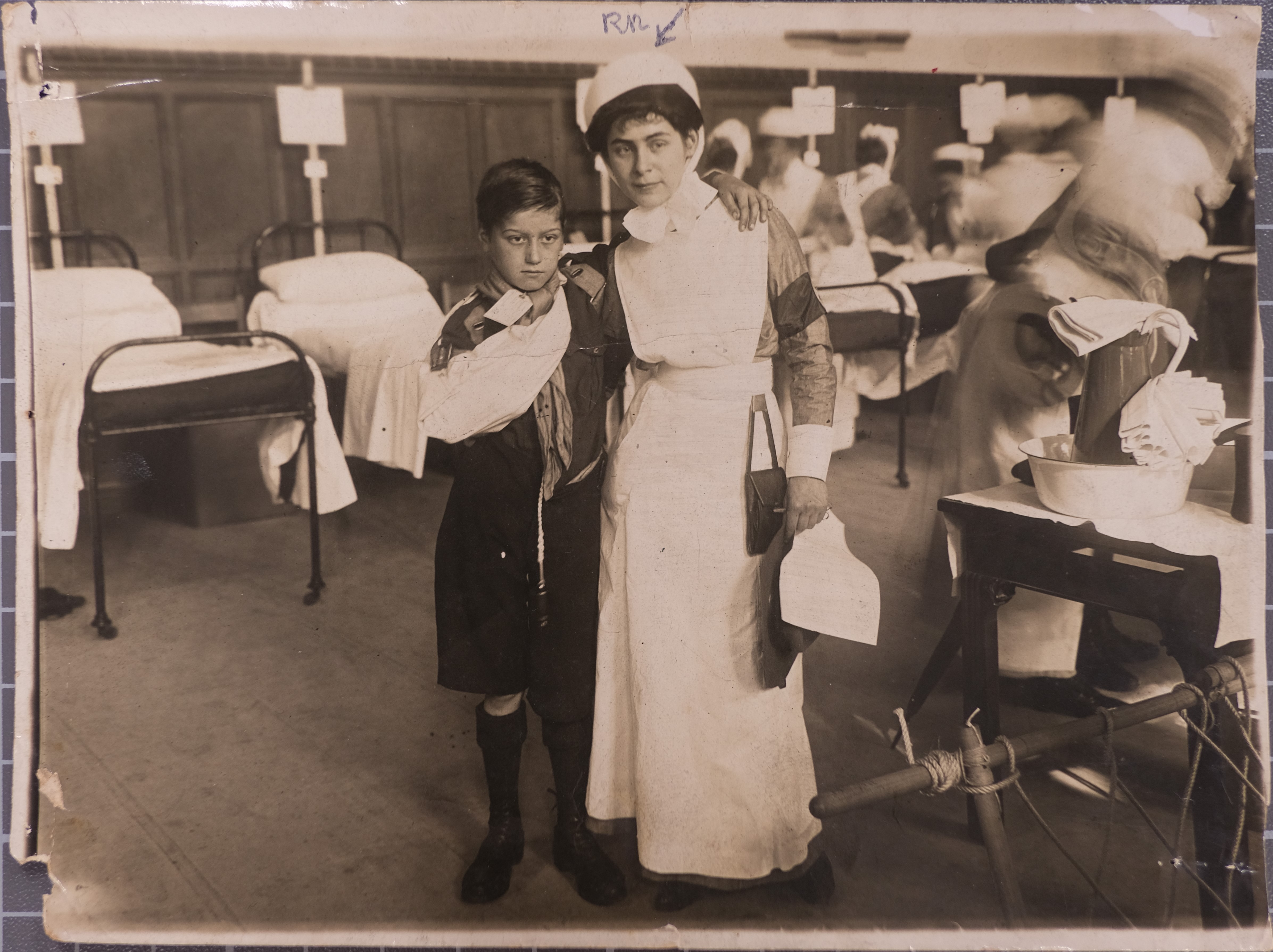
How eugenics helped start the birth control movement
In 1926, the organisation now known as Family Planning Australia was created, and eugenics played a role alongside feminism in the birth control movement.
 The Science Show - Separate stories podcast
The search for elusive subatomic particles - deep in a Canadian nickel mine
Dan Falk takes us 2Km underground to SNOLAB, the Sudbury Neutrino Observatory in northern Ontario, a Canadian science laboratory specialising in neutrino and…
- The Science Show - Separate stories podcast
Terence Tao's King's birthday honour
Australian mathematician Terence Tao, now a professor at the University of California Los Angeles, was awarded the AC – The Companion of the Order of Australia…
- The Science Show - Separate stories podcast
Bird brains help biologists understand human brains
Australian zebra finches are being used to understand how human brains work and answer fundamental questions such as where memories are stored.
- The Science Show - Separate stories podcast
Lab Notes: The bird flu risk for Aussie wildlife
A deadly variant of H5N1 avian influenza has finally reached mainland Australia: the last continent without it. Although the risk to human health remains low…
 The Science Show - Separate stories podcast
Auroras - seen on Earth at the poles and beyond
The coloured lights in the sky at the poles are produced by charged particles exciting molecules in the atmosphere. And not only on Earth.
 The Science Show - Separate stories podcast
Australia’s tropical herbarium
James Cook University in Cairns hosts Australia’s tropical herbarium.