Shows / The Science Show - Separate stories podcast

The Science Show - Separate stories podcast
The Science Show gives Australians unique insights into the latest scientific research and debate, from the physics of cricket to prime ministerial biorhythms.
Subscribe in your app
Choose an installed app, or copy the RSS feed into any podcast app. Finish subscribing there.
Follow below adds this show to Your shows in skinny. Log in to let subscribe clicks tune your For you feed.
The show, from its episodes
No episode notes yet. Recurring topics, people and notes-based starter picks will appear when notes are available.
Typical episode length
10m · median of 352 full episodes with a known length
Solo / guest format
Unknown — existing notes name people mentioned, but do not identify hosts or guests.
Recurring topics
No recurring topics established yet.
Recurring people
No recurring people established yet.
Start here
No starter picks yet — no published full episodes with audio and a recorded notes hook.
Shows like this
From recent shows with similar descriptionsEpisodes
 The Science Show - Separate stories podcast
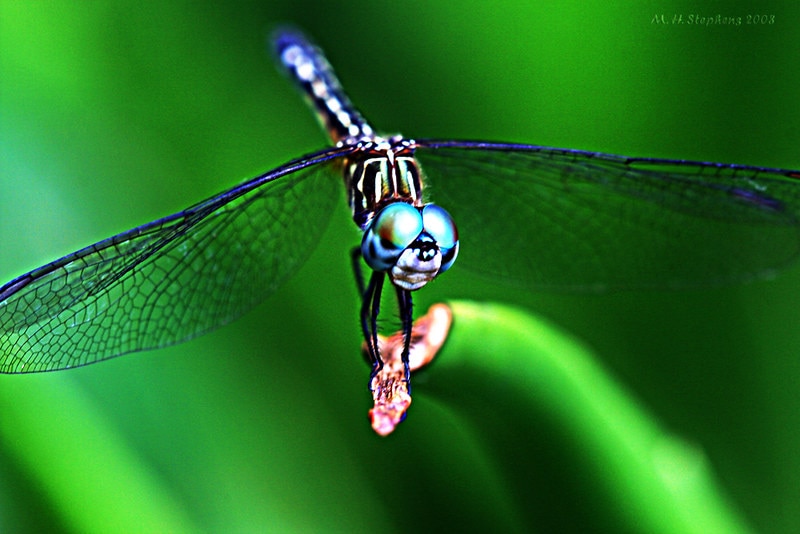
Do insects feel pain?
We can’t ask them. So we must run experiments. Some indications suggest insects do feel pain. So should insects then have rights, such as mammals
 The Science Show - Separate stories podcast
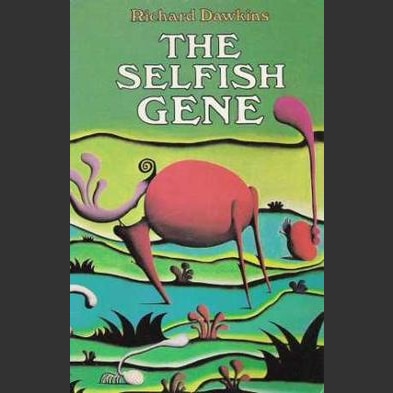
The Selfish Gene turns 50
We return to an interview back when this famous book was first launched in 1976, when it received sceptical responses from mainstream science.
 The Science Show - Separate stories podcast
The role of cellular organelles in fighting pathogens such as toxoplasmosis
Lena Pernas studies organelles as active participants in host defence, asking how mitochondria and other organelles sense infection, communicate with one…
 The Science Show - Separate stories podcast
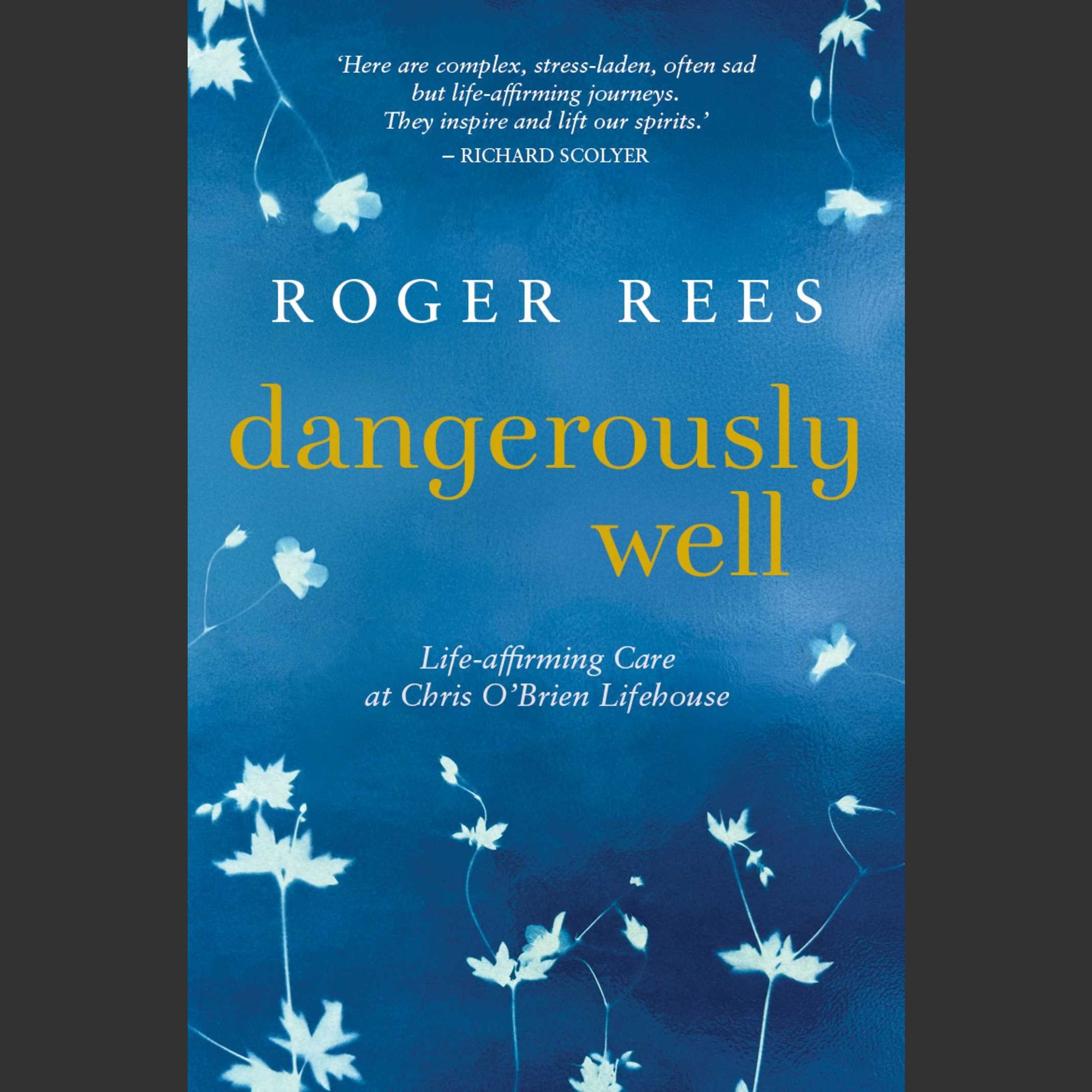
Dangerously Well
In his book, Dangerously Well, Roger Rees writes about his experience in 2018 when his dear friend Anne Marks was diagnosed with a rare type of salivary gland…
- The Science Show - Separate stories podcast
Lab Notes: What happens when a whale dies?
The largest, deepest and oldest whale graveyard has been found off the coast of Western Australia: teeming with life. Jonathan Webb takes a deep dive with…
 The Science Show - Separate stories podcast
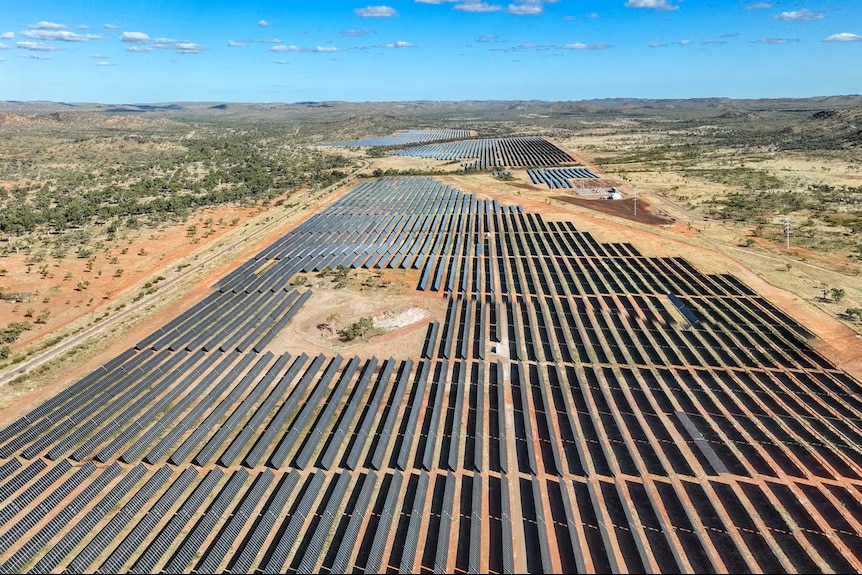
How Australia can be a leader in clean energy
Max Lu, vice-chancellor at the University of Wollongong says yes. He presents his case.
 The Science Show - Separate stories podcast
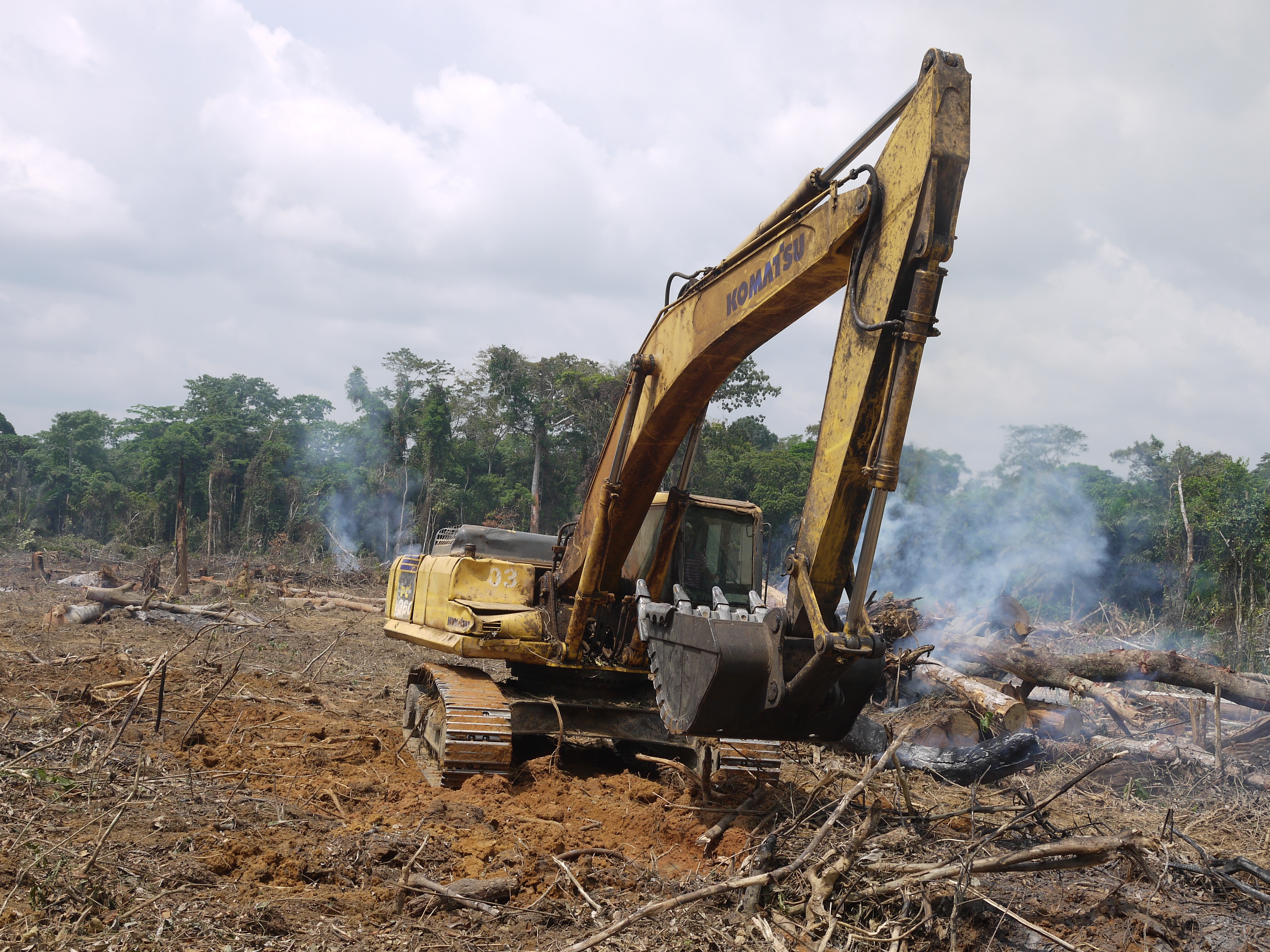
Roads the biggest threat to tropical forests
Easy access to tropical forests via modern highways encourages rapid colonisation, land grabbers, illegal logging, illegal gold mining and animal poaching. Is…
 The Science Show - Separate stories podcast
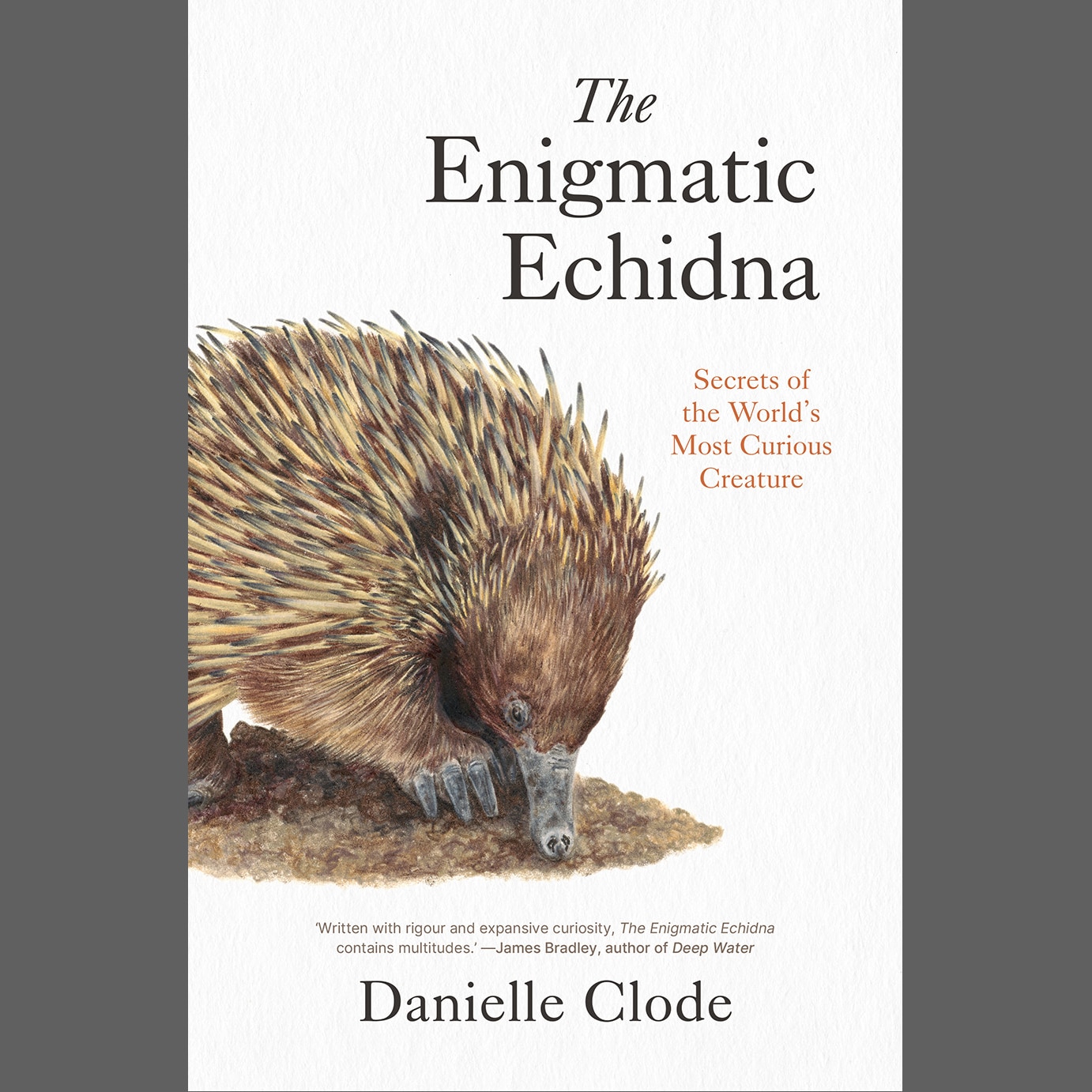
Echidnas – not only spiky, but strong with a large brain
Not a leftover of evolution but a marvel – Danielle Clode celebrates the enigmatic echidna.
 The Science Show - Separate stories podcast
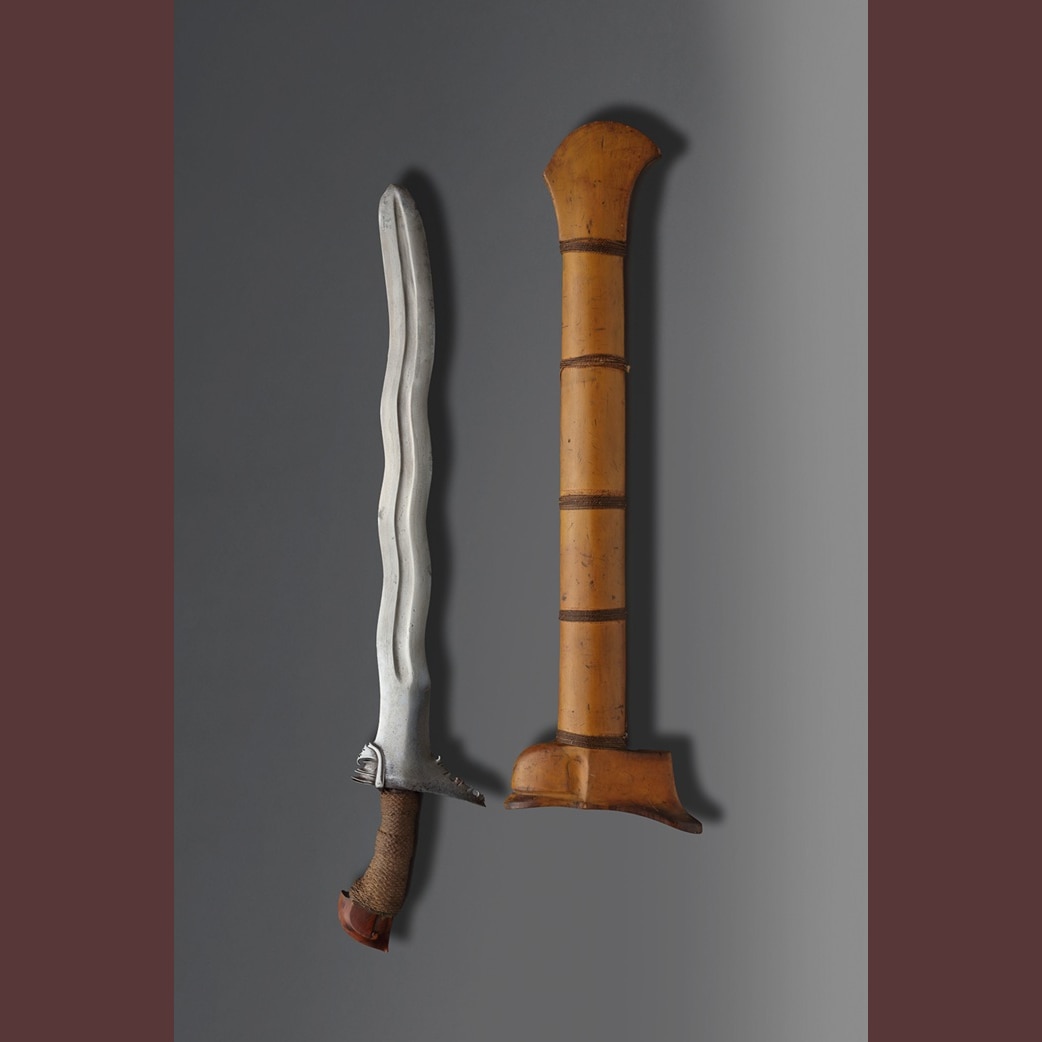
The sword linking Filipino pirates to Lord Nelson
Archaeologist Adam Brumm pieces together the story of a rare artefact, a fighting sword likely used by South-East Asian pirates, which appeared in Brisbane…
- The Science Show - Separate stories podcast
Lab Notes: Tallest tree in East Asia
On an island full of trees, there can only be one that is the tallest. How did researchers in Taiwan manage to find the tallest tree in East Asia? This week…
- The Science Show - Separate stories podcast
Lab Notes: Plants can hear you
Plants are more aware of their surroundings then we give them credit for. A growing body of work is showing that plants can change themselves in response to…
 The Science Show - Separate stories podcast
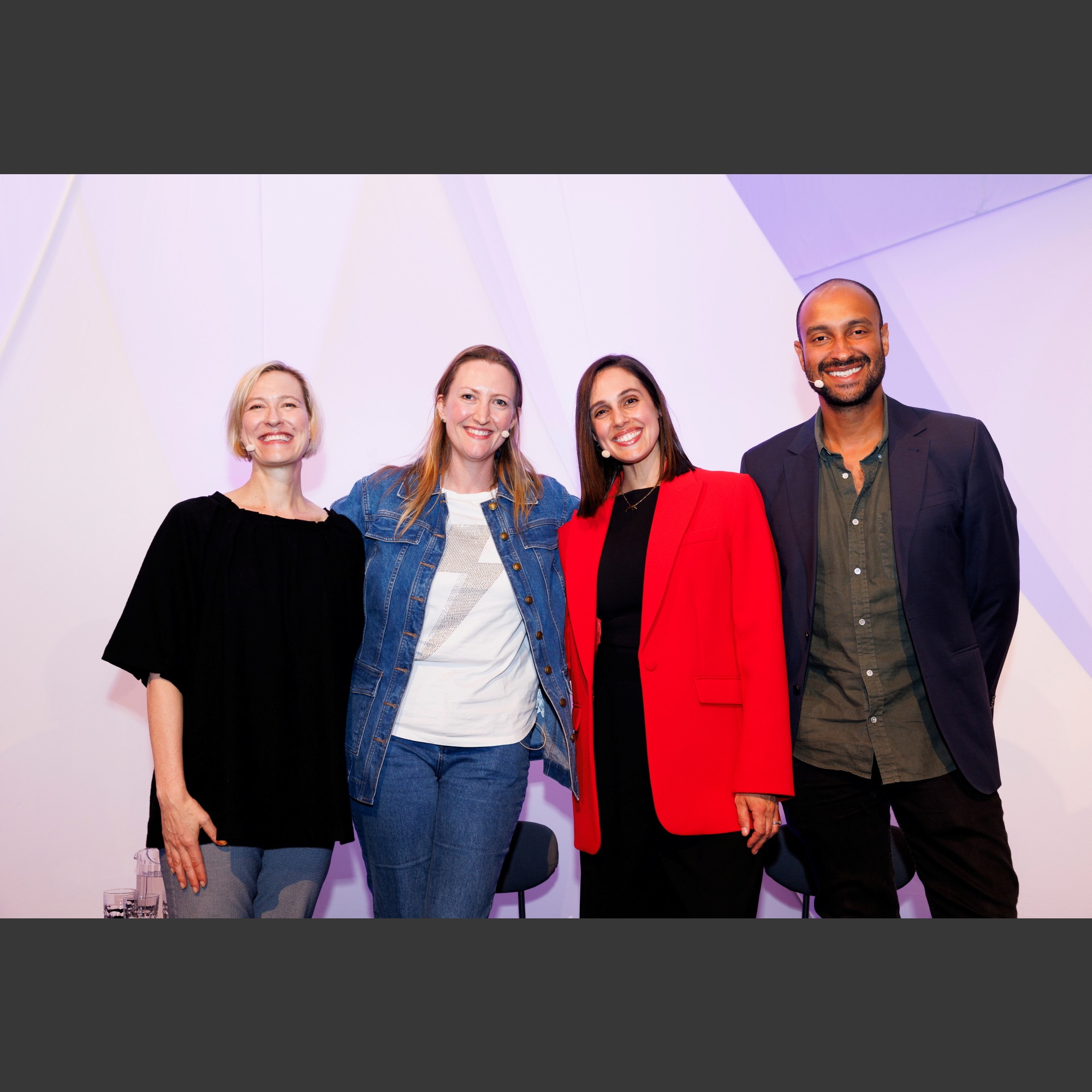
Can AI talk whale?
A panel discussion from the Australian National Maritime Museum explores the use of AI tools in ocean research.
 The Science Show - Separate stories podcast
Vale Bridget Ogilvie
Dame Bridget Ogilvie from Glen Innes in NSW was a renowned parasitologist and former director of the Wellcome Trust in the UK. She died in April.
- The Science Show - Separate stories podcast
Lab Notes: Lead may be hiding in your clothing
Ever wondered how your sweater became bright orange, or how your leather shoes were made? Chances are, at some point in the process, hazardous chemicals like…
 The Science Show - Separate stories podcast
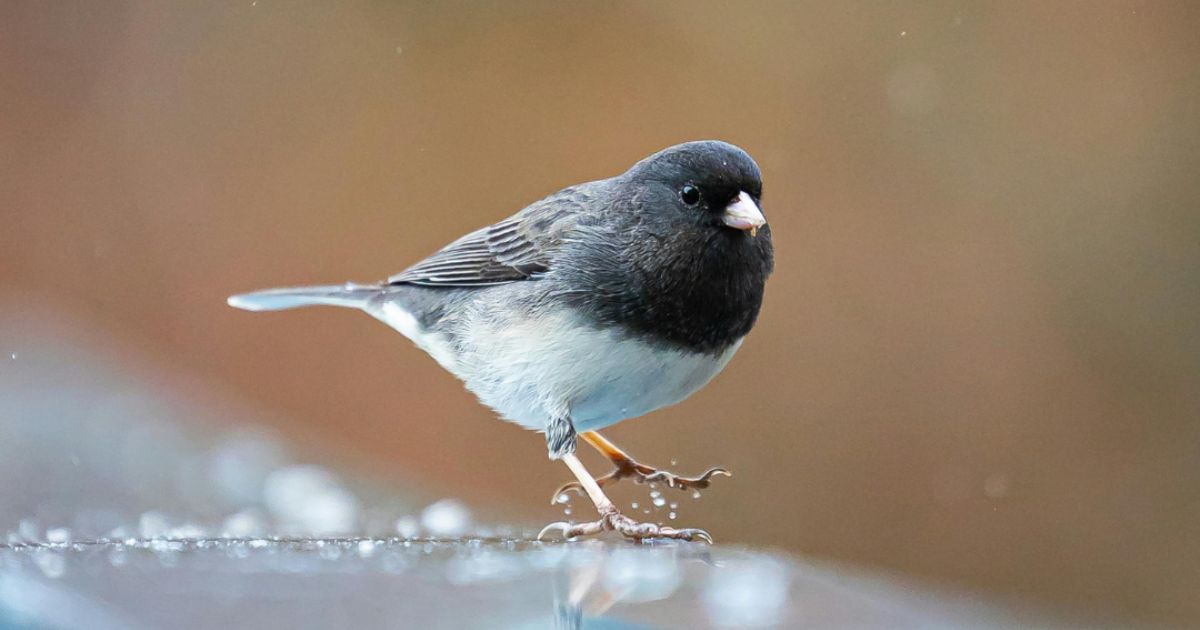
Evolution on campus – and in your town
Birds on a US university campus have been seen to change in response to being fed. Evolution in front of our eyes.
 The Science Show - Separate stories podcast
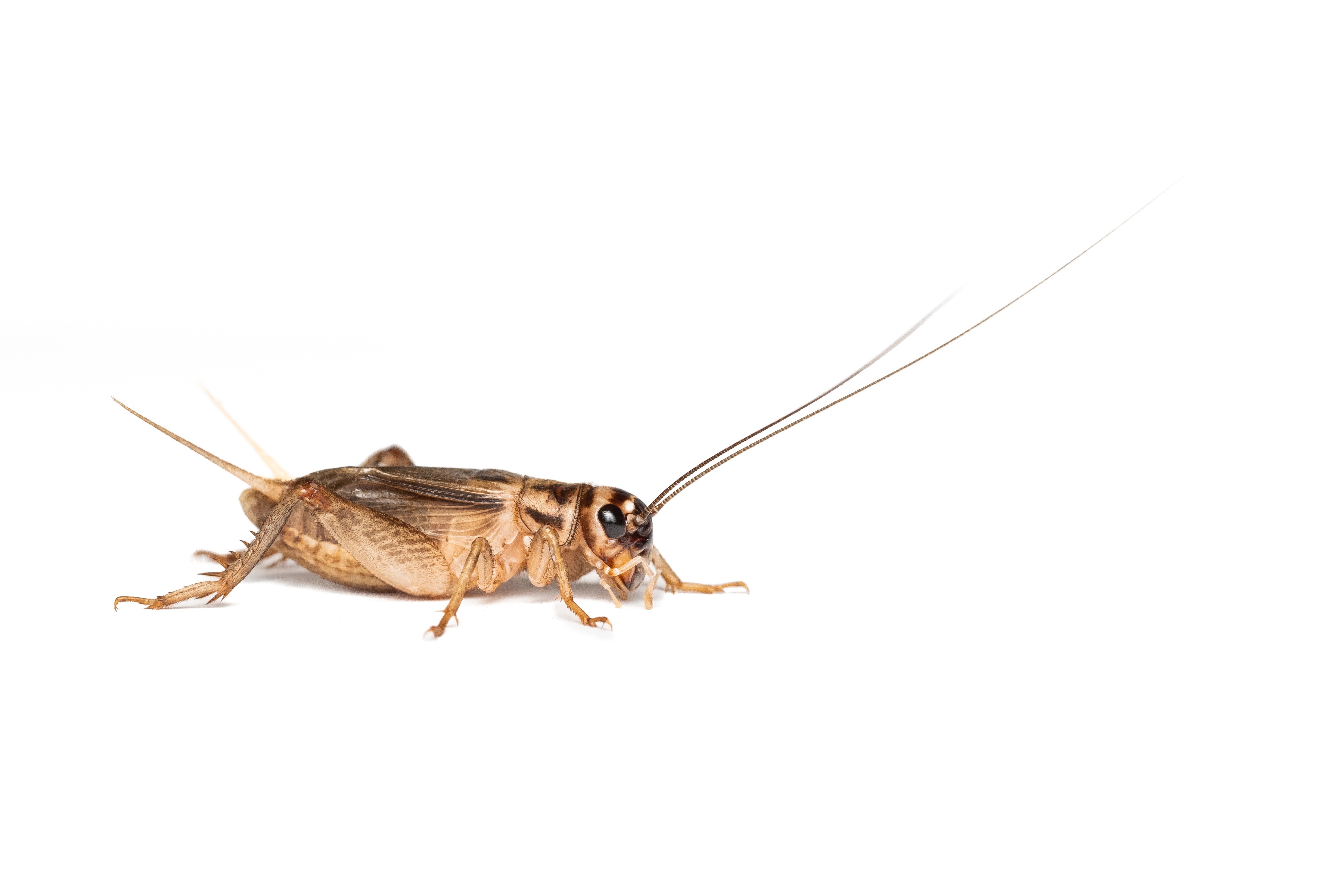
Do crickets feel pain?
A cricket attends to a damaged antenna. Is that a true indication of pain?
 The Science Show - Separate stories podcast
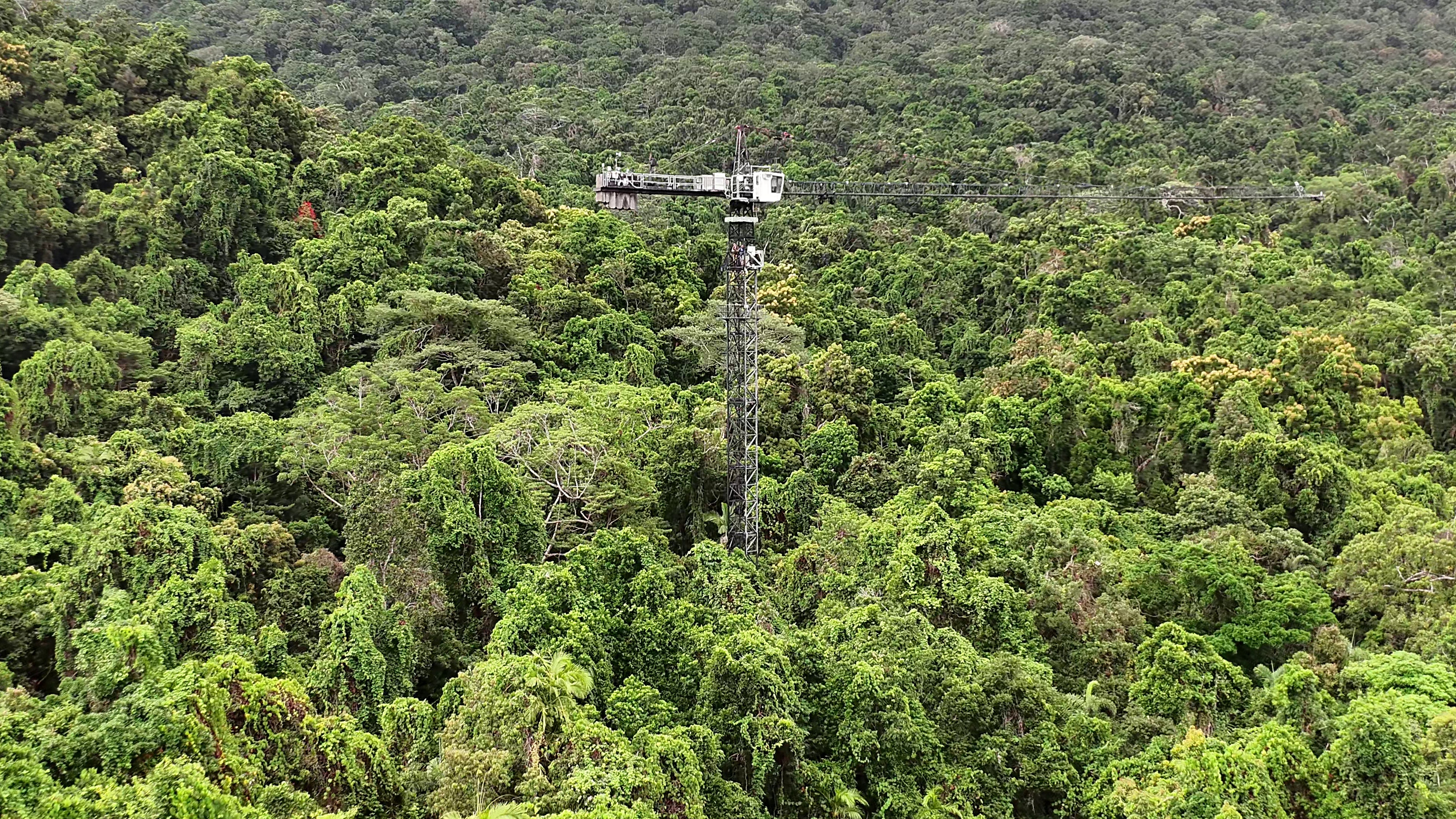
Restoring the Daintree rainforest
Logging in the Daintree rainforest in Far North Queensland began in the 1890s. Recently it has been impacted by dairying. Susan Laurance describes the…
 The Science Show - Separate stories podcast
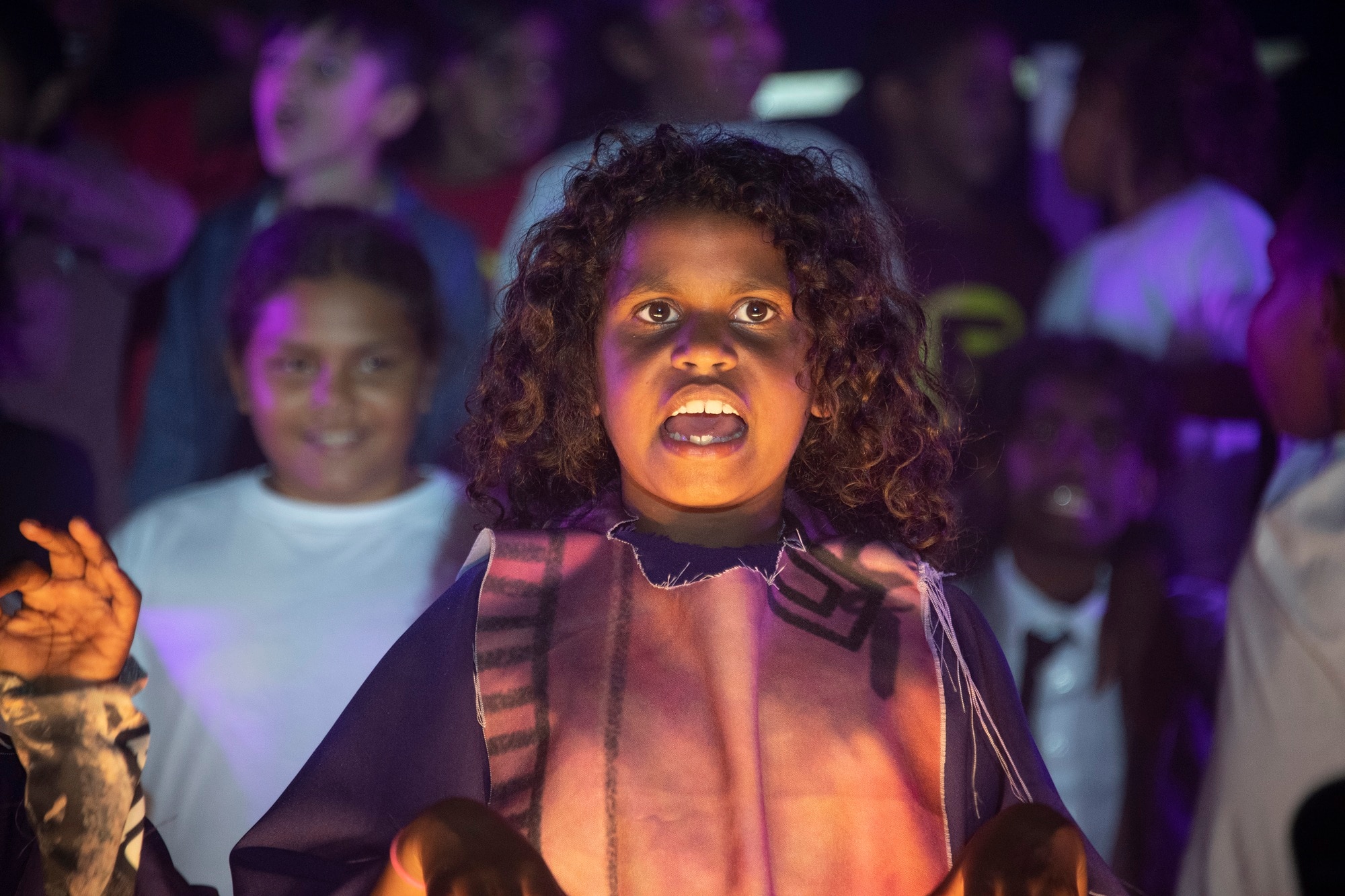
E=mc2: an equation, a book and a musical for schools
Based on David Bodanis’s book, E=mc2 The Musical introduces students and audiences to the human story behind the famous equation.
 The Science Show - Separate stories podcast
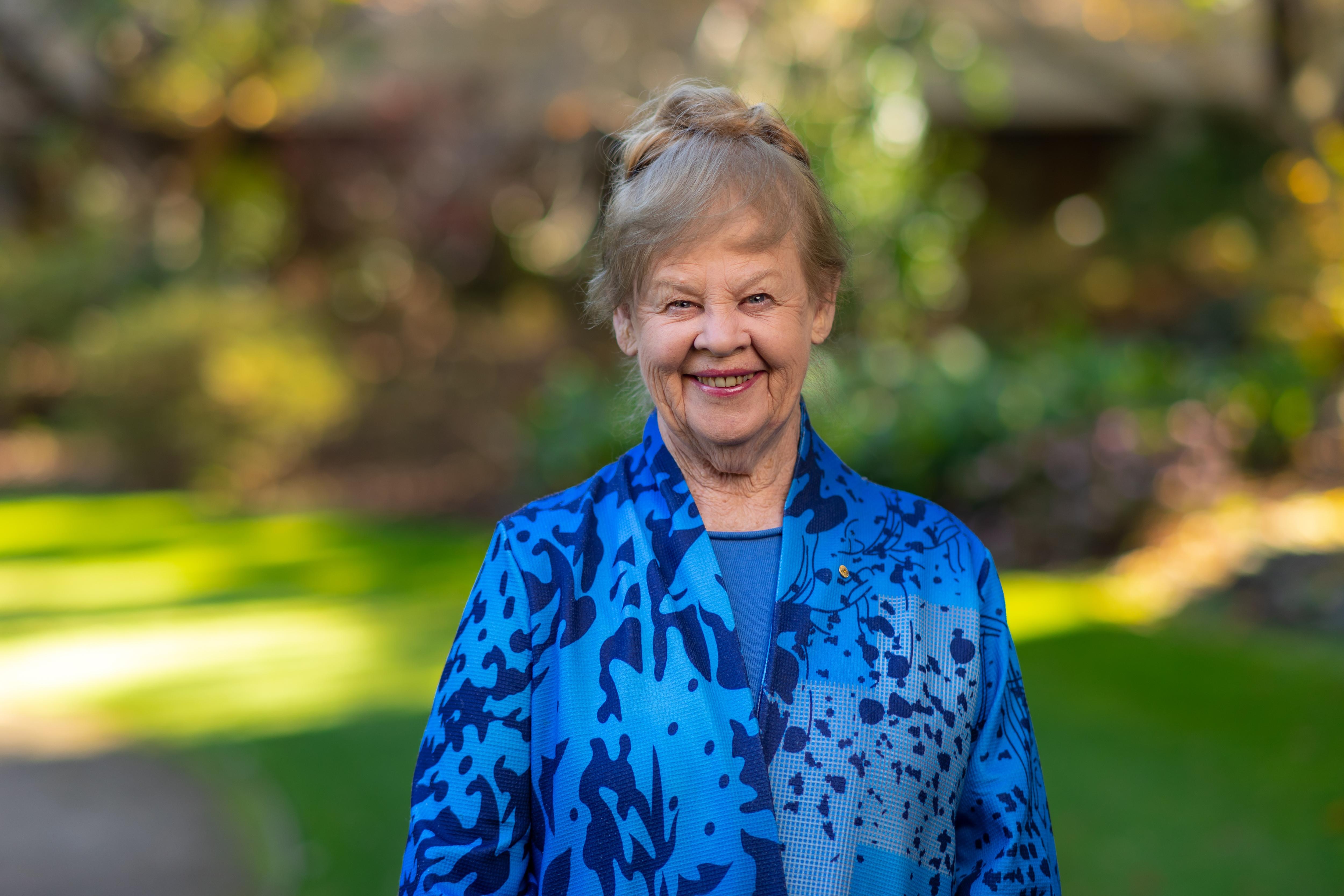
Olympics sex testing will not produce conclusive results
Rare variations exist making an IOC gene test for sex imperfect.
- The Science Show - Separate stories podcast
Lab Notes: Giant dino discovery fulfils a childhood dream
A new giant dinosaur has been uncovered in Thailand: the largest ever found in South-East Asia. More than 100 million years ago, Nagatitan towered over the…
 The Science Show - Separate stories podcast
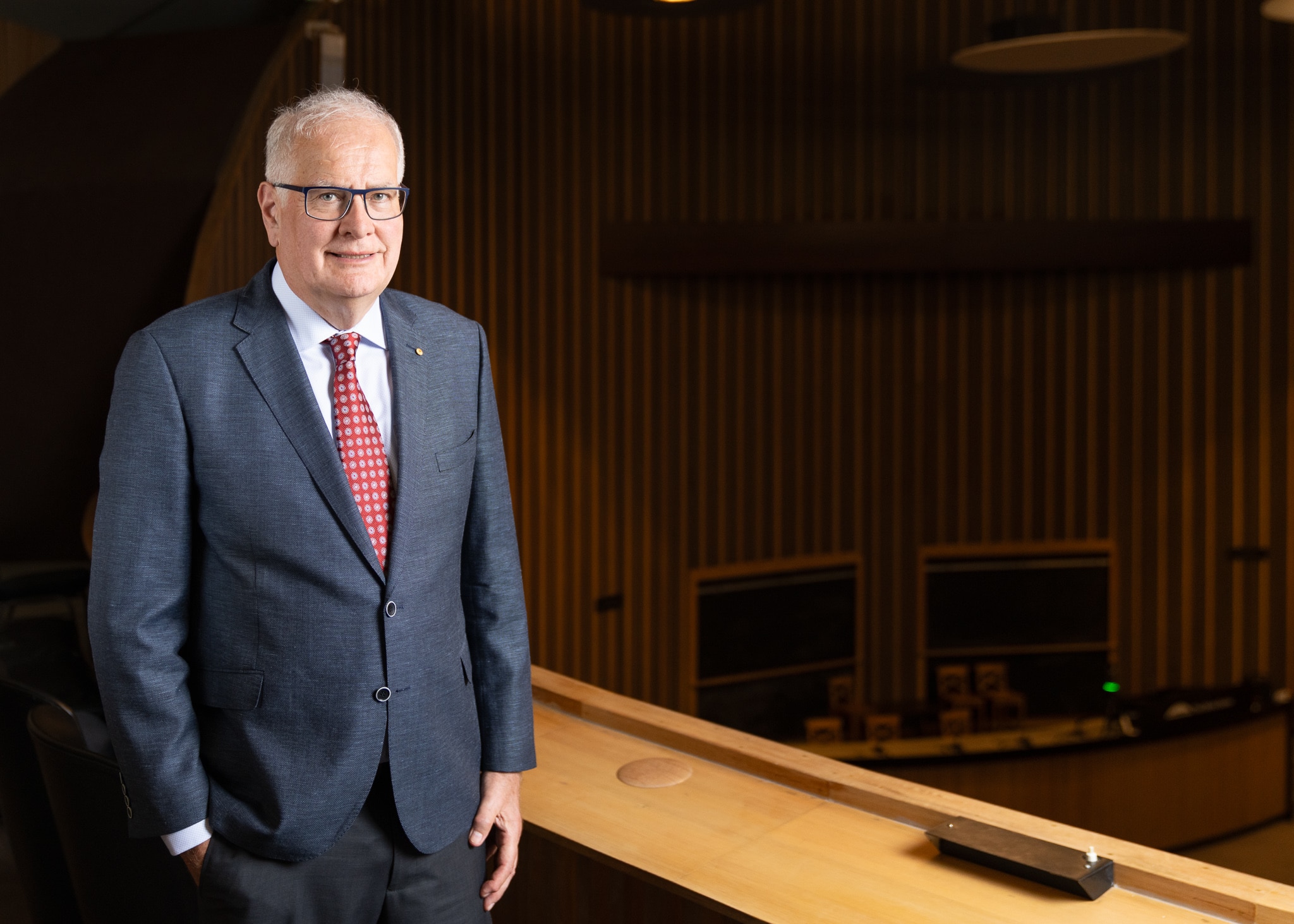
Epilepsy pioneer elected 21st president of the Australian Academy of Science
This month Sam Berkovic becomes the 21st president of the Australian Academy of Science. He chats with Robyn Williams about the challenges for science and the…
 The Science Show - Separate stories podcast
Kingsley Dixon shares his love for botany and the environment
Despite losing his vast garden to bushfire, Kingsley Dixon, like the environment, is resilient and is bouncing back.
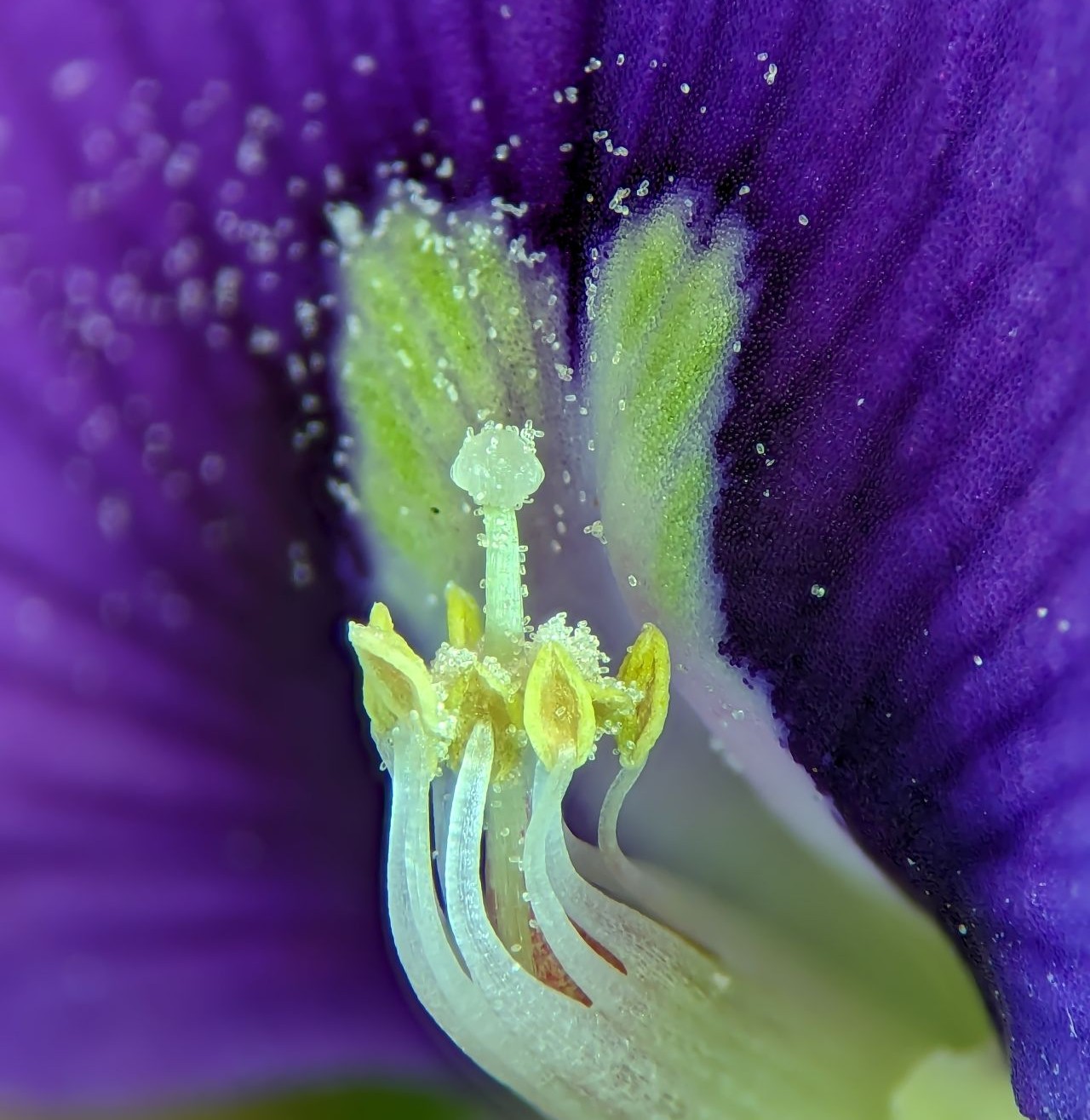 The Science Show - Separate stories podcast
The ins and outs of pollination
Plants have devised a great many ways of exchanging genes, creating seed, and ensuring the continuation of each species. Chantelle Doyle introduces us to the…
 The Science Show - Separate stories podcast
Preparing for the next pandemic
Karen Laurie at CSL Seqirus describes the steps which would lead to vaccine manufacture.
 The Science Show - Separate stories podcast
Bird flu moving around Antarctica, Australia threatened
Avian influenza H5N1 is leaving a heavy impact around Antarctica. It is now on Heard Island with fears it will be on Macquarie Island and before too long…
 The Science Show - Separate stories podcast
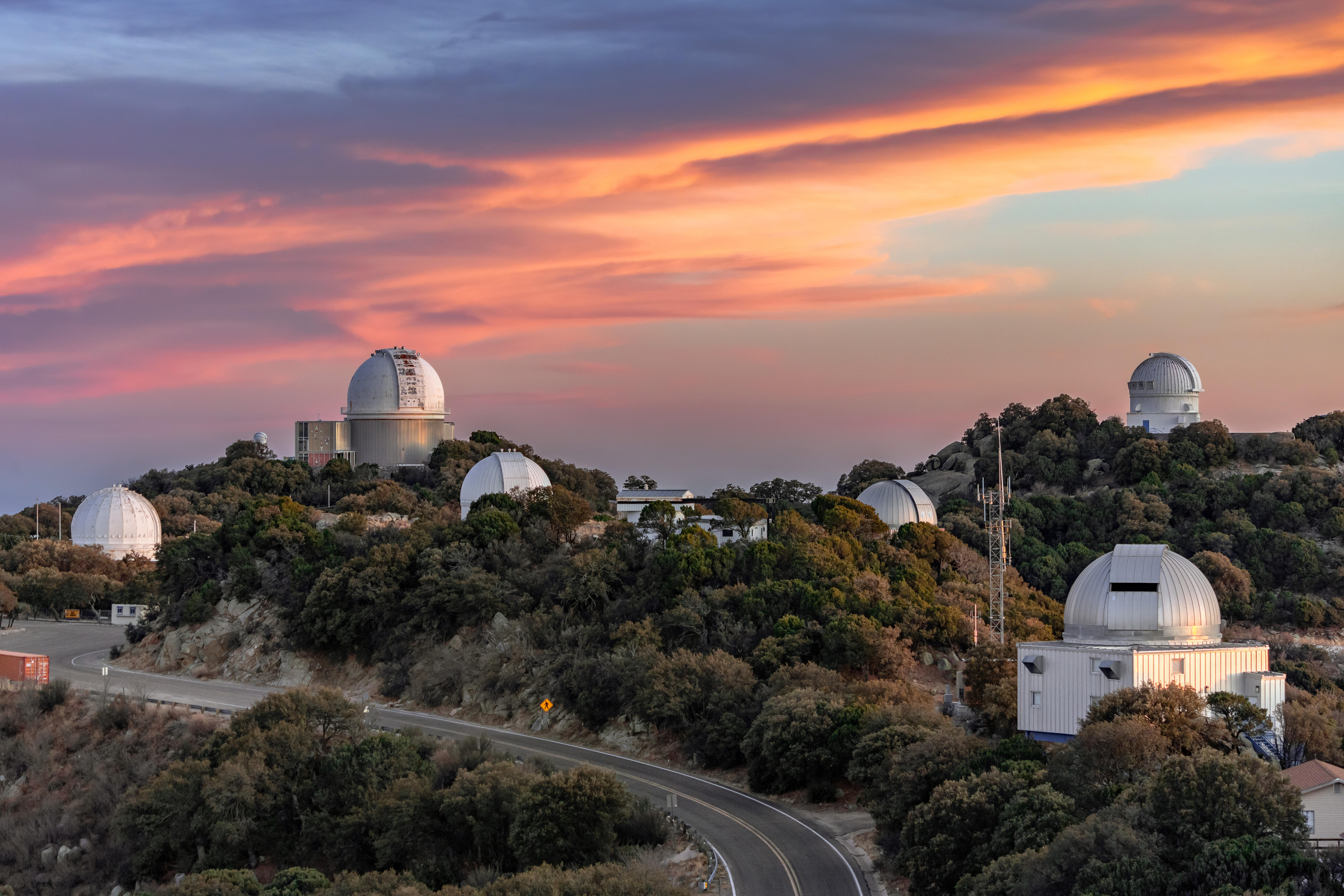
Dark energy – is it running down?
The Kitt Peak National Observatory in Arizona has mapped five million extra galaxies. Could this, finally, solve the dark energy problem?
- The Science Show - Separate stories podcast
Budget implications for science and research
Belinda Smith reports on how science and research fare following the federal budget brought down this week by treasurer Jim Chalmers.
- The Science Show - Separate stories podcast
Lab Notes: Can AI chatbots make you delusional?
Stories of AI chatbot users drifting from our shared reality are increasingly common, often described as cases of AI delusions, delusional spirals, or AI…
 The Science Show - Separate stories podcast
Ambitious Australia
Ian Chubb discusses the Ambitious Australia review he led into research in Australia.
 The Science Show - Separate stories podcast
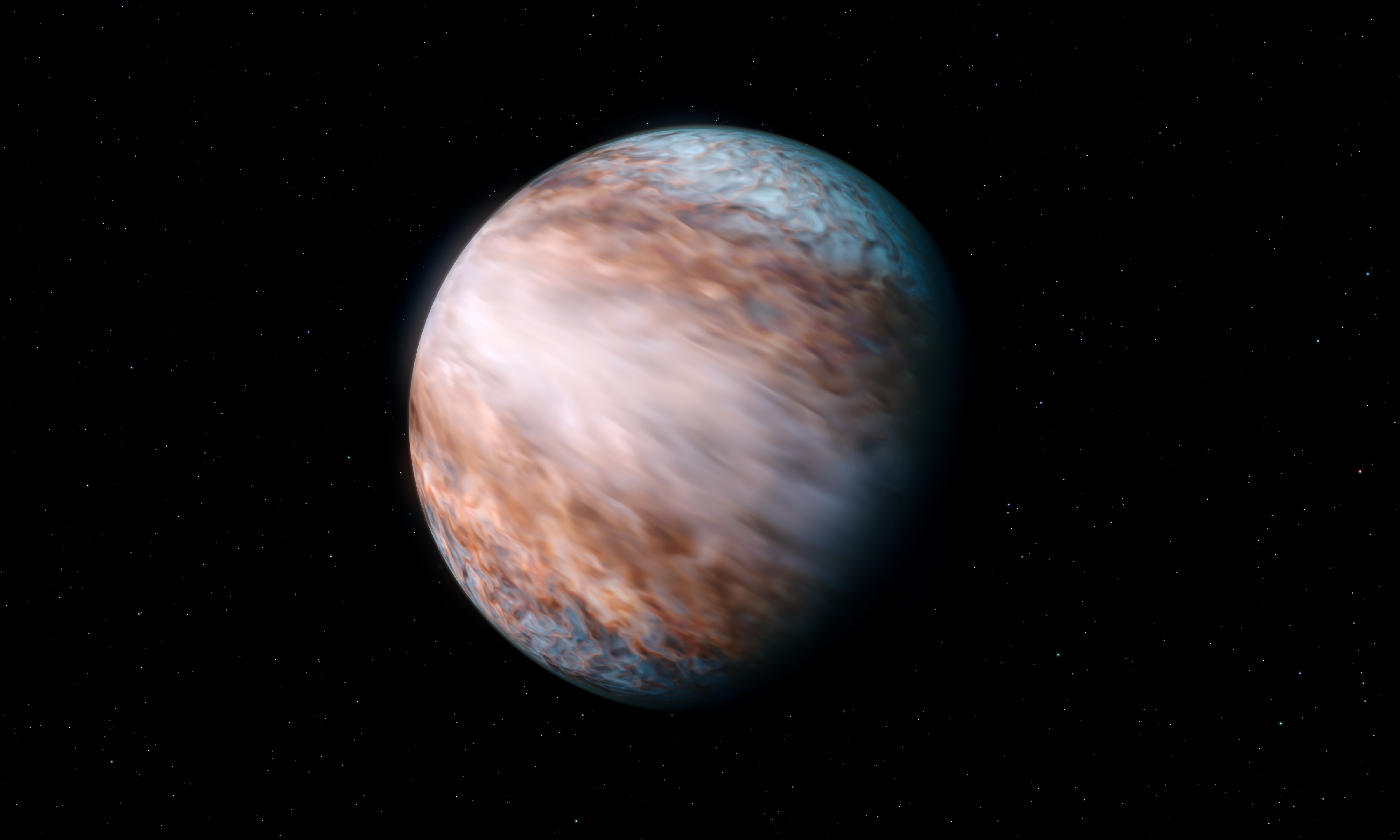
Monster winds on alien worlds
Winds are so fast on distant planets they’d blow your socks off.
 The Science Show - Separate stories podcast
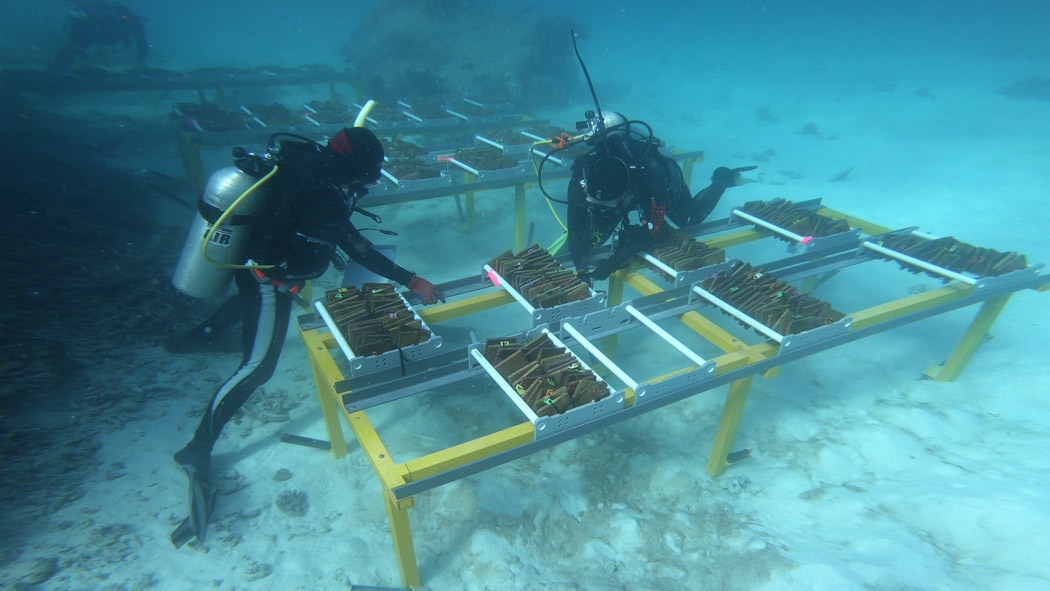
Scientific challenges in Australia’s tropical north
Professor of Sociology Stewart Lockie at James Cook University in Cairns says people with different expertise working together on reef conservation and…
 The Science Show - Separate stories podcast
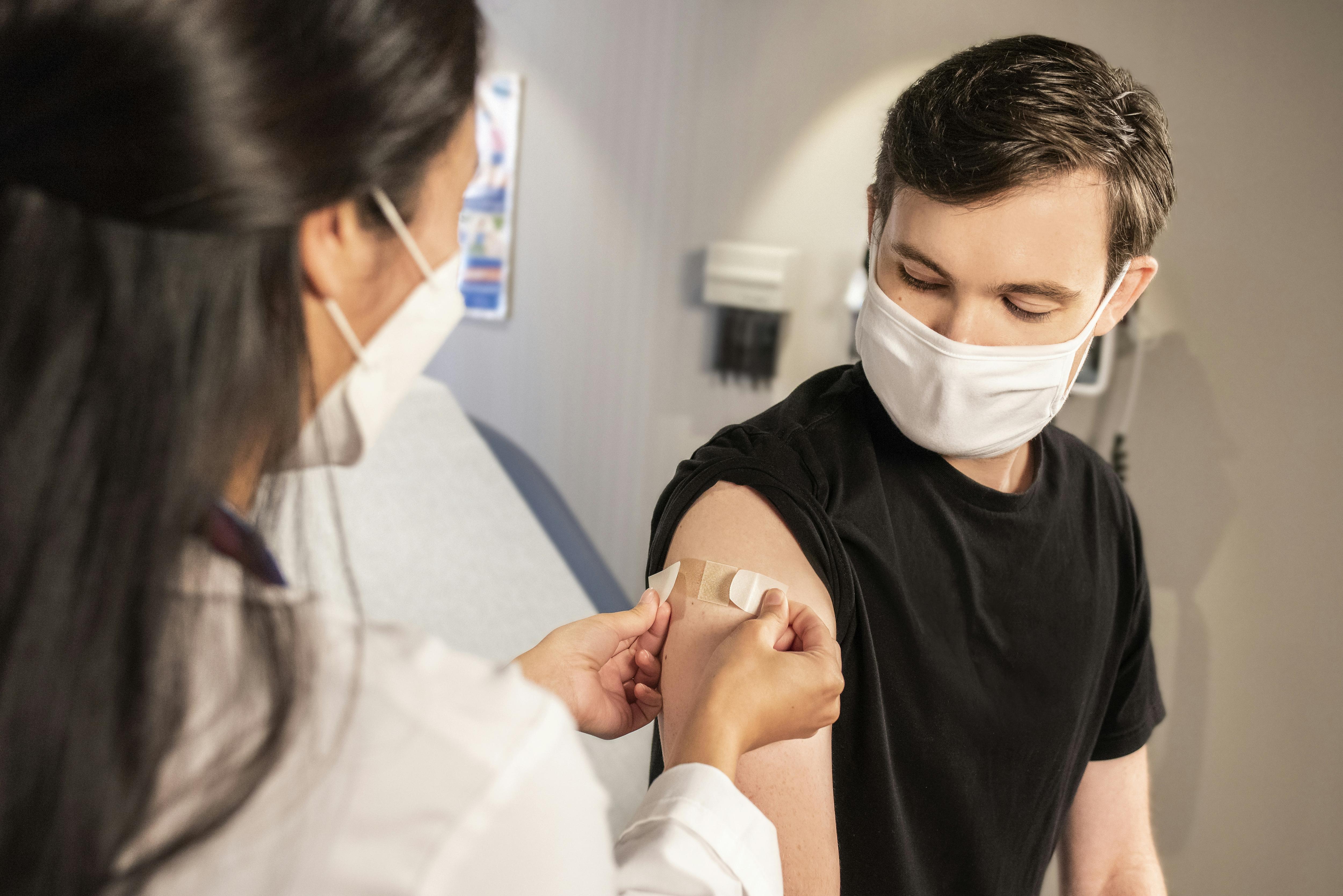
Vaccines from mammal cells
Since the 1940s, vaccines have been made using the eggs of chickens. A new process uses cells from a dog. Belinda Smith finds out more.
 The Science Show - Separate stories podcast
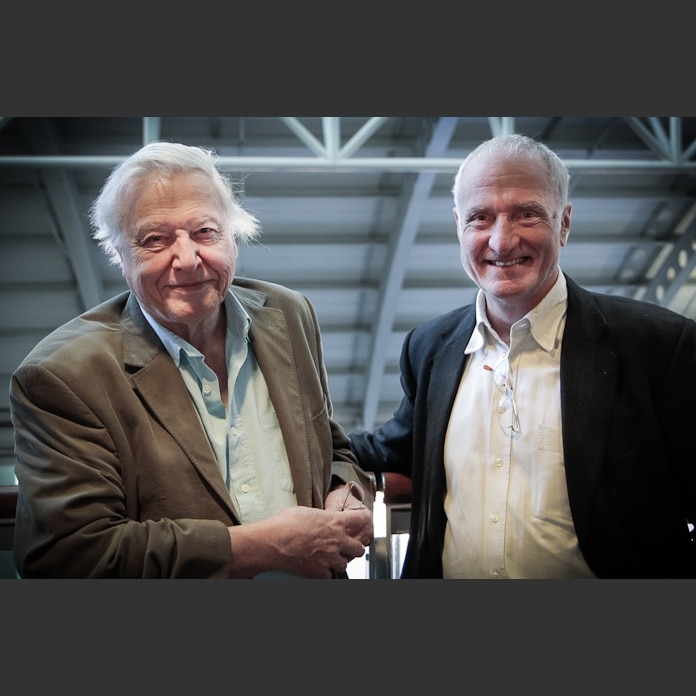
David Attenborough celebrates 100 years
We hear examples of a brilliant career and how the young David nearly failed his BBC television audition because “his teeth were too big!”
- The Science Show - Separate stories podcast
Lab Notes: What happens if a major ocean current … stops?
The Atlantic Meridional Overturning Circulation (AMOC) is a vast current that helps move water and energy right around our planet, from top to bottom…
 The Science Show - Separate stories podcast
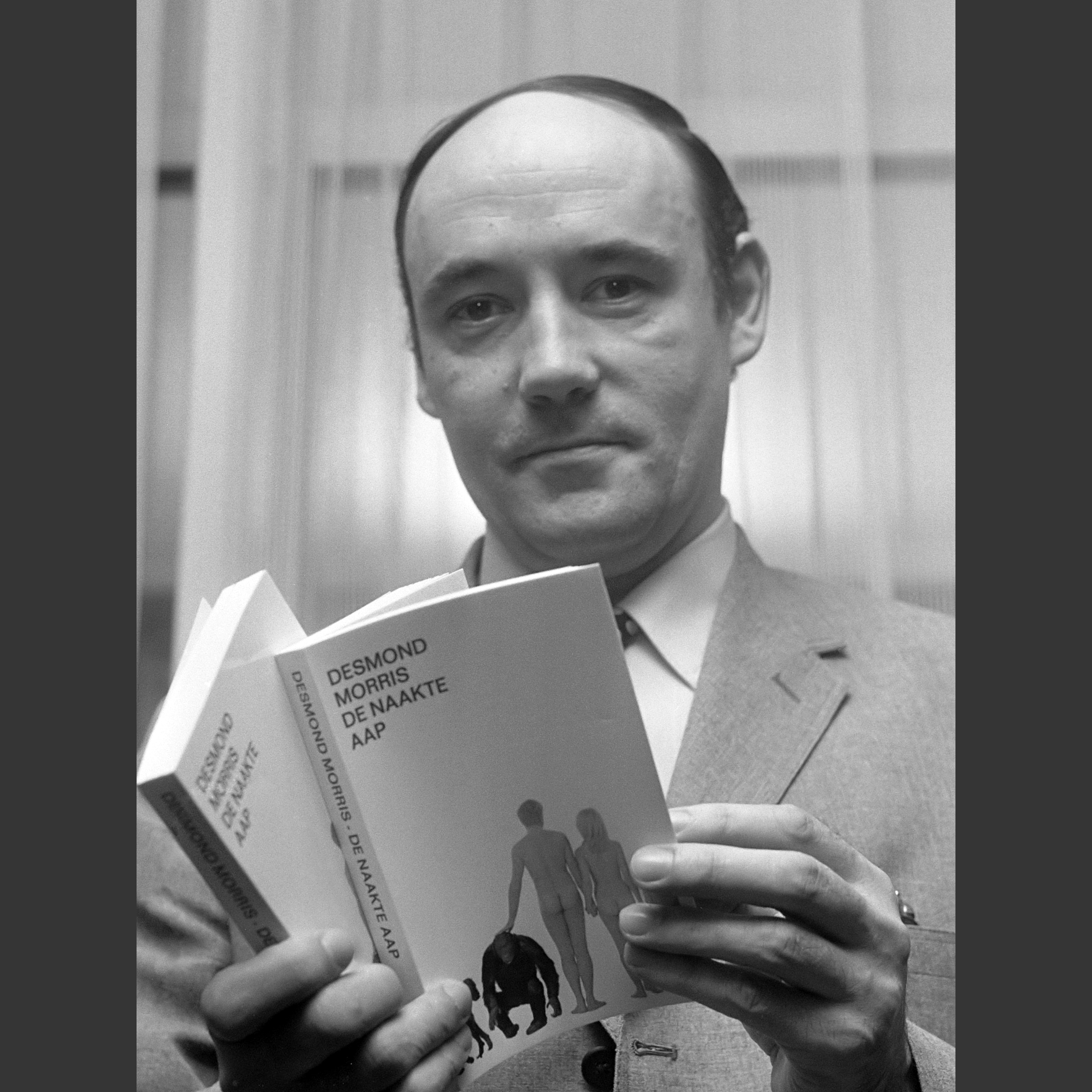
Vale Desmond Morris
Desmond Morris, the English zoologist, film and television producer and writer, has died at the age of 98.
 The Science Show - Separate stories podcast
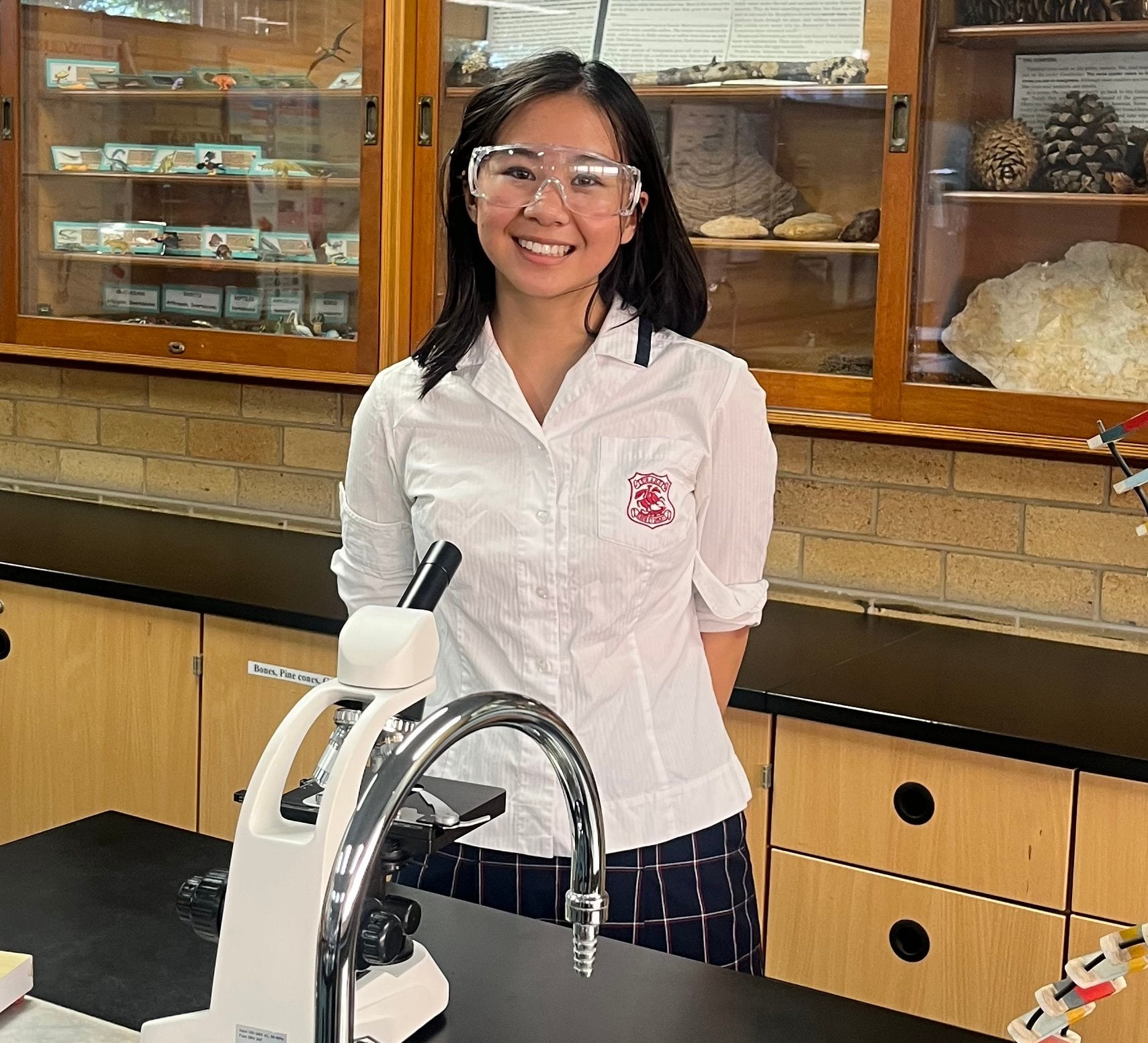
How to maintain young students’ enthusiasm for science
Chloe Kwan suggests ways in which science education can nurture and sustain interest in science for young people.
 The Science Show - Separate stories podcast
Research funding in Australia falters
Australia lags behind most OECD countries when it comes to percentage of GDP spent on scientific research. Belinda Smith speaks to scientists impacted with a…
 The Science Show - Separate stories podcast
Academy farewells CEO Anna-Maria Arabia
After almost 10 years, the Australian Academy of Science has farewelled its CEO, Anna-Maria Arabia. Might she become an ambassador for Australian science?
 The Science Show - Separate stories podcast
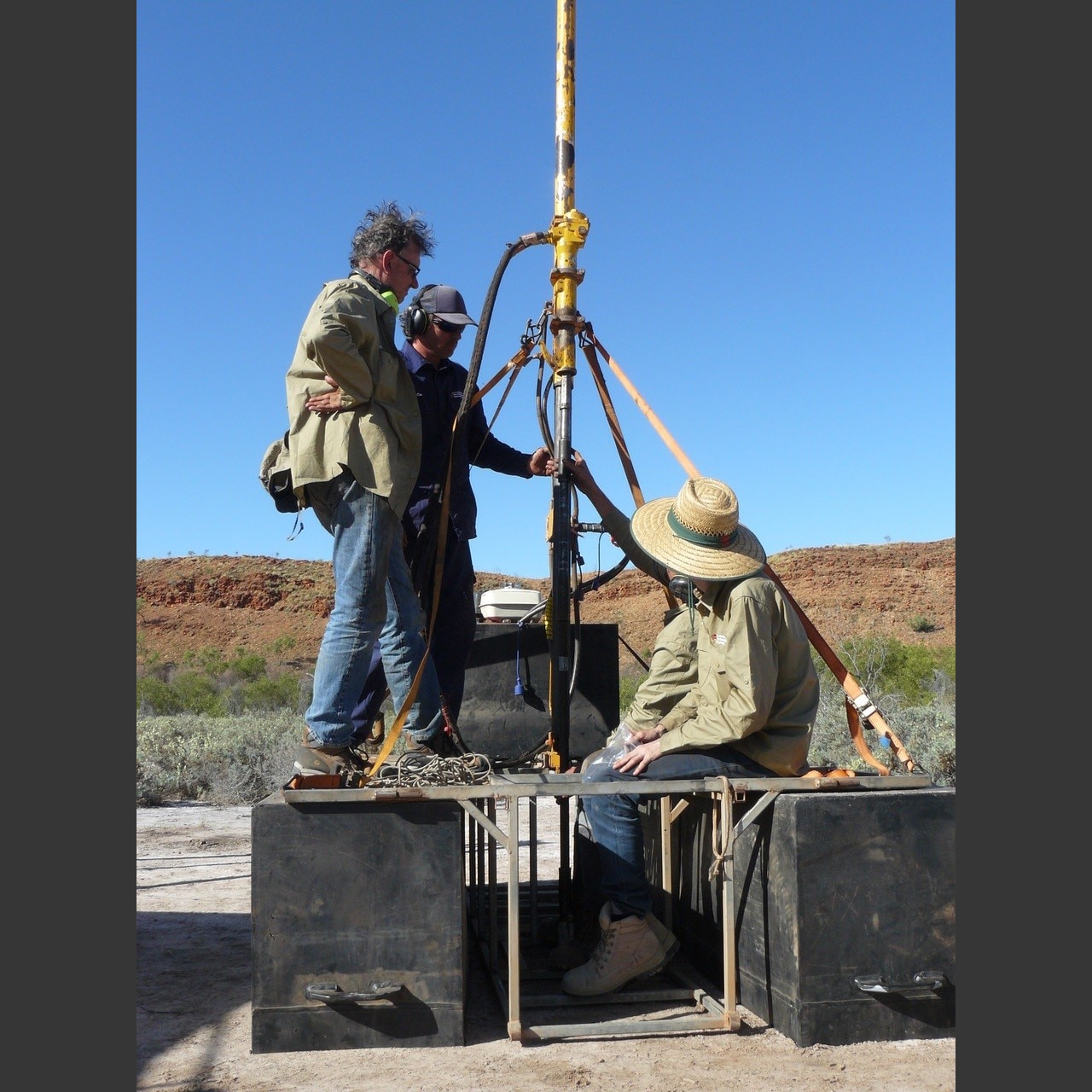
Isotopes reveal environmental deep history
Michael Bird uses isotopes to construct the nation’s environmental history and human practices over time such as Indigenous burning practices.
- The Science Show - Separate stories podcast
Lab Notes: AI data centres are coming to remote Australia
The Kimberley region is more than 2000 kilometres north of Western Australia's capital city, Perth. The area is both extremely remote and extremely beautiful…
 The Science Show - Separate stories podcast
Future threatened if major changes don’t occur
Reese Halter says those determining our laws have very poor science literacy and are not heeding the urgency presented by climate change.
 The Science Show - Separate stories podcast
More from Chloe Kwan
Chloe Kwan continues with her observations of science teaching for primary school students.
 The Science Show - Separate stories podcast
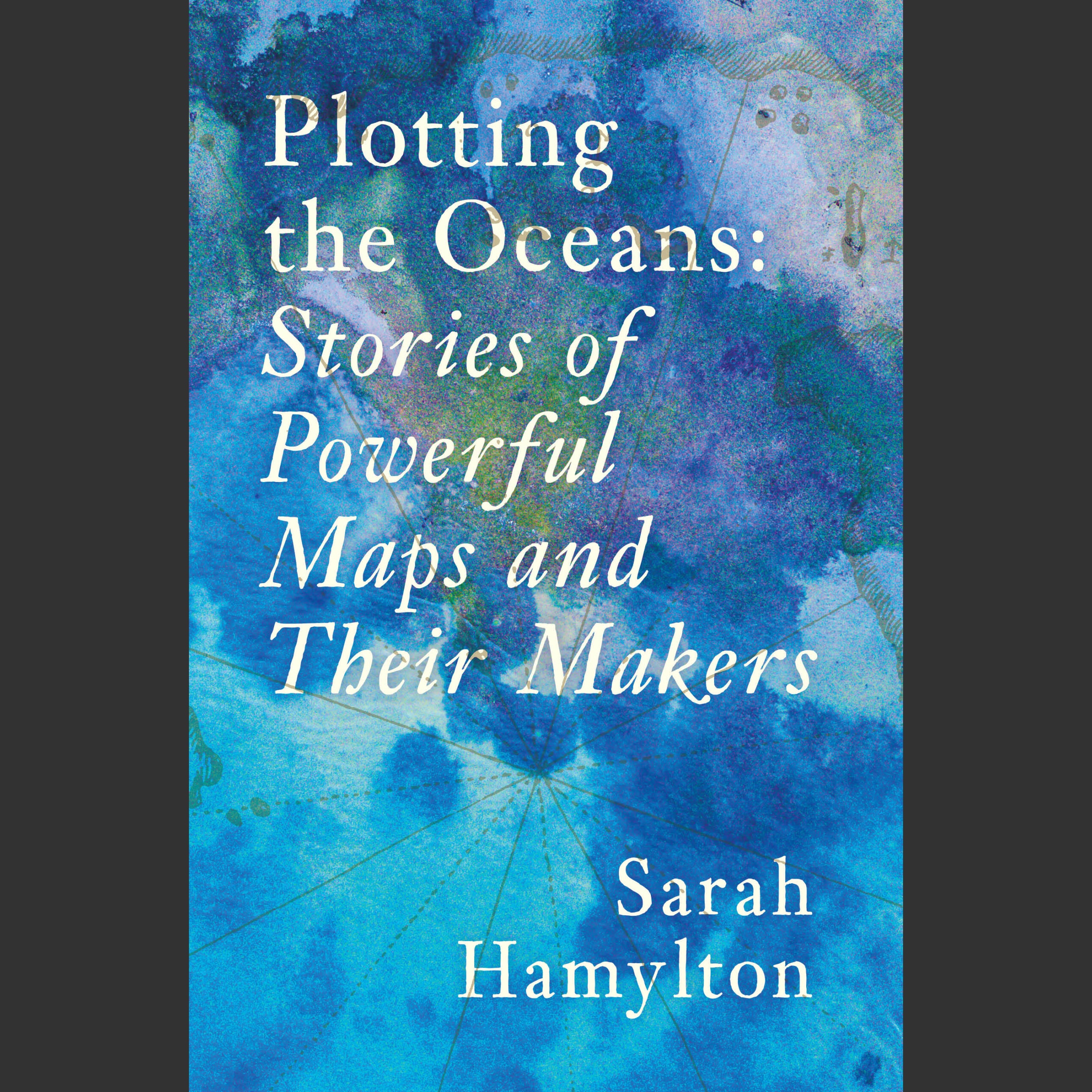
Mapping - four engrossing stories
In her Book Plotting the Oceans, Stories of Powerful Maps and their Makers, author Sarah Hamylton traces the intriguing stories of Charles Darwin, Hubert…
 The Science Show - Separate stories podcast
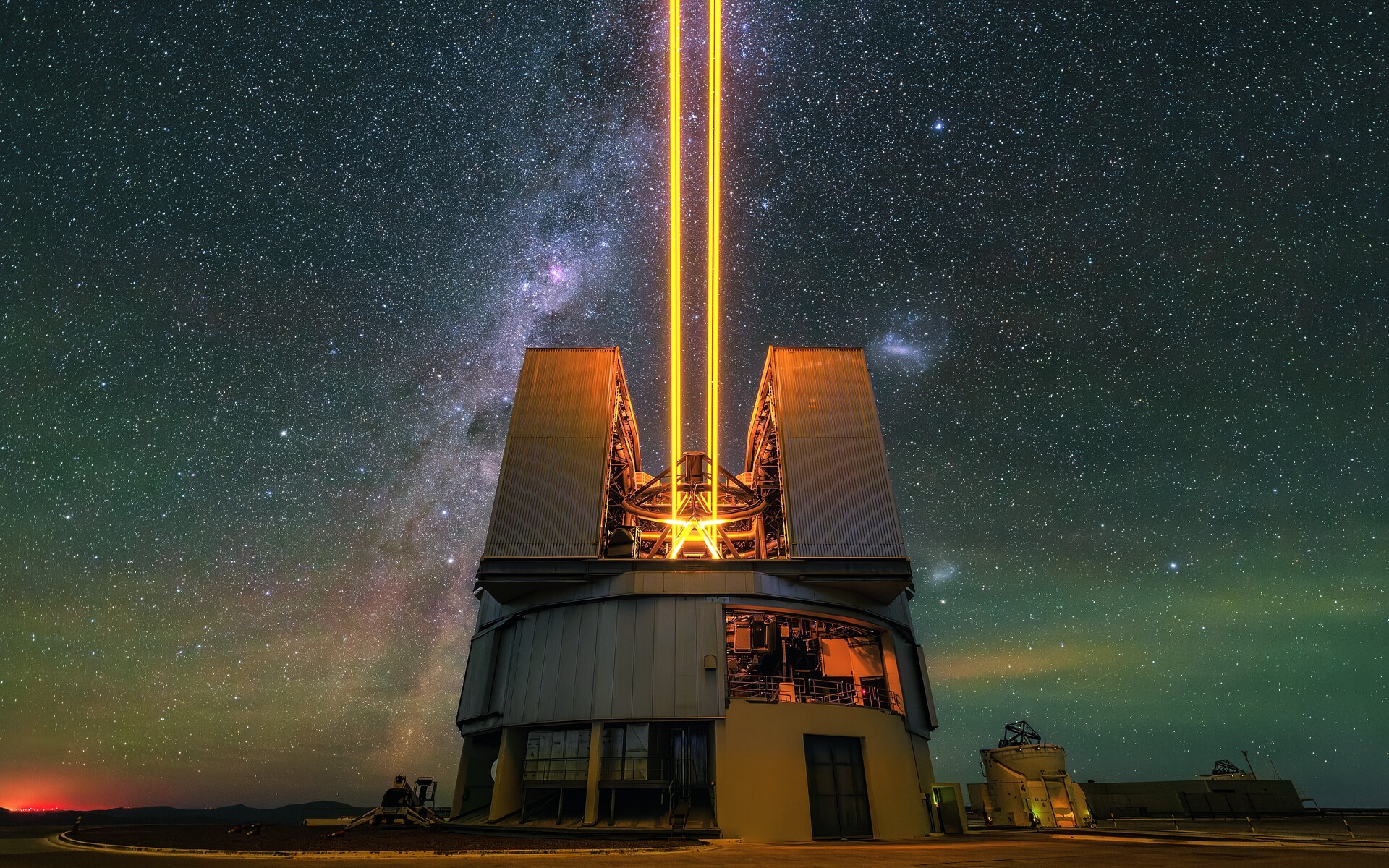
Australia says no to major science collaboration
Australia will not participate in the European Southern Observatory.
- The Science Show - Separate stories podcast
Lab Notes: Aussies loved Artemis II — and they want more
Australians were captivated by the recent Artemis II mission — and they’re hungry for more. New YouGov polling reveals surging national interest in space…
 The Science Show - Separate stories podcast
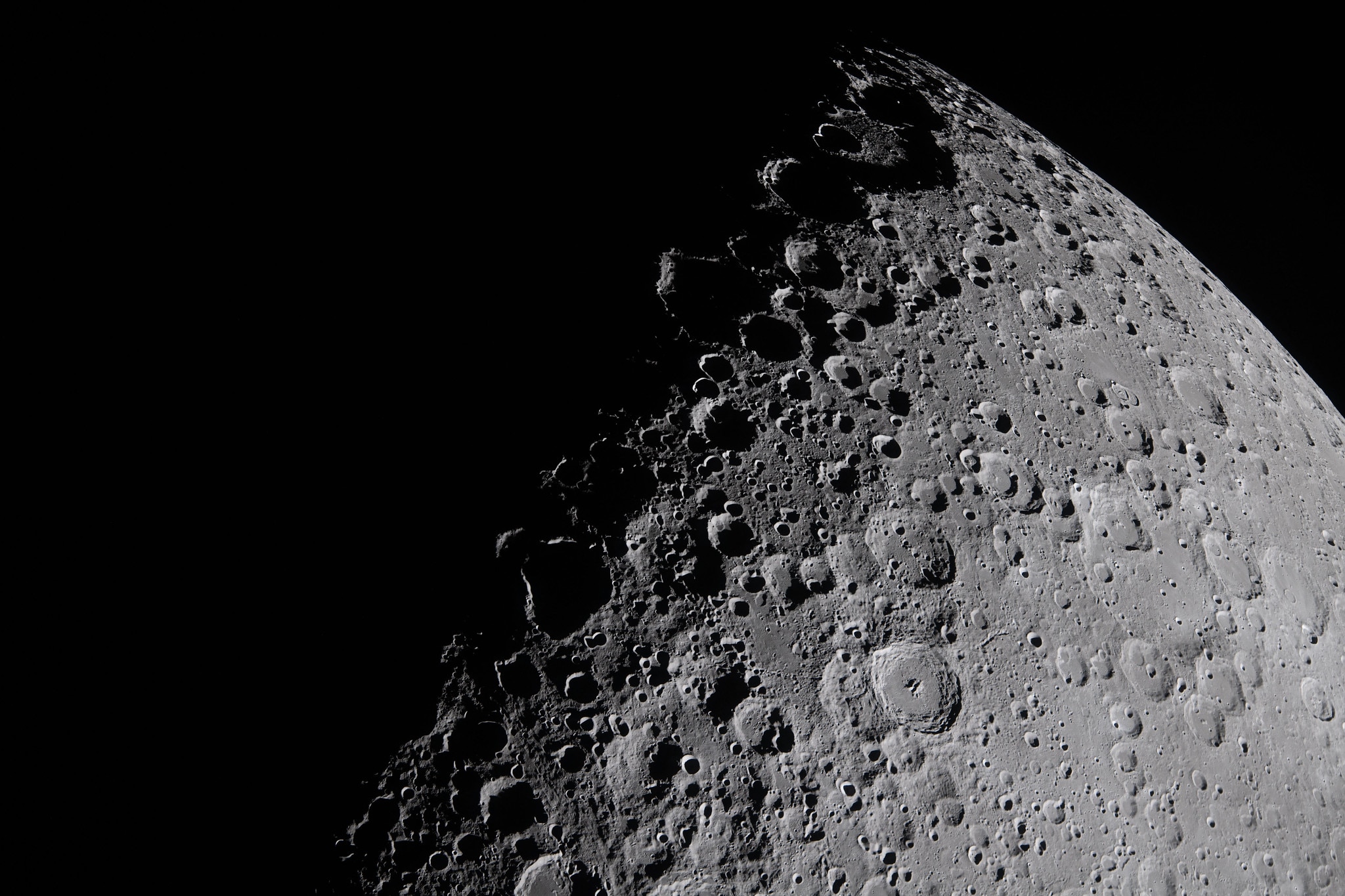
Celebrating Artemis
In 1972 Robyn Williams described the Apollo 17 mission for the radio audience. In 2026 Belinda Smith and Janicta Bowler presented the Artemis Explained…
 The Science Show - Separate stories podcast
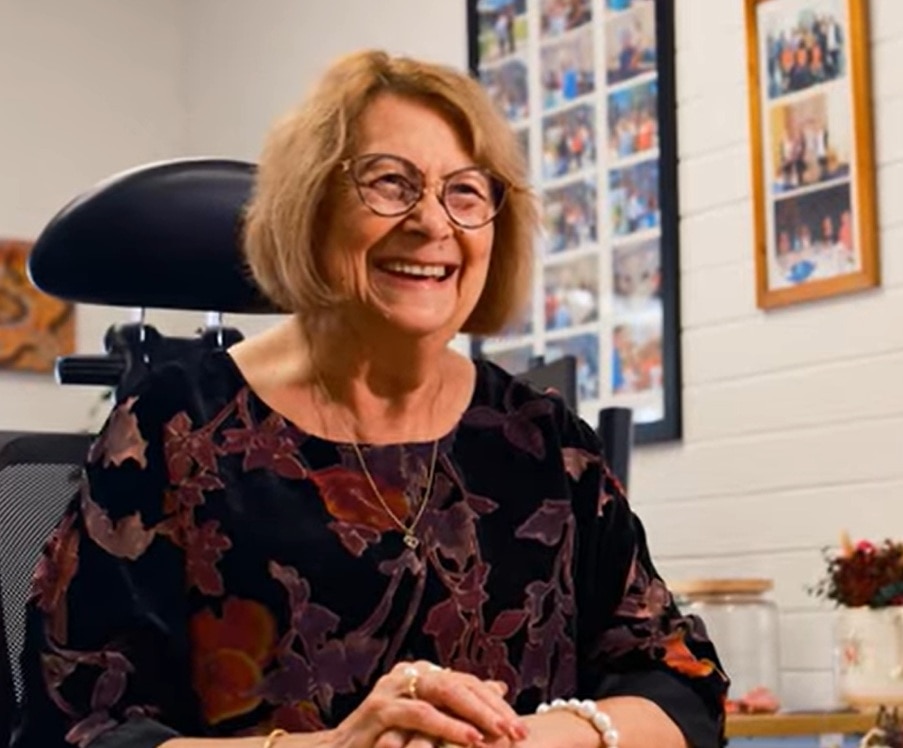
Rhonda Marriott wins WA premier's science award
Rhonda Marriott supports Aboriginal families and provides science-based knowledge to women, empowering them during pregnancy and birthing.
 The Science Show - Separate stories podcast
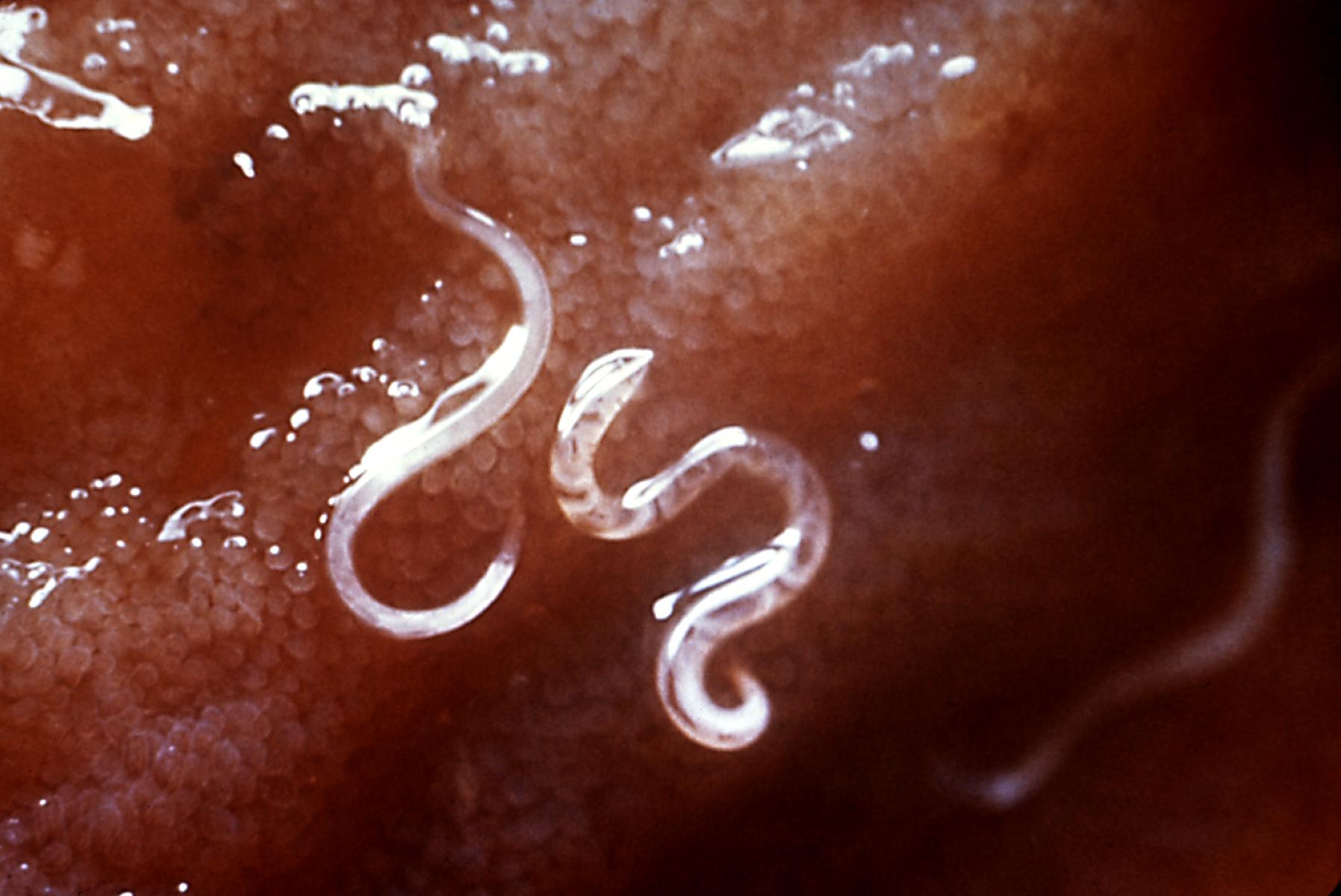
Parasitic worms used to treat autoimmune diseases
When parasitic worms are absent, the immune system sometimes overreacts producing an autoimmune disease. New treatments based on hookworm secretions are…
 The Science Show - Separate stories podcast
We exist thanks to viral DNA
DNA from viruses integrates with our own DNA and brings a range of impacts.
 The Science Show - Separate stories podcast
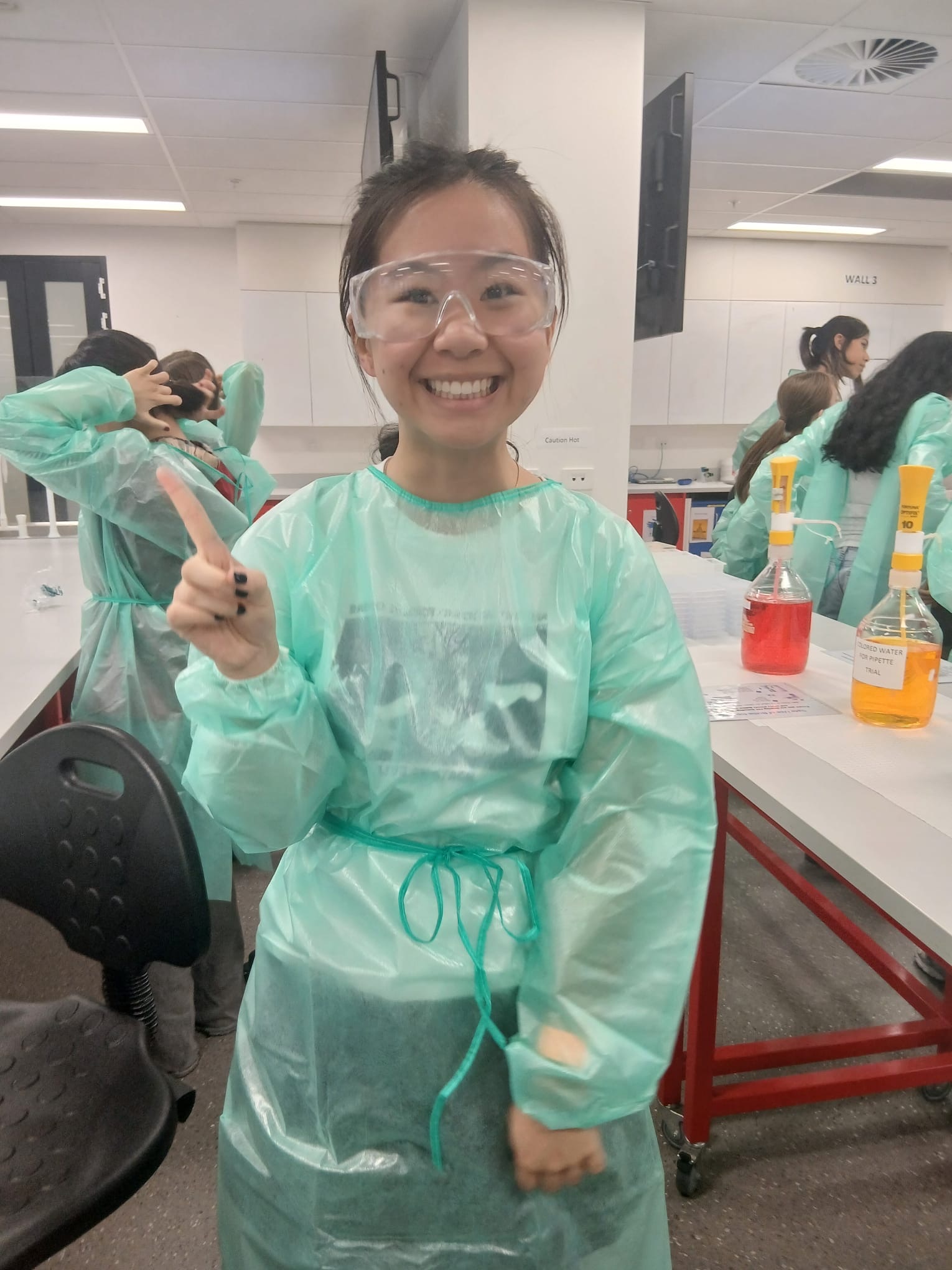
15-year-old can't get enough science!
Chloe Kwan reflects on what turned her off as a young child and how science teaching for juniors might change to excite more students like her.
 The Science Show - Separate stories podcast
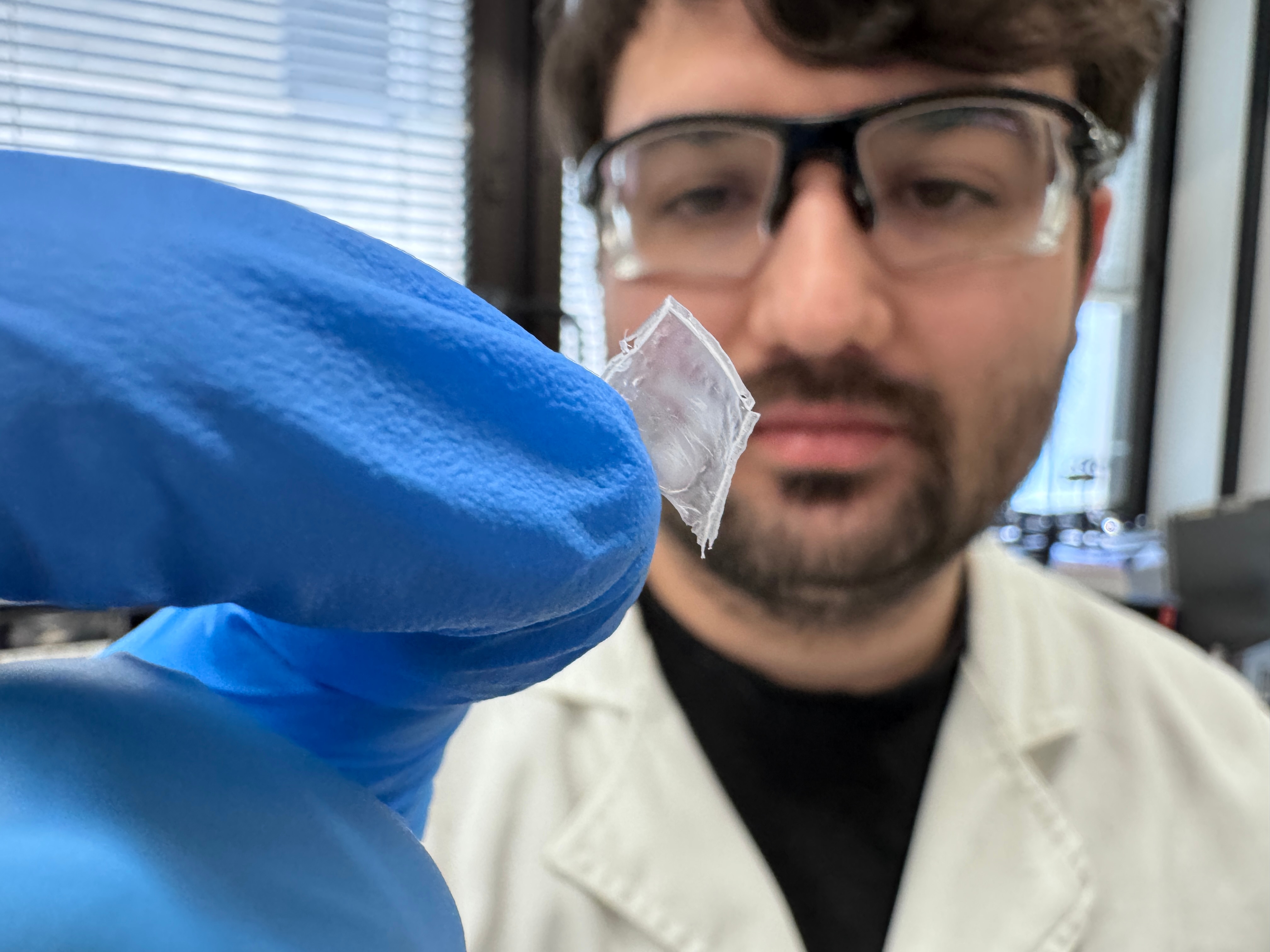
Nylon that harvests energy from movement and pressure
A nylon material that can harvest this kind of energy has been developed which is non-toxic, tough, and easy and cheap to make.
 The Science Show - Separate stories podcast
Getting the most bang for your fertiliser buck
Belinda Smith speaks to a chemist about how improving nitrogen fertiliser efficiency not only reduces fertiliser waste, but also helps protects air and…
 The Science Show - Separate stories podcast
Lab Notes: Is measles back?
In 2024, measles claimed an estimated 95,000 lives around the world – despite the fact that we have an effective, affordable vaccine. In Australia, at least 80…
 The Science Show - Separate stories podcast
Carbon offsets – do they work?
Penny van Oosterzee argues carbon offsets work and can bring about positive results.
 The Science Show - Separate stories podcast
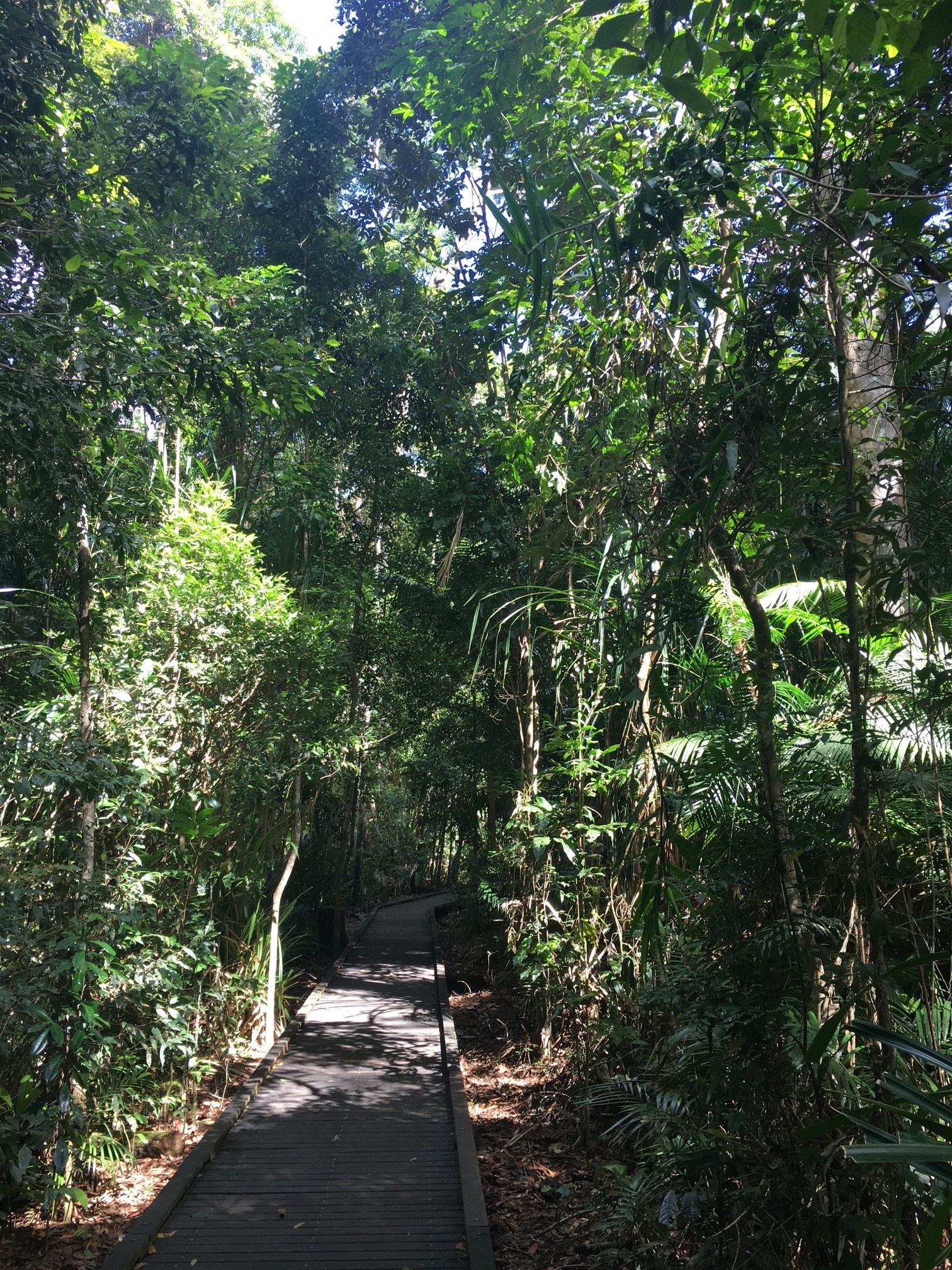
Will rising CO2 provide enhanced growth in the world’s forests?
Experiments confirm increased carbon dioxide as is experienced everywhere now due to the burning of fossil fuels, does not stimulate enhanced growth of trees.
 The Science Show - Separate stories podcast
Applications for quantum mechanics
Paul Davies canvasses the many amazing applications being realised by quantum theory.
 The Science Show - Separate stories podcast
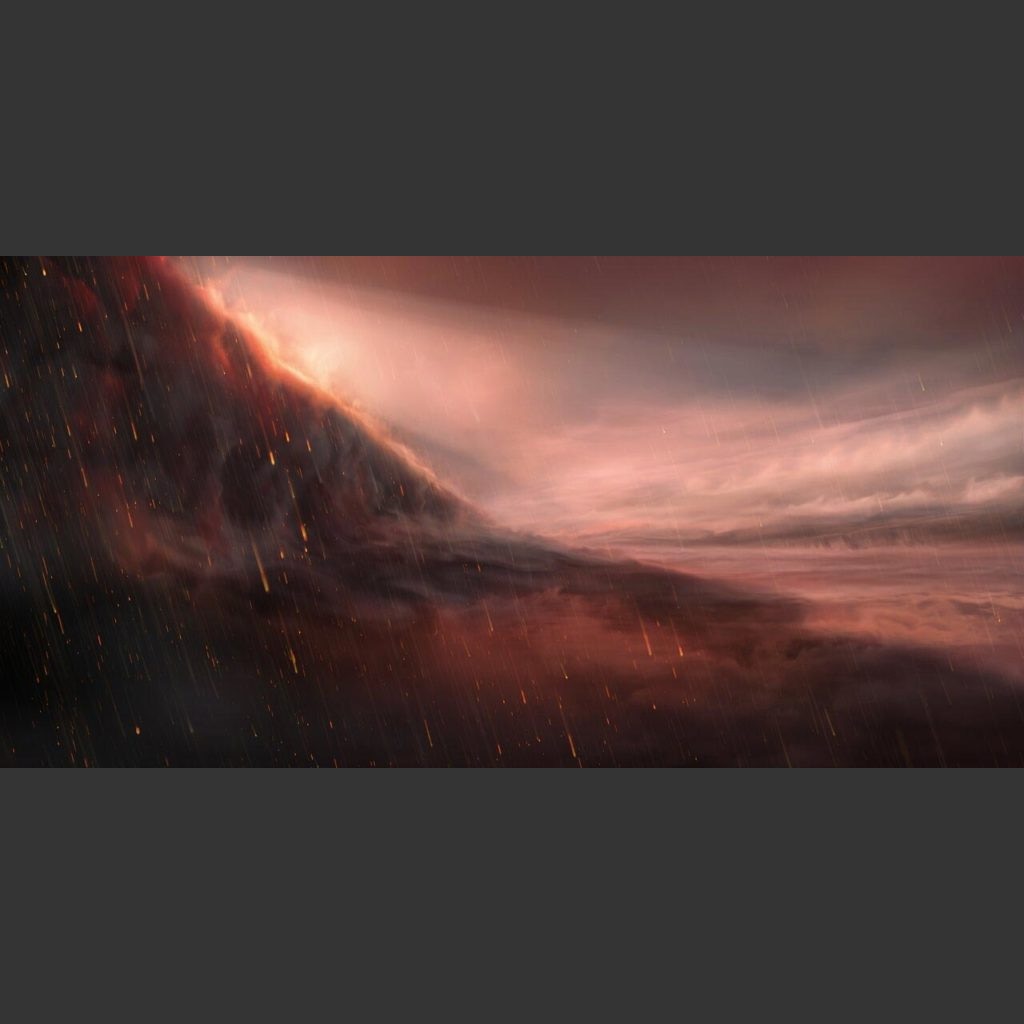
We know about the rain in Spain. But what about the rain on an ultra-hot Jupiter?
On one distant planet, where the temperature range is extreme, the atmosphere is composed of iron vapour. As the vapour condenses, drops of iron fall to the…
 The Science Show - Separate stories podcast
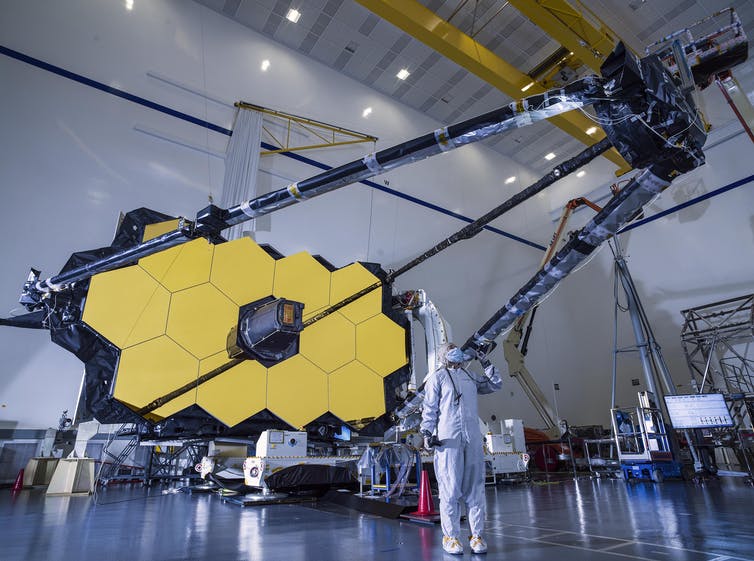
Looking beyond the Hubble and James Webb Space Telescopes
Rogier Windhorst describes the impact of micro meteorites on space telescopes and possible replacements for both the Hubble and James Webb Space Telescopes.
 The Science Show - Separate stories podcast
Royal Society of NSW responds to Ambitious Australia report
Christina Slade, president of the Royal Society of NSW summarises the report’s findings into research and development in Australia.
- The Science Show - Separate stories podcast
Lab Notes: What can we grow on the Moon?
The main aim of NASA's Artemis program is to establish a permanent human presence on the Moon — so what will we eat? And can food be actually be grown there?…