Shows / The Science Show - Separate stories podcast

The Science Show - Separate stories podcast
The Science Show gives Australians unique insights into the latest scientific research and debate, from the physics of cricket to prime ministerial biorhythms.
Subscribe in your app
Choose an installed app, or copy the RSS feed into any podcast app. Finish subscribing there.
Follow below adds this show to Your shows in skinny. Log in to let subscribe clicks tune your For you feed.
The show, from its episodes
No episode notes yet. Recurring topics, people and notes-based starter picks will appear when notes are available.
Typical episode length
10m · median of 352 full episodes with a known length
Solo / guest format
Unknown — existing notes name people mentioned, but do not identify hosts or guests.
Recurring topics
No recurring topics established yet.
Recurring people
No recurring people established yet.
Start here
No starter picks yet — no published full episodes with audio and a recorded notes hook.
Shows like this
From recent shows with similar descriptionsEpisodes
- The Science Show - Separate stories podcast
Lab Notes: Can we replace lab animals?
Humans have done experiments on animals for thousands of years — but animal testing has always been controversial because of the concerns for animal welfare…
 The Science Show - Separate stories podcast
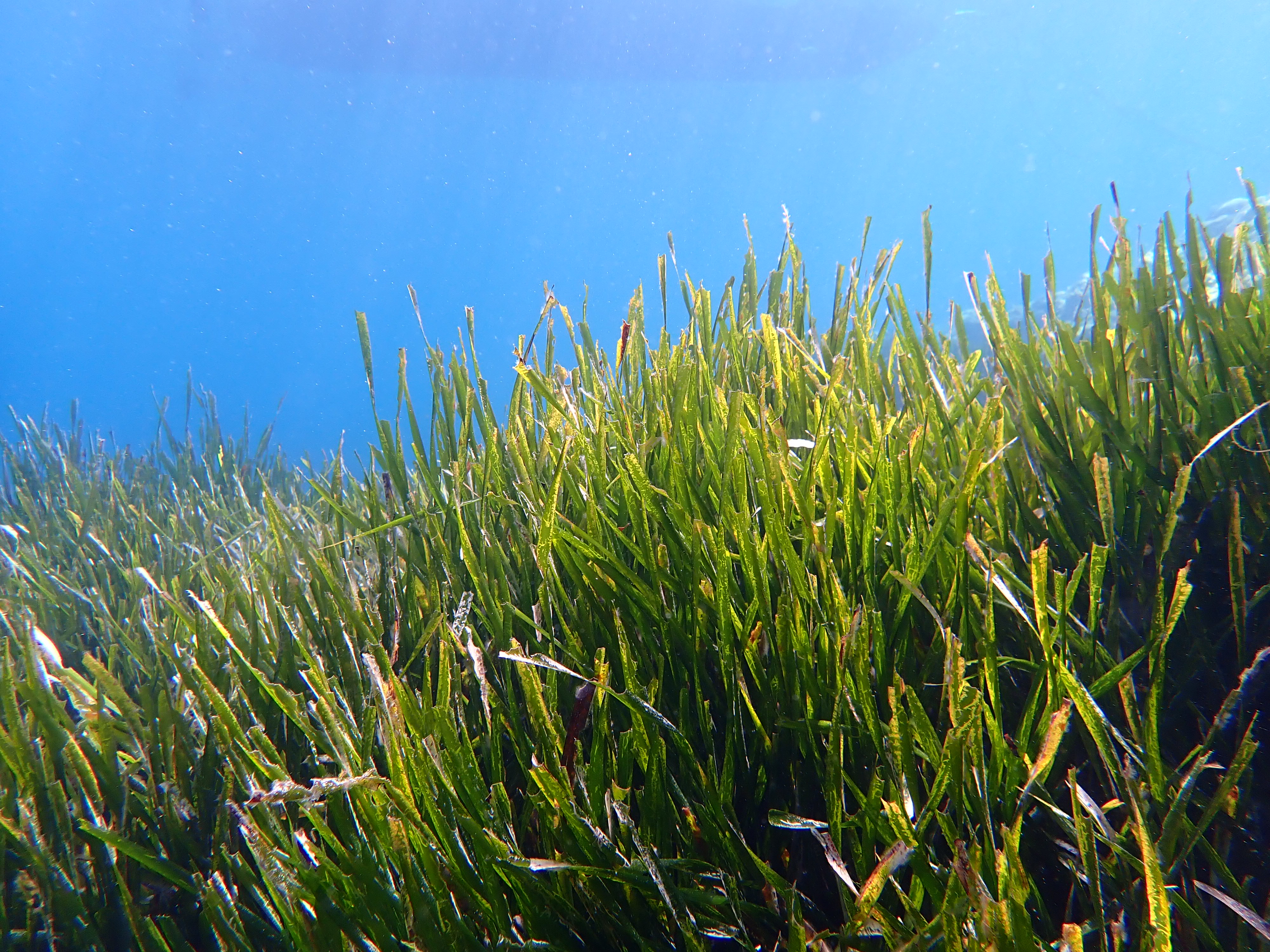
Hope for seagrasses in a warming world
Heat tolerance varies within seagrass species. Researchers are considering the practicalities of transplanting seagrasses to areas where plants have been…
 The Science Show - Separate stories podcast
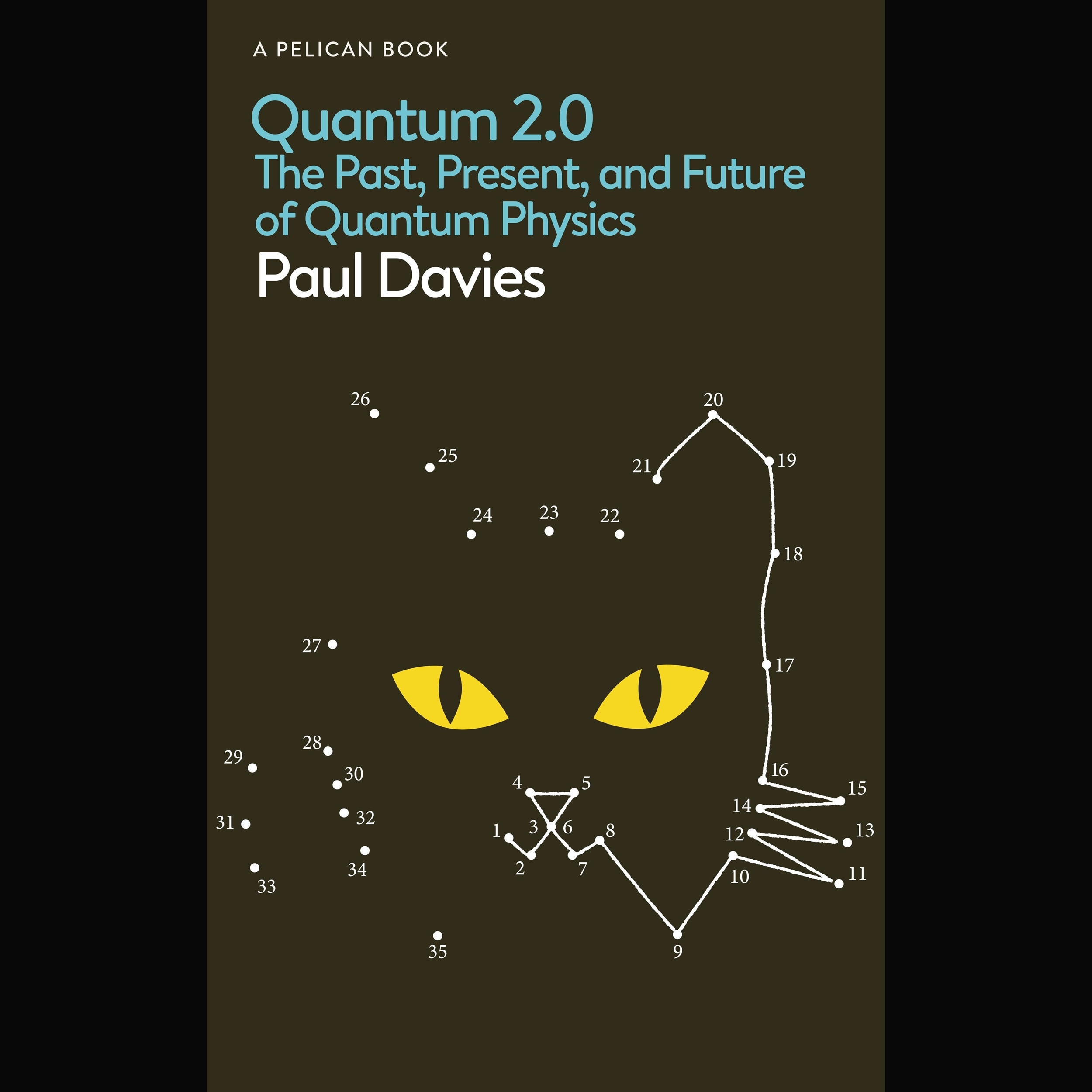
Quantum 2.0 - The Past, Present, and Future of Quantum Physics
Paul Davies tells the story of the iconic mathematical equation that spawned a new theory of nature – quantum mechanics.
 The Science Show - Separate stories podcast
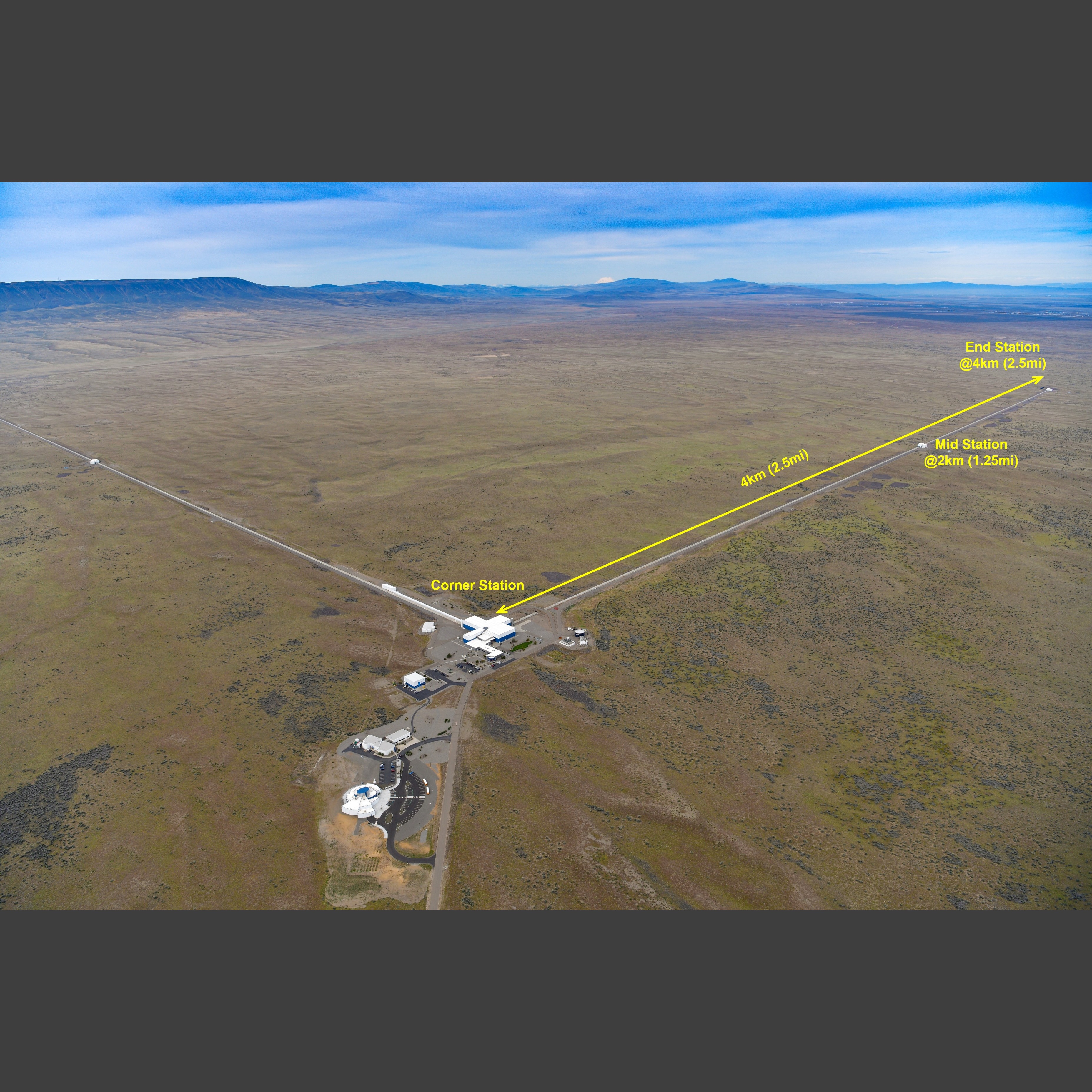
Celebrating 10 years of gravitational waves
The waves are produced when black holes or neutron stars merge.
 The Science Show - Separate stories podcast
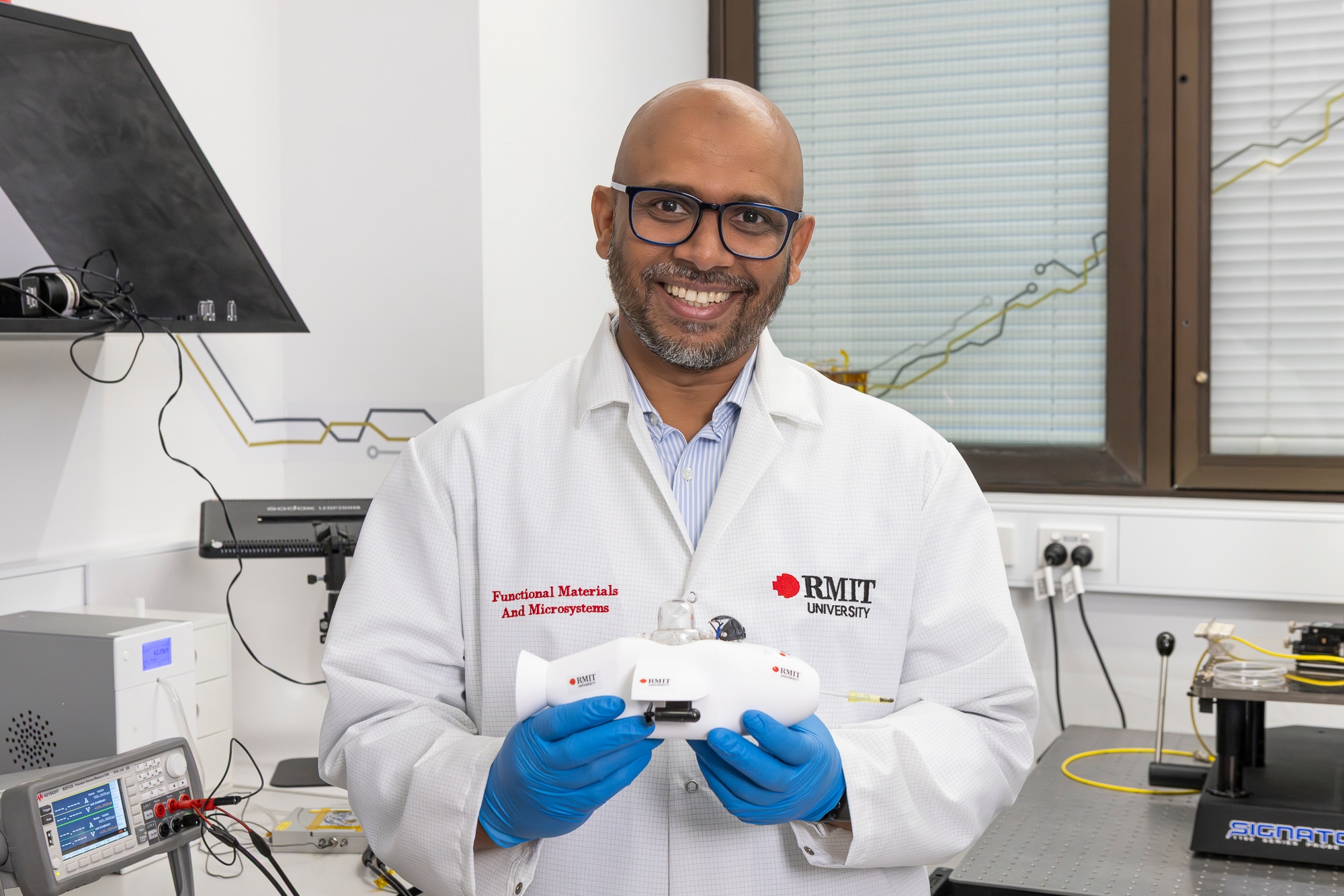
Swimming robot to clean up oil
A self-propelled robot moves through oil contaminated water cleaning up as it goes.
 The Science Show - Separate stories podcast
How to save underperforming R&D
Ambitious Australia report suggests how to fix Australia’s broken R&D sector
- The Science Show - Separate stories podcast
Lab Notes: NASA's mission to the Moon
It's more than 50 years since humans went anywhere near the Moon — but that's about to change. After a series of delays, NASA's Artemis II mission is set to…
 The Science Show - Separate stories podcast
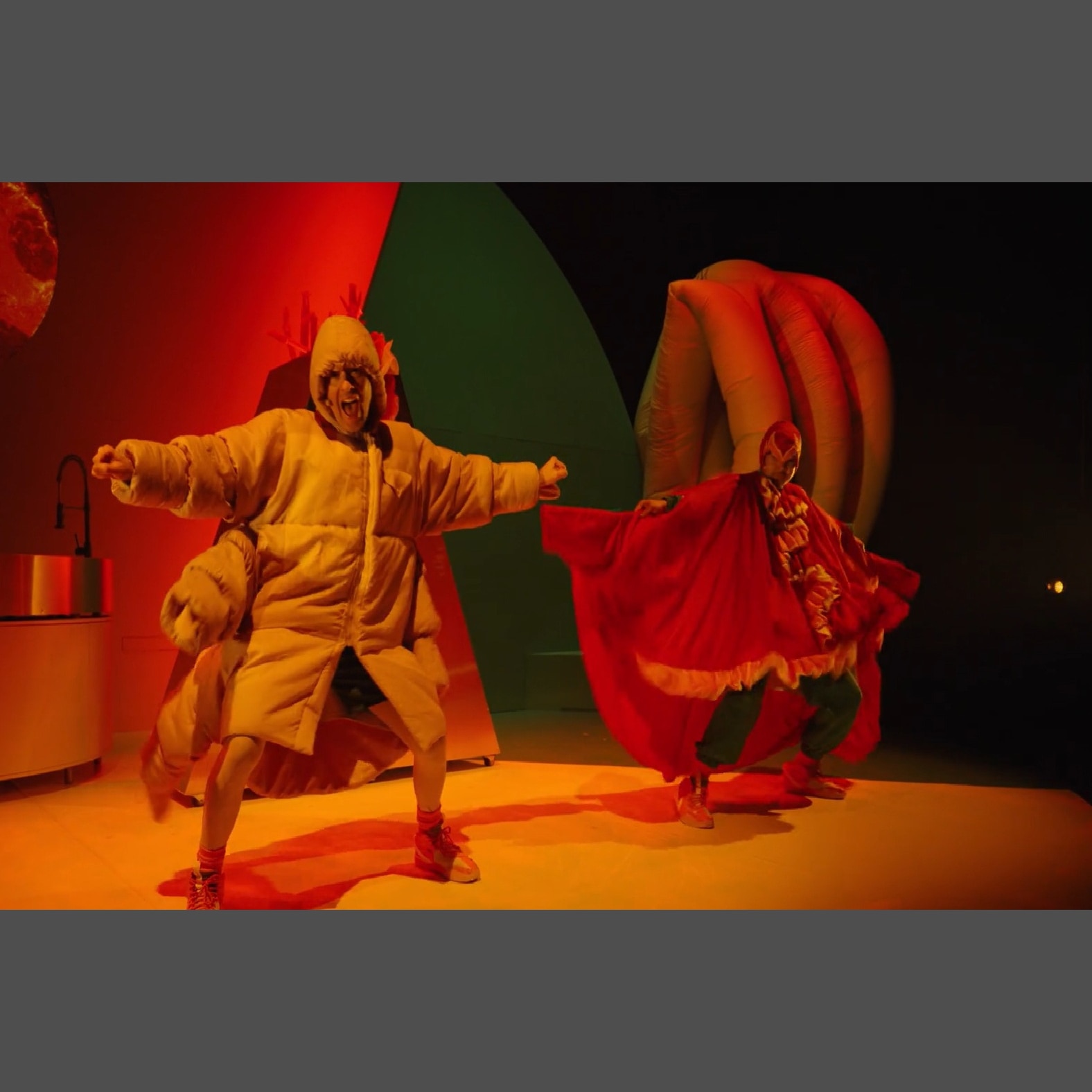
Singing and dancing tardigrades take to the stage
Tardigrades also known as water bears or moss piglets are eight-legged segmented micro animals. Moss Piglet a science-based show for kids playing at the World…
 The Science Show - Separate stories podcast
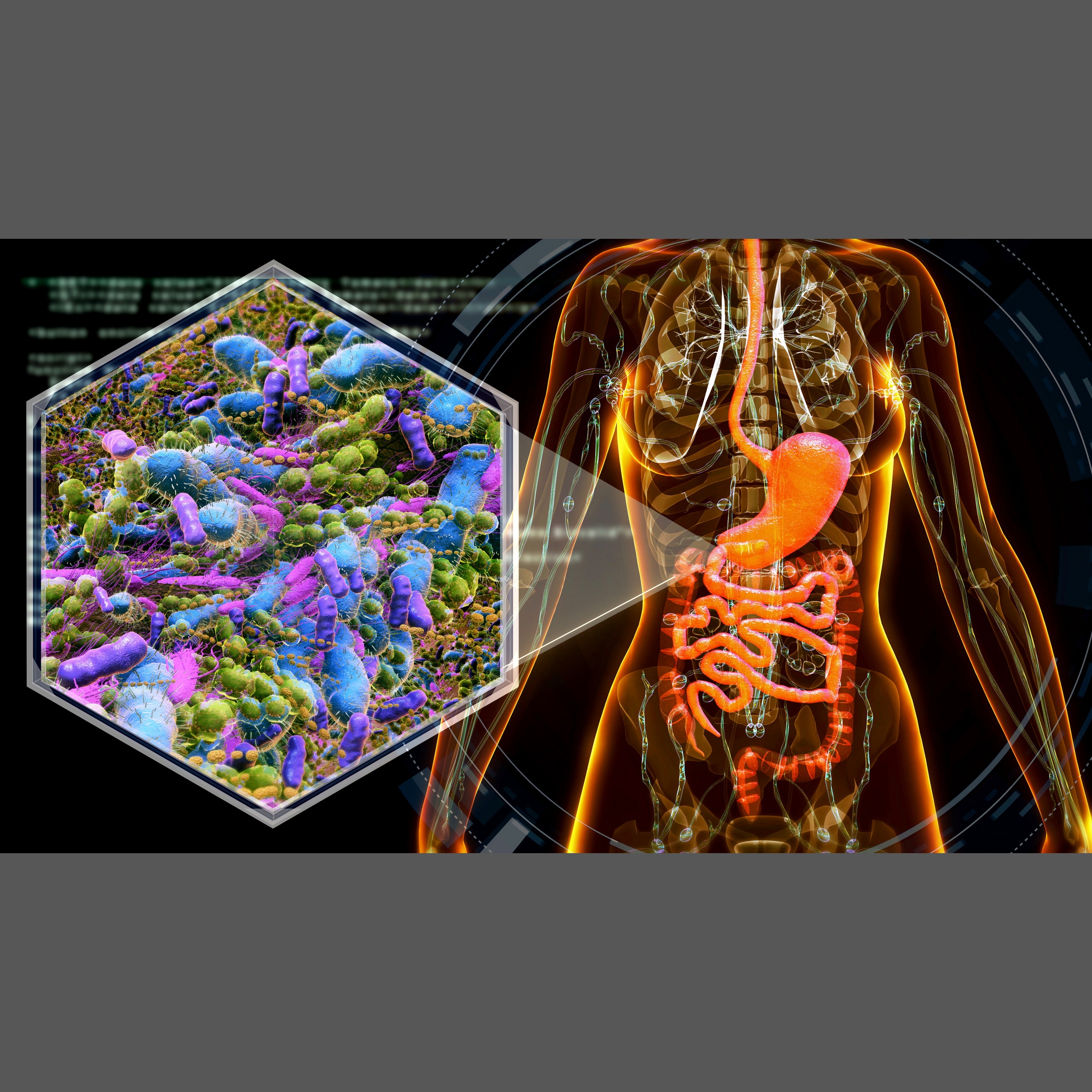
Gut bacteria adjust to digest ultra-processed food
Ultra-processed food contains special carbohydrates to improve shelf life. They require special bacteria for digestion.
 The Science Show - Separate stories podcast
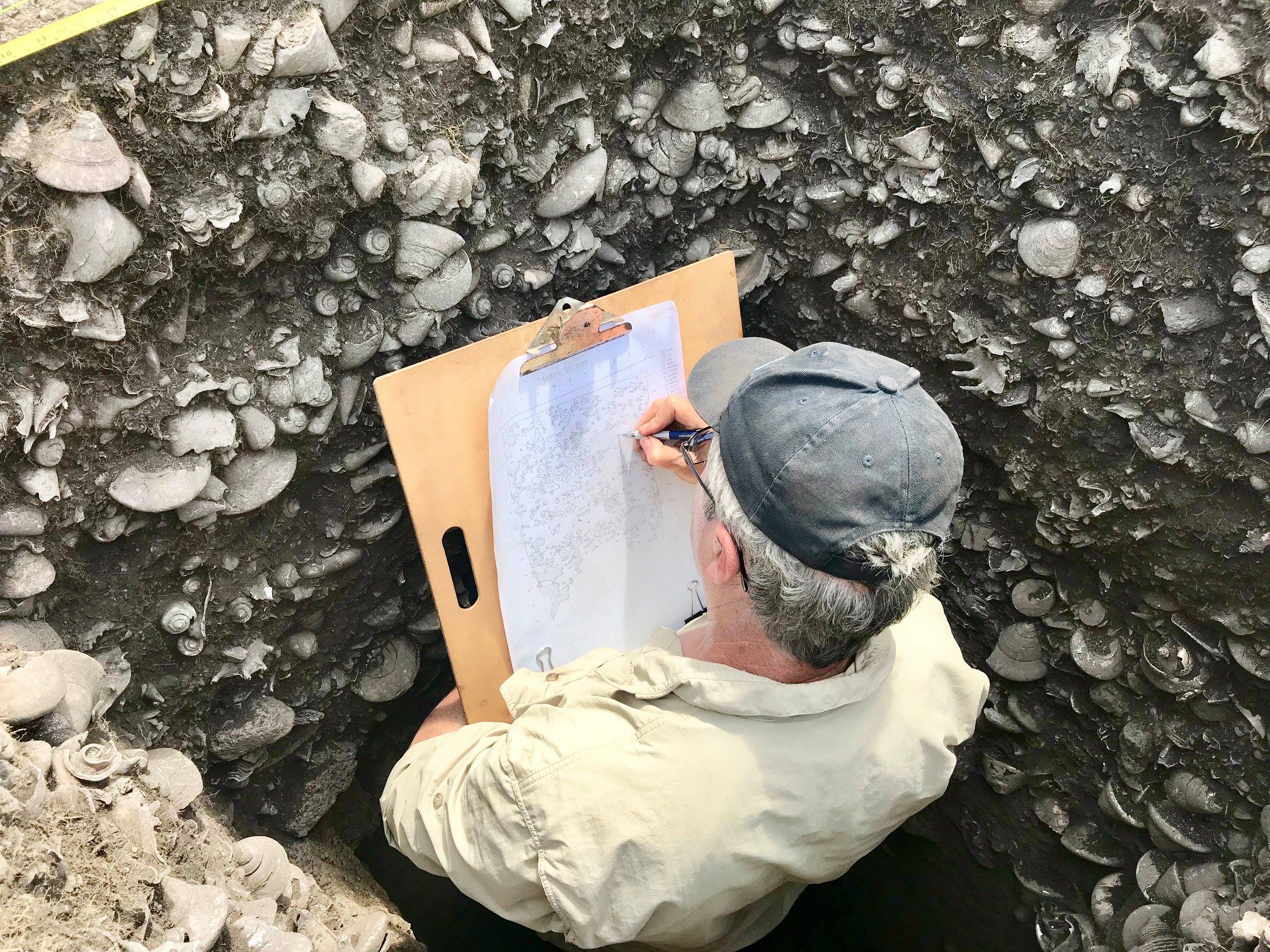
Pottery reveals rich human history on Lizard Island
Pottery fragments reveal Australia’s ancient Indigenous people interacted with other Pacific communities and produced their own pottery.
 The Science Show - Separate stories podcast
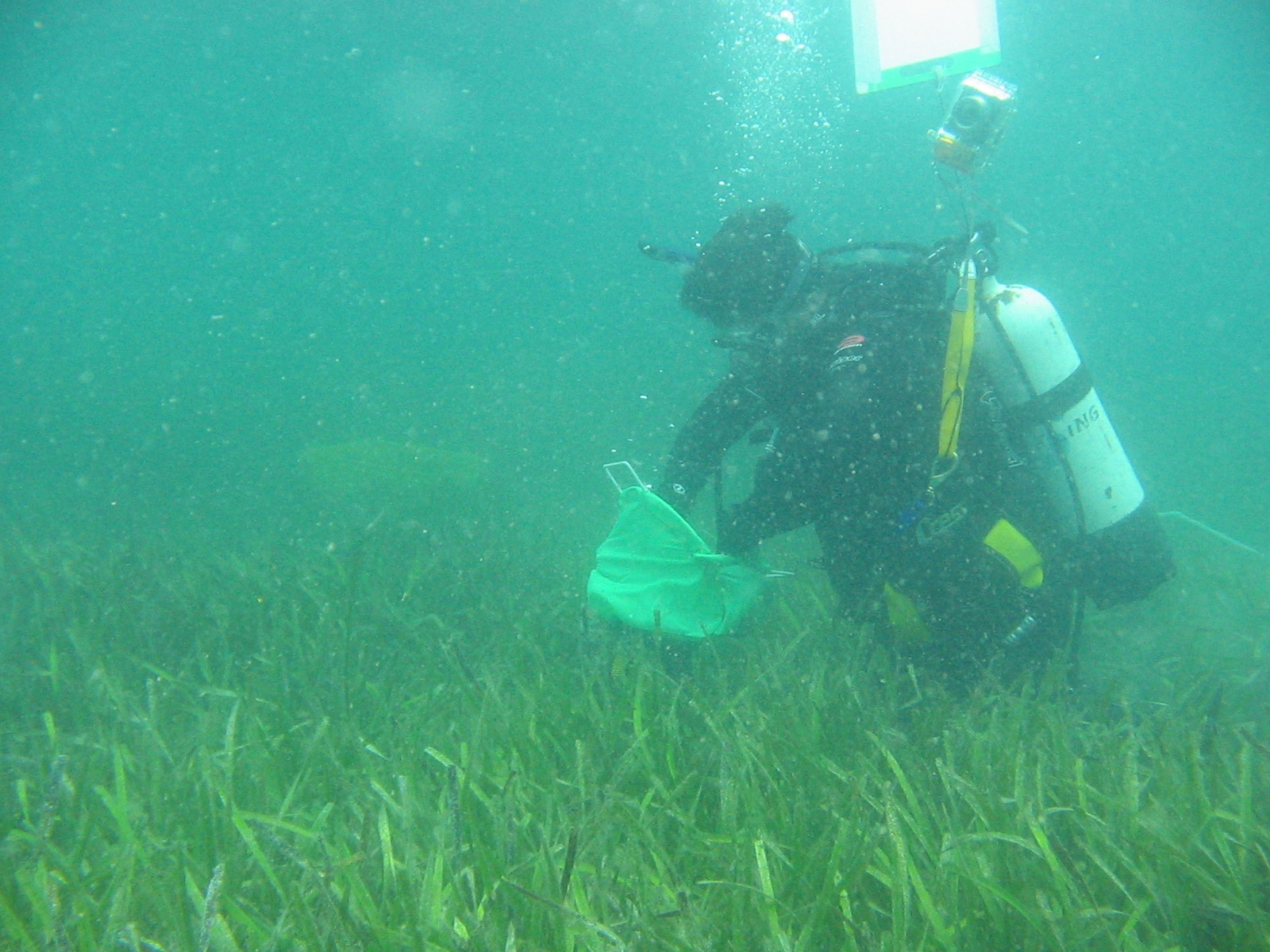
Seagrasses perform a key ecological role
Seagrass meadows act as a fish nursery and large amounts of carbon become stored as sediment collects.
 The Science Show - Separate stories podcast
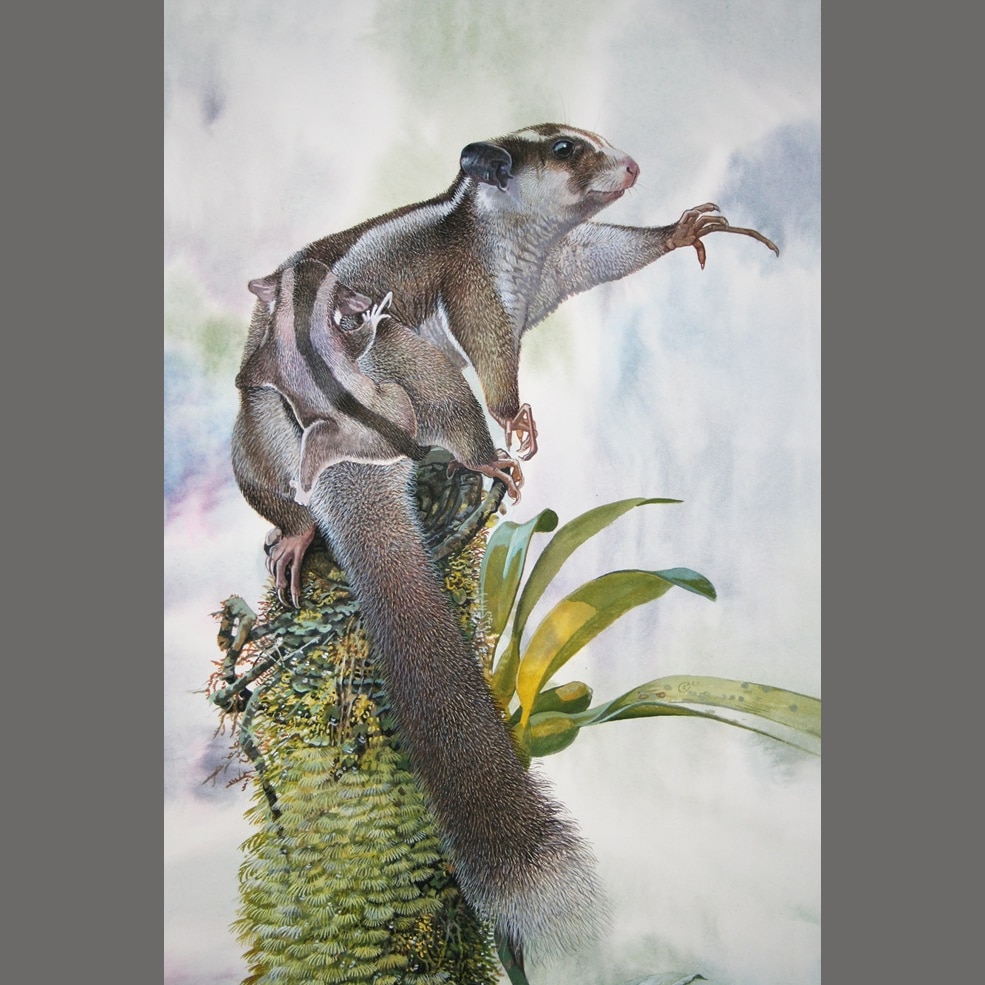
Two marsupials thought to be extinct found in Indonesian Papua
Two possums, which once lived in Australia and were thought to be extinct have been found in the Vogelkop Peninsular in Indonesian Papua.
- The Science Show - Separate stories podcast
Lab Notes: Super-K flu is here … but it's not our biggest problem
A fast-moving strain of influenza known as "Super-K" is circulating in Australia and has been driving up flu numbers around the world. Virologists are…
 The Science Show - Separate stories podcast
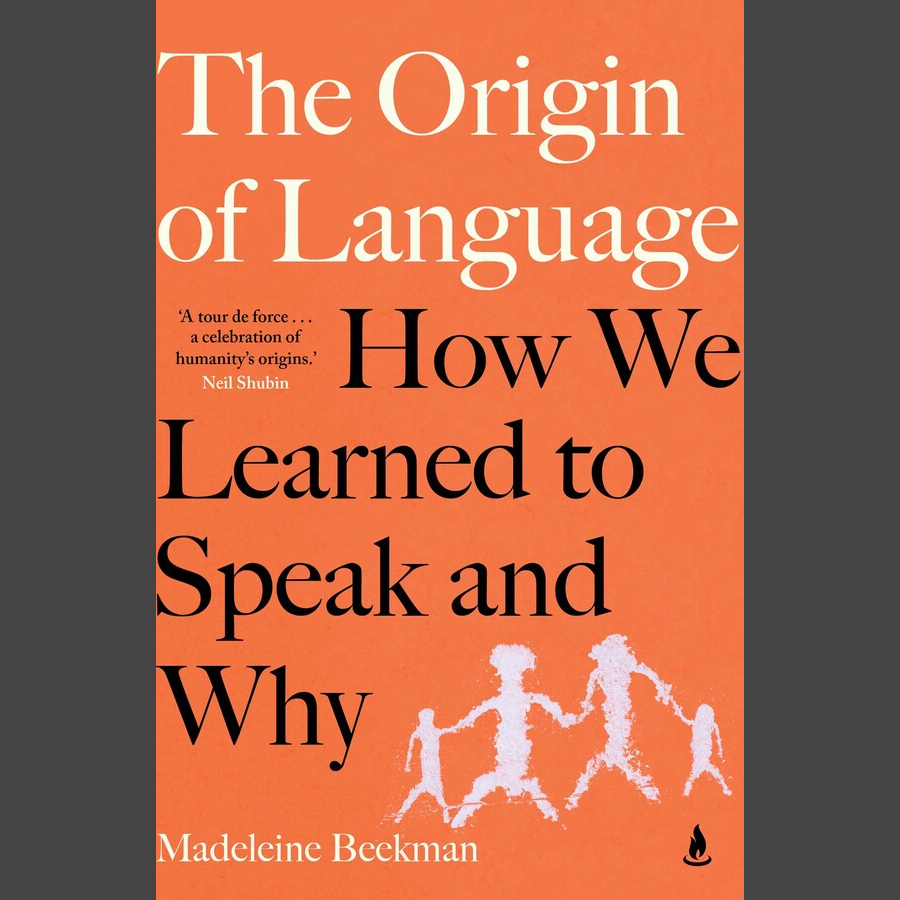
New account for the birth of language
Madeleine Beekman argues for a new origin of language: the need to share childcare.
 The Science Show - Separate stories podcast
Making new life forms from DNA with help from AI!
New technology is allowing long chains of DNA to be manipulated opening the door for the creation of new life forms.
 The Science Show - Separate stories podcast
Australian honey also carries medicinal properties
A 10% honey solution can stop growth of bacteria. And strong impacts on common fungal infections have also been observed.
 The Science Show - Separate stories podcast
Formula One racing – is talk of sustainable fuel greenwashing?
Despite the move to sustainable fuel in F1 car racing, the fuel powering cars cannot be tracked easily, and only amounts to 1% of the energy cost in staging a…
- The Science Show - Separate stories podcast
Lab Notes: Slip! Slop! Slap! SUCCESS!
Australia has the highest melanoma rates in the world — but there's some good news for Aussie kids. The presence of moles is a strong predictor of melanoma and…
 The Science Show - Separate stories podcast
Australian brilliance in radio astronomy
Dr John Bolton, once of the Radiophysics Laboratory in the CSIRO to conduct secret research on radar for the military, also helped pioneer radio astronomy…
 The Science Show - Separate stories podcast
How finance intersects with space science
Harriet Brettle studied finance, had several varied jobs in leadership, and now heads the Keck Institute for Space Studies at Caltech. Like the “professor of…
 The Science Show - Separate stories podcast
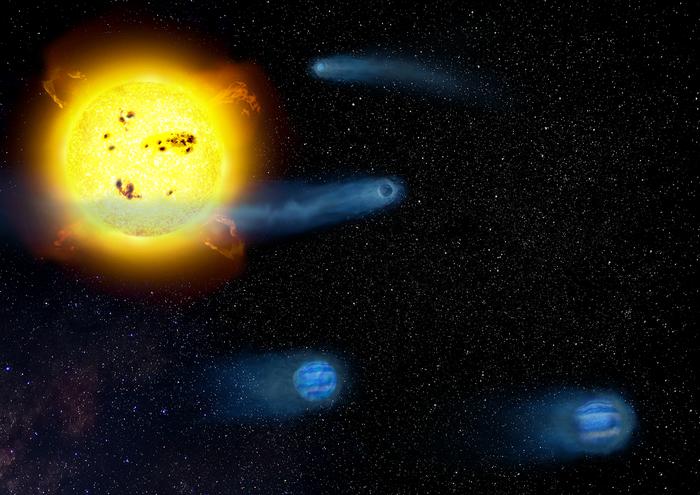
In praise of mid-sized planets
Erik Petigura is a professor of physics and astronomy at UCLA who specialises in discovering planets smaller than giants like Neptune and bigger than Mars and…
 The Science Show - Separate stories podcast
Robyn rides in a driverless car
Once the stuff of science fiction, self-driving cars are now a common sight in some American cities. Robyn Williams rode in a robot taxi around Phoenix…
 The Science Show - Separate stories podcast
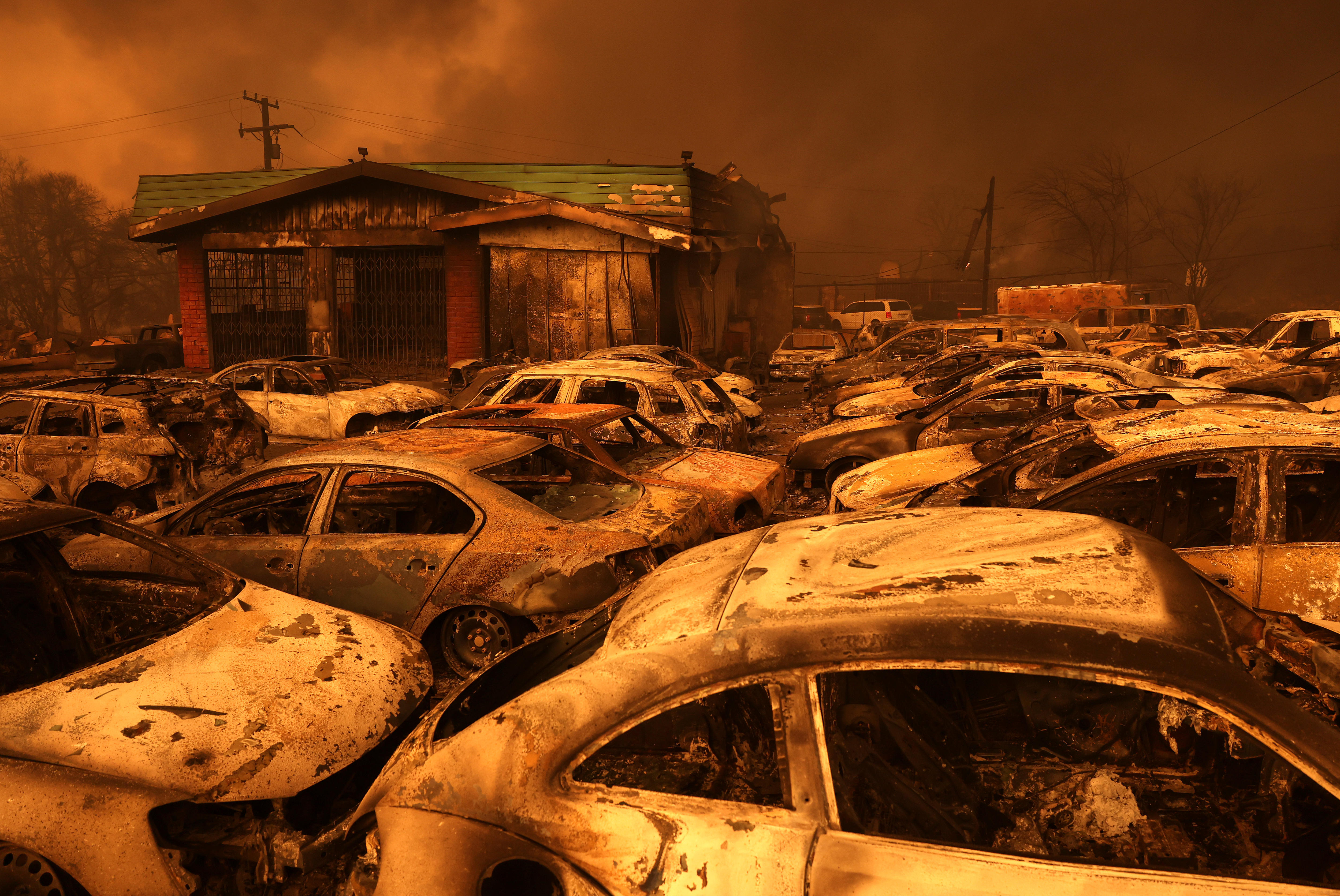
An asteroid chemist who studies LA lead levels
When raised lead levels were noticed in Los Angeles last year, Professor Francois Tissot, who usually examines the chemistry of asteroids, quickly saw that the…
- The Science Show - Separate stories podcast
Lab Notes: Why air traffic won’t return to normal for months
Major international airports in the Middle East have been closed this week due to the war with Iran, leaving hundreds of thousands of passengers stranded. So…
 The Science Show - Separate stories podcast
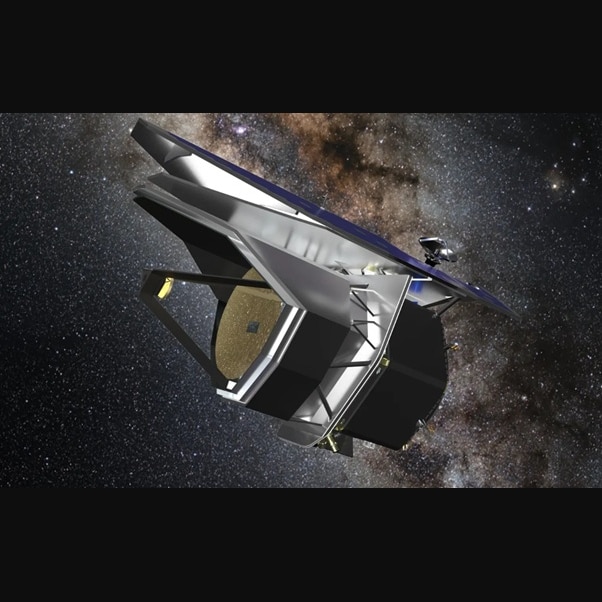
A telescope that sees in the far infrared
How do you establish a telescope? For Caltech astrophysicist Professor Jonas Zmuidzinas, the answer involves time, money, and incredibly sensitive detectors…
 The Science Show - Separate stories podcast
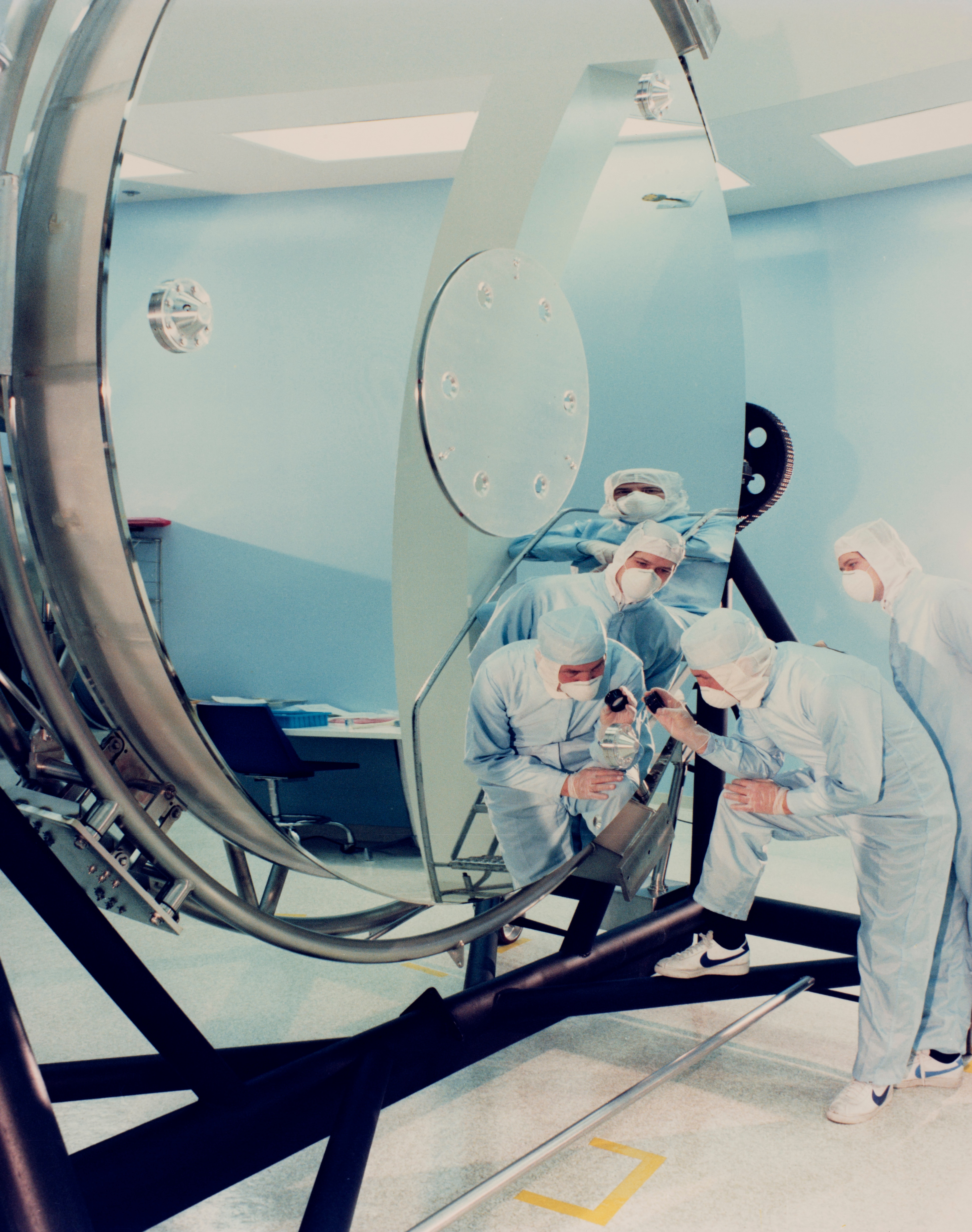
Correcting Hubble's vision
Shortly after the Hubble Space Telescope launched in 1990, astronomers realised its primary mirror, designed to focus minute amounts of light from distant…
 The Science Show - Separate stories podcast
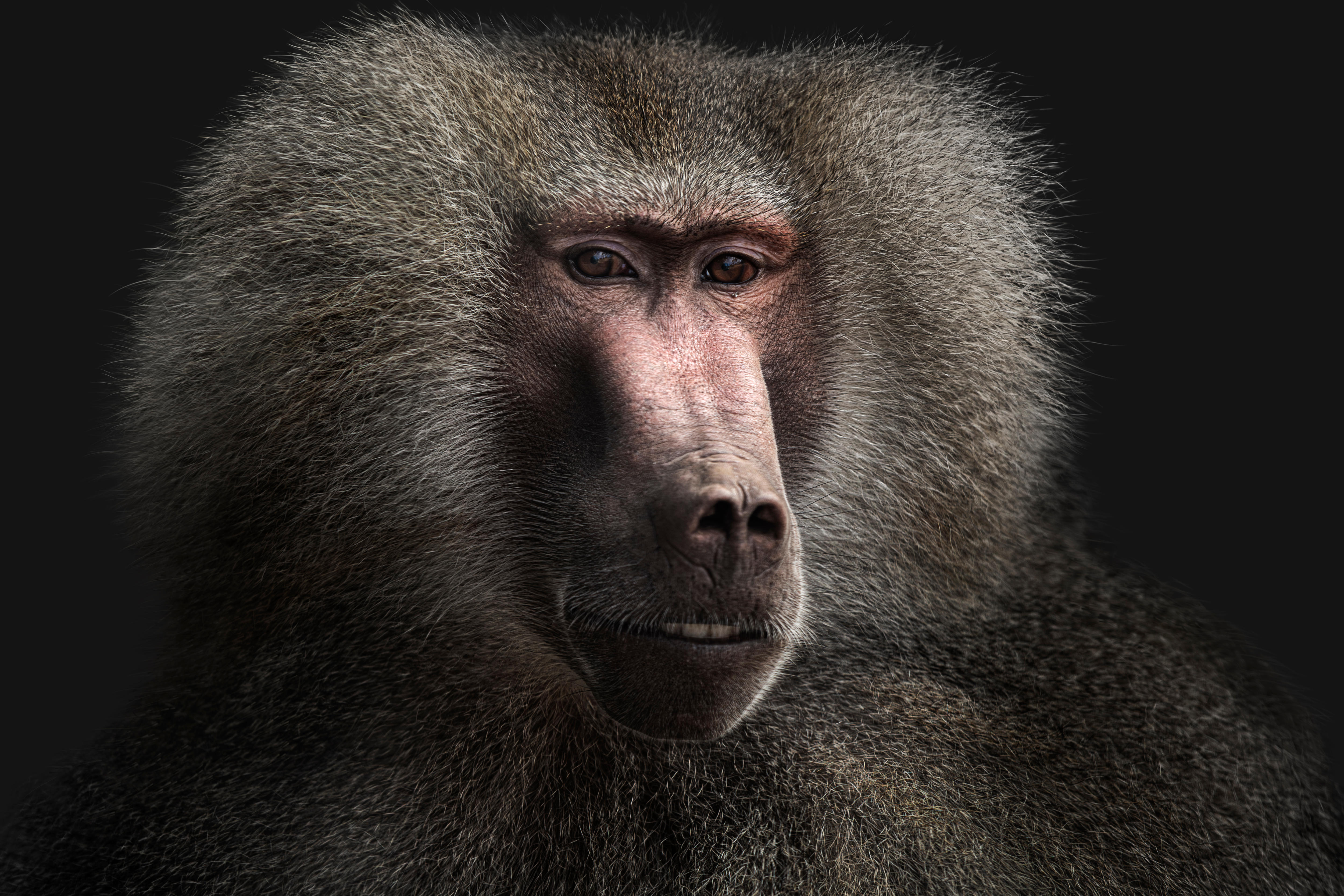
Do baboons live in the Sahara desert?
A likely successor for Jane Goodall is Professor Cat Hobaiter, who’s based at the University of St Andrews in Scotland. She told the AAAS audience of her…
 The Science Show - Separate stories podcast
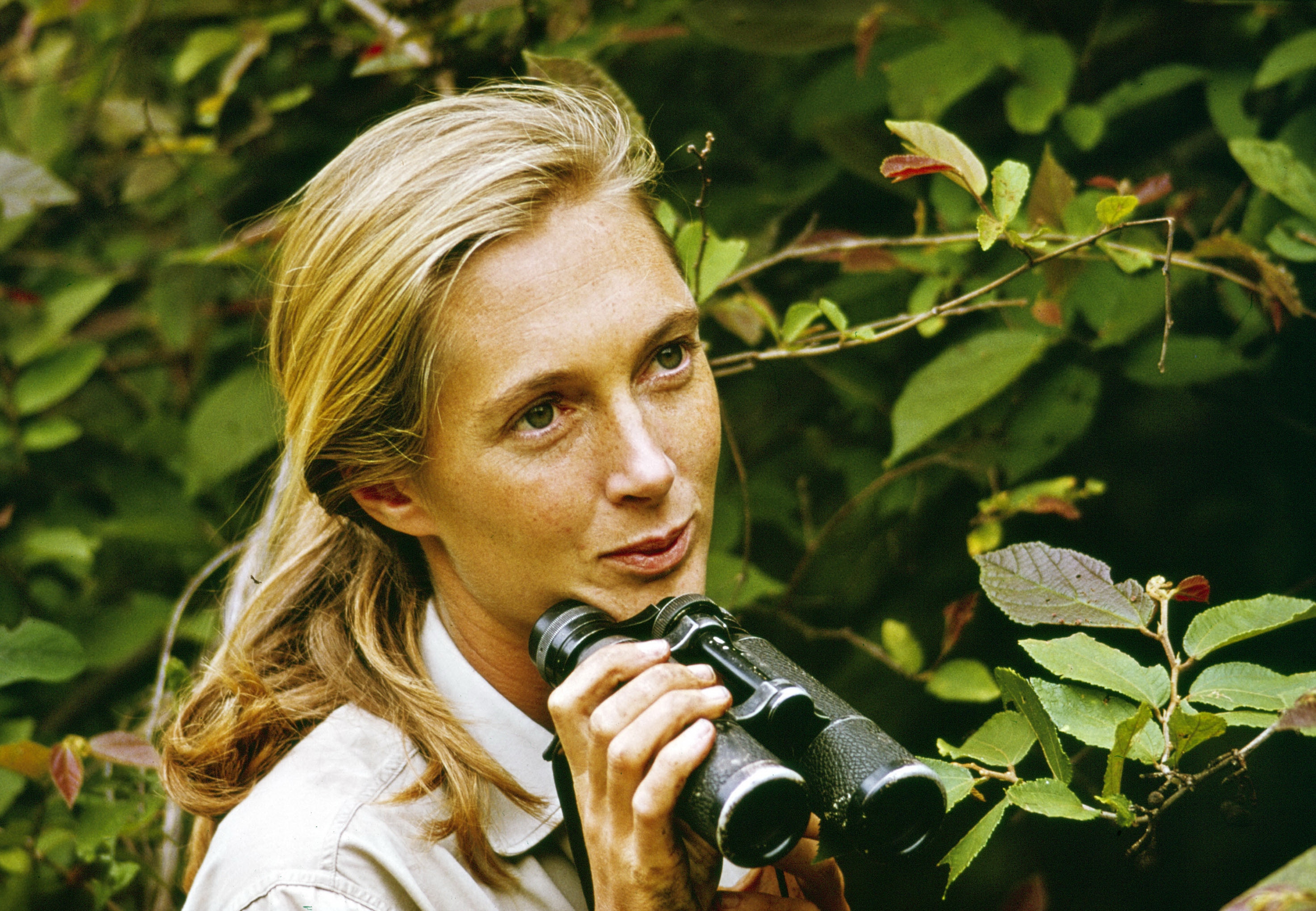
Surprises from Jane Goodall's archive
Phoenix is an unexpected city: It is where the Jane Goodall papers and archive are kept, at the wide, shining campus of the Arizona State University.
 The Science Show - Separate stories podcast
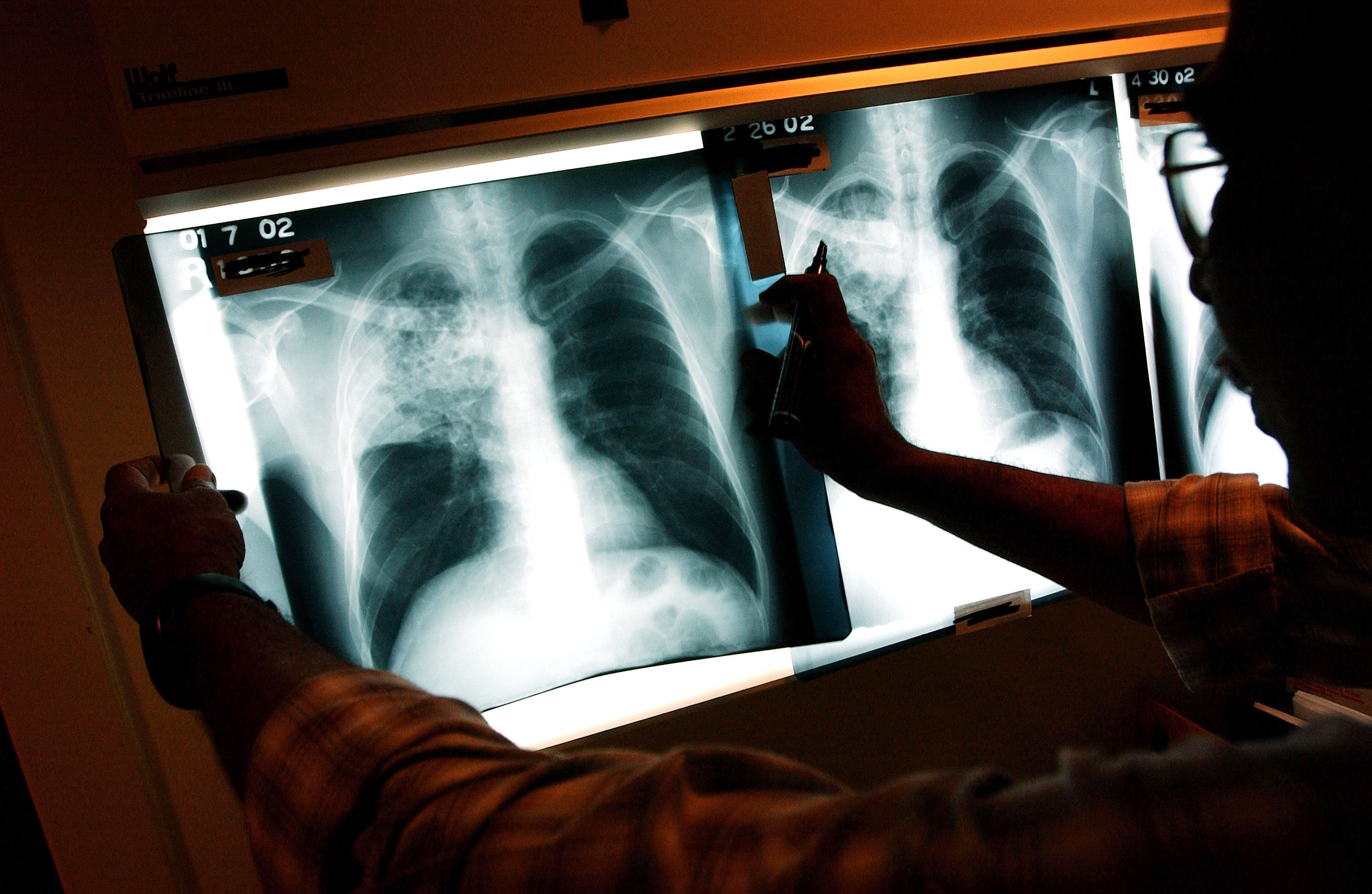
JAMA editor on the balance between science and politics
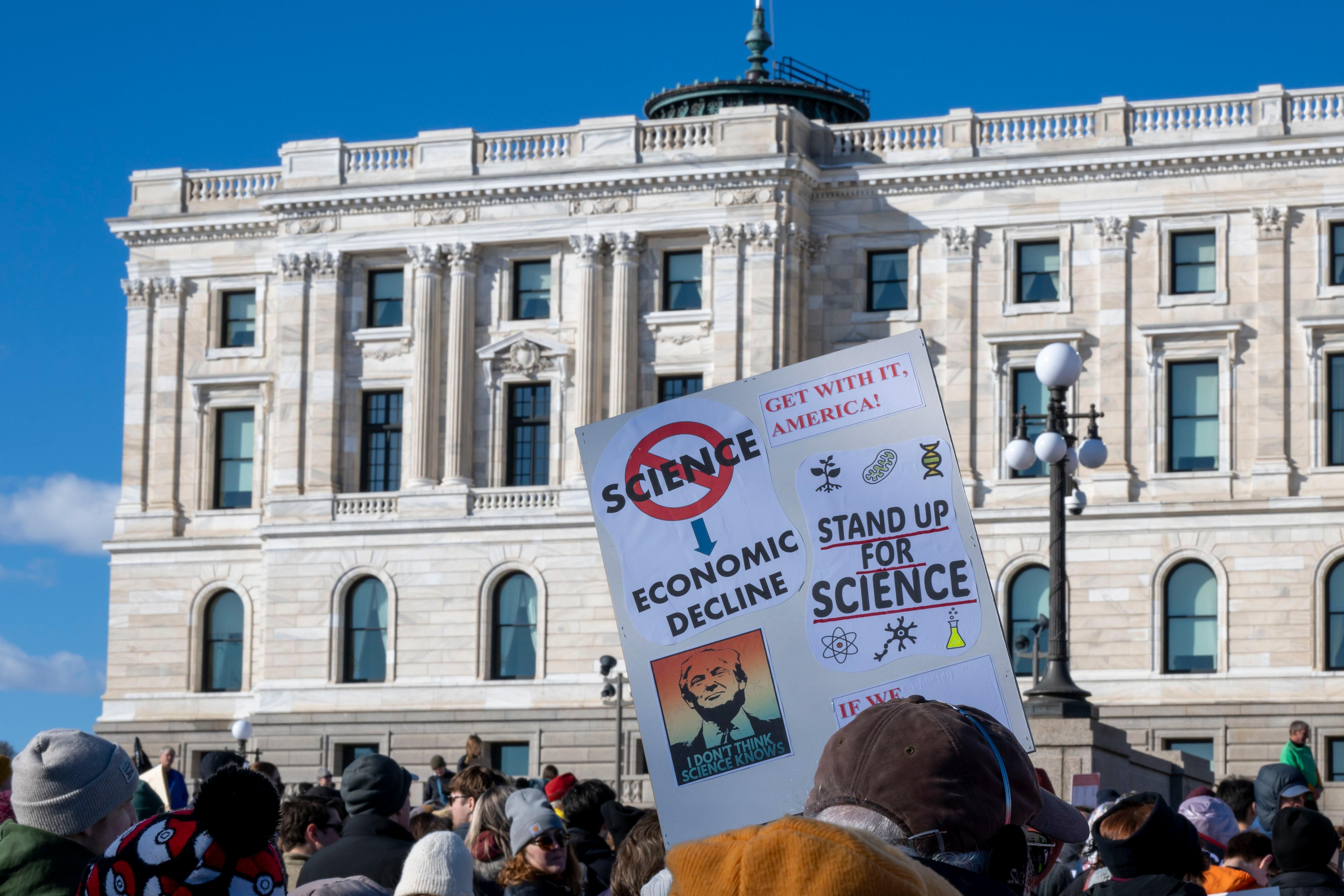
The editor-in-chief of the Journal of the American Medical Association (JAMA), Professor Kirsten Bibbins-Domingo, explains how she reports on the science of…
 The Science Show - Separate stories podcast
US science funding off the chopping block — for now
The American Association for the Advancement of Science (AAAS) was founded in 1848 and this year faced its greatest crisis — a proposed cut to research in the…
- The Science Show - Separate stories podcast
Lab Notes: The surprising history of the backyard sprinkler
Backyard sprinklers have transformed the Aussie urban landscape. But their path to domination of our suburbs was haphazard — and hinged on the inventions of…
 The Science Show - Separate stories podcast
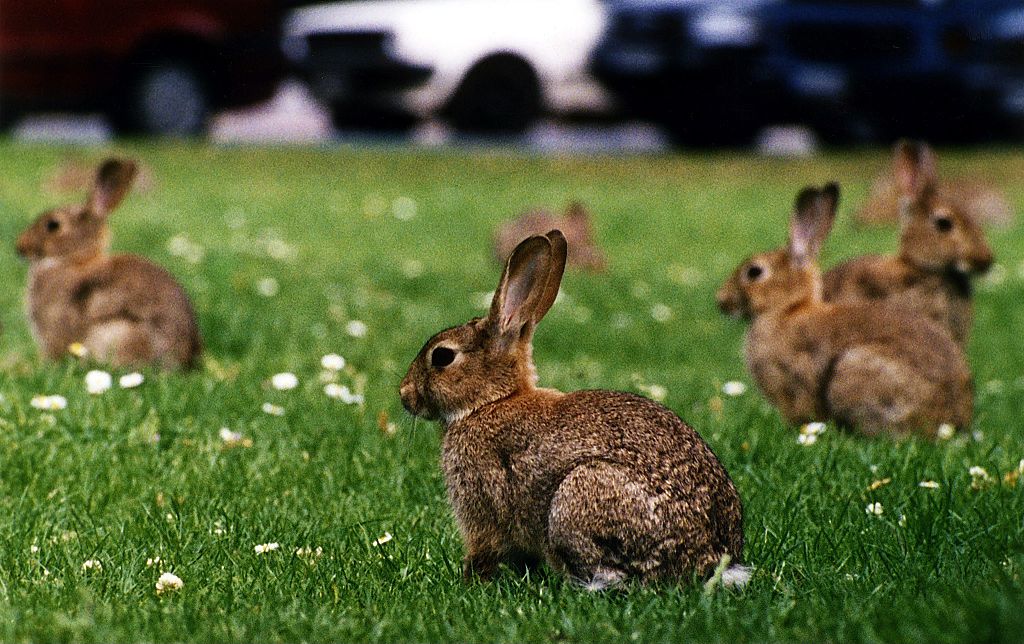
As rabbit numbers boom, what's next for biological control?
With an estimated 200 million feral rabbits hopping around Australia, are current viral controls working, and do we need another virus to knock off these…
 The Science Show - Separate stories podcast
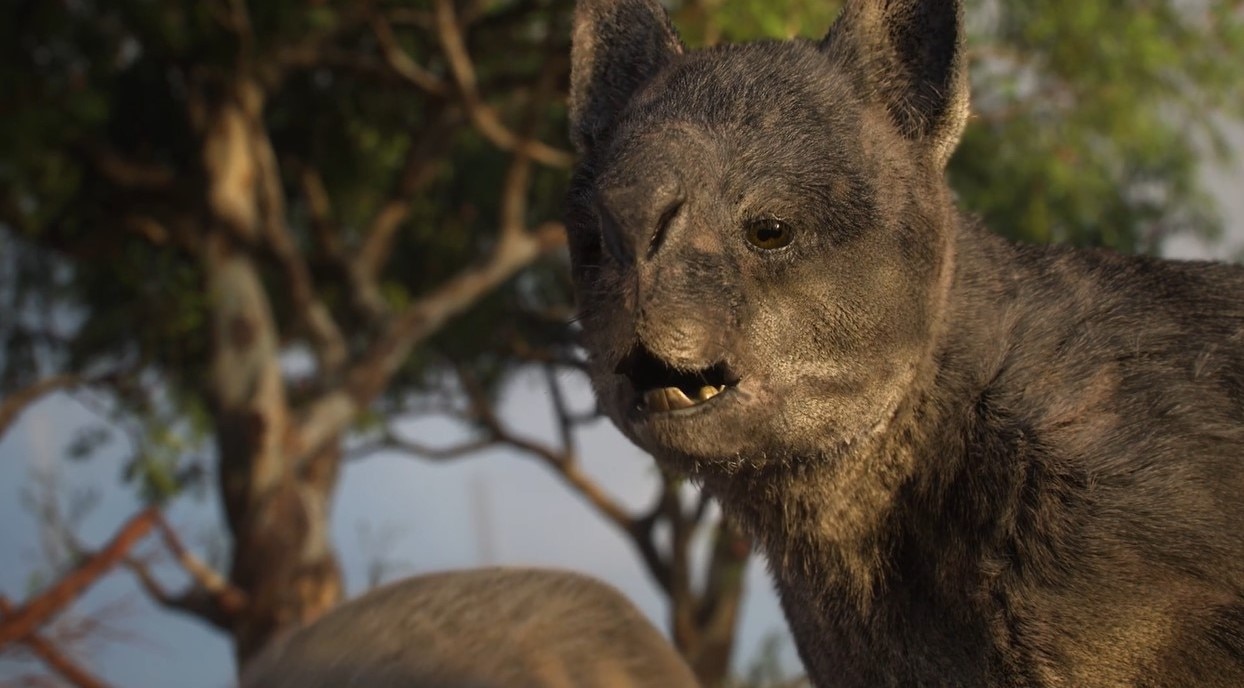
Extinct giant roos could hop, study finds
Australia was once home to kangaroos that weighed as much as a quarter of a tonne. A new fossil analysis suggests these hefty creatures could hop - but only if…
 The Science Show - Separate stories podcast
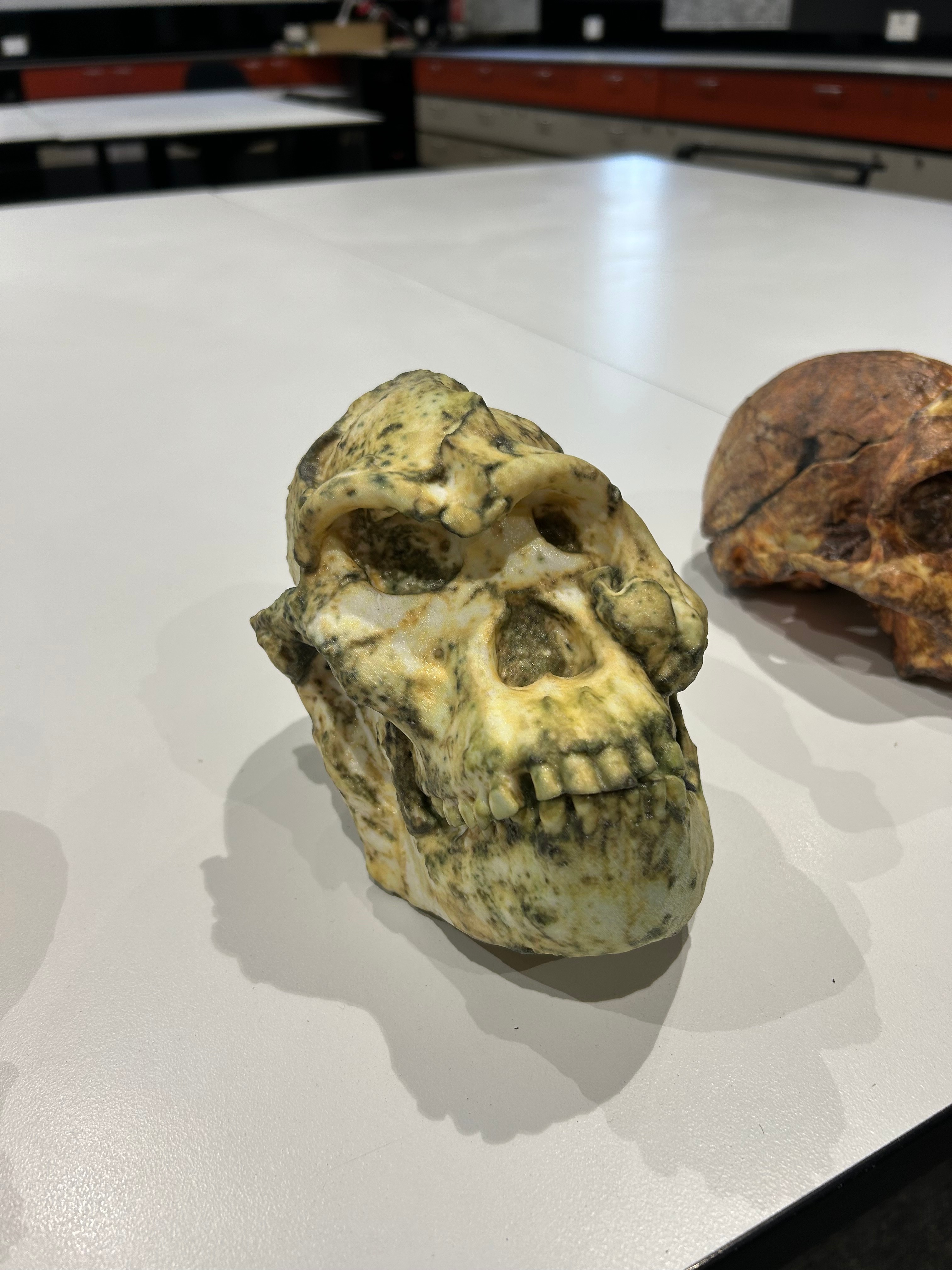
The fuss over Little Foot's identity
An almost-complete skeleton of an ancient hominin was found in a South African cave in the 1990s. Nearly 30 years later, questions remain about the…
 The Science Show - Separate stories podcast
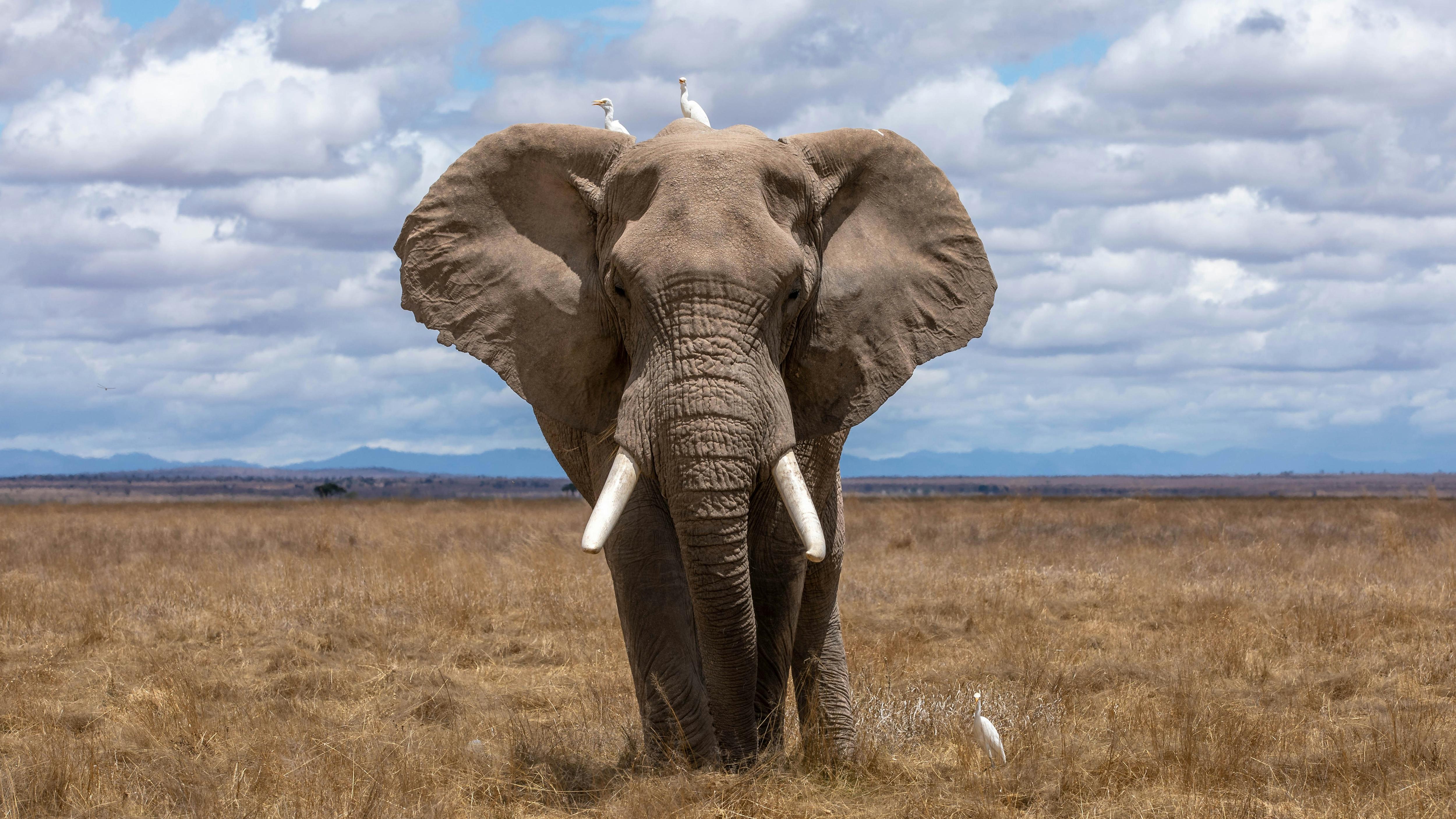
How tiny bees stop elephants eating crops
You may have heard the story about elephants being scared of mice, but what about bees? Farmers and scientists in Africa are taking advantage of this fear to…
- The Science Show - Separate stories podcast
Lab Notes: Why buying a star name is nonsense
A quick online search reveals multiple paid services for naming stars as commemorative gifts. You'll be provided with a certificate and a map for finding your…
 The Science Show - Separate stories podcast
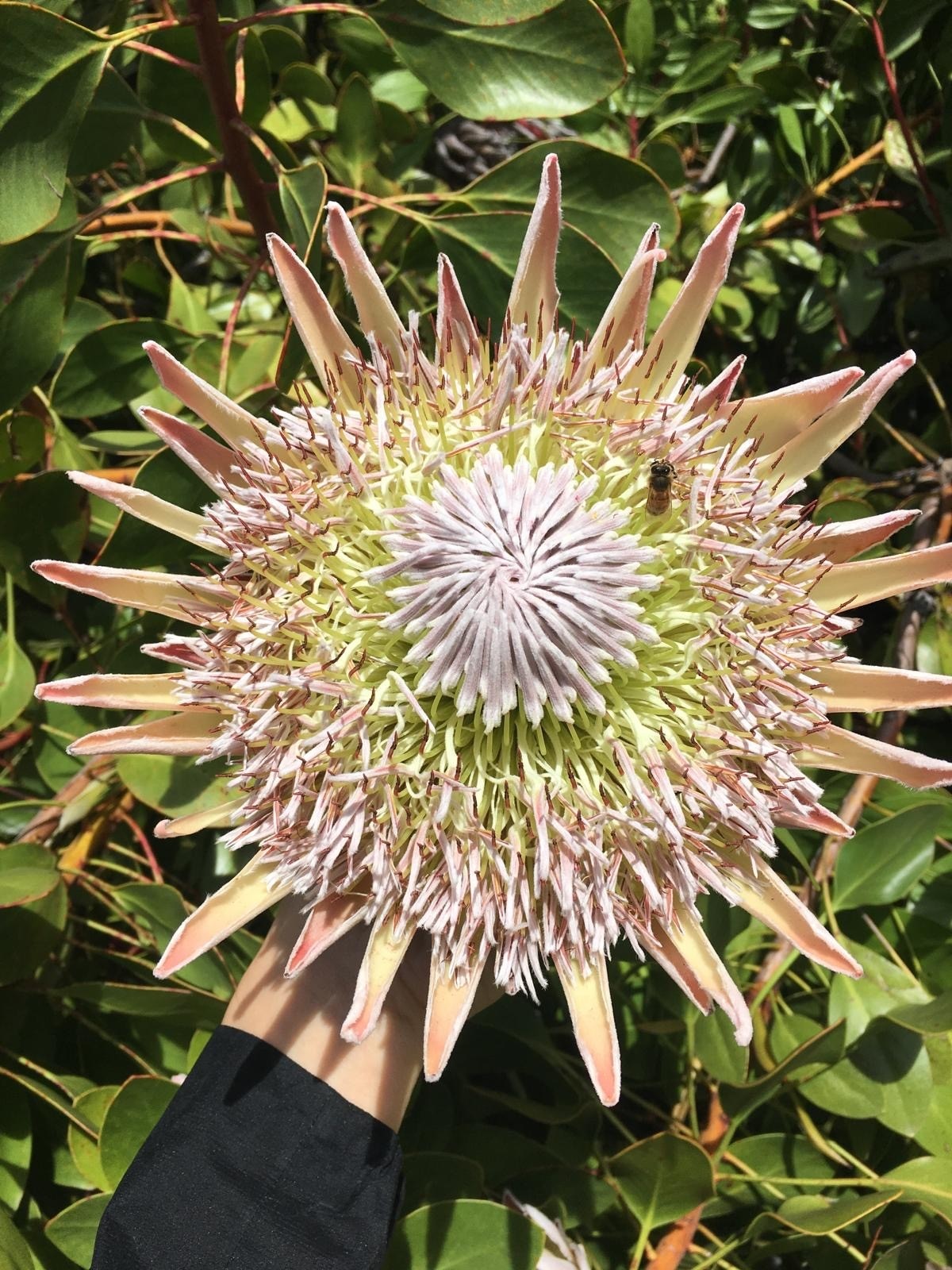
Royal Botanic Gardens Sydney prepares to celebrate 210 years
Director Simon Duffy describes the wide range of activities at Sydney’s Royal Botanic Gardens.
 The Science Show - Separate stories podcast
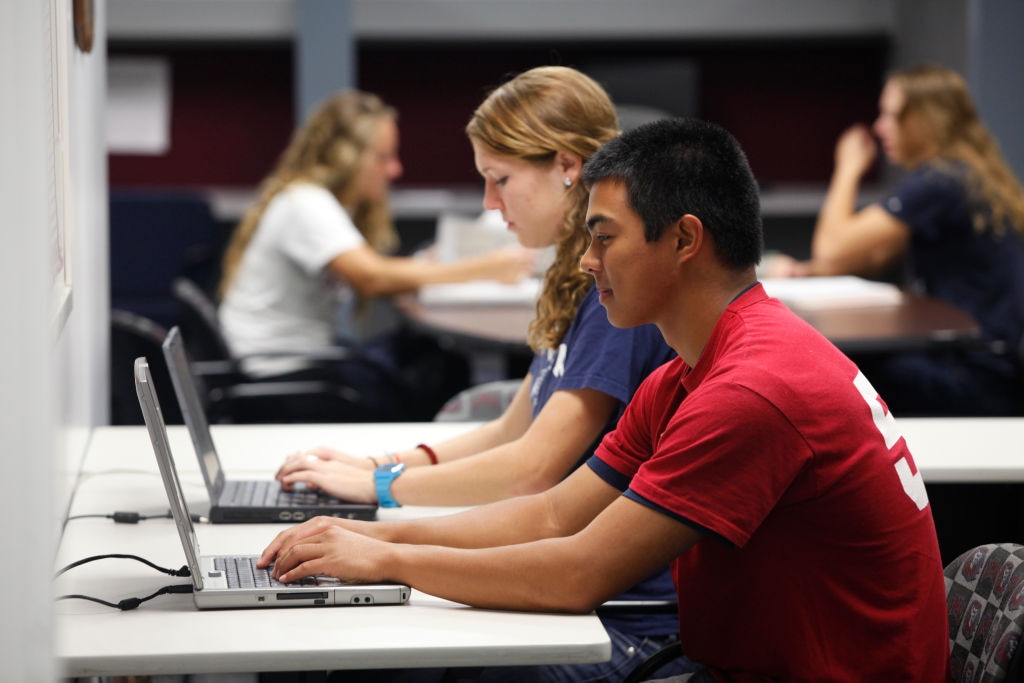
Writing competition reveals what matters to young Australians!
Philippa Collin describes the themes which have emerged from Australia’s biggest writing competition for young people.
 The Science Show - Separate stories podcast
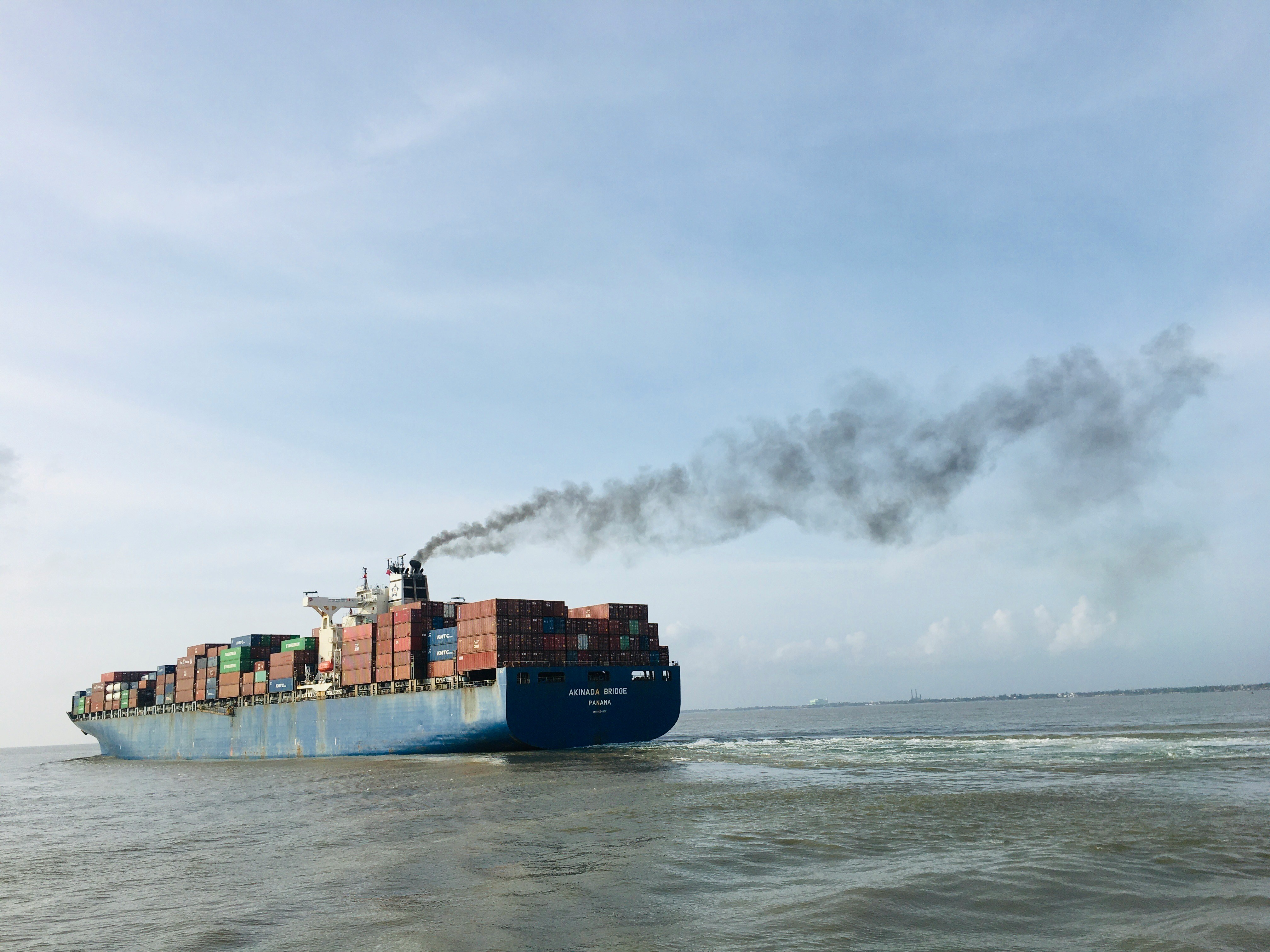
Cleaner air doesn’t help corals
Cleaner air as ships’ have reduced their emissions has exacerbated coral bleaching in the Great Barrier Reef.
 The Science Show - Separate stories podcast
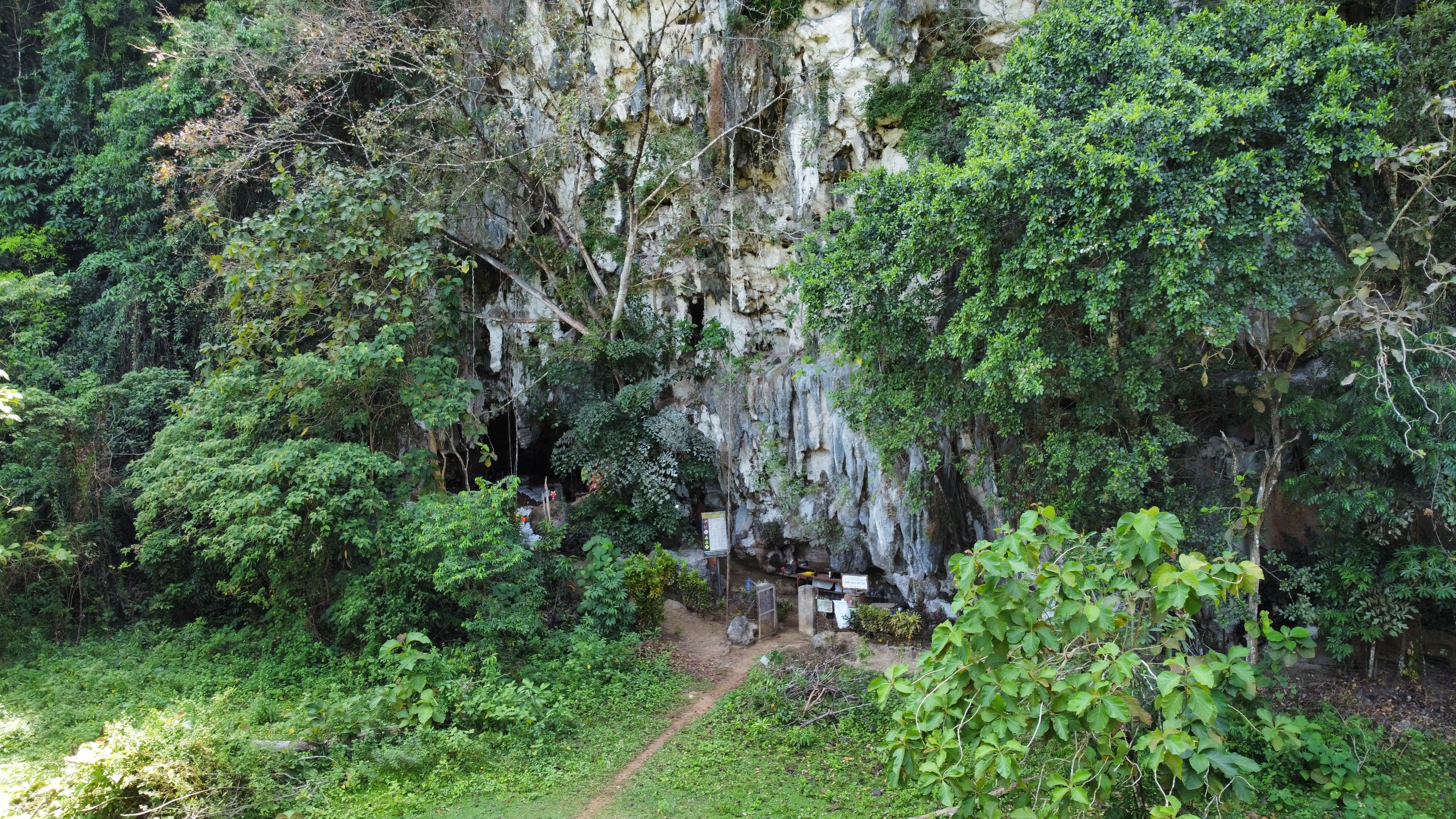
The cave where two human species may have met
Wherever Homo sapiens has roamed, other human species tend to disappear, and a cave on the Indonesian island of Sulawesi is no exception.
- The Science Show - Separate stories podcast
Lab Notes: Skincare, pregnancy and a minefield of mixed messages
Retinoids are big business for reducing wrinkles and treating acne — but there's conflicting advice on their safety for pregnant women. Should manufacturers of…
 The Science Show - Separate stories podcast
Political knowledge worsens amongst young Australians
Australia’s social media ban for under 16s aims to protect young people from online threats, but it may also limit their knowledge about democracy and…
 The Science Show - Separate stories podcast
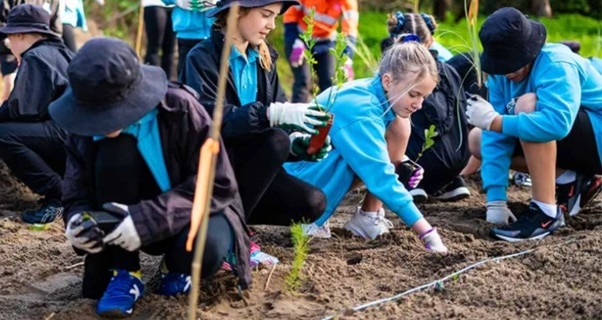
Widespread benefits of school forest plots
Small patches of forests in schools initiate discussion and leaning across biology and ecology. Students develop a sense of ownership and community awareness…
 The Science Show - Separate stories podcast
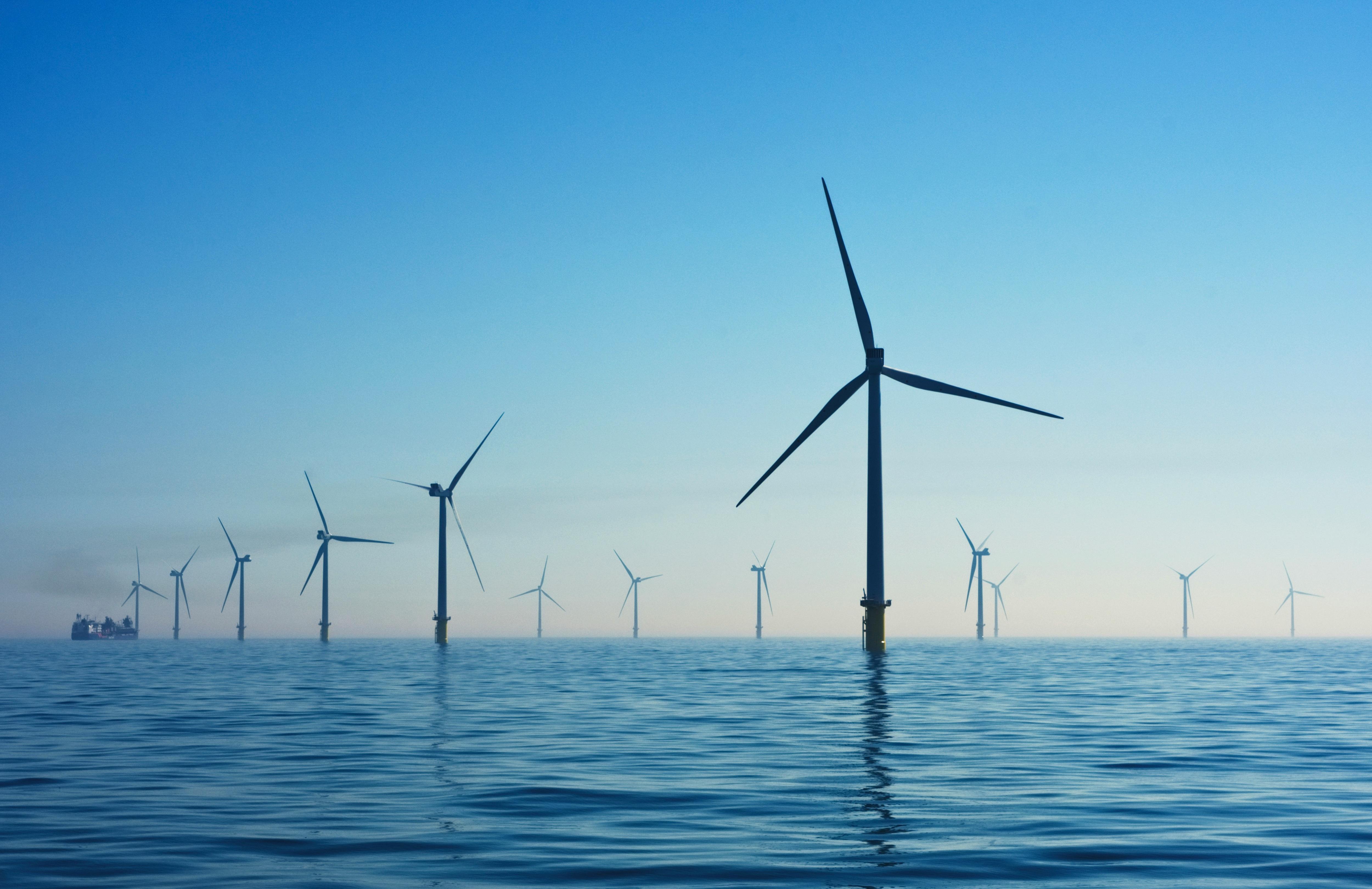
Offshore wind farms a haven for marine life
The massive foundations that support offshore wind turbines can be an oasis for marine life in an otherwise submarine desert, according to work done at Murdoch…
 The Science Show - Separate stories podcast
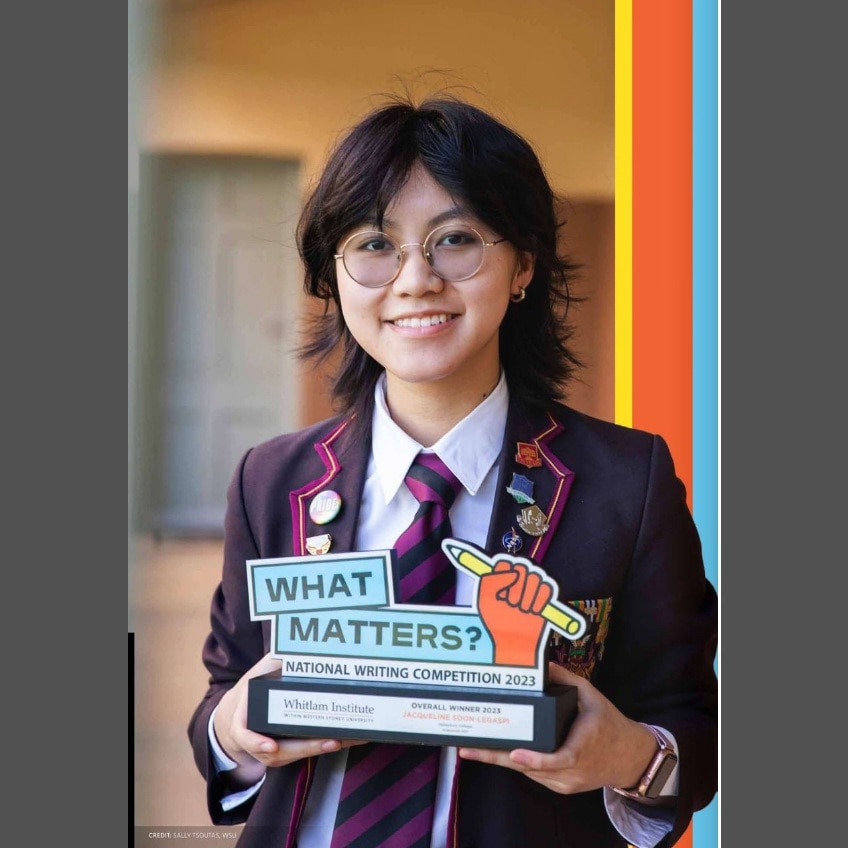
What matters to young Australians!
John Juriansz describes what is revealed from the largest creative writing competition for young people in Australia.
- The Science Show - Separate stories podcast
Lab Notes: Can we tap the brakes on energy-hungry AI?
AI seems to be absolutely everywhere at the moment. While we're still waiting for the productivity revolution — or the jobs apocalypse — the energy costs of AI…
 The Science Show - Separate stories podcast
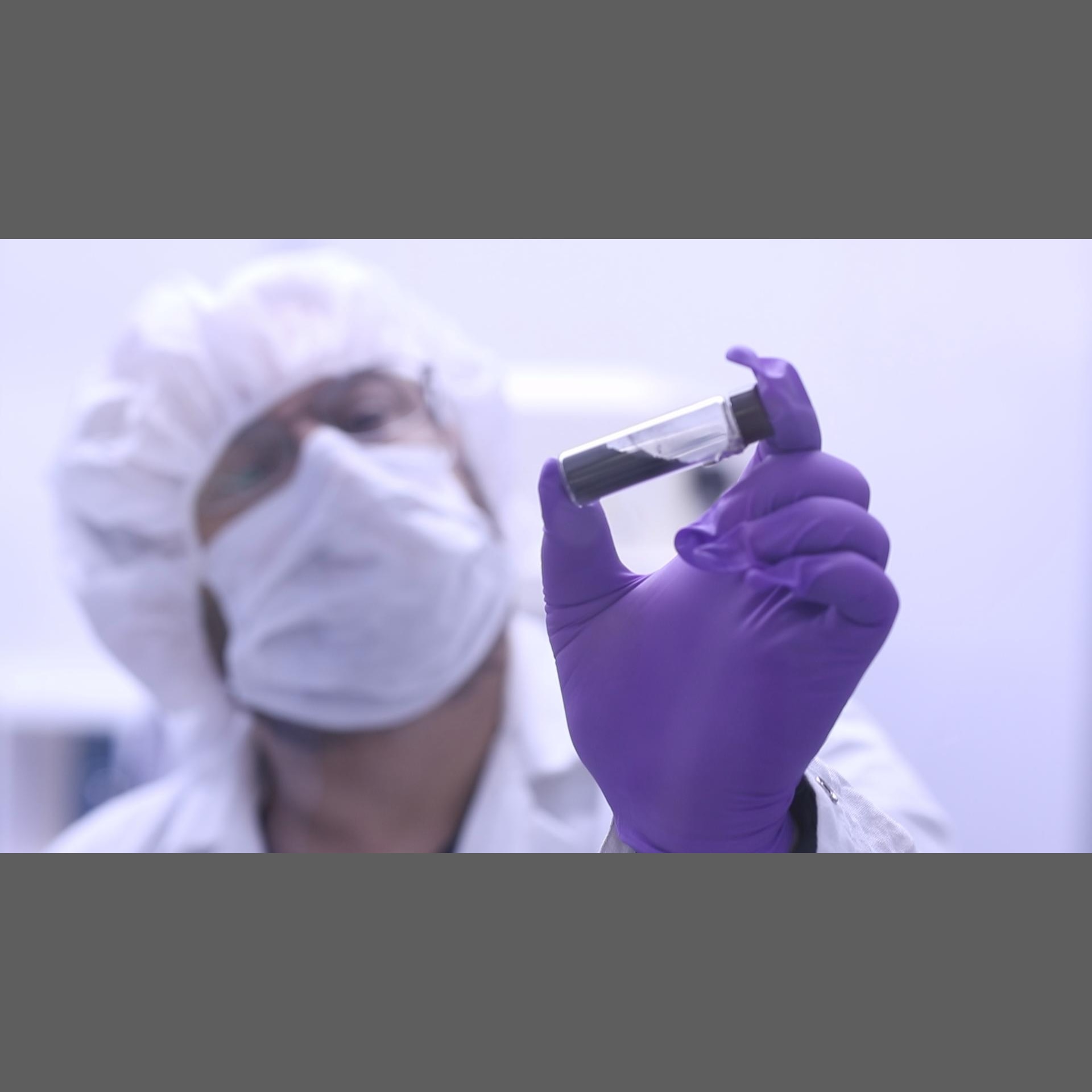
Asteroids brought building blocks of life to Earth?
Samples of asteroids contain a range of organic molecules. Do asteroids raining down on Earth explain how life started on Earth?
 The Science Show - Separate stories podcast
Electric vehicles powering ahead
Only six years ago there were doubts about electric vehicles: range! charging facilities! cost! Now in 2026, the mood is reversed. Peter Hadfield reports from…
 The Science Show - Separate stories podcast
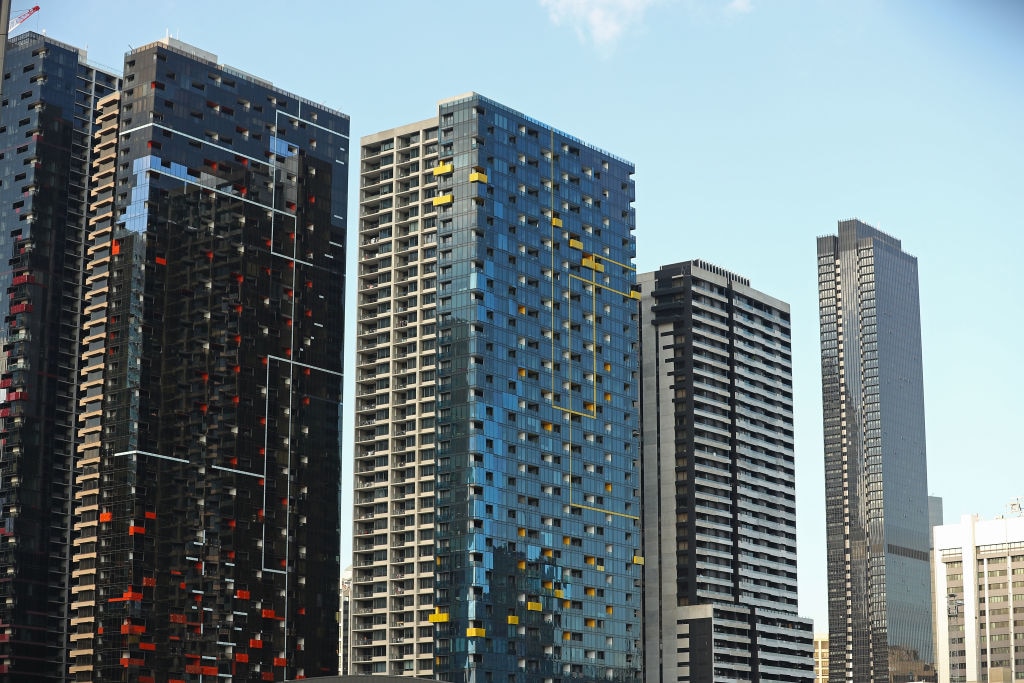
Green cities develop near public transport lines
Peter Newman says fossil fuels industries face long term risk as renewables offer cheaper options. And urban density is increasing around public transport.
 The Science Show - Separate stories podcast
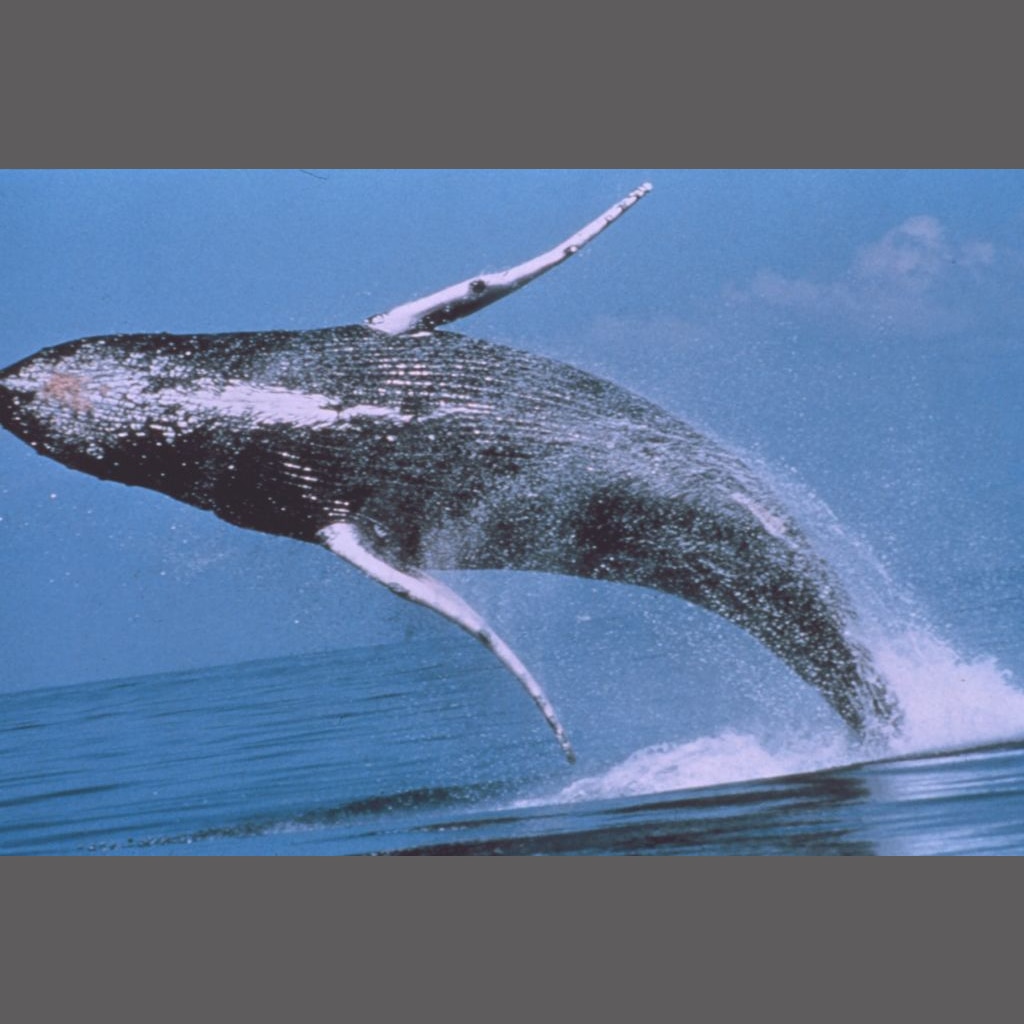
Southern humpbacks in genetic strife
Humpback whales narrowly survived being hunted to extinction in the era of industrial whaling, but while their recovery has been strong, they are left with low…
 The Science Show - Separate stories podcast
Remote links inspiration – how to harness unlikely connections
Len Fisher gathered Nobel laureates, leaders in science, philosophers and economists to brainstorm serendipity in science, asking how it might be exploited for…
 The Science Show - Separate stories podcast
Lab Notes: What's behind the rising tree death rates?
Fire, insects and disease all pose a threat to Australia's forests but scientists are now seeing a rise in natural tree deaths right across the country. New…
 The Science Show - Separate stories podcast
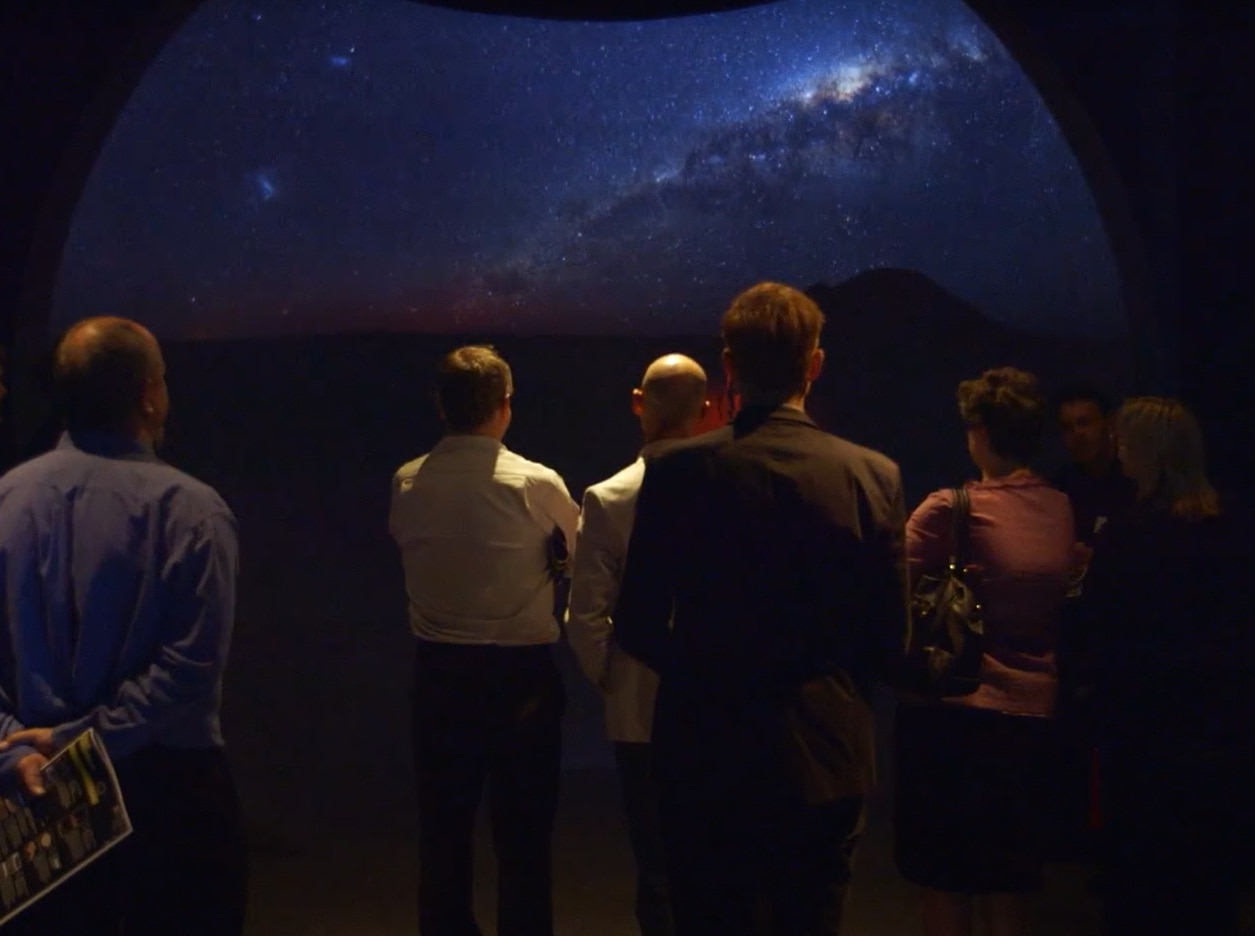
New mysterious stellar object discovered
It pulses every 18 minutes. What could it be? A white dwarf? A neutron star? It had been missed in over 30 years of images. Natasha Hurley-Walker describes…
- The Science Show - Separate stories podcast
Widespread benefits of school forest plots
Small patches of forests in schools initiate discussion and leaning across biology and ecology. Students develop a sense of ownership and community awareness…
 The Science Show - Separate stories podcast
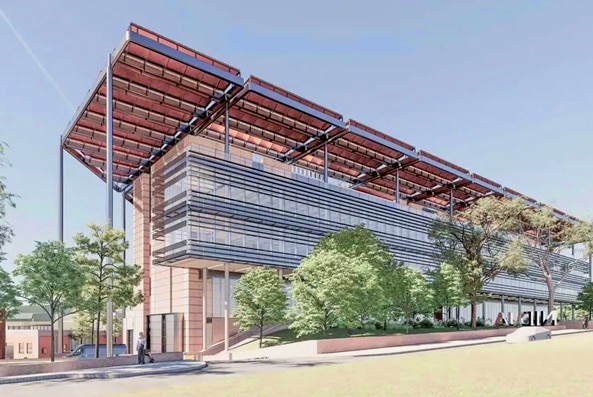
Science a strength at Curtin University
Vice-Chancellor Harlene Hayne describes how science is a pilar at Curtin University in Perth.
 The Science Show - Separate stories podcast
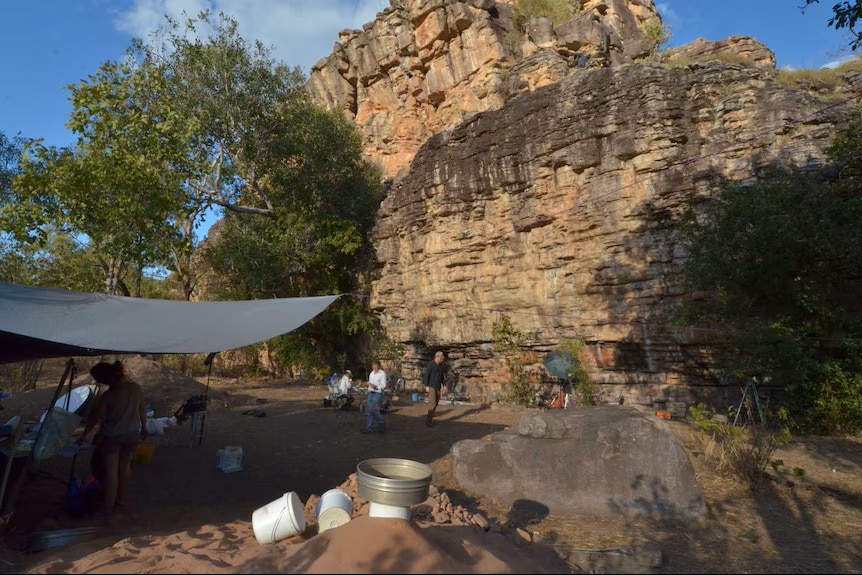
When did humans first reach Australia?
Exactly when people first set foot in Australia has sparked fierce debate, with two times currently cited: Around 50,000 years ago, and 65,000 years ago. Which…
 The Science Show - Separate stories podcast
Vale Emma Johnston
Leading marine scientist and university educator Emma Johnston has died from complications associated with cancer at the age of 52.
 The Science Show - Separate stories podcast
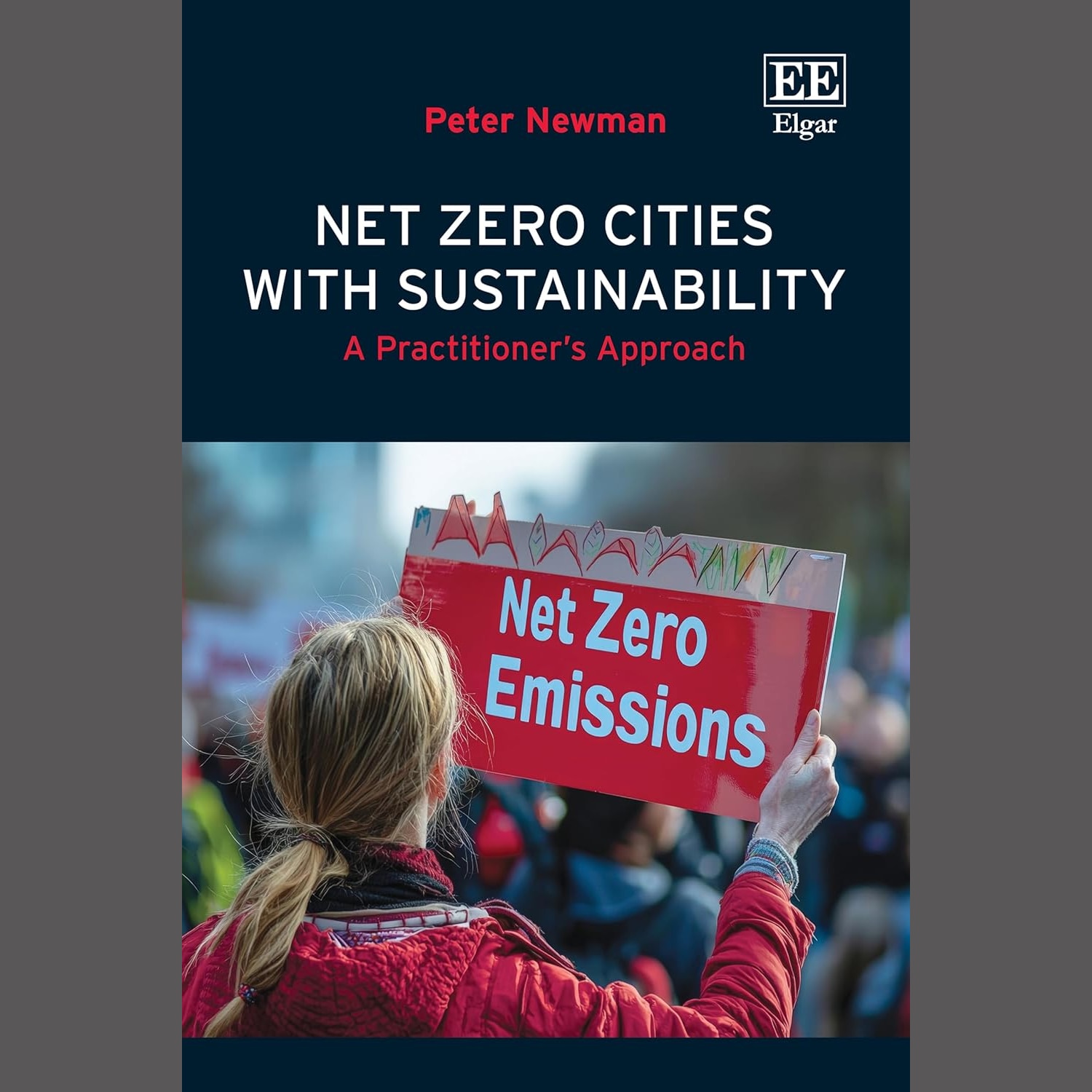
The road to net zero
Peter Newman outlines how cities can achieve net zero and sustainability agendas together as part of the global shift to a new economy.
- The Science Show - Separate stories podcast
Lab Notes: The oldest rock art in the world…that we know of
A faint orange hand stencil on the wall of a cave in Indonesia just became the oldest art known to science. The art, made by splattering ochre over a hand, had…
- The Science Show - Separate stories podcast
Lab Notes: Why UV levels are so high in Australia
Australia's summer UV levels are high enough to cause sunburn in as little as 11 minutes. Yet the summer sun in the Northern Hemisphere rarely feels that full…