Shows / U.S. Right to Know articles
U.S. Right to Know articles
Reporting from U.S. Right to Know, a nonprofit newsroom covering public health.
Episodes
 U.S. Right to Know articles
Even tiny doses of glyphosate can cause health problems across generations, new study in mice shows
Even extremely small amounts of the herbicide glyphosate can harm gut health, disrupt metabolism, and change behavior in mice, scientists say. The effects…
 U.S. Right to Know articles
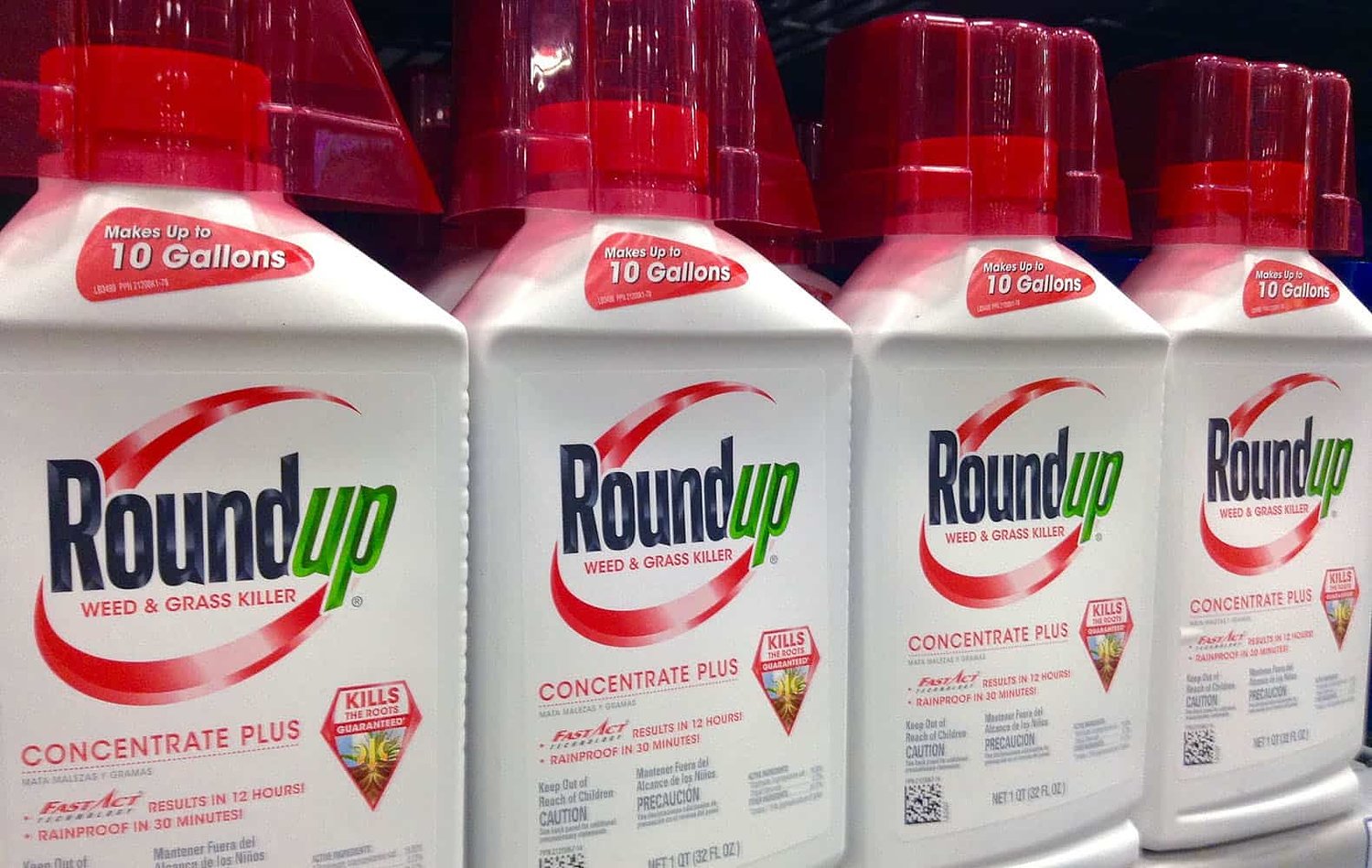
Glyphosate: Cancer, liver disease, endocrine disruption and other health concerns
Comprehensive review linking widespread glyphosate exposure to cancer, liver/kidney disease, endocrine and neurotoxicity, reproductive harm, microbiome…
 U.S. Right to Know articles
Plastics pose 'urgent threat' to children’s lifelong health, major review warns
A sweeping new review warns that chemicals in common plastics pose serious and lasting health risks to children, from before birth through adulthood.
 U.S. Right to Know articles
Alcohol industry uses tobacco tactics to downplay deadly risks and block reforms, studies show
Urgent action is needed to protect public health from alcohol industry influence and to curb alcohol-related disease and death, according to international…
 U.S. Right to Know articles
New scientific methods challenge claims that GMOs and glyphosate are safe
A leading molecular geneticist explains how his research challenges claims that GMOs are “substantially equivalent” to non-GMOs — the foundation of U.S…
 U.S. Right to Know articles
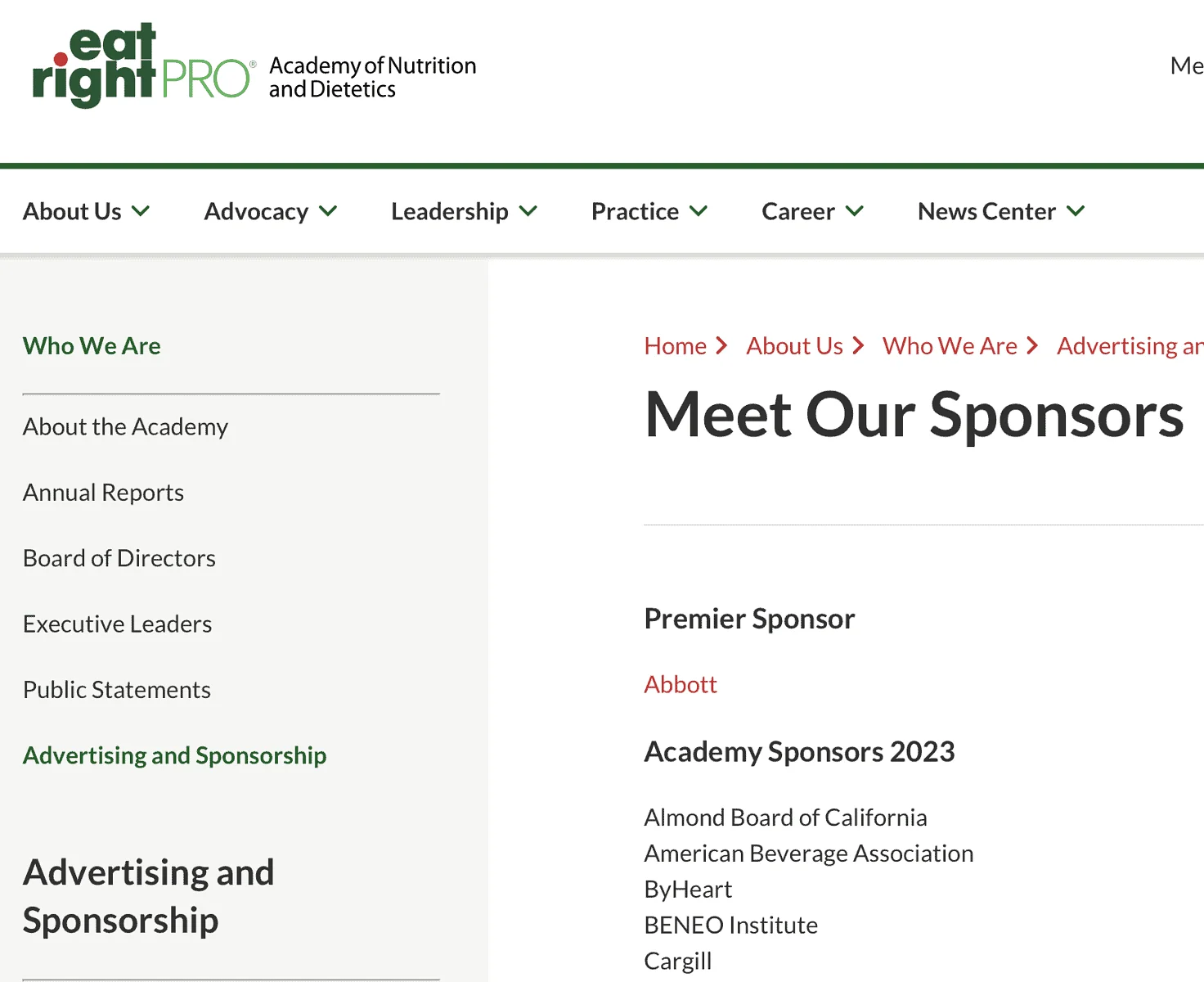
Academy of Nutrition and Dietetics: Corporate capture of the nutrition profession
Investigation shows the Academy of Nutrition and Dietetics accepts funding, investments, and leadership ties to ultra-processed food, pesticide and pharma…
 U.S. Right to Know articles
Banned pesticides found in clouds, sparking new health concerns
Pesticides banned years ago in the European Union are drifting through the skies and turning up in clouds above France, raising concerns about how long these…
 U.S. Right to Know articles
Are GMOs safe? A molecular geneticist speaks out
Professor Michael Antoniou, head of the Gene Expression and Therapy Group at King’s College London, describes how regulators are ignoring the health risks of…
 U.S. Right to Know articles
Phthalates in everyday products may fuel breast cancer, new study warns
Common chemicals in plastics, personal care products, and food packaging may drive the onset, growth, and spread of breast cancer—the second-leading cause of…
 U.S. Right to Know articles
Pollution, toxic chemicals, and plastics drive millions of heart-related deaths, major review finds
Cardiovascular disease—the world's leading cause of death—is increasingly driven by polluted air, toxic chemicals, plastics, noise, and extreme temperatures…
 U.S. Right to Know articles
Vaping triples the risk of cigarette smoking in young people, a major review shows
Children, adolescents, and young adults who vape are about three times more likely to start smoking cigarettes than non-users, according to the most…
 U.S. Right to Know articles
Aspartame sweetener may disrupt blood vessels, raising stroke risk, first-of-its-kind study suggests
Aspartame—the artificial sweetener found in everything from Diet Coke and sugar-free chewing gum to children's medications—may raise the risk of the most…
 U.S. Right to Know articles
'No safe level': Babies are harmed by even tiny amounts of nitrate in drinking water, study finds
Even very low levels of nitrate in drinking water—far below the federal government’s safety threshold—may significantly increase the risk of premature birth…
 U.S. Right to Know articles
Dicamba: Concerns about cancer and crop damage
Dicamba, a widely used herbicide linked to crop damage and health concerns, faces legal challenges as the EPA moves to re-register it despite studies tying it…
 U.S. Right to Know articles
WHO Foundation’s growing ‘dark money’ problem raises conflict of interest concerns
The majority of donors to the World Health Organization Foundation, including some unnamed gifts as big as $11 million, are not publicly disclosed, a new…
 U.S. Right to Know articles
Ultra-processed foods: increased risk of cancer
Evidence links rising ultra-processed food consumption to higher risks of multiple cancers—especially colorectal, ovarian, breast—and tumor growth mechanisms…
 U.S. Right to Know articles
Ultra-processed food leads to obesity: The science explained
In the United States, around half of the food that people eat every day is ultra-processed—industrially manufactured products, like chips or candy, that are…
 U.S. Right to Know articles
Microplastics wreaking havoc on human hormones, fertility, a new review says
The chemicals in microplastics cause a plethora of health impacts including harming people’s hormonal systems leading to infertility, and neurological and…
 U.S. Right to Know articles
PFAS 'forever chemicals' tied to cancer, birth defects
Comprehensive overview of PFAS risks, exposures, industry concealment, research findings, and regulatory actions to limit widespread 'forever chemicals' in…
 U.S. Right to Know articles
Unhealthy food makers target youth with pervasive ads that fuel long-term health risks, decades of research shows
Unhealthy food and beverage companies powerfully undermine the eating habits of young people by deploying ubiquitous ads that encourage poor dietary choices…
 U.S. Right to Know articles
Endocrine disruptors impair women's fertility, may lead to PCOS, major review finds
Endocrine-disrupting chemicals (EDCs)—substances that interfere with the body’s hormone systems—may contribute to a wide range of female reproductive health…
 U.S. Right to Know articles
Diquat herbicide poisons the gut, may severely damage other organs, research shows
Diquat, an herbicide banned in the European Union but still widely used in the U.S., damages the intestines and may also trigger a harmful chain reaction in…
 U.S. Right to Know articles
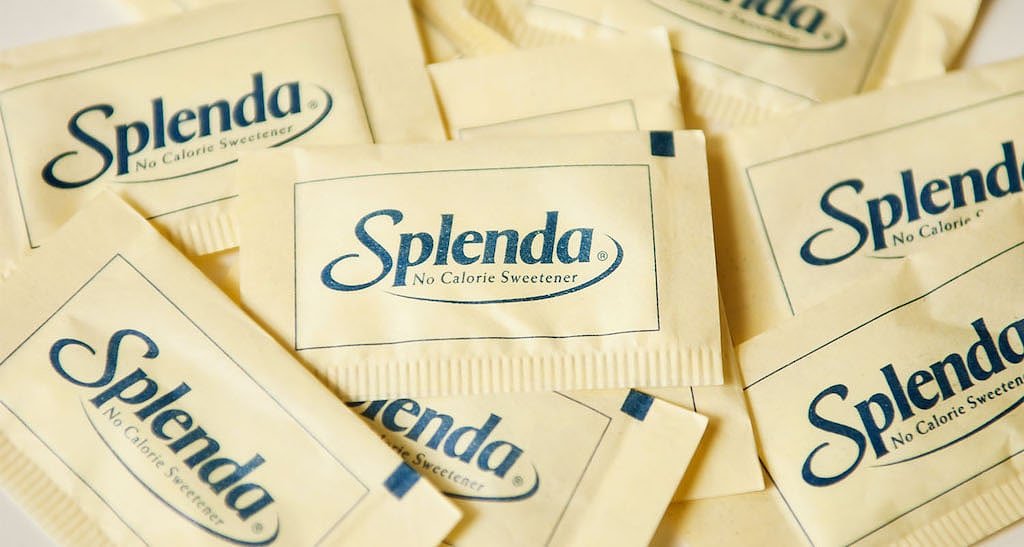
Sucralose: Emerging science reveals health risks
Extensive evidence links sucralose (Splenda) to metabolic, reproductive, genotoxic and microbiome harms, while marketing and regulatory actions have downplayed…
 U.S. Right to Know articles
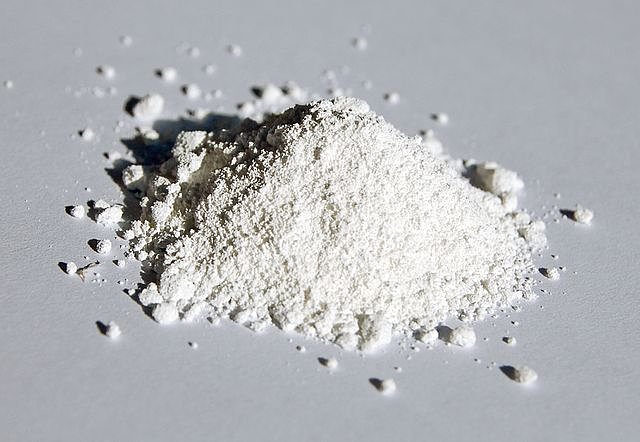
Titanium Dioxide, banned in Europe, is one of the most common food additives in the U.S.
Titanium dioxide is the most widely used whitening pigment in the world and has been linked to adverse health effects, particularly genotoxicity and intestinal…
 U.S. Right to Know articles
Tiny titanium dioxide particles in food raise blood sugar, disrupt gut hormones in mice, study finds
The tiniest particles of titanium dioxide—commonly used to make ultra-processed foods look more visually appealing—can raise blood sugar levels and impair how…
 U.S. Right to Know articles
Ultra-processed foods tied to cancer, diabetes, dementia, depression, early death, and more
More than half the calories Americans consume come from ultra-processed foods. Hundreds of scientific studies provide strong evidence that consuming these…
 U.S. Right to Know articles
The PR campaign spinning Tyson’s brazen “climate-smart” beef claims
Producing meat is one of the biggest sources of climate warming gases, and beef is the worst of the bunch, data shows. To clean up their image, leading meat…
 U.S. Right to Know articles
Common weedkiller glyphosate may be linked to liver disease epidemic, study warns
Glyphosate, the world’s most widely used herbicide, may significantly raise the risk of an increasingly common chronic liver disease—even at low exposure…
 U.S. Right to Know articles
Everyday chemicals linked to cognitive decline in older adults, especially men, new study reports
Older adults exposed to a mix of chemicals found in everyday products—such as food packaging, cosmetics, and printed receipts—may face a higher risk of memory…
 U.S. Right to Know articles
FDA layoffs will hamper efforts to cut antimicrobial overuse in farm animals
Efforts to curb the use of antimicrobials in farm animals and stem resistance to crucial antimicrobial medicines are at risk after layoffs at the FDA's Center…
 U.S. Right to Know articles
Ultra-processed foods and early death
Multiple large studies and meta-analyses link higher ultra-processed food intake to increased all-cause and disease-specific mortality, urging policy and…
 U.S. Right to Know articles
Private equity in health care puts patients’ lives in danger, studies show
Recent studies suggest private equity deals lead to more patient deaths and complications, among other adverse health outcomes.
 U.S. Right to Know articles
Blocking mobile phone internet for two weeks may boost mood, mental health, and attention
New research finds that blocking the internet from your phone for two weeks could ease anxiety and depression and reverse years of attention decline, with…
 U.S. Right to Know articles
Plastics may disrupt the body’s clock, raise risk of chronic disease, study finds
Chemicals found in common food packaging plastics like cling film and snack pouches may interfere with the body’s natural 24-hour sleep-wake cycle, increasing…
 U.S. Right to Know articles
Social media is fueling the childhood obesity crisis, global study warns
In an era when digital devices increasingly dominate young people's lives, the social media industry is promoting unhealthy food consumption and behavior and…
 U.S. Right to Know articles
US intelligence agency's classified analysis offers detailed scientific view that COVID-19 may have come from Wuhan lab
An analysis by the U.S. Defense Department’s intelligence agency concluded five years ago that the virus that caused COVID-19 could have been engineered in a…
 U.S. Right to Know articles
Air pollution may weaken children's brain connections, study shows
Children exposed to higher levels of air pollution in their homes from birth to age three may develop weaker connections between key brain regions, with…
 U.S. Right to Know articles
Breathing injustice: How a new scientific tool could help communities oppose industrial animal farming pollution
Residents of a North Carolina community – where the haze of pollution coats the inside and outside of residents’ homes with potentially harmful bacteria from…
 U.S. Right to Know articles
Aspartame: Decades of science point to serious health risks
Dozens of studies have linked aspartame -- the world's most widely used artificial sweetener -- to serious health problems, including cancer, cardiovascular…
 U.S. Right to Know articles
PFAS in drinking water linked to increased cancer risk, groundbreaking study finds
Exposure to "forever chemicals" in drinking water is significantly associated with the increased risk of multiple cancers, including some not previously linked…
 U.S. Right to Know articles
Glyphosate poses widespread risks to female fertility and reproductive health: new research
Glyphosate, the world's most widely used herbicide, disrupts female hormones and damages the ovaries and uterus in ways that can make it more difficult for…
 U.S. Right to Know articles
Menthol cigarettes linked to higher death risk, especially for Black smokers
Menthol cigarette smokers had a higher risk of dying from any health cause, including heart disease, compared to former non-menthol cigarette smokers…
 U.S. Right to Know articles
Are neonics critical to all crops? Research says no
In 2018, Louis Robert, an agronomist in Québec, was fired after releasing controversial research about the limited effectiveness of neonicotinoid pesticides.
 U.S. Right to Know articles
Blood, body parts and bacteria pollute wastewater from meatpacking plants. New rules could help clean it up
Slaughterhouses and meat and poultry processing plants are among the nation’s most polluting industries. The wastewater is contaminated with the most…
 U.S. Right to Know articles
Billions in drug and medical device company payments to medical specialists may compromise patient care, reports show
U.S. medical specialists - from neurosurgeons to anesthesiologists and oncologists - received billions of dollars worth of individual payments not related to…
 U.S. Right to Know articles
Gambling industry copies Big Tobacco’s playbook to downplay harms and avoid regulation, study warns
The gambling industry uses the same tactics as the tobacco industry to downplay harms and influence public opinion, science, and policy for the sake of profits…
 U.S. Right to Know articles
Most U.S. infant formulas contain mainly added sugars, posing a serious risk to babies' health
Most infant formulas in the U.S. contain added sugars that can harm early development, new research shows. Babies may come upwards of 60 grams of added sugars…
 U.S. Right to Know articles
Agricultural pesticide exposure linked to childhood cancers, study says
High exposure to multiple pesticides may cause childhood and adolescent cancers, especially brain and central nervous system (CNS) tumors, according to a new…
 U.S. Right to Know articles
Even low levels of traffic air pollution can damage the liver, new study shows
Low-level traffic-related PM2.5 exposure in mice caused liver inflammation, fat accumulation, immune changes and altered proteins over 12 weeks, suggesting no…
 U.S. Right to Know articles
As EPA considers cancer links to nitrates in drinking water, industry downplays the risks
Among all the contaminants in drinking water, nitrates are one of the most pervasive. They leach from chemical fertilizers and animal manure to pollute…