Shows / Distillations | Science History Institute

Distillations | Science History Institute
Distillations is the Science History Institute's critically acclaimed flagship podcast. We take deep dives into stories that range from the serious to the eccentric, all to help listeners better understand the surprising science that is all around us. Hear about everything from the crisis in Alzheimer's research to New England's 19th-century vampire panic in compelling, sometimes-funny, documentary-style audio stories.
Episodes
 Distillations | Science History Institute
Poison Booze
The roaring twenties were a time of huge political, scientific, and cultural change. In the U.S., women finally won a hard-fought battle over the right to…
 Distillations | Science History Institute
Making Things Explode
Throughout history, there has been continual negotiation over who gets to access fireworks. Control over them has swung like a pendulum between ordinary people…
 Distillations | Science History Institute
Mules, Arsenic, and Sesame: Untold Black History in the Americas
Jayson Porter has written for Distillations magazine on topics ranging from mules and sesame seeds, to arsenic and porgy fish. At first, these things might…
- Distillations | Science History Institute
Live Show! October 29th in Philly
Come celebrate our newest Distillations podcast season, American Vice. From cigarettes to alcohol to fireworks, this season is all about our relationship with…
 Distillations | Science History Institute
From Hysteria to Long COVID: Invisible Illnesses
Many of us have heard of Long COVID, but few of us understand the depth and breadth of the diagnosis or the history leading up to it. We talk with medical…
 Distillations | Science History Institute
Chasing Shiny Things
Silver's Volatile History. How long have people been pinning their hopes on silver? And what makes it valuable to us? Is it just because it's shiny and pretty…
 Distillations | Science History Institute
The Acid Queen: An Interview with Susannah Cahalan
A conversation with the author of The Acid Queen: The Psychedelic Life and Counterculture Rebellion of Rosemary Woodruff Leary. If you've ever read anything…
 Distillations | Science History Institute
Jersey City's Secret Water Experiment
How did a covert chemical treatment permanently change our drinking water? In 1908, two men, John L. Leal and George Warren Fuller, spent 99 days secretly…
 Distillations | Science History Institute
Cigarettes in America, Part 2: The Reckoning
Cigarettes: they provide no nutrition and quench no thirst. They serve no purpose other than being an excuse to take a break from the grind before getting…
 Distillations | Science History Institute
Cigarettes in America, Part 1: The Rise
Cigarettes: they provide no nutrition and quench no thirst. They serve no purpose other than being an excuse to take a break from the grind, before getting…
- Distillations | Science History Institute
American Vice: New Season Coming September 15th
Check out our new season, dropping weekly on Tuesdays, starting September 15th.
 Distillations | Science History Institute
The History of Clinical Trials: From Fake Exorcisms to Testing Today
Alexis Pedrick joins Sam Jones and Deboki Chakravarti to bring you an episode from Tiny Matters, an award-winning podcast from the American Chemical Society…
 Distillations | Science History Institute
Agnes Pockels and the Kitchen Sink Myth
This episode is a co-production with Lost Women of Science. Agnes Pockels did pioneering work in surface science. Her invention, the Pockels Trough, became the…
 Distillations | Science History Institute
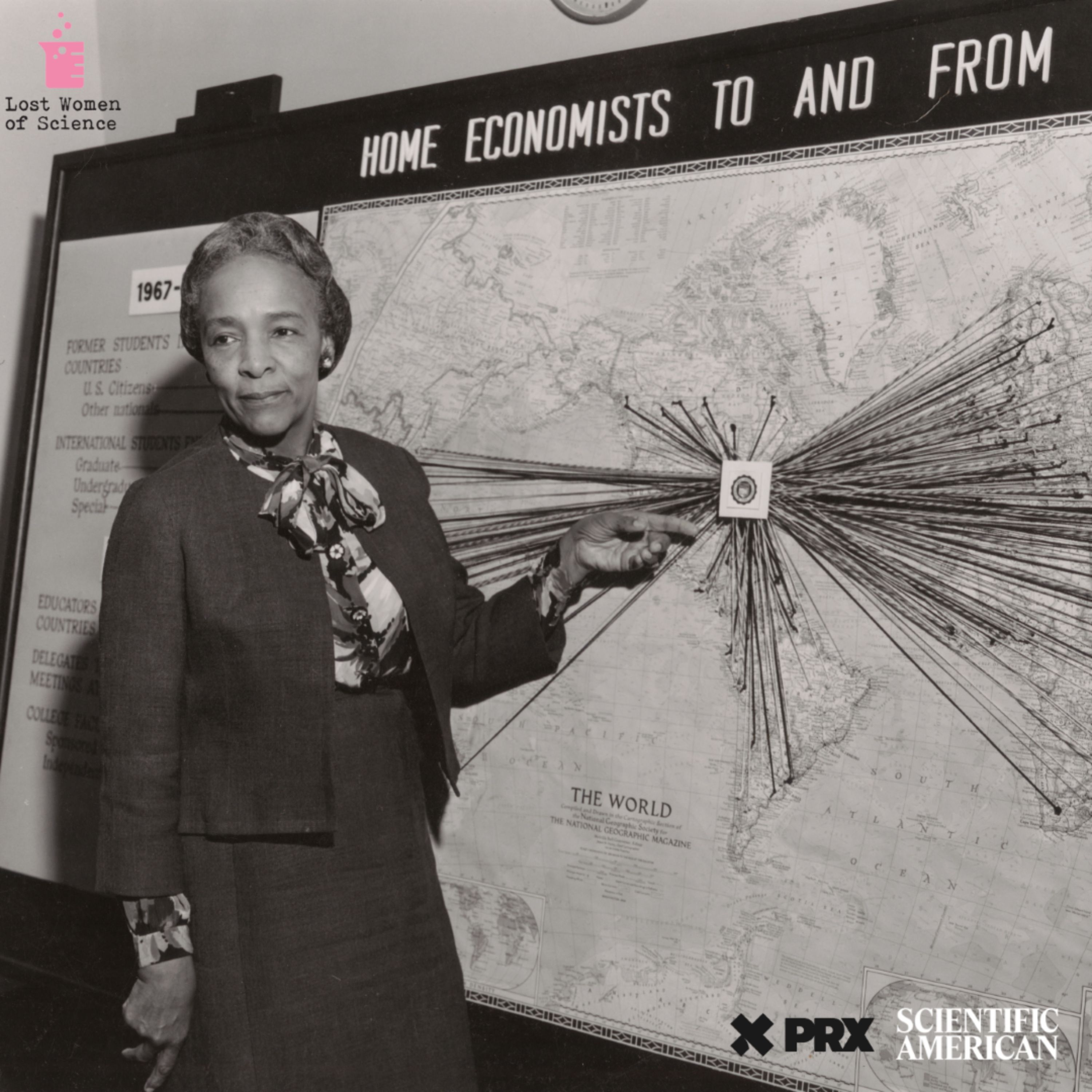
Flemmie Kittrell and the Preschool Experiment
Alexis Pedrick joins Katie Hafner to bring you an episode from The Lost Women of Science Initiative, a non-profit educational organization dedicated to telling…
 Distillations | Science History Institute
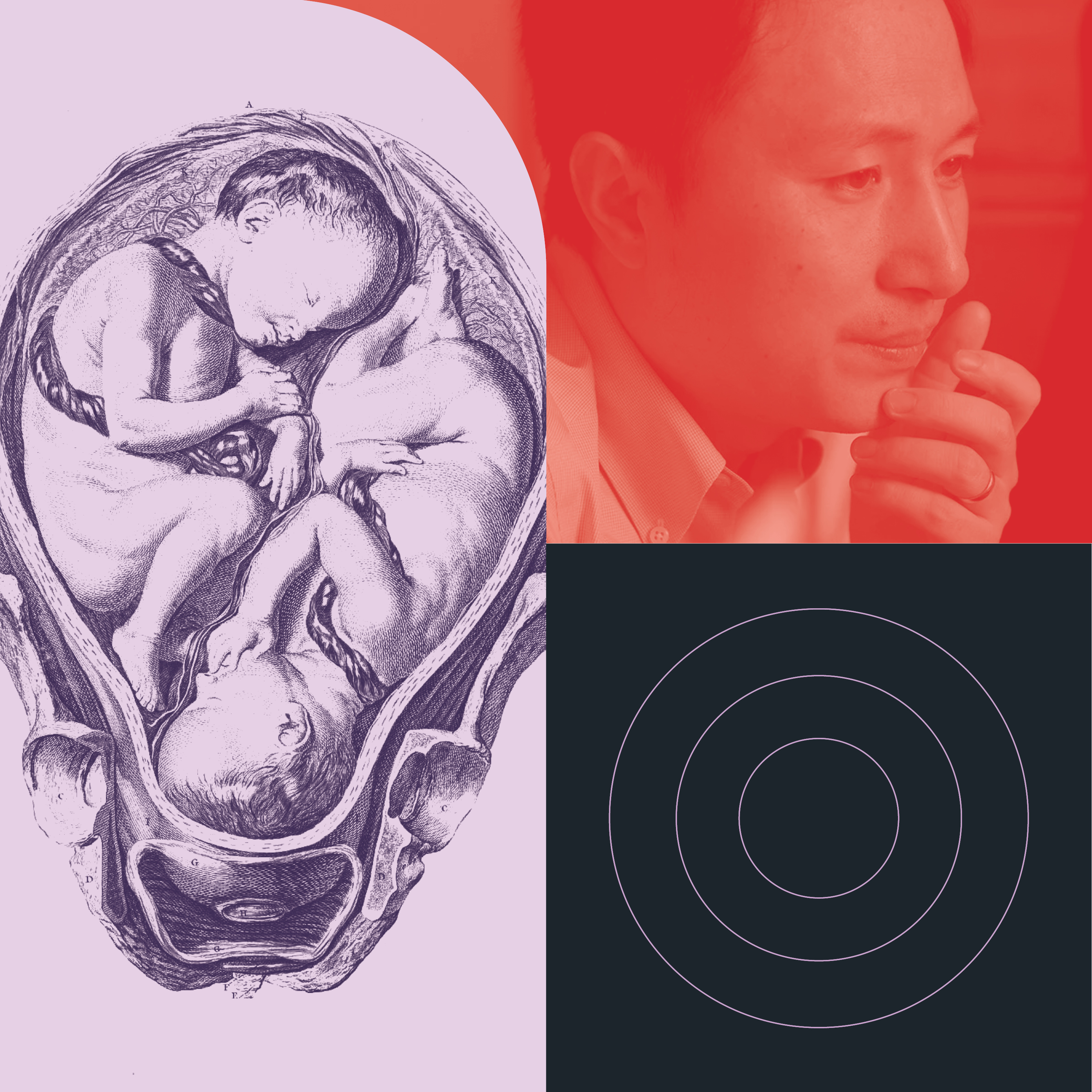
The CRISPR Babies
In 2018 news broke that a Chinese scientist, He Jiankui, had used CRISPR to edit human embryos, and twin girls had been born as a result. The story set off an…
 Distillations | Science History Institute
Humans and Monsters: An Interview with Surekha Davies
The fears about genetic engineering were stoked when experiments took off in the 1970s. From lab leaks to disease epidemics to the ability to make…
 Distillations | Science History Institute
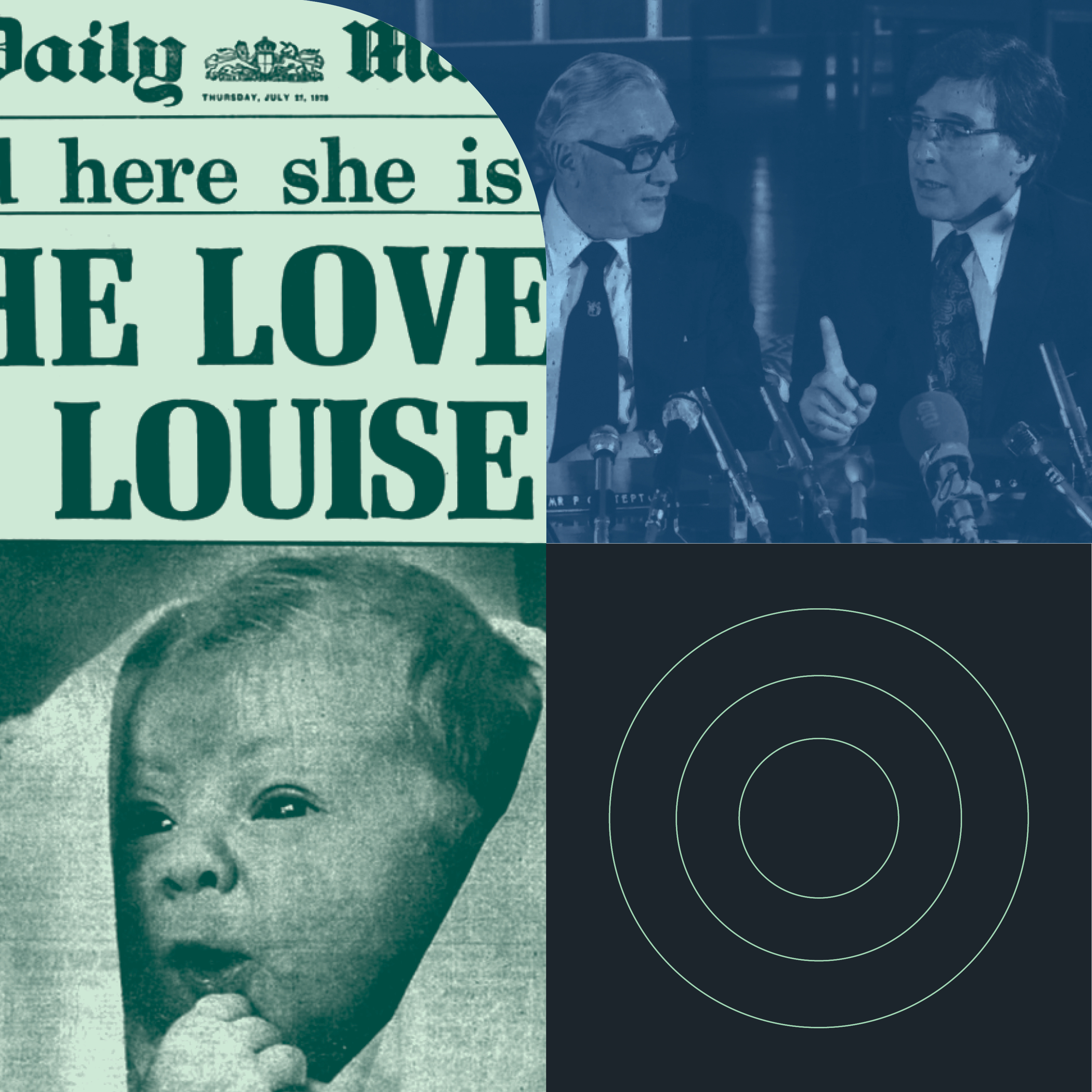
IVF: An Interview with Robin Marantz
Our producer Rigoberto Hernandez spoke with Robin Marantz, the author of Pandora's Baby: How the First Test Tube Babies Sparked the Reproductive Revolution…
 Distillations | Science History Institute
Gene Therapy's Families
When Rebekah and Evan Lockard's daughter, Naomi, was diagnosed with a devastating ultra-rare genetic disease, they didn't know where to turn. Then they found…
 Distillations | Science History Institute
Gene Therapy's Dark Ages
Gene therapy is based on a simple-sounding, yet deceptively complicated premise: adding or replacing faulty genes to fix medical problems. A compelling idea…
 Distillations | Science History Institute
'The Andromeda Strain': An Interview with Luis Campos
Producer Mariel Carr talks to historian of science and former Science History Institute fellow, Luis Campos, about his article "Strains of Andromeda: The…
 Distillations | Science History Institute
The People vs. Recombinant DNA
In 1976, Harvard University wanted to build a specialized lab for recombinant DNA research. But first, it had to get permission from the city of Cambridge. The…
 Distillations | Science History Institute
Science, Interrupted: Part 2
Genetic engineering breakthroughs in the late 1960s and early 1970s came with a lot of promise—and peril too. Fears about what could happen with recombinant…
 Distillations | Science History Institute
Science, Interrupted: Part 1
Genetic engineering breakthroughs in the late 1960s and early 1970s came with a lot of promise—and peril too. Fears about what could happen with recombinant…
- Distillations | Science History Institute
New Season Trailer! Coming August 5th.
Check out our new season, dropping weekly on Tuesdays, starting August 5th.
 Distillations | Science History Institute
The History of the School Lunch
Feeding kids a healthy lunch every school day is a feat of science and logistics. Molded into shape by nutrition scientists who wanted to optimize children's…
 Distillations | Science History Institute
ALS Patients Take on the FDA
ALS is a fatal neurological disease that kills motor neurons. Even though it was first described more than 150 years ago, there is no cure, and the few drugs…
 Distillations | Science History Institute
The Fraud that Transformed Psychiatry
In 1973 a bombshell study appeared in the premier scientific journal Science. It was called "On Being Sane in Insane Places." Its author, a Stanford psychology…
 Distillations | Science History Institute
Cancer Virus Hunters: An Interview with Gregory J. Morgan
For more than 100 years, biologists who suggested that some cancers may be caused by viruses were the pariahs of genetics. However, they persevered and…
 Distillations | Science History Institute
The Ames Test
In 1973 biochemist Bruce Ames created a simple test that showed if chemicals had the potential to cause cancer. The Ames test made him a hero of the emerging…
 Distillations | Science History Institute
Is Ozempic Different?
Ozempic and others in this family of drugs are nothing short of miraculous. Meant to treat Type 2 Diabetes, the drug exploded in popularity after researchers…
 Distillations | Science History Institute
Traffication: An Interview with Paul Donald
The impact of cars on wildlife extends beyond roadkill, affecting species that never venture near roads. Car noise disrupts bird communication and behavior…
 Distillations | Science History Institute
Dyes, Drugs, and Psychosis
In 1856, Henry Perkin's attempt to synthesize quinine led to something very different: a vibrant purple dye. Perkin's mauve revolutionized the fashion industry…
 Distillations | Science History Institute
Pink: An Interview with Dominique Grisard
The color pink has long been in vogue, and when Barbie hit theaters in 2023, its appeal only increased. But its popularity dates back much further than the…
 Distillations | Science History Institute
Can Color Heal Us?
For centuries people have been drawn to the potential healing powers of colored light. From a civil war general to a Thomas Edison wannabe, people have touted…
 Distillations | Science History Institute
The Word for Blue
In his epic poem, The Odyssey, Homer mentions the colors black, white, red, and yellow. But despite numerous mentions of the brilliant Greek sea and sky, the…
- Distillations | Science History Institute
New Season Trailer! Coming June 4th
Check out our new season, dropping weekly on Tuesdays, starting June 4th.
 Distillations | Science History Institute
Exploring 'Health Equity Tourism'
In the wake of the murder of George Floyd and the COVID-19 pandemic, there has been a new public interest in health inequities research. With this new focus…
 Distillations | Science History Institute
The Mothers of Gynecology
Of all wealthy countries, the United States is the most dangerous place to have a baby. Our maternal mortality rate is abysmal, and over the past five years…
 Distillations | Science History Institute
Correcting Race
Certain medical instruments have built-in methods of correcting for race. They're based on the premise that Black bodies are inherently different from White…
 Distillations | Science History Institute
"That Rotten Spot"
When the plague broke out in San Francisco in 1900 the public health department poured all of their energy into stopping its spread in Chinatown, as if…
 Distillations | Science History Institute
Black Pills
In 2005 the FDA approved a pill to treat high blood preassure only in African Americans. This so-called miracle drug was named BiDil, and it became the first…
 Distillations | Science History Institute
Bad Blood, Bad Science
The word "Tuskegee" has come to symbolize the Black community's mistrust of the medical establishment. It has become American lore. However, most people don't…
 Distillations | Science History Institute
The African Burial Ground
In 1991, as crews broke ground on a new federal office building in lower Manhattan, they discovered human skeletons. It soon became clear that it was the…
 Distillations | Science History Institute
Return, Rebury, Repatriate
In 2019, Abdul-Aliy Muhammad, a community organizer and journalist, learned that the Penn Museum of Archaeology and Anthropology had a collection of skulls…
 Distillations | Science History Institute
The Vampire Project
In the 1990s a liberal population geneticist launched the Human Genome Diversity Project. The goal was to sequence the genomes of "isolated" and "disappearing"…
 Distillations | Science History Institute
Keepers of the Flame
In the 1970s Barry Mehler started tracking race scientists and he noticed something funny: they all had the same funding source. One wealthy man was using his…
 Distillations | Science History Institute
Calamity in Philadelphia
In 1793 a yellow fever epidemic almost destroyed Philadelphia. The young city was saved by two Black preachers, Richard Allen and Absalom Jones, who organized…
 Distillations | Science History Institute
BONUS EPISODE: Cheddar Man
In 2018 ancient DNA researchers revealed their analysis of a 10,000 year old skeleton called Cheddar Man. He was the oldest complete skeleton ever discovered…
 Distillations | Science History Institute
Origin Stories
It might seem as though the way we think about race now is how we've always thought about it—but it isn't. Race was born out of the Enlightenment in Europe…
 Distillations | Science History Institute
New Season Trailer! Innate: How Science Invented the Myth of Race
Our new season, Innate: How Science Invented the Myth of Race, drops on February 7th.
- Distillations | Science History Institute
Mechanochemistry
What comes to mind when you think of a chemistry lab? Maybe it's smoke billowing out of glassware, or colorful test tubes, or vats of toxic substances…
- Distillations | Science History Institute
Lost Tales of Love, War, and Genius as Written by Our Genetic Code
The Disappearing Spoon, a podcast collaboration between the Science History Institute and New York Times best-selling author Sam Kean, returns for its third…
- Distillations | Science History Institute
The Sinister Angel Singers of Rome
In this episode of The Disappearing Spoon, Sam Kean talks about Alessandro Moreschi, the so-called Angel of Rome. His voice earned him fame and money. So…
- Distillations | Science History Institute
Disappearing Spoon: The Murderous Origins of the American Medical Association
In this episode of The Disappearing Spoon, Sam Kean talks about the strange origin story of the American Medical Association. The creation of this powerful…
- Distillations | Science History Institute
The Big 'What If' of Cancer
In this episode of The Disappearing Spoon, Sam Kean talks about Hermann Muller, a geneticist who in the 1920s discovered that radiation causes genetic…
- Distillations | Science History Institute
Disappearing Spoon: The Harvard Medical School Janitor Who Solved a Murder
On this episode of The Disappearing Spoon, Sam Kean talks about a murder mystery that rocked Boston in 1849. Harvard University alum and physician George…
- Distillations | Science History Institute
Disappearing Spoon: Burn After Watching
In this episode of The Disappearing Spoon, Sam Kean breaks down the history of nitrocellulose. This thick, transparent liquid was the world's first plastic and…
- Distillations | Science History Institute
History's First Car Crash Victim
In this episode of The Disappearing Spoon, Sam Kean talks about Mary Ward, a budding naturalist and astronomer from Ireland. She spent a lot of time observing…
- Distillations | Science History Institute
Real Life Zombies
In this episode of The Disappearing Spoon, Sam Kean talks about memory fugues, a psychological disorder that wipes out biographical information from people's…
- Distillations | Science History Institute
How Climate Change Will Remake the Human Body
On this episode of The Disappearing Spoon, Sam Kean delves deep into the science behind the evolution of animal and human bodies. Like animals, human bodies…