Shows / The New Biology
The New Biology
The New Biology features long-form discussions with historians, technologists, and scientists working on the biggest ideas in biotechnology, from magnet-controlled medicines to virtual cells.
Episodes
 The New Biology
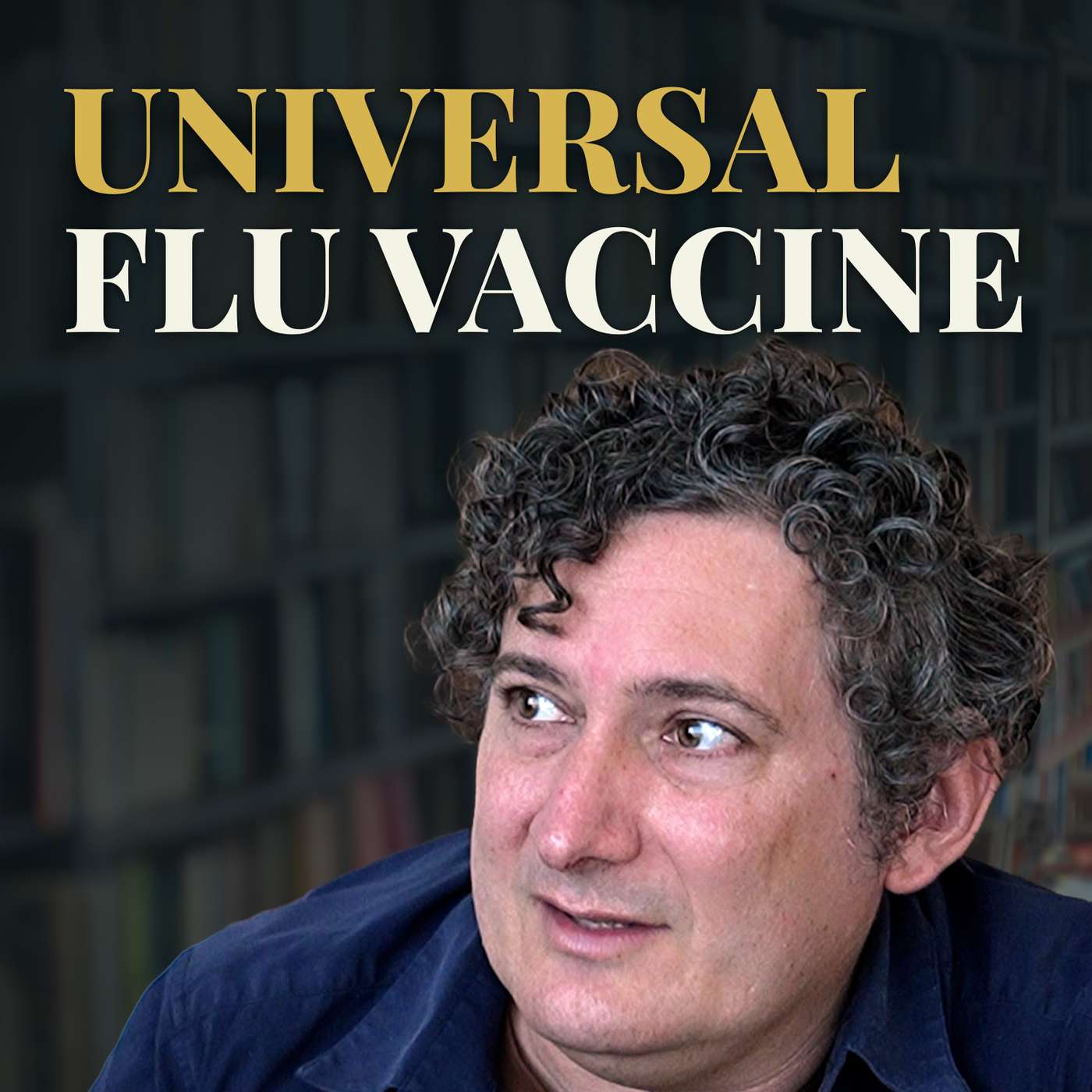
Creating “a post-pandemic world” — Jacob Glanville
Centivax is developing universal flu vaccines designed to protect against all strains of influenza—past, present, and future. In this interview, we speak with…
 The New Biology
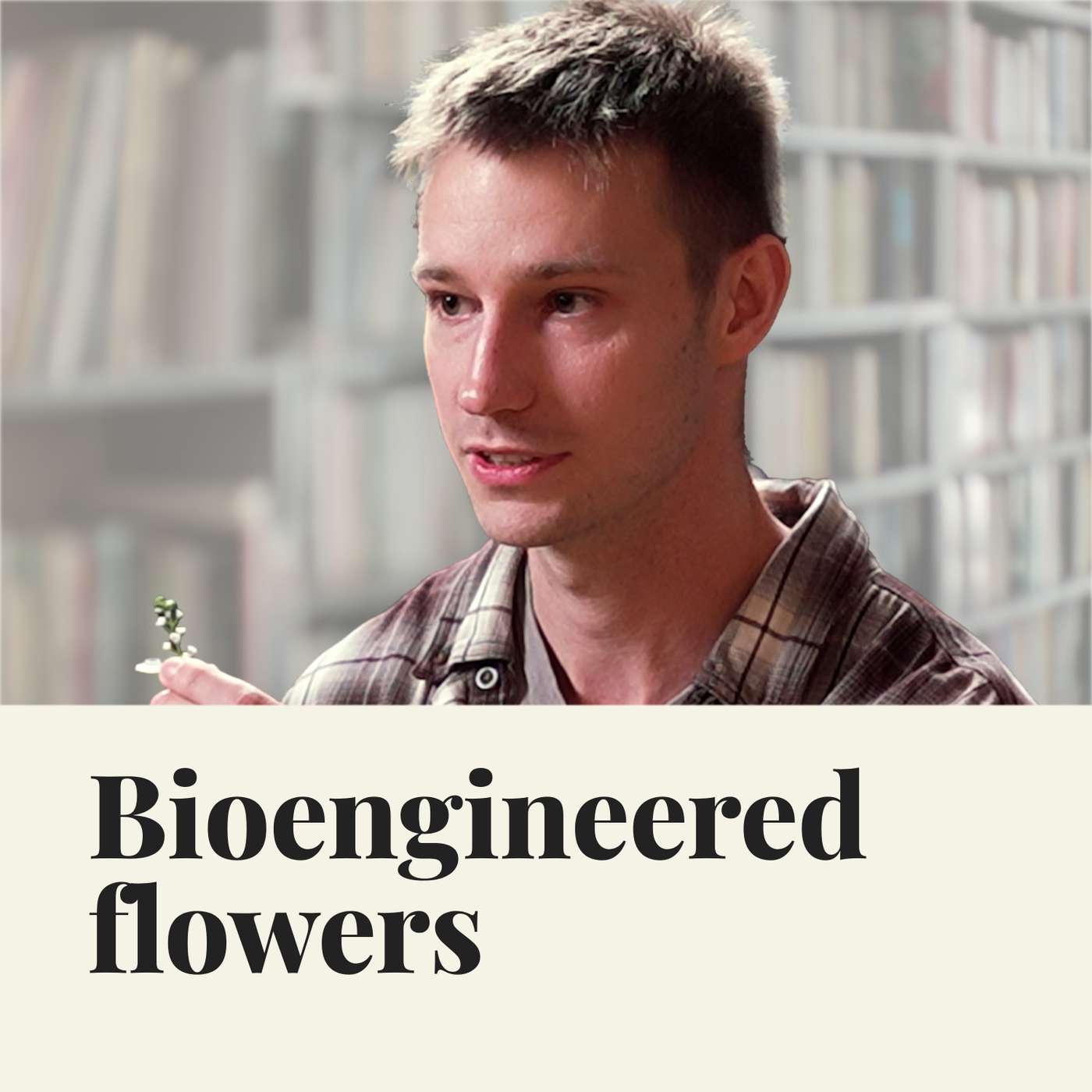
How to Design Flowers — Nick Desnoyer
Nick Desnoyer, a plant biologist in Norwich, England, is designing and creating flowers that don’t exist anywhere in nature. In this interview, he reveals his…
 The New Biology
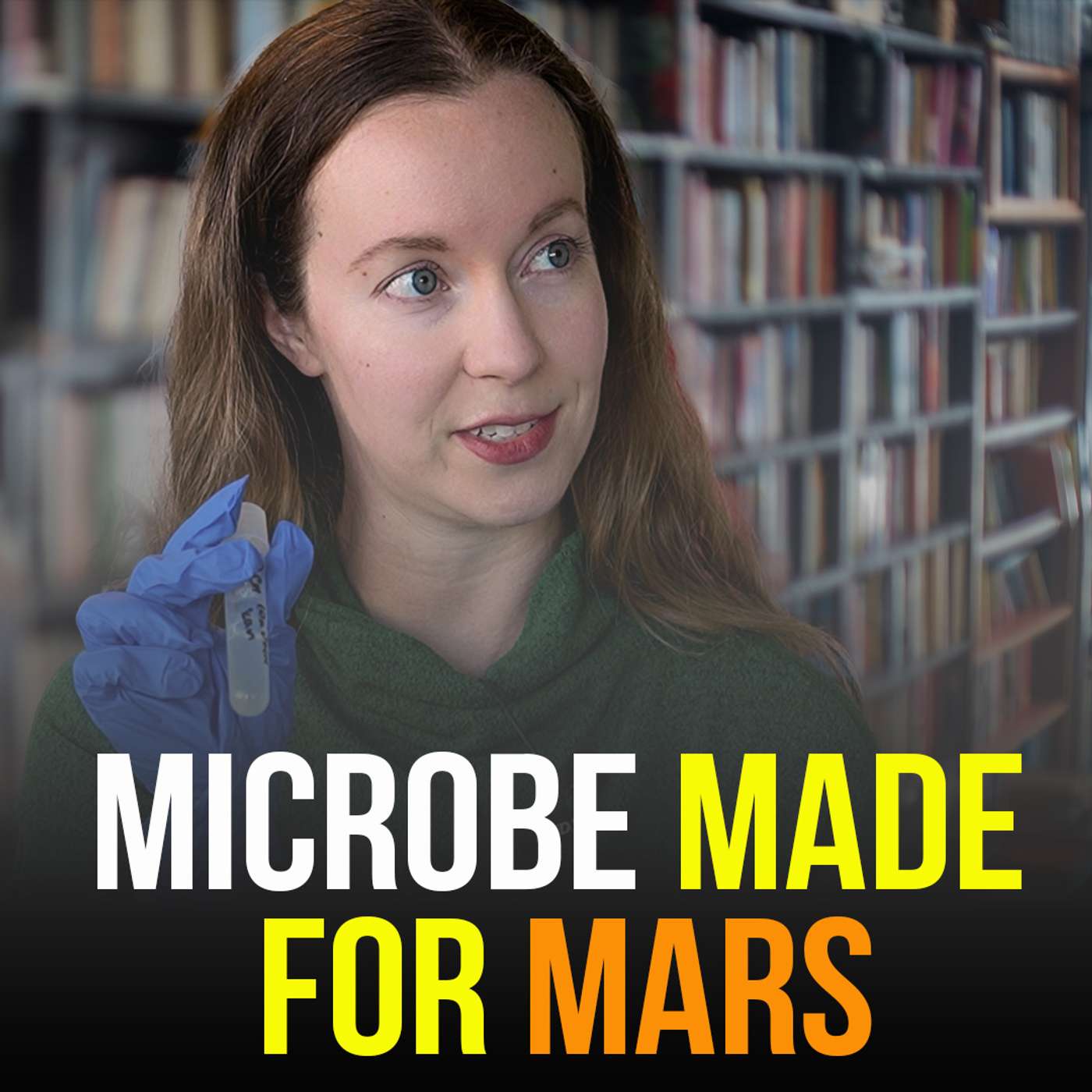
How to Terraform Mars – Erika DeBenedictis
Pioneer Labs, a nonprofit research group, has engineered a microbe that eats Martian dirt and excretes bioplastic. It is the first step of their "five…
 The New Biology
SpudCell will replicate continuously by 2030 | Kate Adamala
Chemists at the University of Minnesota, led by Kate Adamala, recently built a synthetic cell that eats, grows, and divides; purely by putting together…
 The New Biology
Biotech for Chickens — Robert Yaman
A dairy cow is worth $1,000 to $2,000 to a farmer, whereas a broiler chicken, raised for meat, generates just $4 of profit. Quantifying animals this way may…
 The New Biology
Engineered Microbes Seen from the Sky — Yonatan Chemla on Hyperspectral Biology
Scientists have studied bacteria under microscopes for 400 years. But Yonatan Chemla, a postdoctoral fellow at MIT, has developed a technology that lets us see…
 The New Biology
The Bitter Lesson for Biology — Adam Green on Virtual Cells and Scaling Laws
Markov Biosciences, a startup in San Francisco, is betting that biology is about to have its GPT moment. In this episode, founder Adam Green explains the…
 The New Biology
Magnet-Controlled Medicines — Andrew York & Maria Ingaramo
Nonfiction Laboratories is building a technology called “magnetogenetics” that promises to control proteins inside the body — such as antibodies or enzymes —…
 The New Biology
Mark Budde - How to speed up wet-lab biology
Plasmidsaurus took plasmid sequencing from $600 to $15 and turned a "boring" service company idea into a hugely successful company serving 70,000+ scientists…