Shows / Stereo Chemistry

Stereo Chemistry
Stereo Chemistry shares voices and stories from the world of chemistry. The show is created by the reporters and editors at Chemical & Engineering News (C&EN), an independent news outlet published by the American Chemical Society.
Episodes
- Stereo Chemistry
Uncovered: Plastics Pyrolysis Under Fire
In this episode of C&EN Uncovered, host Craig Bettenhausen speaks with C&EN correspondant, Alexander Tullo and senior editor Leigh Kreitsch Boerner, about…
- Stereo Chemistry
Uncovered: The Capitals of Chemistry
In this episode of C&EN Uncovered, host Craig Bettenhausen speaks with C&EN reporter, Rowan Walrath and UX designer Shea Murphy, about their article exploring…
- Stereo Chemistry
Bonus: The Future of Scientific Collaboration, A View from Industry
On the occasion of the 150th anniversary of ACS, C&EN is convening perspectives across two panel discussions to explore how chemistry societies might support…
- Stereo Chemistry
Bonus: Chirality claims the Chem Nobel (again)
The 2026 Nobel Prize in Chemistry was awarded to Henri B. Kagan at Paris-Saclay University and Kenso Soai at the Tokyo University of Science for their work on…
- Stereo Chemistry
Bonus: Shaping the Future of Chemistry Societies
On the occasion of the 150th anniversary of ACS, C&EN is convening perspectives across two panel discussions to explore how chemistry societies might support…
- Stereo Chemistry
C&EN Uncovered: Sustainability In Space
In this episode of C&EN Uncovered, host Craig Bettenhausen speaks with C&EN Editors, Fionna Samuels and Brianna Barbu, about their contributions to C&EN's…
 Stereo Chemistry
Bonus: Can we carbon-capture our way out of climate change?
In this episode of Stereo Chemistry's sister podcast, Inflection Point, hosts David Anderson and Gina Vitale travel back in time to understand how we are…
- Stereo Chemistry
Uncovered: The Laser Edge of Cryo-Electron Microscopy
In this episode of C&EN Uncovered, host Craig Bettenhausen speaks with C&EN Senior Editor, Laurel Oldach, about an ultrabright breakthrough in laser technology…
- Stereo Chemistry
C&EN Uncovered: Sustainable Earth Mining in Brazil
In this episode of C&EN Uncovered, host Craig Bettenhausen speaks with C&EN Editor, Matt Blois, about an article he wrote regarding recent sustainable…
 Stereo Chemistry
Inflection Point: Retinol, the magical molecule's bizarre history
In this episode, hosts David Anderson and Gina Vitale travel as far back as ancient Egypt to unearth the wide-ranging uses of retinol. They also bring in C&EN…
- Stereo Chemistry
C&EN Uncovered: A Quantum Milestone
In this episode of C&EN Uncovered, host Craig Bettenhausen speaks with C&EN Editor, Ananya Palivela, about her featured article about a recent breakthrough in…
- Stereo Chemistry
Bonus: C&EN's Future of Chemistry Designing Out Pollution Panel
In this bonus episode of Stereo Chemistry, we are featuring a panel discussion from this year's ACS Spring Meeting. Our panelists, Mohamed Ateia Ibrahim, Ann…
 Stereo Chemistry
C&EN Uncovered: Is Vitrification a Clear Solution for Nuclear Waste?
In this episode of C&EN Uncovered, host Craig Bettenhausen speaks with C&EN Editor, Fionna Samuels, about her featured article detailing a recent breakthrough…
 Stereo Chemistry
C&EN Uncovered: From Alchemy to AI, and the Funds Behind It All
In this episode of C&EN Uncovered, host Craig Bettenhausen speaks with C&EN Editor, Chris Gorski, as well as graphic artist and freelance illustrator, Ryan…
 Stereo Chemistry
 revisited: 'Wicked amazing scientist' James Harris's untold story
Little was publicly known about the first Black scientist to codiscover an element. Chemists may know James Harris as the first Black scientist to be credited…
 Stereo Chemistry
C&EN Uncovered: Behind the scenes of the chaotic COP30
In this episode of C&EN Uncovered, host Craig Bettenhausen speaks with C&EN Policy and Regulation reporter, Delger Erdenesanaa, about her article talking about…
 Stereo Chemistry
Bonus episode: The ancient, 'juicy' origins of antibiotic resistance
C&EN's award-winning podcast Inflection Point leans on our 100-year archive to trace headline topics in science today back to their disparate and surprising…
 Stereo Chemistry
Bonus episode: The electric innovations that brought lithium-ion batteries online
C&EN's award-winning podcast Inflection Point leans on our 100-year archive to trace headline topics in science today back to their disparate and surprising…
 Stereo Chemistry
Inflection Point: The era-spanning epiphanies that enabled gene editing
C&EN's award-winning podcast Inflection Point leans on our 100-year archive to trace headline topics in science today back to their disparate and surprising…
 Stereo Chemistry
Inflection Point: How under-appreciated critters inspired GLP-1 drugs
In the first episode of our second season, hosts David Anderson and Gina Vitale travel back in time to relive three historical moments that led to blockbuster…
 Stereo Chemistry
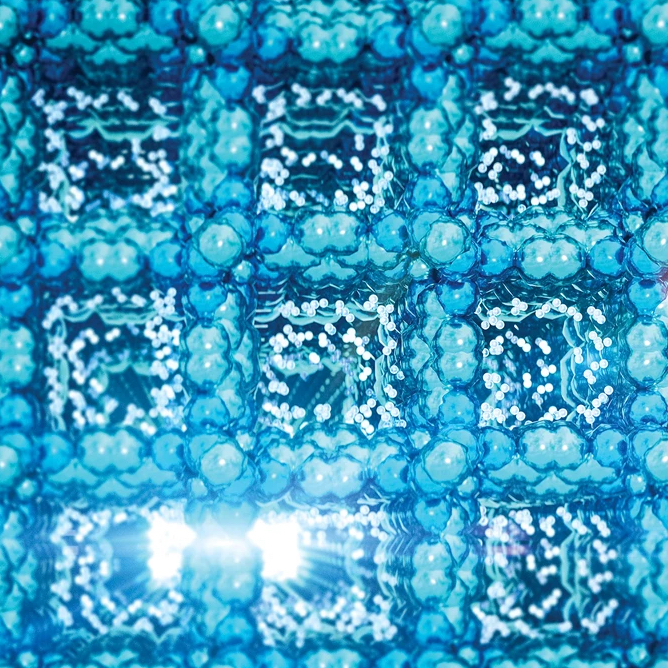
MOFs: What is this Nobel-prize-winning group of materials?
In this episode, Uncovered hops back to the first episode of C&EN's StereoChemistry, which delved into the materials that won the 2025 Nobel Prize in…
 Stereo Chemistry
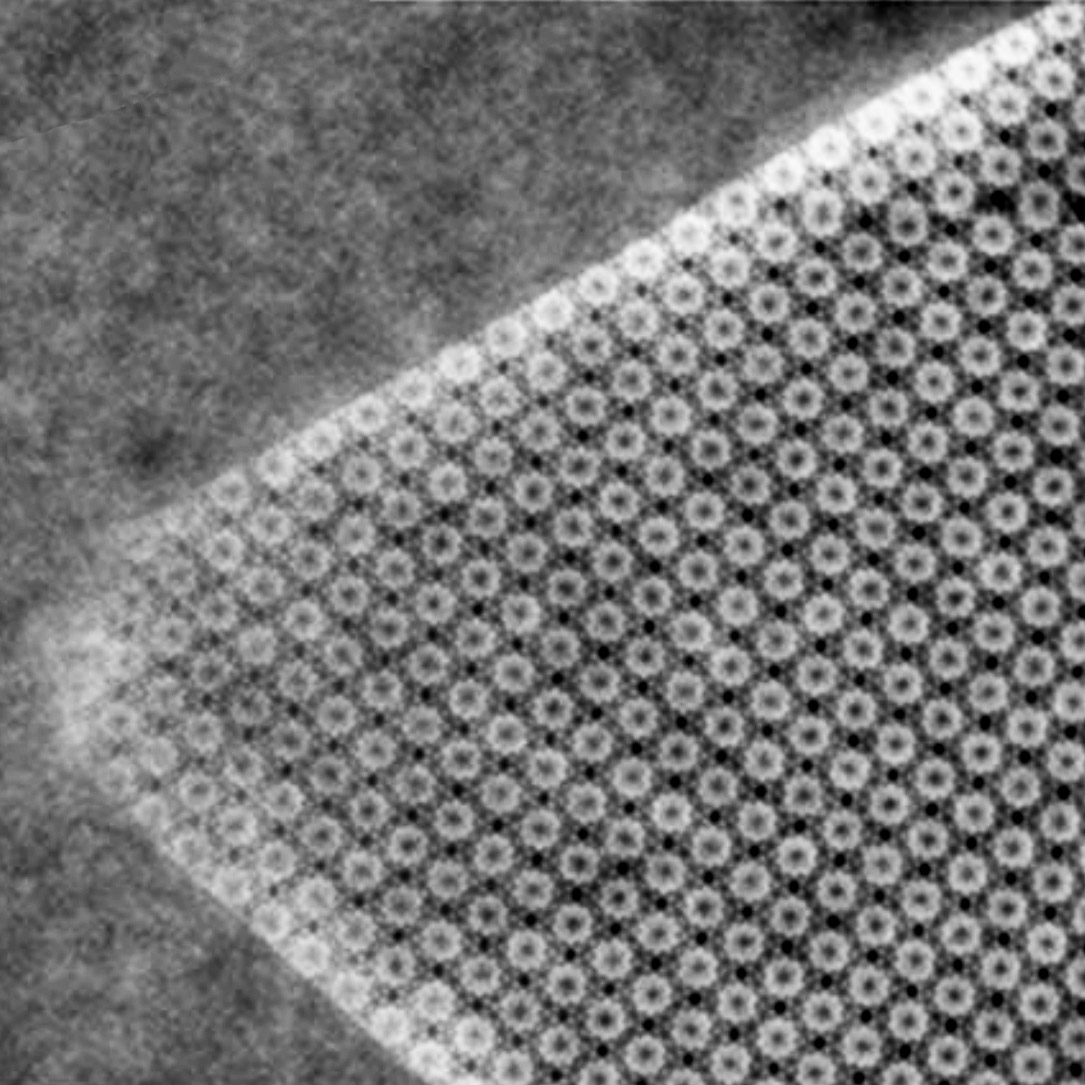
Inside the cavernous crystals that won the Chem Nobel
The 2025 Nobel Prize in chemistry was awarded on Oct. 8 to Susumu Kitagawa, Richard Robson, and Omar M. Yaghi for their work on metal organic frameworks…
 Stereo Chemistry
Uncovered: The Strange Copy and Paste Chemistry of Skeletal Editing
Will Skeletal Editing revolutionize the way we see chemical interactions? In this episode of C&EN Uncovered, host Craig Bettenhausen speaks with C&EN associate…
 Stereo Chemistry
Bonus: C&EN's Future of Chemistry Degrees Panel
In this bonus episode of Stereo Chemistry, we are featuring a panel discussion from this year's ACS Fall Meeting. Our panelists, Stefan France, Glory…
 Stereo Chemistry
C&EN Uncovered: Global Top 50 Chemical Firms in 2025
Can the world's top 50 chemical firms bounce back from a global economic downturn? In this episode of C&EN Uncovered, host Craig Bettenhausen speaks with C&EN…
 Stereo Chemistry
Inflection Point: The mind-bending innovations that built quantum computing
Hosts David Anderson and Gina Vitale travel back in time to relive three historical moments that were meaningful to the development of quantum computers. They…
 Stereo Chemistry
C&EN Uncovered: Will Emerging Technology Lead Us Into A New Antibiotic Golden Age?
Are we on the cusp of a new era of Biochemical discovery? In this episode of C&EN Uncovered, host Craig Bettenhausen speaks with C&EN reporter Max Barnhart…
 Stereo Chemistry
Bonus Episode: 'Inflection Point' traces the serendipitous origins of PFAS
Inflection Point leans on C&EN's 100-year archive to trace headline topics in science today back to their disparate and surprising roots. In each episode, we…
 Stereo Chemistry
C&EN Uncovered: Can altering ocean chemistry fight climate change?
Can climate catastrophe be stymied by tweaking seawater chemistry? In this episode of C&EN Uncovered, host Craig Bettenhausen speaks with C&EN reporter Fionna…
 Stereo Chemistry
C&EN Uncovered: Turning tides for endotoxin testing
The drug industry may finally phase out using horseshoe crab blood. What took so long? In this episode of C&EN Uncovered, host Craig Bettenhausen speaks with…
 Stereo Chemistry
Bonus episode: Introducing Inflection Point
The new podcast Inflection Point leans on C&EN's 100-year archive to trace headline topics in science today back to their disparate and surprising roots. In…
 Stereo Chemistry
C&EN Uncovered: Indoor air monitoring goes to school
The COVID-19 pandemic put the importance of indoor air quality in stark relief. The air in schools was of particular concern, and that concern spurred…
 Stereo Chemistry
: How the Nobel Prize in Chemistry was won
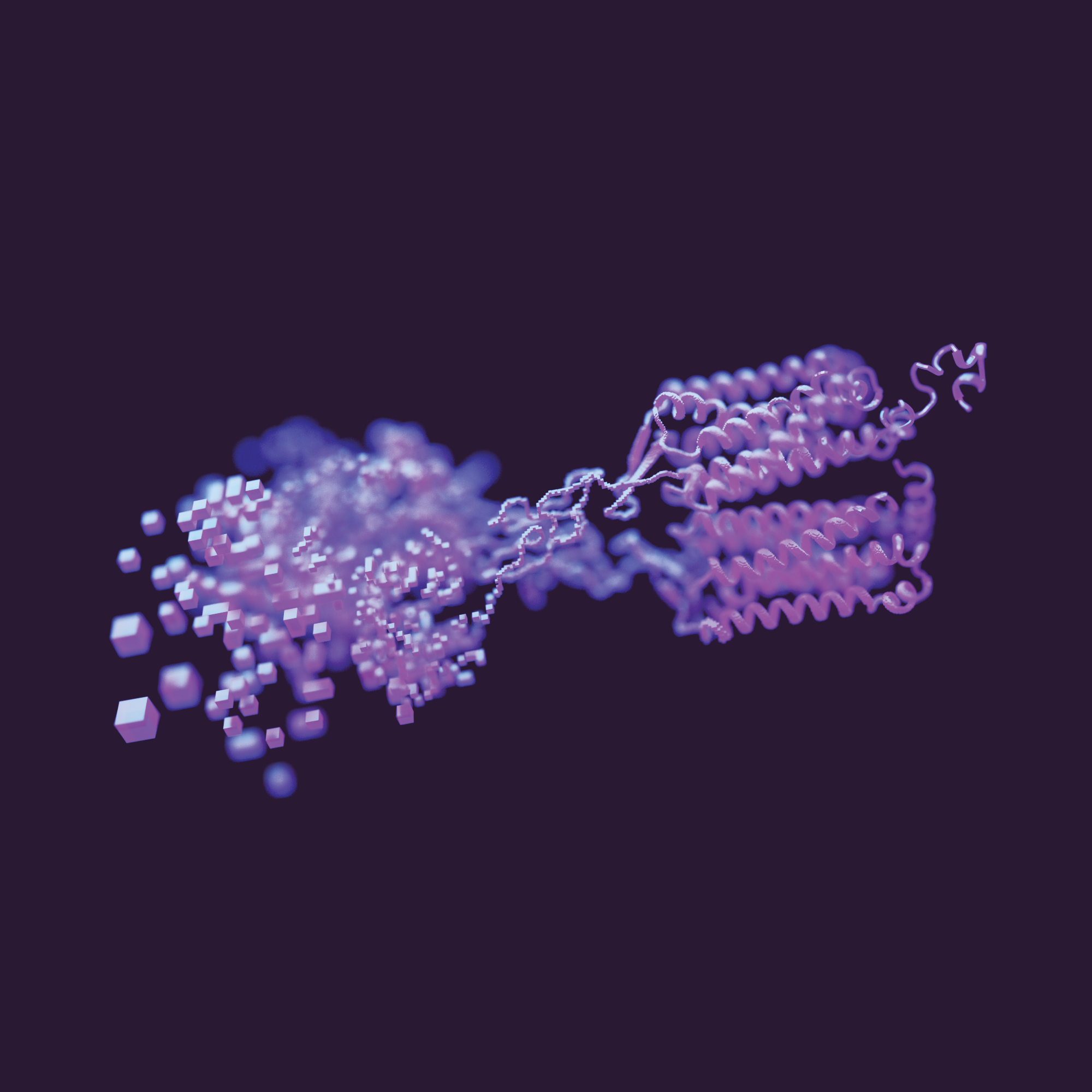
On Oct. 9, the 2024 Nobel Prize for Chemistry was awarded to David Baker, Demis Hassabis, and John M. Jumper for their work in prediction and design of protein…
 Stereo Chemistry
C&EN Uncovered: PhD to CEO, how chemistry entrepreneurs are making the jump
In the 20th century, corporate powerhouses like Bell Labs and DuPont Central Research funded R&D from their balance sheets, creating a clear path for…
 Stereo Chemistry
C&EN Uncovered: Solvent Waste Levels, EPA Regulations, and Disposal
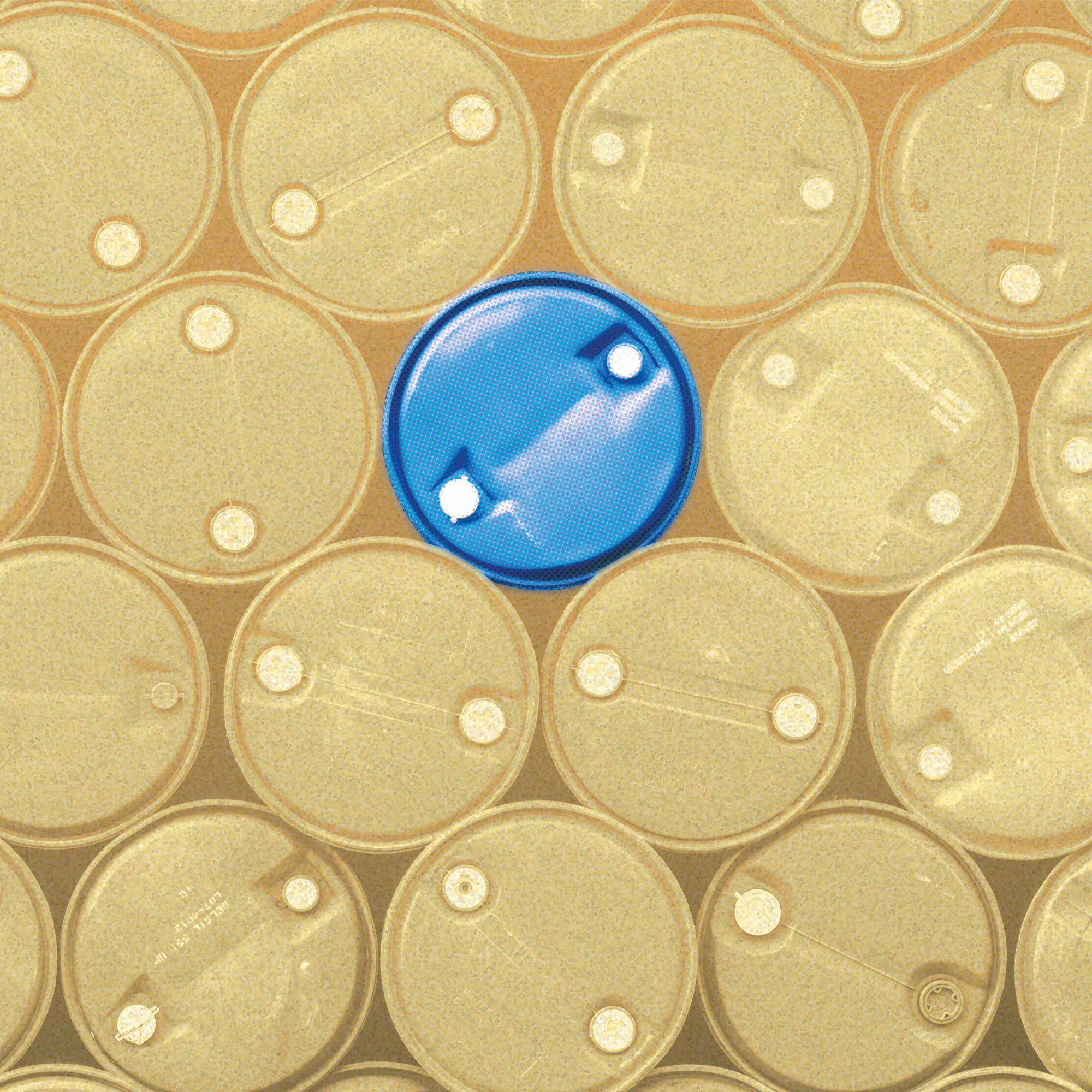
On average, from 2011 to 2021, academic labs generated around 4,300 metric tons of hazardous waste each year. One of the largest lab-used solvents discarded is…
 Stereo Chemistry
C&EN Uncovered: Ongoing tragedies in Flint and East Palestine
Tragedies in the communities of Flint, Michigan, and East Palestine, Ohio, continue to affect residents 10 years and 1 year on, respectively, from the initial…
 Stereo Chemistry
C&EN Uncovered: Can 'forever chemicals' be destroyed?
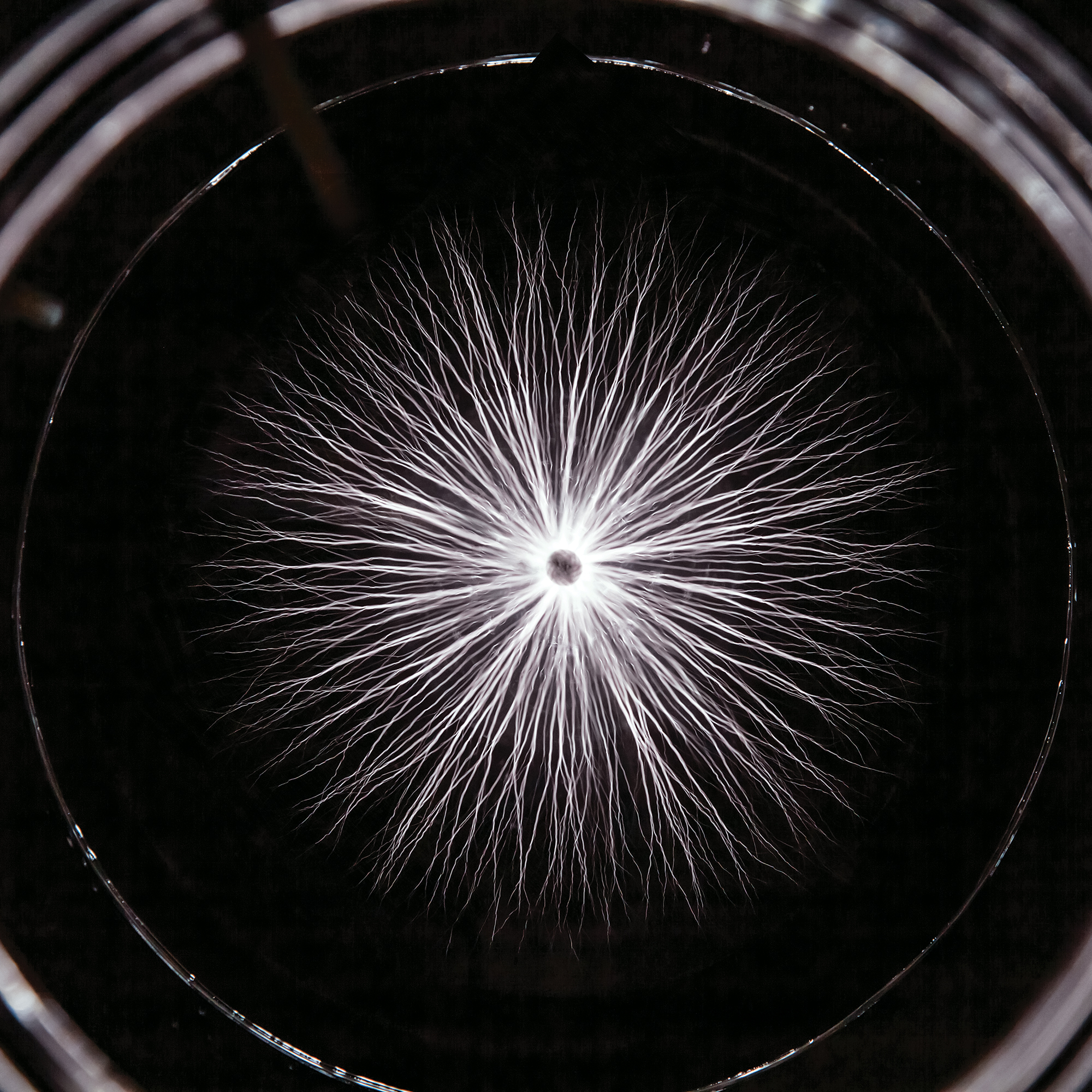
Per- and polyfluoroalkyl substances, a class of chemicals known as PFAS, are often called "forever chemicals" because of how long they persist in the…
 Stereo Chemistry
C&EN Uncovered: The small-molecule drug renaissance
As the science of drug discovery has grown in scale and gotten more complicated, so have the drug molecules themselves. But there's a promising class of drugs…
 Stereo Chemistry
C&EN Uncovered: The ocean floor is littered with valuable minerals. Should we go get them?
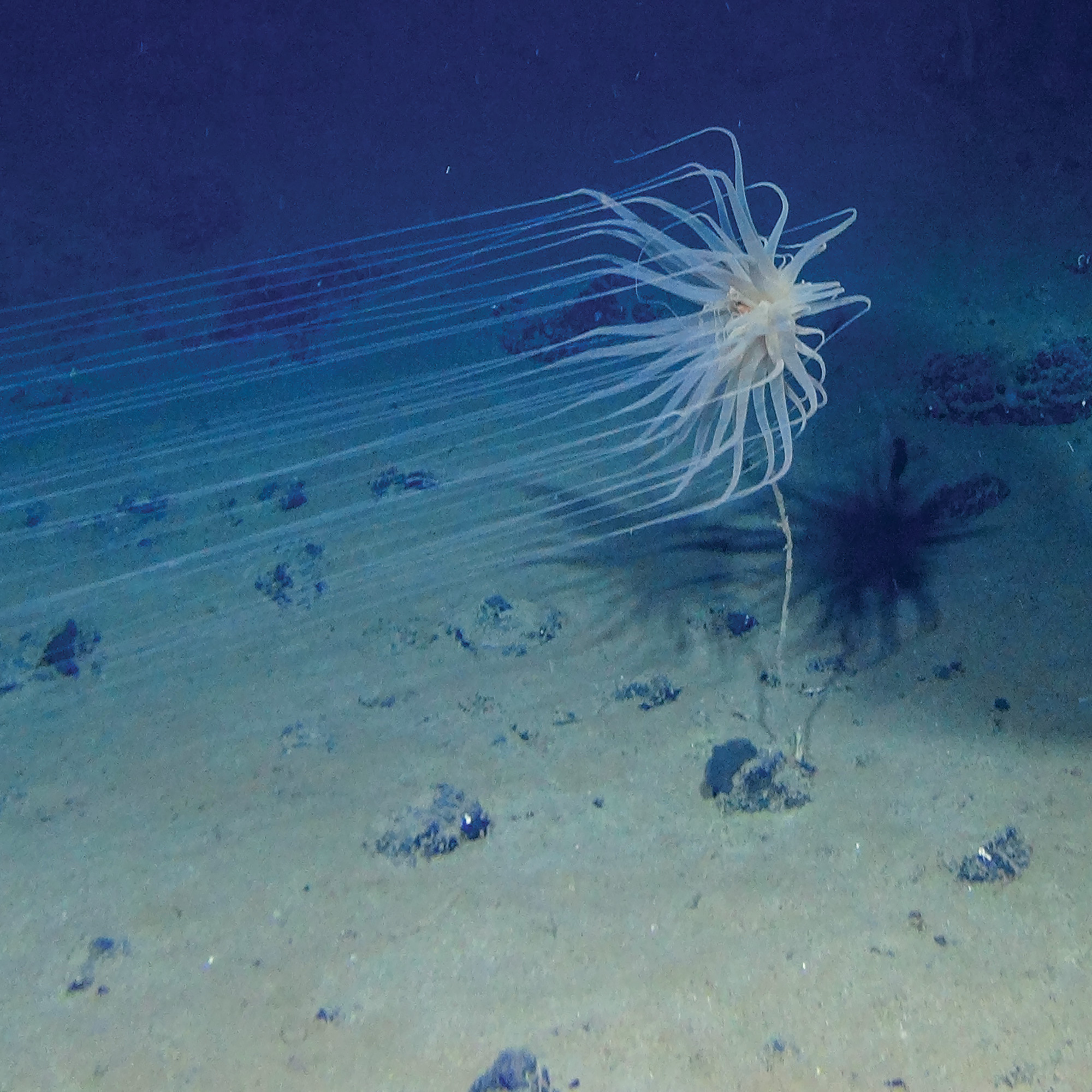
Resting on the bottom of the ocean are potato-sized nodules of valuable minerals that are more or less up for grabs. Multiple corporations and some nations are…
 Stereo Chemistry
C&EN Uncovered: The race to report on the Nobel Prizes
The Nobel Prize announcements are big events at Chemical & Engineering News. But we find out the winners at the same time as everyone else. Then, the race is…
 Stereo Chemistry
C&EN Uncovered: Looking back on 100 years of chemistry
The first issue of C&EN was published in 1923 with the stated purpose of "the promotion of research, the development of the chemical industry, and the welfare…
 Stereo Chemistry
Jennifer DiStefano and Jared Mondschein on the transition from the bench to the policy office
Early-career scientists are increasingly gravitating toward science policy, but the transition from the research bench to the policy office can be a tricky…
 Stereo Chemistry
C&EN Uncovered: Making hydrogen is easy; making it green is a challenge
Hydrogen might be the key to a clean energy future, but only if it can be made without fossil fuels. Most hydrogen today is made from methane. With generous…
 Stereo Chemistry
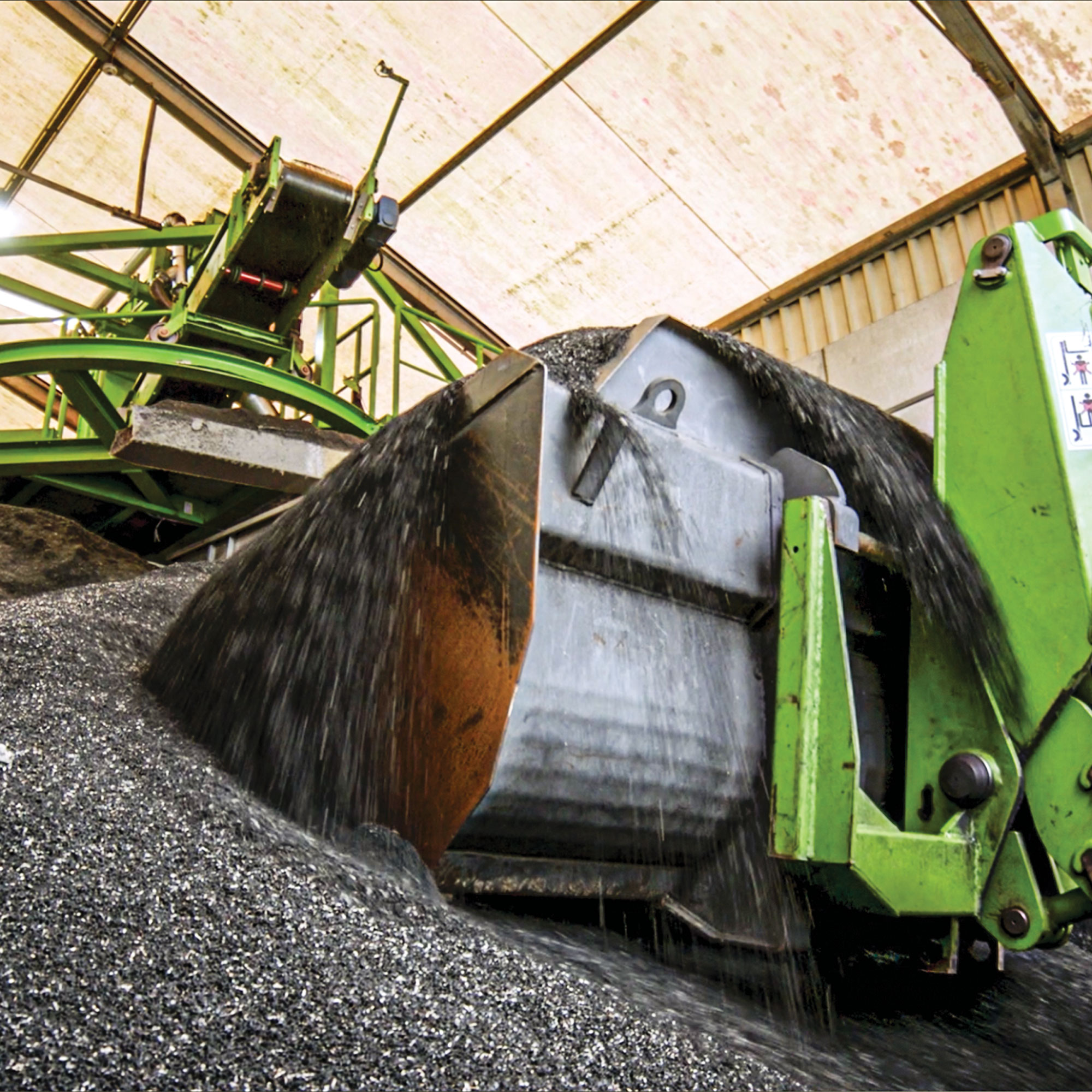
Mining metals and minerals from seawater
The modern world runs on electronic devices and energy systems that are powered by valuable elements such as lithium and uranium. There are a limited number of…
 Stereo Chemistry
C&EN Uncovered: Can tires turn green?
Be they powered by fossil fuels, batteries, or hydrogen, cars are here to stay. So what can be done to make tires greener? In this episode of Stereo Chemistry…
 Stereo Chemistry
Here's what happens when wastewater treatment facilities fail
When two wastewater treatment facilities in Baltimore, Maryland, broke down in early 2021, the surrounding waterways began filling up with sewage. In this…
 Stereo Chemistry
Bonus: Executive producer Kerri Jansen hands over the mic
Stereo Chemistry's longtime host Kerri Jansen is stepping down from her role as executive producer of the podcast. Jansen has been with Stereo Chemistry since…
 Stereo Chemistry
C&EN Uncovered: The battle for Lake Maurepas
Carbon capture and sequestration is the trapping of CO2 emitted by industrial processes and depositing it beneath the Earth's surface. Spurred on by tax…
 Stereo Chemistry
C&EN Uncovered: Lithium iron phosphate comes to North America
Lithium iron phosphate (LFP) batteries are cheaper, safer, and longer lasting than batteries made with nickel- and cobalt-based cathodes. In China, the streets…
 Stereo Chemistry
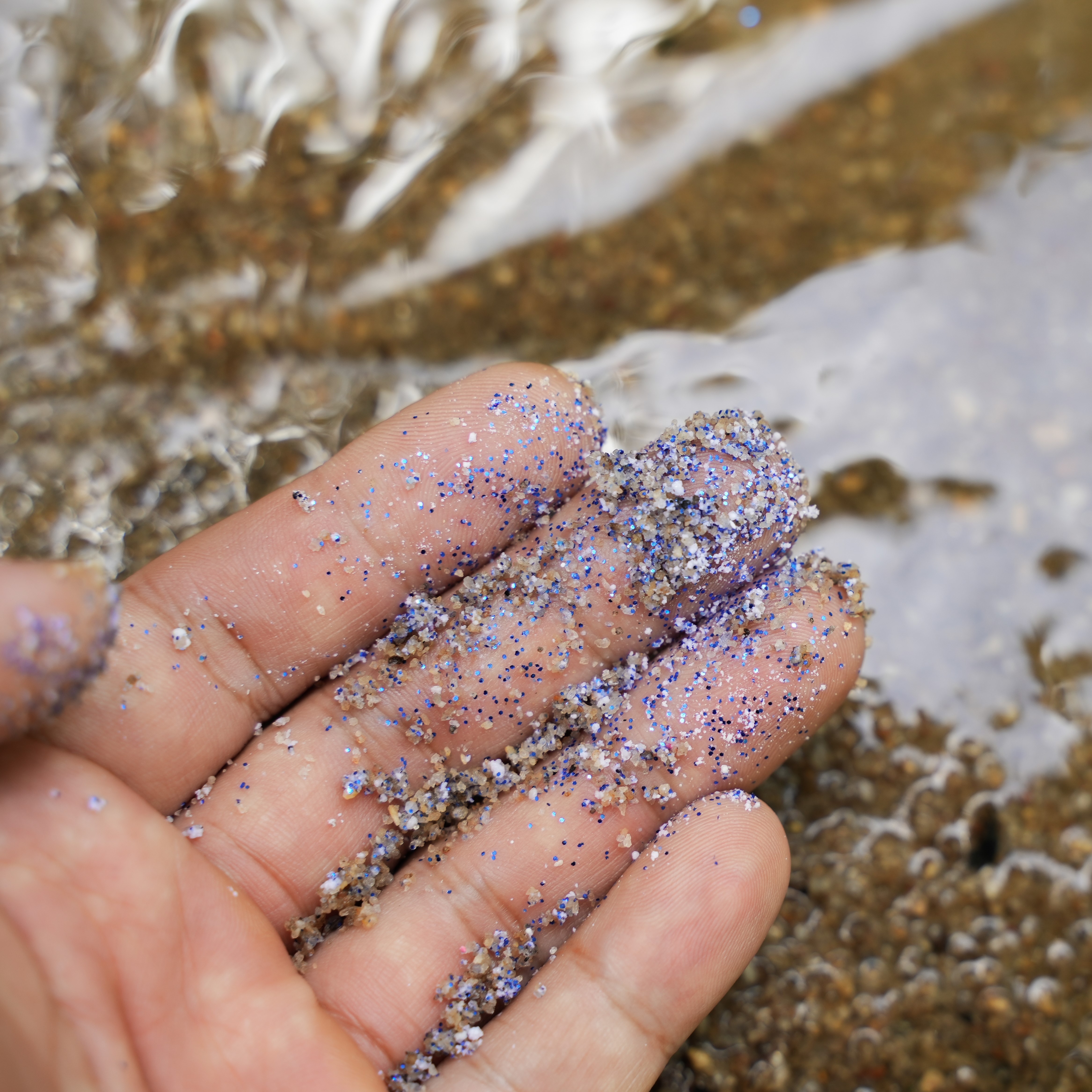
Microplastics pollute our drinking water: What are the risks?
Researchers reported finding microplastics in drinking water nearly 5 years ago, prompting California lawmakers to require monitoring of the state's drinking…
 Stereo Chemistry
C&EN Uncovered: What exascale computing could mean for chemistry
At Oak Ridge National Laboratory, a supercomputer named Frontier has broken the exascale computing barrier, meaning it can calculate more than a million…
 Stereo Chemistry
Bonus: Carolyn Bertozzi and Barry Sharpless reflect on winning the 2022 Nobel Prize in Chemistry
In this bonus episode of C&EN's Bonding Time, we hear from 2022 chemistry Nobel laureates Carolyn Bertozzi and K. Barry Sharpless, who shared the prize along…
 Stereo Chemistry
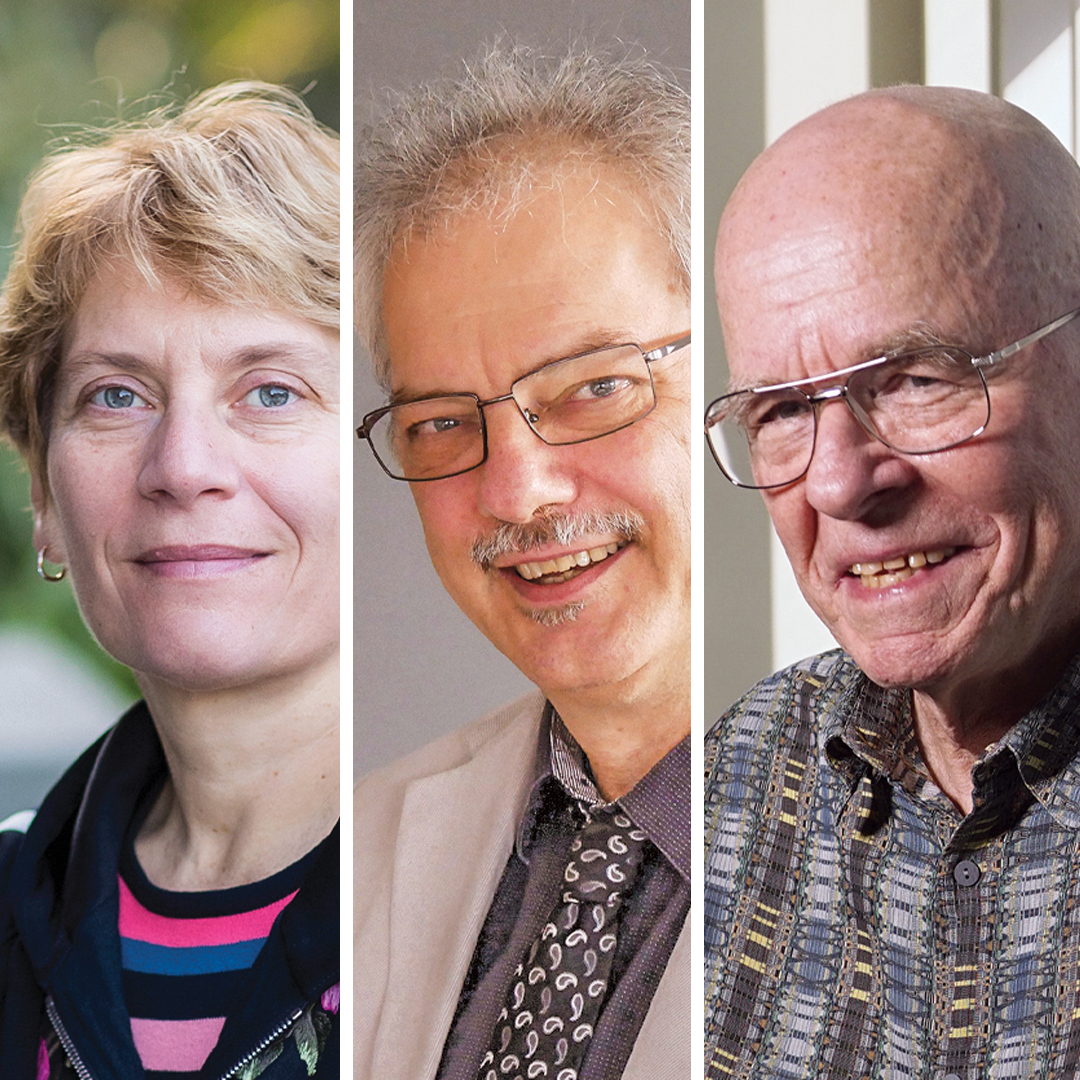
BONUS: Click and bioorthogonal chemistry win Nobel Prize in Chemistry
The 2022 Nobel Prize in Chemistry was awarded to Carolyn Bertozzi, Morten Meldal and K. Barry Sharpless for their development of click and bioorthogonal…
 Stereo Chemistry
Lithium mining's water use sparks bitter conflicts and novel chemistry
Replacing gas cars with electric ones is a main pillar of plans to fight climate change. But the lithium-ion batteries used in electric cars come with a cost…
 Stereo Chemistry
Bonus: For John Goodenough's 100th birthday, we revisit a fan-favorite interview with the renowned scientist
Famed lithium-ion-battery pioneer and Nobel Prize–winner John Goodenough has achieved yet another milestone—a century on Earth. Goodenough celebrates his 100th…
 Stereo Chemistry
Bonus: Jess Wade on Wikipedia and work-life balance
This month, Stereo Chemistry is sharing an episode of the podcast ChemConvos featuring an interview with materials scientist, self-described "Raman…
 Stereo Chemistry
Bonus: The sticky science of why we eat so much sugar
Our bodies need sugar to survive. But most of us consume way more than we actually need, and many foods and beverages pack a dose of added sweeteners. So why…
 Stereo Chemistry
Bonus: There's more to James Harris's story
Chemists may know James Harris as the first Black scientist to be credited with codiscovering an element. In fact, we referenced this in a previous episode of…
 Stereo Chemistry
Bonus: The helium shortage that wasn't supposed to be
Helium shortages can derail research and threaten expensive instruments that depend on the gas to operate safely. In late 2020, analysts predicted—and we…
 Stereo Chemistry
Sarah Reisman and Melanie Sanford on how organic chemistry is changing and how they've learned to choose priorities
Being a chemistry professor is a juggling act. But sometimes professors have too many balls in the air. How do they know which ones to grab and which to let…