Shows / Daniel Bonevac

Daniel Bonevac
Daniel Bonevac explores the history of philosophy with focus on German Idealism and Enlightenment thinkers. Each episode examines a philosopher's core ideas—from Herder's historicism to Schelling's absolute idealism—tracing how these figures shaped debates about ethics, freedom, and consciousness. Rigorous, scholarly, and accessible.
Episodes
 Daniel Bonevac
Aristotle vs Common Sense: Virtues as Means
Aristotle sees virtues as means between extremes; they aren't part of virtue-vice pairs, as common sense seems to indicate. But sometimes, as with courage…
 Daniel Bonevac
UGS 303 11 19 12 Roy Flukinger on Art and Photography 1960-2000
Lecture 30, Art and Photography 1960-2000, of UGS 303, Ideas of the Twentieth Century, University of Texas at Austin, Fall 2012
 Daniel Bonevac
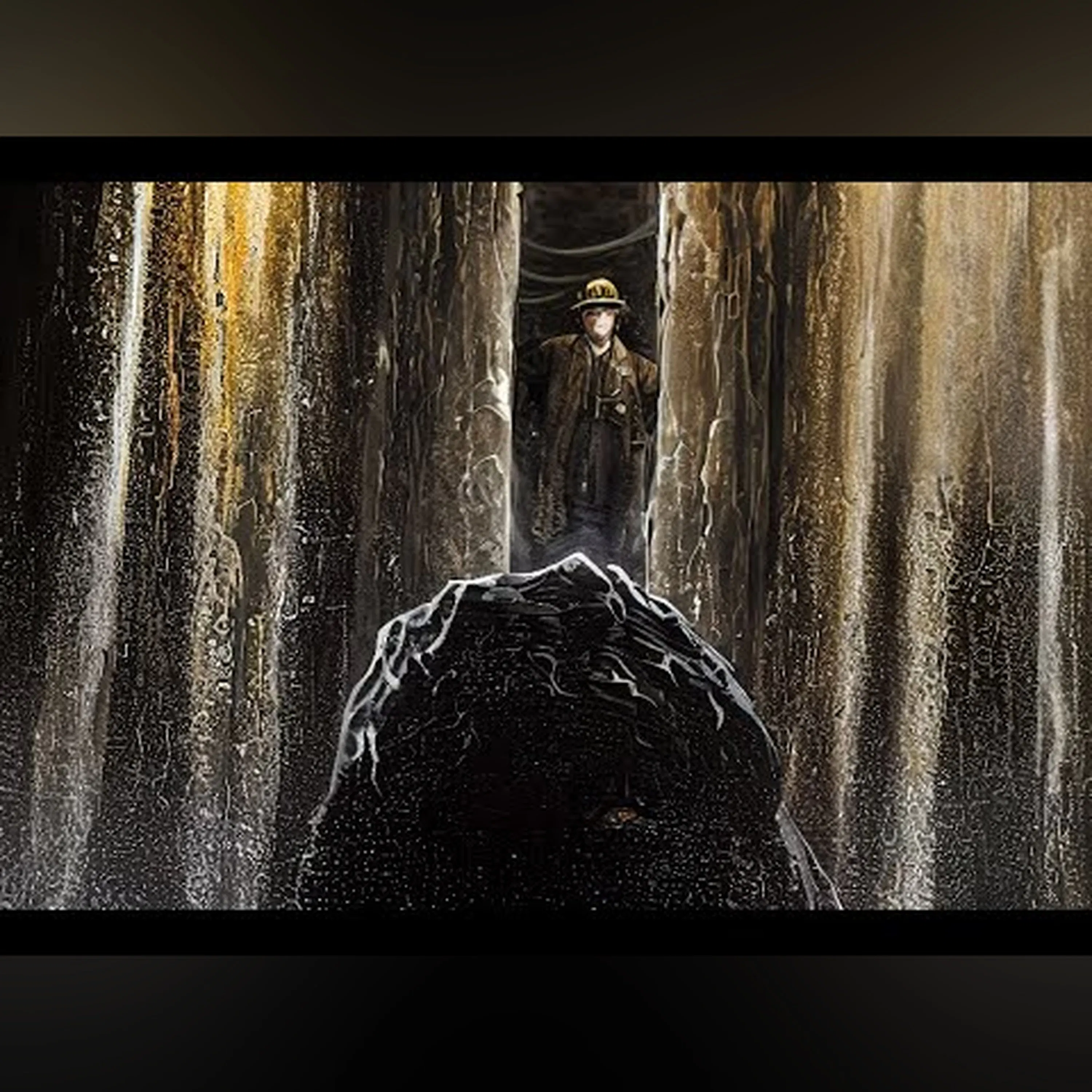
The Miners Paradox
Niko Kolodny and John MacFarlane's paradox, distinguishing objective and subjective oughts. @PhiloofAlexandria
 Daniel Bonevac
Moses Mendelssohn's Ethics
A discussion of the ethics of the great 18th-century thinker, Moses Mendelssohn, in comparison with his contemporary, Immanuel Kant. @PhiloofAlexandria
 Daniel Bonevac
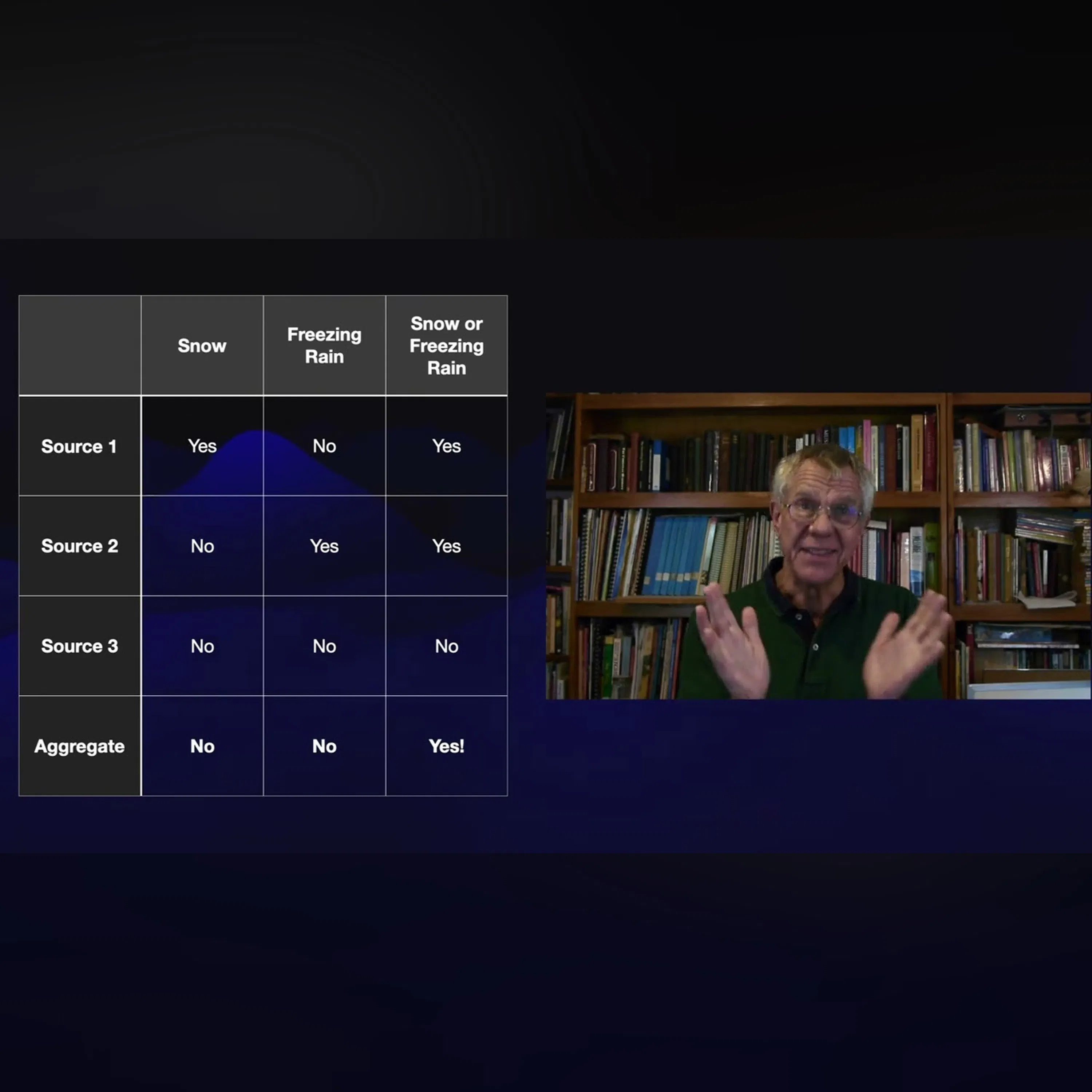
Condorcet's Paradox in Practice
Psychological traps laid by the Condorcet Paradox, and how they affect group decision making. @PhiloofAlexandria

 Daniel Bonevac
Discursive Dilemmas
Philip Pettit's dilemma, showing that individual rationality does not guarantee group rationality. @PhiloofAlexandria
 Daniel Bonevac
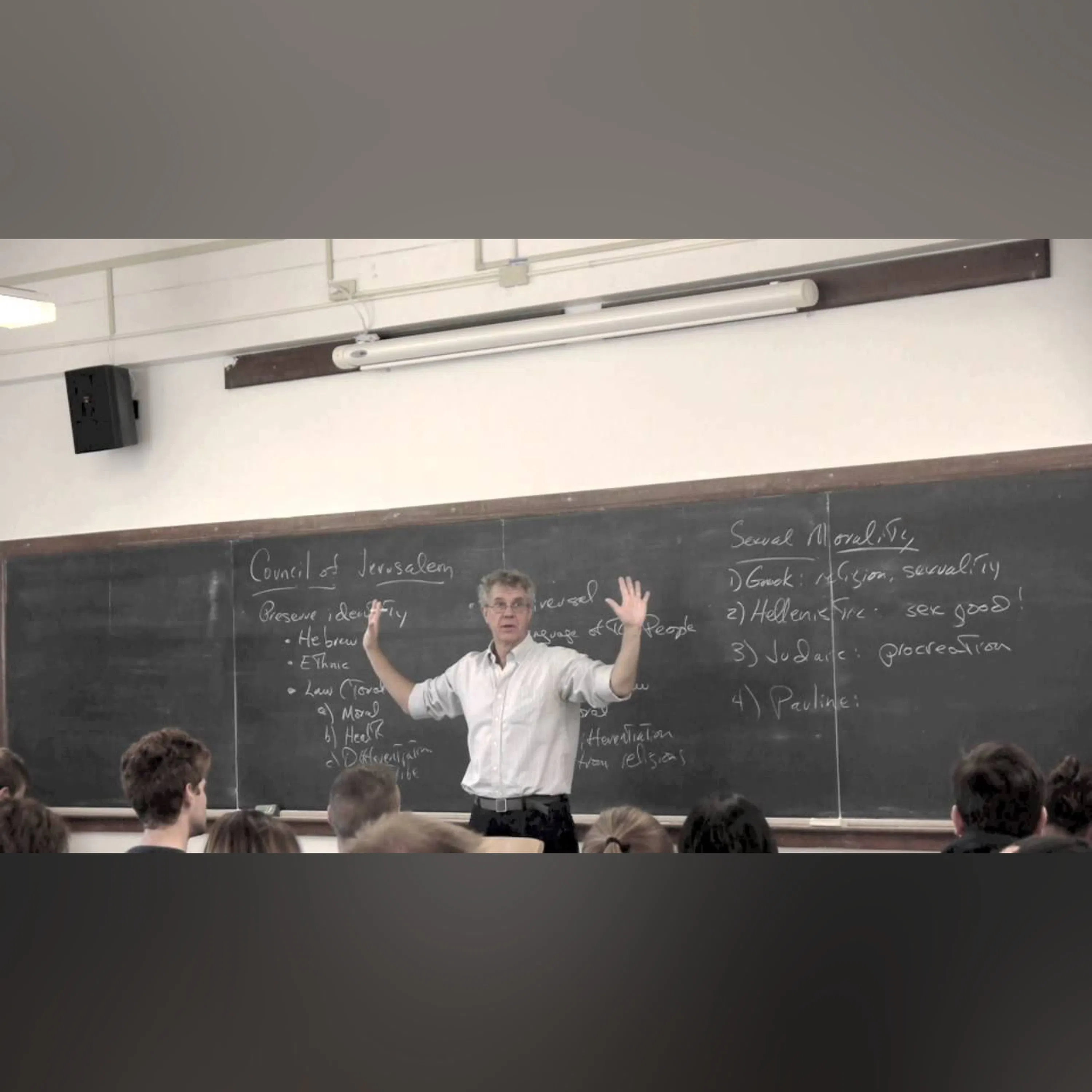
PHL 354 1 30 13
Lecture 6, The Council of Jerusalem, of PHL 354/CTI 335, History of Christian Philosophy, The University of Texas at Austin, Spring 2013
 Daniel Bonevac
Achilles and the Tortoise
Why you should never give anyone a head start :) @PhiloofAlexandria

 Daniel Bonevac
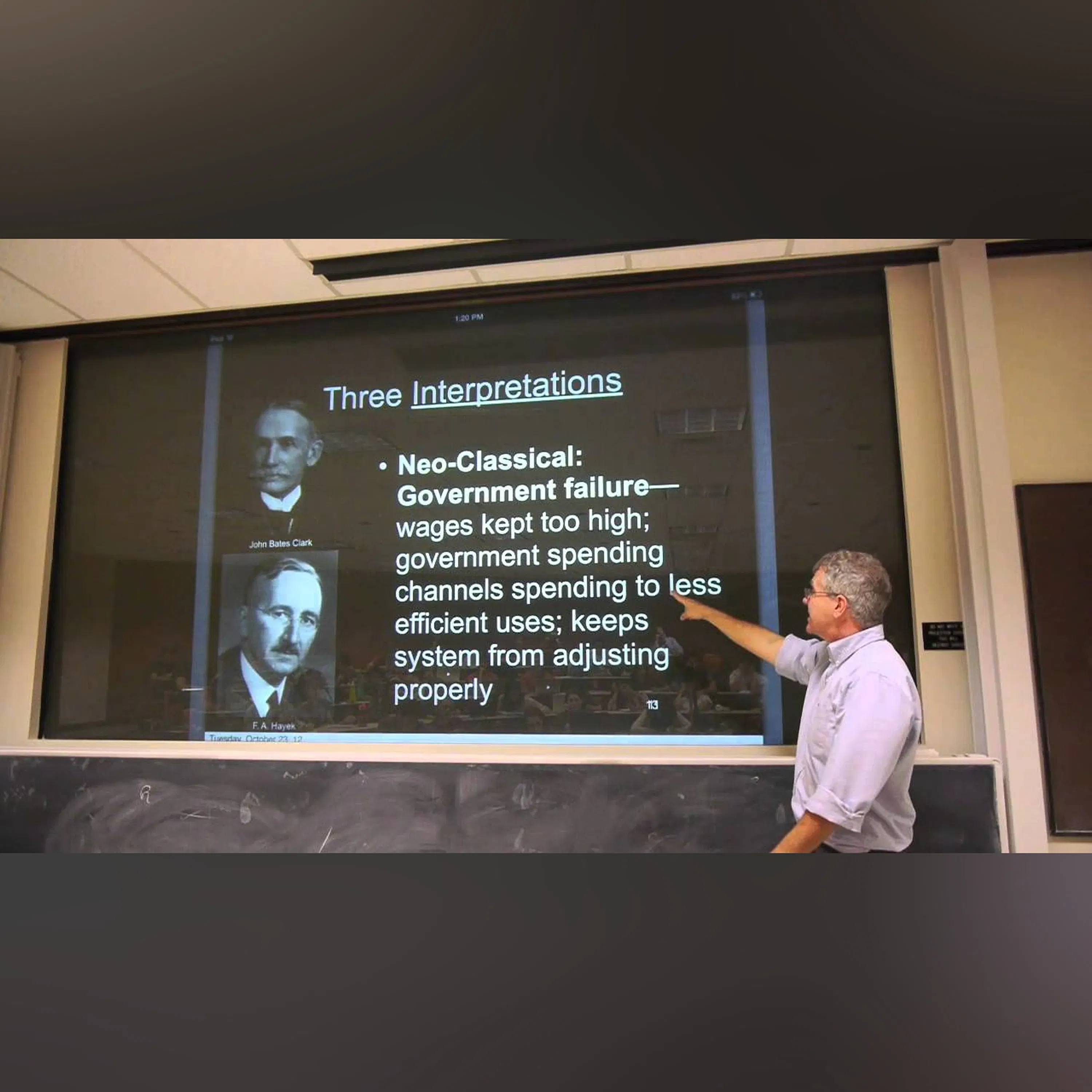
PHL 354 2 18 13
Lecture 14, Philo, of PHL 354/CTI 335, History of Christian Philosophy, The University of Texas at Austin, Spring 2013
 Daniel Bonevac
UGS 303 10 24 12 The Great Depression
Lecture 20, The Great Depression, of UGS 303, Ideas of the Twentieth Century, University of Texas at Austin, Fall 2012
 Daniel Bonevac
Reinach's Paradox
A practical paradox concerning reflection and moral evaluation discussed by Adolf Reinach (1883–1917). @PhiloofAlexandria
 Daniel Bonevac
PHL 354 3-18-13
Lecture 19, Augustine, of PHL 354/CTI 335, History of Christian Philosophy, The University of Texas at Austin, Spring 2013
 Daniel Bonevac
Plato on Art and Literature
Plato's Republic, Book 10. Why the ideal state should not have art or literature. @PhiloofAlexandria
 Daniel Bonevac
Aristotle vs the Renaissance: Lorenzo Valla
Lorenzo Valla, a 15th century Italian scholar, breaks from Aristotle and the Scholastic tradition, simplifying Aristotle's metaphysics and developing a…
 Daniel Bonevac
Schelling on Ethics and Freedom
Friedrich Schelling on Freedom, Ethics, and Self-Definition.@PhiloofAlexandria
 Daniel Bonevac
Dewey's Ethics
The ethical ideas of John Dewey, which underlie his approaches to education and other social and political issues. @PhiloofAlexandria
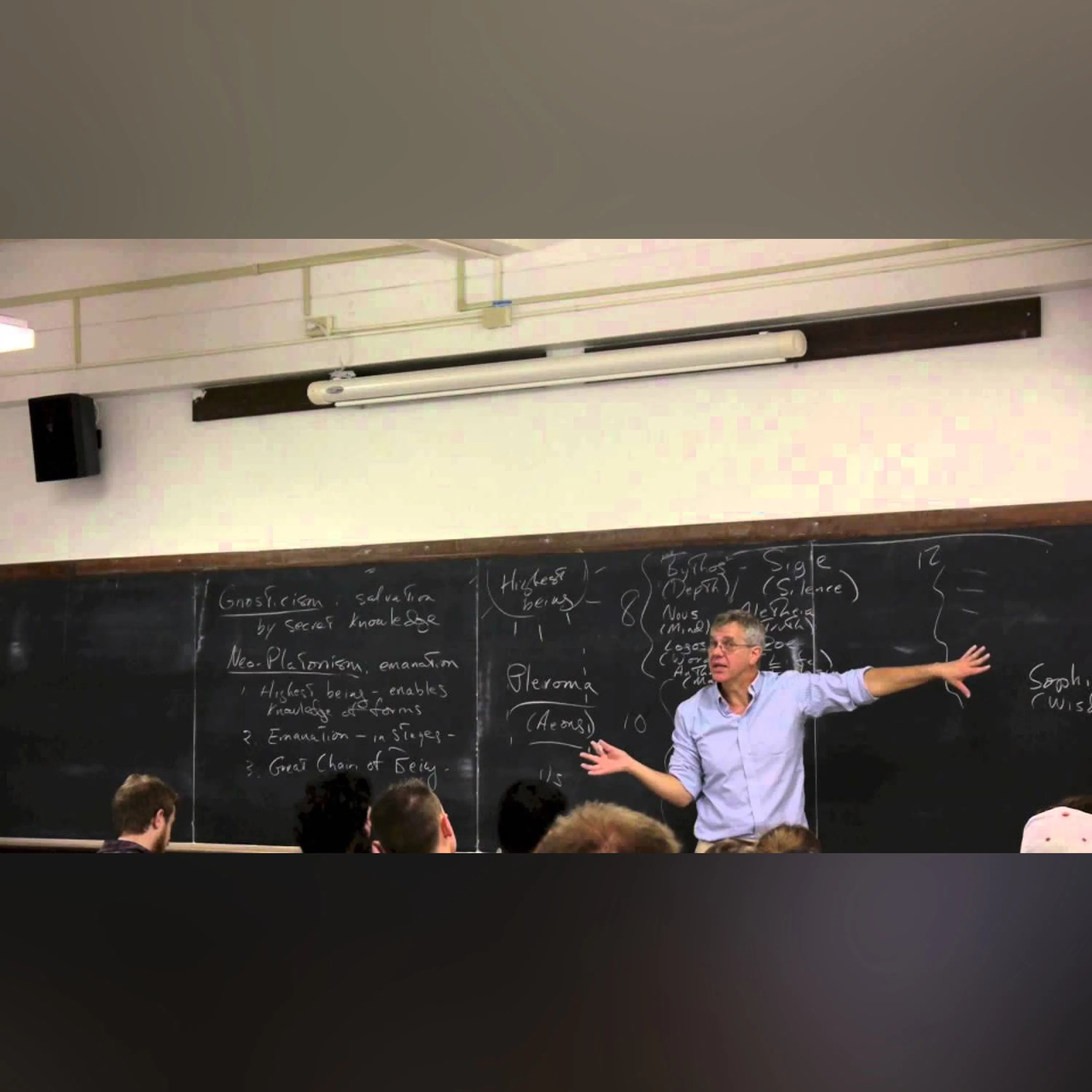 Daniel Bonevac
PHL 354 2 11 13
Lecture 11, Gnosticism, of PHL 354/CTI 335, History of Christian Philosophy, The University of Texas at Austin, Spring 2013
 Daniel Bonevac
A Renaissance Theory of Virtue: Lorenzo Valla on Courage and Temperance
A 15th century Italian Renaissance scholar develops an alternative to Aristotle's theory of virtue by advocating a multi-dimensional view of…
 Daniel Bonevac
Aspasius and Aristotle on Virtue as a Mean
Aspasius wrote the earliest surviving commentary on Aristotle, starting a tradition that would last for a millennium. He raises a number of interesting issues…
 Daniel Bonevac
Fichte on Pragmatism and Freedom
Johann Gottlob Fichte on the unity of practical and theoretical reason and the nature of human freedom.@PhiloofAlexandria
 Daniel Bonevac
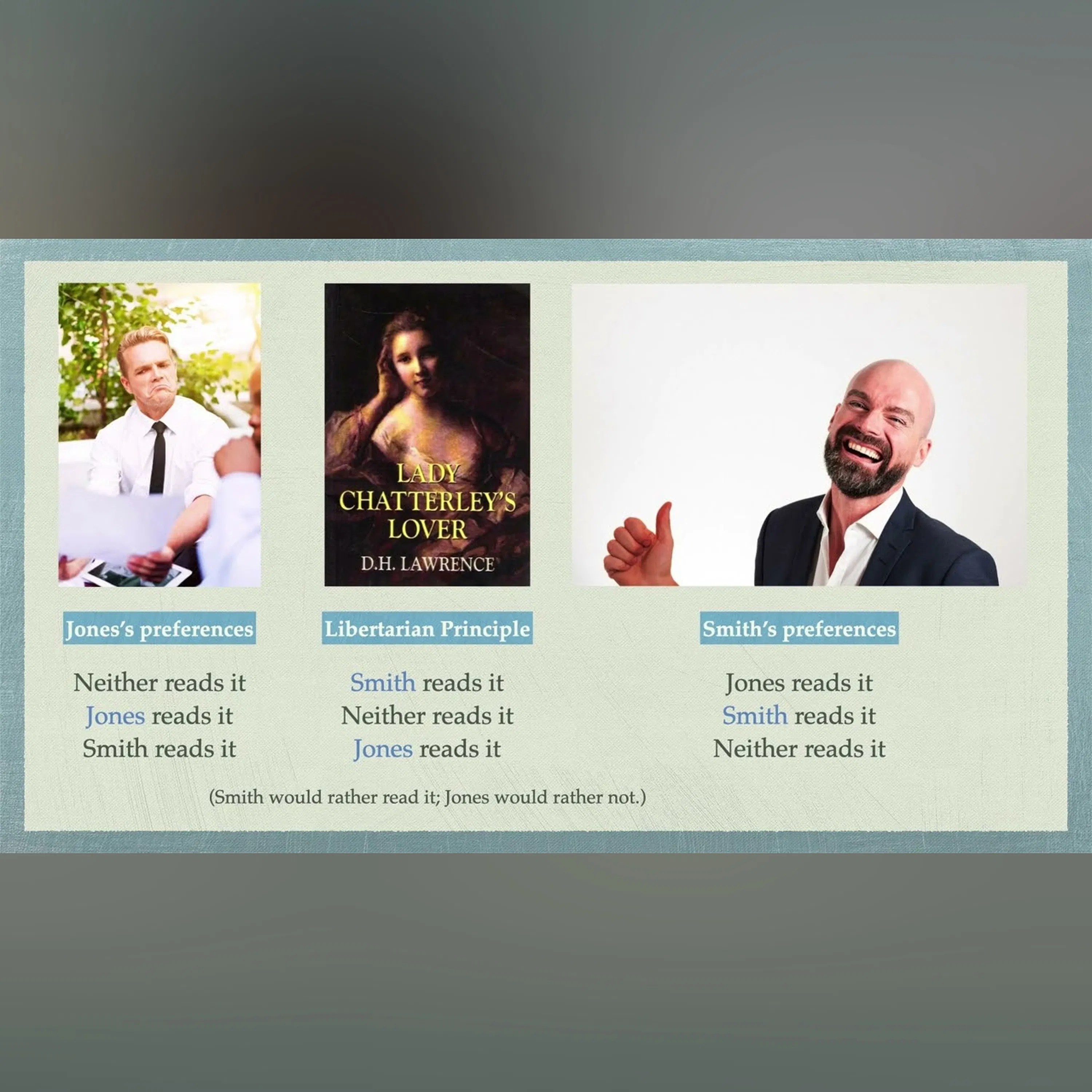
The Libertarian Paradox
Amartya Sen's puzzle about the conflict between a plausible libertarian principle and the weak Pareto condition. @PhiloofAlexandria
 Daniel Bonevac
William Butler Yeats, Sailing to Byzantium
A reading and analysis of W. B. Yeats's poem, "Sailing to Byzantium." @PhiloofAlexandria


 Daniel Bonevac
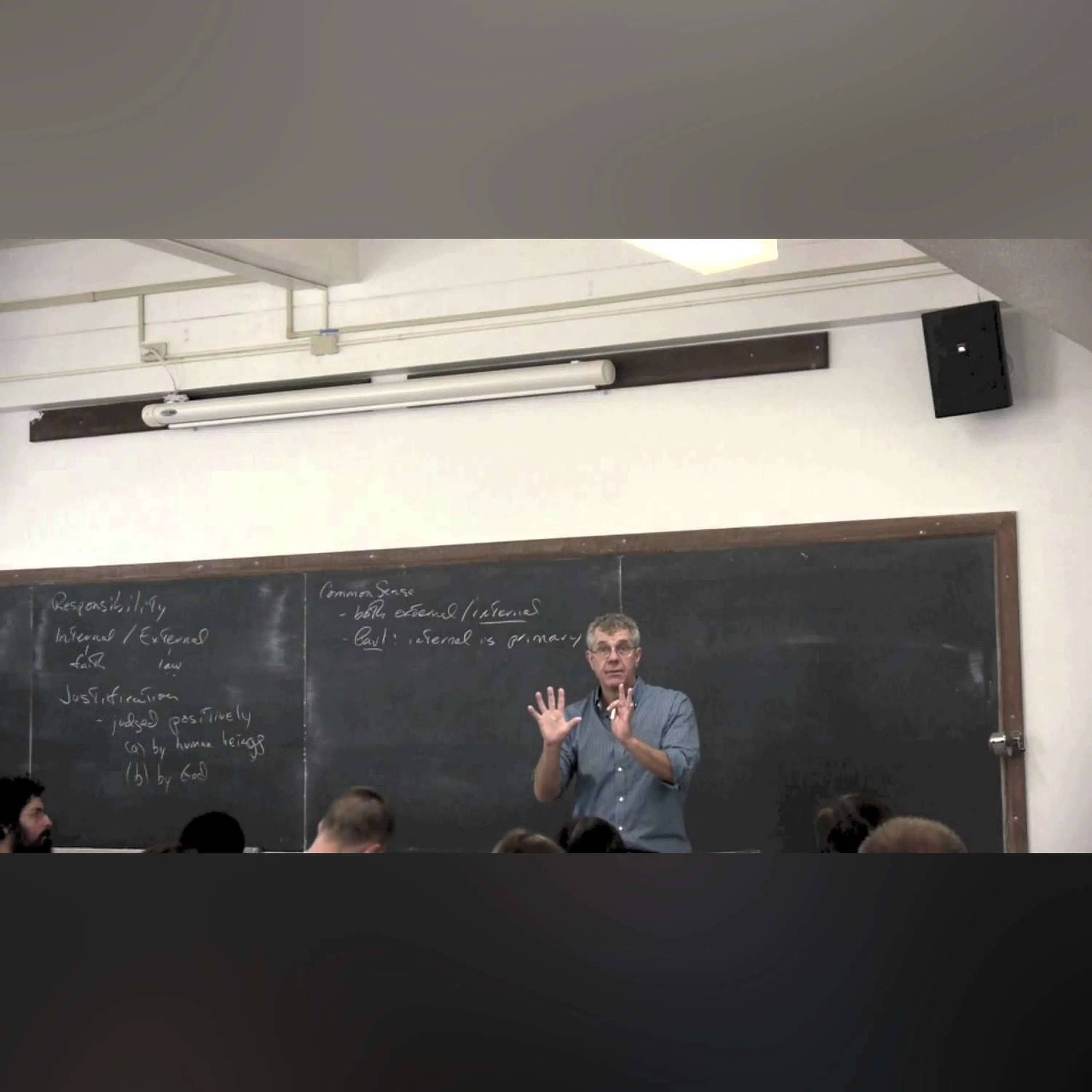
PHL 354 2 6 13
Lecture 9, Paul on Faith and Sin, of PHL 354/CTI 335, History of Christian Philosophy, The University of Texas at Austin, Spring 2013

 Daniel Bonevac
The Paradox of Public Reason
John Rawls's Paradox of Public Reason in Political Liberalism. @PhiloofAlexandria
 Daniel Bonevac
PHL 354 1 16 13
Lecture 1, The Hebrew Bible's Conception of God, of PHL 354/CTI 335, History of Christian Philosophy, The University of Texas at Austin, Spring 2013

 Daniel Bonevac
Commensurability
Three Concepts of Commensurability and Comparability: Having a common cardinal measure, trichotomy, and the Archimedean Principle. @PhiloofAlexandria
 Daniel Bonevac
Zeno's Metaphysical Paradoxes
Why there can't be more than one thing in the universe—and why it can't take up any space, if it exists at all.@PhiloofAlexandria
 Daniel Bonevac
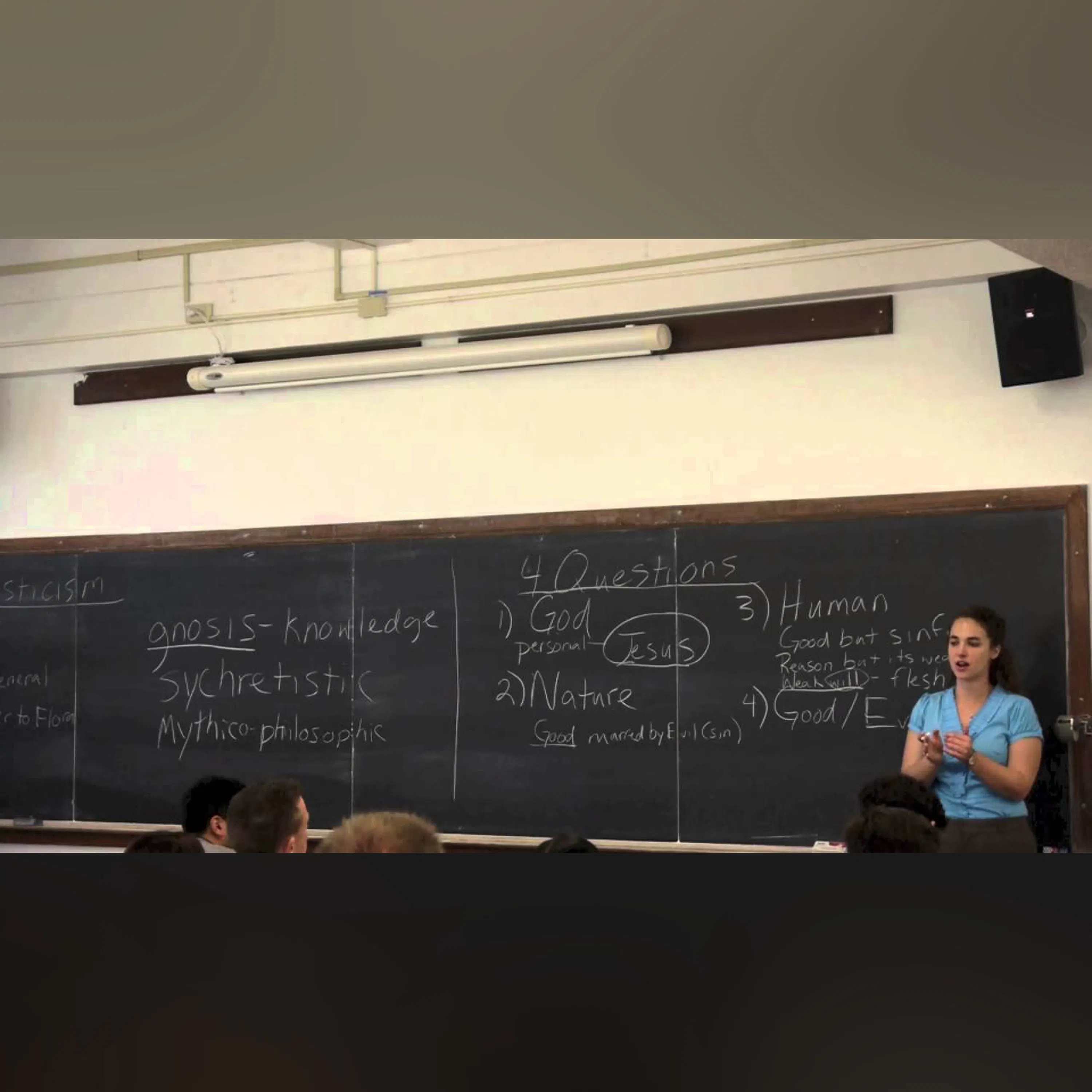
PHL 354 2 8 13
Lecture 10, Gnosticism, of PHL 354/CTI 335, History of Christian Philosophy, The University of Texas at Austin, Spring 2013
 Daniel Bonevac
Herder's Historicism
Johann Gottfried von Herder’s Historicism and Pluralistic Cosmopolitanism—Are They Compatible? @PhiloofAlexandria
 Daniel Bonevac
The Gentle Murder Paradox
Paradoxes of Deontic Logic: Forrester's Gentle Murder Paradox. @PhiloofAlexandria


 Daniel Bonevac
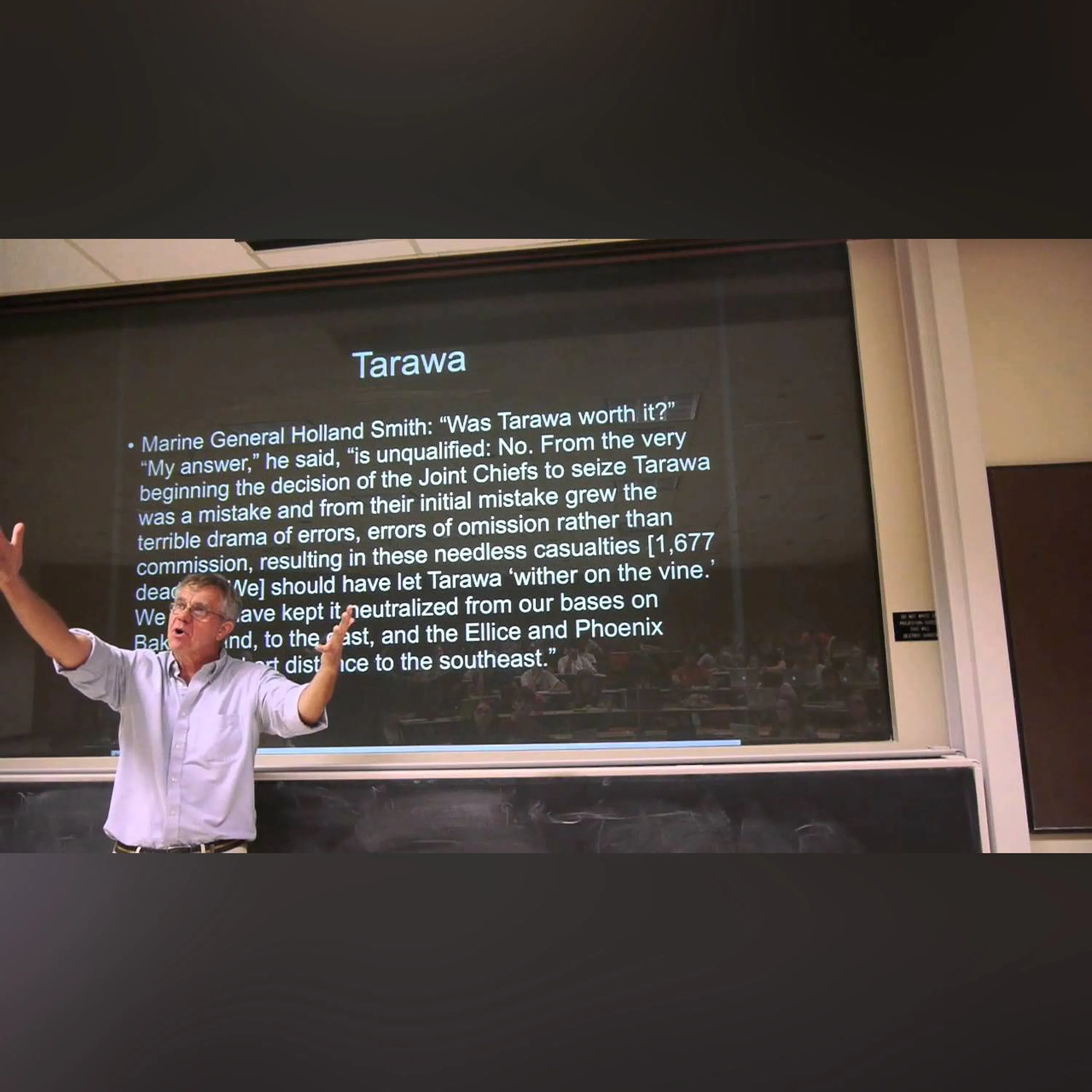
UGS 303 11 7 12 World War II: The US Enters the War
Lecture 26, World War II: The U. S. Enters the War, of UGS 303, Ideas of the Twentieth Century, University of Texas at Austin, Fall 2012
 Daniel Bonevac
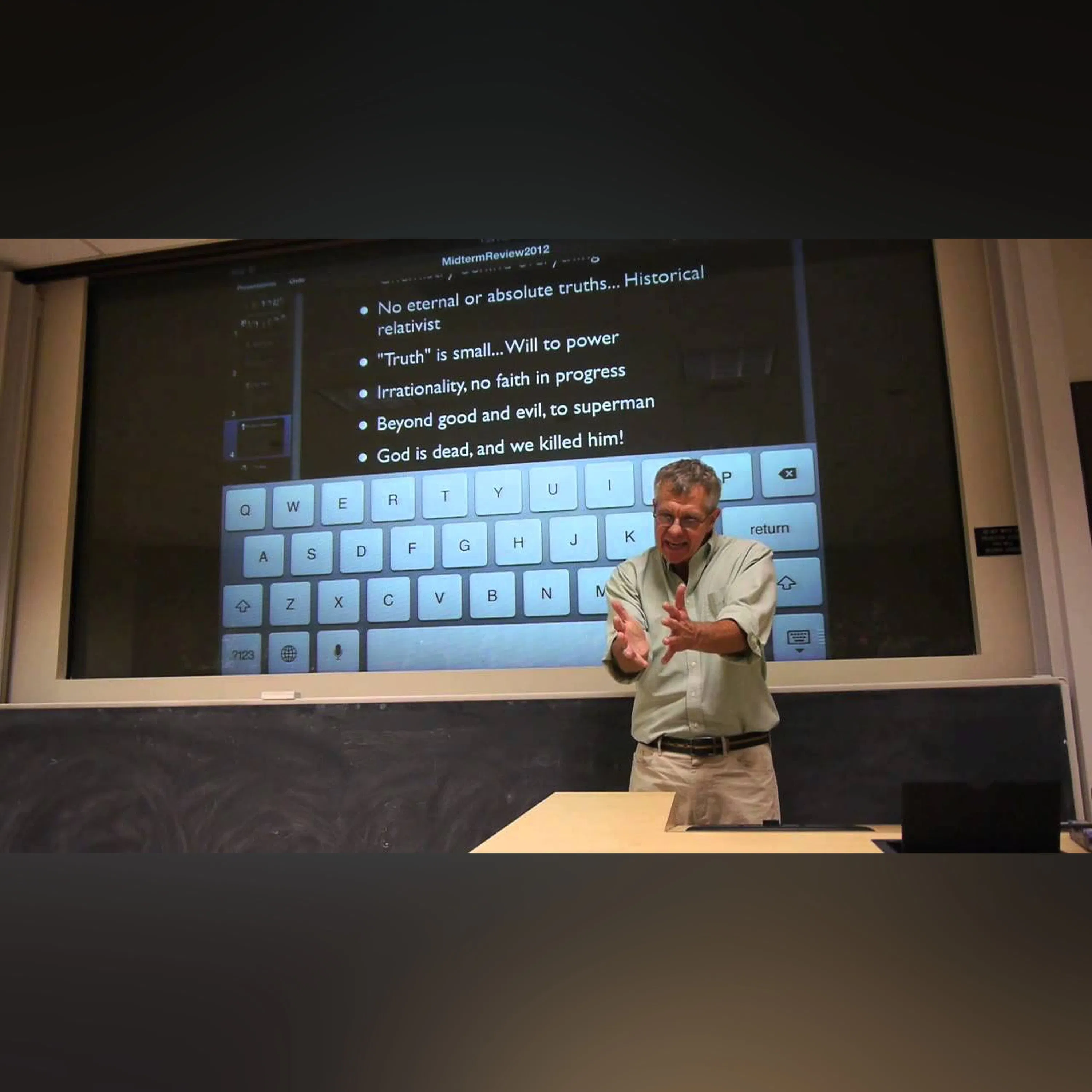
UGS 303 10 17 12 Midterm Exam Review
Midterm Exam Review, UGS 303, Ideas of the Twentieth Century, University of Texas at Austin, Fall 2012
 Daniel Bonevac
William Butler Yeats, The Second Coming
A reading and analysis of W. B. Yeats's poem, "The Second Coming." @PhiloofAlexandria

 Daniel Bonevac
PHL 354 1 28 13
Lecture 5, Paul's Conversion, of PHL 354/CTI 335, History of Christian Philosophy, The University of Texas at Austin, Spring 2013