Shows / CyberCode Academy
CyberCode Academy
Welcome to CyberCode Academy — your audio classroom for Programming and Cybersecurity.
🎧 Each course is divided into a series of short, focused episodes that take you from beginner to advanced level — one lesson at a time.
From Python and web development to ethical hacking and digital defense, our content transforms complex concepts into simple, engaging audio learning.
Study anywhere, anytime — and level up your skills with CyberCode Academy.
🚀 Learn. Code. Secure.
You can listen and download…
The show, from its episodes
No episode notes yet. Recurring topics, people and starter picks will appear when notes are available.
Typical episode length
18m · median of 419 episodes with a known length
Solo / guest format
Unknown — existing notes name people mentioned, but do not identify hosts or guests.
Recurring topics
No recurring topics established yet.
Recurring people
No recurring people established yet.
Start here
No starter picks yet — no published episodes with audio and a recorded notes hook.
Episodes
 CyberCode Academy
Course 8 - Penetration Testing OSINT Gathering with Recon-ng | Episode 3: Harvesting Data, Optimizing Contacts, Geolocation
In this lesson, you’ll learn about: Conducting a Multi‑Stage OSINT Campaign Using Recon‑ng 1. Initial Data Harvesting & Database Population The OSINT campaign…
 CyberCode Academy
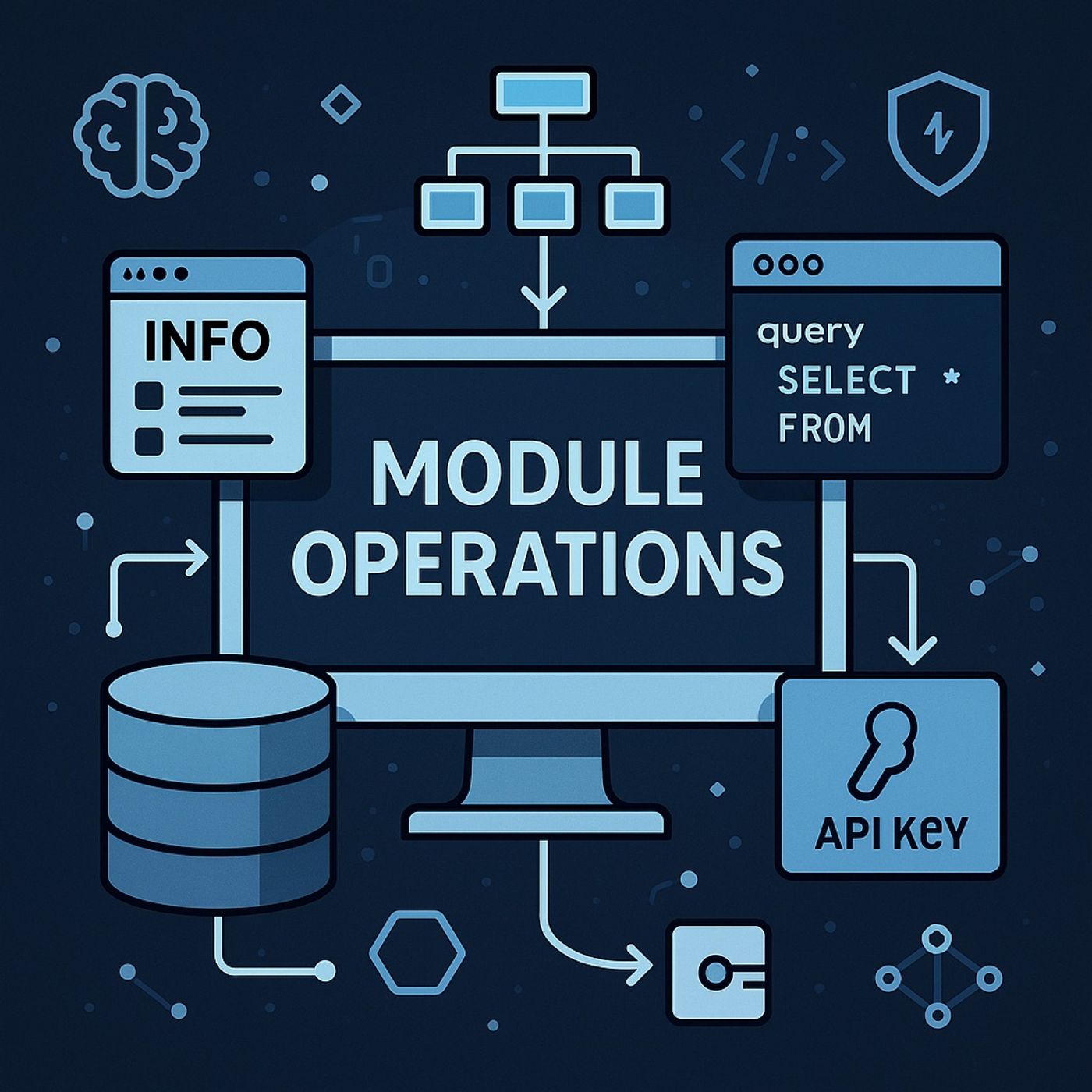
Course 8 - Penetration Testing OSINT Gathering with Recon-ng | Episode 2: Modules, Data Flow, Naming Structure, API Keys
In this lesson, you’ll learn about: Mastering Recon-ng Module Operations, Data Flow, Naming Structure, API Integration & Session Automation 1. Understanding…
 CyberCode Academy
Course 8 - Penetration Testing OSINT Gathering with Recon-ng | Episode 1: Recon-ng Installation, Shell Exploration and Data Management
In this lesson, you’ll learn about: Recon-ng Installation, Shell Navigation, and Data Management for Penetration Testing 1. Installation and Environment Setup…
 CyberCode Academy
Course 7 - Secure SDLC (Software Development Life Cycle) | Episode 8: Phase 8: Collaboration, Maturity Models, and Strategic Planning
In this lesson, you’ll learn about: Phase 8 — Collaborative Model & Continuous Security Improvement 1. Overview Phase Eight of the Secure SDLC emphasizes the…
 CyberCode Academy
Course 7 - Secure SDLC (Software Development Life Cycle) | Episode 7: Incident Management, Operational Defense, and Continuous Security
In this lesson, you’ll learn about: Secure Response — SDLC Phase 7 1. Overview Secure Response is Phase Seven of the Secure Software Development Life Cycle…
 CyberCode Academy
Course 7 - Secure SDLC (Software Development Life Cycle) | Episode 6: Secure Validation: A Comprehensive Look at Security Testing Methodolog
In this lesson, you’ll learn about: Secure Validation — SDLC Phase 6 1. Overview Secure Validation tests software from a hacker’s perspective (ethical hacking)…
 CyberCode Academy
Course 7 - Secure SDLC (Software Development Life Cycle) | Episode 5: Hardening, DevSecOps Integration, Container Security and WAF
In this lesson, you’ll learn about: Secure Deploy — SDLC Phase 5 1. Overview Secure Deployment focuses on hardening the environment to protect systems from…
 CyberCode Academy
Course 7 - Secure SDLC (Software Development Life Cycle) | Episode 4: Integrating Secure Coding, Code Review, and Application Security Testi
In this lesson, you’ll learn about: Secure Build — SDLC Phase 4 1. Overview Secure Build is the practice of applying secure requirements and design principles…
 CyberCode Academy
Course 7 - Secure SDLC (Software Development Life Cycle) | Episode 3: Defining, Implementing 20 Controls, and Mitigating OWASP Top 10 in SDL
In this lesson, you’ll learn about: Secure Requirements — SDLC Phase 2 1. Overview of Secure Requirements Definition and Purpose: Secure requirements are…
 CyberCode Academy
Course 7 - Secure SDLC (Software Development Life Cycle) | Episode 2: Malware, Social Engineering, GRC, and Secure Development Practices
In this lesson, you’ll learn about: Security Awareness Training — Secure SDLC Phase 1 1. Security Awareness Training (SAT) Fundamentals SAT is the education…
 CyberCode Academy
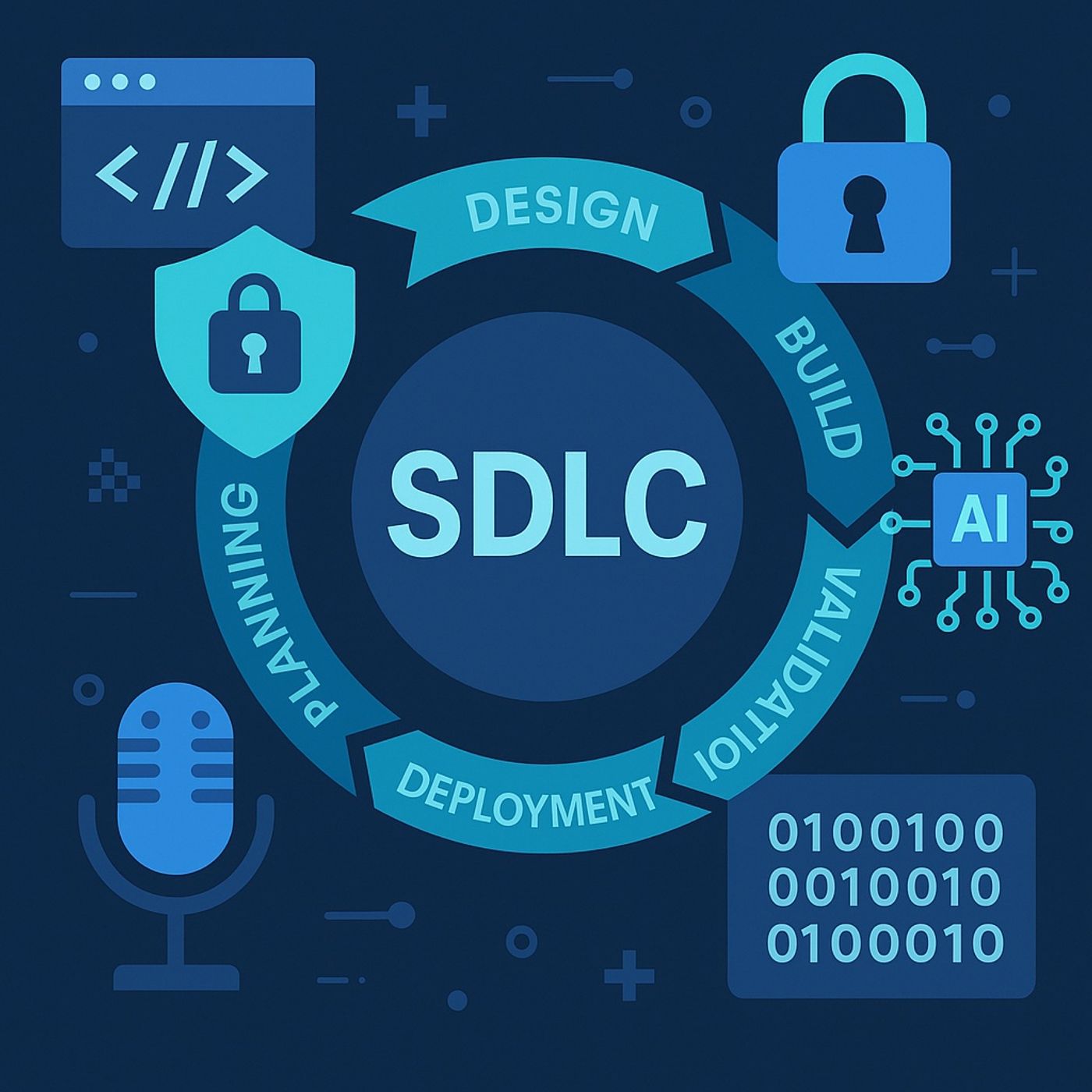
Course 7 - Secure SDLC (Software Development Life Cycle) | Episode 1: Approaches, Eight Phases, and Risk Management
In this lesson, you’ll learn about: Secure Software Development Life Cycle (Secure SDLC) — Full Overview Definition of Secure SDLC A framework that integrates…
 CyberCode Academy
Course 6 - Network Traffic Analysis for Incident Response | Episode 7: Network Data Analysis Toolkit: Tools, Techniques and Threat Signature
In this lesson, you’ll learn about: The complete toolkit and techniques for analyzing network traffic using Connection Analysis, Statistical Analysis, and…
 CyberCode Academy
Course 6 - Network Traffic Analysis for Incident Response | Episode 6: Investigating RATs, Worms, Fileless, and Multi-Stage Malware Variants
In this lesson, you’ll learn about: Advanced Malware Traffic Analysis — how to detect, decode, and investigate RATs, fileless exploits, worms, and multi-stage…
 CyberCode Academy
Course 6 - Network Traffic Analysis for Incident Response | Episode 5: Scanning, Covert Data Exfiltration, DDoS Attacks and IoT Exploitation
In this lesson, you’ll learn about: Network Threat Analysis — understanding how common attacks and advanced malware appear in real traffic captures, and how to…
 CyberCode Academy
Course 6 - Network Traffic Analysis for Incident Response | Episode 4: Mapping, Decoding, and Decrypting Network Traffic Intelligence
In this lesson, you’ll learn about: Intelligence Collection from Network Traffic Captures — focusing on anomalies, attacker behavior, and extracting actionable…
 CyberCode Academy
Course 6 - Network Traffic Analysis for Incident Response | Episode 3: Wireshark Alternatives: Network Miner, Terminal Shark, and CloudShark
In this lesson, you’ll learn about: Three powerful alternatives to Wireshark that expand your capabilities in network traffic analysis. How to use Network…
 CyberCode Academy
Course 6 - Network Traffic Analysis for Incident Response | Episode 2: Wireshark Features and Comprehensive Protocol Dissection
In this lesson, you’ll learn about: Transitioning from theoretical networking concepts to hands-on traffic analysis. Using Wireshark to capture, dissect…
 CyberCode Academy
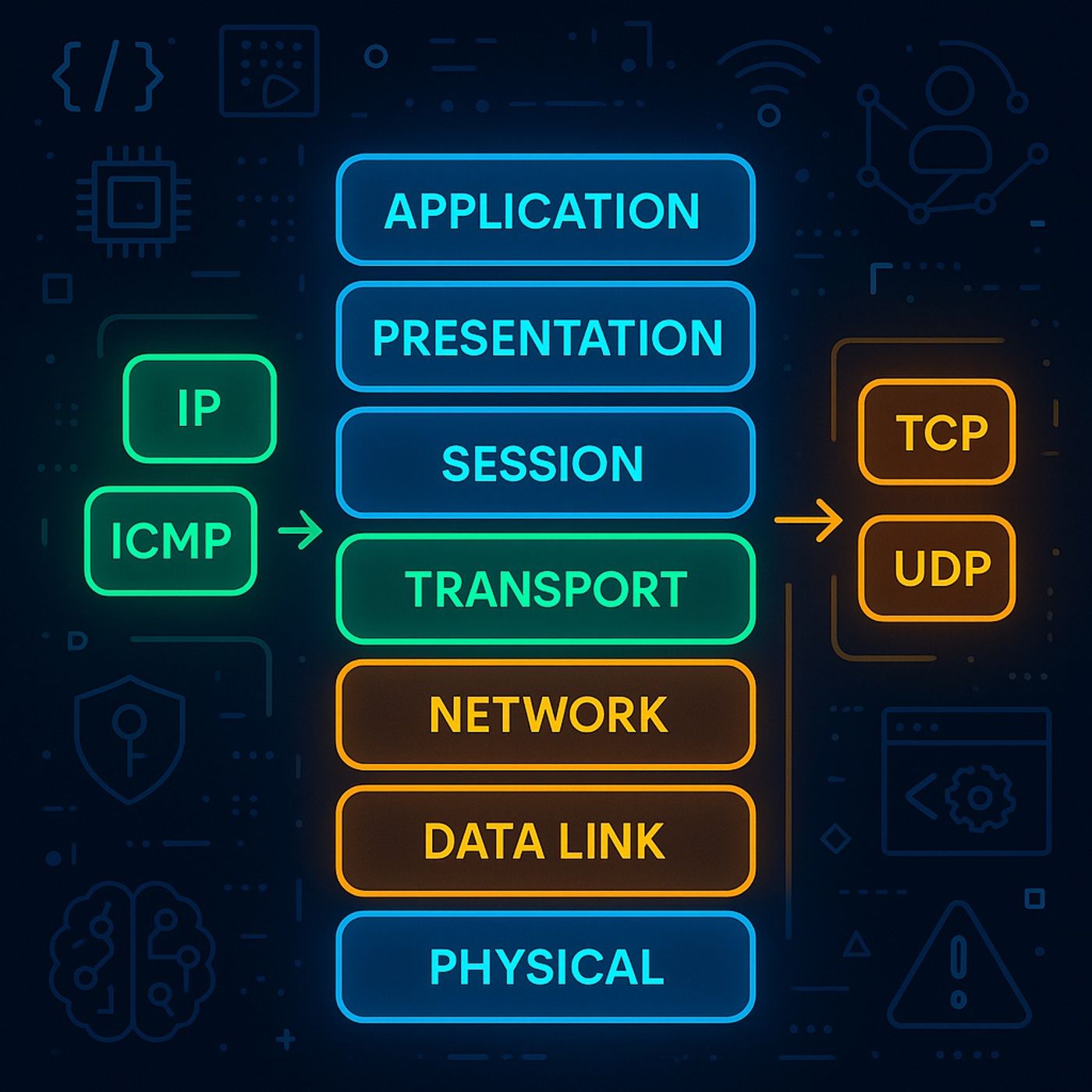
Course 6 - Network Traffic Analysis for Incident Response | Episode 1: Fundamentals of Networking: The OSI Model and Essential Protocols
In this lesson, you’ll learn about: The core networking concepts required before beginning any network traffic analysis. The relationship between the OSI…
 CyberCode Academy
Course 5 - Full Mobile Hacking | Episode 8: Technical Check for Mobile Indicators of Compromise using ADB and Command Line
In this lesson, you’ll learn about: Goal — verifying if an Android device is compromised (conceptual): How investigators look for Indicators of Compromise…
 CyberCode Academy
Course 5 - Full Mobile Hacking | Episode 7: Remote Windows Management and Android Geolocation Security Tutorials
In this lesson, you’ll learn about: Remote desktop from Android to Windows — legitimate use & risks (conceptual): What remote desktop access enables: control a…
 CyberCode Academy
Course 5 - Full Mobile Hacking | Episode 6: Ghost Framework: Exploiting Android Devices via Debug Bridge (ADB) and Shodan Reconnaissance
In this lesson, you’ll learn about: Threat overview — device command‑and‑control via debug interfaces (conceptual): What attacker frameworks that target device…
 CyberCode Academy
Course 5 - Full Mobile Hacking | Episode 5: Exploiting Insecure Storage and Access Controls via Reverse Engineering and ADB
In this lesson, you’ll learn about: Access control flaws & exposed debug interfaces: how application components and debug/logging channels can unintentionally…
 CyberCode Academy
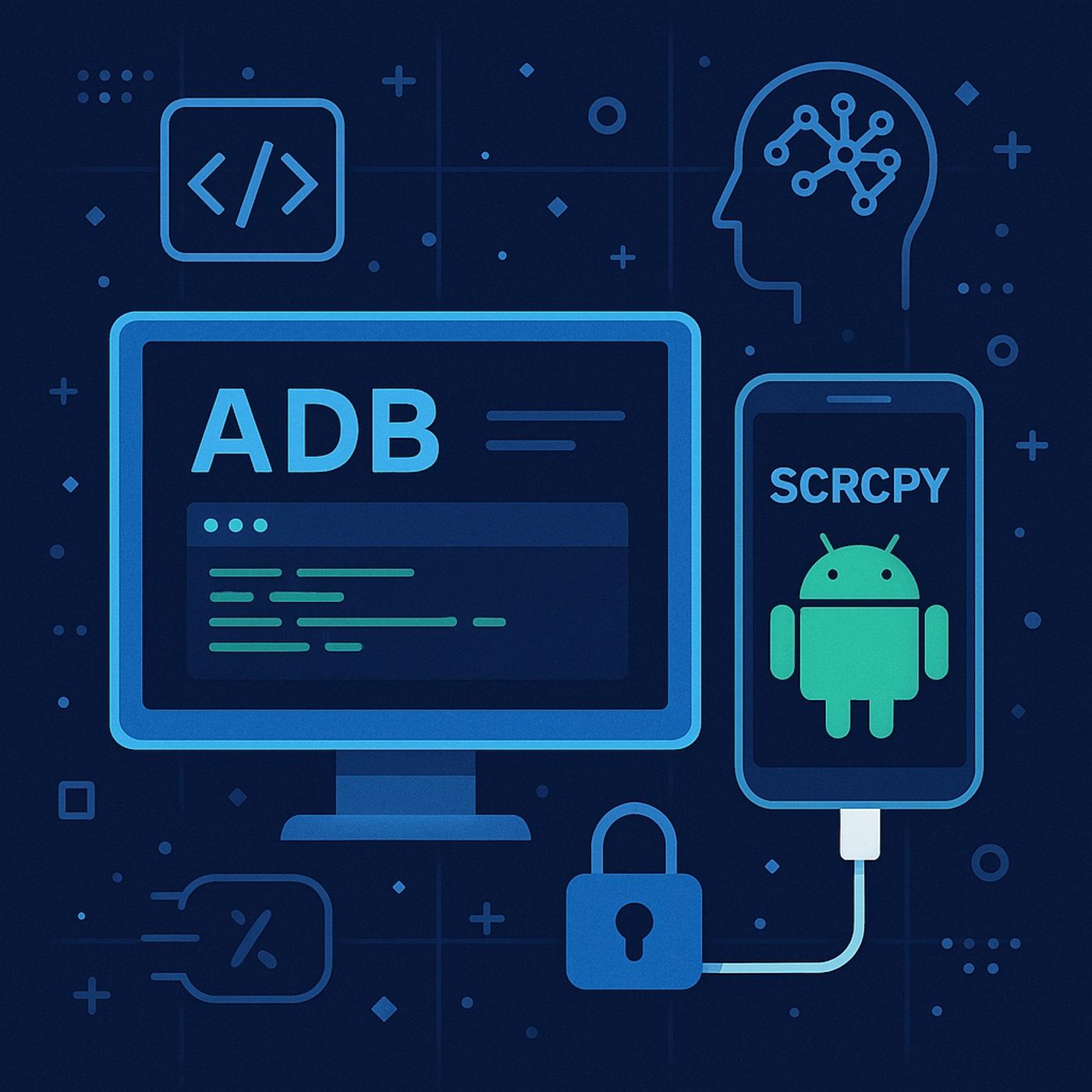
Course 5 - Full Mobile Hacking | Episode 4: Comprehensive Android Debugging and Control: ADB, SCRCPY, and Security Manipulation
In this lesson, you’ll learn about: ADB & SCRCPY — purpose & components (conceptual): What the Android Debug Bridge (ADB) is (a client/daemon/server…
 CyberCode Academy
Course 5 - Full Mobile Hacking | Episode 3: Android Hacking and Remote Management: Payloads, App Hiding, Geolocation, and Data Extraction
In this lesson, you’ll learn about: Threat model — mobile remote‑control malware (conceptual): What attackers seek from a malicious Android app: persistent…
 CyberCode Academy
Course 5 - Full Mobile Hacking | Episode 2: Setting Up the iPhone Simulator on Mac OS using Xcode for Mobile Penetration Testing
In this lesson, you’ll learn about: iPhone Simulator on macOS — purpose & use: running a full iOS simulator via Xcode to test, debug, and perform mobile app…
 CyberCode Academy
Course 5 - Full Mobile Hacking | Episode 1: Android Studio: Running AVDs and Installing Apps on Windows
In this lesson, you’ll learn about: Setting up Android Studio on Windows: Launching Android Studio (built on IntelliJ) for developing, testing, and examining…
 CyberCode Academy
Course 4 - Learning Linux Shell Scripting | Episode 9: Process Management, Scheduling, User Control, and Scripting Utilities
In this lesson, you’ll learn about: Process and signal management: Understanding Linux processes and gathering details using ps, top (for CPU-intensive tasks)…
 CyberCode Academy
Course 4 - Learning Linux Shell Scripting | Episode 8: System Monitoring, Performance Measurement, and Log Management
In this lesson, you’ll learn about: Resource monitoring & optimization: Using df and du to calculate disk usage and free space, display results in…
 CyberCode Academy
Course 4 - Learning Linux Shell Scripting | Episode 7: Comprehensive Network Diagnostics and Remote Host Management
In this lesson, you’ll learn about: Network connectivity & diagnostics: using ping to verify reachability and measure RTT (use -c to limit packets, check exit…
 CyberCode Academy
Course 4 - Learning Linux Shell Scripting | Episode 6: The Backup Plan
In this lesson, you’ll learn about: The Backup Plan — Data Management, Archiving, and Backup Automation This section provides a deep dive into data management…
 CyberCode Academy
Course 4 - Learning Linux Shell Scripting | Episode 5: Shell Scripting for Web Automation, Data Retrieval, and Parsing
In this lesson, you’ll learn about: Tangled Web — Automating Web Interaction with Shell Scripting This section focuses on how shell scripting and command-line…
 CyberCode Academy
Course 4 - Learning Linux Shell Scripting | Episode 4: Shell Text Processing: Mastering Utilities and Regular Expressions
In this lesson, you’ll learn about: 🧠 Core Concept: Text Processing in Unix/Linux This section, titled “Texting and Driving,” focuses on the art and science of…
 CyberCode Academy
Course 4 - Learning Linux Shell Scripting | Episode 3: Comprehensive Unix File and Directory Management Utilities
In this lesson, you’ll learn about: 📁 File Creation, Size, and Storage Management • Generating Files of Any Size: Learn to use the low-level dd command to…
 CyberCode Academy
Course 4 - Learning Linux Shell Scripting | Episode 2: Essential Unix/Linux Command Line Utilities and Advanced Techniques
In this lesson, you’ll learn about: Text & File Management Basics Using cat to read, display, and concatenate files, including combining stdin and file input…
 CyberCode Academy
Course 4 - Learning Linux Shell Scripting | Episode 1: Essential: Utilities, Variables, I/O, and Program Flow
In this lesson, you’ll learn about: Shell I/O & printing: echo (flags like -n), printf for formatted output, colored text via escape sequences, and printing…
 CyberCode Academy
Course 3 - Mastering Nuclei for Bug Bounty | Episode 8: Nuclei File-Based Templates: Implementing Content Matching and Secret Extraction
In this lesson, you’ll learn about: Nuclei file-based templates — purpose: extending Nuclei beyond HTTP to scan local files and codebases for sensitive content…
 CyberCode Academy
Course 3 - Mastering Nuclei for Bug Bounty | Episode 7: Exploiting Business Logic Flaws and Achieving Multiple Redemptions
In this lesson, you’ll learn about: Race conditions — definition & impact: concurrency bugs that occur when multiple requests/threads read/write the same…
 CyberCode Academy
Course 3 - Mastering Nuclei for Bug Bounty | Episode 6: Nuclei Fuzzing Techniques: Cluster Bomb, Pitchfork, and Battering Ram
In this lesson, you’ll learn about: Fuzzing with Nuclei — purpose: using custom YAML templates to brute-force or enumerate inputs (usernames, passwords…
 CyberCode Academy
Course 3 - Mastering Nuclei for Bug Bounty | Episode 5: Matching Conditions in the Body and Header
In this lesson, you’ll learn about: POST-based matchers in Nuclei — overview: moving from simple GET checks to POST requests that include payloads; used when…
 CyberCode Academy
Course 3 - Mastering Nuclei for Bug Bounty | Episode 4: Headers, Body, Raw Requests, and Response Matching
In this lesson, you’ll learn about: Custom headers in templates: define headers: as key–value pairs (e.g., User-Agent, X-Forwarded-Host, or custom headers like…
 CyberCode Academy
Course 3 - Mastering Nuclei for Bug Bounty | Episode 3: Scanning Lists, Metrics, Template Writing, and Proxying
In this lesson, you’ll learn about: Feeding targets to Nuclei: enumerating subdomains (e.g., Subfinder), validating live hosts with HTTPX, and supplying host…
 CyberCode Academy
Course 3 - Mastering Nuclei for Bug Bounty | Episode 2: Controlling Scans, Traffic Tuning, and Custom Template Development
In this lesson, you’ll learn about: Controlling Nuclei template selection — include templates by tags (e.g., xss, tech, enginex), severity (info, low, medium…
 CyberCode Academy
Course 3 - Mastering Nuclei for Bug Bounty | Episode 1: Nuclei: Installation, Template Setup, and First Scan
In this lesson, you’ll learn about: Nuclei — definition & purpose: a template‑based automated vulnerability scanner written in Go, designed for fast…
 CyberCode Academy
Course 2 - API Security Offence and Defense | Episode 4: Aggressive Attacks, Traditional Vulnerabilities and Exploitation of Staging APIs
In this lesson, you’ll learn about: Aggressive Attacks on APIs Denial of Service (DoS): Flooding servers to disrupt service; Layer 7 attacks mimic normal…
 CyberCode Academy
Course 2 - API Security Offence and Defense | Episode 3: OAuth Protocol: Standards, Authorization Flows, Attacks, and Real-World Case Study
In this lesson, you’ll learn about: OAuth — purpose & distinction: an authorization protocol that grants third-party apps scoped access to user resources…
 CyberCode Academy
Course 2 - API Security Offence and Defense | Episode 2: Authentication Methods and Security: Basic, Digest, and JSON Web Tokens (JWT)
In this lesson, you’ll learn about: Authentication & Authorization Fundamentals: Authentication: Identifying the user. Authorization: Defining what actions an…
 CyberCode Academy
Course 2 - API Security Offence and Defense | Episode 1: API Fundamentals: Standards, Versioning, and Investigative Techniques
In this lesson, you’ll learn about: APIs — Definition & Evolution: API (Application Programming Interface): A mechanism originally designed to allow software…
 CyberCode Academy
Course 1 - BurpSuite Bug Bounty Web Hacking from Scratch | Episode 12: Cookies, Sessions, and Session Management Manipulation Vulnerability
In this lesson, you’ll learn about: HTTP is stateless: every request is independent, so web apps must implement state mechanisms to track users. Cookies —…
 CyberCode Academy
Course 1 - BurpSuite Bug Bounty Web Hacking from Scratch | Episode 11: Injection and Directory Path Traversal Attacks.
In this lesson, you’ll learn about: Critical Web Security Vulnerabilities — Overview: Focus on Injection Attacks and Directory Path Traversal Attacks, two…
 CyberCode Academy
Course 1 - BurpSuite Bug Bounty Web Hacking from Scratch | Episode 10: XSS: Overview, Security Level Testing, and Real-World Attacks
In this lesson, you’ll learn about: Definition of Cross-Site Scripting (XSS): A client-side web vulnerability where an application executes user-supplied…
 CyberCode Academy
Course 1 - BurpSuite Bug Bounty Web Hacking from Scratch | Episode 9: Understanding and Finding SQL Injection Vulnerabilities
In this lesson, you’ll learn about: SQL Injection (SQLi) — definition & importance: what SQL is (Structured Query Language) and why data-driven apps are…
 CyberCode Academy
Course 1 - BurpSuite Bug Bounty Web Hacking from Scratch | Episode 8: Exploiting Hidden Administrative Pages and Directory Listing
In this lesson, you’ll learn about: Security Misconfiguration — overview: a broad class of vulnerabilities caused by insecure defaults, incorrect application…
 CyberCode Academy
Course 1 - BurpSuite Bug Bounty Web Hacking from Scratch | Episode 7: Insecure Direct Object Reference (IDOR): Understanding, Testing
In this lesson, you’ll learn about: IDOR (Insecure Direct Object Reference) — definition: when user-supplied references (IDs) let attackers access or modify…
 CyberCode Academy
Course 1 - BurpSuite Bug Bounty Web Hacking from Scratch | Episode 6: Broken Authentication and Session Management: Exploits and Defenses
In this lesson, you’ll learn about: Broken Authentication and Session Management (BASM): A critical OWASP Top 10 vulnerability that arises from poor handling…
 CyberCode Academy
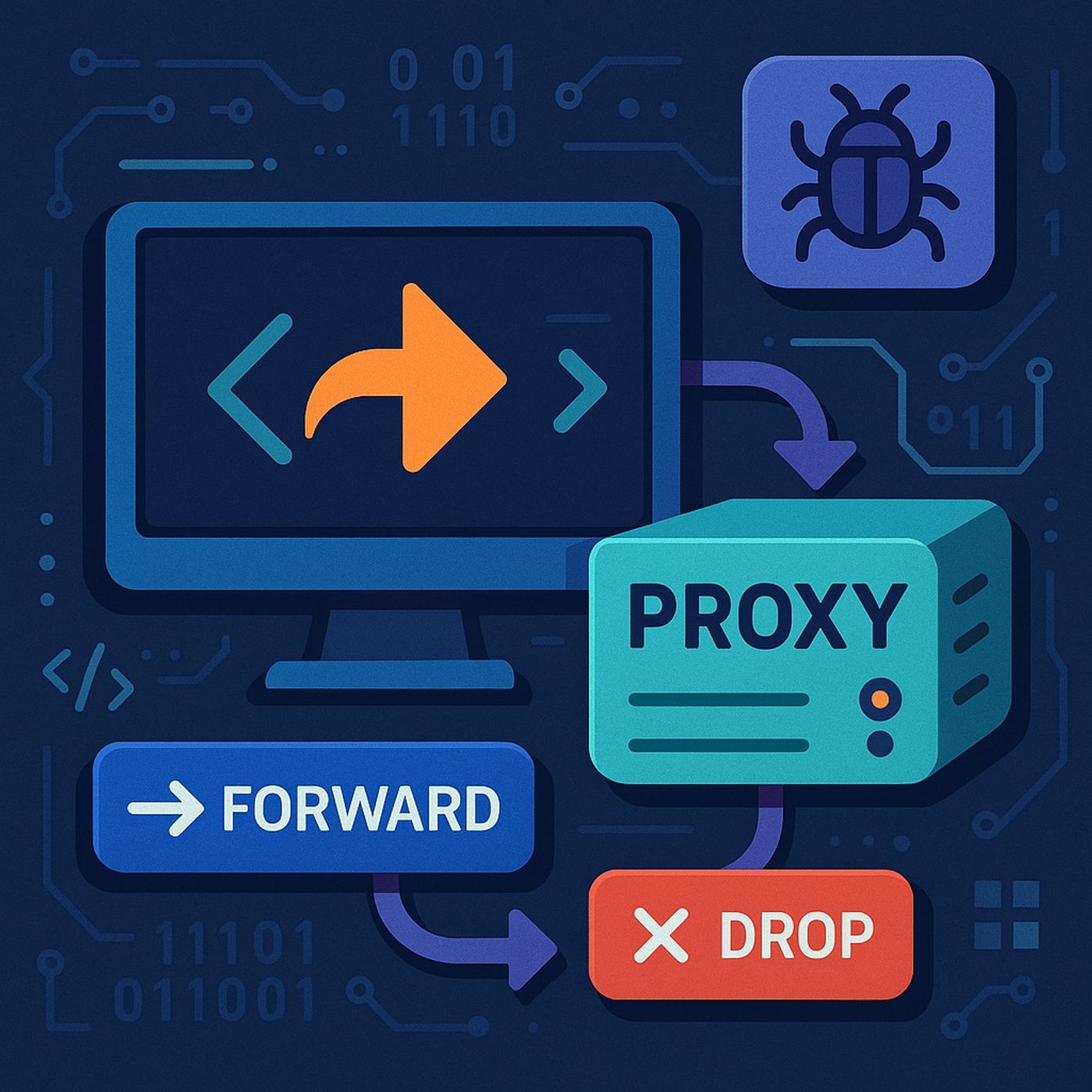
Course 1 - BurpSuite Bug Bounty Web Hacking from Scratch | Episode 5: Utilizing Burp Suite Decoder, Comparer, Sequencer, and Engagement Tool
In this lesson, you’ll learn about: Burp Decoder — purpose & features: decode/encode request and response content (URL, HTML, Base64, ASCIIhex, etc.)…
 CyberCode Academy
Course 1 - BurpSuite Bug Bounty Web Hacking from Scratch | Episode 4: Burp Suite Proxy: Configuration, Request Interception, and Repeater
In this lesson, you’ll learn about: Burp Proxy tab — purpose & subtabs: Intercept (toggle request interception), HTTP History (record of proxied requests), and…
 CyberCode Academy
Course 1 - BurpSuite Bug Bounty Web Hacking from Scratch | Episode 3: Burp Suite: Web Security Testing and Target Scope Configuration
In this lesson, you’ll learn about: Burp Suite — definition & purpose: a Java-based web-application penetration testing framework by PortSwigger used to…
 CyberCode Academy
Course 1 - BurpSuite Bug Bounty Web Hacking from Scratch | Episode 2: Program Types, Methodologies, and the Path to Becoming a Hunter
In this lesson, you’ll learn about: Bug bounty programs: their purpose and structure as platforms rewarding ethical hackers for discovering and responsibly…
 CyberCode Academy
Course 1 - BurpSuite Bug Bounty Web Hacking from Scratch | Episode 1: Installing Burp Suite, OWASP BWA, and Bee-Box (Bwapp)
In this lesson, you’ll learn about: Setting up a web security testing lab to practice web application security, pentesting, and exploiting common web…