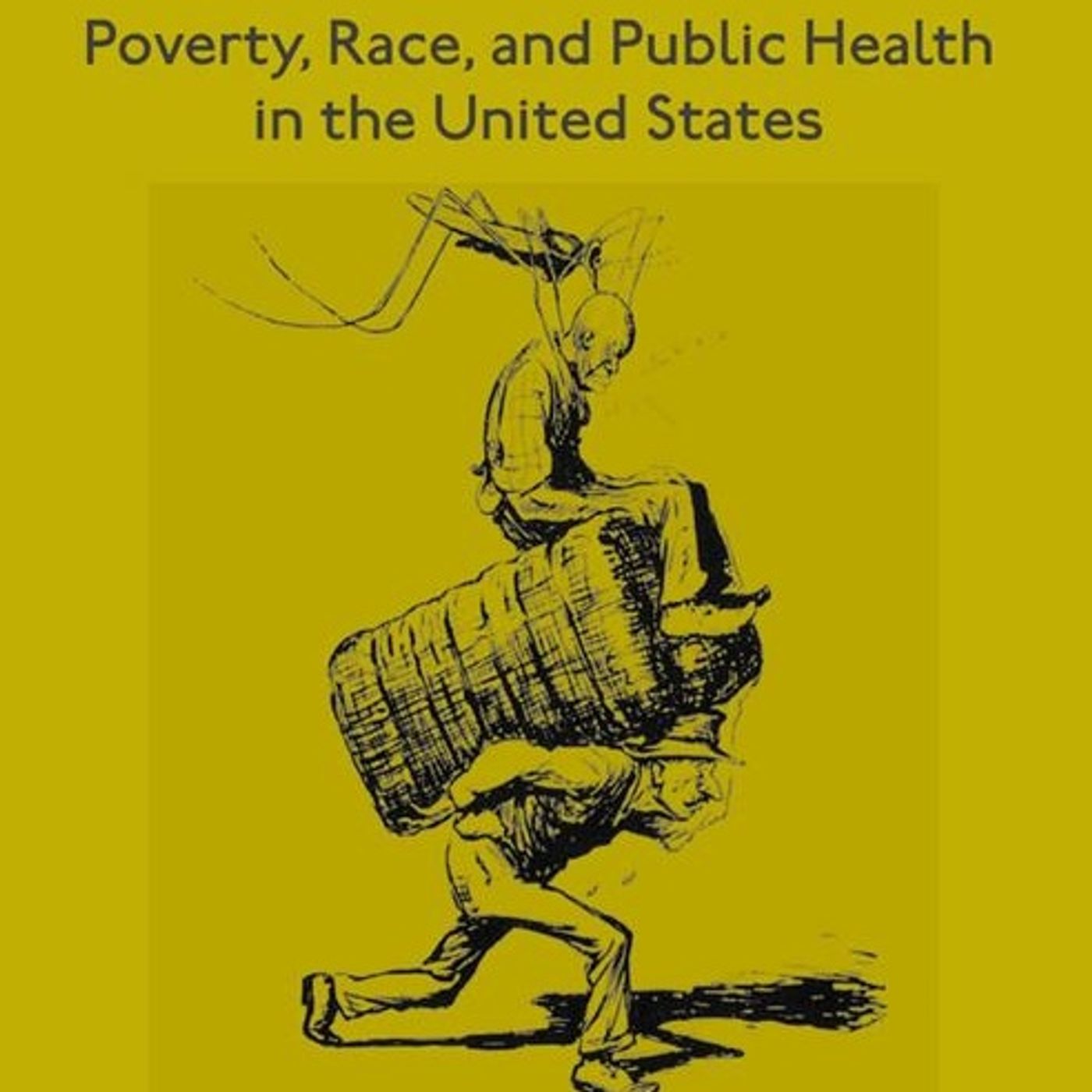
Malaria: Poverty, Race, and Public Health in the United States
The excerpts reveal her comprehensive study of malaria's historical trajectory in the U.S., tracing its presence from ancient times to its eventual eradication in the mid-20th century. Humphreys investigates the biological aspects of the disease, including different plasmodium species and mosquito vectors, alongside socioeconomic factors like poverty, race, and geographic location that influenced its prevalence, particularly in the American South. The book details public health efforts, medical understanding shifts from miasma theory to germ theory, and the impact of federal programs like the…
The skinny
The skinny isn't ready yet — notes appear once the transcript is processed.