95: Mitochondria transfer: biotech strategies and clinical hurdles
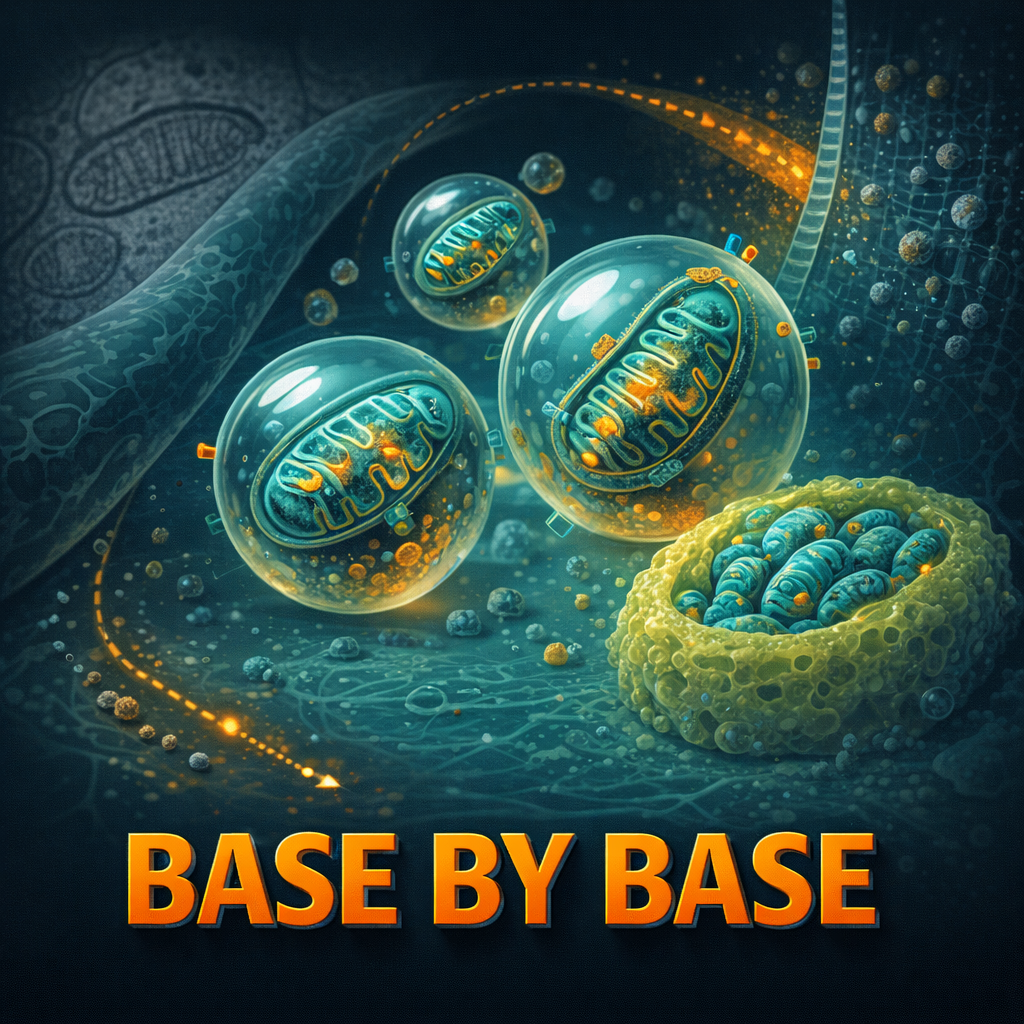
Kubat GB et al., Nature Communications - This Perspective surveys recent biotechnological advances that enhance mitochondria transfer and transplantation (MTT) — including surface functionalization, extracellular and engineered vesicles, hydrogels and nanomotors — and evaluates their therapeutic promise and limitations across cardiac, neural and other models. Key terms: mitochondrial transplantation, nanotechnology, extracellular vesicles, delivery systems, therapeutic potential.
Study Highlights:
The article reviews delivery strategies (CPPs, TPP/dextran coatings, EVs, liposomes, hydrogels…
Read the full description
nanomotors) that increase mitochondrial protection, cellular uptake and tissue targeting in preclinical models. Encapsulation in EVs or lipid bilayers preserves mitochondrial integrity under Ca2+ and oxidative stress and improves functional rescue compared with naked mitochondria. Key translational barriers include immune activation, short post-isolation mitochondrial lifespan, low targeting efficiency across barriers like the BBB, and scalability and regulatory challenges.
Conclusion:
Biotechnology-enabled delivery systems substantially improve MTT efficacy in preclinical settings, but immune, mechanistic, scalability and safety issues must be resolved before routine clinical use.
Music:
Enjoy the music based on this article at the end of the episode.
Article title:
Biotechnological approaches and therapeutic potential of mitochondria transfer and transplantation
First author:
Kubat GB
Journal:
Nature Communications
DOI:
10.1038/s41467-025-61239-6
Reference:
Kubat GB, Picone P, Tuncay E, et al. Biotechnological approaches and therapeutic potential of mitochondria transfer and transplantation. Nature Communications. 2025;16:5709. doi:10.1038/s41467-025-61239-6
License:
This episode is based on an open-access article published under the Creative Commons Attribution 4.0 International License (CC BY 4.0) – https://creativecommons.org/licenses/by/4.0/
Support:
Base by Base – Stripe donations: https://donate.stripe.com/7sY4gz71B2sN3RWac5gEg00
Official website https://basebybase.com
On PaperCast Base by Base you'll discover the latest in genomics, functional genomics, structural genomics, and proteomics.
Episode link: https://basebybase.com/episodes/mitochondria-transfer-transplantation-biotech-potential
QC:
This episode was checked against the original article PDF and publication metadata for the episode release published on 2025-08-03.
QC Scope:
- article metadata and core scientific claims from the narration
- excludes analogies, intro/outro, and music
- transcript coverage: Audited the transcript’s sections describing mitochondrial transfer strategies and barriers, including surface modification, extracellular and engineered vesicles, hydrogels, and oral nanomotorized mitochondria, plus BBB/clinical translation considerations.
- transcript topics: Barriers to mitochondrial transplantation (immune recognition, extracellular hostile environment, barriers like the BBB); Surface modification strategies (CPPs; Pep-1; TAT-dextran; Dex-TPP coatings); Natural and engineered extracellular vesicles as delivery vehicles (EVs, AM-Mito, liposomes, synaptosomes, FMCs); Hydrogels and other local delivery systems (PF127 hydrogel, xyloglucan, alginate-based hydrogels); Oral nanomotorized mitochondria (CM/NM/Mito@Cap) and targeted cardiac delivery; BBB crossing challenges and systemic delivery limitations
QC Summary:
- factual score: 10/10
- metadata score: 10/10
- supported core claims: 7
- claims flagged for review: 0
- metadata checks passed: 4
- metadata issues found: 0
Metadata Audited:
- article_doi
- article_title
- article_journal
- license
Factual Items Audited:
- Delivery strategies summarized: surface modification, extracellular vesicles, engineered vesicles, hydrogels, and oral nanomotors
- Exogenous mitochondria can fuse with host mitochondrial networks or be degraded via lysosomal pathways
- Oral nanomotorized mitochondria achieved ~7.9% cardiac tissue delivery versus ~1.0% for non-motorized controls
- Pep-1 and TAT-based surface modificat
Short listen plan
No short plan yet. We need saved quotes in chapters with known start and end times, backed by a timed transcript.
The skinny
The skinny isn't ready yet — notes appear once the transcript is processed.