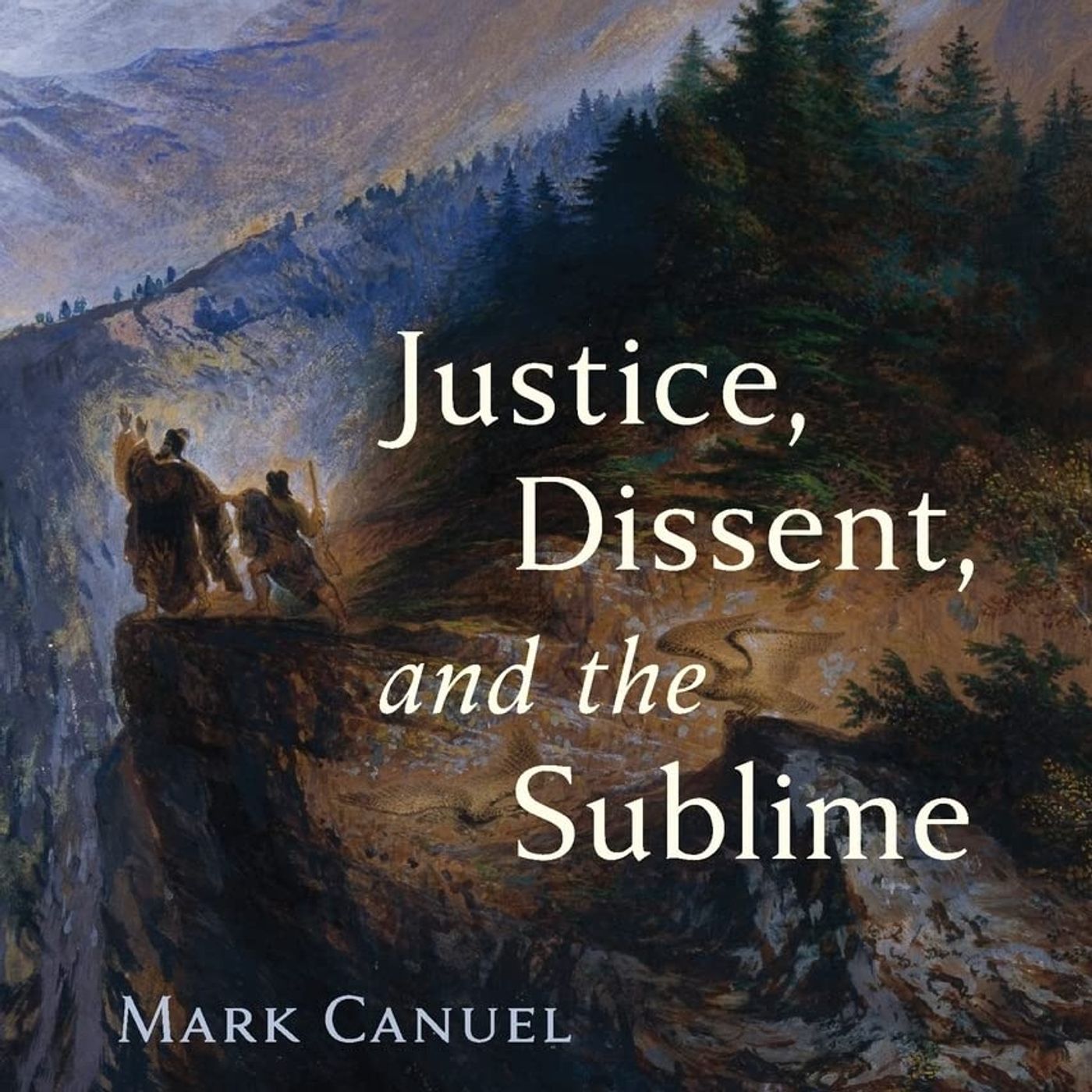
Justice, Dissent, and the Sublime
Explores the relationship between aesthetics—specifically the concepts of beauty and the sublime—and notions of justice, politics, and social organization. It argues against the common association of beauty with social justice, reciprocity, and shared identity, proposing instead that the sublime, with its emphasis on asymmetry and disagreement, offers a more compelling framework for understanding dissent and social critique. The book analyzes how these aesthetic principles operate in Romantic-era literature, such as Mary Shelley’s Frankenstein and works by Coleridge and Charlotte Smith, as…
The skinny
The skinny isn't ready yet — notes appear once the transcript is processed.