1454-β-Catenin Signaling in Toxoplasma gondii Infection
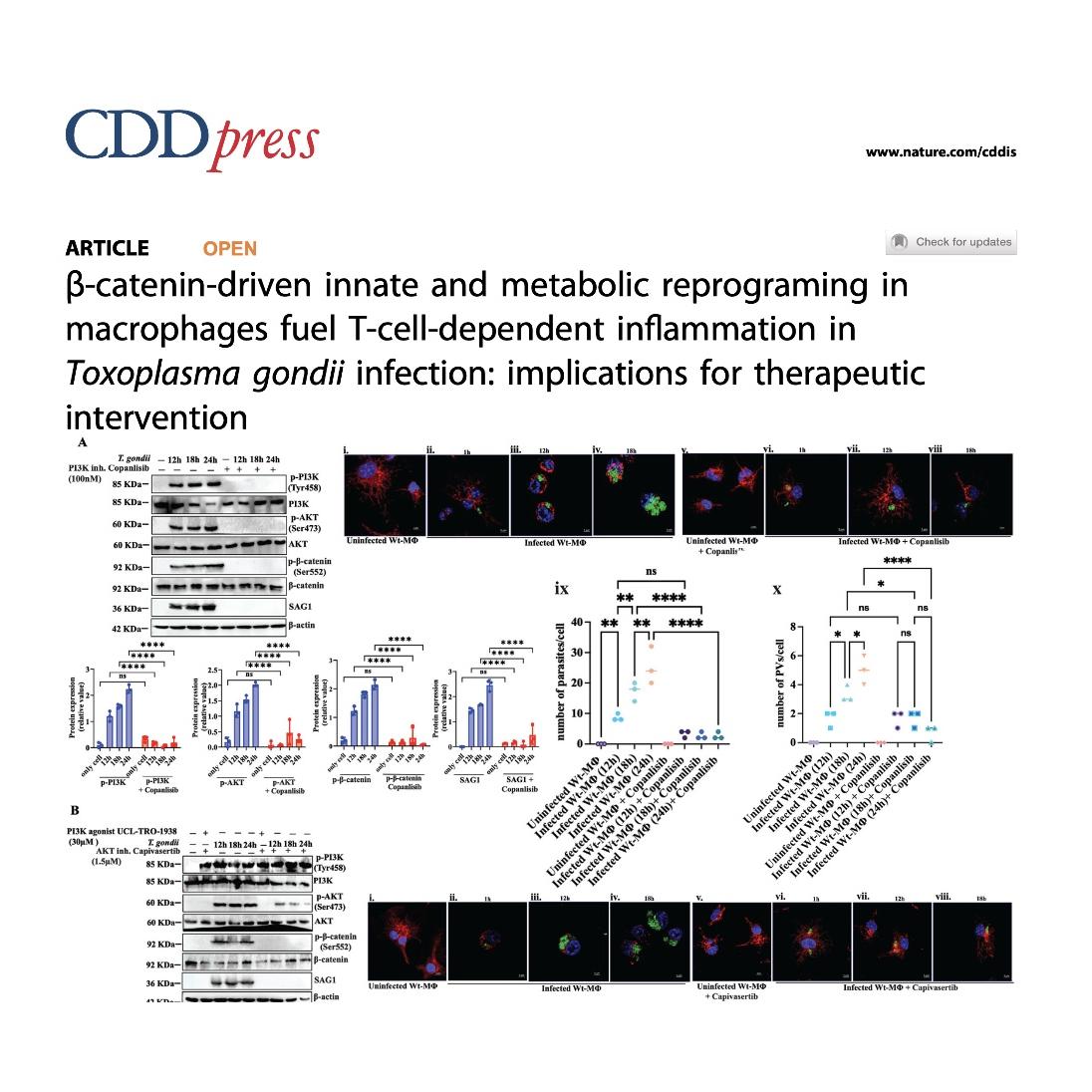
This scientific paper describe a study published in Cell Death and Disease regarding how the parasite Toxoplasma gondii manipulates host immune cells to ensure its own survival. The research identifies that the parasite hijacks a specific signaling pathway involving PI3K, AKT, and β-catenin within macrophages to promote replication and trigger T-cell-dependent inflammation. By activating this axis, the parasite causes mitochondrial dysfunction and elevated reactive oxygen species, which leads to inflammasome activation and metabolic reprogramming toward a pro-inflammatory state. Conversely…
The skinny
The skinny isn't ready yet — notes appear once the transcript is processed.