Information at Sea: Shipboard Command and Control in the U.S. Navy, from Mobile Bay to Okinawa
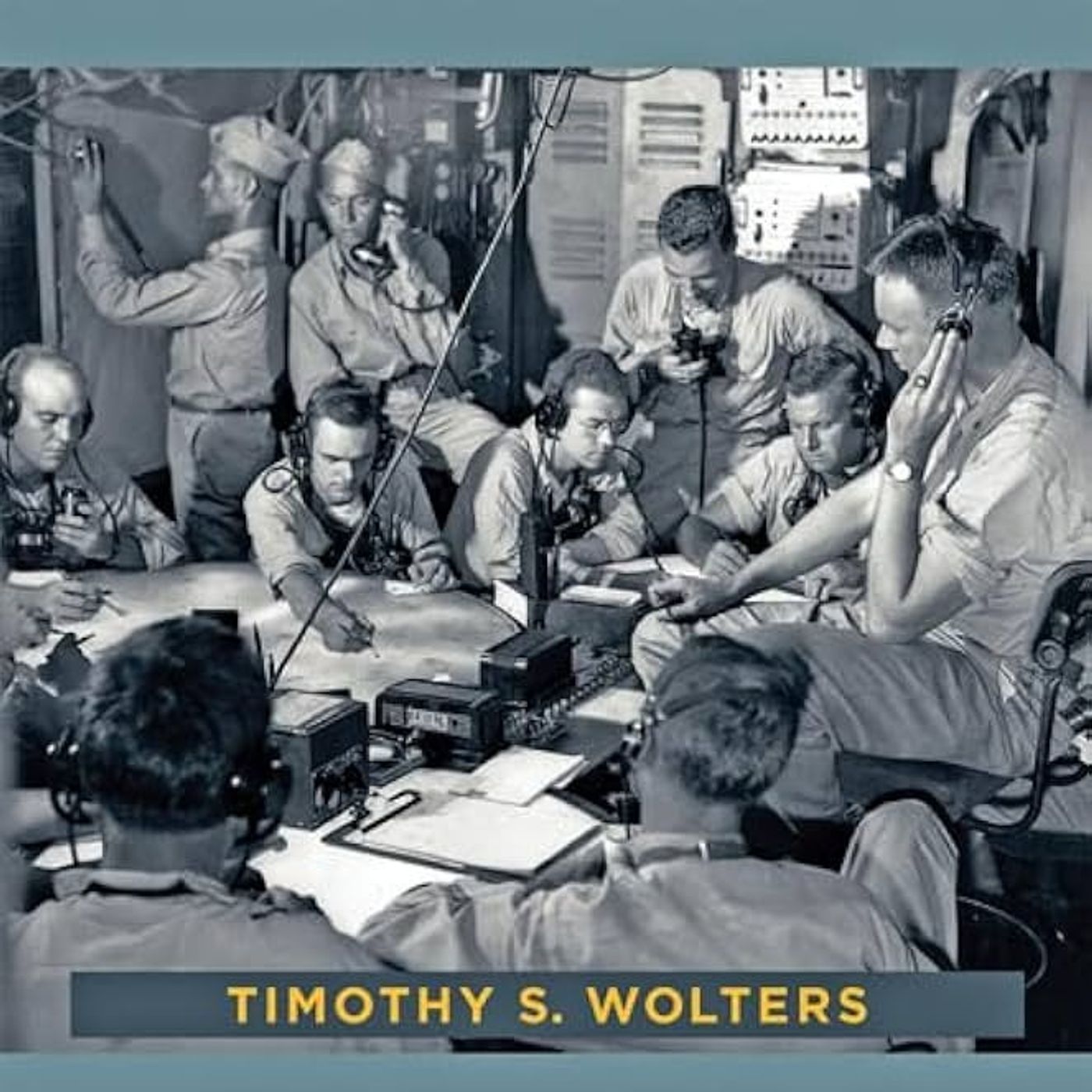
Examines the evolution of shipboard command and control systems within the U.S. Navy from the mid-19th century through World War II. It traces the shift from early visual signaling methods to more complex electronic communication technologies like wireless telegraphy and radar. The source highlights how advancements, including flares, electric lights, and later radio and radar, transformed decision-making processes from centralized command to distributed cognition, requiring junior personnel to take on increased responsibility. Furthermore, it details the institutional challenges and…
The skinny
The skinny isn't ready yet — notes appear once the transcript is processed.