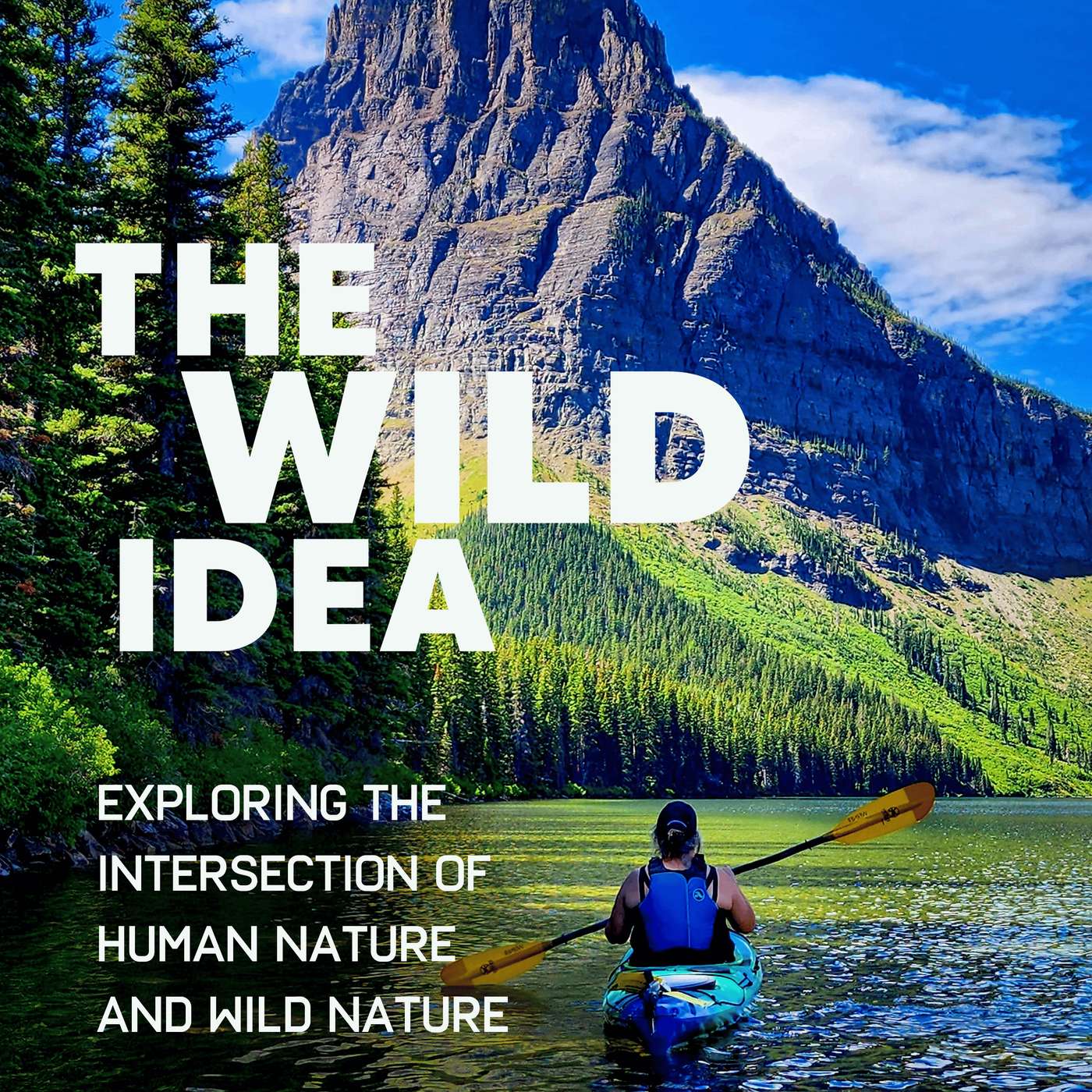
Kristin Gendzier: The Roadless Rule's Southern Roots
January is Roadless Month on The Wild Idea. Throughout the month, we’re exploring the landscapes, communities, and ideas shaped by America’s roadless public lands — and what’s at stake as these protections face renewed threats.
Today, Bill Hodge and Anders Reynolds are joined by Kristin Gendzier of the Southern Environmental Law Center to dive into discussion of what the Roadless Rule is, how it protects national forest roadless areas, and why it matters now. Kristin brings a distinctly Southern Appalachian perspective to the conversation, weaving together policy history, personal experience…
Read the full description
and the lived reality of communities surrounded by roadless areas. From drinking water and wildlife habitat to recreation and rural economies, she explains how these landscapes quietly support millions of people — often without them realizing it.
The discussion also addresses the rule’s turbulent legal and political history, common misconceptions about wildfire and forest management, and the renewed threat posed by efforts to rescind the rule entirely. Rather than framing the moment solely as a crisis, the episode emphasizes public participation, collective responsibility, and the generational importance of protecting these lands.
Learn more about today's episode, Roadless Month, and learn how you can advocate for your public lands at our website, thewildidea.com.
Short listen plan
No short plan yet. We need saved quotes in chapters with known start and end times, backed by a timed transcript.
The skinny
The skinny isn't ready yet — the transcript is, and you can read it now.
Speaker 1 0:00 I'm Ingrid from Minneapolis, Minnesota, and you're listening to the wild idea. Happy New Year, and welcome to our conversations for a wild and connected world what we call the wild idea Podcast. I'm Bill Hodge, and along with my co host, Anders Reynolds, we bring a passion and a history of working for wild places and exploring the ideas that live at the intersection of wild nature and human nature. And we're starting 2026 off with… continue reading